2027 Career Paths with a Financial Technology Master's Degree Explained

Co-Founder and Chief Data Scientist
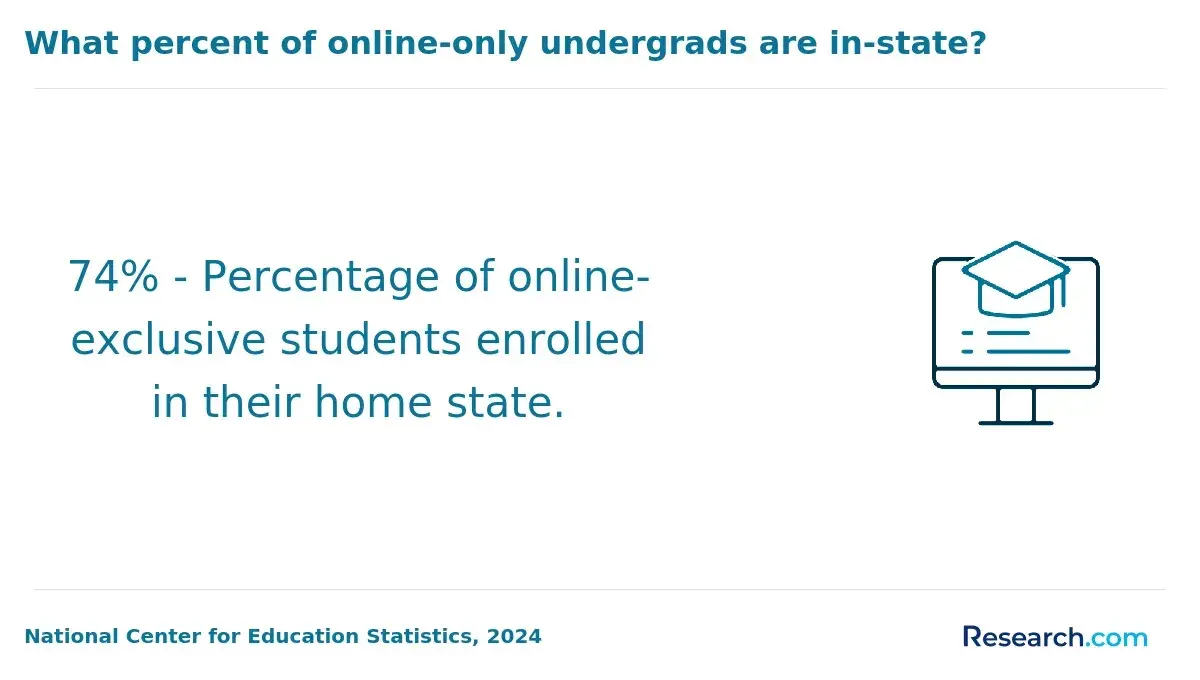
The landscape for professionals with a financial technology master's degree has shifted toward valuing cross-disciplinary expertise, combining deep technical skills with leadership and strategic problem-solving. Employers increasingly seek graduates capable of navigating complex regulatory environments, deploying advanced analytics tools like blockchain and AI, and leading collaborative product development cycles. Programs emphasize specialized competencies that support roles in risk assessment, digital payments, and regulatory compliance, reflecting industry demand for adaptable, management-ready candidates. Notably, a 2024 National Center for Education Statistics report highlights a 20% rise in part-time and online graduate enrollments, illustrating how flexible learning meets the schedules of working professionals aiming for career advancement.
This article explores key career trajectories enabled by a financial technology master's degree, aiding readers in aligning these paths with their professional goals and market realities.
Key Things to Know About Career Paths With a Financial Technology Master's Degree
- Specialization in Fintech sharpens skills for leadership in emerging subfields like blockchain and AI-driven finance, enhancing professional mobility despite a steeper initial learning curve compared to traditional finance degrees.
- Employers prioritize Fintech graduates for their expertise in regulatory tech and cybersecurity, reflecting sector growth but demanding continuous upskilling due to rapid technology evolution.
- Flexible online Fintech master's programs, growing by over 25% annually per NCES data, reduce access barriers for mid-career professionals but can limit networking opportunities critical for salary negotiation leverage.
What Can You Do With a Financial Technology Master's Degree?
A master's degree in financial technology opens distinct professional pathways that vary widely in technical focus, leadership demands, and industry sector positioning. These variations mean graduates must weigh long-term advancement, specialization potential, and the kind of organizational environment they want to enter when choosing their career direction.
Understanding the nuance behind each route helps align expectations with the realities of workforce dynamics and evolving employer needs.
- Quantitative Analysis Roles: Positions such as financial data analyst or quantitative analyst emphasize advanced statistical modeling and machine learning expertise. These roles are foundational for institutions relying heavily on data-driven decision-making, yet they often require constant skill updating to stay relevant as algorithms and data ecosystems evolve.
- Blockchain and Crypto Development: Specializing in blockchain technologies offers exposure to rapidly evolving systems and regulatory uncertainty. While compensation prospects can outpace traditional finance roles, the volatility of this sector demands adaptability and continuous learning to navigate emerging standards and security challenges.
- Regulatory Technology Specialists: Focusing on compliance and regtech involves designing automated solutions to meet increasingly complex legal requirements. This path tends to foster longer-term employment stability as regulatory scrutiny intensifies, but it may limit movement into purely technical or product-centric roles without additional reskilling.
- Product Management and Consulting: Graduates moving into fintech consulting or product management capitalize on their combined technical and domain expertise to drive strategic initiatives. These roles often serve as stepping stones to executive leadership but require strong communication and stakeholder management skills beyond quantitative proficiency.
- Career Flexibility and Salary Considerations: The degree's hybrid nature often commands salaries exceeding traditional finance roles, particularly in major financial hubs. However, geographic mobility and willingness to switch between fintech startups and established banks significantly influence compensation trajectories and progression speed.
What Are the Highest-Paying Careers With a Financial Technology Master's Degree?
Compensation in financial technology careers is heavily influenced by the intersection of technical expertise, strategic influence, and industry demand. Graduates must weigh the tradeoffs between specialized technical roles and leadership positions that command higher salaries but require broader skill sets, including regulatory knowledge and cross-functional communication.
For example, a quantitative analyst moving toward senior management must navigate evolving regulatory frameworks while maintaining technical credibility to maximize earnings potential.
- Quantitative analyst: This role commands high salaries due to its critical function in risk assessment and investment strategy, often within hedge funds or investment firms where precise data modeling directly impacts financial returns. Salaries typically range from $120,000 to $180,000, supplemented by bonuses tied to firm performance and individual results.
- Blockchain developer: Specialists in building secure, decentralized systems are increasingly sought after, particularly in financial services organizations focused on innovation and transparency. Demand outpaces supply, pushing median salaries upward of $130,000 as firms prioritize expertise in smart contracts and decentralized finance (DeFi) applications.
- Chief data officer (CDO): Senior executives managing big data analytics in financial institutions often earn compensation exceeding $200,000. Their roles require bridging technical teams and business leadership, demonstrating strategic impact through data-driven decision-making and regulatory compliance.
- Financial manager with fintech specialization: Combining financial leadership with expertise in emerging fintech solutions, these professionals achieve median wages around $154,000, with higher earnings for those who integrate technology-driven efficiencies and risk management in complex organizations.
These roles reveal that while specialization in financial technology offers strong salary prospects, advancing into leadership or roles demanding cross-disciplinary knowledge often yields the highest compensation. Prospective students should assess whether to deepen technical skills or pursue broader strategic competencies, considering regulatory environments and how rapidly evolving markets shape long-term career versatility.
Which Industries Hire Graduates With a Financial Technology Master's Degree?
The integration of financial technology expertise within various industries reveals notable differences in how graduates apply their skills. Financial institutions-such as banks and investment firms-value deep understanding of compliance, risk assessment, and transaction security, often requiring graduates to navigate stringent regulatory environments while optimizing legacy infrastructure.
In contrast, technology companies, including startups, prioritize agile development and innovation, seeking professionals who can craft scalable fintech products like digital wallets and AI-driven trading systems. This divergence implies that graduates aiming for financial services might invest heavily in certifications related to risk and regulatory frameworks, whereas those targeting tech firms may need stronger programming and product design skills.
Consequently, compensation and advancement trajectories often vary; traditional finance roles may offer stability and incremental promotion, while tech environments might present faster growth paired with higher volatility and broader technical responsibilities.
Regulatory and compliance agencies demand fintech graduates who can interpret complex legal standards while supporting policy implementation, blending technical fluency with legal acumen. Consulting firms frequently hire these graduates to evaluate fintech solutions for diverse clients, requiring strong communication and project management capabilities beyond technical proficiency.
Emerging sectors like insurance and healthcare finance increasingly incorporate blockchain and automation tools, expanding career opportunities for fintech professionals with interdisciplinary knowledge in data analytics and sector-specific workflows. These contrasting operational contexts suggest that specialization and prior work experience heavily shape employability; a graduate focused on data privacy in healthcare might find fewer immediate openings but can leverage niche expertise for strategic roles over time.
Choosing the wrong industry match can delay career progress or cause skill atrophy if the dynamic demands of fintech evolve faster than an individual's adaptability.
What Is the Job Outlook for Careers Requiring a Financial Technology Master's Degree?
Demand for careers requiring a financial technology master's degree continues to outpace many traditional finance and IT roles, driven by the sector's integration of advanced technologies like blockchain and AI. However, this growth comes with heightened competition and heightened employer expectations for both technical fluency and financial acumen. While entry points may be more accessible in financial hubs or firms leading digital innovation, less-developed regions or firms with slower tech adoption may offer fewer opportunities, impacting geographic and sector-specific job outlooks.
As regulatory environments evolve, professionals who demonstrate adaptability and stay current with compliance trends alongside technical skills will be better positioned for advancement and salary leverage in fintech roles.
The career growth in financial technology roles tends to favor those who blend specialized skills such as cybersecurity, quantitative analysis, or compliance within finance-focused contexts. Employers value master's graduates who bring applied, practical experience, particularly in product management or developing financial software.
According to recent labor forecasts, related occupations could see growth rates between 8% and 15% through the next decade, reflecting increased demand across banking, payments, and asset management. Prospective students should weigh the balance between credential prestige, ongoing skill development, and real-world exposure since long-term career stability depends on successfully navigating rapid technological change.
Those considering options including the cheapest online doctorate pathway must understand the nuances of demand within this evolving labor market.
What Entry-Level and Advanced Jobs Can You Get With a Financial Technology Master's Degree?
Holding a master's degree in financial technology can accelerate progression from entry-level roles, but the pathway to advanced positions often hinges on prior experience and sector-specific skills. Entry-level jobs such as data analyst or fintech business analyst primarily involve hands-on technical work-coding, data handling, and system maintenance-that serves as a foundation for more complex responsibilities.
Graduates without significant professional experience may need to build expertise in these practical areas before qualifying for senior roles, which demand a blend of technical mastery, strategic insight, and regulatory understanding. This dynamic means career mobility varies widely depending on industry focus and employer expectations, with financial institutions typically requiring demonstrated sector knowledge alongside academic credentials.
Advanced positions-like fintech product manager or chief technology officer-entail leadership, high-stakes decision making, and oversight of innovation within financial services technology. These roles reward not just technical acumen but also business judgment and compliance proficiency.
Compensation differences are substantial: entry-level salaries generally range in the lower six figures, while senior roles can exceed $150,000. Importantly, specialization choices such as blockchain development versus risk analytics shape both the career trajectory and readiness for leadership.
According to U.S. labor projections for 2024, employment in financial tech-related sectors is growing faster than the average, underscoring the value of adaptable skills. However, long-term advancement is contingent on continuous learning and relevant certifications, reflecting how employers balance formal education with practical capabilities when promoting across this evolving field.
Can a Financial Technology Master's Degree Help You Change Careers?
A financial technology master's degree can serve as a practical gateway for career changers, but its effectiveness hinges on the individual's previous experience and the relevance of their career pivot. For professionals entering fintech from unrelated sectors, the degree closes knowledge gaps in areas like blockchain, data analytics, or algorithmic trading, which employers identify as crucial technical competencies.
However, candidates making this leap often face initial salary resets or entry-level positioning until they demonstrate industry-specific skills on the job. For example, a marketing professional moving into fintech analytics may need to leverage internships or practicum experiences embedded within the program to validate their competence and gain employer trust.
Programs offering rolling admissions with tuition costs ranging roughly from $17,000 to $59,000 reflect significant financial and time investments that require clear strategic planning, especially when balancing potential short-term income reduction during repositioning.
Those transitioning within adjacent fields-such as finance professionals broadening into fintech-benefit from enhanced technical expertise that complements their existing domain knowledge, often accelerating moves into leadership or strategy roles. Yet, outcomes vary depending on the specialization chosen, labor market demand, and applicable licensing requirements, which can restrict movement into regulated areas like payments or securities.
Employer preference typically favors candidates who combine formal education with applied learning, certifications, and relevant work history. Return-to-work individuals also find value in updated curriculum and structured practicum opportunities to rebuild networks and prove current industry readiness.
Ultimately, a financial technology master's degree functions best as part of a portfolio of credentials and applied experience, shaping career transitions that balance credential prestige with the reality of competitive hiring landscapes and variable salary trajectories.
Prospective students can explore program options including blockchain and cryptocurrency education through resources like the cryptocurrency university listings for informed decision-making.
What Leadership and Management Roles Can You Pursue With a Financial Technology Master's Degree?
Master's graduates in financial technology often find leadership requires more than technical expertise; it demands strategic oversight and cross-functional coordination tailored to specific industry contexts. For instance, a fintech startup might promote a graduate from leading a project team on blockchain integration to managing product roadmaps and compliance efforts, balancing innovation against regulatory risks.
In contrast, a graduate moving into financial consulting could be expected to lead multidisciplinary client teams navigating system implementations that require both in-depth technical knowledge and sophisticated stakeholder management. The variation in leadership roles reflects employer expectations: certain firms prioritize advanced regulatory acumen and operational decision-making, while others emphasize rapid innovation cycles and agile team leadership.
Promotion into management typically involves expanding responsibilities from direct technical supervision to overseeing budgeting, strategy, and cross-departmental communication. In regulated sectors like payments or insurance, leadership roles increasingly demand managing compliance alongside technology innovation, elevating accountability to include legal and risk considerations.
Workforce data from 2024 shows that financial technology leaders with combined technical and managerial skills command 15-25% higher compensation on average, illustrating the tangible benefits of advancing into these roles. Yet pathways and timelines vary widely-some organizations require graduates to accrue broad domain experience before elevated leadership positions, while others fast-track management for those demonstrating cross-functional impact early.
What Skills Do Employers Expect From Graduates With a Financial Technology Master's Degree?
Employers hiring graduates with a financial technology master's degree prioritize a nuanced blend of technical, analytical, leadership, operational, and interpersonal skills, closely tied to the demands of their specific sector. For instance, payments companies emphasize cybersecurity proficiency and user experience design, while firms focused on algorithmic trading stress advanced quantitative modeling and risk assessment.
Technical expertise in programming languages like Python, SQL, and R, combined with hands-on familiarity with blockchain, machine learning, and cloud platforms, forms the baseline expectation, particularly for roles involving large-scale automated data processing. Graduates who lack the ability to adapt these skills to evolving proprietary systems often face limitations in securing roles beyond technical contributions, which can stunt salary growth and career mobility.
According to recent workforce analyses, financial technology professionals with demonstrated leadership and strategic compliance skills can command salaries 20-30% higher than peers without these competencies, underscoring the value employers place on interdisciplinary management.
Financial technology programs typically nurture these competencies through rigorous coursework in data science and econometrics, alongside practical exposure via internships and capstone projects simulating industry conditions. Leadership skills-especially those facilitating cross-team collaboration and adherence to regulatory frameworks-are critical for advancement into management.
Operational expertise in scalable infrastructure, agile development, and cybersecurity also factors heavily into employer assessments, particularly in dynamic fintech environments requiring rapid response to market changes. Communication skills enabling negotiation with stakeholders such as regulators and clients further enhance employability in client-facing or governance-related roles.
Variations by industry segment and seniority level mean that graduates must carefully target their skill development to match desired career paths or risk being confined to entry-level positions with modest earning potential. This differentiation in skills and responsibilities often defines long-term job satisfaction and career trajectory in the field.
Are Remote and Flexible Careers Available With a Financial Technology Master's Degree?
Remote and flexible careers in financial technology are primarily contingent on the nature of specific roles and the regulatory environments employers navigate. Technical functions like software development, data analytics, and algorithmic trading are most adaptable to remote or hybrid formats, as these roles rely heavily on digital tools and secure cloud systems.
In contrast, positions that require direct client interaction, such as compliance officers or advisory specialists, often demand on-site presence to maintain regulatory compliance and trust. Employers in financial institutions also impose strict cybersecurity measures that limit remote access for risk assessment, audit, and regulatory reporting responsibilities, constraining the breadth of remote work opportunities in these areas.
Understanding the variable landscape of remote work is crucial for financial technology graduates pursuing flexible career paths. Professionals with advanced expertise and established networks can negotiate more autonomous or contract-based arrangements, although such flexibility may come with tradeoffs, including increased pressure to maintain high productivity and proactive communication.
Geographic location still plays a significant role: metropolitan hubs offer broader networks for flexible opportunities but also greater competition, impacting salary scales and career mobility. Enrollment data from 2024 highlight a rise in applicants targeting remote-compatible financial technology programs, underscoring growing demand for remote work options in this sector.
For prospective students weighing remote work opportunities for financial technology graduates, consulting resources like the cheapest online colleges can provide guidance on cost-effective paths suited to flexible career objectives.
What Certifications or Licenses Complement a Financial Technology Master's Degree?
Certifications and licenses significantly shape career trajectories for graduates holding a financial technology master's degree by signaling specialized expertise or regulatory compliance that purely academic credentials don't guarantee. For example, entry-level professionals pursuing roles in algorithmic trading or regulatory technology often need certifications like the Chartered Financial Analyst (CFA) or Certified Financial Risk Manager (FRM) to establish credibility in quantitative analysis and risk management.
Meanwhile, licenses such as the Series 7 or Series 63 are legally required for securities trading roles, directly affecting eligibility to handle client accounts or execute trades in regulated markets. These credentials serve distinct operational functions: certifications are typically preferred benchmarks validating technical skills, whereas licenses enforce statutory requirements critical for compliance and client trust.
This differentiation influences hiring decisions, with employers often restricting candidate pools based on possession of these credentials, impacting salary offers and advancement potential.
Advanced certifications like Certified Information Systems Security Professional (CISSP) or Certified Blockchain Expert cater to mid-career fintech professionals targeting leadership or niche technical roles, particularly in cybersecurity or distributed ledger technology domains. The weight of such credentials varies by sector; banking institutions prioritize compliance and security credentials, whereas startups may favor blockchain and data analytics qualifications.
Geographically, U.S. regulatory licenses carry substantial career mobility advantage domestically but less so internationally, underscoring the importance of context-specific credentialing strategies. Maintaining these certifications entails ongoing costs and effort, but failure to do so can lead to stagnation or exclusion from regulated projects. For career changers, combining a financial technology master's degree with targeted certifications bridges experience gaps, granting essential legitimacy.
In parallel fields, professionals often compare costs and benefits analogously-as with continuing education programs for an animal science degree online-emphasizing strategic credential investments aligned with practical workforce demands.
What Graduates Say About Career Opportunities With a Financial Technology Master's Degree
- Vicente: "Balancing a full-time job and family meant my time for upskilling was limited, so I chose a master's program with flexible evening classes that focused heavily on practical projects. This approach helped me build a robust portfolio, which turned out to be crucial since many employers value demonstrable skills over certifications. Although I didn't land an immediate job in fintech, the internship opportunity through the program eventually led to a remote contract position, letting me continue gaining experience while managing my workload."
- Zane: "Switching careers from traditional finance to financial technology felt risky, especially given the tuition cost and the unknown job market. I opted for the program because it emphasized applied data analysis and coding, which I knew would be essential for the fintech roles I wanted. After graduation, I found that while licensure openings were limited, the hands-on skills and internship connections helped me secure a role focused on developing digital payment solutions-though salary growth felt capped without further specialization."
- Gael: "The heavy curriculum was a big challenge, but I chose my master's program because it offered a fast-track option allowing me to enter the workforce sooner. I had to prioritize workload management and ultimately focused less on theory and more on certifications and side projects. It became clear that many employers preferred candidates with a strong portfolio or real-world internship experience, which helped me land a position at a startup fintech firm, even if it meant starting in a less traditional role than I had originally envisioned."
Other Things You Should Know About Financial Technology Degrees
The curriculum design plays a significant role in preparing graduates for real-world challenges. Programs that integrate hands-on projects with industry partnerships often provide better exposure to current technologies and workflows, making graduates more attractive to employers. Conversely, programs focused heavily on theory or research may offer deeper conceptual frameworks but can leave gaps in applied skills, slowing initial job performance. Choosing a program with a clear emphasis on practical, up-to-date tools and certifications can expedite career entry and advancement in highly competitive fintech markets.
Reputation provides a broad signal of quality and network access, which can be valuable but often comes with higher costs and competitive admissions. Specialization, such as blockchain technology, digital payments, or regulatory tech, can yield immediate niche expertise, offering more targeted job opportunities. For most working professionals, prioritizing a program that aligns with their intended fintech sector and career goals is more impactful than prestige alone. A well-chosen specialization enhances employability and long-term relevance, especially in fast-evolving fintech subfields.
While fintech expertise offers access to rapidly growing technical roles, its specialized nature can sometimes limit immediate mobility outside of finance-related fields. Graduates often need to continuously update skills as fintech technologies and regulations evolve, placing a premium on lifelong learning. Those opting for a fintech master's should consider programs emphasizing foundational computing and problem-solving skills alongside industry-specific knowledge to maintain adaptability. This balanced approach maximizes future career shifts within the high-tech financial ecosystem or related sectors like data science or cybersecurity.
References
- Master of Financial Technology and Analytics - School of Professional Studies at Wake Forest University https://sps.wfu.edu/programs/masters-fintech-analytics-online/
- MSc in Financial Technology https://seng.hkust.edu.hk/academics/taught-postgraduate/msc-fintech
- Admission to master’s studies https://www.unibas.ch/en/Studies/Before-My-Studies/Application-Admission/Admission/Admission-to-the-master-s-studies.html
- Financial Technology (Fintech) MSc | Postgraduate Taught | University of Exeter https://www.exeter.ac.uk/study/postgraduate/courses/economics/fintech/
- Entry requirements | MSc Financial Technology | Fintech Master's Degree | Warwick Business School https://www.wbs.ac.uk/courses/masters/financial-technology/requirements/
- FAQ https://www.infotech.uni-stuttgart.de/support/faq/
- Financial Technology | VIZJA University https://vizja.pl/en/specjalizacja/financial-technology-fintech/
- Admissions https://www.imperial.ac.uk/business-school/masters/financial-technology/admissions/
- MSc Financial Technology (FinTech) https://www.salford.ac.uk/courses/postgraduate/financial-technology-fintech
- Applying for a Job in finance without a top school degree: mission impossible? https://www.trainy.co/en/blog/Applying-finance-without-top-school-degree-mission-impossible-