2027 Career Paths with a Forensic Science Master's Degree Explained

Co-Founder and Chief Data Scientist
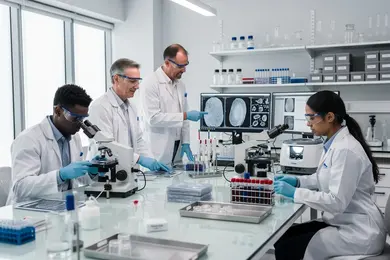
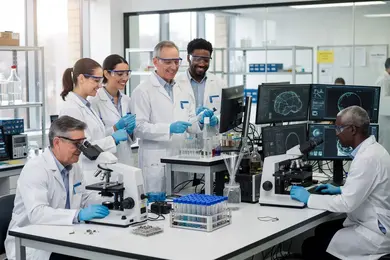
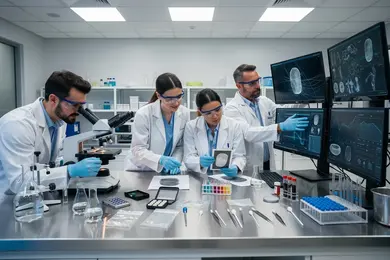
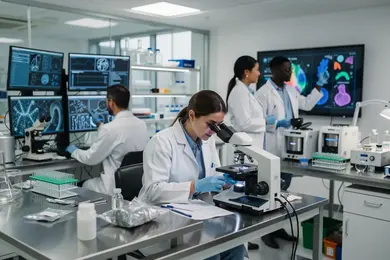
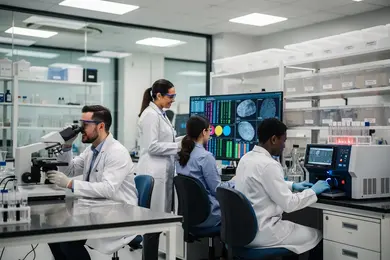
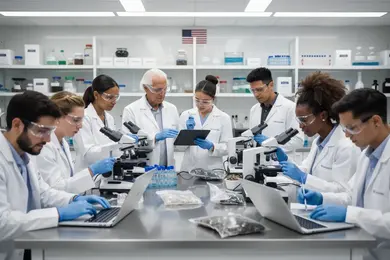
The career landscape for professionals with a forensic science master's degree reflects the rising complexity and interdisciplinarity within investigative and analytical fields. Employers increasingly seek candidates with specialized expertise in advanced analytical instrumentation, laboratory accreditation standards, and digital forensics techniques.
Leadership roles demand proficiency in managing case workflows, ensuring compliance with evolving regulatory frameworks, and collaborating across law enforcement, legal, and scientific teams. Recent data from the National Center for Education Statistics indicates a steady increase in adult learners pursuing graduate degrees online, highlighting growing enrollment flexibility that influences timing and accessibility for working professionals.
This article examines diverse career paths linked to a forensic science master's degree, helping readers assess alignment with their long-term objectives.
Key Things to Know About Career Paths With a Forensic Science Master's Degree
- Advanced forensic science degrees often lead to specialized roles requiring technical expertise, yet the narrow focus may limit lateral mobility outside forensic disciplines, necessitating clear career path planning.
- Demand from criminal justice agencies prioritizes candidates with investigative and leadership experience, so graduates who combine technical skills with supervisory capabilities gain a strategic advantage.
- Expanding online forensic science programs increase access for working adults, but longer part-time completion timelines can delay workforce entry and affect overall career earnings trajectory.
What Can You Do With a Forensic Science Master's Degree?
Holding a master's degree in forensic science reshapes career prospects by moving beyond routine technical tasks into roles demanding deeper scientific acumen and leadership. This advanced qualification often intersects with complex evidentiary challenges that require specialized expertise, influencing employability in sectors that prize both analytical rigor and operational oversight. Graduates must weigh the benefits of niche specialization against broader managerial ambitions, as well as the variability in salary trajectories and institutional demands across different workplaces.
- Technical Specialization: Graduates frequently assume roles as forensic analysts or digital forensic experts, where mastery of cutting-edge methodologies, such as DNA sequencing or cybercrime investigation, directly impacts case outcomes. This track enhances value in agencies prioritizing technical precision but may offer limited upward mobility without additional management skills.
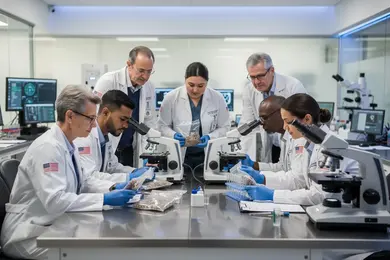
- Leadership Roles: The degree often qualifies candidates for supervisory or managerial positions within forensic laboratories, overseeing staff and ensuring adherence to stringent quality and accreditation standards. These responsibilities shift the focus from hands-on analysis to operational governance, which fundamentally alters daily work and requires strong interpersonal and administrative capabilities.
- Consulting and Expert Witness Work: With advanced credentials, professionals can transition into forensic consulting or expert witness roles that demand authoritative interpretation of scientific findings within legal contexts. This path usually involves contractual engagements and variable income, necessitating networking and reputational currency beyond conventional employment.
- Emerging Sector Opportunities: Specialized knowledge from a forensic science master's degree extends into cybersecurity and bioinformatics, fields where forensic principles intersect with digital evidence and biological data analysis. These areas typically offer higher compensation but require continuous skill updating to keep pace with rapid technological evolution.
- Research and Policy Development: Some graduates leverage their training to pursue research or influence forensic science policy, contributing to evidence standards and technological integration. While intrinsically rewarding, these roles often depend on grant availability and institutional funding, making career stability more precarious than in operational settings.
A practical example illustrates these tradeoffs: an analyst in a state crime lab with a master's may earn a competitive salary but face limited promotion without shifting into management, which not all scientists desire or excel at. Conversely, a consultant applying forensic knowledge to cybersecurity may command premium fees yet confront irregular workloads and heightened market competition. Understanding these dynamics clarifies how career decisions post-master's degree affect long-term professional growth and compensation potential in the forensic sciences landscape.
While the master's degree opens doors to highest paying forensic science careers, prospective students should also consider practical experience requirements and state-specific credentialing to fully realize enhanced employability. In some cases, exploring interdisciplinary degrees may provide additional leverage, particularly when integrated with fields like information technology or health sciences, reinforcing relevance in diversified forensic applications.
For those exploring alternative graduate options, it is useful to compare programs carefully, including relatively less demanding offerings such as the easiest BSN program to get into, which serve different career trajectories altogether.
What Are the Highest-Paying Careers With a Forensic Science Master's Degree?
Compensation in forensic science careers is deeply influenced by the degree of specialization, responsibility scope, and the technical demands of respective roles. Graduates who pursue positions requiring advanced analytical expertise or leadership in high-stakes legal contexts generally access the top salary brackets. It is critical for prospective students to weigh the extensive training and credentialing some roles demand against their long-term income potential and job stability.
- Forensic Pathologist: While forensic pathologists top earnings charts in forensic science, their high salary reflects the necessity of medical degrees and residency training beyond a master's program. Their work determining causes of death is pivotal in criminal justice, placing them in physician pay scales with median wages exceeding $250,000 per annum, according to 2024 U.S. Bureau of Labor Statistics data.
- Forensic Toxicologist: This role involves specialized chemical and biological analysis critical to criminal investigations. Master's degree holders in forensic toxicology often start in the $65,000-$85,000 range but can surpass $120,000 after gaining expertise and certifications, reflecting the technical acumen and evolving regulatory demands highlighted by standards from the American Academy of Forensic Sciences.
- Digital Forensic Analyst: The surge in cybercrime has elevated digital forensic analysts' market value, especially those with master's credentials. Salaries generally range from $80,000 to $130,000 depending on sector and complexity, with government and cybersecurity firms seeking candidates capable of navigating sophisticated digital evidence and legal protocols, as reported by the International Association of Computer Investigative Specialists in 2024.
Decisions about a forensic science master's specialization should incorporate these salary trajectories, factoring in required certifications and interdisciplinary knowledge-such as law, biology, or computer science-that often distinguish candidates for higher-compensation roles. The tradeoff between additional credentialing time and entry-level salary variance can significantly impact career advancement and financial outcomes over a professional lifetime.
Which Industries Hire Graduates With a Forensic Science Master's Degree?
Graduates with a forensic science master's degree occupy roles that demand specialized technical expertise alongside interpretive and communicative skills uniquely tailored to their sector. In government agencies, their advanced training supports complex evidence processing, digital forensics, and testimony preparation, often under tightly regulated procedures and heightened scrutiny. Private laboratories prioritize operational versatility where accreditation compliance and quality control are paramount, making industry-specific experience and continual certification crucial for career sustainability.
Conversely, legal environments require forensic professionals to distill complex data into clear, actionable insights for attorneys and juries, which favors candidates with strong interdisciplinary knowledge and consulting acumen. These distinctions influence not only daily responsibilities but also advancement paths and compensation, as specialized skills in toxicology, DNA, or cybersecurity command different market values and leadership opportunities across sectors.
Choosing between these industries involves weighing practical tradeoffs related to work setting, job stability, and long-term professional development. Government roles, though often stable, may have slower promotional tracks and less flexible environments compared to private labs, which can offer higher earnings but with fluctuating workloads tied to contract demands. Healthcare-related forensic roles emphasize collaboration with medical examiners and law enforcement, requiring integration of clinical rigor with investigative methods, a niche that may limit opportunities outside specialized institutions but enhances job security where public health intersects with justice. Forensic science graduates must consider how certifications, such as those in forensic toxicology or digital evidence, align with these settings and whether investment in such credentials maximizes employability in preferred fields. Understanding these operational and strategic distinctions is critical for aligning educational outcomes with career goals.
One graduate recalled initially targeting a federal crime lab position due to its perceived prestige and stability but found the highly regimented environment-and its emphasis on stringent documentation over scientific exploration-less fitting than anticipated. After transitioning to a private forensic laboratory focusing on environmental compliance, the graduate noted a renewed sense of professional growth and more direct impact on case outcomes, despite increased pressure to maintain rapid turnaround and accreditation standards. This experience highlighted the importance of matching one's technical strengths and personality with industry culture and operational tempo before committing to a specific career path within forensic science.
What Is the Job Outlook for Careers Requiring a Forensic Science Master's Degree?
Employment prospects for careers requiring a forensic science master's degree vary widely based on sector, specialization, and regional factors. While demand for forensic science technicians is projected to grow by roughly 10% from 2024 to 2034 according to U.S. Bureau of Labor Statistics data, this growth is uneven across job types and employers. Government forensic labs often face budget constraints that limit openings, increasing competition among candidates who typically need relevant experience alongside a master's degree. In contrast, private sector roles in cybersecurity and corporate investigations are expanding, fueled by technological advancements and interdisciplinary skill requirements, which affect hiring priorities and salary leverage.
Students and professionals weighing forensic science master's degree career growth in the US should understand that specialization and advanced technical expertise are increasingly critical in securing and advancing within these roles. Fields such as digital forensics and biochemical analysis benefit from evolving legal standards that demand sophisticated evidence interpretation. However, job stability can be influenced by policy shifts and funding variability in public labs. Candidates must therefore consider a balance of education, certifications, and hands-on experience to navigate a competitive market effectively. For those exploring quicker pathways to enhance qualifications, a reputable fast track program may offer practical timing advantages without sacrificing credential value.
What Entry-Level and Advanced Jobs Can You Get With a Forensic Science Master's Degree?
Holding a master's degree in forensic science can serve as a critical differentiator for securing entry-level positions that demand advanced technical competence and interdisciplinary knowledge. While graduates often start in roles such as forensic laboratory technicians, crime scene investigators, or DNA analysts, the degree provides a foundation that supports quicker skill acquisition and adaptation to complex casework compared to bachelor-level counterparts. However, many employers still require practical experience alongside academic credentials before elevating candidates to higher responsibility roles. For example, a recent graduate might excel in evidence processing but may need several years in a lab setting before qualifying for specialized forensic toxicology assignments or case analysis requiring independent judgment.
Transitioning into advanced positions like forensic science managers or senior criminalists typically requires a combination of leadership skills, certifications, and demonstrable project oversight abilities beyond academic achievements alone. These roles often offer median salaries exceeding $90,000 annually and involve supervising laboratory compliance, directing investigative teams, or serving as expert witnesses in legal contexts. The career path also diversifies as professionals leverage their master's degree to enter federal agencies, legal consulting, or forensic informatics, but upward mobility is influenced by sector-specific credentialing and continuous skill development. Therefore, aspiring forensic science master's candidates should weigh their intended specialization and industry segment carefully to align degree outcomes with long-term workforce competitiveness and role flexibility.
Can a Forensic Science Master's Degree Help You Change Careers?
A forensic science master's degree can act as a strategic credential for career changers, particularly when transitioning from unrelated fields. It provides the specialized technical competencies and scientific rigor many employers require, especially for lab-based or technical roles where hands-on proficiency is critical. However, this transition often means recalibrating expectations around salary and seniority, as many graduates must build relevant field experience despite having advanced academic credentials. Career change outcomes substantially depend on prior experience and specialization; for instance, those moving from law enforcement or biology may leverage the degree to advance into supervisory or analytical positions more smoothly than those entering from distant disciplines.
Programs that include internships, practicums, and networking opportunities improve access to forensic labs and agencies, which can be decisive for job placement. Employer perceptions typically favor candidates demonstrating applied competence alongside the degree, reflecting a preference for experience validated through real-world exposure. Licensing or certification requirements in forensic science roles also impose additional barriers, particularly in regulated sectors. Tuition costs for forensic science programs with rolling admissions vary widely, often between $15,000 and $40,000, highlighting investment considerations for those weighing career-change options.
Students researching pathways in adjacent fields may also consider comparative programs, such as the fastest online master's in healthcare administration, given the increasing demand across healthcare systems. Ultimately, a forensic science master's degree supports professional transitions by filling critical knowledge gaps, but success hinges on aligning specialization, licensing needs, and labor market realities to practical career expectations.
What Leadership and Management Roles Can You Pursue With a Forensic Science Master's Degree?
Leadership roles arising from a forensic science master's degree demand more than technical mastery; they require strategic oversight, resource management, and the capacity to navigate complex organizational structures. In government or law enforcement agencies, supervisory positions often entail direct oversight of analysts with responsibilities including enforcing quality standards and liaising with judicial entities. Progression to roles such as laboratory director or forensic services manager introduces broader accountability for budgeting, policy execution, and departmental strategy. However, these paths are not uniform-private sector leadership frequently combines scientific expertise with client interaction and project management, emphasizing communication and cross-disciplinary coordination. Employers increasingly expect candidates to demonstrate decision-making aptitude and familiarity with regulatory frameworks like ISO accreditation, reflecting the necessity of integrating operational leadership with technical and compliance knowledge.
The nature of leadership trajectories also varies by specialization, with digital forensics leaders focusing more on cybersecurity solutions and innovation, whereas expertise in toxicology or DNA analysis may lead to roles centered on regulatory compliance or laboratory accreditation oversight. These distinctions influence promotional eligibility and salary growth potential, as management often requires balancing hands-on forensic duties with administrative responsibilities. Navigating this tradeoff is crucial, since increased leadership demands can reduce direct casework, affecting personal engagement with the science.
Additionally, supervisory roles bring heightened complexity in managing staff development, conflict, and cross-functional communication, underscoring why real-world leadership experience remains critical alongside academic credentials. Industry-specific differences further shape these leadership models, with some employers valuing advanced degrees chiefly for technical prowess and others prioritizing broader managerial capabilities.
Early in her application process, a graduate recalled delaying submission due to uncertainty about how her prior work aligned with forensic science leadership prerequisites emphasized by rolling admissions committees. She felt pressure to strengthen her portfolio with documented supervision experience before applying, fearing premature entry might limit opportunities. When she finally submitted, the mix of relief and apprehension underscored the delicate timing inherent in pursuing these degrees-balancing preparation quality with application deadlines, all while navigating opaque advancement expectations in a specialized field.
What Skills Do Employers Expect From Graduates With a Forensic Science Master's Degree?
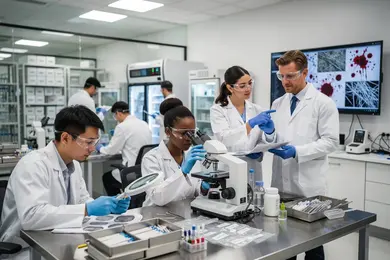
Employers of forensic science graduates increasingly demand a complex integration of technical proficiency and applied judgment that extends beyond basic lab skills. Mastery in operating and troubleshooting advanced instruments like mass spectrometers or DNA sequencers is foundational, yet employers also weigh a candidate's ability to validate and defend data integrity under legal scrutiny. Forensic science master's programs that embed realistic simulations and internships better prepare graduates to handle evidentiary challenges and regulatory compliance. For example, a toxicology analyst in a state crime lab must navigate strict protocols while interpreting ambiguous data, a skill set directly reflected in salary differentials where those demonstrating advanced competencies may earn up to 15% more than peers focused solely on technical execution (BLS 2024). Operational leadership skills-managing lab workflows, ensuring chain-of-custody, and leading multidisciplinary teams-significantly influence hiring and advancement, especially in environments where oversight and quality assurance reduce costly errors and litigation risks.
Communication and interpersonal abilities also carry substantial weight, particularly in translating forensic findings for courts or law enforcement. Programs emphasizing courtroom testimony and ethical decision-making provide an edge in sectors that demand transparent, interdisciplinary collaboration.
Notably, forensic toxicology roles often prioritize laboratory precision and regulatory knowledge, while managerial positions expect strategic planning and resource oversight fostered through advanced coursework or leadership roles during graduate training. This variability underscores the need for graduates to target skills aligned with their intended career path, as lacking domain-specific expertise can limit upward mobility and salary potential within forensic science's competitive job market. Adaptability to emerging technologies, combined with capacity for operational management and clear communication, remains critical for those aiming to sustain relevance across the diverse forensic landscape.
Are Remote and Flexible Careers Available With a Forensic Science Master's Degree?
Remote work options within forensic science careers are inherently limited by the field's operational demands, especially where physical evidence collection and laboratory analysis are concerned. Positions requiring direct handling of evidence or specialized instruments typically necessitate on-site presence, reducing the availability of fully remote roles. However, roles focused on data analysis, research, or bioinformatics in forensic science may offer greater flexibility, allowing professionals to work remotely with secure systems and digital collaboration tools. Forensic consultants and legal experts often adopt hybrid schedules, balancing remote case analysis with necessary in-person meetings or court appearances, reflecting a compromise between remote forensic science careers opportunities and practical field requirements.
The availability of flexible job options for forensic science graduates also varies by employer and sector, influenced by regulatory compliance, data security, and the need for direct supervision. Entry-level roles tend to offer less flexibility due to training demands, while mid-career and senior professionals who establish specialized consulting practices generally access more autonomous arrangements. Geographic salary disparities and employer productivity expectations further impact these positions. Notably, a 2024 enrollment trend toward increased remote learning options in forensic-related graduate programs parallels a measured rise in hybrid job offerings. Professionals weighing these opportunities must consider work-life integration tradeoffs and sector-specific demands, similar to the dynamics observed in other fields such as nursing, where transitions like ADN to FNP programs reflect growing hybrid career models balanced with clinical requirements.
What Certifications or Licenses Complement a Forensic Science Master's Degree?
Certifications and licenses significantly shape career opportunities for graduates with a forensic science master's degree by adding practical authority that a degree alone rarely provides. For instance, while licensure is uncommon in forensic science at large, roles such as forensic nursing require maintaining an active registered nurse license as a legal prerequisite. Other specialties like digital forensics frequently demand credentials such as the Certified Information Systems Security Professional (CISSP) that complement forensic expertise with cybersecurity competency. Employers rely on these credentials to ensure compliance with regulatory standards and validate technical skills critical for specialized casework, impacting hiring and promotion decisions. This distinction between required licenses for legal practice and preferred certifications for enhanced employability is a key operational consideration for forensic professionals navigating workforce entry or advancement. As many employers use certifications as milestones for eligibility in supervisory or consulting roles, overlooking them can restrict access to niche fields or higher salary brackets despite holding advanced academic qualifications.
The best professional licenses for forensic science graduates vary widely depending on sector focus and geographic regulation, making credential selection an essential strategic step. For example, certifications like those from the American Board of Criminalistics or International Association for Identification are not mandatory but often serve as preferred qualifications in laboratories and government agencies, crucial for demonstrating validated expertise. Such certifications bolster trust and competitiveness in hiring processes and support career mobility into areas like forensic DNA analysis or bioinformatics. Certification maintenance, however, entails ongoing education and administrative duties that increase workload but also sustain credibility over time. Additionally, pursuing credentials aligned with local forensic infrastructure can optimize job market relevance, reflecting how geographic factors guide certification value. Graduates weighing career pathways should consider how these licensing and certification landscapes interact with their specialization goals and sector demands, integrating insights from resources like the DSW program to evaluate interdisciplinary opportunities and credential synergies.
What Graduates Say About Career Opportunities With a Forensic Science Master's Degree
- Taylor: "Balancing a full-time job while pursuing my forensic science master's program was challenging, and finances were tight. I chose a program with strong internship placements because I knew hands-on experience was crucial to getting hired. Ultimately, the internship led to an entry-level position, but I realized many employers valued practical skills and portfolio work over just having the degree or certifications."
- Cruz: "I shifted careers into forensic science after years in a different field, which meant I needed a program that offered flexibility and remote coursework. The workload was intense, but the ability to study on my own schedule allowed me to complete the degree without quitting my job. Although I found the salary growth in some labs limited without additional licensure, the degree opened doors for me to work on specialized projects that matched my strengths."
- Luka: "During my master's, I faced the pressure of competing for forensic science roles where employers emphasized certifications and real-world experience. I decided to invest extra time building a detailed case portfolio and networking at industry conferences rather than focusing solely on academic research. Though it delayed my job start, this approach helped me secure a role faster than waiting for licensure, especially in a tight job market."
Other Things You Should Know About Forensic Science Degrees
The emphasis on research varies significantly across programs, but it plays a crucial role in differentiating candidates for roles that involve advanced analytical methods or policy development. Employers in public labs and academic settings often prioritize applicants with strong research backgrounds, as it signals critical thinking and technical expertise. For those targeting strictly applied forensic roles, like crime lab analysts, practical experience may weigh more heavily than research skills. Prospective students should align program selection with their career goals, prioritizing research-intensive tracks if long-term innovation or forensic science methodology development is a priority.
Hands-on laboratory skills are fundamental for employability in forensic science, and programs expecting incoming students to have robust lab backgrounds often move quickly through technical training. Students without adequate prior experience may face steep learning curves or need supplemental coursework, which can extend time to degree or impact job readiness. In such cases, gaining targeted lab experience through internships or technician roles before graduate study is generally advisable to maximize program effectiveness and competitive positioning after graduation.
Programs with narrow specializations can provide deep expertise that aligns well with highly technical roles but may limit flexibility if job market conditions shift or if a career change is later desired. Conversely, broad programs offer versatility and exposure to multiple subfields, enhancing adaptability but sometimes at the expense of in-depth mastery. For students aiming to position themselves for rapid employment or niche forensic roles, specialized programs may be advantageous; however, those prioritizing long-term career adaptability should consider more generalized curricula that cultivate transferable skills across forensic disciplines.
References
- American Academy of Forensic Sciences. (2024). Choosing a career: Forensic science disciplines and education requirements. https://www.aafs.org/careers-forensic-science
- American Board of Forensic Toxicology. (2025). Laboratory accreditation manual and practitioner certification standards. https://www.abft.org/accreditation
- Bureau of Labor Statistics. (2025). Occupational outlook handbook: Forensic science technicians. U.S. Department of Labor. https://www.bls.gov/ooh/life-physical-and-social-science/forensic-science-technicians.htm
- Cybersecurity and Infrastructure Security Agency. (2024). Workforce framework for cybersecurity (NICE framework): Digital forensics specialist pathways. U.S. Department of Homeland Security. https://www.cisa.gov/resources-tools/publications
- Federal Bureau of Investigation. (2023). Quality assurance standards for forensic DNA testing laboratories. U.S. Department of Justice. https://www.fbi.gov/file-repository/quality-assurance-standards-for-forensic-dna-testing-laboratories.pdf
- Forensic Science Education Programs Accreditation Commission. (2024). Accreditation standards for forensic science academic programs. American Academy of Forensic Sciences. https://www.aafs.org/fepac
- National Institute of Justice. (2023). Forensic sciences capabilities and workforce training needs: A report to Congress. U.S. Department of Justice. https://nij.ojp.gov/library/publications/forensic-sciences-capabilities-and-workforce-training-needs
- National Institute of Standards and Technology. (2025). Organization of Scientific Area Committees (OSAC) for Forensic Science: Registry of approved standards. U.S. Department of Commerce. https://www.nist.gov/forensic-science/osac-registry
- National Security Agency. (2025). CAE-CD national centers of academic excellence in cyber defense: Digital forensics curricula criteria. https://www.nsa.gov/Academia/Centers-of-Academic-Excellence
- The American Society of Crime Laboratory Directors. (2024). Crime laboratory leadership and management proficiency guidelines. https://www.ascld.org/resources