2027 Career Paths with a Gifted Education Master's Degree Explained

Co-Founder and Chief Data Scientist
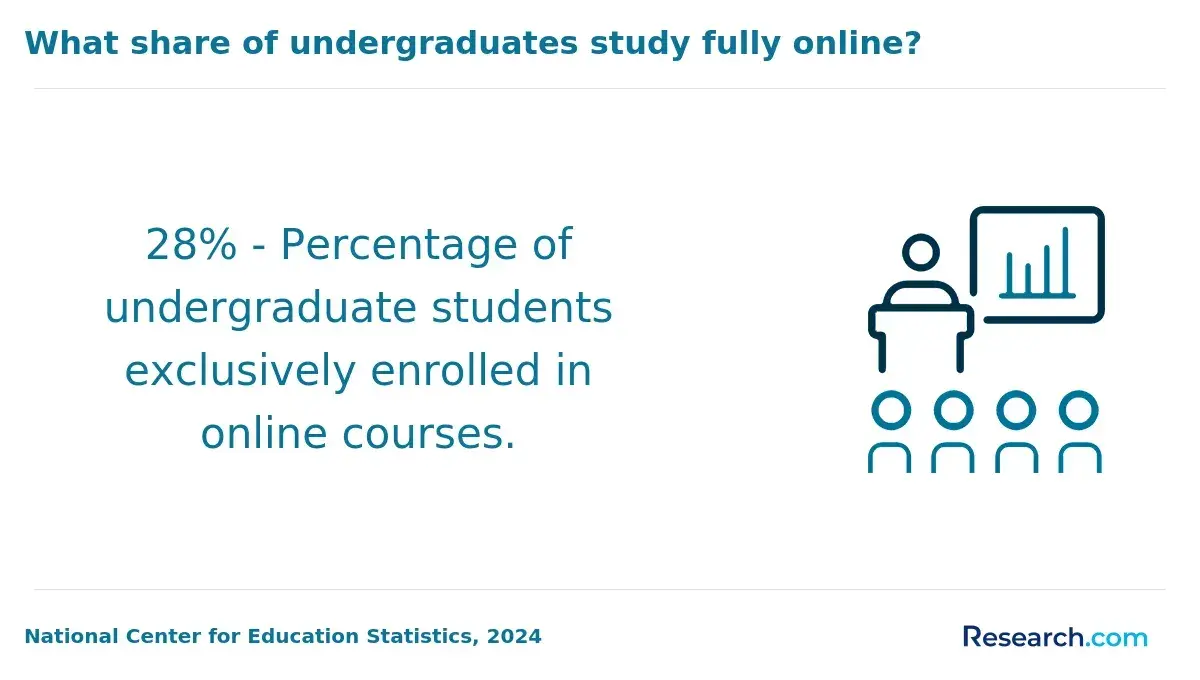
The career landscape for professionals holding a gifted education master's degree is shifting toward roles that prioritize specialized expertise in differentiated instruction, advanced data analysis, and compliance with evolving educational regulations. Employers increasingly seek candidates who can lead program development, manage interdisciplinary teams, and apply research-based strategies tailored to diverse gifted populations. Notably, a 2024 National Center for Education Statistics report highlights a 30% increase in part-time and online graduate enrollments among working adults, reflecting the growing demand for flexible, practice-oriented learning paths that align with complex professional schedules.
This article examines the varied career trajectories enabled by gifted education master's programs, offering insights to help readers assess their fit with these evolving professional pathways.
Key Things to Know About Career Paths With a Gifted Education Master's Degree
- Specializing in gifted education often requires balancing advanced pedagogical skills with administrative duties, limiting career growth to roles emphasizing both instruction and program leadership rather than broad educational management.
- Demand for gifted education experts is growing in specialized school districts and enrichment programs, reflecting employer preference for candidates with proven strategies to nurture exceptional talent within diverse learner populations.
- Online master's programs expanding access reduce time and geographic barriers, but prospective students must weigh increased tuition costs and cohort networking limitations against flexible scheduling and accelerated degree completion.
What Can You Do With a Gifted Education Master's Degree?
Earning a master's degree in gifted education often defines professional trajectories through the specialized demands and expectations tied to advanced student populations. Selecting a career path following this degree requires balancing immediate classroom impact with prospects for broader systemic leadership or consulting roles. The distinct skill set gained influences eligibility for positions where differentiation, program design, and advocacy converge, but geographic and institutional hiring practices will shape both compensation and long-term advancement potential.
- Specialized Teaching Roles: Graduates commonly enter K-12 settings as gifted education teachers or coordinators, directly adapting curricula to challenge advanced learners. These roles provide critical classroom influence but may have limited upward mobility without further administrative credentials.
- Educational Leadership: Positions such as program directors or curriculum developers demand experience plus gifted education expertise to shape district-wide initiatives. These roles come with greater responsibility and compensation but require strong collaboration with policymakers and school leaders, highlighting a shift from direct instruction to strategic oversight.
- Consulting and Advocacy: Some professionals leverage their degree to train educators or advise institutions on best practices in gifted programming. This pathway offers diverse work environments and flexibility but depends heavily on building a professional network and adapting to variable contract or grant-based funding.
- Research and Higher Education: Pursuing roles in academia or research involves contributing to scholarship on giftedness and program methodologies, which can influence policy and practice over time. However, this track often demands additional qualifications beyond a master's, such as doctoral study, and may offer less direct student interaction.
- Salary and Demand Realities: While high-paying jobs for gifted education master's graduates exist, compensation varies significantly by role and region. Leadership or consulting positions tend to command salaries at the upper end of the scale but require sustained professional development and strategic positioning in the job market.
Prospective students should also consider the evolving landscape of online offerings, such as online master's programs, which can provide accelerated access to credentialing but may require careful evaluation of state certification alignment and employer recognition to ensure career relevance in gifted education.
What Are the Highest-Paying Careers With a Gifted Education Master's Degree?
Compensation in gifted education careers is often determined by the degree of specialization, leadership responsibility, and the impact of one's role within educational systems. Professionals who combine advanced expertise with administrative or strategic duties tend to secure positions offering the highest remuneration, reflecting market demand for nuanced knowledge and management skills. Choosing between direct service roles and administrative pathways involves tradeoffs in salary, job scope, and influence on program design or policy.
- Postsecondary Education Administrator: This role commands a top salary because it integrates gifted education expertise with institutional leadership, overseeing programs that serve high-ability learners. The median wage reflects significant responsibility for compliance, budgeting, and academic strategy, typically exceeding $100,000 annually.
- School Psychologist or Counselor Specializing in Gifted Students: These professionals bring critical skills assessing and supporting gifted learners' social-emotional needs, a niche with growing recognition. Salaries range broadly, influenced by experience and region, often falling between $70,000 and $90,000.
- Curriculum Specialist or Instructional Coordinator: Designing and managing differentiated gifted programs places these educators at the intersection of pedagogy and administration. Their salaries, commonly between $75,000 and $100,000, reflect their role in shaping curriculum aligned with advanced academic standards.
- Educational Consultant or Trainer: Consulting leverages specialized gifted education knowledge across multiple districts or organizations. While income is variable, seasoned consultants can earn upwards of $90,000, especially when serving at state or national levels, balancing flexible contracts with entrepreneurial risk.
Geographic location and institutional factors heavily influence compensation, with urban districts and well-funded programs generally offering higher pay to attract specialized skills. Ultimately, advanced credentials paired with demonstrated leadership or technical acumen yield the strongest opportunities for career advancement and financial reward within gifted education.
Which Industries Hire Graduates With a Gifted Education Master's Degree?
Graduates with a gifted education master's degree typically find their skills valued differently across sectors, reflecting the specialized yet adaptable nature of their training. In K-12 settings, these professionals often navigate complex regulatory requirements and district-specific policies while developing curricula tailored to high-ability learners, balancing instructional leadership with direct teaching. Conversely, education non-profits and policy agencies lean heavily on their expertise in differentiated instruction to drive programs aimed at equity and innovation, which demand analytical skills and advocacy more than classroom management.
Meanwhile, corporate learning departments increasingly integrate gifted education specialists to design training that accommodates varied cognitive strengths, requiring an ability to translate pedagogical theory into business-aligned learning solutions. The variance in work environments and organizational priorities means that success and advancement hinge on matching one's skill set-whether leadership, research, or technical design-to sector-specific expectations and resource availability.
Higher education and research institutions present a different set of demands, often privileging advanced methodological knowledge and the capacity to lead grant-funded projects or interdisciplinary studies focused on gifted learners. Roles in these settings may offer greater autonomy and compensation but require navigating academic hierarchies and publication pressures. Educational technology firms offer hybrid opportunities, asking graduates to combine instructional design with tech fluency to create adaptive platforms, although these positions often involve collaboration with software developers rather than traditional pedagogy.
For candidates weighing options, specializing in policy, direct teaching, or corporate learning equally influences employability and salary trajectories. Understanding these tradeoffs early helps frame realistic career planning beyond conventional K-12 roles toward sectors where gifted education credentials translate into strategic or technical leadership.
One graduate described their initial hesitancy moving from K-12 schools into corporate training, where the shift from classroom-focused work to designing scalable programs for adult learners required retooling communication styles and assessment strategies. They noted that employers valued their ability to customize learning paths but expected rapid adaptation to business-driven metrics and timelines, a contrast to public education cycles.
This transition underscored the importance of flexibility and clear articulation of one's expertise when entering less traditional roles. The graduate's experience highlighted how crossing sector boundaries can broaden impact but also demands recalibrating one's professional identity amidst differing organizational cultures and performance standards.
What Is the Job Outlook for Careers Requiring a Gifted Education Master's Degree?
Employment prospects for careers requiring a gifted education master's degree vary considerably across regions and role specializations, with overall job growth reflecting broader educational trends rather than stable expansion. The projected 10% growth rate from 2022 to 2032 in related counseling and educational specialist positions signals moderate opportunity but masks uneven demand heavily shaped by district funding cycles and shifting policy priorities. For example, districts prioritizing advanced learning programs typically maintain or increase gifted program staffing, while others may consolidate roles or redirect resources toward broader instructional coaching.
Professionals should anticipate a competitive landscape where credential differentiation and alignment with district initiatives-such as combining gifted education expertise with administrative or curriculum development skills-can be decisive for hiring and retention.
The career outlook for gifted education master's degree graduates is linked to increasing awareness of unique learner needs, yet demand concentrates in select states and metropolitan areas with established gifted programs. While salary potential generally parallels mid-level educational positions, advancement often depends on additional certifications and demonstrated instructional leadership. Due to intermittent funding and occasional shifts away from gifted-exclusive services, job security can fluctuate, requiring practitioners to strategically navigate district priorities and potentially diversify their expertise.
Those interested in related fields might explore adjacent credentials, or even consider nonlinear transitions, such as into a video game development degree, as part of adaptable long-term career planning.
What Entry-Level and Advanced Jobs Can You Get With a Gifted Education Master's Degree?
Holding a master's degree in gifted education positions professionals for distinct entry-level roles that emphasize direct instructional support and program implementation, such as gifted program coordinators or specialized classroom teachers. These entry points require a nuanced understanding of curriculum adaptation and student assessment tailored to gifted learners, often coupled with state certifications. However, transitioning directly into higher-level roles is uncommon without accumulating relevant classroom or administrative experience.
Employers typically expect a blend of pedagogical skill, hands-on experience, and demonstrated success working with diverse gifted populations before considering candidates for leadership or district-wide responsibilities. For example, a recent graduate might begin as a program coordinator focused on individual schools, building expertise before advancing to oversee multiple sites or influence policy frameworks.
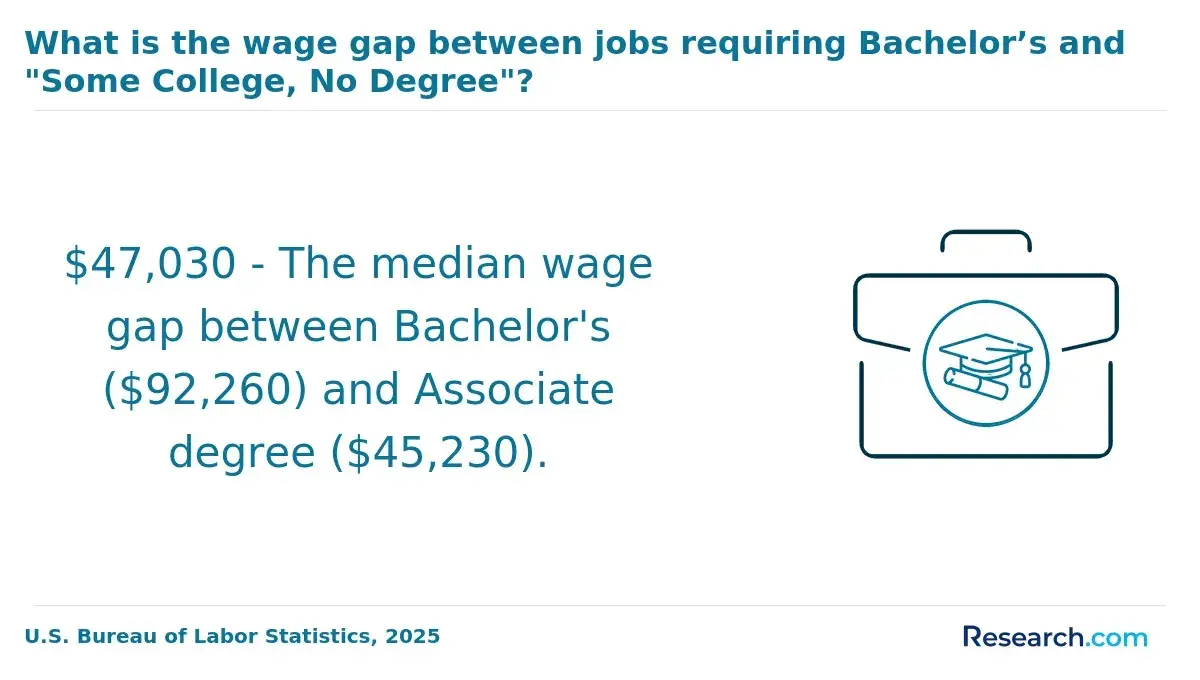
Advanced positions in gifted education, including curriculum developers, district coordinators, or program directors, demand broader systemic knowledge, leadership capabilities, and strategic planning skills. Salary differentials reflect these escalating responsibilities, with median pay for education administrators nearing $100,980 as reported by the U.S. Bureau of Labor Statistics in 2023, particularly for those managing specialized programs. Attaining such roles often requires supplemental leadership training or doctoral credentials, reinforcing the field's emphasis on continuous professional development.
Variability exists across districts and regions, as some school systems may prioritize master's credentials more heavily than others, impacting immediate career mobility. Prospective students should consider these disparities and the necessity for progressive career steps when evaluating the long-term benefits of a gifted education master's degree within a competitive and evolving educational landscape.
Can a Gifted Education Master's Degree Help You Change Careers?
A master's degree in gifted education can serve as a targeted credential for professionals seeking a career change, but its effectiveness heavily depends on prior experience and chosen specialization. For example, educators transitioning from general teaching roles to gifted program administration can leverage the degree to develop and validate competencies in differentiated instruction, learner assessment, and compliance with relevant policies. Many employers cautiously prioritize candidates with demonstrable practical experience such as internships or practicum hours, viewing the degree as a complement rather than a standalone qualification.
Career switchers must also weigh tradeoffs involving licensing requirements and potential entry-level repositioning; in states with stringent certification standards, the degree alone may not unlock desired leadership roles without additional credentials. The average tuition for gifted education programs with rolling admissions typically ranges between $14,000 and $80,000, which is an important consideration given the variable salary potential when shifting roles within or adjacent to education.
Job opportunities after gifted education master's degree vary broadly, particularly for those moving entirely out of education or into unrelated sectors, where the niche focus may limit applicability. In these cases, transferable skills in critical thinking and instructional design have lower market currency and often require supplementary qualifications or network building. Specialists who capitalize on structured internships and professional communities report smoother transitions into roles emphasizing curriculum innovation or educational leadership. Decision-makers should also consider salary resets common in career changes, as well as long-term mobility prospects constrained by state licensing and education sector demands.
Professionals interested in comparative programs might explore PsyD programs online as alternative routes that can offer broader clinical or counseling pathways beyond the gifted education landscape.
What Leadership and Management Roles Can You Pursue With a Gifted Education Master's Degree?
Leadership roles following a master's degree in gifted education demand balancing instructional expertise with complex organizational responsibilities, which vary notably across settings. In public school systems, advancing from program coordination to district-level administration involves increased scrutiny over compliance, budget oversight, and multi-stakeholder communication, often requiring additional certification in educational leadership.
Contrastingly, leadership in nonprofit or policy-focused environments emphasizes managing interdisciplinary teams and navigating funding cycles, where technical know-how may be less specialized but project management and advocacy competencies rise in prominence. These divergent pathways affect promotion timing, salary scales, and accountability levels; for instance, district directors typically experience sharper compensation growth but face heightened regulatory pressures compared to nonprofit program managers.
Gifted education graduates preparing for leadership must therefore cultivate operational agility and stakeholder negotiation skills alongside content mastery. Supervisory experience overseeing curriculum design teams or program evaluation is commonly expected before assuming broader managerial roles that include strategic planning and data-driven decision-making. The scope of responsibility also differs by employer size and structure: larger districts may separate roles distinctly, while smaller organizations require leaders to juggle multiple functions simultaneously.
Employment data from 2024 suggests that candidates demonstrating cross-functional experience, including budgeting and policy interpretation, have higher placement rates in mid- to senior-level posts. Consequently, leadership trajectories are rarely linear, and the blending of pedagogical and administrative acumen defines effective advancement in this specialized educational niche.
A gifted education graduate recalls navigating the rolling admissions process with some uncertainty. Having completed preliminary applications early but delaying the final submission to strengthen her portfolio, she hesitated as deadlines approached, worried about missing a critical funding window. The program's flexible timing ultimately allowed her to adjust her preparation without penalty, though the waiting period felt fraught with stress over acceptance timing. This experience influenced her approach to subsequent leadership roles, instilling patience and strategic timing in pursuit of administrative responsibilities.
What Skills Do Employers Expect From Graduates With a Gifted Education Master's Degree?
Employers hiring graduates with a gifted education master's degree expect a nuanced blend of specialized technical, analytical, leadership, and interpersonal skills that go beyond standard teaching credentials. Proficiency in differentiated instruction and advanced assessment tools is critical, as these skills directly affect an educator's ability to design individualized learning pathways that meet gifted students' unique academic and creative needs. In K-12 districts, where salaries range broadly-with median starting salaries for gifted program coordinators often above $60,000-hiring managers prioritize candidates who can demonstrate competence in managing compliance mandates and applying research-driven strategies that improve program outcomes. This emphasis on technical and evaluative skills reflects workforce demands for accountability and measurable impact within specialized student populations.
Leadership and operational competencies are equally important for those targeting advanced roles, such as program administration or consulting. Effective leaders in gifted education must navigate complex team dynamics, budget constraints, and regulatory frameworks, often distinguishing themselves through the capacity to advocate for resources and lead targeted professional development. Communication skills tailored to engaging parents and multidisciplinary collaborators support stronger networked support systems, reinforcing organizational goals.
However, nonprofits and research institutions may value skills in program development and dissemination over operational management, which can impact career trajectory and salary potential. Graduates lacking these integrated competencies may struggle with upward mobility or adapting to evolving educational technologies, underscoring that workforce success hinges not only on pedagogical expertise but also on practical operational and analytic fluency within diverse educational environments.
Are Remote and Flexible Careers Available With a Gifted Education Master's Degree?
Remote and flexible careers in gifted education are far from uniform and depend significantly on the role's operational demands and employer context. Positions focused on curriculum development, educational consulting, or research increasingly support hybrid or fully remote arrangements, leveraging digital tools to facilitate program design, data analysis, and strategic advising without routine in-person interaction. Yet, direct instructional roles within traditional K-12 environments typically require physical presence due to hands-on assessments, student engagement, and compliance with licensing or district mandates.
This divergence means that professionals seeking remote teaching jobs for Gifted Education master's graduates must navigate tradeoffs, as client-facing or compliance-sensitive positions often restrict flexibility, impacting work-life integration and geographic mobility.
Industry sector and organizational policies further shape remote work availability. Public school systems show more rigid operational structures, while private, nonprofit, and education technology employers may offer greater scheduling autonomy. Entry-level educators often encounter fewer remote options because of mentoring needs and on-site responsibilities, whereas mid-career consultants or policy analysts enjoy more latitude but face heightened productivity expectations and competitive pressures.
Notably, a growing share of programs adopting a competency based degree model emphasize skills applicable to flexible roles, reflecting evolving workforce demands. These dynamics underscore that flexible career options with a Gifted Education master's degree require careful assessment of role suitability, employer frameworks, and advancement tradeoffs rather than assumptions of universal remote feasibility.
What Certifications or Licenses Complement a Gifted Education Master's Degree?
Certifications and licenses uniquely enhance the career trajectory for graduates holding a gifted education master's degree by translating academic expertise into regulatory and practical authority. In many U.S. states, a teaching license with an endorsement specifically in gifted education is mandatory to legally instruct in public school gifted programs. This requirement reflects institutional priorities for compliance with state standards and ensures educators have met defined specialization benchmarks. Conversely, private and charter schools often treat such licensure as preferential rather than compulsory, which reflects operational flexibility but also creates uneven standards across employment sectors.
Beyond legal mandates, industry-preferred credentials, such as the National Board Certified Teacher (NBCT) gifted specialization, serve as strategic differentiators that correlate with higher pay scales and eligibility for leadership roles, including curriculum design or gifted program administration. Professionals who delay obtaining such certifications frequently encounter narrowed job prospects and constrained salary progression within public education systems.
For career changers entering gifted education, securing foundational teaching credentials combined with targeted gifted education certificates establishes essential classroom credibility and meets district hiring expectations. Seasoned educators often pursue advanced certifications that deepen their ability to implement differentiated instruction or talent development strategies, responding to growing employer demand for specialized pedagogical skills in gifted settings. Balancing licensure maintenance and professional development is critical; while these certifications open doors to expanded roles and increase competitive advantage, they also require ongoing investment of time and resources.
Data from recent workforce analyses highlight a rising trend where the best licenses for gifted education professionals in the US directly influence both salary tiers and the scope of roles offered. Professionals seeking broader interdisciplinary skill sets might also consider related credentials, including vetted options available in fields such as cybersecurity, as noted through online cyber security courses, to enhance their resilience in evolving educational and administrative environments.
What Graduates Say About Career Opportunities With a Gifted Education Master's Degree
- Carlie: "Balancing a full-time job and family meant I had to pick a program that offered evening and weekend courses, which is why I chose a flexible gifted education master's. The workload was intense, but completing the program enabled me to secure a part-time curriculum developer role focused on enrichment programs. Though licensure wasn't a requirement, I learned that having a strong portfolio from my practicum was crucial to standing out in the hiring process."
- Samantha: "After facing limited upward mobility in general education, I decided to pursue a gifted education master's despite the tuition cost and time commitment. I quickly realized that employers here tend to value internships and certification endorsements more than just the degree. Eventually, I landed a position as a gifted program coordinator, but I found that salary growth remains modest without additional licenses or administrative credentials."
- Adam: "Changing careers to gifted education was a leap, especially since I only had one year to complete my master's before relocating. I chose an accelerated program with remote options, which helped me finish on time. Despite not having traditional classroom teaching experience, the program's internship component gave me practical skills that led to a remote teaching role. Still, I'm cautious about future promotions, as many supervisors prioritize candidates with longer in-school experience."
Other Things You Should Know About Gifted Education Degrees
The focus areas within gifted education programs vary significantly, from curriculum development to counseling or administration. Choosing a highly specialized track can bolster expertise and positioning for niche roles but may limit flexibility if you later want to pivot to broader educational roles or different student populations. Prospective students should evaluate whether they prefer depth in a narrow field or a more generalist approach that retains adaptability, especially given that some school districts or organizations expect well-rounded skill sets beyond gifted-specific pedagogy.
Graduate programs in gifted education often require intensive research, continuous reflection, and practicum experiences that demand substantial time commitments. For working professionals, this workload can lead to significant stress, especially if the program doesn't offer flexible scheduling or asynchronous coursework. When deciding to enroll, prioritizing programs that explicitly accommodate working students-through evening classes, part-time options, or online components-can mitigate burnout and improve academic success outcomes.
In 2027, a master's degree in gifted education opens various career paths, including gifted education teacher, curriculum developer, educational consultant, program coordinator, and school administrator. These roles allow professionals to support and develop programs catering to talented students' educational needs.
Programs emphasizing applied research and practica provide direct experience with gifted learners and educational settings, which significantly improves both understanding and job readiness. Given that employer expectations in gifted education often include practical competence in identifying and supporting gifted students, candidates from practice-focused programs tend to be more competitive. For those seeking impactful, classroom-oriented roles, prioritizing such programs is advisable, even if they demand more intensive time investment during study.
References
- Cleveland State University. (n.d.). Master of Education in gifted and talented education: Career outcomes. https://online.csuohio.edu/online-programs-and-courses-online-graduate-programs/gifted-education
- Louisiana State University at Lafayette. (n.d.). Career opportunities. https://curriculum.louisiana.edu/programs/masters/gifted-education/career-opportunities
- Towson University. (n.d.). Gifted & creative education (M.Ed.). https://www.towson.edu/coe/departments/earlychildhood/grad/gifted-creative-education/
- University of Connecticut. (n.d.). Master’s and sixth-year program overview: Gifted and talented education. https://gifted.education.uconn.edu/masters-program-overview/
- Regent University. (n.d.). M.Ed. in curriculum & instruction – gifted & talented (non-endorsement option). https://www.regent.edu/program/med-in-curriculum-instruction-gifted-talented-non-endorsement-option/
- Troy University. (n.d.). Master’s degree in gifted education. https://www.troy.edu/academics/academic-programs/graduate/master-science-gifted-education.html