2027 Career Paths with a Journalism Master's Degree Explained

Co-Founder and Chief Data Scientist
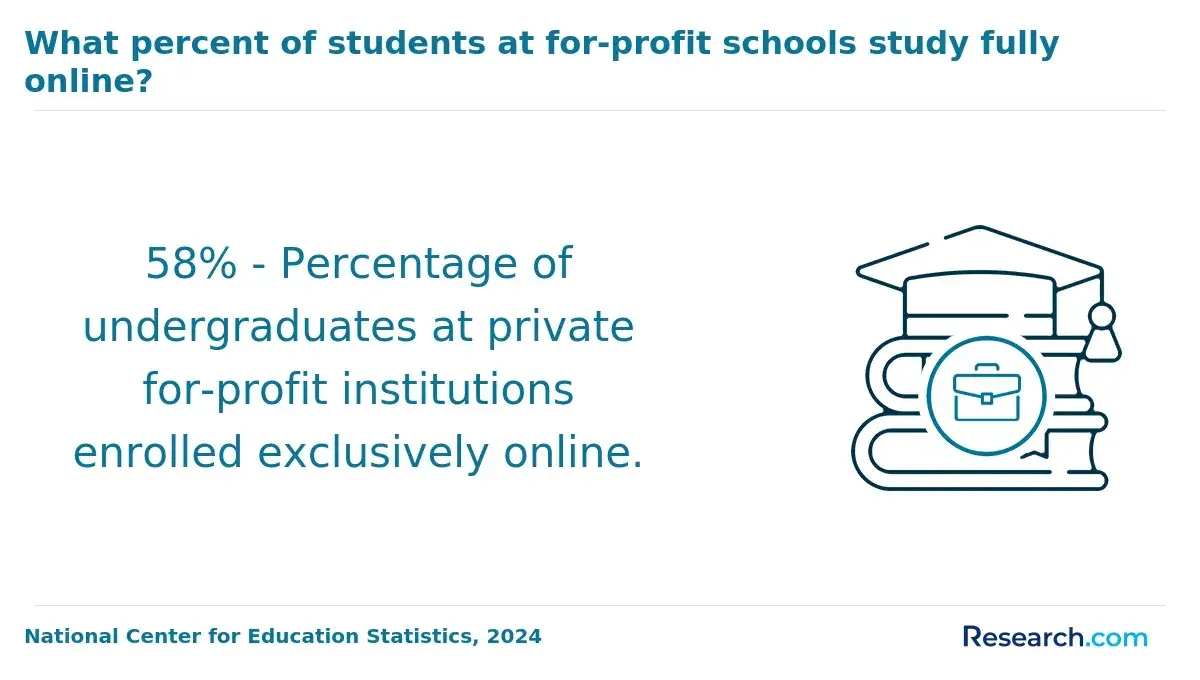
The landscape for professionals holding a journalism master's degree is increasingly defined by demand for advanced expertise in data analysis, digital content management systems, and regulatory compliance relevant to media. Employers seek candidates who demonstrate leadership in newsroom workflows, proficiency in investigative research methodologies, and the ability to navigate ethical frameworks and multimedia platforms. According to a 2024 report by the National Center for Education Statistics, over 45% of journalism master's candidates are pursuing flexible online programs, reflecting a shift toward modular, career-compatible study options that accommodate working adults. This trend highlights the importance of timing and format in enrollment decisions for career advancement.
Journalism master's programs equip graduates for diverse roles ranging from editorial management to strategic communications and cross-industry analytics, emphasizing real-world project experience and certification pathways where relevant. This article explores the career trajectories enabled by journalism master's degrees and helps evaluate how these paths correspond to long-term professional goals within evolving industry demands.
Key Things to Know About Career Paths With a Journalism Master's Degree
- A master's degree in journalism sharpens digital storytelling skills, yet the rapid evolution in media tech demands continuous upskilling, making initial learning a starting point rather than a career endpoint.
- Employers often seek candidates with specialized expertise, like investigative or data journalism, meaning broad programs might limit immediate role eligibility without niche credentials.
- Recent studies show adult enrollment in journalism master's programs is growing steadily, reflecting increased demand for flexible, part-time options, which impacts pacing and total cost of degree completion.
What Can You Do With a Journalism Master's Degree?
Graduates with a journalism master's degree navigate career paths shaped by evolving media landscapes, technological shifts, and organizational priorities that often require versatile communication skills beyond traditional reporting. Choosing a particular role entails weighing variables such as editorial autonomy, job security in fluctuating markets, and potential for career progression in settings that range from startup digital outlets to established corporate communications departments. Understanding the nuanced professional responsibilities and sector-specific demands that accompany these roles helps clarify how a master's credential shapes employability and long-term career flexibility.
- Editorial Advancement: Many graduates leverage their master's degree to move into mid-level editorial positions where they oversee newsroom workflows and contribute to strategic content decisions. These roles demand critical thinking and multimedia expertise developed in graduate programs and provide a platform for leadership growth within traditional and digital newsrooms.
- Specialized Reporting: A master's degree opens pathways into investigative or data journalism, fields that require advanced research capabilities and technical proficiency. Such specialization often leads to higher job stability and recognition but may limit geographic mobility due to the localized nature of certain investigative projects.
- Corporate Communications: Graduates can transition into brand storytelling and stakeholder engagement roles in corporate settings, blending journalistic clarity with business objectives. These positions typically offer higher salary potential and more predictable workflows but require adapting editorial skills to align with organizational messaging strategies.
- Public Sector and Nonprofits: Knowledge of media ethics and complex information dissemination equips holders for roles in governmental agencies, NGOs, and think tanks. Here, the journalism master's degree underpins the ability to communicate nuanced policy or research findings to diverse audiences, often with less emphasis on speed compared to news media.
- Freelance and Entrepreneurial Work: Some graduates use their advanced skills to create independent content platforms or freelance across multiple media outlets. While offering significant autonomy and creative freedom, this path entails income variability and a need for strong business acumen to secure recurring assignments.
Deciding among these career paths requires an honest evaluation of industry demand, personal tolerance for job market volatility, and the degree's ability to confer a salary premium compared to bachelor's degree counterparts. For those examining the potential financial returns of this advanced degree, it is instructive to consider comparative analyses of high paying degrees, including journalism, to position expectations realistically within the broader labor market context. Such evaluation aids in aligning education investment with both immediate employment opportunities and longer-term professional trajectories.
What Are the Highest-Paying Careers With a Journalism Master's Degree?
Compensation in journalism careers hinges on specialization, leadership roles, and the ability to adapt to evolving media landscapes, often influenced by industry demand and the scope of organizational impact. Graduates pursuing exceptional salary outcomes must weigh the responsibilities and pressures accompanying advanced positions, especially given shifting digital and regulatory environments. Choosing a high-paying path in journalism frequently means accepting increased managerial duties or technical expertise requirements.
- Communications Director or Corporate Communications Manager: These roles top the earning scale by leveraging journalism skills within large corporations or PR firms to shape strategic messaging and manage media relations. Data from the U.S. Bureau of Labor Statistics (BLS) 2024 confirms median annual wages near $127,000 for public relations and fundraising managers, reflecting significant earning potential tied to organizational influence and leadership.
- Senior Investigative Journalist or Editor: Specializing in finance, technology, or political beats commands premium salaries due to the complexity and impact of investigative reporting. These positions are highly competitive and require extensive networks and credibility, often supplemented by freelance contracts.
- News Director or Executive Producer: Broadcast journalism leadership roles overseeing content and operations tend to substantially out-earn entry-level positions. Median salaries exceed $70,000 nationally, with top earnings in major markets surpassing six figures, reflecting the premium placed on experience and strategic vision.
- Digital Content Strategist or Data Analyst in Journalism: Hybrid roles combining media insight with analytical skills address growing industry needs, especially in consultancy and marketing agencies. Professionals in these positions can command between $75,000 and $110,000, depending on technical proficiency, according to a 2024 market study by the Professional Association of Freelance Journalists.
Higher salaries often involve tradeoffs such as intensified deadline pressure and continuous skill updating, underscoring the need for candidates to realistically assess their capacity for sustained high-responsibility roles amid the fast-paced media environment.
Which Industries Hire Graduates With a Journalism Master's Degree?
The value of a master's degree in journalism extends notably beyond traditional media outlets, influencing a range of sectors where narrative clarity, research acumen, and strategic communication are essential. Media and publishing remain primary employers, but graduates who develop technical skills in data visualization, SEO, and multimedia storytelling gain a competitive edge, especially as content shifts toward digital and interactive formats. Conversely, in public relations and corporate communications, the emphasis lies heavily on managing brand reputation, synthesizing complex information into persuasive messaging, and navigating crisis scenarios-areas where journalistic training provides foundational expertise coupled with analytical rigor. Government and nonprofit roles often demand a nuanced understanding of policy or advocacy communication, requiring graduates to translate technical or regulatory language into accessible reports and stakeholder communications, a skill set that can differentiate candidates in highly structured or politically sensitive environments.
Choosing a sector involves tradeoffs that influence both career trajectory and earning potential. Marketing and advertising roles generally offer faster advancement with an emphasis on creative content aligned to consumer insights, yet may demand additional certifications in digital tools and analytics beyond a core journalism curriculum. In contrast, the nonprofit sector, while aligning well with journalistic ethics and storytelling, often presents lower compensation and less formal career pathways, requiring adaptability and networking acumen. A candidate's prior experience and specialization, such as investigative reporting or multimedia production, significantly affect employer preferences and departmental fit within organizations. Thus, mastering technical proficiencies relevant to these diverse environments is critical, especially as employers show increasing interest in candidates who can integrate journalism's foundational skills with data literacy and digital strategy.
One graduate reflected on weighing a traditional newsroom role against a corporate communications position at a healthcare nonprofit. Although the nonprofit offered a mission-driven environment aligned with their values, the graduate hesitated over the limited upward mobility and the need to acquire additional digital marketing skills not emphasized in their program. Ultimately, accepting the communications role came with the realization that success would depend heavily on self-directed skill expansion and adapting journalistic principles to broader organizational goals, illustrating the nuanced decision-making graduates confront when navigating industry landscapes.
Employment Distribution of Journalism Master's Graduates by Job Category (2024)

What Is the Job Outlook for Careers Requiring a Journalism Master's Degree?
The career outlook for journalism master's degree graduates is marked by significant contraction in traditional roles alongside emergent opportunities in specialized and digital media. The U.S. Bureau of Labor Statistics projects an 11% decline in employment for reporters, correspondents, and broadcast news analysts from 2022 to 2032, primarily due to shrinking legacy newsrooms and the ongoing pivot to digital platforms. However, demand remains steadier for roles centered on investigative reporting, data journalism, and content strategy, reflecting the media industry's evolving needs. This divergence means that candidates focusing solely on conventional reporting may face tighter competition and fewer positions, whereas those developing multimedia and analytical skills are better positioned for sustainable employment. Geographic market variations amplify these dynamics, as urban centers with dense media ecosystems often offer higher salaries but also more applicants per opening, impacting long-term career stability.
Employment trends for journalism master's degree holders increasingly favor advanced competencies in digital content creation, audience analytics, and ethical communication, which expand options beyond traditional newsroom roles into corporate, nonprofit, and marketing sectors. Graduate-level credentials can confer salary advantages, with median starting incomes around $55,000 reported in recent 2024 surveys, though actual compensation varies widely by industry and location. Prospective students must weigh whether the skill sets emphasized in their programs align with these workforce demands, especially since rising competition necessitates differentiation through practical expertise. For those balancing career shifts or seeking flexible pathways, exploring options like a psychology masters online may also complement media-related roles by enhancing understanding of audience behavior and communication strategies.
What Entry-Level and Advanced Jobs Can You Get With a Journalism Master's Degree?
Graduates with a master's degree in journalism often face a crucial differentiation between entry-level opportunities and advanced career roles, shaped largely by their accumulated experience and technical competencies. Entry-level positions-such as reporter, digital content producer, or editorial assistant-primarily demand strong narrative skills and adaptability across evolving media formats, yet typically offer limited influence over editorial strategy or decision-making. Many new graduates find these roles necessary stepping stones since employers rarely expect immediate placement in supervisory or specialized jobs without prior hands-on experience. Notably, while the U.S. Bureau of Labor Statistics projects a slight decline in traditional reporting jobs through 2032, niches like digital journalism and specialized beats continue to show modest growth, urging candidates to develop cross-platform skills that enhance employability in these areas.
Advanced journalism roles, including editors, investigative journalists, and communications strategists, require not only storytelling expertise but also competencies in multimedia production, data analysis, and management, which command higher salaries and broader organizational responsibilities. Median wages for editors and reporters were around $53,000 in 2023, but specialists in sectors like political or science journalism often exceed this, reflecting how domain expertise and certifications can accelerate upward mobility. The transition from entry-level to leadership roles is not uniform; some industries prioritize practical experience over advanced degrees, while others reward specialized credentials and strategic skill sets. For graduate students, this means prudently selecting specializations aligned with market demands and engaging in internships or networking to bridge academic credentials with employer expectations, thereby improving long-term role flexibility and competitive positioning in a dynamic media landscape.
Can a Journalism Master's Degree Help You Change Careers?
A master's degree in Journalism serves as a strategic credential for professionals aiming to reposition themselves in communication-driven roles, but its value largely depends on how well candidates translate their acquired skills into new industry contexts. For many career changers, the degree's focus on storytelling, media ethics, and digital literacy develops transferable skills that align with emerging roles in content strategy, media consulting, or corporate communications. However, the transition often involves tradeoffs: salary resets are common, and breaking into new sectors may require supplementing the degree with relevant internships or practicum experiences, which many employers prioritize as evidence of applied competence. Career-change outcomes also hinge on factors such as existing work experience and specialization choice within Journalism, impacting one's eligibility for leadership or technical roles in fields with distinct credentialing requirements.
Importantly, career change options with a Journalism master's degree are shaped by network access and labor market demand, which vary by region and sector. Programs with rolling admissions often reflect flexible timelines but come with tuition typically ranging from $15,000 to $35,000, a significant investment when weighed against uncertain immediate returns. Professionals returning after workforce breaks may find that the degree helps update digital skills but must still confront recruitment biases and practical experience deficits. Those moving into highly regulated or experience-dependent areas like public relations may face additional credential hurdles. Considering these factors alongside comparable graduate paths-such as accelerated masters psychology programs-can help clarify the realistic salary potential and career mobility that Journalism master's credentials offer over the long term.
What Leadership and Management Roles Can You Pursue With a Journalism Master's Degree?
The leadership roles available to graduates with a master's degree in journalism hinge significantly on industry context, organizational scale, and individual specialization. In media organizations, seasoned graduates frequently ascend from overseeing editorial teams to managing entire content strategies and budget allocations, requiring both a grasp of media law and editorial ethics. Outside traditional newsrooms, leadership often extends into corporate communications, where managing cross-functional teams integrating marketing, data analysis, and stakeholder engagement becomes paramount. These positions demand a careful balance between sustaining technical expertise-such as investigative techniques or multimedia production-and embracing broader managerial responsibilities that impact organizational direction. Employers often prioritize candidates who demonstrate not just content knowledge but also strategic oversight, given that such roles carry heightened accountability for brand reputation and regulatory compliance.
Promotion into leadership positions in journalism-related fields typically depends on accumulated experience and demonstrated impact in prior roles, frequently coupled with management training or credentials. Even within the same industry, the structure of leadership responsibilities varies widely; smaller organizations may require hands-on involvement in content creation alongside team supervision, whereas larger entities emphasize resource coordination and interdepartmental collaboration. Notably, many senior roles integrate crisis communication and public affairs management, areas where quick judgment and ethical clarity are crucial. Workforce data from recent industry reports indicate growing demand for journalism professionals equipped with leadership abilities across digital transformation projects, suggesting shifting expectations toward hybrid technical-managerial skill sets in this evolving sector.
A graduate recalled hesitating during the rolling admissions cycle about when to submit their application while balancing a demanding job and uncertain funding prospects. The staggered review process meant waiting weeks for decisions, which caused stress but also offered opportunities to refine their personal statement after initial rejections. This back-and-forth prompted strategic timing; they delayed applying to enhance specific portfolio elements rather than rushing, eventually securing an offer aligned with their leadership ambitions in digital media management. This experience underscored how patience and adaptability during the admissions phase can influence access to targeted leadership roles post-graduation.
What Skills Do Employers Expect From Graduates With a Journalism Master's Degree?
Employers hiring graduates with a master's degree in journalism prioritize a multifaceted skill set that blends technical proficiency with strategic and analytical capabilities. Practical expertise with digital content management systems, multimedia production, and data visualization software is essential for meeting the fast-paced, cross-platform demands of newsrooms today. This technical fluency not only supports diverse content creation but also signals adaptability-a critical factor in an industry where technologies evolve rapidly. For example, journalists who can integrate complex datasets into compelling visual stories are more likely to secure positions focused on data-driven reporting, which often commands salaries in the $65,000 to $85,000 range for mid-level roles, which makes journalism as one of the online degrees that pay well.
Beyond technical competencies, employers value investigative rigor and leadership skills cultivated through graduate-level research projects and newsroom simulations. Candidates who demonstrate the ability to manage editorial workflows, uphold ethical standards, and coordinate teams position themselves for managerial responsibilities that can boost earning potential and job security. Interpersonal skills such as conflict resolution and culturally competent communication further enhance employability, particularly in organizations covering specialized beats like healthcare or finance where trust and access are paramount. However, the relative weight of these skills varies by employer and sector; senior roles emphasize strategic planning and innovation, whereas entry-level jobs focus on storytelling agility and foundational technical skills. Graduates lacking expertise in operational processes or interdisciplinary collaboration face slower progression and fewer opportunities to influence newsroom strategy or compliance with regulatory demands.
Are Remote and Flexible Careers Available With a Journalism Master's Degree?
Remote and flexible careers within journalism, even for those holding a master's degree, remain unevenly distributed based on role function and industry demands. Digital media, content creation, and freelance reporting offer clearer pathways for working remotely, leveraging cloud-based editorial platforms and video conferencing to coordinate projects without physical presence. However, investigative journalists and broadcast reporters typically require on-site engagement for interviews, live coverage, or field investigations, limiting fully remote opportunities. Employers in government or corporate sectors impose strict data security protocols, necessitating hybrid or in-office models to safeguard sensitive information, thus reducing location flexibility in those segments. This dichotomy reflects broader employer expectations that prioritize collaboration, direct oversight, and client interaction for certain positions, while allowing others to adapt to flexible scheduling more readily-an important distinction for professionals evaluating remote journalism careers in the United States.
Workforce implications are substantive: the ability to work remotely often correlates with mid-career specialists who demonstrate reliability and domain expertise, while entry-level journalists face lower remote work availability due to training and supervision needs. Employers also weigh productivity and accountability concerns heavily, sometimes offering geographically adjusted salaries that impact earning potential based on remote work location. Moreover, balancing digital collaboration with career progression presents tradeoffs; managers and editors may need some on-premises presence to maintain operational control, potentially slowing advancement for those prioritizing flexibility. Recent enrollment trends from 2024 indicate a rising interest in flexible master's degree programs, including candidates seeking the best degree for felons, underscoring the growing demand for adaptable educational models that align with changing journalism work patterns and flexible work options for journalism master's graduates.
What Certifications or Licenses Complement a Journalism Master's Degree?
Certifications for journalism master's degree graduates often play a strategic role in distinguishing candidates within highly competitive media markets, particularly where employers increasingly demand verifiable digital competencies and ethical standards. While the field does not mandate professional licenses as law or medicine does, credentials such as those from the Society of Professional Journalists or the Online News Association signal advanced multimedia skills and a commitment to ethical reporting. These certifications can establish credibility crucial for roles that require data journalism, investigative reporting, or newsroom leadership, helping graduates access specialized assignments that otherwise prioritize practical, demonstrable expertise over general academic credentials. Importantly, the decision to pursue such certifications involves tradeoffs, including time and financial investment, but it consistently opens doors to higher-tier positions and can differentiate candidates in saturated job markets.
Variability in credential value correlates strongly to sector and geography; health and finance journalism frequently require additional specialized certifications aligned with regulatory or technical knowledge, which enhances both trustworthiness and earning potential. For working professionals weighing options, certifications for journalism master's degree graduates act as functional supplements rather than formal licenses, often preferred but not universally required. This dynamic influences workforce mobility, with credential holders qualifying for roles in emerging fields like content strategy or data visualization. For example, journalists crossing into healthcare reporting might leverage recognized health communication credentials to deepen industry connections and credibility as increasing demand across healthcare systems reshapes coverage expectations. Career changers and graduate students comparing pathways should balance these realities alongside practical experience-just as veterans might explore online electrical engineering degree programs for veterans to align credentials with job market demands in other fields.
What Graduates Say About Career Opportunities With a Journalism Master's Degree
- Joey: "Balancing a full-time job while pursuing my master's in journalism was a significant challenge, especially with tight deadlines and limited evening hours. I chose a program that emphasized digital storytelling and portfolio development since I wanted to quickly build a body of work. As a result, I landed a multimedia internship during the summer, which directly led to a reporting position, though I quickly realized that without licensure, advancing into editorial roles might require more years of experience."
- Morgan: "Switching careers into journalism felt risky given my financial constraints, so I looked for programs offering flexible, part-time learning with remote options. The decision to prioritize practical internships over theoretical coursework paid off when I secured a position at a local news outlet that values on-the-ground experience. However, I found that despite the degree, many employers still preferred candidates with certifications or specialized skills, making ongoing training critical for upward mobility."
- Hudson: "The intense workload of the journalism master's program forced me to reconsider my approach to career goals-I opted to focus on niche beats like environmental reporting to stand out in the job market. This strategic choice helped me build a portfolio that impressed potential employers, resulting in a fellowship that would have been impossible without practical experience. Still, I had to navigate limited salary growth initially and weigh whether additional qualifications or switching to PR would better suit my long-term plans."
Other Things You Should Know About Journalism Degrees
In 2027, the choice between thesis and non-thesis Journalism master’s programs plays a moderate role in career outcomes. A thesis can strengthen research skills valuable for media analysis roles, while non-thesis focuses on practical skills, suited for reporting and multimedia positions. Both paths offer viable career opportunities, dependent on individual career goals.
Choosing part-time over full-time study is often driven by balancing work and education, but it impacts networking opportunities and time to skill mastery. Full-time programs typically immerse students in an intensive environment that accelerates learning and allows deeper engagement with peers, faculty, and internship placements-important factors for breaking into competitive job markets. Part-time options offer flexibility but may limit access to extracurricular projects, real-time feedback, and cohort cohesion that many employers view as a proxy for adaptability and teamwork. Prioritizing full-time study is generally advisable if rapid career transition or advancement is the goal.
While skills and portfolio quality remain paramount, program reputation and alumni connections significantly affect employability in journalism's relationship-driven industry. Graduates from well-established programs often benefit from structured career services, prioritized internship placements, and introductions to influential media contacts that can offer crucial early breaks. However, the practical value of these advantages depends on proactive networking; passive reliance on reputation is insufficient. Candidates should evaluate whether a program's professional network aligns with their desired geographic and sector focus rather than assuming universal benefit.
Intensive workloads in Journalism master's programs challenge students to balance demanding deadlines with content depth, simulating industry pressure which can be beneficial for career readiness. However, programs that overload students without structured support risk burnout, reducing learning retention and creativity-qualities essential for long-term success in fast-evolving media fields. Candidates should assess program designs that explicitly integrate wellness resources and flexible deadlines, especially if managing concurrent employment. Realistic workload expectations can preserve personal sustainability while fostering the resilience employers value.
References
- Columbia Journalism Review. (2025). The technical shift: How data journalism and computational tracking are redefining newsroom salaries. https://www.cjr.org/
- Columbia University. (2025). Master of science in data journalism: Curriculum mechanics & career outcomes. Graduate School of Journalism. https://journalism.columbia.edu/ms-data-journalism
- Northwestern University. (2024). Master of science in journalism: Graduate tracking & media industry placements. Medill School. https://www.medill.northwestern.edu/journalism/grad-masters/
- Pew Research Center. (2025). The state of the news media: Audience metrics, revenue shifts, and professional trajectories. https://www.pewresearch.org/topic/news-platforms-media/
- U.S. Bureau of Labor Statistics. (2025). News analysts, reporters, and journalists. Occupational Outlook Handbook. https://www.bls.gov/ooh/media-and-communication/reporters-correspondents-and-broadcast-news-analysts.htm
University of California, Berkeley. (2025). Master of advisory journalism: Alumni outcomes and media network career data. Graduate School of Journalism. https://journalism.berkeley.edu/admissions/career-services/