2027 Career Paths with a Secondary Education Master's Degree Explained

Co-Founder and Chief Data Scientist
The career landscape for professionals holding a secondary education master's degree increasingly demands advanced expertise in curriculum design, data-driven assessment, and leadership within educational settings. Employers prioritize candidates who demonstrate analytical problem-solving skills and a deep understanding of regulatory compliance and instructional technologies. Graduates often transition into roles involving program management, interdisciplinary collaboration, and policy implementation that extend beyond traditional teaching.
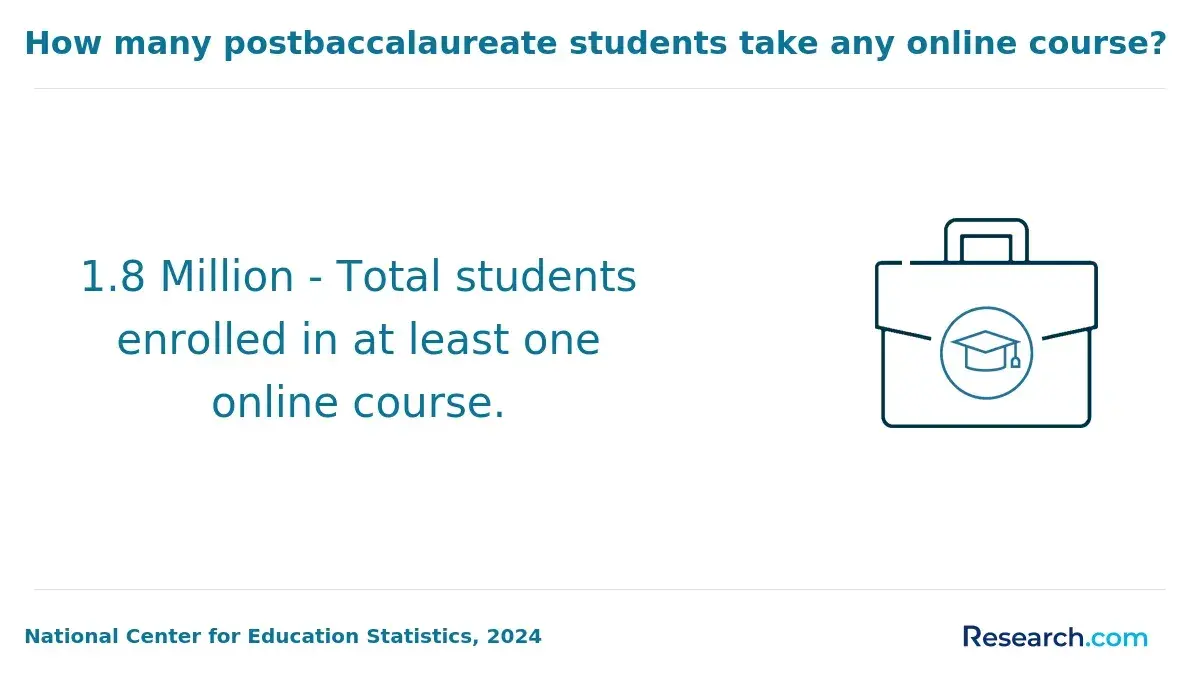
A 2024 report from the National Center for Education Statistics highlights a 15% growth in part-time and online enrollment among working adults pursuing secondary education master's credentials, reflecting evolving accessibility and career flexibility. This article explores diverse career trajectories linked to this degree to help assess their alignment with varied professional objectives.
Key Things to Know About Career Paths With a Secondary Education Master's Degree
- Specializing in secondary education sharpens leadership skills tailored to adolescent learning environments, enabling advancement into roles like department head or curriculum coordinator that demand nuanced pedagogical expertise.
- Employers increasingly seek secondary education master's graduates adept in integrating technology and differentiated instruction, reflecting workforce demands for educators who can address diverse classrooms and evolving standards.
- The rise of online secondary education programs, accounting for over 40% of enrollments per the National Center for Education Statistics in 2024, offers timing and cost flexibility but may reduce hands-on practice opportunities critical for some career paths.
What Can You Do With a Secondary Education Master's Degree?
Deciding to pursue a master's degree in secondary education means confronting distinct professional consequences-notably, the need to strategically navigate occupational roles that balance instructional depth with leadership demands. This degree often marks a pivot from frontline teaching to positions requiring broader oversight or specialized expertise, creating pathways that diverge sharply based on one's chosen focus and regional market realities.
- Advanced Teaching Roles: Many graduates target higher-level classroom positions where expertise in content and pedagogy allows for more autonomous curriculum design and differentiated instruction, particularly in high-demand subjects like STEM and special education. These roles can command better pay and greater job security but often require ongoing certification and demonstrated classroom success.
- Instructional Leadership: Moving into roles such as curriculum coordinator or instructional coach leverages the master's degree's emphasis on research literacy and educational theory. These positions involve shaping teaching practices across a school or district and usually entail a tradeoff of reduced direct teaching time for increased administrative responsibilities.
- Educational Administration: Graduates aiming for vice-principal or principal roles must recognize that while the degree provides valuable foundational knowledge, advancing in administration commonly necessitates additional credentials and heightened political acumen. Compensation here tends to reflect the pressure of managing staff, compliance, and community relations.
- Postsecondary Teaching: For specialists with deep content knowledge, the master's opens doorways to teaching at community colleges, where instructors often balance teaching with curriculum development and student advising. This path may offer less classroom rigidity but can come with constraints on tenure-track opportunities and research funding.
- Curriculum Design and Policy: Secondary education master's graduates equipped with research and evaluation skills are increasingly tapped in education policy or curriculum development sectors. These roles bridge field expertise and strategic impact but often require networking across education agencies and adapting to slower-moving bureaucracies.
- Industry and EdTech: A growing sector employing education graduates includes companies developing instructional technologies and educational resources tailored to secondary education markets. This pathway can provide alternative career flexibility and innovative environments but may demand technical skills beyond traditional education training.
Graduates weighing these options must carefully consider how their Secondary Education master's degree aligns with evolving employer expectations, regional demand, and long-term career flexibility. This nuanced understanding of career paths with a secondary education master's degree supports informed decisions grounded in operational realities rather than generic forecasts or institutional promises.
More detailed analysis of these career outcomes can complement data found through best college degrees.
What Are the Highest-Paying Careers With a Secondary Education Master's Degree?
Salary progression in secondary education-related careers depends heavily on specialization, leadership responsibilities, and sector demands. Graduates must weigh the tradeoff between classroom roles with stable but moderate salaries and administrative or specialized positions that typically command higher compensation due to increased responsibility or technical expertise.
- Secondary School Principal: This leadership role offers one of the highest salaries in secondary education careers, reflecting the managerial duties and accountability over academic and operational functions. According to 2024 data from the U.S. Bureau of Labor Statistics, principals have a median wage around $101,000, which demonstrates a significant premium compared to teaching positions.
- Instructional Coordinator: Overseeing curriculum development and compliance, instructional coordinators leverage educational expertise in more strategic and evaluative capacities. Their 2024 median earnings near $74,000 rise substantially with experience and location, sometimes surpassing $110,000, highlighting the financial benefit of moving beyond classroom instruction.
- Specialized Secondary Teacher (STEM, Special Education, English Language): Teachers with additional certifications or master's credentials in high-demand subjects often receive salary supplements or enhanced pay scales, particularly in districts facing shortages. These adjustments can push earnings above $70,000, though such increments vary regionally and depend on workforce needs.
- Educational Consultant or Corporate Trainer: Transitioning to these roles allows secondary education graduates to apply pedagogical skills in adult learning and workforce development contexts. Compensation can vary widely, but seasoned consultants or trainers often reach six-figure incomes, reflecting the premium for expertise outside traditional school systems.
These career paths illustrate how secondary education master's degree holders navigate complex decisions between immediate salary gains and long-term professional growth, with leadership and specialization serving as key drivers of earning potential within the education workforce.
Which Industries Hire Graduates With a Secondary Education Master's Degree?
Graduates with a secondary education master's degree frequently find their skills leveraged differently across sectors, depending largely on organizational priorities and credentialing demands. Within traditional public and charter school systems, their pedagogical expertise and subject mastery satisfy state-level certification requirements and curricular accountability pressures, positioning them primarily as classroom instructors. However, a significant subset moves into administration, curriculum design, or instructional coordination roles where their deep understanding of educational standards and learning theory informs program development and teacher support.
Notably, these leadership-oriented positions often require supplementary experience or certifications, underscoring a tradeoff between immediate teaching employment and long-term advancement potential. In contrast, private secondary institutions may offer more specialized roles tied to niche curricula or accreditation compliance, but typically compensate less and provide fewer pathways to district-level leadership structures found in public education.
Outside schools, secondary education graduates contribute analytical and instructional design competencies to educational technology firms and nonprofits, where adapting teaching frameworks to digital or community-based contexts is essential. These environments prioritize competencies such as curriculum development, learner assessment methodologies, and cross-disciplinary knowledge application, which differ substantially from the classroom focus of most graduates. While corporate training departments and community education programs occasionally recruit these specialists, such roles entail distinct skill sets-like corporate culture navigation and adult learning principles-that may require additional professional development.
Demand for STEM-focused secondary education professionals remains especially robust due to ongoing shortages, influencing graduates' strategic industry choices. This diversity of opportunities means that career trajectories and compensation vary considerably depending on whether one emphasizes direct instruction, administrative leadership, or broader educational services.
A graduate recalled initially accepting a high school teaching role in a public district but feeling constrained by rigid curricular mandates and limited influence beyond the classroom. After two years, they transitioned into a curriculum specialist position within a nonprofit focused on STEM outreach, where their secondary education master's training was instrumental in aligning program content with educational standards while innovating delivery for informal learners. However, this shift brought challenges, including less predictable funding streams and ambiguity around career progression compared to school-based roles. Their experience highlights how secondary education credentials open distinct pathways, each with specific professional demands and growth implications that graduates must carefully weigh in light of personal goals and market conditions.
What Is the Job Outlook for Careers Requiring a Secondary Education Master's Degree?
Employment prospects for careers requiring a secondary education master's degree show a moderate but uneven expansion, largely shaped by regional funding disparities, subject specialization, and workforce dynamics. While BLS data from 2024 estimates about a 5% growth in high school teaching roles from 2022 to 2032-roughly in line with average occupational growth-this masks significant variation. STEM-related specializations such as math and science enjoy stronger demand due to national priorities and shortages of qualified instructors.
Conversely, candidates focusing on more saturated or less funded subjects may face more competition and slower hiring. Professionals weighing this path should consider how geographic market conditions and school district budgets influence these trends, as many districts grapple with teacher retirements yet also frequently impose hiring freezes or credentialing requirements that can offset growth.
The secondary education master's degree can also facilitate access to administrative, curriculum design, and instructional coaching roles, though these positions depend heavily on local policies and investments in educational innovation. For instance, districts adopting advanced digital learning tools increasingly seek educators skilled in technology integration, altering traditional hiring expectations. Despite often offering higher salaries than bachelor's-only credentials, the master's degree involves notable tradeoffs, given tuition costs and sometimes modest wage increases in public education. Ongoing certification renewals further complicate long-term career planning.
Prospective candidates should therefore evaluate these factors alongside hiring trends and may compare alternative graduate programs, such as the most affordable executive MBA, depending on their broader career goals in education or administration.
What Entry-Level and Advanced Jobs Can You Get With a Secondary Education Master's Degree?
A master's degree in secondary education often serves as a pivotal credential that enables entry into licensed teaching roles in middle and high schools, as well as specialized positions like curriculum specialists and instructional coordinators. In many districts, possessing a master's degree can influence initial hiring decisions or grant salary advantages, though actual entry-level salary ranges tend to cluster between $50,000 and $60,000 annually. Even within entry roles, candidates face variation based on regional standards, subject demand, and licensure requirements, which underscores the necessity of strategic program selection and credentials alignment. A notable consideration is that the 7% projected growth in secondary teaching jobs (BLS 2024) reflects steady but not expansive opportunity; thus, graduates must weigh immediate job market competitiveness against the degree's longer-term value.
Transitioning beyond entry-level, the master's degree enhances prospects for administrative and leadership positions such as department chair, assistant principal, and principal, roles that demand expanded decision-making authority and typically command salaries ranging from $90,000 to $120,000. These advanced roles also require nuanced technical expertise, often supplemented by additional certifications or years of teaching experience, meaning not all graduates qualify immediately for leadership without intermediate career development.
Specialized careers like instructional coaching or educational consulting further demonstrate the degree's flexibility but vary widely by employer and institutional emphasis on advanced credentials. For prospective students, understanding these varied trajectories and the differing value placed on the degree across educational sectors is crucial for aligning education investment with realistic professional outcomes and sustained career mobility.
Can a Secondary Education Master's Degree Help You Change Careers?
A secondary education master's degree can serve as a targeted career-transition tool that repositions professionals by developing specialized competencies aligned with education-sector demands. This degree often functions less as a generic credential and more as a bridge for those who aim to move into teaching or educational leadership roles. For example, career changers entering from unrelated fields gain essential licensing credentials and classroom experience through practicums and internships integral to most programs; however, they must anticipate salary resets and initial probationary periods to demonstrate classroom effectiveness.
Labor market receptivity varies widely, as some states impose additional certification requirements that extend transition timelines and add complexity, while employers generally prefer candidates who combine the degree with relevant hands-on experience or advanced educational technology skills, particularly in specialized areas like curriculum design or administration. Understanding these tradeoffs is crucial for professionals weighing the cost-benefit of investing time and tuition often ranging between $7,500 and $18,000 for secondary education programs with rolling admissions, emphasizing the importance of aligning program selection with concrete career objectives and regional credentialing demands.
Beyond entry-level teaching, a secondary education master's degree also supports lateral shifts within education and related fields by filling gaps in pedagogical leadership, instructional design, and policy expertise. Career changers targeting district-level administration or instructional coordinator roles leverage the degree's focus on organizational management and data-driven decision-making, although success is contingent on prior leadership experience and network access within educational communities. The degree's value as a career change option depends heavily on the individual's background, chosen specialization, and ability to navigate licensing hurdles. Candidates must weigh potential barriers such as competition from those with more extensive experience or technical credentials, alongside practical considerations like applied learning components that enhance employer credibility.
For those exploring interdisciplinary paths or advanced credentialing strategies, comparing educational investment against alternatives, such as an accelerated business management degree, may illuminate more efficient routes to their targeted career outcomes. Overall, the effectiveness of a secondary education master's in career transition hinges on deliberate alignment of prior experience, credentials, and real-world application within evolving educational labor markets.
What Leadership and Management Roles Can You Pursue With a Secondary Education Master's Degree?
Leadership roles accessible with a secondary education master's degree often demand a blend of instructional expertise and administrative skill, where graduates manage teams, design curricula, or steer school programs under regulatory constraints. Unlike purely classroom-focused work, these positions require a strategic mindset to balance pedagogical priorities with compliance issues and resource management. For example, an assistant principal in a public school must navigate union policies and state mandates while aligning staff performance with district goals, a task requiring negotiation and broad oversight beyond teaching credentials alone. The degree can thus serve as a gateway to roles with supervisory authority, yet candidates must be prepared for increased accountability and complex stakeholder coordination that comes with managing staff and institutional initiatives.
Opportunities vary significantly depending on the sector-public schools often emphasize regulatory knowledge and formal certification for leadership, whereas private or nonprofit educational organizations may prioritize cross-functional project management skills and adaptability. Career progression is not uniform; an academic dean in a large district might focus heavily on data-driven program evaluation and policy implementation, while educational consultants leverage their degree to lead interdisciplinary teams without direct classroom responsibility.
Employers typically expect leadership candidates to demonstrate measurable impact on instructional quality or operational efficiencies, and compensation growth usually correlates with the scope of managerial duties and institutional size. As a practical consideration, leadership roles often impose a tradeoff between remaining actively engaged in teaching and investing time in broader organizational leadership tasks.
One graduate recalled applying during a rolling admissions cycle, encountering delays that forced a strategic choice between accepting an offer immediately or waiting for potential admits from other institutions. With limited application feedback, they balanced urgency against the risk of losing priority placement, reflecting the unpredictable timing pressures many face when pursuing advanced degrees aimed at educational leadership. The waiting period prompted a careful reassessment of career goals and program fit, reinforcing that preparation for leadership pathways often requires patience alongside decisive action.
What Skills Do Employers Expect From Graduates With a Secondary Education Master's Degree?
Employers seeking graduates with a secondary education master's degree prioritize a suite of technical and analytical skills directly tied to navigating the complexities of modern classrooms and school systems. Proficiency with digital learning platforms, data-driven assessment tools, and curriculum design software is no longer optional; it underpins a teacher's ability to tailor instruction and monitor student progress effectively. For example, a secondary education specialist working in an urban district may use trauma-informed data sets alongside performance metrics to implement targeted interventions that address socioeconomic challenges.
This technical expertise correlates with higher salary brackets-in many districts, educators skilled in these areas report median salaries 10-15% above those who focus solely on traditional teaching methods, reflecting premium value placed on adaptable, data-literate professionals (Bureau of Labor Statistics, 2024).
Beyond technology, leadership and operational skills differentiate candidates seeking department head roles or curriculum development positions. Employers evaluate abilities in strategic planning, mentoring, and compliance with evolving educational regulations during hiring and promotion decisions. Interpersonal competencies emphasizing adolescent development and culturally responsive teaching are essential across diverse school settings but gain heightened importance in specialized programs or administrative tracks.
Variations in employer expectations mean some districts emphasize trauma-informed or STEM-aligned pedagogy, while others prioritize organizational oversight or policy fluency. Inadequate technical or operational skills often restrict advancement, underscoring the need for continuous upskilling to meet the dynamic demands of secondary education careers and maintain competitive salary growth aligned with emerging leadership responsibilities.
Are Remote and Flexible Careers Available With a Secondary Education Master's Degree?
Remote and flexible career options with a secondary education master's degree are largely dictated by the practical demands of each role and the strict regulatory environment governing PK-12 systems. Classroom teaching almost invariably requires physical presence due to supervision, direct student engagement, and compliance monitoring, limiting remote possibilities. However, professionals in curriculum development, instructional design, and educational technology benefit from hybrid or fully remote arrangements, leveraging digital collaboration and project management platforms to contribute effectively.
In these roles, understanding the dynamics of virtual teamwork and asynchronous communication is essential, as employers expect sustained productivity and responsiveness even outside traditional settings. As an example, instructional designers can develop training modules remotely but may still attend periodic on-site meetings or school visits, reflecting a tradeoff between flexibility and sector engagement.
Employers' willingness to offer remote or flexible schedules varies by district policies, data security protocols, and career stage, with senior specialists and consultants enjoying greater latitude than entry-level teachers who require on-site mentorship. Roles such as education consultants and policy analysts, focused on data analysis and strategic advising, are more adaptable to remote formats. A workforce trend in 2024 indicates a rising share of enrollment in programs emphasizing hybrid delivery, correlating with employer calls for versatile educators capable of digital and in-person instruction-an important factor for professionals weighing flexible career options. Candidates seeking remote teaching jobs for secondary education master's graduates should also consider sector specifics and licensing constraints, which strongly frame feasible work arrangements.
For further insights on career flexibility within educational specializations, reviewing ASHA accredited online SLP programs can provide valuable context.
What Certifications or Licenses Complement a Secondary Education Master's Degree?
Licensure remains the foundational credential for secondary education master's graduates aiming to teach in public schools, as it satisfies legal mandates for employment eligibility. Many states require passing state-specific exams and completing supervised teaching hours to earn this license, which directly governs whether candidates can assume classroom responsibilities.
Beyond meeting compliance standards, candidates often pursue additional certifications such as National Board Certification or endorsements in specialized subjects like STEM, special education, or ESL. These certifications are not legally required but serve as differentiators in competitive hiring pools and frequently translate into higher salaries or leadership eligibility, reflecting validated expertise and dedication. For example, a mid-career teacher expanding into STEM instruction with subject endorsements may access more advanced positions and receive financial incentives from districts valuing technical specialization.
The relevance of certifications and state licenses varies significantly across sectors and regions. While public schools emphasize formal licensure, private, charter, or alternative educational settings may treat certifications as optional yet influential for promotion and hiring decisions, given their role in demonstrating commitment and subject mastery. Geographic variation also influences this landscape: states with reciprocal licensing agreements facilitate easier mobility, whereas others impose unique restrictions that affect professional advancement and tenure eligibility.
Entry-level educators prioritize state licenses to avoid exclusion from employment, whereas career changers often supplement master's credentials with certifications to accelerate credibility and job market integration. Professionals should weigh the workload of maintaining certifications against potential salary gains and expanded job eligibility, especially in districts where additional credentials lead to differentiated pay scales.
Opportunities to explore online colleges with flexible start dates can support these credentialing pathways alongside graduate studies.
What Graduates Say About Career Opportunities With a Secondary Education Master's Degree
- Janet: "Balancing my full-time job and family commitments meant I had limited time to dedicate to my secondary education master's program, so I chose one with a strong online component to accommodate my schedule. This decision helped me build a practical teaching portfolio that was highly valued by local schools, even though I missed out on some of the traditional in-classroom internships. Ultimately, I landed a stable teaching position, but I discovered many employers prefer candidates with more extensive hands-on experience, which shaped how I approach professional development now."
- Kyle: "I had to budget carefully, which influenced my choice of a lower-cost secondary education master's program that focused on curriculum design and digital learning tools. While I didn't meet the licensure requirements immediately, the skills I gained led to a unique role creating educational content for remote schools, a niche that values tech proficiency over traditional credentials. This path delayed my entry into classroom teaching but allowed me to grow my expertise in a specialized area that's increasingly important."
- Emma: "After switching careers, I faced the challenge of starting from scratch while managing student loan restrictions, so I selected a secondary education master's program with a fast-track option. The intensive workload was demanding, yet completing it quickly enabled me to apply for teaching positions sooner. The real-world internships integrated into the program were crucial, but I found that many schools still prioritized licensed teachers with prior classroom experience, which has pushed me to seek additional certifications alongside teaching."
Other Things You Should Know About Secondary Education Degrees
Graduate programs in secondary education frequently require balancing rigorous coursework, practicum experiences, and, for many, ongoing teaching responsibilities. This dual demand can lead to significant time constraints and stress, which impact both academic performance and personal life. Professionally, employers expect graduates to manage lesson planning, student assessment, and collaboration efficiently, so developing strong time-management skills during the degree substantially improves transition into these roles. Prospective students should prioritize programs with structured support and realistic scheduling to mitigate burnout and maintain work-life balance.
With a secondary education master's degree in 2027, you can pursue extracurricular career opportunities such as educational consulting, curriculum development, and educational administration. These roles leverage your expertise beyond the classroom and can enhance student programs or improve educational standards in various educational settings.
In 2027, the recognition of specific program specializations can significantly impact employability and advancement in diverse school districts. Schools prioritize candidates with expertise in fields like STEM or special education, seeking individuals who can address particular needs, thereby enhancing their career prospects and opportunities for advancement.
References
- Grand Canyon University. (2025). What is secondary education? Program benefits and why you should pursue this degree. https://www.gcu.edu/blog/teaching-school-administration/what-is-secondary-education
- Southern New Hampshire University. (n.d.). MEd in secondary education. https://campus.snhu.edu/programs/graduate/med-secondary-education
- The University of Alabama at Birmingham. (n.d.). Graduate secondary education program. https://www.uab.edu/education/home/graduate/secondary-education
- The University of Scranton. (n.d.). Secondary education, MS: Career outlook. https://gradadmissions.scranton.edu/programs/masters-secondary-education/careers.shtml
- U.S. Bureau of Labor Statistics. (2025). High school teachers. U.S. Department of Labor. https://www.bls.gov/ooh/education-training-and-library/high-school-teachers.htm
- U.S. Bureau of Labor Statistics. (2025). Instructional coordinators. U.S. Department of Labor. https://www.bls.gov/ooh/education-training-and-library/instructional-coordinators.htm