2027 Cheapest Accelerated Speech Pathology Degree Programs Online

Co-Founder and Chief Data Scientist
Choosing an accelerated online speech pathology degree is mainly a cost, time, and licensure decision. The lowest advertised tuition may not be the cheapest path if the program limits transfer credits, requires expensive campus visits, or does not meet accreditation expectations for your career goal. At the same time, a faster online format can help working adults, career changers, and caregivers reduce opportunity cost and move toward speech-language pathology or communication sciences roles sooner.
This guide explains how affordable accelerated speech pathology programs work, what affects the total price, how to evaluate accreditation and legitimacy, and which scheduling and transfer-credit policies can shorten your path. It also covers financial aid options and practical selection criteria so you can compare programs with fewer surprises. The U. S. Bureau of Labor Statistics reports a median annual salary of $79,060 for speech-language pathologists, but students should remember that professional SLP roles typically require meeting graduate education, supervised clinical, certification, and state licensure requirements.
Key Things to Know About the Cheapest Accelerated Speech Pathology Degree Programs Online
- Accelerated online speech pathology programs cut overall time and tuition costs through fast-track formats, flexible scheduling, and accepting transfer credits-ideal for working adults and career changers.
- Comparing accreditation, total program costs, financial aid availability, and hidden fees is essential to accurately assess true affordability beyond just tuition price.
- Verify transfer policies, pacing requirements, residency mandates, and career or licensure outcomes before enrolling in low-cost accelerated speech pathology programs to ensure alignment with goals.
What Are the Cheapest Accelerated Speech Pathology Degree Programs Online?
The cheapest accelerated online speech pathology programs are usually offered by public universities, transfer-friendly schools, and programs designed for adult degree completion. The best value is not simply the lowest tuition rate; it is the program that lets you complete required coursework efficiently while preserving accreditation, clinical preparation, and eligibility for your next academic or professional step.
Recent studies show that students pursuing accelerated paths can complete programs up to 50% faster than traditional timelines. That speed can reduce tuition exposure, fees, and the time spent away from higher-earning opportunities, but only if the program accepts usable credits and offers the courses you need when you need them.
- Public state universities: Public institutions often provide the lowest net cost, especially for in-state students or online students who qualify for reduced distance-learning tuition. They may also have clearer transfer pathways from community colleges.
- Competency-based learning: These programs allow students to move forward after demonstrating mastery rather than waiting for a fixed semester schedule. They can be cost-effective for disciplined learners with relevant academic or work experience.
- Transfer-friendly degree-completion programs: Schools with articulation agreements can reduce repeated coursework by accepting general education, prerequisite, and related health or communication credits from accredited colleges.
- Hybrid accelerated programs: Some online programs require short campus residencies, labs, or clinical intensives. These can be worthwhile when they support accreditation or clinical readiness, but students should budget for travel, lodging, and missed work.
- Workforce-oriented pathways: Programs built for working adults may offer multiple start dates, evening support services, and structured course maps that reduce delays between terms.
When comparing inexpensive options, look beyond the published tuition rate. Ask how many credits you must complete at the school, whether courses are offered year-round, whether clinical or observation requirements are arranged locally, and whether the program fits your state’s licensing or graduate-school expectations. Some affordability and pacing strategies resemble models used in accelerated DNP programs, where program structure can matter as much as per-credit cost.
A cheap accelerated program is a strong choice only when it saves money without weakening academic quality, transferability, or future eligibility for graduate study, certification, or licensure.
How Much Does an Accelerated Online Speech Pathology Degree Cost?
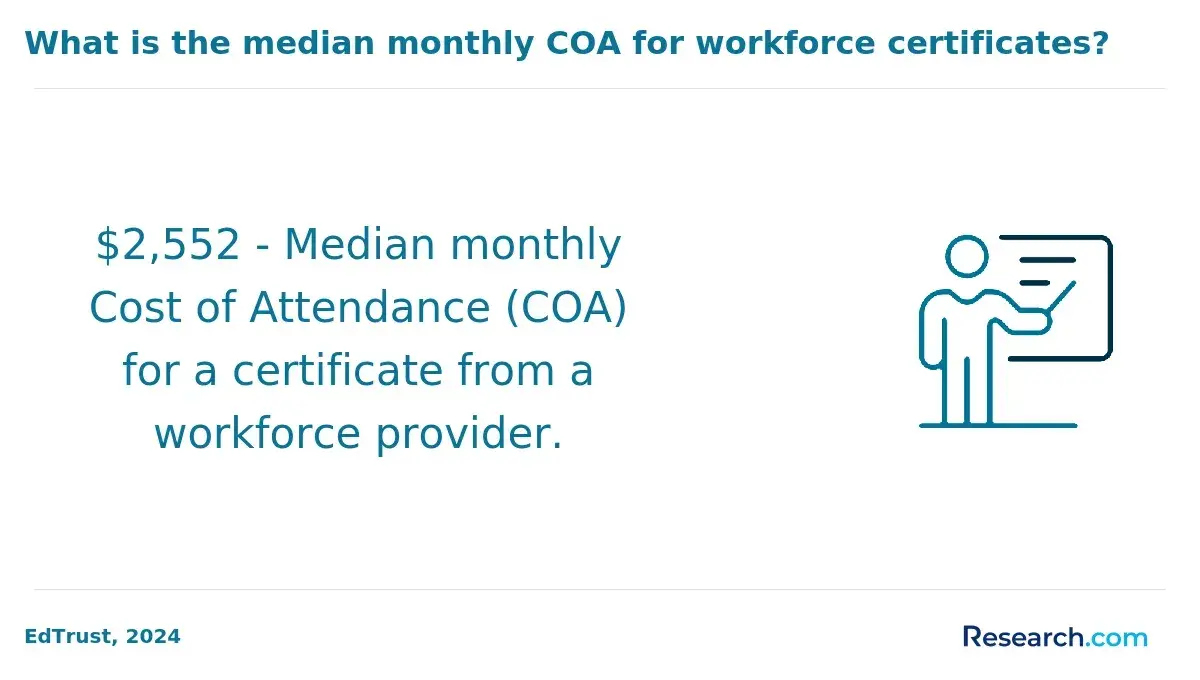
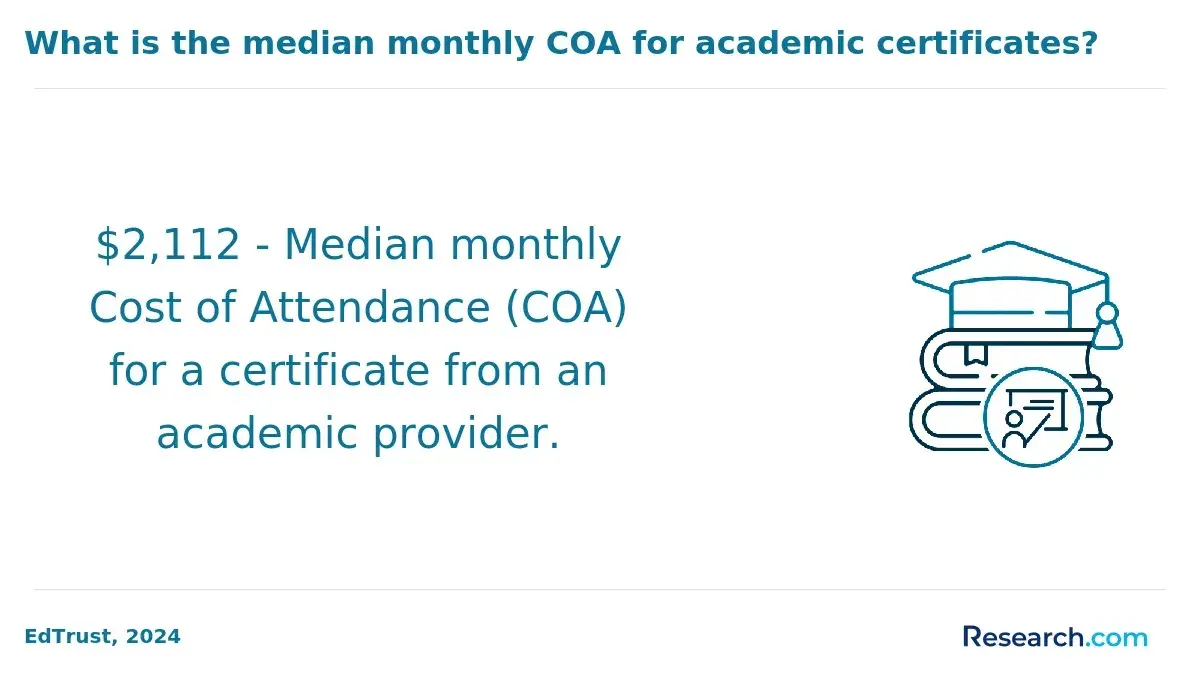
The cost of an accelerated online speech pathology degree depends on tuition, fees, transfer credits, term length, residency requirements, and how quickly you complete the program. According to recent data, tuition for these programs at public state universities typically ranges from $7,000 to $15,000 per year for in-state learners. Private institutions, out-of-state rates, and programs with clinical travel requirements may cost more.
Students should calculate total program cost, not just annual tuition. A program with a higher per-credit rate may still be cheaper if it accepts more transfer credits or allows faster completion. A program with low tuition may become expensive if it has technology fees, practicum fees, mandatory campus visits, or limited course availability that delays graduation.
- Flat-rate tuition models: Some schools charge a fixed price for a term or course load. This can benefit students who can handle an accelerated pace, but it may not save money for learners who need to reduce their course load.
- Competency-based programs: These formats can lower costs for students who already understand some material and can move quickly through assessments. They require strong time management and self-direction.
- Transfer credit savings: Generous transfer policies can reduce the number of credits you pay for. Before enrolling, request an official or preliminary transfer evaluation rather than relying on general policy language.
- Public university tuition: Public schools often offer stronger affordability for in-state students, though online tuition policies vary. Some charge the same distance-learning rate to all online students, while others maintain residency-based pricing.
- Fully online delivery: Online coursework can reduce commuting and relocation costs, but students should still check for required in-person labs, clinical experiences, or residencies.
For context on how online pricing can vary across health-related fields, students can compare cost structures with an affordable healthcare administration degree online. The same basic rule applies: the cheapest option is the one with the lowest realistic total cost to completion, not necessarily the lowest advertised tuition.
Are Cheap Accelerated Speech Pathology Degree Programs Accredited and Legitimate?
Cheap accelerated online speech pathology programs can be legitimate, but students must verify accreditation before applying. In 2023, over 45% of degree-seeking students enrolled in online programs, making quality checks especially important for distance learners. Accreditation affects credit transfer, financial aid eligibility, graduate admission, employer recognition, and, for professional preparation, licensure and certification pathways.
- Regional accreditation: The institution should be regionally accredited by a recognized accreditor. This is a baseline indicator that the college meets broad academic and administrative standards. It also matters if you later transfer credits or apply to graduate school.
- Programmatic accreditation: For professional speech-language pathology preparation, students should understand the role of CAA accreditation from the American Speech-Language-Hearing Association. CAA accreditation is especially important for graduate-level clinical preparation and certification eligibility.
- State authorization: Online programs must be authorized to serve students in specific states. This is particularly important if you live outside the school’s home state or plan to complete clinical requirements where you live.
- Licensure alignment: A program may be accredited and still not meet every requirement in your state. Ask the school to identify whether its curriculum and clinical structure align with the state where you plan to work.
- Transparency: Legitimate programs publish tuition, fees, admissions requirements, accreditation status, clinical expectations, transfer policies, and student support information clearly. Be cautious if a school is vague about these items or promises unusually fast professional outcomes.
One graduate of an affordable fast-track speech pathology pathway described the decision this way: “Balancing work and coursework was intense, but I felt more confident after confirming regional accreditation and checking CAA approval early. The low price made me cautious at first, but clear information about state authorization, clinical expectations, and advising helped me see that it was not a shortcut. It was simply a structured, practical route.”
The safest approach is to verify accreditation through the accreditor’s own database, confirm state authorization with the school, and ask your state licensing board how the program fits professional requirements before you enroll.
What Are the Fastest Online Speech Pathology Degree Programs?
The fastest online speech pathology programs are typically those that combine accelerated terms, year-round enrollment, generous transfer-credit policies, and clear course sequencing. With adult learners making up nearly 40% of online enrollments, many schools now design programs for students who need predictable progress while working or managing family responsibilities.
Speed should not come at the expense of clinical readiness or future eligibility. Students pursuing a path toward becoming a speech-language pathologist should be especially careful to distinguish between undergraduate communication sciences programs, leveling programs, and graduate professional programs.
- Competency-based education: Students progress by proving mastery of required outcomes. Many programs offer year-round access and can be completed in as little as 12 to 18 months, depending on the credential, prior credits, and pace.
- Transfer-credit-optimized pathways: Programs that accept substantial prior coursework can reduce completion time to about two years for some students. This is most helpful for learners who already completed general education, communication disorders, psychology, biology, or related courses.
- Year-round enrollment and 8-week courses: Short sessions allow students to complete more courses across the year. They also require steady weekly effort because assignments, exams, and projects arrive quickly.
- Prior learning assessments: Portfolio reviews, exams, military training evaluations, and recognized certifications may reduce the number of required credits where allowed by institutional policy.
Students comparing fast programs should ask whether courses are available every term, whether prerequisites create bottlenecks, and whether the school guarantees enough clinical or observation placements to stay on track. For a pacing comparison in another healthcare area, a 6 month LPN program online shows how compressed healthcare education can vary by field, credential, and hands-on requirements.
Which Online Speech Pathology Degree Programs Are Best for Working Adults?
The best online speech pathology programs for working adults are structured, flexible, and transparent about workload. Enrollment for adult learners in flexible degree programs increased by over 20% in recent years, and many students now need programs that allow steady progress without requiring them to leave full-time employment.
- Asynchronous programs: These are often the most practical for students with changing work shifts, caregiving responsibilities, or limited commute time. They allow students to watch lectures and complete assignments within weekly deadlines rather than attending class at a fixed hour.
- Programs with predictable course maps: Working adults benefit from knowing which classes to take each term and when prerequisites will be offered. Poor sequencing can delay graduation even in an “accelerated” program.
- Competency-based pathways: These can work well for experienced professionals who are comfortable learning independently and documenting mastery. They may be less ideal for students who need frequent live instruction.
- Transfer-friendly schools: Adult learners often bring previous credits from multiple institutions. Programs with clear transfer rules can reduce cost and shorten the path.
- Part-time accelerated options: Not every working adult can manage a full-time course load. A strong part-time option may be slower than full-time study but more sustainable and less risky.
Support services matter as much as scheduling. Advising, tutoring, writing help, career services, placement support, library access, and responsive faculty can determine whether a busy student stays on track. One working professional said the biggest adjustment was not the online format itself, but maintaining momentum without face-to-face reminders. Peer forums, proactive advising, and the ability to apply course concepts at work helped make the accelerated pace manageable.
What Flexible Scheduling Options Are Available in Accelerated Speech Pathology Programs?
Accelerated speech pathology programs use several scheduling models to help students complete coursework around employment, caregiving, and clinical obligations. About 60% of adult learners report that course timing heavily influences their enrollment choice, so schedule design should be a major part of any program comparison.
- Asynchronous coursework: Students complete lectures, readings, discussions, and assignments within set deadlines but without mandatory live class meetings. This is the most flexible format, though it requires strong self-discipline.
- Synchronous evening and weekend classes: Live online meetings can improve interaction with faculty and classmates. They work best for students who can protect specific evening or weekend blocks each week.
- Competency-based pacing: Students move through material based on demonstrated learning rather than a traditional calendar. This can speed completion for motivated students, but it may feel isolating without strong advising.
- Rolling start dates: Multiple start opportunities help students begin when they are ready instead of waiting for one annual admissions cycle.
- Condensed course terms: Many accelerated programs use 8-week or shorter terms. Short courses allow faster progress, but they compress reading, assignments, projects, and exams into a tighter schedule.
Before choosing a schedule, estimate your weekly study time realistically. A flexible program is not automatically easier; it simply gives you more control over when you complete demanding academic work.
Which Accelerated Speech Pathology Degree Programs Accept the Most Transfer Credits?
The accelerated programs that accept the most transfer credits are usually adult degree-completion programs, public universities with community college partnerships, military-friendly institutions, and competency-based schools. Transfer-friendly schools can provide up to 30% reduction in tuition, but the actual savings depend on how your previous credits apply to the program’s degree requirements.
- Community college articulation pathways: Formal agreements can make it easier to transfer general education, science prerequisites, and introductory communication-related courses from a two-year college.
- Military-friendly programs: These schools may evaluate military transcripts, CLEP, DSST, and other documented training. Veterans and active-duty students should ask whether credits apply to major requirements or only electives.
- Competency-based models: Some programs award credit through exams, portfolios, or demonstrated mastery. This may benefit students with healthcare, education, or communication-related experience.
- Adult degree-completion initiatives: These programs often accept credits from multiple institutions and reduce unnecessary residency barriers. They are designed for students who started college previously and want to finish efficiently.
Students should request a written transfer evaluation before committing. Ask how many credits will transfer, which requirements they satisfy, how many credits must be completed at the institution, and whether any older credits expire. A generous transfer policy is only valuable if it reduces the courses you still need to graduate.
Can Prior Learning or Work Experience Reduce the Time and Cost of a Speech Pathology Degree?
Prior learning and work experience can reduce the time and cost of some speech pathology-related degrees, but policies vary by school and credential level. Approximately 45% of adult learners benefit from credit awarded through prior learning assessments or transfer agreements, which can make accelerated online study more affordable.
- Transfer credits: Previously completed college courses may satisfy general education, prerequisite, or elective requirements. Courses from accredited institutions are usually easier to evaluate.
- Competency-based education: Students may move faster through material they already know by demonstrating mastery through assessments, projects, or exams.
- Prior learning assessments: Portfolio reviews and standardized exams such as CLEP or DSST can sometimes convert documented learning into academic credit.
- Military and workforce certifications: Military training, healthcare credentials, education experience, and related professional development may be reviewed for possible credit, depending on institutional policy.
There are limits. Clinical requirements, profession-specific competencies, and accreditation standards may not be waived simply because a student has related work experience. Ask the program which credits can reduce tuition, which requirements must be completed in residence, and whether prior learning can affect clinical placement or licensure preparation. Students comparing other accelerated healthcare pathways may also review MSN to DNP online no clinicals options as an example of how advanced healthcare programs handle practice and clinical expectations differently.
What Financial Aid Options Are Available for Online Speech Pathology Students?
Online speech pathology students may qualify for federal aid, institutional scholarships, employer tuition benefits, military education benefits, and cost-reduction strategies such as transfer credits. Nearly 60% of adult learners use some form of financial assistance, making aid planning an important part of choosing even an affordable accelerated program.
- Federal grants and loans: Students enrolled in eligible accredited programs may complete the FAFSA to be considered for federal aid such as Pell Grants and Direct Subsidized Loans. Eligibility depends on the student, program, enrollment status, and federal rules.
- Employer tuition assistance: Working adults should ask whether their employer reimburses tuition, pays partner-school discounts, or offers education benefits tied to retention or promotion.
- Institutional scholarships: Schools may offer merit-based, need-based, departmental, or online-student scholarships. Ask whether awards renew automatically or require a separate application each term.
- Military education benefits: Veterans, active-duty personnel, and eligible family members may use GI Bill funds, Tuition Assistance, or other benefits for approved programs.
- Transfer credit optimization: Reducing the number of credits you must complete can lower tuition more reliably than taking on additional loans. This is especially useful for career changers with previous college coursework.
Students should also compare aid against total cost. A scholarship at a high-cost program may still leave a larger bill than a lower-cost public option. For a broader comparison of affordable graduate options in related health leadership fields, review online MBA healthcare programs and note how tuition, employer support, and transfer rules affect net price.
What Should Students Look for When Choosing an Affordable Accelerated Speech Pathology Program?
Students should choose an affordable accelerated speech pathology program by evaluating accreditation, total cost, transfer policy, schedule fit, clinical expectations, and student support. Over 40% of online students utilize transfer credits to reduce degree time and cost, but transfer savings are only one part of the decision.
- Accreditation reliability: Confirm institutional accreditation and, where relevant, programmatic accreditation from bodies such as the Council on Academic Accreditation. Accreditation affects financial aid, transferability, graduate study, certification, and licensure pathways.
- Total cost: Add tuition, online fees, technology fees, books, clinical or practicum fees, travel, residency costs, and graduation fees. Ask whether tuition is charged per credit, per term, or as a flat rate.
- Transfer-credit flexibility: Request a credit evaluation and ask which credits apply directly to your degree plan. General elective credit may not shorten your timeline if it does not satisfy required courses.
- Scheduling and delivery: Condensed courses, including 5 to 8 weeks, can speed completion. They can also create heavier weekly workloads, so match the format to your work and family schedule.
- Clinical and licensure alignment: If your goal is to become a licensed speech-language pathologist, confirm how the program supports the next required step, including graduate admission or clinical preparation where applicable.
- Student support: Strong advising, tutoring, faculty access, placement guidance, and career services are especially important in accelerated online formats.
Students focused specifically on affordable graduate pathways can also compare cheapest online slp master's programs while checking accreditation, clinical placement support, and state requirements carefully.
The best program is the one that helps you finish at a manageable cost while keeping your academic and professional options open.
What Do Students Say About Cheap Accelerated Online Speech Pathology Degree Programs?
-
: "
As a working adult balancing a full-time job and family, flexible scheduling made the degree feel possible. Affordability mattered, but I also needed advising, clear deadlines, and financial aid guidance. The right program helped me keep earning income while moving toward a stronger career path.
— Kayden
"
-
: "
Changing careers later in life was intimidating. I looked for an online accelerated speech pathology program that was affordable, but I did not want a shortcut that would limit my options. Condensed courses, transfer-credit review, and a realistic aid package helped me make the transition without taking on unnecessary debt.
— Cannon
"
-
: "
As a nontraditional student, I cared most about total cost and flexibility. The most useful programs were upfront about fees, transfer limits, and pacing. Being able to choose a budget-friendly option with a manageable schedule made the process less stressful.
— Nolan
"
Other Things You Should Know About Speech Pathology Degrees
As of 2027, many online speech pathology programs offer financial aid, scholarships, and discounts for early tuition payment. Some institutions provide specific savings for veterans or members of professional organizations, significantly reducing the costs of accelerated programs.
Yes, students in accelerated online speech pathology programs need reliable internet access and devices capable of supporting video conferencing for live classes and telepractice training. Many programs utilize specialized software for speech analysis and virtual client sessions, so having updated computers and compatible headsets or microphones is essential for full participation. Technical proficiency in these tools can directly impact learning effectiveness and clinical skill development.
Affordable accelerated speech pathology degree programs generally include coursework aligned with ASHA's Certificate of Clinical Competence (CCC) standards, helping students meet educational and clinical requirements. Many offer advising services focused on exam preparation and licensure processes, including support with completing prerequisite clinical hours. However, students should verify that the program's curriculum fully prepares them for the Praxis Examination in Speech-Language Pathology and state licensure requirements.
Graduates from the cheapest accelerated speech pathology degree programs online are qualified for entry-level roles in various settings-such as schools, healthcare facilities, and private practices-once they secure state licensure and ASHA certification. Accelerated programs often attract working adults, so gaining flexible clinical placement experience can enhance job readiness. However, competitive job markets may require graduates to pursue continuing education and specialization to advance their careers.
References
- Connecticut SLP Programs https://speechpathologymastersprograms.com/speech-pathology-programs/connecticut/
- The Future Career Outlook for Speech-Language Pathologists https://shccares.com/blog/allied-health/the-future-career-outlook-for-speech-language-pathologists/
- Accelerated Master of Arts in Speech-Language Pathology https://www.kumc.edu/school-of-health-professions/academics/departments/hearing-and-speech/accelerated-master-of-arts-in-speech-language-pathology.html
- Where Do Speech-Language Pathologists Work? Comparing Work Environments https://www.mghihp.edu/news-and-more/opinions/csd-discussions/where-do-speech-language-pathologists-work-comparing-work-environments
- How To Choose an SLP Program: Seven Factors To Consider https://www.usa.edu/blog/how-to-choose-a-slp-program/
- Best Online Speech-Language Pathology (SLP) Programs 2025 https://onlinespeechpathologyprograms.org/best-online-slp-programs/
- How to Pay for SLP Grad School: Funding Guide 2025 https://www.speechpathologygraduateprograms.org/blog/how-to-pay-for-slp-grad-school/
- Career Pathways Of Speech-Language Pathology Professionals https://www.therapyabroad.org/career-pathways-of-speech-language-pathology-professionals/
- 8 Accelerated Speech Pathology Degrees in California - California Speech Pathology https://californiaspeechpathology.org/masters/accelerated/
- The Two Most Important Variables to Consider When Choosing a Graduate Program for Speech Therapy https://speechisbeautiful.com/2018/02/two-important-variables-consider-choosing-graduate-program-speech-therapy/