2027 Cheapest Health Communication Degree Programs for Working Adults

Co-Founder and Chief Data Scientist
Is it possible for a full-time employee juggling family obligations and work deadlines to find an affordable way back to school in Health Communication? Rising tuition and scheduling conflicts often discourage adult learners from pursuing degrees that enhance career prospects. Yet, many accredited programs offer asynchronous formats, generous transfer credit policies, and competitive tuition rates that address these barriers directly.
By 2029, employment in Health Communication-related fields is projected to grow by 13%, underscoring the need for accessible education. This article examines the cheapest Health Communication degree programs for working adults and highlights key factors to consider for affordability and flexibility.
Key Things to Know About the Cheapest Health Communication Degree Programs for Working Adults
- Affordable health communication programs often feature online formats, flexible scheduling, and generous transfer credit policies to accommodate working adults balancing multiple responsibilities.
- Lower-cost options provide accessibility and accelerated timelines but may vary in accreditation and employer recognition; verifying these factors is crucial for career relevance.
- Prospective students should assess total program cost, financial aid, state eligibility, accreditation status, student support services, and long-term employment outcomes before enrollment.
What Are the Cheapest Accredited Health Communication Degree Programs Online?
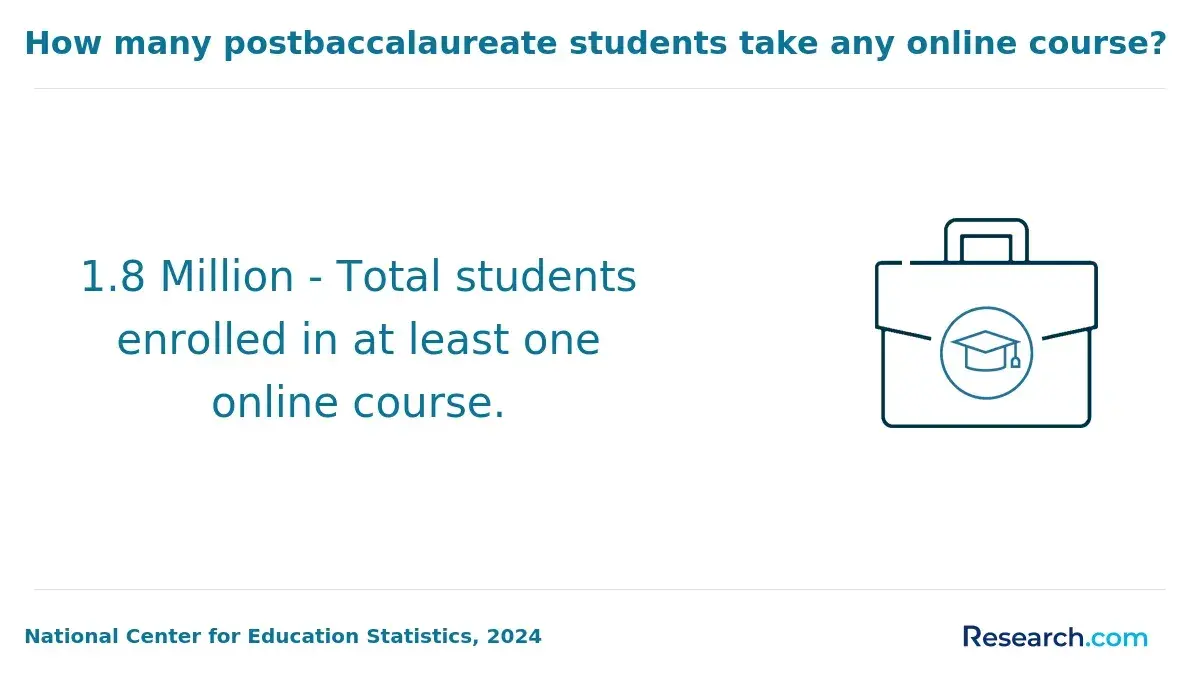
Accredited online health communication degree programs create accessible and lower-cost pathways for working adults aiming to advance their education. With flexible schedules, including asynchronous coursework, these programs accommodate the demands of jobs and family life. According to the National Center for Education Statistics, more than 40% of higher education students have taken at least one online course, underscoring growing interest in convenient learning formats.
Several factors are important when comparing affordable online health communication degree programs:
- Accreditation Status: Confirming accreditation ensures the program meets recognized quality standards and qualifies you for federal financial aid. Accredited programs also support the long-term value of your credential in the job market.
- Tuition and Fee Structure: Look for programs with transparent tuition rates, such as per-credit pricing, flat fees, or in-state tuition options for online learners. Understanding these details helps in budgeting and prevents unexpected costs.
- Transfer Credit Acceptance: Programs, like master's of health administration, that allow generous transfer credits from previous coursework can reduce the number of credits needed to graduate. This decreases both time and overall tuition expenses.
- Scheduling Flexibility: Options like asynchronous classes enable you to study when convenient, balancing education with work and family. Accelerated formats may also be available for faster degree completion and potential cost savings.
- Financial Aid and Support Services: Access to scholarships, employer tuition assistance, and dedicated student support can make a significant difference. These resources help manage expenses and provide guidance tailored to the needs of nontraditional students.
How Much Does an Online Health Communication Degree Cost for Working Adults?
The cost of an online health communication degree for working adults varies considerably based on tuition structures, school type, transfer credit acceptance, residency status, and program format. Affordability and scheduling flexibility often guide enrollment decisions for nontraditional learners managing work or family commitments. Notably, approximately 70% of adult learners rely on some form of financial aid, which can greatly influence the overall expense.
Several key factors impact total educational expenses beyond tuition alone, including fees and the availability of accelerated formats. These considerations help clarify how costs accumulate and what students should plan for.
- Tuition Models: Many programs charge per credit, meaning total costs depend on how many credits are required and how quickly students progress. Full-time enrollment usually has a different pricing model than part-time, affecting payment schedules and overall affordability.
- Transfer Credit Acceptance: Institutions vary in how many previously earned credits they accept, which can reduce program length and tuition costs. Confirming transfer policies early can lower total expenses and accelerate degree completion.
- Financial Aid Opportunities: Grants, scholarships, and employer tuition assistance play crucial roles in making an affordable online health communication degree programs for adult learners accessible. These resources can significantly reduce out-of-pocket costs.
- Technology and Fee Expenses: Online programs often require additional fees to support digital platforms and course materials. While these fees differ by institution, they add to the billed amount beyond base tuition.
- Flexible Scheduling and Accelerated Formats: Asynchronous classes and accelerated pathways help working adults finish sooner, potentially lowering living costs and minimizing missed work hours, offering practical savings beyond tuition.
With tuition rising 2-3% annually on average nationwide, researching cost structures is essential. For those seeking a low-cost option geared toward working adults, exploring options such as an affordable healthcare administration degree online can offer insight into comparable programs that balance quality and price effectively.
Are Cheap Health Communication Degree Programs Legitimate and Respected by Employers?
Affordability alone does not determine the credibility or employer respect for a health communication degree program. Factors such as accreditation, institutional reputation, curriculum rigor, and relevance to current workforce needs often play a larger role in shaping perceptions, especially for online or low-cost options. Notably, over 70% of employers now accept degrees earned online from regionally accredited institutions, reflecting increasing confidence in flexible education formats.
Working adults often assess affordable programs based on how well they align with personal career objectives, scheduling constraints, and professional credential requirements. Several key elements influence whether a low-cost health communication degree program is viewed as legitimate and valued by employers:
- Institutional Accreditation: Accreditation from recognized agencies ensures the program meets essential educational standards and facilitates credit transfer, which employers often require to validate academic quality.
- Curriculum Relevance: Programs that update content to cover vital topics such as health messaging, public relations, and policy communication demonstrate alignment with industry demands, enhancing graduate marketability.
- Faculty Expertise: Qualified instructors with practical experience in health communication contribute to effective learning and strengthen a program's credibility in the eyes of students.
- Transfer Credit Policies: Schools that recognize previous coursework allow students to reduce costs and accelerate completion, increasing a program's appeal to working adults.
- Employer Recognition of Online Education: Growing acceptance of online and hybrid formats by employers improves legitimacy, particularly when degrees come from well-established, accredited institutions.
A health communication degree graduate shared how developing soft skills was a significant but often unseen part of their educational journey. They described negotiating multiple demands-balancing work, family, and studies-as a challenge that refined their time management and adaptability.
"I didn't realize how much teamwork, empathy, and communication skills were emphasized until I started applying them in real projects," they recalled. These soft skills proved invaluable during job interviews and workplace interactions, helping build confidence and professional relationships beyond technical knowledge alone.
What Are the Best Health Communication Degree Programs for Working Adults?
The best health communication degree programs for working adults balance affordability with flexibility, accreditation, and relevant career preparation. Online and hybrid formats have notably increased access, enabling many adults to pursue degrees while managing employment or family commitments. Recent data shows that nearly one-third of undergraduates enroll exclusively in distance education, highlighting this shift in higher education.
The key considerations for choosing these programs include:
- Flexible Scheduling: Programs that offer asynchronous coursework allow students to study at convenient times, helping those with full-time jobs or family duties. This flexibility often supports part-time enrollment and reduces conflicts with work hours.
- Accreditation Standards: Attending a regionally accredited program ensures academic quality and helps maintain the degree's credibility with employers. Accreditation also signifies the program meets rigorous educational benchmarks important for long-term value.
- Transfer Credit Policies: Accepting previous college credits can shorten the time to degree completion, saving money and effort. Credit transfer options benefit adult learners who have prior coursework or relevant professional training.
- Affordability and Financial Aid: Low tuition rates combined with transparent fees and accessible financial assistance make earning a health communication degree more feasible. Managing costs is essential for many nontraditional students, balancing budgets and work commitments.
- Support Services: Comprehensive resources such as academic advising, tutoring, and career counseling enhance student success. These services help maintain motivation, improve academic progress, and prepare graduates for workforce challenges.
Programs designed for working adults often integrate practical case studies and up-to-date industry trends to increase job readiness while preserving academic rigor. For those interested in accelerated learning options, exploring fast-track programs may offer additional benefits in efficiency and career advancement.
Which Health Communication Degree Programs Offer the Most Flexible Schedules?
Flexible scheduling helps working adults earn a health communication degree while managing jobs, family, and personal commitments. Online and hybrid programs have expanded access by offering varied course formats that fit different lifestyles. Nearly 40% of postsecondary students now take some online courses, highlighting the growing importance of adaptable learning options.
The following features contribute to the flexibility of many health communication programs for nontraditional learners:
- Asynchronous Coursework: Students can complete lectures and assignments on their own time, making it easier to balance studies with unpredictable work or personal schedules.
- Evening and Weekend Classes: Offering live sessions outside typical business hours allows students working standard daytime shifts to participate without job disruptions.
- Part-Time Enrollment: Reduced course loads extend the timeline for degree completion, easing stress and allowing students to maintain work-life balance.
- Multiple Start Dates: Several annual enrollment periods let students begin their program when it best fits their current situation instead of waiting for traditional semesters.
- Transfer Credit Acceptance: Recognizing prior coursework reduces the number of required classes, accelerating progress and lessening academic demands.
A professional with a health communication degree shared that balancing full-time work and family initially felt overwhelming. They appreciated a program that allowed asynchronous study, enabling them to work through materials late at night after their children were asleep. The option to enroll part-time and transfer previous college credits made the path manageable and prevented burnout.
"Having those flexible options wasn't just convenient-it was essential," they reflected, emphasizing that without these accommodations, completing the degree while maintaining a career and family life would have been nearly impossible.
What Are the Fastest and Cheapest Health Communication Degree Programs?
Several accredited health communication degree programs cater to working adults by offering flexible formats that promote faster and more affordable completion. These programs often blend accelerated coursework, transfer credit opportunities, and online learning to balance cost, time, and quality. Recent data indicate that nearly 60% of adult learners prefer programs that provide compressed terms and adaptable pacing to better manage their professional and personal lives.
Common characteristics of the quickest and most economical health communication programs include:
- Accelerated Course Formats: Courses are structured in shorter durations, typically ranging from five to eight weeks, which allows students to take more classes annually and shorten overall time to graduation.
- Transfer Credit Acceptance: Many institutions recognize prior college credits or learning experiences, reducing the number of required courses and lowering tuition expenses for returning students.
- Asynchronous Scheduling Flexibility: Online classes accessible 24/7 let students work through material at times that suit their schedules, making it feasible to balance study with employment or family commitments.
- Competency-Based Education Models: These programs evaluate what students already know, letting them advance quickly through content they have mastered without unnecessary repetition.
- Multiple Enrollment Periods: Offering several start dates each year provides learners with options that align with their availability, whether they seek full-time or part-time study paths.
Which Schools Accept the Most Transfer Credits for a Health Communication Degree?
Transfer credit policies can significantly lower both the cost and duration of completing a Health Communication degree for working adults. Many institutions allow previously earned college credits, military training, professional certifications, or prior learning experiences to count toward degree requirements. According to the National Center for Education Statistics, nearly 40% of transfer students use credits to shorten their degree completion time, highlighting the importance of flexible credit transfer options.
Several factors influence how many transfer credits a Health Communication program will accept, including:
- Accreditation Compatibility: Credits from institutions accredited by recognized regional or national agencies are more likely to transfer smoothly. This ensures coursework meets comparable quality standards and helps prevent credit loss, enhancing affordability for working adults.
- Transfer Equivalency Evaluations: Schools often conduct detailed reviews to determine if prior coursework aligns with their degree requirements. Clear, transparent policies enable students to understand which credits apply, improving their ability to plan an efficient academic path.
- Prior Learning Assessments (PLAs): Some programs award credit for military experience, workplace training, or other nontraditional learning. PLAs expand access and reduce time to degree completion for adults with relevant backgrounds.
- Articulation Agreements: Formal partnerships between community colleges and four-year institutions set predefined course equivalencies. These agreements facilitate credit transfer, accelerate degree progress, and reduce tuition costs for transfer students.
- Residency Requirements: Many schools mandate completing a minimum number of credits through their own campus or online programs, which can limit transferable credits. Awareness of these rules helps students balance flexibility with institutional standards.
By carefully considering these academic policies, working adults can select a Health Communication degree program that maximizes credit transfer, supports flexible scheduling, and ultimately reduces financial and time burdens.
What Financial Aid Options Are Available for Health Communication Students?
Financial aid opportunities can significantly reduce the cost of earning a health communication degree for working adults, offering options such as grants, scholarships, employer assistance, and federal aid programs. These resources can help ease affordability concerns that influence many adult learners returning to school, with about 85% of undergraduates in the U.S. receiving some form of financial aid.
Eligibility and availability depend on factors like school accreditation and enrollment status. Common financial aid options and affordability supports include:
- Federal Grants and Loans: Programs like the Pell Grant provide need-based funding that does not require repayment, helping eligible students lower their out-of-pocket tuition expenses. Federal loans and work-study opportunities further support financial flexibility during the program.
- Employer Tuition Assistance: Many working adults benefit from employer tuition assistance programs for health communication degrees, which can cover part or all of educational expenses. This support allows students to continue earning while advancing their careers without major disruptions to income.
- Scholarships for Adult Learners: Scholarships specifically targeting adult or nontraditional students studying health communication often have more flexible qualification requirements. These awards from universities, organizations, or private foundations help reduce the financial burden during study.
- Military and Veteran Benefits: Veterans and active servicemembers accessing programs such as the GI Bill can use substantial federal education benefits to cover tuition and related fees, making degree completion more affordable and accessible.
- Transfer Credits and Prior Learning: Many institutions allow transfer credits from previous coursework and offer prior learning assessments, granting credit for relevant professional experience or certifications. This can shorten degree timelines and lower total tuition costs, helping adult learners manage both time and money.
Working adults interested in an affordable and flexible education path may also explore programs like the online biology degree to compare financial aid arrangements and curricular options. Overall, these financial resources create a supportive framework for managing the expenses and commitments associated with earning a health communication degree.
What Jobs Can You Get With a Health Communication Degree?
A health communication degree equips working adults with skills adaptable across entry-level, mid-level, and specialized career paths depending on prior education, experience, and certifications. Affordable and flexible programs often accommodate adult learners balancing work, family, and school, supporting career advancement or transitions into new fields. Employment in healthcare support occupations is projected to grow by 11% through 2032, reflecting solid demand for related communication roles.
Common career opportunities for graduates with a health communication degree include:
- Support and Administrative Positions: Jobs such as health information specialists, patient advocates, or medical office coordinators emphasize effective communication to facilitate information flow between patients and healthcare providers.
- Technical and Specialized Roles: These positions include health educators, community outreach coordinators, and digital communication specialists who design and implement educational programs and campaigns tailored to diverse audiences.
- Management-Track Opportunities: Professionals may move into program management or public relations within healthcare organizations, overseeing communication strategies and leading teams to meet institutional goals.
- Community-Based Work: Roles like health promoters or nonprofit communication officers engage with diverse populations to raise awareness about public health initiatives, often requiring cultural awareness and strategic messaging.
An affordable, flexible health communication degree supports the development of transferable skills such as strategic messaging, cultural competence, and digital literacy, enabling graduates to adapt to evolving workplace demands. Programs that recognize prior learning and offer online or evening courses facilitate career mobility without interrupting work commitments, often crucial for nontraditional students pursuing nurse practitioner courses or other advanced credentials.
What Should Working Adults Look for When Choosing a Health Communication Degree Program?
Working adults often weigh multiple factors when selecting a health communication degree program, balancing cost, flexibility, accreditation, and career value alongside job and family responsibilities. The rise of online and hybrid learning options has broadened access for nontraditional students, with over 40% of postsecondary learners now taking some or all courses online. These shifts make finding the right program more attainable but also require careful evaluation.
Key considerations when choosing a program include:
- Accreditation: Ensure the institution holds recognized accreditation to confirm quality education and enhance employer and graduate school acceptance. Accredited programs often follow rigorous curriculum standards that support long-term career success.
- Scheduling Flexibility: Programs offering asynchronous courses or evening and weekend options accommodate work and personal commitments, helping students maintain progress without sacrificing employment or family time.
- Transfer Credit Policies: Look for schools that accept relevant prior coursework to reduce the time and cost needed to complete the degree. Clear and generous transfer policies can accelerate degree completion for adults returning to school.
- Affordability and Financial Aid: Transparent tuition rates and availability of scholarships, grants, or employer tuition assistance ease financial pressures and improve persistence for working adults managing multiple expenses.
- Workforce Relevance: Seek programs aligned with current industry standards that develop applicable skills and hold recognition among employers, ensuring the degree supports evolving career opportunities in health communication.
What Do Students Say About Affordable Health Communication Degree Programs?
- Jase: "Choosing a health communication degree as a working adult, I quickly realized the importance of finding programs that offer true flexibility. It's not just about online classes, but also about whether they accommodate varied work schedules and allow for credit transfers from previous studies. Affordability was crucial for me, but I made sure to verify the program's accreditation to ensure employers would respect my degree long term."
- Kyro: "Reflecting on my journey as a nontraditional student, I learned that the cheapest health communication programs aren't always the best choice. I focused on researching accredited schools with flexible course options that fit my busy life and long-term goals. It was reassuring to find programs that not only accepted transfer credits but also offered support for working professionals balancing education and career growth."
- Aaron: "From a professional perspective, prioritizing a health communication degree program required a balance between flexibility and credibility. I sought programs that respected my existing experience by accepting transfer credits and had schedules that worked around my job. Most importantly, I thoroughly vetted cheaper options to confirm they were fully accredited and valued by employers, which gave me confidence in my investment."
Other Things You Should Know About Health Communication Degrees
Affordable health communication degree programs often include courses in public health, media and communication theories, health promotion strategies, and research methods. Many programs emphasize practical skills such as creating health campaigns, understanding health literacy, and using digital media for health education. These courses prepare students to address a broad range of communication challenges in healthcare settings.
Yes, many of the cheapest health communication programs are designed with working adults in mind, offering flexible scheduling such as asynchronous online classes. This allows students to study at their own pace without sacrificing work commitments. Some programs may also provide weekend or evening classes to accommodate different work schedules.
Internships or practicum experiences are commonly included even in affordable health communication degree programs. These hands-on opportunities allow students to gain real-world experience in healthcare organizations or public health agencies. Completing such practical components can enhance job readiness and build professional networks.
References
- Start your career in Healthcare Communications https://healthcomms.careers/
- Language and Communication in Healthcare - Faculty of English https://anglistyka.amu.edu.pl/en/for-candidates/full-time-ma-programmes/ma-language-and-communication-in-healthcare
- Study Health Communication Abroad - Top Universities for Masters, MBA, PhD Degree Programs https://studee.com/degree/abroad/health-communication
- All Master's in Health Communication Programs (2025 Update) https://www.mastersincommunications.com/specializations/health-communication
- Digital Health Communication https://www.fh-joanneum.at/digitale-gesundheitskommunikation/postgraduate/en/
- Online Health Science Degrees with Financial Aid https://www.edumed.org/online-schools/health-science-degrees/financial-aid/
- Health Communication https://www.fastweb.com/directory/scholarships-for-health-communication-majors
- Scholarships and Financial Aid for Healthcare Students: How to Fund Your Education https://explorehealthcareers.org/resources/scholarship-financial-aid/
- MA in English Studies: Language and Communication in Healthcare https://www.studyinpoland.pl/en/programme
- Budget-Friendly Public Health Bachelor’s Programs - CW https://www.cw.edu/blog/affordable-public-health-bachelor-degree-options-for-budget-conscious-students/