2027 Cheapest Health Education Degree Programs for Working Adults

Co-Founder and Chief Data Scientist
Is returning to school later in life a practical option for full-time employees seeking a health education degree? Affordability and flexibility often top their concerns, especially when balancing work and personal commitments. With over 21% of health education professionals engaged in roles requiring updated credentials, accessible programs with low tuition and generous transfer credit policies become essential. Many accredited institutions now offer asynchronous courses tailored to working adults, reducing scheduling conflicts and providing employer reimbursement potential.
As the demand for qualified health educators grows, understanding cost-effective degree pathways enables informed decisions. This article highlights the cheapest health education degree programs for working adults and crucial affordability and flexibility factors to consider.
Key Things to Know About the Cheapest Health Education Degree Programs for Working Adults
- Cheapest health education programs often offer tuition per credit below $300, fully online formats, generous transfer credit policies, and asynchronous scheduling to support working adults' time constraints.
- Lower-cost programs improve accessibility and may feature accelerated timelines, but careful review of accreditation and employer recognition is vital to ensure career value and credential acceptance.
- Prospective students must assess total costs, financial aid options, state residency requirements, institutional support services, and graduation outcomes before committing to a program.
What Are the Cheapest Accredited Health Education Degree Programs Online?
Accredited online health education degree programs offer flexible and affordable pathways tailored for working adults to advance their skills and career prospects. With growing demand-over one-third of U.S. college students now enroll exclusively in distance education courses-these programs address the needs of learners balancing work and family responsibilities. Affordability and accessibility often play a significant role in enrollment decisions for nontraditional students seeking cost-effective degree options.
Key factors to consider when comparing the cheapest accredited health education degree programs online include the following:
- Accreditation Status: Accreditation by recognized agencies ensures the program meets quality standards and that credits are more likely to be accepted by employers or other institutions. Accredited programs also typically qualify for federal financial aid, reducing the overall cost of education.
- Tuition and Fee Structure: Understanding whether tuition is charged per credit hour or as a flat rate, along with any additional fees, helps students budget effectively. Some programs offer lower per-credit costs or fixed tuition that benefit adult learners managing finances carefully.
- Transfer Credit Acceptance: Programs that allow generous transfer of previously earned college credits or certifications can shorten time to degree completion and reduce expenses. This flexibility is particularly valuable for students who have prior coursework in health-related fields.
- Scheduling Flexibility: Many accredited online programs use asynchronous coursework, enabling students to study at times that fit their work and family schedules. Accelerated terms or part-time options may further accommodate personal commitments and speed up graduation.
- Financial Aid Opportunities: Access to scholarships, grants, and employer tuition reimbursement programs can significantly lower out-of-pocket costs. Support services provided by the institution often assist students in identifying and securing such funding resources.
For those looking specifically into advanced nursing degrees, exploring the cheapest DNP programs can provide insight into similarly affordable and flexible healthcare education pathways.
How Much Does an Online Health Education Degree Cost for Working Adults?
The cost of an online health education degree for working adults varies widely based on tuition structure, residency status, transfer credits, and program format. Affordability and flexible scheduling often influence enrollment decisions for nontraditional learners balancing work or family commitments. According to the National Center for Education Statistics, about 41% of undergraduates attend part-time, highlighting the importance of adaptable programs and cost management.
Several key factors shape the overall expenses beyond tuition alone, including fees and materials. These considerations help working adults find the cheapest accredited online health education degree programs that fit their budget and goals. Important aspects to consider include:
- Tuition Models: Tuition may be charged per credit hour or as a flat rate per semester. In-state students often pay less than out-of-state learners, affecting total costs significantly.
- Transfer Credits: Accepting previously earned college credits can reduce both the time and money required to complete a degree by allowing students to avoid repeating courses.
- Financial Aid Opportunities: Federal grants, scholarships, and employer tuition assistance can lower out-of-pocket expenses and increase access to affordable health education degree tuition for adult learners.
- Technology and Fees: Additional charges for course materials, technology access, and student services supplement tuition and should be planned for accordingly.
- Program Flexibility: Many online programs offer asynchronous courses and part-time enrollment options, enabling students to balance studies with work and family while potentially reducing costs.
For those exploring pathways, researching options like an online nursing school can provide examples of flexible, cost-conscious health education programs.
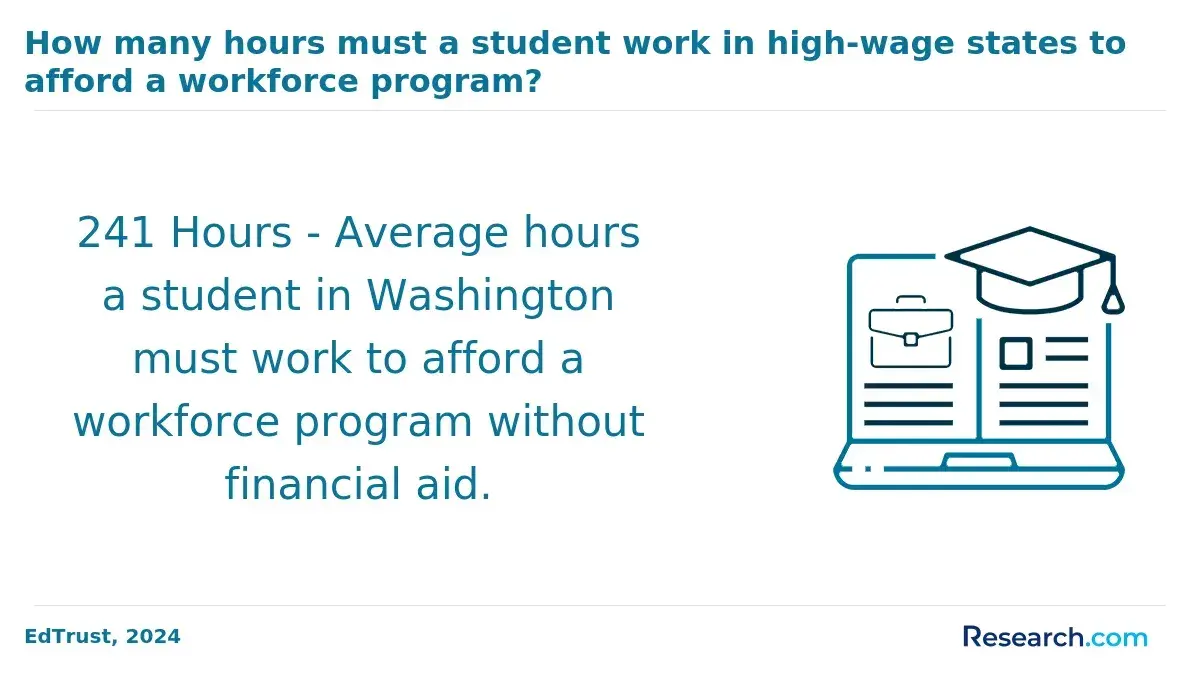
Are Cheap Health Education Degree Programs Legitimate and Respected by Employers?
Lower cost does not always reflect the legitimacy or quality of a health education degree program. Employer perceptions often hinge on factors like regional or national accreditation, the reputation of the institution, curriculum rigor, and alignment with workforce needs. Working adults may weigh these elements differently depending on their career objectives, schedule flexibility, or credential demands. Notably, over 60% of employers now regard accredited online programs as equivalent to traditional degrees, indicating growing acceptance of affordable, flexible education.
Several key aspects influence whether affordable health education degrees are respected by employers:
- Accreditation Status: Degrees from regionally or nationally accredited schools ensure compliance with established academic standards, which reassures employers about program quality and graduate preparedness.
- Curriculum Relevance: Programs that integrate current public health guidelines and workforce expectations demonstrate graduate readiness, increasing employer confidence in the practical value of the education.
- Faculty Expertise: Instructors with advanced degrees and relevant industry experience enhance the academic credibility of the program and signal thorough training to potential employers.
- Transfer Credit Acceptance: Affordable programs that recognize prior college credits help working adults progress efficiently, reducing redundancy and reflecting institutional flexibility and respect for prior learning.
- Employer Recognition of Online Degrees: As online education becomes normalized, employers increasingly trust accredited online credentials, particularly when the institution maintains strong standards and student support services.
A health education degree graduate shared that balancing coursework with full-time employment was challenging, noting, "Time management became my biggest hurdle." He found that completing group projects and presentations helped him develop communication and teamwork skills vital for his career. Reflecting on the process, he said, "Beyond the technical knowledge, the program really strengthened my ability to work with diverse populations and adapt to unexpected situations." These soft skills proved crucial in building employer trust alongside his degree credentials.
What Are the Best Health Education Degree Programs for Working Adults?
Top affordable online health education programs for working adults are valued not only for their cost-effectiveness but also for their ability to accommodate busy schedules, maintain strong accreditation, and recognize transfer credits. Increasingly, online and hybrid learning pathways offer flexible options, with nearly 40% of adult learners selecting these formats to balance education with work and family commitments.
Several key aspects define strong health education degree options for adult learners seeking both quality and practicality. These include factors influencing accessibility, degree completion, and career relevance.
- Accreditation Standards: Programs with regional or specialized accreditation guarantee academic rigor and ensure that the degree holds credibility with employers and professional organizations. This recognition is essential for workforce relevance and long-term career advancement.
- Scheduling Flexibility: Asynchronous course designs allow students to complete coursework on their own time without fixed class meetings. This flexibility supports working adults by reducing scheduling conflicts and enabling progress alongside work and family responsibilities.
- Transfer Credit Policies: Acceptance of transfer credits from previous postsecondary education helps shorten degree timelines and lowers overall costs. Flexible credit transfer policies are particularly helpful for adult learners who have prior college experience but need affordable pathways to finish their degrees.
- Financial Aid and Affordability: Reasonable tuition paired with accessible financial aid options ease the burden on working students managing educational expenses. Programs that offer scholarships, grants, or payment plans help increase affordability and reduce student debt concerns.
- Student Support Services: Comprehensive advising, tutoring, and career counseling are vital for helping nontraditional students navigate academic challenges and remain on track to graduate. These resources enhance persistence and success for adult learners in health education.
Adult learners interested in flexible degree options can explore self-paced bachelor's degree online programs that meet these criteria, providing affordable and accredited pathways tailored to working professionals.
Which Health Education Degree Programs Offer the Most Flexible Schedules?
Flexible scheduling options are essential for many working adults pursuing a health education degree, helping them juggle employment, family, and other commitments. Online and hybrid learning models have widened access to adaptable pathways, though flexibility can differ depending on the school, program design, or delivery style. Currently, about 40% of postsecondary students are adults, with a growing number choosing part-time or online study to better fit their lives.
Key scheduling features that support working adults include:
- Asynchronous Coursework: Programs often offer lectures and assignments that don't require real-time attendance, letting students engage with material whenever their schedule allows, which is ideal for unpredictable work or family demands.
- Part-Time Enrollment: Many schools allow reduced course loads per term, giving learners the option to spread degree requirements over a longer period without overwhelming their daily routines.
- Multiple Start Dates: Frequent enrollment opportunities throughout the year let students begin their studies at times that suit personal or professional changes, minimizing delays.
- Hybrid Learning Models: Combining online and occasional on-campus sessions, these formats cater to different learning preferences while offering flexibility around commuting and work hours.
- Accelerated Courses: Some institutions provide intensive classes during evenings or weekends, enabling motivated students to complete requirements faster while maintaining other responsibilities.
When asked about her experience, a professional with a health education degree shared how the flexible scheduling was vital to her success. Managing a full-time job alongside weekend childcare, she found that asynchronous classes allowed her to study late at night after her children were asleep. She valued the frequent start dates since she initially delayed enrollment due to work projects and appreciated how part-time enrollment prevented burnout. Reflecting on her journey, she said, "Without the ability to shape my course load around my life, finishing the degree wouldn't have been possible." This balance made pursuing her career goals achievable despite numerous challenges.
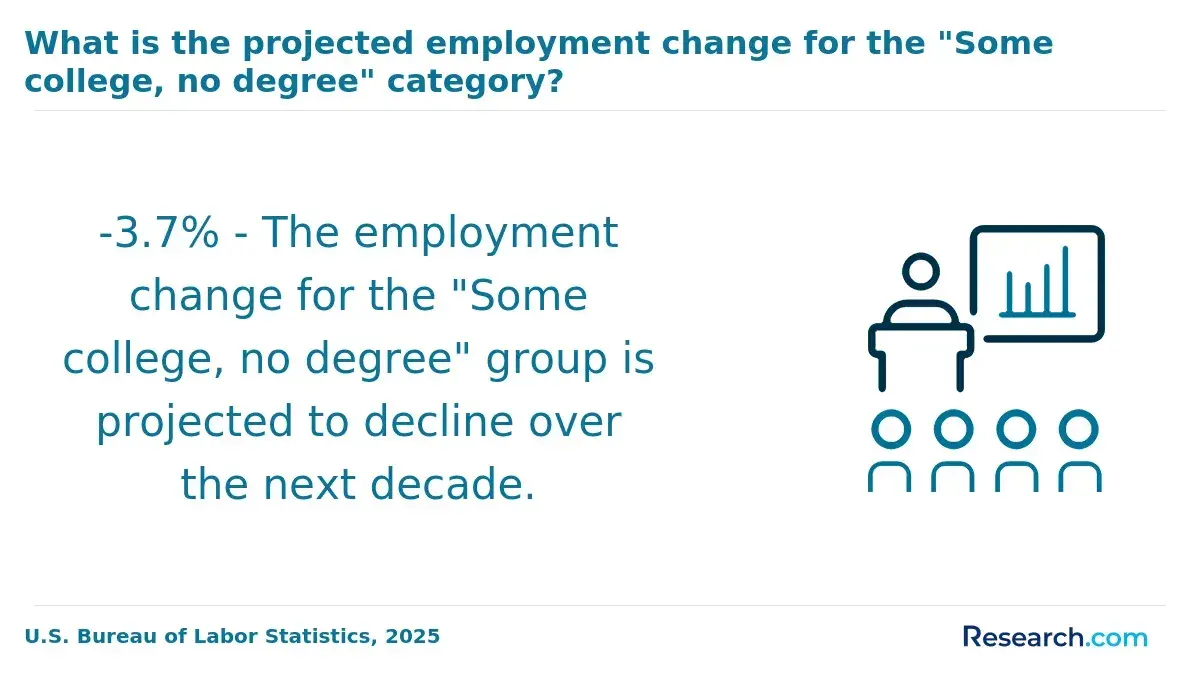
What Are the Fastest and Cheapest Health Education Degree Programs?
Many accredited health education degree programs support working adults by offering flexible and affordable options that streamline degree completion. These programs blend accelerated coursework, online learning formats, and extensive transfer credit policies to help balance cost, time, and academic rigor. Notably, about 70% of adult learners use transfer credits or prior learning assessments to reduce time to graduation.
Key features that contribute to faster, more affordable health education degrees for nontraditional students include:
- Accelerated Formats: Programs often divide the academic year into shorter sessions, such as eight-week terms, allowing students to finish courses more quickly than standard semester schedules. This design can cut the overall time needed to earn a degree substantially.
- Transfer Credit Recognition: Many schools accept credits from previous college coursework, certifications, or military experience. This reduces the number of courses required and decreases both the time and cost involved in completing the degree.
- Flexible Scheduling: Asynchronous classes let students access materials and complete assignments on their own time, which is crucial for balancing work and family commitments. This format eliminates the need for attendance during set class hours, enhancing accessibility.
- Competency-Based Progression: Instead of relying solely on credit hours, some programs allow students to advance by demonstrating mastery of skills and knowledge. This personalized pace can shorten the time spent in the program without compromising learning outcomes.
- Reduced Tuition Options: Certain programs charge flat-rate tuition or offer discounted online course fees tailored for working adults. Multiple start dates throughout the year also provide flexibility to enroll without delay, potentially lowering overall expenses.
Which Schools Accept the Most Transfer Credits for a Health Education Degree?
Transfer credit policies can significantly reduce the cost and time required for working adults to complete a health education degree by applying previously earned college coursework, military training, professional certifications, or prior learning experiences toward their degree. Transfer flexibility varies by institution, accreditation standards, and program structure. Nearly 70% of transfer students successfully apply credits toward their degrees, demonstrating the important role of credit transfer in adult learner success.
Several factors influence how many transfer credits a health education program may accept for working adults seeking affordable and efficient degree completion:
- Accreditation Compatibility: Schools accredited by recognized agencies tend to accept credits from institutions with similar accreditation standards. This ensures quality courses transfer smoothly, allowing students to avoid retaking classes and reducing overall degree costs and time.
- Transfer Equivalency Evaluations: Institutions conduct evaluations to match previous coursework with degree requirements. Accurate evaluations prevent unnecessary repeating of courses, enabling faster progress within flexible scheduling options that suit working adults.
- Prior Learning Assessments: Some programs award credits for military service, workforce training, or professional certifications through PLAs. This recognition provides flexibility and affordability, particularly beneficial for adult learners with extensive career backgrounds.
- Articulation Agreements: Formal agreements between community colleges and four-year schools guarantee transfer credit acceptance for specific courses. These agreements facilitate smoother credit transitions and expand educational access for nontraditional students.
- Residency Requirements: Many schools require a minimum number of credits to be completed on-site. Understanding these limits helps students plan their course loads and manage tuition costs effectively while balancing work commitments.
What Financial Aid Options Are Available for Health Education Students?
Financial aid opportunities can significantly reduce the cost of earning a health education degree, making it more accessible for working adults balancing education with other responsibilities. Affordability concerns often influence adult learners returning to school, and about 40% of undergraduates use some form of financial aid to offset expenses. Eligibility and availability of these resources can vary based on school, enrollment status, and accreditation.
Several key financial aid options may help students manage program costs, including the following:
- Federal Grants and Loans: Programs like the Pell Grant and Direct Subsidized Loans offer need-based funding and low-interest borrowing to help spread payments over time. These options reduce upfront expenses and allow working adults to maintain their work schedules while studying.
- Scholarships for Adult Learners: Many colleges, nonprofit groups, and professional associations provide scholarships targeted to adult students in health-related fields. These awards often consider community service, academic achievements, or prior work experience and do not require repayment, thereby lowering out-of-pocket costs.
- Employer Tuition Assistance: Partial or full reimbursement programs offered by employers support degree completion without adding financial strain. These benefits encourage flexible scheduling and quicker progress, especially when combined with part-time or online study options.
- Military and Veteran Education Benefits: Tuition discounts and education funds for eligible service members and families help reduce the need for student borrowing and accommodate nontraditional enrollment schedules.
- Institutional Supports: Payment plans, transfer credits, and prior learning assessments can shorten time to degree completion and reduce tuition costs by recognizing existing knowledge and work experience.
Working adults searching for affordable programs will find helpful resources through financial aid and should consider how these options align with their educational and career goals. To explore flexible and budget-friendly pathways, consider options such as a HIM degree online, which may offer tailored support for nontraditional students.
What Jobs Can You Get With a Health Education Degree?
A degree in health education prepares working adults for diverse career opportunities ranging from entry-level to specialized roles, depending on their background, experience, and certifications. Affordable and flexible degree programs that accept transfer credits and offer online coursework help adult learners balance work and study while advancing their careers. Employment for health educators and community health workers is projected to grow 17% from 2022 to 2032, indicating strong demand in this field.
Common career pathways for those with a health education degree include the following:
- Entry-Level Positions: These roles typically involve support functions in public health agencies, hospitals, or nonprofit organizations. Tasks may include coordinating health initiatives, managing records, and conducting outreach, providing a solid foundation for those new to health education careers in public health.
- Administrative and Support Roles: Working adults may find opportunities in program coordination and administrative assistance, where organizational and communication skills are essential. These roles help maintain effective health programming and resource management in various health settings.
- Technical or Specialized Jobs: Community health workers and wellness coordinators apply knowledge of health behaviors directly in community or workplace environments. They focus on preventive care and health literacy, addressing specific population needs through targeted education.
- Management Track Careers: For those aiming to lead teams or develop health programs, positions such as health program managers or health promotion specialists require leadership, policy understanding, and program evaluation techniques typically taught in bachelor's and master's degree programs.
- Community-Based Work: Engaging with diverse populations through organizing health fairs, providing workshops, and collaborating with local institutions allows graduates to improve health outcomes at the grassroots level, reinforcing the social impact of health education.
Adult learners looking to advance or switch careers can explore affordable, flexible offerings like direct entry MSN programs for non nurses online that accommodate their schedules and transfer credits, enhancing long-term career mobility and credential attainment. Entry-level jobs with a health education degree often pave the way for continuous professional growth.
What Should Working Adults Look for When Choosing a Health Education Degree Program?
Working adults often weigh affordability, program flexibility, accreditation, and career alignment when selecting a health education degree. Balancing employment, family, and other commitments is critical, and flexible learning options like online and hybrid formats have made access easier for nontraditional students. Nearly 40% of U.S. postsecondary learners now engage in online courses, reflecting this shift toward more accessible education.
Several factors prove key in choosing the right program for working adults:
- Accreditation Status: Programs accredited by recognized bodies ensure academic quality and wider acceptance of credentials by employers and licensing agencies. This also impacts eligibility for federal financial aid.
- Scheduling Flexibility: Asynchronous classes, evening sessions, and part-time enrollment options help students balance studies with work and personal life.
- Transfer Credit Policies: Acceptance of prior college credits or professional certifications can shorten degree completion time and reduce costs.
- Affordability and Financial Aid: Transparent tuition rates paired with available scholarships or grants lessen financial burdens on adult learners managing multiple responsibilities.
- Online Learning Accessibility: User-friendly platforms and comprehensive student support services are essential for maintaining engagement and success in remote studies.
What Do Students Say About Affordable Health Education Degree Programs?
- Raphael: "As a working adult balancing a full-time job, I found that the most crucial factor when choosing a health education degree program was ensuring it had a flexible schedule that fit my unpredictable hours. Affordable tuition was a priority, but I made sure to verify the program's accreditation to guarantee it would be respected by employers. This approach helped me confidently invest in a degree that aligned with both my budget and my career advancement goals."
- Russell: "Reflecting on my journey as a nontraditional student, I realized the value of researching programs that accept transfer credits, which saved me both time and money. I looked closely for affordable programs with solid reputations to avoid wasting resources on degrees that might not be valued in the job market. The flexibility in course delivery was a game-changer, allowing me to complete my health education studies without sacrificing my work commitments."
- Theo: "From a professional standpoint, choosing a health education degree required me to discern which programs truly offered legitimacy and flexibility. I prioritized schools that were accredited and offered online or evening classes to accommodate my work schedule. Affordable cost alone wasn't enough; I needed assurance that employers would respect the degree, so I researched the program's outcomes and alumni success stories before committing."
Other Things You Should Know About Health Education Degrees
Prerequisites vary by institution, but typically include a high school diploma or GED. Some programs may require prerequisite coursework in biology or health sciences. Working adults should verify specific requirements with their program of interest before enrolling.
Many low-cost programs recognize the unique needs of working adults and offer accessible faculty support through email, virtual office hours, and discussion forums. While the level of personalized attention may vary, reputable programs maintain faculty with professional experience in health education to ensure relevant and practical guidance throughout the coursework.
Affordable online health education programs for working adults typically offer asynchronous courses to accommodate diverse schedules. This format allows students to access lectures and complete assignments at times convenient to them, balancing work and study commitments. Additionally, some programs provide accelerated course options or flexible start dates throughout the year.
While program costs vary, the core competencies and accreditation standards ensure that even cheaper health education degrees cover essential topics such as community health, program planning, and health promotion. More expensive programs may offer additional resources, advanced technology, or specialized tracks, but affordable programs still provide the fundamental education required for a career in health education.
References
- Online Tuition-Free Bachelor's Degree in Health Science (BHS) https://www.uopeople.edu/programs/online-bachelors/health-science/
- Careers in Health Education https://www.shapeamerica.org/MemberPortal/career/fields/health_careers.aspx
- Universities Embrace Flexible Health Care Studies Schedule Models https://www.healthcarestudies.co.uk/news.aspx
- 20 Affordable Health Sciences Degrees - Healthcare Administration Degree Programs https://www.healthcare-administration-degree.net/best/affordable-health-sciences-degrees/
- 25 Most Affordable Online MPH Programs - MPH Online https://www.mphonline.org/most-affordable-online-mph-programs/
- Best Master’s in Health Education Online Programs for 2025 https://www.onlinemastersdegrees.org/best-programs/health-education/
- Scholarships and Financial Aid for Healthcare Students: How to Fund Your Education https://explorehealthcareers.org/resources/scholarship-financial-aid/
- How to Choose a Health Education Degree Program | HealthGrad https://www.healthgrad.com/healthcare/choose-health-education-degree-program/
- Best Healthcare Degrees & Programs | Accredited Schools Online https://www.accreditedschoolsonline.org/healthcare/degrees/
- Guide to Health Education Careers | NCHEC https://www.nchec.org/guide-to-health-education-careers