2027 Cheapest Online African and African American Studies Bachelor's Degrees That Pay Well: Tuition, Duration, and Earnings

Co-Founder and Chief Data Scientist
Many working professionals and recent graduates with unrelated degrees face the challenge of finding affordable, online african and African American studies bachelor's programs that offer strong career prospects. Rising tuition costs and uncertain job markets make it difficult to justify investing in education without clear financial returns. According to the National Center for Education Statistics, online enrollment in humanities fields, including african and African American studies, grew by 15% from 2018 to 2022, reflecting increased interest in flexible learning options. This article explores the cheapest accredited online programs, their duration, and potential earnings to guide students toward cost-effective educational paths with promising outcomes.
Key Benefits of the Cheapest Online African and African American Studies Bachelor's Degree That Pays Well
- Online African and African American Studies bachelor's programs offer lower tuition rates and financial aid options, significantly reducing overall student debt while maintaining accreditation and transfer credit flexibility.
- These programs provide accelerated formats and flexible scheduling, enabling working professionals to gain skills quickly without disrupting their current careers or obligations.
- Graduates benefit from strong earnings potential supported by Bureau of Labor Statistics data, with expansive networking opportunities that boost career advancement and cultural competency.
What Are the Most Affordable Accredited Online African and African American Studies Bachelor's Degree Programs Available Today?
Accreditation is essential when selecting a low-cost online African and African American Studies program because it ensures the program meets high academic standards set by recognized agencies, affecting credit transferability, financial aid eligibility, and employer recognition. Regional accreditation is especially valued for its reliability in higher education. Below are five affordable online bachelor's degree programs in African and African American Studies, with tuition rates confirmed via NCES College Navigator and official university sites:
- University of Central Florida: Offers an online African American studies concentration through its Bachelor of Arts in Interdisciplinary Studies, charging approximately $212 per credit hour for in-state students, making it highly accessible for Florida residents and others.
- Fort Hays State University: Known for consistent affordability, Fort Hays charges $226.67 per credit hour for all online students, providing an emphasis on African American studies within general bachelor's degree offerings.
- Old Dominion University: Provides a Bachelor of Arts in African and African American Studies with an in-state tuition rate near $319 per credit hour, balancing cost with comprehensive coursework and solid accreditation credentials.
- University of Massachusetts Amherst: Through its University Without Walls program, UMass Amherst charges about $372 per credit hour for residents, reflecting its status as a public research university with flexible program design.
- California State University, Dominguez Hills: Offers an online African American studies degree for roughly $299 per credit hour for in-state students, blending affordability with academic rigor.
The most affordable accredited online African and African American Studies bachelor's degree programs typically feature flat tuition rates for in-state or all online learners, generous transfer credit policies, and strong financial aid options. Mid-range tuition programs often compensate with enhanced faculty access, smaller classes, and additional student resources. For prospective students weighing tuition, program length, and graduate earnings, it is beneficial to consider these factors alongside accreditation and program flexibility. For those interested in related fields with strong career prospects, researching online ai degree programs may also provide valuable insights into affordable accredited options with high post-graduate earnings.
How Does Tuition Cost for Online African and African American Studies Bachelor's Programs Compare Across Public and Private Universities?
Tuition costs between public and private nonprofit universities offering online African and African American Studies bachelor's programs vary widely due to several factors. Public universities benefit from state subsidies that often allow them to offer lower per-credit-hour rates for in-state students. In contrast, private nonprofit institutions commonly charge a flat rate regardless of residency, typically resulting in higher sticker prices but sometimes more predictable overall costs. This tuition comparison for online African and African American Studies bachelor's programs reveals distinct differences affecting total expenses.
- State Subsidies Impact: Public universities receive funding from state governments, reducing tuition for in-state residents. Out-of-state students usually face higher rates, which can approach private university prices, narrowing the tuition gap between sectors.
- Per-Credit Cost Variability: Average in-state per-credit rates at public institutions range from $200 to $400, while private nonprofit schools typically charge between $400 and $600 per credit. Over a typical 120-credit bachelor's degree, these differences accumulate significantly.
- Total Program Costs: Some private universities offer accelerated or competency-based formats, potentially reducing required credits and program length. This flexibility can make total tuition comparable or even lower than public options with traditional pacing.
- Enrollment Size Effects: Large public universities can leverage economies of scale to keep costs down. Smaller private universities may have higher overhead but often invest more in personalized support, which many students value.
- Financial Aid Availability: Both public and private institutions provide financial aid, but some private schools offer substantial institutional scholarships that lower net costs considerably. Prospective students should assess net prices after aid rather than just sticker tuition.
To effectively compare these options, it is important to consider tuition along with financial aid opportunities, program flexibility, and accreditation status. Prospective students exploring online African and African American Studies degrees can also reference resources like cacrep accredited counseling programs for related programs and cost analysis.
Careful analysis of program length, transfer credit flexibility, and graduate earnings provides a fuller picture. This holistic approach ensures more informed decisions regarding the most affordable and accredited online African and African American Studies bachelor's programs.
2026 Update: Career-Ready Experience in Online Programs
For 2026, this guide was updated to help students look beyond low tuition and compare how online African and African American studies programs build practical experience for careers after graduation.
- Whether the program includes internships, fieldwork, or community-based projects that can be completed locally or remotely.
- Opportunities to create a portfolio with research papers, policy briefs, digital exhibits, or public history projects.
- Access to faculty mentoring for career paths in education, advocacy, public service, media, nonprofit work, or graduate study.
- Courses that develop transferable skills such as writing, data interpretation, cultural analysis, and public communication.
- Partnerships with museums, cultural organizations, schools, archives, or civic groups.
- Career services tailored to humanities students, including resume reviews and interview preparation.
Checking these features can help students choose an affordable program that supports both academic goals and practical career preparation.
What Is the Typical Duration of an Online African and African American Studies Bachelor's Degree, and How Can Students Graduate Faster?
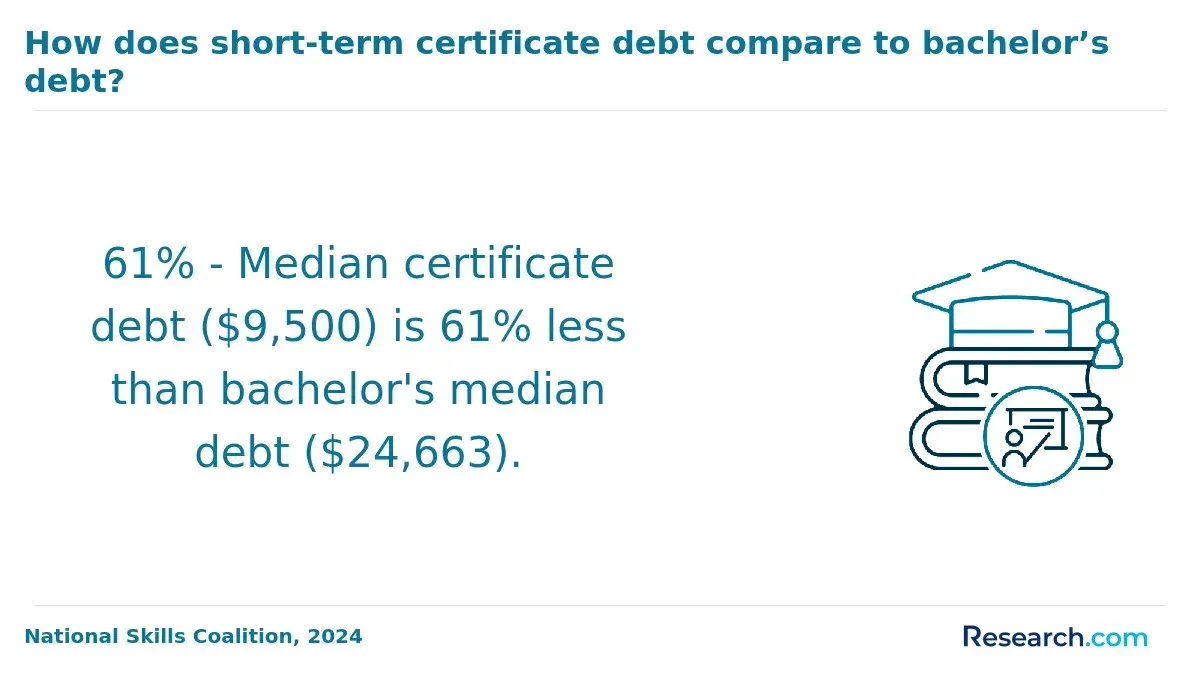
The typical online african and african american studies bachelor's degree requires about 120 credits, structured to be completed in four years by full-time students. This standard aligns with traditional undergraduate pacing, spread over eight semesters including general education, major-specific courses, and electives.
- Standard Credit Requirement: Degrees generally mandate around 120 credit hours divided among core subjects and electives, following a semester-based system designed for full-time study across four years.
- Accelerated Term Formats: Some programs utilize shorter eight-week courses rather than traditional 15-week semesters, enabling students to complete more classes annually by attending consecutive terms.
- Year-Round Enrollment: Continuous enrollment options allow students to take advantage of summer and winter sessions, which can significantly increase credit accumulation and reduce overall program length.
- Competency-Based Pathways: Progress is measured by demonstrated mastery instead of time spent in class, granting students who show proficiency the ability to move through material faster and finish earlier.
- Example Institutions: Universities like Southern New Hampshire University and Capella University offer fully online african and african american studies bachelor's degrees with accelerated options. For example, SNHU reports some motivated students completing their degree in as little as 2.5 years.
- Cost and Opportunity Savings: Finishing sooner not only cuts tuition fees but also reduces the economic impact of being out of the workforce, making accelerated programs especially appealing to working adults and career changers.
A professional who enrolled in an online african and african american studies bachelor's program shared that balancing work and study was initially overwhelming. He described the challenge of maintaining motivation during intensive eight-week courses but noted that the flexibility of online scheduling and year-round enrollment helped him stay on track. "It wasn't just about speed; it was managing stress and ensuring I retained what I learned," he explained. His experience highlighted how accelerated paths demand discipline but also reward persistence with earlier career opportunities and financial relief.
Which Online African and African American Studies Bachelor's Programs Offer the Best Earning Potential After Graduation?
Graduates of online African and African American Studies bachelor's programs often pursue careers in social sciences, education, public administration, and cultural institutions, with salary outcomes linked closely to their specialization. Concentrations focusing on public policy, community leadership, or social work tend to yield median salaries between $50,000 and $65,000 annually, reflecting strong opportunities in government and nonprofit roles. Programs that integrate coursework with internships or service-learning can improve starting salaries by 10-15%, underscoring the value of hands-on experience.
Top online African and African American Studies degrees with highest salaries often come from regionally accredited institutions, which provide graduates with better recognition in the job market and enhanced earning potential. Additionally, programs offering dual focuses or minors in business, digital communication, or marketing create openings for salaries exceeding $60,000 by blending cultural knowledge with practical skills. Flexibility in accepting transfer credits also allows students to accelerate degree completion and enter the workforce earlier, indirectly increasing lifetime earnings.
- Career Path Earnings: Specializations in public policy and social work commonly lead to median pay from $50,000 to $65,000, especially within public and nonprofit sectors.
- Practical Experience Advantage: Pursuing internships during study raises starting salaries by up to 15%, highlighting the role of experiential learning.
- Accreditation Benefits: Degrees from regionally accredited programs generally translate into better employment offers and higher salaries.
- Cross-Disciplinary Opportunities: Combining African and African American Studies with business or media fields can push earnings above $60,000.
- Transfer Credit Flexibility: Affordable programs that accept many transfer credits enable quicker graduation, reducing debt and boosting long-term income.
For prospective students assessing affordability and career returns, options include affordable accredited online choices. Some also consider pathways such as the accelerated construction management degree online, which emphasizes cost-effective, fast-tracked degree completion with good return on investment.
What Financial Aid and Scholarship Opportunities Are Available for Online African and African American Studies Bachelor's Students?
Federal aid programs remain a vital resource for students enrolled in online African and African American Studies bachelor's degrees. Completing the Free Application for Federal Student Aid (FAFSA) opens access to Pell Grants and subsidized loans, with Pell Grants providing crucial need-based funding that does not require repayment. According to the College Board's 2023 Trends in Student Aid report, over 7 million undergraduates benefited from Pell Grants, highlighting their importance in making higher education more accessible.
State governments and individual institutions often enhance federal assistance through grants and scholarships. Many colleges offer institutional awards targeting minority students or those majoring in African and African American Studies, recognizing academic achievement and community engagement. Additionally, nonprofits and professional groups such as the National Council for Black Studies and the United Negro College Fund provide scholarships tailored specifically for students pursuing this academic discipline.
Prioritizing free aid like grants and scholarships is essential before considering loan options. Early FAFSA submission and thorough research into scholarships based on heritage, academic merit, or civic involvement can significantly improve funding prospects. Since many scholarships require separate applications apart from FAFSA, students benefit from strategic planning and timely submissions.
- Federal Pell Grants: These grants offer non-repayable, need-based financial support essential for lowering tuition expenses in online programs.
- Subsidized Loans: Federal loans with government-covered interest during enrollment provide affordable options compared to private borrowing.
- Institutional Scholarships: Colleges often award scholarships aimed at African and African American Studies students to reward scholastic and community accomplishments.
- State-Based Grants: State-funded grants help residents attending in-state online schools, supplementing federal aid to reduce costs further.
- Field-Specific Scholarships: Professional and nonprofit organizations offer scholarships tailored to students engaged in African and African American Studies.
A professional who completed an online African and African American Studies degree reflected on her financial aid journey, describing the challenge of navigating multiple scholarship applications alongside FAFSA forms. She recalled feeling overwhelmed initially but found that breaking the process into manageable steps and consistently researching available awards helped her secure enough funding to reduce her reliance on loans. She emphasized the importance of persistence and starting early, sharing that the institutional and field-specific scholarships she earned made a tangible difference. "It wasn't just about the money," she said, "but the recognition of my background and goals motivated me throughout the program." Her experience highlights how combining various aid sources can make online education more affordable.
How Many Transfer Credits Can Online African and African American Studies Bachelor's Programs Accept, and From Which Institutions?
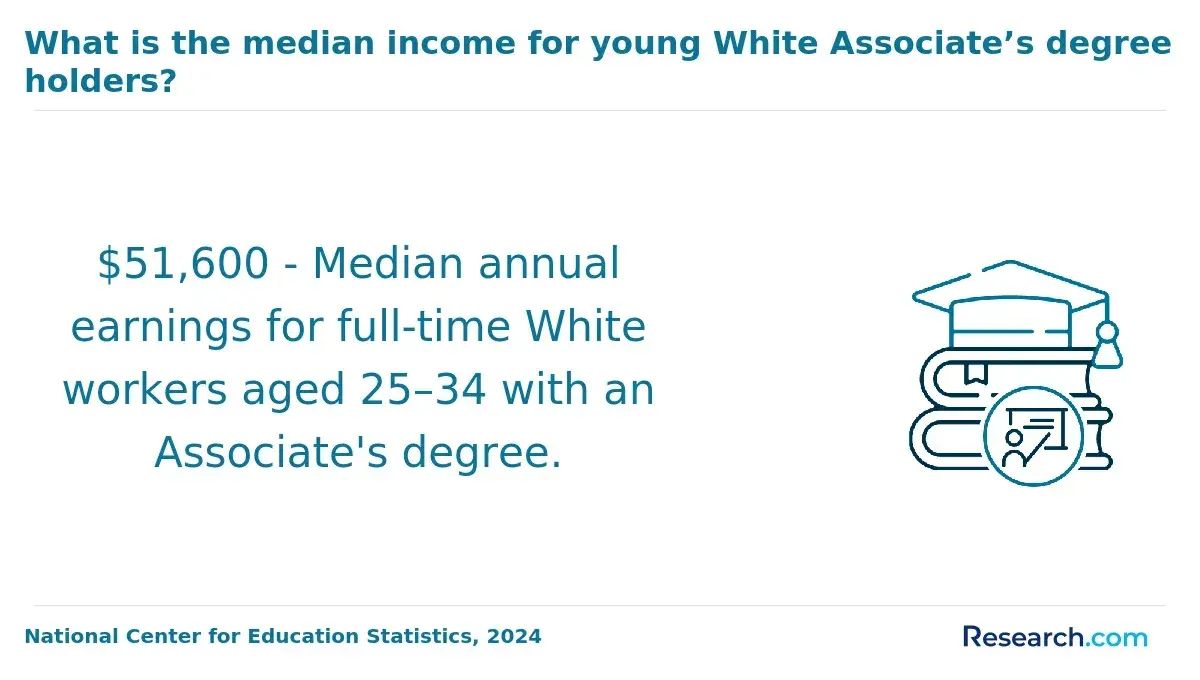
Transfer credit acceptance varies greatly among online African and African American Studies bachelor's programs, influencing both time to degree and tuition costs. Certain universities, such as Thomas Edison State University, offer highly flexible policies, permitting the transfer of up to 90 semester credits, which can include CLEP exam credits and recognized military training. This flexibility allows students to shorten their studies significantly and reduce expenses.
Many programs maintain more conservative transfer limits, generally accepting between 30 and 60 credits. Transferability is often dependent on the accreditation status of the previous institution; regionally accredited colleges are favored over nationally accredited or unaccredited ones. Because of these variations, thorough credit evaluation before application is essential to ensure maximum benefit.
Recent data indicates that around 67% of adult learners consider transfer credit policies a critical factor in selecting online degree programs, underscoring the importance of institutional credit recognition in affordability and accessibility. Military veterans particularly gain from programs that acknowledge military training, enhancing their educational pathway.
- Generous Transfer Policies: Some online African and African American Studies programs allow up to 90 transfer credits, including CLEP and military experience, effectively lowering degree completion time and cost.
- Accreditation Priority: Credits from regionally accredited institutions have a higher likelihood of acceptance, making institutional verification a key step to avoid credit loss.
- Pre-Application Credit Auditing: Early assessment of previously earned credits helps students identify transferable coursework and optimize cost savings prior to enrollment.
- Military Credit Benefits: Recognition of military training credits provides veterans with a streamlined path toward degree completion and financial savings.
- Student Decision Drivers: Over two-thirds of adult online learners say transfer credit flexibility significantly influences their program choice, highlighting the policy's role in student accessibility.
What Accreditation Should an Online African and African American Studies Bachelor's Program Have to Ensure Quality and Employer Recognition?
Accreditation plays a crucial role in selecting an online African and African American Studies bachelor's degree, as it impacts educational quality and employer recognition. Regional accreditation is generally more prestigious and broadly accepted compared to national accreditation. Key regional accrediting bodies include the Higher Learning Commission (HLC), the Southern Association of Colleges and Schools Commission on Colleges (SACSCOC), and the New England Commission of Higher Education (NECHE). These organizations rigorously evaluate entire institutions, considering faculty expertise, curriculum standards, and student outcomes.
African and African American Studies programs rarely have specialized programmatic accreditation like those in STEM fields. Instead, the institution's overall regional accreditation status serves as the primary indicator of academic legitimacy. Attending a nationally accredited or non-accredited program can hinder credit transfer and reduce employment prospects. Studies show that over 85% of employers prefer candidates holding degrees from regionally accredited institutions, underscoring the importance of verification.
Prospective students should confirm accreditation status through the U.S. Department of Education's accredited postsecondary institutions database. This step helps ensure that their degree will be valued by graduate programs and employers, supporting career advancement and academic mobility.
- Regional vs. National: Regional accreditation is preferred by most employers and graduate schools, while national accreditation often has limited recognition and value.
- Key Regional Bodies: The HLC, SACSCOC, and NECHE oversee many respected African and African American Studies programs nationwide, guaranteeing quality standards.
- Programmatic Accreditation: African and African American Studies programs seldom carry specialized accreditation; institutional regional accreditation is the primary quality marker.
- Risks of Non-Accreditation: Enrolling in nationally accredited-only or unaccredited programs can create barriers to credit transfer and employment, negatively impacting graduates' future opportunities.
- Verification: Use the U.S. Department of Education's accreditation database to verify program legitimacy before enrolling.
What Are the Admission Requirements for the Cheapest Online African and African American Studies Bachelor's Programs?
Admission criteria for affordable online African and African American Studies bachelor's programs typically require applicants to hold a high school diploma or GED, ensuring a foundational academic background. Many institutions have eliminated standardized test requirements such as the SAT or ACT, especially for low-cost online options, simplifying the application process. Open-admission and rolling-admission policies are common, improving accessibility for non-traditional students like working adults.
Selective programs may mandate a minimum GPA, usually between 2.5 and 3.0, and request additional documents such as essays and letters of recommendation to assess academic readiness and motivation. While selective admission can offer stronger academic support and greater recognition by some employers, open-admission schools prioritize inclusivity and flexibility, often supplemented by robust online resources to aid student success. Applicants who do not meet minimum GPA thresholds can bolster their applications by highlighting relevant work experience, submitting compelling personal statements, or completing prerequisite college coursework.
For prospective students seeking affordable online African and African American Studies bachelor's degree admission requirements, weighing the balance between program selectivity and entry flexibility is key. Some may also consider transferring credits or exploring financial aid opportunities to reduce overall costs. Those interested in advanced studies may want to explore related fields such as an mba in operations management online, which can complement their undergraduate degree for career advancement.
- Minimum Educational Background: Most affordable programs require a high school diploma or GED, establishing the foundation for undergraduate study without extensive prerequisites.
- Standardized Test Policies: Many low-cost online schools have dropped standardized testing requirements, easing application barriers for many prospective students.
- Open vs. Selective Admission: Open-admission policies offer easier access but may have fewer academic supports, while selective programs require higher standards but might better prepare students for competitive job markets.
- Application Strengthening: Candidates with lower GPAs can enhance applications by highlighting relevant experience or completing prerequisite courses to demonstrate readiness.
- Rolling Admissions: Rolling deadlines provide flexibility, allowing applicants to submit materials throughout the year rather than fixed dates, which benefits working adults and busy schedules.
What Concentrations or Specializations Are Available Within Affordable Online African and African American Studies Bachelor's Degree Programs?
Affordable online African and African American Studies bachelor's degree programs typically offer a range of concentrations that align closely with career goals and labor market demands. These specializations provide practical pathways into growing fields, with salary expectations informed by U.S. Bureau of Labor Statistics (BLS) data to guide student choices.
- Cultural Studies: This focus area covers African and African American history, literature, and cultural expressions, preparing graduates for roles in education, museums, or cultural organizations. Typical jobs, such as museum curator or cultural program coordinator, require a bachelor's degree and offer median salaries near $60,000 annually.
- Social Justice and Advocacy: Concentrating on civil rights, legal history, and community activism, this track suits those targeting careers in non-profits, social work, or public policy. Additional licensure may be needed for social work roles, with salaries ranging from $45,000 to $55,000 and promising job growth in advocacy sectors.
- Political Science and Public Affairs: Emphasizing government, politics, and policy analysis relevant to African and African American communities, this specialization leads to careers in public administration or political consulting. Median earnings are around $65,000, with strong demand for skilled policy analysts.
- Education and Teaching: Designed for future teachers, this track includes preparation for state licensure. Graduates commonly become secondary school teachers, earning about $60,000 on average, with stable job prospects.
- Media and Communications: This area examines African and African American representation in media, journalism, and digital content. Graduates may find work as reporters, media analysts, or public relations specialists, with wages around $57,000 and variable certification requirements depending on the role.
When exploring affordable online African and African American Studies specializations for career growth, students should weigh personal interests against job market viability and certification needs. For those navigating admission challenges, several of the best colleges for low gpa offer accessible pathways into these dynamic fields. More details on such options are available at best colleges for low gpa.
Can Students Earn College Credit Through CLEP, DSST, or Prior Learning Assessments in Online African and African American Studies Bachelor's Programs?
Students can significantly reduce the time and cost of earning their African and African American Studies bachelor's degrees by leveraging CLEP, DSST, and Prior Learning Assessment (PLA) programs. These initiatives award college credit for demonstrated mastery gained through work experience, military training, or independent learning, allowing students to bypass introductory courses. The American Council on Education (ACE) provides credit recommendations for many CLEP and DSST exams, as well as military learning, which many programs accept to facilitate credit transfer.
Affordable online programs typically set PLA credit limits between 15 to 30 credits, emphasizing flexibility and cost savings. To earn credits, students must present well-organized documentation such as certificates, military transcripts, or professional portfolios, which faculty or PLA evaluators review to determine eligibility. Programs with robust PLA policies often rank higher in affordability and can shorten degree durations without compromising academic standards.
- ACE Credit Recommendations: ACE evaluates various exams and military learning to support credit transfers in African and African American Studies programs.
- Credit Limits: Most affordable programs accept 15-30 PLA credits, reducing required coursework and tuition costs.
- Documentation Needed: Detailed proof of prior learning like work portfolios or transcripts must be submitted for review.
- Program Flexibility: Schools with strong PLA options enable faster graduation by applying exam and prior learning credits.
- Financial Savings: Using CLEP, DSST, and PLA can save students months and thousands of dollars in tuition fees.
What Is the Return on Investment (ROI) of Earning a Cheap Online African and African American Studies Bachelor's Degree?
Return on investment (ROI) in higher education measures the financial gain of obtaining a degree by comparing total educational expenses-such as tuition and fees-to projected lifetime earnings in careers related to African and African American Studies. The calculation involves subtracting the full cost of the degree from expected earnings over a given period, then dividing that figure by the cost to yield a percentage ROI. According to data from the Georgetown University Center on Education and the Workforce and Payscale's College ROI, bachelor's degrees generally yield a median ROI of about 14-15% over 20 years.
Low-cost online African and African American Studies programs often enhance this financial return by cutting upfront costs, leading to less debt and quicker degree completion. Graduates from these affordable programs typically experience steady salary growth in fields like education, public policy, and social services, resulting in competitive earnings over 10- and 20-year timeframes compared to the average bachelor's degree ROI.
- Calculation Method: ROI is determined by subtracting total degree expenses from lifetime earnings and dividing the result by the total cost, providing a clear financial return percentage.
- Benchmark ROI: Median ROI for bachelor's degrees hovers around 14-15% over two decades, with variations depending on discipline and cost factors.
- Cost Benefits: Affordable online programs lower debt accumulation, improving net ROI despite often moderate starting salaries.
- Career Earnings: African and African American Studies graduates can expect rising income in related sectors, sustaining strong returns over time.
- Long-Term Advantage: Reduced costs combined with steady occupational relevance often yield ROI comparable to or better than many traditional degree paths.
What Graduates Say About Earning the Cheapest Online African and African American Studies Bachelor's Degree That Pays Well
- Robert: "Choosing the online African and African American Studies bachelor's degree program was a deliberate step to deepen my understanding of cultural history while balancing a full-time job. The affordable tuition made it possible to pursue my passion without financial strain. This program has significantly enhanced my research skills, opening doors to opportunities in education and community outreach."
- Case: "Pursuing the online African and African American Studies program allowed me to engage with diverse perspectives from anywhere in the world, which was crucial given my travel-heavy career. I appreciated how cost-effective the degree was, especially compared to traditional programs. Earning this degree has elevated my professional profile and prepared me for leadership roles in social advocacy."
- Sebastian: "The flexibility of the online African and African American Studies bachelor's degree program was vital as I managed family commitments alongside my studies. The reasonable cost made this education accessible without overwhelming debt. Completing this program has profoundly impacted my career by providing a strong foundation for my work in cultural policy and public service."
Other Things You Should Know About African and African American Studies Degrees
Yes, some programs offer fully online African and African American studies bachelor's degrees without out-of-state tuition penalties. These can provide significant savings, particularly for out-of-state students, making them more affordable and accessible while maintaining quality education.
The cost per credit hour for online African and African American studies programs often falls below the national average for comparable liberal arts disciplines. Public universities typically offer lower rates, especially for in-state residents, while some private institutions may charge higher tuition. Students should consider both credit-hour costs and additional fees to get a complete picture of affordability.
References
- Bachelor's Degree in African American Studies | UTSA https://future.utsa.edu/programs/undergraduate/african-american-studies/
- The ROI of Online Education: Is It Worth the Investment? - Paris American International University https://parisamerican.org/the-roi-of-online-education-is-it-worth-the-investment/
- Bachelor of Arts in African and African American Studies https://www.brandeis.edu/aaas/undergraduate/index.html
- Return on Education for Bachelor’s Degrees | SoFi https://www.sofi.com/learn/content/roi-by-bachelor-degree/
- College Education Return on Investment ROI Analysis | US https://www.jobspikr.com/blog/return-on-investment-college-education/
- Are Online Degrees Accredited? How to Identify Quality Distance Learning Programs https://www.umassglobal.edu/blog-news/online-degrees-accredited-identify-quality-distance-learning-programs
- Cost of Online College vs. In-Person | Touro University Worldwide https://www.tuw.edu/school-news/cost-of-online-college-vs-in-person/
- Comparing Tuition Costs in Fifteen Different Countries - IvyEdge Global https://ivyedgeglobal.com/comparing-tuition-costs-in-fifteen-different-countries/
- Bachelor's Degree (BA) in African American and Africana Studies https://academics.uky.edu/programs/bachelors/african-american-and-africana-studies
- HBCUs and Prior Learning Assessments https://www.wiche.edu/key-initiatives/recognition-of-learning/pla-hbcus/