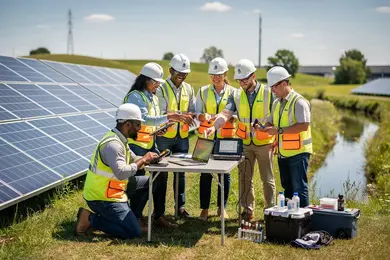
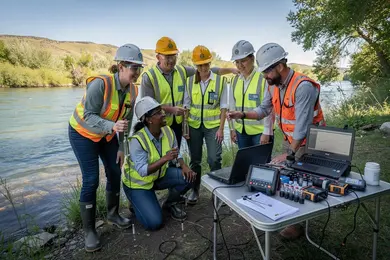
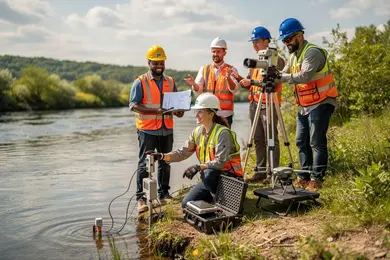
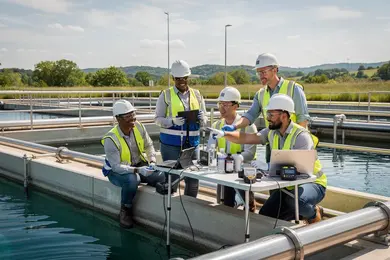
2027 Cheapest Online Environmental Engineering Bachelor's Degrees That Pay Well: Tuition, Duration, and Earnings

Co-Founder and Chief Data Scientist
Many working professionals aim to enter the environmental engineering field but hesitate due to high tuition costs and time constraints. Online environmental engineering bachelor's degrees offer a flexible, affordable solution, especially for those balancing jobs and family. Research shows that enrollment in accredited online engineering programs increased by 35% from 2018 to 2023, reflecting growing acceptance of remote learning in STEM fields. However, identifying the most cost-effective programs that also lead to strong salaries remains challenging. This article reviews the cheapest online environmental engineering bachelor's degrees with promising earnings, examining tuition fees, program length, and career outcomes to guide informed decisions.
Key Benefits of the Cheapest Online Environmental Engineering Bachelor's Degree That Pays Well
- Online environmental engineering bachelor's degrees offer lower tuition rates and more financial aid options, reducing student debt and enhancing affordability for career changers and working adults.
- Flexible scheduling and accelerated programs enable skill acquisition while balancing professional commitments, shortening time to degree completion compared to traditional formats.
- Graduates experience strong return on investment, with median salaries exceeding $70,000 annually, supported by broad networking opportunities through global online cohorts and industry partnerships.
What Are the Most Affordable Accredited Online Environmental Engineering Bachelor's Degree Programs Available Today?
Accreditation is essential when selecting an affordable online environmental engineering bachelor's degree because it ensures a program meets high academic and professional standards recognized by employers and licensing bodies. ABET accreditation is the most respected for engineering programs in the U.S., confirming curriculum rigor and qualified faculty. For students searching for the most affordable accredited online environmental engineering bachelor's degree programs in the US, cost per credit and transfer credit policies are critical factors alongside accreditation status.
- University of Florida: UF offers an ABET-accredited online bachelor's in environmental engineering sciences at approximately $129.83 per credit for out-of-state students, with transfer credits accepted to support flexibility.
- Oregon State University: OSU charges about $331 per credit for its ABET-accredited environmental engineering program and provides financial aid to help offset costs for online learners.
- Mississippi State University: With tuition around $295 per credit, MSU combines affordability with strong program reputation and flexible transfer credit policies, holding ABA accreditation as well.
- East Carolina University: ECU's environmental engineering online bachelor's degree costs roughly $223 per credit for North Carolina residents and maintains ABET accreditation, offering accessible coursework for working students.
- Colorado State University Global: CSU Global provides an environmental science degree focused on sustainability and engineering principles at about $350 per credit, with merit scholarships available.
Programs with the lowest tuition tend to emphasize transfer credits and financial aid options, delivering significant cost savings compared to national averages. Mid-range programs might charge higher fees but often provide accelerated timelines, specialized concentrations, and comprehensive student services. Prospective students interested in these degrees should also explore colleges online that accept fafsa to further support affordable education paths in environmental engineering.
How Does Tuition Cost for Online Environmental Engineering Bachelor's Programs Compare Across Public and Private Universities?
Tuition costs for online environmental engineering degrees at public vs private universities show clear differences influenced by funding and institutional priorities. Public universities usually receive state subsidies, enabling them to charge substantially lower in-state tuition rates. In contrast, private nonprofit universities depend more heavily on tuition revenue to fund their operations.
- Per-Credit Cost Disparities: Public institutions typically charge between $200 and $400 per credit for in-state students, whereas private nonprofits often set rates from $400 to $700 per credit. This reflects public universities' partial state funding and mission to serve local residents affordably.
- Total Program Cost Variation: Private universities may offset higher per-credit fees by offering accelerated cohorts or generous transfer credit policies, potentially reducing the total number of credits required for graduation and narrowing the cost gap. Conversely, public programs may involve longer durations or stricter transfer policies, increasing overall expenses.
- Impact of Enrollment Size: Larger public universities benefit from economies of scale, lowering administrative and technology costs per student for online delivery. Smaller private institutions face higher per-student costs, contributing to higher tuition rates.
- Financial Aid and Scholarships: Private nonprofits tend to provide more merit-based scholarships and institutional aid, which can significantly reduce out-of-pocket costs, sometimes making private options competitive despite higher sticker prices.
Careful cost and program feature comparisons are essential for those seeking the cheapest online environmental engineering bachelor's programs tuition comparison. Prospective students should weigh factors beyond sticker price, including financial aid, transfer flexibility, and program length. Additional information on related fields can be found when exploring online mental health degree programs, which also offer diverse financial aid opportunities.
2026 Update: Online Lab, Fieldwork, and Campus Visit Requirements
For this 2026 update, we added a closer look at the hands-on requirements that can affect the true convenience of an affordable online environmental engineering bachelor’s degree.
- Whether required labs are fully online, completed through home lab kits, or scheduled in person
- Any short campus residencies for engineering labs, design projects, or assessments
- Local fieldwork expectations tied to water quality, soil, waste management, or environmental sampling
- Rules for completing supervised projects near your home or workplace
- Required software, equipment, safety materials, or lab fees not included in tuition
- Whether internships, co-ops, or senior design projects must meet specific site approval standards
Checking these requirements early helps students compare affordable programs more realistically and avoid choosing an online degree that is harder to complete from their location.
What Is the Typical Duration of an Online Environmental Engineering Bachelor's Degree, and How Can Students Graduate Faster?
Most environmental engineering bachelor's programs require about 120 credits, typically completed over four years within a traditional semester framework. This schedule balances foundational coursework, specialized environmental engineering classes, and electives to provide a comprehensive education.
- Standard Duration: A conventional bachelor's degree in environmental engineering takes roughly four years, equating to around 15 credit hours each semester. This pace allows students to build a solid understanding and practical skills steadily.
- Accelerated Options: Many schools offer accelerated formats with shorter eight-week terms and year-round enrollment, enabling students to take fewer classes per term but finish faster, sometimes in three years or less.
- Competency-Based Models: Some online programs use competency-based education, where progression depends on demonstrating mastery instead of credit hours spent in class. This approach suits self-motivated learners aiming to complete their degrees at an individualized pace.
- Fast-Track Programs: Institutions like the University of Florida and Arizona State University provide accelerated environmental engineering bachelor's degrees online, often allowing students to graduate within 2.5 to 3 years through continuous enrollment and compressed courses.
- Financial and Time Savings: Completing a degree sooner reduces both total tuition costs and opportunity costs by shortening the time away from full-time employment, which is especially advantageous for working adults and those changing careers.
A professional who enrolled in an online environmental engineering bachelor's degree shared that the flexibility was essential when balancing work and family commitments. He described feeling initially overwhelmed juggling accelerated courses but appreciated how competency-based elements let him leverage prior knowledge. "It was challenging but rewarding," he recalled, emphasizing how continuous enrollment helped maintain momentum. This approach allowed him to pivot into a new field more quickly than anticipated, highlighting how adaptable scheduling and program structure can meet diverse student needs.
Which Online Environmental Engineering Bachelor's Programs Offer the Best Earning Potential After Graduation?
Bachelor's graduates from online environmental engineering programs tend to have varied salary outcomes influenced by their specialization and the institution's support services. According to the Bureau of Labor Statistics Occupational Outlook Handbook, environmental engineers earn a median annual wage near $96,000. Concentrations such as water resources, hazardous waste management, and renewable energy often generate higher early-career pay and better long-term financial prospects. Evaluating best associates degrees to get can also reveal pathways to affordable transfer credits, enhancing degree affordability.
- Specialization Drives Earnings: Graduates focusing on sustainable design, water resources engineering, or hazardous waste management frequently see salaries surpass $100,000 within a few years post-graduation.
- Institutional Transparency: Colleges sharing detailed graduate earnings and offering practical work experiences like internships improve career readiness and typically boost salary outcomes.
- Accreditation Impact: Enrolling in ABET-accredited online environmental engineering bachelor's degrees increases employability, especially where state licensing is stringent.
- Financial Aid and Credit Transfers: Programs providing robust financial aid and accepting prior academic credits reduce debt burden, promoting stronger net earnings despite tuition expenses.
- Industry Demand Growth: Fields like renewable energy and environmental consulting show promising job market expansions, translating to competitive starting salaries for graduates.
What Financial Aid and Scholarship Opportunities Are Available for Online Environmental Engineering Bachelor's Students?
Students pursuing online environmental engineering degrees can access diverse financial aid options that significantly reduce educational expenses. Completing the Free Application for Federal Student Aid (FAFSA) opens doors to federal assistance, including Pell Grants, which provide need-based funding without requiring repayment. The College Board's 2022-2023 report shows Pell Grants averaged around $4,600, easing the financial burden for many learners.
Besides federal aid, numerous colleges offer scholarships targeting environmental engineering majors, awarded based on academic merit or financial need. Additionally, professional organizations such as the American Society of Civil Engineers often sponsor scholarships to support students dedicated to advancing environmental solutions. State grants are also important, typically available to residents enrolled in accredited programs within their state, complementing other forms of aid.
Although subsidized federal loans remain an option, students are encouraged to exhaust grant and scholarship opportunities first to avoid unnecessary debt. Maximizing free aid helps ensure long-term financial stability after graduation.
- Federal Pell Grants: Need-based funds that do not require repayment, serving as a key source of support for eligible online environmental engineering students.
- Institutional Scholarships: Scholarships from colleges designed specifically for environmental engineering students, awarded on merit or financial need.
- Professional Association Scholarships: Funding from organizations like ASCE that fosters student specialization in environmental engineering fields.
- State Grants: Financial aid offered by states to residents enrolled in approved programs, supplementing other scholarships and grants.
- Loan Considerations: Subsidized loans are available but should be a last resort after maximizing all free financial aid.
Reflecting on her experience after graduating from an online environmental engineering bachelor's program, a professional shared that navigating financial aid required careful attention and persistence. She recalls the initial confusion with FAFSA paperwork and the relief of receiving her first Pell Grant award, which allowed her to focus on studies without overwhelming debt. Scholarships from engineering societies not only helped finance her education but also connected her with mentors in the field. She advises prospective students to start early with applications and be proactive in seeking all available aid, emphasizing that the effort invested in exploring funding options made a significant difference in her academic journey and career launch.
How Many Transfer Credits Can Online Environmental Engineering Bachelor's Programs Accept, and From Which Institutions?
Transfer credit acceptance policies vary significantly across online Environmental Engineering bachelor's programs, influencing both completion time and tuition costs. Certain institutions, such as the University of North Dakota, allow up to 90 transfer credits, covering coursework from regionally accredited colleges, CLEP exams, and military training evaluated according to American Council on Education (ACE) guidelines. Colorado State University Global similarly supports high transfer credit limits, making it easier for adult learners and veterans to advance their education efficiently.
Evaluating credit transfer options before enrolling is critical to minimizing redundant courses and reducing overall expenses. Candidates are encouraged to audit their transcripts and standardized exam results to identify which credits may be accepted. This proactive approach ensures a smoother transfer process and faster degree attainment.
The increasing mobility of undergraduate students emphasizes the importance of flexible credit policies. Data from the National Center for Education Statistics shows that nearly 38% of students transfer credits between institutions, highlighting how credit transfer practices shape modern higher education pathways.
- Generous Credit Limits: Some programs accept as many as 90 transfer credits, significantly accelerating degree completion and lowering tuition costs.
- Wide Credit Sources: Accepted credits often include coursework from accredited institutions, CLEP test results, and military training credits assessed by ACE, providing multiple avenues for credit recognition.
- Formal Agreements: Many universities maintain articulation agreements with community colleges and other universities to streamline transfers and reduce barriers for students.
- Cost Efficiency: Utilizing transfer credits effectively decreases the number of required courses, making degree programs more affordable and accessible.
- Credit Auditing: Reviewing existing academic records before application helps students identify transferable credits, ensuring maximum benefit and preventing unnecessary repetition.
What Accreditation Should an Online Environmental Engineering Bachelor's Program Have to Ensure Quality and Employer Recognition?
Accreditation plays a crucial role in assessing the quality and recognition of online environmental engineering bachelor's programs. Regional accreditation is generally considered more prestigious and reliable than national accreditation by employers and graduate schools. Major regional accrediting organizations include the Higher Learning Commission (HLC), Southern Association of Colleges and Schools Commission on Colleges (SACSCOC), and the New England Commission of Higher Education (NECHE). These bodies evaluate the overall institutional quality, which matters significantly in STEM fields like Environmental Engineering.
In addition to regional accreditation, many Environmental Engineering programs pursue programmatic accreditation from specialized agencies such as ABET. ABET accreditation confirms that the engineering curriculum meets rigorous industry standards, enhancing graduates' competitiveness in the job market.
Choosing a program without proper accreditation or only national accreditation can create challenges, including difficulties transferring credits between institutions and skepticism from potential employers regarding the degree's credibility. This may hinder career mobility and opportunities for graduate study. Prospective students should carefully verify accreditation status using the U.S. Department of Education's accreditation database to avoid costly enrollment errors.
Recent trends indicate that nearly 70% of new online students prioritize regionally accredited institutions to maximize educational benefits and career outcomes in fast-changing fields like Environmental Engineering.
- Regional Accreditation: Recognized widely for academic rigor and reliability, regional accreditation ensures Environmental Engineering programs meet high standards valued by employers and graduate schools.
- Programmatic Accreditation: ABET provides a specialized endorsement that confirms Environmental Engineering curricula align with industry expectations and professional requirements.
- Credit Transfer Risks: Degrees from nationally accredited-only or non-accredited schools often pose significant obstacles to transferring credits and limit academic flexibility.
- Employer Recognition: Employers frequently favor graduates from regionally accredited programs due to the assurance of thorough and standardized education.
- Verification Tools: The U.S. Department of Education's accreditation database offers an authoritative resource to confirm a program's accreditation status before enrollment decisions.
What Are the Admission Requirements for the Cheapest Online Environmental Engineering Bachelor's Programs?
Admission criteria for the cheapest online environmental engineering bachelor's degree programs tend to balance accessibility with academic standards. Most programs require a high school diploma or GED, with minimum GPA expectations generally ranging from 2.0 to 3.0 on a 4.0 scale. Many schools also accept transfer credits, helping students accelerate their degree completion. These eligibility criteria for affordable online environmental engineering bachelor programs often include prerequisite coursework in math, chemistry, or physics, although some schools provide remedial classes to fill gaps.
Test policies vary widely. While many low-cost online programs have adopted test-optional or test-free admissions-benefiting non-traditional and working students-selective programs may still recommend or require SAT/ACT scores to provide a fuller picture of academic readiness. Open-admission or rolling-admission policies found at numerous affordable programs enable quicker enrollments and increased accessibility but may differ in academic rigor and employer perception compared to more selective options, which often offer enhanced academic support resources.
Applicants who don't meet minimum requirements can strengthen their application by completing related coursework, gaining relevant work experience, or submitting strong recommendation letters and personal statements that clearly articulate career goals in environmental engineering. These efforts signal motivation and potential beyond traditional metrics. For those unsure about program fit, reviewing options like a project management degree online accredited might also offer complementary skills valuable in environmental engineering fields.
- Minimum Academic Credentials: Most programs require a high school diploma or GED with a minimum GPA typically between 2.0 and 3.0; transfer credits are accepted at many schools to accelerate progress.
- Standardized Test Policies: Many affordable programs have test-optional or no testing requirements, making admissions easier for non-traditional students, though selective programs may still require SAT/ACT scores.
- Prerequisite Coursework: Foundational classes in math and science are often necessary, with options for remedial courses if prerequisites were not completed before applying.
- Admission Flexibility: Open and rolling admissions improve accessibility and enrollment speed but may differ in academic rigor and employer perception compared to selective programs.
- Application Strengthening: Applicants under minimum standards can enhance chances by taking related courses, gaining relevant experience, and submitting strong personal statements or recommendations.
What Concentrations or Specializations Are Available Within Affordable Online Environmental Engineering Bachelor's Degree Programs?
Affordable online environmental engineering bachelor's degree programs commonly include several concentration tracks, each tailored to distinct career paths and labor market needs. These specializations help students develop targeted skills aligned with real-world job roles and salary expectations, as reported by the U.S. Bureau of Labor Statistics.
Water Resources Engineering: This focus centers on designing and managing water supply systems, wastewater treatment plants, and flood risk mitigation strategies. Graduates typically work as water resources engineers or hydrologists, with median salaries near $88,000 annually. Obtaining licensure such as the Professional Engineer (PE) certification enhances career advancement.
Environmental Health and Safety: Concentrating on workplace health, pollution control, and compliance with environmental regulations, this track prepares students for roles like environmental health specialists or safety managers. Certifications such as Certified Safety Professional (CSP) bolster job prospects, with salaries usually ranging from $75,000 to $85,000 per year.
Those exploring the best concentrations in online environmental engineering programs can also consider:
- Renewable Energy Engineering: Focuses on sustainable energy systems including solar, wind, and bioenergy sectors, matching growing labor market demand. Careers here include energy analysts or environmental consultants with salaries between $70,000 and $90,000, where additional software training may be beneficial.
- Environmental Systems Modeling: Emphasizes data analysis, simulation, and predictive modeling of environmental phenomena. Graduates often become environmental modelers or GIS specialists, earning $65,000 to $80,000, supported by expertise in geographic information systems (GIS).
Prospective students seeking an affordable online environmental engineering degree specializations should weigh personal interests alongside job growth and salary trends to select the most suitable focus area. For students assessing cost-effective STEM degrees, exploring a cheapest online mechanical engineering degree may provide additional insights into financial and academic flexibility options relative to engineering fields broadly.
Can Students Earn College Credit Through CLEP, DSST, or Prior Learning Assessments in Online Environmental Engineering Bachelor's Programs?
Students enrolled in affordable online environmental engineering programs can significantly shorten their degree timelines and lower costs by earning credit through CLEP and DSST exams or Prior Learning Assessments (PLA). These options award academic credit for verified skills and knowledge gained outside traditional classrooms, including military training and professional experience. The American Council on Education (ACE) facilitates this process by reviewing and endorsing credits for workplace and military learning, widely accepted by regionally accredited schools.
Some of the most flexible programs permit students to apply between 30 and 45 credits from a mix of CLEP, DSST, portfolio assessments, and ACE credit recommendations. To maximize credit awards, students need to submit comprehensive documentation, such as official exam results, military transcripts, and detailed portfolios, through formal PLA applications. This pathway is especially beneficial for working adults and veterans aiming for faster, cost-effective completion of their environmental engineering bachelor's degrees.
- CLEP and DSST Exams: Standardized tests that allow students to earn college credit by proving competency in foundational subjects accepted by many affordable online programs.
- Prior Learning Assessment: A process involving the submission of portfolios or military service records to convert experiential learning into academic credits.
- ACE Credit Recommendations: Evaluations by the American Council on Education that validate military and workplace training for transfer credit at accredited institutions.
- Credit Limits: Leading programs often restrict PLA credit acceptance to between 30 and 45 semester hours, enabling substantial progress without traditional coursework.
- Documentation Requirements: Essential evidence includes official test scores, military transcripts, and thorough portfolio materials to support credit transfer requests.
What Is the Return on Investment (ROI) of Earning a Cheap Online Environmental Engineering Bachelor's Degree?
Return on investment (ROI) in higher education evaluates the financial benefits of earning a degree relative to its total cost. To calculate ROI for an environmental engineering bachelor's degree, divide the full cost-including tuition, fees, and related expenses-by the anticipated lifetime earnings within environmental engineering careers, typically assessed over 10 to 20 years. Data from the Georgetown University Center on Education and the Workforce and Payscale's College ROI reports confirm that environmental engineering degrees generally provide a higher-than-average ROI compared to many other fields.
Affordable online environmental engineering programs often yield competitive ROIs due to lower tuition combined with promising mid-career salaries. These programs tend to surpass the average ROI benchmark for all bachelor's degrees, which Georgetown estimates at roughly $1.33 returned per dollar invested. Over 10 to 20 years, graduates from cost-effective online programs typically see substantial salary growth that enhances their overall financial return, especially when programs maintain strong accreditation and industry recognition.
- Cost Efficiency: Lower tuition fees reduce upfront financial burden, making online environmental engineering degrees more accessible and improving overall ROI relative to costlier options.
- Earnings Potential: Graduates enjoy strong starting salaries with projected wage growth sustained throughout their careers, maximizing long-term financial benefits.
- Trusted Data: Georgetown and Payscale analyses consistently show that environmental engineering degrees earned affordably online outperform many fields in ROI metrics.
- Long-Term Advantage: Over decades, graduates from well-regarded programs experience increasing salary gains, boosting the total return on their education investment.
- Accreditation Importance: Accredited programs with flexible credit transfer policies enhance job prospects, directly contributing to higher lifetime earnings and better financial outcomes.
What Graduates Say About Earning the Cheapest Online Environmental Engineering Bachelor's Degree That Pays Well
- Taylor: "Choosing the online environmental engineering bachelor's degree was a game changer for me because it offered the flexibility I needed while working full-time. The program's affordable tuition made it accessible without sacrificing quality, which really mattered as I balanced finances. Graduating helped me secure a promotion in my company and gave me confidence to lead sustainability projects effectively."
- Cruz: "Reflecting on my experience, the biggest reason I pursued the online environmental engineering bachelor's degree was the specialized curriculum that aligned with my career goals in water resources. Cost-wise, I appreciated how it avoided the high expenses of traditional programs. Since completing the degree, I've noticed a significant boost in my professional network and opportunities within the environmental consulting industry."
- Luka: "From a professional perspective, what stood out was how the program's emphasis on real-world applications prepared me for immediate impact in my job. The reasonable cost made it feasible to earn a degree without debt, which was a major relief. Now, I'm not only more knowledgeable but also more respected in my field, which has opened doors to advanced roles and projects I'm passionate about."
Other Things You Should Know About Environmental Engineering Degrees
In 2027, tuition for fully online environmental engineering bachelor's programs varies widely. Some institutions offer rates as low as $200 per credit hour, while others may charge around $400. Overall program costs range from approximately $15,000 to $30,000, making certain options highly affordable for distance learners.
In 2027, many online environmental engineering bachelor's programs offer scholarships to offset tuition costs. These scholarships may be based on merit, financial need, or specific demographic criteria. Prospective students are encouraged to explore scholarships offered directly by universities as well as external opportunities.
In 2027, some of the top online environmental engineering bachelor's programs offering the best return on investment include Arizona State University and Oregon State University. They blend affordable tuition, flexible duration, and strong earning potential post-graduation, making them attractive options for students pursuing this field.
References
- 2025 Most Affordable Online Environmental Science Degrees https://www.onlineu.com/most-affordable-colleges/environmental-science-degrees
- 1290 Undergraduate Environmental Engineering Scholarships available https://www.hotcoursesabroad.com/study/international-scholarships/all/Undergraduate/environmental-engineering/cid/2/g16/scholarship4.html
- Environmental Engineering Scholarships Students Should Know https://www.kollegio.ai/blog/environmental-engineering-scholarships
- Accreditation of Higher Education Programmes (AHEP) https://www.engc.org.uk/resources-and-guidance/education-and-skills/higher-education-programmes
- CLEP vs. DSST vs. ECE: Which Credit-by-Exam Option Is Right for You? https://www.straighterline.com/blog/test-comparison-clep-vs-dsst-vs-ece
- Is College Worth it? | Return on Investment Analysis of College Degree https://educationdata.org/college-degree-roi
- ROI in Higher Education - FREOPP https://freopp.org/roi-in-higher-education/
- How to Become an Environmental Engineer - Steps & Time Required https://www.onlineengineeringprograms.com/faq/how-to-become-an-environmental-engineer
- How Colleges Award Credits For Work Experience https://www.affordablecollegesonline.org/college-resource-center/college-credit-for-work-experience/
- Reasons for Choosing Environmental Engineering as a Career https://www.sandipuniversity.edu.in/blog/reasons-for-choosing-environmental-engineering-as-a-career/