2027 Christian Ministry Degree Jobs That Do Not Require Licensure

Co-Founder and Chief Data Scientist
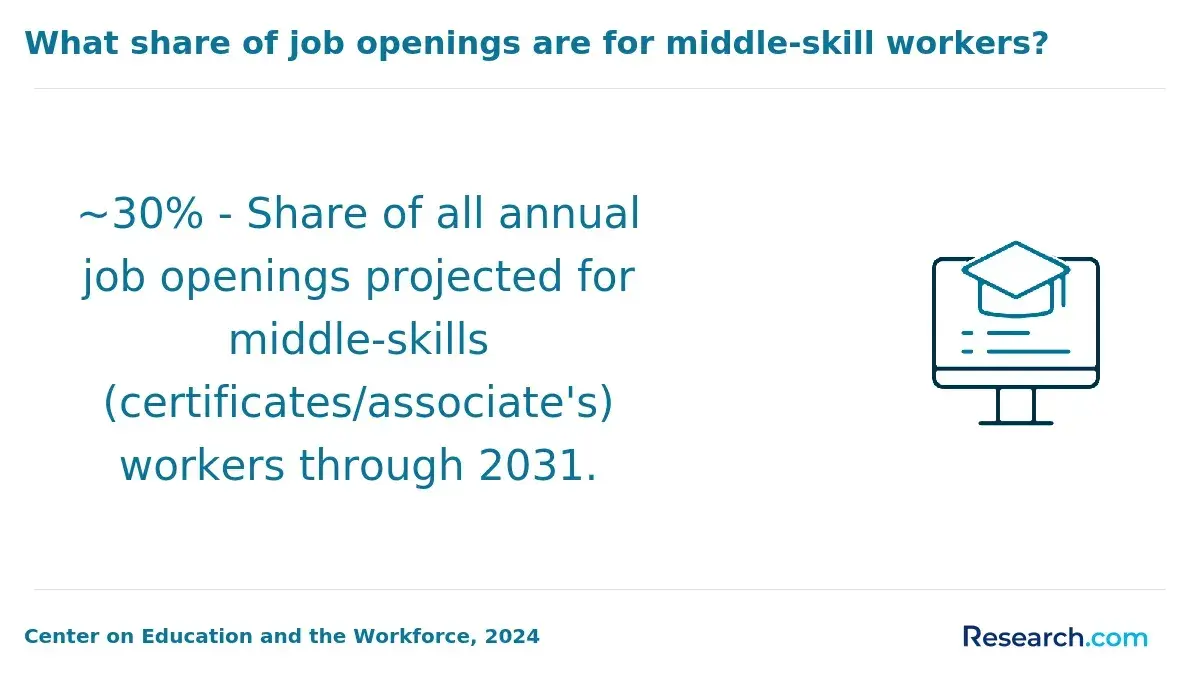
What career options exist for graduates holding a Christian ministry degree who want to avoid the burdens of licensure? Many recent graduates and career changers seek jobs without licensure to enter the workforce faster and reduce educational costs. According to recent data, nearly 30% of those with religious studies or Christian ministry degrees pursue roles that do not require formal licensing. These jobs often emphasize transferable skills in counseling, community outreach, and education, offering valuable alternatives to traditional clergy positions. This article explores Christian ministry degree jobs that do not require licensure and outlines potential career paths suited to graduates' goals.
Key Benefits of Christian Ministry Degree Jobs That Do Not Require Licensure
- Christian ministry degree jobs without licensure enable faster workforce entry, reducing delays often caused by certification processes.
- These roles span diverse industries, offering flexible employment opportunities beyond traditional ministry settings.
- Working in non-licensed positions helps graduates develop transferable skills and gain professional experience for future career advancement.
What Jobs Can You Get With a Christian Ministry Degree Without Licensure?
Graduates with a Christian ministry degree can explore diverse roles that do not require professional licensure, allowing them to work in meaningful positions without additional credentialing. Employment in community and social service occupations, which often include non-licensed roles, is projected to grow by 9% from 2020 to 2030, creating steady opportunities for ministry graduates. Below are some common career paths that leverage ministry education without requiring licensure.
- Church Administration: Church administrators handle day-to-day operations, event coordination, budget management, and strategic planning support. A Christian ministry degree equips them with knowledge of organizational structures and religious settings, enabling effective leadership without professional licensing.
- Youth Minister: Youth ministers guide spiritual development and mentor young people, organizing activities and fostering community involvement. Their training in theology and pastoral care helps connect with youth populations without the need for formal licensure.
- Religious Education Coordinator: Coordinators design and implement faith-based educational programs, train volunteers, and facilitate learning environments. The degree's focus on biblical studies and teaching methods prepares graduates to lead these efforts successfully without licensing requirements.
- Nonprofit Program Director: Directors manage outreach initiatives, fundraising, and program evaluation for faith-based organizations. Christian ministry graduates bring ethical leadership and community engagement skills critical for these roles without needing professional certification.
- Campus Ministry Leader: Campus ministry leaders organize worship services, provide counseling support, and run spiritual programs on college campuses. Their theological knowledge and pastoral care skills gained during their degree support effective ministry without licensure.
For those seeking further advancement, combining ministry education with complementary graduate studies can open additional career doors. For example, exploring online BCBA masters programs may offer expanded opportunities beyond traditional ministry roles.
Which Industries Hire Christian Ministry Graduates Without Licensure?
Industries increasingly value transferable skills and broad academic preparation over strict professional licensure requirements. Employment for roles related to educational and counseling fields is expected to grow by 8% between 2022 and 2032, according to the Bureau of Labor Statistics. Several industries actively hire Christian Ministry graduates based on their unique skill set and ethical perspectives.
- Nonprofit Organizations: Nonprofits seek individuals who understand ethical frameworks and can lead faith-based initiatives or community outreach. Graduates contribute by developing programs that promote spiritual growth, humanitarian aid, and social justice, aligning with core nonprofit missions.
- Education Sector: This sector employs graduates as campus ministry coordinators, youth advisors, and religious studies educators. These roles rely on theological knowledge and pastoral skills without requiring licensure, supporting educational communities through guidance and spiritual care.
- Healthcare Settings: Hospitals and healthcare facilities hire graduates for chaplaincy support, patient advocacy, and volunteer coordination. Their ability to provide emotional and spiritual support complements clinical care even when formal chaplain certification is not mandated.
- Social Services Industry: Graduates work in crisis intervention, support groups, and mentorship programs. Their training enables them to address moral and ethical challenges in shelters, rehabilitation centers, and outreach efforts without needing professional licenses.
- Faith-Based Media and Business: This industry utilizes graduates' theological expertise and communication skills in publishing, broadcasting, event coordination, and product management, facilitating the production and promotion of faith-related content and services.
What Entry-Level Jobs Are Available Without Christian Ministry Licensure?
Many fields offer entry-level roles where a degree and transferable skills matter more than formal licensure. For Christian ministry graduates, nearly half secure positions within six months that don't require ordination or certification. Below are several typical jobs available to those holding a Christian ministry degree without licensing hurdles.
- Youth Ministry Assistant: This role involves helping youth pastors by organizing community events, managing educational programs, and mentoring young church members. The degree's focus on theology and counseling supports connecting meaningfully with youth without formal credentials.
- Church Administrative Assistant: Responsible for handling communications, scheduling, and office logistics, this position benefits from a thorough understanding of church culture gained through ministry studies, enhancing operational support without needing licensure.
- Missions Coordinator: These coordinators plan outreach efforts and assist missionaries, applying skills in strategic communication and cross-cultural understanding obtained during their academic training-allowing them to lead mission activities without professional licensing.
- Religious Education Instructor: Teaching basic religious concepts in community or church-related schools, this job relies on scriptural knowledge and instructional skills from ministry coursework rather than a teaching license.
- Pastoral Care Aide: Assisting ordained clergy, these aides provide spiritual support and empathetic counseling within congregations, using their theological education to offer meaningful care without performing official pastoral duties.
A Christian ministry degree graduate shared that finding work without licensure initially seemed daunting. He explained, "I wasn't sure how my skills would translate in real-world roles, especially without ordination." However, after volunteering and networking within his local church, he secured a youth ministry assistant position. "It was a rewarding process, learning to apply what I studied directly through service and mentorship, proving that formal licensing isn't the only path to meaningful ministry work." This experience highlighted how persistence and practical involvement can open doors for non-licensed graduates.
Which Christian Ministry Jobs Pay the Highest Salaries Without Licensure?
Salary levels for non-licensed roles in christian ministry vary based on leadership duties, industry demand, and organizational impact. According to the Bureau of Labor Statistics, the median wage for clergy-related positions without licensure is around $50,000 annually. Below are some of the top paying christian ministry degree jobs that offer substantial earnings without requiring professional licensure.
- Nonprofit Director: Responsible for managing religious organizations or faith-driven outreach programs, these professionals often earn between $50,000 and $90,000. A christian ministry degree provides vital theological knowledge and ethical guidance, essential for steering mission-focused initiatives and leading teams effectively.
- Religious Educator: Teaching in private schools, seminaries, or churches, religious educators typically make $45,000 to $75,000 yearly. Their deep understanding of scriptural content and ethics enables them to design engaging curricula without needing official licensure.
- Faith-Based Counselor: Offering spiritual and emotional support within community or church settings, these counselors earn $40,000 to $65,000. Their training in pastoral care and counseling theory from a christian ministry degree supports effective non-licensed counseling roles.
- Development Officer: Working to connect donors with religious causes, fundraisers in this field can expect salaries from $45,000 to $80,000. Their expertise in faith-related values is key to building strong donor relationships and boosting fundraising success.
For christian ministry graduates exploring further education to enhance their career prospects, pursuing a masters of psychology online can offer valuable skills applicable across these roles.
What Skills Help Christian Ministry Graduates Get Hired Without Licensure?
Employers increasingly emphasize practical skills and flexibility when hiring graduates without professional licenses. According to recent data, 85% of employers value soft skills like communication and adaptability over formal certifications. These competencies often enhance theological training, making candidates more appealing in diverse roles. Below are key abilities that boost hiring prospects for Christian Ministry graduates without licensure.
- Communication Skills: Strong verbal and interpersonal communication enables graduates to convey ideas clearly, lead teams, and build consensus. This skill proves essential in community outreach, nonprofit activities, and educational roles where effective messaging and relationship-building impact success.
- Emotional Intelligence: The capacity to understand and manage emotions helps foster trust and resolve conflicts. Graduates with empathy excel in counseling, social care, and pastoral duties that prioritize relational depth over formal qualifications.
- Organizational Skills: Efficiently managing projects, schedules, and resources increases reliability and productivity. These skills support roles in event coordination and program administration, where dependable oversight is critical.
- Adaptability: Flexibility in responding to changing needs and diverse populations enables graduates to thrive in fast-paced or evolving environments such as youth ministries or nonprofit administration.
- Writing and Research Skills: Producing clear reports, grant proposals, and educational content broadens employment opportunities beyond traditional ministry tasks by demonstrating analytical and informational strengths.
Can Certifications Replace Licensure in Some Christian Ministry Careers?
Certifications differ from licensure primarily in their purpose and authority: licensure is a legal requirement granted by state or national bodies authorizing individuals to practice within regulated professions, while certifications are typically voluntary credentials that validate specialized knowledge or skills through professional organizations. In some Christian Ministry careers, certifications as alternatives to licensure can be appropriate, especially for roles where legal regulation is absent. A 2022 workforce survey found that 38% of employers in faith-based organizations valued professional certifications equally or more than licensure for ministry-related positions without legal mandates, highlighting the growing recognition of certified expertise in these areas.
Certifications are particularly suitable in roles such as church administration, youth ministry, or religious education, where formal licensure is not legally required but demonstrated competence is valued. Recognized certification programs for non-licensed Christian Ministry jobs often focus on leadership development, biblical knowledge, or program coordination, providing credible alternatives to state licensure. Nonetheless, certifications cannot replace licensure for positions involving clinical counseling or pastoral care with legal accountability, where licensure remains essential. Prospective students should evaluate specific job requirements and industry expectations to determine if certification alone suffices, and may also consider advanced education options like a masters degree in data science online to complement ministry skills in relevant fields.
What Remote Jobs Can Christian Ministry Graduates Get Without Licensure?
Remote employment opportunities have expanded significantly with advances in digital tools and virtual collaboration, with a 2023 study showing that over 30% of U.S. jobs now offer partial or full remote options. These changes open new pathways for Christian ministry graduates to work meaningfully without formal licensure. Below are key remote roles suited to leveraging ministry education without credential requirements.
- Faith-Based Content Writer: Creating devotional materials, blog posts, or curriculum content remotely allows graduates to apply theological knowledge creatively. These writers support online religious communities by producing spiritually enriching resources without needing official certification.
- Virtual Ministry Assistant: This role involves managing social media, coordinating events, and handling communications for churches or nonprofits via digital platforms. It relies on organizational skills and ministry understanding rather than licensure.
- Spiritual Advisor (Non-Licensed): Some ministries hire remote advisors or mentors to provide guidance and encouragement through calls or video chats. These positions emphasize empathetic listening and faith-based support without clinical counseling credentials.
- Online Religious Educator: Teaching or developing religious studies courses for e-learning platforms can be done remotely. Many organizations seek instructors with ministry expertise who do not require formal teaching licenses.
- Freelance Ministry Consultant: Graduates can advise churches or faith groups on outreach strategies and volunteer management on a contract basis. This project-based work relies on ministry experience rather than professional licensure.
Reflecting on these opportunities, a professional with a Christian Ministry degree shared that navigating remote roles without licensure often meant emphasizing transferable skills and building trust through consistent, authentic communication. She recalled moments of uncertainty while applying for freelance consulting projects, noting that demonstrating real ministry impact was crucial. She explained, "It took patience and persistence, but focusing on the relational side of ministry helped me connect with clients who valued my insight even without formal credentials." This approach allowed her to carve out a meaningful remote career rooted in faith and service.
What Challenges Do Non-Licensed Applicants Face?
Lacking professional licensure can significantly reduce competitiveness for many jobs in Christian Ministry, with about 65% of religious organizations preferring or requiring official credentials. This statistical reality underscores systemic challenges faced by non-licensed applicants, limiting their employment prospects and influencing hiring preferences. The following points highlight key barriers encountered by graduates seeking ministry roles without formal licensure.
- Employer Preference: Hiring managers often favor candidates with licenses, viewing them as more credible and better prepared. Even if licensure isn't explicitly required, this bias reduces opportunities for non-licensed graduates in competitive job markets.
- Credential Barriers: Many churches and faith-based groups insist on specific denominational endorsements or recognized licenses to ensure doctrinal alignment and trust. Without these credentials, non-licensed candidates may lack perceived authority, making leadership or pastoral roles less accessible.
- Experience Requirements: Employers typically seek proven ministry experience gained through licensed roles or internships tied to credentialing bodies. Non-licensed applicants frequently struggle to demonstrate equivalent hands-on experience, which narrows their qualification pool for many positions.
- Regulatory Restrictions: Certain states legally require licensure for functions like officiating weddings or counseling, effectively barring non-licensed individuals from these roles. This narrows the scope of permissible employment within regulated areas and affects hiring decisions.
Are There Career Limitations for Non-Licensed Professionals?
Graduates holding a Christian Ministry degree who do not pursue professional licensure often encounter career limitations linked to regulatory and organizational standards. While many ministry-related roles do not formally require licensure, approximately 40% of positions in religious counseling and pastoral care demand official credentials, which limits access for non-licensed candidates. This restriction reflects broader patterns in the job market where licensure acts as a key marker of competency and eligibility. Career limitations for non-licensed Christian Ministry professionals thus emerge primarily due to these requiring frameworks in regulated environments.
The nature of these limitations generally involves restricted access to certain regulated professions and slower career progression relative to licensed peers. Non-licensed graduates often depend more on denominational endorsements and hands-on experience but may face caps in roles that prioritize credential verification, especially in institutional or administrative settings. Such career limitations for non-licensed Christian Ministry professionals highlight structural differences, though impactful careers remain achievable. For those exploring related pathways, understanding alternatives such as the best bookkeeping certification online can offer supplemental skills that enhance job growth prospects without ministry licensure.
What Factors Should Students Consider Before Skipping Licensure?
Deciding whether to pursue licensure is a crucial step for Christian ministry graduates, as it significantly shapes their career trajectory. Nearly 40% of ministry-related roles do not require professional licensure, illustrating that many career pathways remain accessible without it. Here are key factors to consider before skipping licensure.
- Career Goals: Licensure is often necessary for formal pastoral positions or chaplaincies that demand official credentials. Graduates aiming for informal ministry, counseling, or nonprofit work may find licensure less essential.
- Industry Requirements: Different sectors within Christian ministry have varying demands; some denominational roles strictly require licensure while others prioritize experience or education. Understanding these distinctions helps assess whether licensure is a gating factor.
- Long-Term Growth: Licensed professionals generally gain access to leadership roles and advancement opportunities unavailable to non-licensed peers. Considering aspirations for career progression will clarify licensure's value for personal development.
- Job Accessibility: Holding licensure broadens available job options by validating formal qualifications. However, many ministry positions or community roles operate without this requirement, allowing flexibility in employment choices.
Considering these factors can help students avoid potential Christian ministry degree career limitations without licensure and better align their education with their desired career path. For those interested in intersecting fields, exploring programs such as online degree physics may reveal additional academic opportunities beyond ministry.
What Graduates Say About Christian Ministry Degree Jobs That Do Not Require Licensure
- Ramon: "Choosing not to pursue licensure was a deliberate decision for me, as I wanted to start making a difference immediately. My degree allowed me to step into meaningful roles within community outreach programs without the waiting period that licensure would require. It's fulfilling to know that I can serve and lead effectively while focusing on practical ministry work."
- Marcos: "Reflecting on my journey, I realize that opting out of licensure opened doors I hadn't anticipated. Careers in counseling and nonprofit leadership within Christian ministry often don't require a license, which gave me flexibility and freedom. This path empowered me to use my skills in diverse settings while still impacting lives deeply."
- Silas: "Professionally, my Christian ministry degree has been invaluable in roles that emphasize mentorship and program development, where licensure isn't mandatory. I appreciate the ability to contribute without additional credential hurdles, which means I can focus on growing my community impact. This approach truly suits those passionate about hands-on ministry work."
Other Things You Should Know About Christian Ministry Degrees
Yes, prior experience can be significant. In 2027, many Christian ministry roles prioritize experience. Demonstrating your ability to lead, communicate, and connect with communities can greatly enhance your employment prospects, even in positions that don’t require formal licensure.
Christian ministry roles primarily focus on skills and qualifications rather than personal faith levels. While a strong faith is essential for personal fulfillment and aligns with many organizations' missions, it is typically your educational background and experience in ministry work that significantly influences your eligibility for these roles in 2027.
Employment stability can vary depending on the specific role and employer policies. Some non-licensed ministry jobs offer consistent employment, especially in volunteer or nonprofit organizations, but others may be more temporary or part-time. Without licensure, workers might face limitations in advancement but can still maintain steady positions based on experience and community trust.
References
- The Rise and Legitimacy of Non-Accredited Seminaries and Bible Colleges: A Constitutional and Biblical Perspective https://www.integrityseminary.net/blog/the-rise-and-legitimacy-of-non-accredited-seminaries-and-bible-colleges-a-constitutional-and-biblical-perspective
- Christian Jobs - Over 250 Christian Job Vacancies Updated Daily https://www.eden.co.uk/christian-jobs
- Career Options for Christian Ministries Degree Graduates - Summit Christian University https://summitchristianu.org/career-options-for-christian-ministries-degree-graduates/
- What Can You Do with a Ministry Degree? https://www.grace.edu/what-can-you-do-with-a-ministry-degree/
- Christian Employment in Pennsylvania and Remote Ministry Openings - Christian Job Fair https://www.christianjobfair.com/mission-positions/christian-employment-in-pennsylvania/
- CareerPaths for Christian Ministry Graduates | Types of Careers https://christianministryedu.org/blog/career-paths-for-christian-ministry-degree-graduates-exploring-your-options/
- Problem of Non-Accredited Degrees in Christian Ministry » https://nacministers.net/non-accredited-degrees/
- Jobs You Can Get With a Certificate in Ministry https://lakewood.edu/jobs-you-can-get-with-a-certificate-in-ministry/
- USA Christian Hybrid Remote Virtual Jobs https://christianjobnet.com/usa-christian-hybrid-remote-virtual-jobs/
- Problem Of Non Accredited Degrees In Christian Ministry https://nacministers.com/problem-of-non-accredited-degrees-in-christian-ministry/