2027 Clinical Nurse Leader Clinical Hours Requirements: What Counts and How to Complete Them

Co-Founder and Chief Data Scientist
What qualifies as clinical hours for a clinical nurse leader student can often be confusing, especially when balancing work, coursework, and practicum training. Clinical nurse leader programs typically mandate supervised hours in diverse settings such as hospitals, community clinics, and long-term care facilities to ensure comprehensive field experience. According to recent data, over 85% of clinical nurse leader graduates find employment within six months, highlighting the importance of meeting clinical hour requirements.
This article clarifies the types of experiences that count as clinical hours and outlines how students can efficiently complete these essential practicum hours to meet program expectations.
Key Things to Know About Clinical Nurse Leader Clinical Hours Requirements
- Clinical nurse leader clinical hours provide supervised hands-on experience, enabling students to apply classroom knowledge directly in diverse healthcare environments.
- Clinical placement depends on approved training sites and institutional partnerships, shaping where and how students fulfill their clinical hour requirements.
- Successful completion requires proper documentation, consistent supervision, and formal evaluation to meet accreditation and program standards.
What Are the Clinical Hours Requirements for Clinical Nurse Leader Programs?
Clinical nurse leader programs generally require students to complete between 500 and 720 clinical hours as part of their training. Over 80% of nursing students report increased confidence after participating in clinical education, which emphasizes experiential learning to bridge classroom theory with hands-on practice. These clinical hours are essential for developing leadership skills, critical thinking, and applied competencies in healthcare settings. Meeting these requirements ensures that graduates are well-prepared to take on complex patient care coordination and quality improvement roles.
The clinical nurse leader program clinical training hour guidelines are woven into the program's core standards to promote workplace readiness and professional growth. Students complete these hours across multiple semesters, integrating them with coursework to reinforce real-world application. This structure supports certification and licensure preparation by offering diverse clinical experiences that enhance decision-making and interprofessional collaboration. Successfully fulfilling clinical hours confirms a student's capability to lead in clinical environments and improve patient outcomes. Prospective students can also check out DNP online no clinicals.
What Counts as Clinical Hours in Clinical Nurse Leader Programs?
Clinical hour requirements in clinical nurse leader programs provide essential hands-on experience that links classroom learning with practical patient care. Research shows that structured clinical experiences can boost healthcare students' competency scores by up to 40%, highlighting the importance of real-world exposure. Below are some common activities that typically qualify as valid clinical hours.
- Direct Patient Care: This involves hands-on tasks like conducting physical assessments, administering medications, and managing patient treatment plans. These activities develop practical skills vital for effective clinical leadership.
- Interdisciplinary Team Participation: Attending and contributing to team meetings that plan or evaluate patient outcomes helps students enhance communication and coordination abilities across healthcare disciplines.
- Quality Improvement Projects: Leading or assisting with initiatives that analyze healthcare delivery challenges fosters critical thinking and problem-solving skills directly applicable to improving clinical operations.
- Health Promotion and Education: Engaging in patient education sessions supports disease prevention and wellness, reinforcing the role of clinical nurse leaders in community health.
- Supervised Leadership Activities: Managing workflows or facilitating staff communication under supervision builds administrative and leadership competencies essential for clinical nurse leaders.
A clinical nurse leader degree graduate shared that tracking clinical hours required organized documentation and frequent communication with supervisors to ensure each experience met program standards. He recalled, "Balancing the intensity of patient care with leadership tasks was challenging, but it deeply enhanced my confidence in managing complex clinical environments." The structured diversity of approved clinical activities helped him build a well-rounded skillset crucial for his professional role.
Do Clinical Hour Requirements Vary by State?
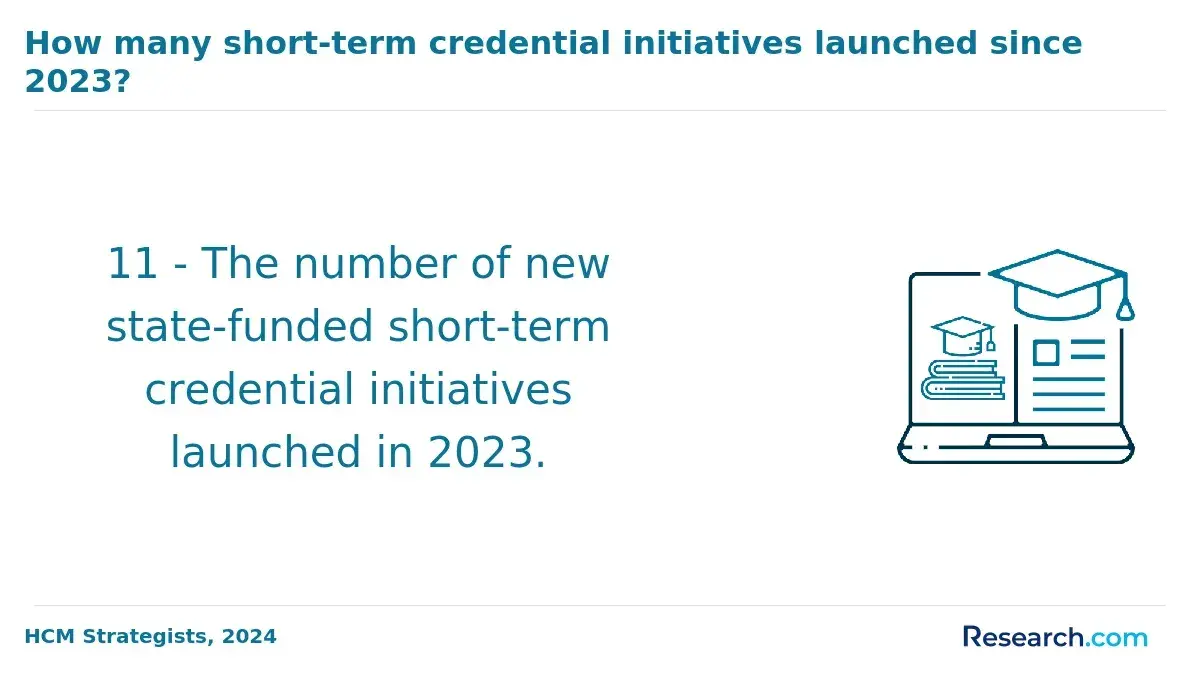
State nursing boards and licensure standards play a significant role in shaping clinical hour requirements for clinical nurse leader programs across the U.S. While national guidelines provide a baseline, nearly 30% of states impose unique clinical hour expectations that differ from these recommendations. These variations influence how programs and students meet their clinical training obligations.
- Increased Hour Minimums: Some states require clinical nurse leader students to complete more hours than nationally suggested, pushing programs to extend clinical training beyond standard levels to comply with local mandates.
- Specified Clinical Experiences: States may mandate certain types or settings for clinical hours, limiting which experiences count toward required totals and ensuring exposure to particular competencies.
- Internship Timing and Length: Regulations often control when clinical hours must be earned during the program and how long internships should last, influencing student schedules and progression.
- Hours Verification Processes: Some states enforce strict submission and documentation procedures for clinical hours, requiring programs and students to follow specific protocols to validate completed training.
- Competency Requirements: Beyond hours logged, certain states demand proof of skill mastery linked to clinical experiences, emphasizing both time spent and demonstrated proficiency before licensure eligibility.
Recognizing and adhering to these state-level distinctions is essential for clinical nurse leader students aiming to meet local licensure standards efficiently and tailor their clinical training accordingly.
Where Do Students Complete Clinical Nurse Leader Clinical Hours?
Approximately 75% of experiential learning in professional health education takes place in direct patient care environments, highlighting the essential role of hands-on training. These clinical placements enable students to refine their clinical competencies and leadership capabilities in authentic healthcare contexts. Below are common environments where clinical nurse leader clinical hours are completed.
- Acute Care Hospitals: Students engage in fast-paced settings managing patient care and collaborating with interdisciplinary teams. This environment sharpens decision-making and coordination skills vital for leadership roles.
- Community Health Centers: These settings familiarize students with population health strategies and preventive care. Exposure to community-based care enhances their ability to address diverse health needs and lead public health initiatives.
- Long-Term Care Facilities: Clinical nurse leader students learn to navigate chronic disease management and improve patient quality of life in these environments. Such experience fosters skills in providing sustained, patient-centered care for vulnerable populations.
- Outpatient Clinics: Students apply evidence-based practices while managing ambulatory care. This setting supports the development of care coordination and patient education expertise essential for clinical leadership.
- Home Health Agencies: By working in patient homes, students cultivate autonomy in assessing and managing care plans. This promotes advocacy skills and adaptability in diverse, real-world contexts.
Each placement type plays a distinct role in preparing clinical nurse leader students for versatile leadership positions across healthcare settings, enhancing their ability to improve outcomes and optimize care delivery systems.
How Are Clinical Placements Assigned in Clinical Nurse Leader Programs?
Clinical placements serve as vital hands-on experiences in clinical nurse leader programs, connecting students with supervised, real-world settings essential for skill development. Research shows that placement-based experiential learning accounts for about 40% of competency growth in healthcare education. Several established methods guide clinical nurse leader clinical site assignment to balance educational goals and resource availability.
- Centralized Coordination: Placement offices within academic programs manage clinical nurse leader program placement process by partnering with healthcare facilities to match students based on competencies, availability, and logistical factors. This approach helps distribute opportunities equitably and leverages institutional relationships effectively.
- Site-Based Agreements: Some programs rely on formal contracts with clinical sites that reserve specific slots for students each term. These agreements simplify rotations through predetermined units aligned with clinical nurse leader competencies, ensuring consistent access to relevant clinical experiences.
- Student Preferences: Programs sometimes incorporate preferences related to location, specialties, and prior experience, allowing students to influence their clinical nurse leader clinical site assignment within operational limits. This personalized approach aims to enhance engagement and learning relevance.
- Faculty Recommendations: Clinical instructors may suggest placements based on a student's skills and professional goals, facilitating targeted experiential learning. This method supports personalized development by aligning placements with individual growth plans.
- Randomized Assignments: When site availability is limited, some programs use lottery systems to fairly assign clinical sites, distributing opportunities impartially among students.
Students exploring program options can also review the cheapest online FNP programs to find affordable paths into advanced nursing roles.

Can Clinical Nurse Leader Clinical Hours Be Completed Online or Part-Time?
Clinical nurse leader clinical hours generally cannot be completed fully online, though part-time options may be available depending on the program. About 30% of healthcare education programs now employ hybrid models, blending online coursework with on-site clinical practice, which helps maintain the essential hands-on experience required. This requirement exists because direct patient care under supervision builds critical skills that virtual environments cannot fully replicate. Understanding these limitations clarifies why flexible but in-person involvement is vital for meeting accreditation and competence standards.
Some programs offer hybrid or part-time clinical hours to accommodate students balancing work or other obligations, but all clinical experiences must include supervised, in-person patient care. The availability and scheduling of these clinical hours vary by curriculum design and clinical site capacity. Online platforms may support preparatory elements like simulations or case discussions, but they cannot replace actual hands-on practice. Maintaining direct clinical engagement ensures students develop clinical judgment, communication, and teamwork skills essential for professional nursing roles.
A professional with a clinical nurse leader degree reflected on her clinical hour experience, noting it was challenging to coordinate part-time placements while managing personal responsibilities. She found that although the online coursework provided flexibility, the on-site clinical rotations required significant planning and commitment. "It was rewarding to apply what I learned in real patient scenarios, but balancing schedules was sometimes stressful," she shared. This firsthand experience highlights how vital in-person clinical work is despite the availability of hybrid learning options, emphasizing the balance between flexibility and the demands of direct patient care.
What Supervision Is Required During Clinical Nurse Leader Clinical Hours?
Supervision during clinical nurse leader clinical hours is typically provided by experienced healthcare professionals, including registered nurses, nurse practitioners, or faculty members assigned to oversee clinical practice. This supervision is crucial for ensuring student safety and bridging theoretical knowledge with hands-on skill development in real-world settings. Research indicates that students who receive direct supervision during healthcare training report a 30% increase in confidence when performing clinical tasks independently. Such oversight helps maintain a secure learning environment while guiding students through complex clinical procedures.
Effective supervision supports the development of essential skills such as clinical judgment, communication, and interdisciplinary collaboration. Supervisors offer ongoing feedback, which is vital for reinforcing best practices and refining clinical techniques. This structured mentorship ensures students meet professional standards and are well-prepared to transition into leadership roles in healthcare. Overall, consistent observation and guidance foster accountability and help assess each student's readiness for advanced responsibilities within diverse clinical environments.
How Are Clinical Nurse Leader Clinical Hours Tracked?
Tracking clinical nurse leader clinical hours is essential for accurately documenting student progress and ensuring all program requirements are met. Over 85% of nursing education programs rely on formal documentation tools to record experiential learning, which supports both accreditation compliance and professional competency development. The following are common methods used to track these clinical hours effectively.
- Digital Logging Systems: These platforms allow students to enter clinical hours in real time via secure online portals. They generate automated reports for faculty review, ensuring timely submission and accurate verification of completed hours within clinical nurse leader clinical hours tracking systems.
- Supervisor Verification Forms: Clinical mentors or preceptors validate student hours by signing supervision forms. This method adds direct accountability and confirmation from clinical supervisors, reinforcing the reliability of documented experiences.
- Attendance Documentation: Often maintained by clinical sites, attendance records provide objective proof of presence during clinical shifts. Integration with institutional documentation helps verify the completion of required hours systematically.
- Progress Reports: Some programs request students to submit regular summaries that combine recorded hours with reflections on developmental milestones. These evaluations ensure that both time and skill acquisition are tracked thoroughly throughout the placement.
- Academic Tracking Platforms: These integrated systems combine hour logging, supervisor feedback, and performance evaluations in one centralized interface. Accessible to students and faculty alike, they streamline the tracking process and uphold best practices for documenting clinical nurse leader clinical hours.
Prospective students interested in flexible educational options can explore online colleges that may support clinical hour tracking through innovative digital tools aligned with program standards.
What Challenges Do Students Face During Clinical Training?
Clinical training within clinical nurse leader programs can be particularly demanding due to the combination of intensive hands-on learning and academic pressures. Studies indicate that nearly 70% of nursing students report high stress levels related to clinical experiences, underscoring the emotional and physical demands of this stage. Here are some common challenges students face during clinical hours completion.
- Balancing Academic Responsibilities: Students often struggle to manage coursework, study time, and clinical hours simultaneously. This can result in fatigue and reduced performance in either academic work or clinical duties, risking delays in program completion.
- Adapting to Healthcare Settings: Clinical nurse leader students must quickly adjust to fast-paced, professional healthcare environments that demand precision and confidence. This transition may occur before they feel fully ready, affecting their ability to perform optimally.
- Scheduling Conflicts: Variable clinical hours, including nights and weekends, can disrupt personal life and rest. These conflicts sometimes interfere with students' ability to consistently attend clinical placements, impacting their progress.
- Emotional Stress: Exposure to patient suffering and ethical dilemmas can cause significant anxiety and emotional exhaustion. Without proper coping mechanisms, this may hinder students' clinical performance and well-being.
- Hands-On Learning Expectations: Moving from theory to practical skills requires repeated supervised practice, which can be challenging for students accustomed to traditional classroom learning. Building resilience during this phase is critical to mastering essential competencies.
For those considering related specialties or additional certifications, resources such as online ultrasound tech programs can provide alternative clinical training pathways.
What Strategies Help Students Succeed in Clinical Environments?
Success during clinical nurse leader clinical hours relies heavily on thorough preparation and flexibility. These qualities allow students to approach complex healthcare settings with confidence and adapt to changing patient needs. Research shows that students involved in experiential learning score 25% higher in readiness for practical clinical roles than those focused solely on theory. Implementing specific strategies enhances clinical nurse leader clinical training success.
- Effective Communication: Clear, respectful dialogue with patients and healthcare teams fosters collaboration and reduces mistakes. Strong communication builds trust, which is vital for completing clinical nurse leader clinical hours smoothly.
- Time Management: Prioritizing duties and organizing schedules enable students to meet learning goals without becoming overwhelmed. Efficient time use supports consistent progress through clinical nurse leader clinical training success tips.
- Professionalism: Demonstrating ethical conduct, responsibility, and respect toward patients and colleagues establishes credibility and a positive learning atmosphere. Maintaining professionalism is crucial for gaining mentorship and clinical opportunities.
- Active Learning: Fully engaging in clinical experiences by asking questions and seeking feedback deepens understanding and skill application in real healthcare settings, reinforcing effective strategies for clinical nurse leader student success.
- Adaptability: Embracing changing situations and patient diversity equips students to confidently handle healthcare's dynamic nature, a key element in fulfilling clinical hour requirements.
Students aiming to enhance their clinical training can consider pursuing the fastest online master's in healthcare management to complement their hands-on experience and accelerate career growth.
What Graduates Say About Clinical Nurse Leader Clinical Hours Requirements
- Allana: "Completing the clinical hour requirements for my clinical nurse leader program was definitely challenging but truly rewarding. The hands-on experience helped me bridge the gap between theory and practice, and although the cost of fulfilling these hours added to my expenses, it felt like a worthwhile investment in my future. These clinical hours have been instrumental in shaping my confidence and competence in professional settings."
- Russell: "Reflecting on my clinical nurse leader journey, the clinical hour obligations initially seemed daunting, especially with the associated costs for travel and materials. However, the extensive real-world exposure these hours provided made a significant impact on my career trajectory. I now appreciate how vital those hours were in developing my leadership skills and clinical judgment."
- Christian: "From a professional standpoint, meeting the clinical nurse leader clinical hours requirement was a critical step that solidified my practical abilities. Despite the financial burden it imposed, I regard the clinical hours as an essential component that enhanced my employability and prepared me for the complexities of healthcare leadership. This experience refined my perspective and enriched my career development."
Other Things You Should Know About Clinical Nurse Leader Degrees
In rare cases, some programs may offer waivers or substitutions for clinical hours if a student has substantial prior clinical work in relevant nursing roles. Such waivers are granted on a case-by-case basis and typically require official documentation and approval from program coordinators. It is important for students to consult their program's policies to understand waiver eligibility.
Engaging in additional clinical activities such as interdisciplinary team meetings, quality improvement projects, and patient education sessions can deepen a clinical nurse leader student's understanding. These experiences support skill development in leadership, communication, and evidence-based practice. They also provide context for applying theoretical knowledge in complex healthcare settings.
Completion of clinical hours as part of a Clinical Nurse Leader program is essential for eligibility to sit for the CNL certification exam. Accrediting bodies and certification boards verify that clinical practice components meet established standards. Without fulfilling these requirements, students may be ineligible for certification or further professional advancement.
References
- Are Clinical Hours Needed in an Online MSN in Clinical Nurse Leader Program? https://www.bestcollegesonline.org/faq/are-clinical-hours-needed-in-an-online-msn-in-clinical-nurse-leader-program/
- iS Clinical Poland - Profesjonalne kosmeceutyki z USA dla gabinetów i klinik https://isclinical.com.pl/
- RCN position on clinical supervision | Royal College of Nursing https://www.rcn.org.uk/About-us/Our-Influencing-work/Position-statements/rcn-position-on-clinical-supervision
- Clinical (2017) Lektor https://www.cda.pl/video/27677448ae
- All RN to MSN Clinical Nurse Leader Programs - RNtoMSN.org https://www.rntomsn.org/programs/clinical-nurse-leader/
- Pre med clinical experience – What medical experiences count? https://www.umhs-sk.org/blog/pre-med-clinical-experience
- 9 Tips to Build Your Clinical Leadership Skills https://www.hospitalrecruiting.com/blog/8689/9-tips-to-build-your-clinical-leadership-skills/
- Clinical Nurse Leader (CNL) https://www.aacnnursing.org/cnl
- A Guide to Extracurriculars for Medical School: Types + How to Choose https://www.medschoolcoach.com/medical-school-extracurricular-activities-shadowing-volunteering-research-clinical-experience-leadership/
- What Counts as Clinical Experience for Med School in 2026? (Simple Guide for Premeds) https://www.clinicalskillsinstitute.com/post/what-counts-as-clinical-experience-for-med-school-2026