2027 Competency-Based Online Patient Safety Master's Degrees

Co-Founder and Chief Data Scientist
Angela, a registered nurse seeking leadership roles, struggles to balance work with completing a traditional online patient safety master's degree bound by semester schedules. Competency-based education (CBE) offers flexibility by allowing students to progress upon mastering skills instead of credit hours. This approach suits professionals like Angela who need accelerated, personalized learning paths. Recent data shows that 41% of competency-based online master's students accelerate degree completion by 25% or more compared to traditional programs. This article explores how CBE works, its admission criteria, curriculum structure, and costs, guiding prospective students and career changers toward informed decisions about patient safety master's degrees.
Key Benefits of Competency-Based Online Patient Safety Master's Degree
- Competency-based online patient safety master's programs offer flexible scheduling tailored for working professionals, enabling progress at an individualized pace without fixed semester timelines.
- This model accelerates skill acquisition by allowing students to demonstrate mastery and test out of familiar content, reducing time and cost compared to credit-hour programs.
- Students gain access to global peer networks and expert instructors through virtual platforms, fostering international collaboration and diverse professional connections vital for advancing patient safety careers.
What Is a Competency-Based Patient Safety Master's Degree, and How Does It Work?
For those exploring competency-based patient safety master's degree online programs, grasping how competency-based education (CBE) functions within graduate study is crucial. Unlike traditional credit-hour models, CBE centers on demonstrating mastery of specific patient safety skills and knowledge instead of accumulating seat time. Below are key aspects that clarify this educational approach.
- Mastery Over Time Spent: Progress depends on proving competency in defined areas rather than logging credit hours. This approach ensures learners internalize essential patient safety principles before advancing.
- Self-Paced Learning Modules: Structured into manageable units, the curriculum allows students to move through content at their own speed. Such flexibility suits working professionals balancing study with other commitments.
- Frequent Assessments: Students regularly complete practical assessments, projects, or exams designed to measure their real-world application of patient safety concepts and skills.
- Mentor and Faculty Support: Though self-guided, programs typically offer access to mentors or faculty who provide guidance and feedback throughout the learning journey.
- Alignment with Adult Learners' Needs: CBE appeals especially to adult students and professionals, enabling them to accelerate through material they've already mastered, creating a more efficient learning experience tailored to individual needs.
Enrollment in competency-based graduate programs like those in patient safety has grown by over 20% in recent years, highlighting their rising popularity among students seeking flexibility and mastery-focused study. For those interested in nursing pathways, options such as rn to bsn no clinicals programs also reflect evolving trends in competency-centered education.
What Are the Admission Requirements for a Competency-Based Online Patient Safety Master's Program?
Admission to competency-based online patient safety master's programs often involves criteria designed to assess an applicant's readiness through demonstrated skills rather than traditional credit hours. These guidelines help ensure candidates are well-prepared for the specialized curriculum and learning style required. Below are key elements commonly evaluated by admissions committees.
- Bachelor's Degree and Transcripts: A completed bachelor's degree from an accredited institution is typically required, with official transcripts submitted for review. While some programs accept degrees in related health or science fields, others may prefer applicants with a direct background in patient safety or healthcare. GPA requirements for competency-based patient safety master's degrees tend to be flexible, focusing more on competencies than purely academic grades.
- Professional Experience: Prior work experience in patient safety, healthcare quality, or a related field is usually preferred but not always mandatory. Competency-based programs emphasize practical experience, which showcases an applicant's ability to meet program competencies through real-world achievements.
- Letters of Recommendation: Applicants generally provide two or three references from professional or academic sources. These letters should highlight the candidate's skills, professionalism, and their potential for success in an online, competency-driven environment.
- Standardized Tests and GRE/GMAT Waivers: Many competency-based programs waive GRE or GMAT requirements, unlike traditional graduate admissions. This approach reduces barriers, placing greater weight on transcripts, experience, and demonstrated competencies in a holistic admissions process.
- Highlighting Relevant Competencies: Prospective students should emphasize documented patient safety competencies and related accomplishments in their applications. This strategy strengthens admission chances by clearly demonstrating measurable skills aligned with program objectives.
For those interested in advancing their healthcare expertise, exploring complementary medical coding classes can broaden career options alongside patient safety specialization.
What Is the Minimum GPA Requirement for a Patient Safety Competency-Based Master's Program?
For those considering competency-based online patient safety master's programs, understanding GPA expectations is important when preparing applications. Below are some key considerations regarding minimum undergraduate GPA requirements and alternative admission criteria:
- Standard GPA Threshold: Most accredited competency-based patient safety master's programs look for a minimum undergraduate GPA near 3.0 on a 4.0 scale, reflecting a baseline for academic readiness.
- Professional Experience Considerations: Programs may accept candidates with GPAs below 3.0 if they demonstrate substantial work history or notable accomplishments in patient safety, recognizing practical expertise.
- Alternative Assessment Routes: Because competency-based education evaluates specific skills, some programs require portfolios, competency exams, or related certifications, which can help offset a lower GPA.
- Variable Institutional Requirements: Admission standards are not uniform; some schools emphasize holistic reviews, including personal statements and recommendations, alongside GPA.
- Admissions Guidance Recommendations: Applicants are advised to thoroughly review each program's published criteria and contact admissions counselors to clarify eligibility and discuss individual cases.
When asked about minimum GPA requirements, a professional who shifted careers by enrolling in a competency-based online patient safety master's recalled initial concerns about his 2.8 undergraduate GPA. He shared how transparent conversations with admissions staff and submission of his extensive safety management portfolio were crucial. "They valued what I'd accomplished on the job more than just grades," he said. The process required patience and careful documentation, but ultimately he felt reassured that competency-based programs offer diverse pathways to qualification beyond traditional GPA thresholds.
How Long Does It Take to Complete a Competency-Based Patient Safety Master's Degree Online?
Prospective students considering a competency-based online patient safety master's degree will find the program's flexible pacing especially beneficial for managing their studies alongside other commitments. This adaptability accommodates diverse learning speeds and lifestyles. Key aspects shaping program duration include:
- Self-Paced Progression: Unlike traditional credit-hour models, competency-based education lets students move forward by proving mastery of skills and knowledge, enabling motivated learners to finish faster or take more time as needed.
- Typical Program Length: Most students complete their degree within 12 to 36 months. Highly focused individuals with relevant experience can finish in about a year, while those balancing family and work might take up to three years without penalty.
- Subscription Tuition Models: Several programs bill monthly or quarterly, which encourages efficient completion since students pay only while enrolled, potentially lowering overall costs.
- Credit for Prior Learning: Through prior learning assessments (PLAs) or transfer credits, students can bypass competencies they already master, reducing the typical duration of competency-based patient safety master's degree completion time.
- Realistic Timeline Planning: Evaluating weekly work hours, family responsibilities, and familiarity with patient safety topics helps students set achievable goals and maintain steady progress without burnout.
For additional educational options, prospective students might also explore reputable rn to bsn online programs that offer flexible learning pathways aligned with professional goals.
How Much Does a Competency-Based Online Patient Safety Master's Degree Cost?
For those considering a competency-based online patient safety master's degree, understanding tuition costs is key to effective financial planning. Different pricing models lead to distinct budgeting approaches. Here are some important factors to keep in mind:
- Tuition Structures: Many programs offer either a subscription-based flat fee per term, allowing unlimited competency completion, or charge per competency or credit, giving students control over pacing but potentially extending the duration.
- Cost Comparisons: Competency-based programs are generally more affordable than traditional degrees because of their self-paced nature and streamlined administration. Typical subscription fees range from $2,000 to $4,000 per term, while per-competency fees might be $300 to $600 each, often lowering total expenses by 20-50% compared to conventional tuition.
- Financial Aid Opportunities: Federal student loans are commonly available for CBE students, and many employers offer tuition assistance. Targeted scholarships for healthcare safety graduate programs can also reduce out-of-pocket costs significantly.
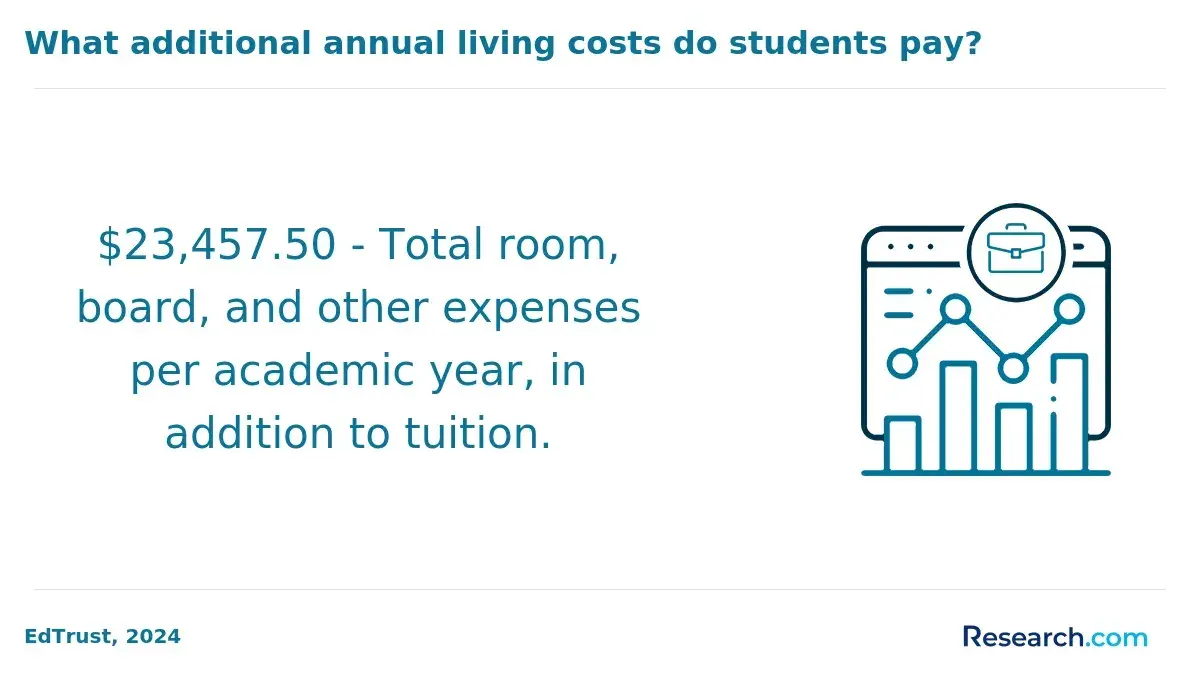
- Additional Fees: Beyond tuition, costs like technology fees, textbooks, and software can add several hundred dollars per term, depending on program requirements.
- Calculating Full Expense: It's important to include opportunity costs such as time investment and potential earnings foregone while studying, creating a comprehensive budget for the entire degree.
When I spoke with a professional who transitioned careers after completing a competency-based patient safety master's online, she emphasized how budgeting was more complex than expected. "I initially focused on tuition, but then tech fees and materials added up," she recounted. Her subscription plan allowed her to accelerate through competencies, which helped control costs, but balancing work and study required careful financial and time planning.
She found that combining employer tuition support with a healthcare-specific scholarship made the degree accessible. Reflecting on the experience, she noted that understanding all cost elements upfront diminished surprises and made the program feel like a worthwhile investment in her new career path.
Which Accrediting Bodies Recognize Competency-Based Patient Safety Master's Programs?
For prospective students considering competency-based online patient safety master's degrees, verifying proper accreditation is vital to ensure program quality and recognition. Accreditation influences employer acceptance and eligibility for federal financial aid. Below are important aspects to consider when evaluating these programs:
- Regional Accreditors: Prominent regional agencies like the Higher Learning Commission (HLC), Southern Association of Colleges and Schools Commission on Colleges (SACSCOC), and WASC Senior College and University Commission (WSCUC) evaluate institutions comprehensively. Their approval signals that a competency-based education (CBE) program meets broad academic standards.
- Programmatic and Discipline-Specific Accreditation: Some CBE patient safety programs hold specialized accreditation focusing on healthcare quality and safety education. These accreditors assess curriculum relevance and ensure the program rigorously addresses core patient safety competencies, enhancing professional credibility.
- Learning Outcomes and Assessment: Accreditation bodies emphasize how CBE programs assess mastery of skills rather than time spent. They verify that programs employ robust methods to evaluate whether students meet essential patient safety competencies aligned with workforce demands.
- Verification Resources: The U.S. Department of Education's Database of Accredited Postsecondary Institutions and Programs (DAPIP) allows applicants to confirm whether a school and its programs are officially accredited, thereby protecting against unverified or dubious claims.
- Warning Against Unrecognized Accreditors: Be cautious of institutions claiming accreditation from agencies not recognized by the Department of Education or CHEA. Such accreditors often lack quality assurances and may jeopardize credential value and financial aid opportunities.
What Core Competencies and Curriculum Areas Are Covered in a Patient Safety CBE Master's Program?
Prospective students of competency-based online patient safety master's degrees benefit from programs centered on clearly defined, measurable learning outcomes tied closely to industry standards and professional expectations. The following key competency domains typically form the foundation of such curricula.
- Analytical Reasoning and Critical Thinking: Students learn to analyze complex patient safety data and identify system weaknesses, enabling them to apply evidence-based practices that improve healthcare quality and minimize errors.
- Leadership and Communication: Emphasizing the development of effective leadership skills, programs foster strategies to promote a culture of safety and collaboration among interdisciplinary teams and stakeholders.
- Domain-Specific Technical Skills: Coursework includes mastery of patient safety tools, risk management methods, and compliance with regulatory requirements, ensuring practical expertise with technologies integral to safety monitoring and improvement.
- Ethical Practice and Professionalism: Ethical decision-making is integral, covering patient rights, confidentiality, and equity, preparing students for responsible conduct within the healthcare environment.
- Applied Projects and Real-World Assessments: Unlike traditional credit-hour models, competency-based education organizes learning into units with assessments designed to mirror actual patient safety challenges, allowing students to demonstrate proficiency through practical, workplace-relevant projects.
Reviewing the competency frameworks of different programs helps students identify curricula best aligned with their career ambitions and readiness to meet evolving patient safety needs in healthcare careers.
What Delivery Formats and Technology Platforms Are Used in Online Patient Safety CBE Programs?
Competency-based online patient safety master's programs depend on effective technology infrastructure to deliver flexible and accessible education. Understanding the technology tools for online patient safety master's programs helps students engage successfully with coursework and assessments. Key features typical of these platforms include:
- Learning Management Systems (LMS): Robust LMS platforms like Canvas, Blackboard, or proprietary systems are central for managing course materials, competency tracking, and assessments in patient safety CBE programs. These systems enable a personalized learning path tailored to each student's pace.
- Asynchronous Learning: This delivery mode allows students to access lectures, readings, and assignments on their own schedule. Asynchronous learning supports a wide range of learners, accommodating those balancing work or personal commitments without fixed class times.
- Synchronous Components: Some programs include live webinars, virtual labs, or discussion sessions to foster real-time interaction and collaboration. These synchronous elements enhance understanding through immediate feedback and peer engagement.
- Accessibility and Mobile Compatibility: Quality CBE programs design platforms that are accessible for students with disabilities and optimized for mobile devices, ensuring full participation regardless of location or technology limitations.
- Technical Support Services: Dedicated help desks, tutorials, and FAQs help remote students overcome technical challenges swiftly, ensuring smooth navigation of the LMS and related software.
Prospective students should request a platform demo or inquire about a free trial period to evaluate whether the technology aligns with their learning style and device capabilities before committing. For those exploring affordable options in this field, resources highlighting cheapest phd nursing programs can offer helpful insights alongside patient safety competency based learning platforms.
How Are Students Assessed, and How Is Mastery Demonstrated in Patient Safety CBE Programs?
For prospective students considering competency-based online patient safety master's programs, understanding how mastery is demonstrated is essential. Competency-based assessment methods in patient safety master's programs differ markedly from traditional exams, focusing on practical skill demonstration rather than timed tests. Key aspects of this evaluation process include:
- Performance-Based Assessments: Mastery is most often shown through real-world tasks like simulations, capstone projects, or portfolios that require applying patient safety principles in authentic scenarios.
- Faculty Evaluation with Standardized Rubrics: Competency assessors or faculty carefully review student work using detailed rubrics aligned with professional patient safety standards to ensure objective and consistent assessment.
- Resubmission and Growth Opportunities: Students who do not initially demonstrate mastery receive opportunities to revise and resubmit assignments, supporting a non-punitive, continuous learning approach.
- Evidence-Based Mastery Documentation: Instead of traditional letter grades, competency attainment is documented through tangible proof of skills and knowledge, which employers often find more meaningful.
This evidence-based assessment approach benefits students by emphasizing real competencies, facilitating career readiness in patient safety roles. Prospective applicants may find more about similar program formats through online self paced colleges, which often feature such competency-based education models. Demonstrating mastery in online patient safety competency-based education not only aligns with industry expectations but also supports professional growth without reliance on traditional GPA constraints or time-bound exams.
What Transfer Credit and Prior Learning Assessment Options Exist for Patient Safety CBE Programs?
For prospective students pursuing competency-based online patient safety master's degrees, prior learning assessment (PLA) is a valuable tool to leverage existing expertise. It allows learners to demonstrate mastery gained through professional experience, certifications, or previous coursework, thereby earning academic credit. Below are several key PLA options commonly accepted in patient safety CBE programs.
- Portfolio Evaluation: Students can submit comprehensive portfolios documenting relevant work experience, certifications, and prior training. Faculty assess these materials to confirm competency equivalence to specific course outcomes, potentially granting direct credit.
- Standardized Exams: Widely recognized exams like CLEP (College-Level Examination Program) and DSST (DANTES Subject Standardized Tests) serve to validate foundational knowledge. Some programs allow these exams to replace general education or prerequisite courses within the degree plan.
- Challenge Exams: Custom exams created by institutions enable students to test out of specialized patient safety courses by proving subject mastery. These assessments focus on core topics essential to the curriculum.
- Transfer Credit Limits: Most programs restrict transfer or PLA credit to a maximum of 50% of total degree requirements. This maintains academic integrity while acknowledging prior learning.
- Time and Cost Efficiency: Applying PLA credits can considerably reduce the length of study and overall tuition costs, benefiting professionals aiming to accelerate degree completion.
Applicants should prepare thorough documentation of their patient safety experience and credentials before enrollment. It is also recommended to clarify PLA policies and transfer credit restrictions during admissions to optimize their academic trajectory.
What Career Outcomes and Professional Opportunities Does a Patient Safety CBE Master's Degree Unlock?
For prospective students pursuing a competency-based online patient safety master's degree, understanding its direct impact on career growth is essential. This section outlines important advantages CBE graduates have in the professional landscape and how they can effectively position themselves for success. Key highlights include:
- Employer Preference for Skills: Employers increasingly prioritize verified skills and competencies over traditional academic records. Graduates with competency-based patient safety degrees demonstrate ready-to-apply expertise that meets current industry demands.
- Common Roles and Earnings: Graduates typically fill positions such as patient safety officer, clinical risk manager, health care quality analyst, and patient safety coordinator. Salary ranges in these roles commonly vary between $65,000 and $110,000 annually, influenced by experience and location.
- Target Industries Recruiting Graduates: Organizations spanning healthcare facilities, government health departments, insurers, and consulting agencies actively seek professionals with advanced patient safety credentials to lead compliance and quality initiatives.
- Competency Portfolios as Differentiators: The practical achievements documented through CBE programs provide tangible evidence of skills, allowing graduates to distinguish themselves during hiring processes and interviews.
- Networking and Professional Groups: Participation in patient safety associations and alumni networks linked to CBE programs offers valuable mentorship, referrals, and career development opportunities in a competitive field.
What Graduates Say About Their Competency-Based Online Patient Safety Master's Degrees
- Dexter: "Choosing a competency-based online Patient Safety master's program was crucial for me because it allowed me to progress at my own pace while balancing a demanding work schedule. The affordable tuition made it accessible without adding financial strain. Earning this degree has significantly enhanced my capability to implement safer healthcare protocols in my hospital, making a real difference for patients."
- Stacey: "I opted for the competency-based online Patient Safety master's degree because it emphasized mastery over mere completion, fitting perfectly with my goal to deeply understand safety principles. The program's cost was reasonable compared to traditional degrees, which was important since I was funding it myself. Professionally, this degree has boosted my confidence and opened doors for leadership roles in clinical risk management."
- Weston: "Reflecting on my experience, the flexibility and practical focus of the competency-based online Patient Safety master's program was invaluable; it catered to my learning style and professional commitments. The cost was a decisive factor - cheaper than on-campus options but without sacrificing quality. This degree empowered me to drive systemic changes in our care delivery frameworks, ultimately improving patient outcomes."
Other Things You Should Know About Patient Safety Degrees
In 2027, when evaluating Competency-Based Online Patient Safety Master's Degrees, consider factors such as program accreditation, the flexibility of the course schedule, the relevance of the curriculum to current industry standards, and the success rate of graduates in securing relevant jobs.
Pros of a competency-based online Patient Safety master's include flexible pacing and potentially lower costs. Cons may involve the need for self-discipline and potential employers' unfamiliarity with this newer educational model.
Competency-based Patient Safety master's programs differ from traditional online programs by allowing students to progress at their own pace based on skill mastery rather than fixed semesters. This can reduce overall program length for motivated learners with prior experience. Traditional programs follow a set credit-hour schedule and may offer structured cohort experiences, which some students prefer for routine and social interaction.
References
- Enhancing Patient Safety with Digital Competency Platforms | Dossier https://dossier.com/blog/2023/11/28/enhancing-patient-safety-with-digital-competency-platforms/
- Competency-Based Master of Health Administration | University of Phoenix https://www.phoenix.edu/online-healthcare-degrees/health-administration-competency-based-masters.html
- Human Factors for Patient Safety https://www.staffs.ac.uk/course/human-factors-patient-safety-msc
- How to Assess Learners in a Competency-Based Education Teaching Model https://info.nhanow.com/learning-leading-blog/how-to-assess-learners-in-a-competency-based-education-teaching-model
- What Can You Do With a Master’s in Healthcare Administration? https://www.mssu.edu/news/2025/04/healthcare-administration-degree-careers.php
- Who Accredits MHA Programs? https://www.mhaonline.com/faq/who-accredits-online-mha-programs
- Master Safety Professional Certification https://www.naspweb.com/certifications/master-safety-professional/
- How is Mastery Defined in Postsecondary Competency-Based Education? - C-BEN https://www.c-ben.org/how-is-mastery-defined-in-postsecondary-competency-based-education/
- Master in Patient Safety and Healthcare Quality https://www.duke-nus.edu.sg/cll/allcourses/master-s-in-patient-safety-and-healthcare-quality
- Online Master’s in Patient Safety and Healthcare Quality (PSHQ) Programs https://www.onlineeducation.com/healthcare/masters-in-patient-safety-healthcare-quality-programs