
2027 Competency-Based Online Reading & Literacy Master's Degrees

Co-Founder and Chief Data Scientist
Imagine a working professional aiming to advance their career with a master's degree in reading & literacy but unable to commit to fixed semesters or traditional credit-hour pacing. Competency-based education (CBE) offers a flexible alternative by allowing learners to progress upon mastery rather than time spent. According to the Lumina Foundation, 35% of higher education institutions now provide CBE options, reflecting growing demand for personalized pacing in graduate programs.
This article explores how competency-based online reading & literacy master's degrees operate, their unique admission and assessment criteria, and practical considerations to help prospective students and career changers make informed decisions.
Key Benefits of Competency-Based Online Reading & Literacy Master's Degree
- Competency-based online reading & literacy master's degrees offer flexible pacing, allowing working professionals to balance study with employment and personal commitments effectively.
- Students accelerate skill acquisition by progressing upon demonstrated mastery, often completing programs faster than traditional credit-hour timelines.
- These programs provide access to a diverse global network of educators and peers, fostering professional connections across multiple education systems and cultures.
What Is a Competency-Based Reading & Literacy Master's Degree, and How Does It Work?
Prospective students exploring competency-based online reading and literacy master's programs need to understand how this innovative educational approach differs from traditional degree models. This explanation highlights essential features that define competency-based education (CBE), illustrating how it supports flexible, mastery-driven learning. Key aspects include:
- Mastery Over Seat Time: Unlike the fixed credit-hour system, CBE requires learners to prove mastery of specific reading and literacy skills instead of accumulating classroom hours. Progress depends on demonstrated knowledge and abilities.
- Self-Paced Learning: Programs are structured with self-paced modules focused on core reading & literacy competencies, allowing students to advance as soon as they demonstrate proficiency through assessments, not according to semester schedules.
- Regular Assessments: Frequent formative and summative evaluations measure students' understanding, providing personalized feedback and targeted support to ensure mastery before progressing.
- Mentor and Faculty Support: Although largely self-directed, CBE offers access to faculty mentors who guide learners, clarify complex concepts, and assist with course materials.
- Alignment with Adult Learners' Needs: This model is particularly suited for working professionals and adult learners seeking flexibility, accommodating diverse schedules and prior knowledge often leading to accelerated completion.
National Center for Education Statistics reports a growth of over 20% in graduate-level competency-based programs since 2017, underscoring increasing demand for flexible, skills-focused education. For those researching 1 year master's programs, competency-based online reading & literacy master's degrees offer a distinctive alternative to traditional formats by emphasizing demonstrated learning outcomes and adaptable pacing.
What Are the Admission Requirements for a Competency-Based Online Reading & Literacy Master's Program?
Prospective students considering a competency-based online reading and literacy master's program should familiarize themselves with typical admission requirements to enhance their application success. These standards ensure candidates possess foundational academic and professional qualities suitable for a competency-driven curriculum. Below are key factors that applicants usually encounter when preparing their applications.
- Bachelor's Degree and Transcripts: Admission generally requires a bachelor's degree from an accredited institution. Official transcripts are submitted to confirm academic history and verify the completion of prerequisite education for graduate study.
- Letters of Recommendation: Most programs request two or three letters from academic or professional sources who can attest to an applicant's preparedness and relevant skills in reading and literacy or education fields.
- Professional Experience Preferences: While prior work experience in reading and literacy or related areas is not always mandatory, many programs prefer candidates with such backgrounds, recognizing how this experience enriches learning and competency assessments.
- Standardized Test Requirements: Unlike traditional graduate programs, competency-based education (CBE) master's degrees often waive GRE or GMAT tests, focusing instead on demonstrated competencies rather than test scores.
- Holistic Application Review: Admissions committees tend to assess overall qualifications, considering academic records, professional experience, personal statements, and specific competencies to identify students suited to CBE learning environments.
Applicants can improve their chances by clearly highlighting relevant competencies and experience in reading and literacy. Emphasizing practical skills alongside formal education helps demonstrate readiness for the unique demands of competency-based programs, which often maintain GPA and application criteria tailored to performance over time.
For those exploring alternative flexible graduate options, programs like an online psychology degree also follow similar admission principles, illustrating the broader trend toward competency and experience-based admissions in higher education.
What Is the Minimum GPA Requirement for a Reading & Literacy Competency-Based Master's Program?
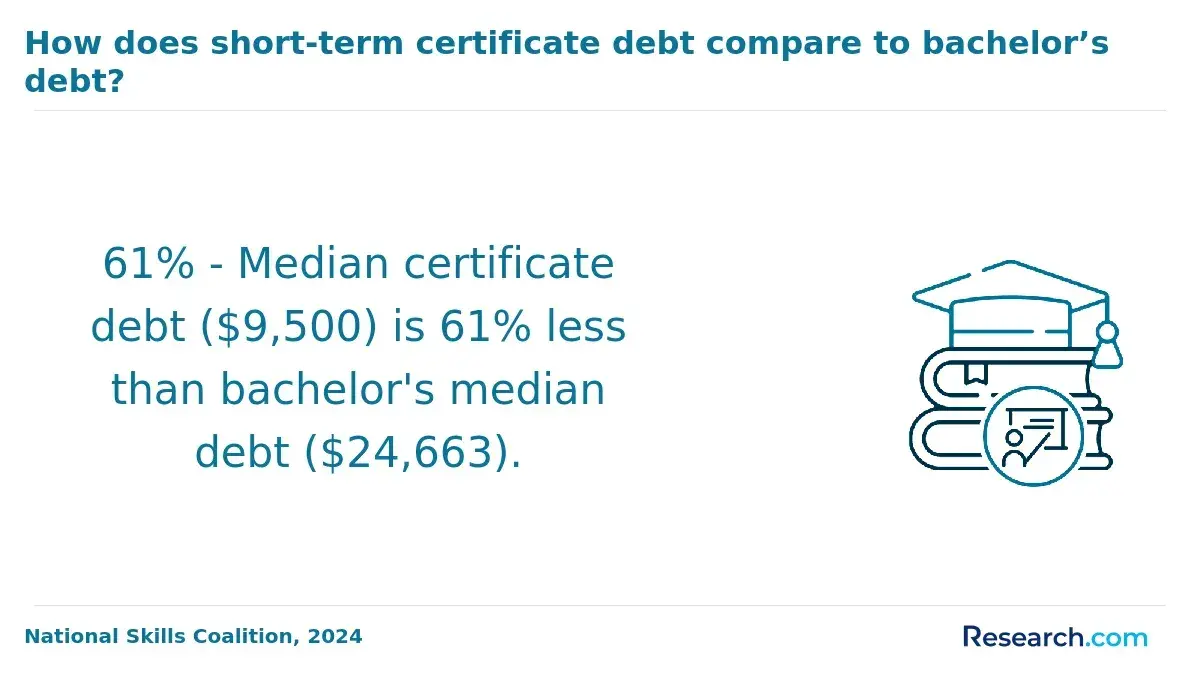
For applicants exploring competency-based online reading & literacy master's programs, understanding GPA expectations is vital. These standards offer a starting point to evaluate eligibility, though flexibility often exists. Below are key insights on GPA benchmarks and admission alternatives for prospective students.
- Common GPA Threshold: Many accredited reading & literacy CBE programs typically require a minimum undergraduate GPA of about 3.0 on a 4.0 scale, signaling academic readiness for graduate-level work.
- Consideration for Lower GPAs: Programs sometimes admit candidates with GPAs below 3.0 if they bring substantial professional experience or notable accomplishments in the reading & literacy field, recognizing practical expertise.
- Alternative Assessments: To complement or offset GPA requirements, these programs may request portfolios, competency exams, or interviews that showcase an applicant's skills and mastery.
- Comprehensive Admissions Review: Admissions committees often consider letters of recommendation, certifications, and relevant career achievements to create a fuller picture beyond numeric GPA scores.
- Review Program-Specific Criteria: Since requirements vary by institution, applicants should examine each program's guidelines carefully and connect with admissions advisors for tailored advice.
A professional who enrolled in a competency-based online reading & literacy master's program to pivot careers shared that navigating GPA concerns was initially stressful. "I wasn't sure how my 2.8 GPA would be viewed," he recalled. He found reassurance through portfolio assessments and direct dialogue with admissions counselors who valued his classroom experience. "The alternative evaluations felt like a chance to prove myself on my own terms," he said, which ultimately made the application process feel personalized rather than purely numbers-driven.
How Long Does It Take to Complete a Competency-Based Reading & Literacy Master's Degree Online?
Prospective students considering a competency-based online reading & literacy master's degree should understand how flexible pacing shapes their educational experience. This approach lets learners control their progress according to personal schedules and mastery levels, making program duration highly individual. The following points highlight essential factors influencing completion time and tuition structures for these programs:
- Flexible, Self-Paced Progress: CBE programs prioritize skill demonstration over traditional credit hours, enabling motivated students to complete their degree more rapidly or take time as needed.
- Duration Varies by Commitment: Completion can take as little as 12 months for those dedicating ample time, or up to 3 years for students managing work, family, and other responsibilities, reflecting the average duration of competency-based reading & literacy master's programs.
- Subscription-Based Tuition Models: Charging per term rather than per credit encourages quick advancement because shorter enrollment periods reduce overall costs.
- Prior Learning Assessments and Transfer Credits: Students with relevant experience may shorten study time by bypassing competencies through PLA or recognized transfer credits.
- Establishing a Realistic Timeline: Careful evaluation of weekly work hours, personal duties, and prior familiarity with reading & literacy topics helps students maintain steady progress and avoid burnout.
Choosing an appropriate pace is crucial for success. For more on highest paying degrees in the world and career prospects that can follow, consider additional research such as this highest paying degrees in the world.
How Much Does a Competency-Based Online Reading & Literacy Master's Degree Cost?
Cost considerations are crucial for those pursuing a competency-based online reading & literacy master's degree, as pricing structures can differ notably from traditional programs. Below are fundamental financial aspects to keep in mind when evaluating these options.
- Subscription-Based Tuition: Many CBE programs use a flat fee per term regardless of how many competencies are completed. This model encourages accelerated progress, often making it more cost-efficient for students who move quickly through the material.
- Per-Competency or Per-Credit Pricing: Other programs charge based on the number of competencies or credits a student completes. This approach may benefit learners who prefer a slower pace or want to align costs directly with their progress.
- Lower Costs Compared to Traditional Degrees: Due to self-paced learning and reduced campus expenses, CBE degrees typically cost significantly less than conventional master's programs, offering substantial savings for dedicated students.
- Financial Aid Opportunities: Eligible students can access federal student loans, employer tuition reimbursement, and scholarships targeted specifically at graduate reading & literacy education, helping to alleviate financial burdens.
- Additional and Hidden Expenses: Technology fees, textbooks, and other required materials add to overall expenses. Students should also consider opportunity costs such as income lost while studying full-time.
Reflecting on the cost, a professional who transitioned careers after earning her online reading & literacy master's emphasized the value of carefully budgeting beyond tuition alone. She recalled, "I was surprised at the extra fees for tech and books, which I hadn't fully anticipated." However, by accelerating through competencies, she minimized both tuition and time away from work. "Knowing how much time I could save helped me justify the expense. It felt like an investment tailored to my pace and life." This personal insight highlights the importance of factoring in all cost components and pacing strategies when choosing a CBE program.
Which Accrediting Bodies Recognize Competency-Based Reading & Literacy Master's Programs?
For students considering competency-based online reading & literacy master's degrees, accreditation is a key factor that influences both the credibility of the credential and eligibility for federal financial assistance. Below are essential points to understand about accreditation in this context.
- Regional Accreditation: Trusted accrediting agencies such as the Higher Learning Commission (HLC), the Southern Association of Colleges and Schools Commission on Colleges (SACSCOC), and the WASC Senior College and University Commission (WSCUC) provide institutional accreditation. These bodies evaluate entire colleges or universities to ensure consistent educational quality and recognition.
- Programmatic Accreditation: Many reading & literacy master's programs seek additional approval from specialized entities like the Council for the Accreditation of Educator Preparation (CAEP). This type of accreditation focuses on curriculum quality, learning outcomes, and the unique demands of competency-based education models centered on demonstrated proficiency.
- Verifying Accreditation Status: Prospective students should confirm accreditation legitimacy by consulting the U.S. Department of Education's Database of Accredited Postsecondary Institutions and Programs (DAPIP), a reliable tool to avoid unaccredited institutions or degree mills.
- Significance for CBE Programs: Accreditation confirms that competency-based programs maintain rigorous assessments and clear expectations for student skills, ensuring that such non-traditional formats are respected by employers and academic institutions alike.
- Caution Against Unrecognized Accreditors: Beware of programs claiming accreditation from dubious or unrecognized organizations, as these may not provide credible credentials or qualify for federal funding, potentially limiting the degree's value in the job market.
What Core Competencies and Curriculum Areas Are Covered in a Reading & Literacy CBE Master's Program?
Prospective students considering a competency-based online reading & literacy master's degree need to understand how these programs focus on clearly defined, measurable learning outcomes aligned with industry standards and professional expectations. This section highlights the essential elements shaping such programs.
Key features include:
- Competency Domains: These programs address a range of skills including analytical reasoning, leadership, domain-specific technical expertise, and ethical practice in reading & literacy. Each domain is designed to prepare students for complex challenges they will face professionally.
- Curriculum Structure: Unlike traditional credit-hour models, the curriculum is built around competency units. Students advance by demonstrating mastery through assessments and projects that reflect practical reading & literacy scenarios.
- Assessment Methods: Evaluation relies on performance-based tasks, portfolios, and applied projects that emphasize real-world application of knowledge rather than rote learning.
- Applied Learning: Hands-on experiences are integrated to mirror the challenges literacy educators, specialists, and coaches encounter. This approach enhances skills in diagnosing reading difficulties and designing targeted interventions.
- Alignment With Career Goals: It is crucial for students to review each program's specific competency frameworks to ensure their educational path supports their personal and professional objectives in the reading & literacy field.
What Delivery Formats and Technology Platforms Are Used in Online Reading & Literacy CBE Programs?
For prospective students exploring competency-based online reading and literacy program technology platforms, understanding the delivery and interaction methods is essential. These factors influence how effectively students engage with material and demonstrate mastery. The following points highlight key features typically found in these programs.
- Learning Management Systems (LMS): Most competency-based education (CBE) reading & literacy programs utilize widely recognized LMS platforms such as Canvas, Blackboard, or specialized proprietary systems tailored to competency tracking. These systems organize course content, deliver instructional resources, and monitor student progress aligned with skill mastery rather than traditional credit hours.
- Asynchronous Learning: A core aspect of delivery formats for online reading and literacy competency-based education is flexibility. Students can access lectures, readings, and assignments on their own schedule, accommodating busy professionals and diverse learning preferences.
- Synchronous Interaction: While self-paced learning predominates, many programs incorporate live virtual sessions or labs. These synchronous elements encourage real-time interaction with instructors and peers, fostering collaboration, discussion, and immediate feedback.
- Accessibility and Mobile Compatibility: Quality programs prioritize accessible design for all learners, including support for screen readers and assistive devices. Mobile-friendly platforms also enable students to use smartphones or tablets, facilitating learning anytime, anywhere.
- Technical Support Services: Robust technical assistance is critical for remote learners. Leading programs provide help desks, tutorials, and troubleshooting resources to ensure smooth navigation and prompt problem resolution.
Prospective students should request a platform demo or free trial to evaluate whether the technology aligns with their preferred learning environment and device capabilities. For those considering broader educational options, exploring a psychology degree might also offer insight into online program structures and support services.
How Are Students Assessed, and How Is Mastery Demonstrated in Reading & Literacy CBE Programs?
For prospective students exploring competency-based assessment methods in reading & literacy master's programs, understanding how mastery is demonstrated provides essential insight into what sets CBE degrees apart from traditional credit-hour models. In these programs, students show their competence through practical, evidence-based tasks rather than timed exams. The following highlights key components of assessment in CBE reading & literacy online degrees:
- Performance-Based Assessments: Mastery is typically proven through authentic assignments such as projects, simulations, portfolios, and capstone tasks that mirror real-world reading & literacy challenges instead of standard tests under time constraints.
- Faculty Evaluators and Rubrics: Dedicated faculty or competency assessors apply standardized rubrics aligned with professional reading & literacy standards to evaluate the work objectively and consistently.
- Resubmission Opportunities: Students who do not immediately meet mastery requirements often have chances to revise and resubmit assignments, fostering skill development within a growth-oriented, non-punitive framework.
- Alignment With Professional Standards: Each assessment criterion corresponds to essential industry competencies, ensuring that skills gained are relevant and applicable in educational and literacy-related roles.
- Employer-Relevant Credentials: CBE evidence of competence frequently carries more practical significance for employers than conventional letter grades, highlighting a student's applied expertise and readiness in reading & literacy.
Those interested in innovative educational models may also find value in exploring other competency-based opportunities such as a masters in game design online, which shares similar assessment approaches emphasizing mastery through applied skills.
What Transfer Credit and Prior Learning Assessment Options Exist for Reading & Literacy CBE Programs?
For students pursuing a competency-based online reading & literacy master's degree, prior learning assessment (PLA) offers a valuable way to earn credit by showcasing existing knowledge and skills. This process helps accelerate degree progress by validating expertise acquired through experience. Below are key aspects of PLA options commonly recognized in these programs:
- Portfolio Evaluation: Students compile portfolios containing evidence such as work experience, certifications, and relevant coursework. Faculty review these materials to verify if they meet the competencies required by the program, potentially awarding degree credits.
- Standardized Exams: Exams like CLEP and DSST are often accepted to demonstrate mastery in fundamental reading & literacy topics. Passing these exams can reduce the number of courses needed to complete the degree.
- Challenge Exams: Some institutions offer their own subject-specific tests aligned with the curriculum, allowing learners to prove proficiency through program-designed assessments.
- Transfer Credit Restrictions: Most programs limit the amount of transfer or PLA credits to approximately half of the total required for the degree, ensuring students engage sufficiently with core content.
- Benefits of PLA: Awarding PLA credits can shorten time to graduation and lower tuition expenses, while recognizing professional and academic achievements relevant to the competency framework.
Prospective students should prepare by gathering transcripts, certificates, and documentation of prior reading & literacy experience. It is advisable to clarify PLA policies during admissions to maximize the use of these credit-earning opportunities.
What Career Outcomes and Professional Opportunities Does a Reading & Literacy CBE Master's Degree Unlock?
A competency-based online master's degree in reading & literacy offers clear advantages for graduates aiming to advance their careers. Employers increasingly prioritize proven skills and competencies over traditional academic credentials, making CBE graduates well-positioned for competitive roles in the education sector. Below are important considerations for prospective students evaluating how this degree supports professional growth.
- Relevant Job Opportunities: Graduates frequently secure positions such as literacy specialists, reading coaches, curriculum developers, and instructional coordinators. These roles are available in diverse settings including K-12 schools, educational nonprofits, and government agencies focused on literacy improvement.
- Competitive Earning Potential: Salary data indicates that professionals with a master's in reading & literacy typically earn between $55,000 and $85,000 annually. Those with experience in high-demand districts or specialized organizations may command salaries above this range.
- Employer Emphasis on Skill Evidence: CBE graduates differentiate themselves by presenting comprehensive portfolios that demonstrate mastery of literacy practices and interventions, appealing to employers who value practical expertise over credit hours.
- Strong Market Differentiation: Holding verified competencies in evidence-based reading strategies and literacy assessments enables graduates to stand out to employers seeking candidates ready to deliver immediate impact on student achievement.
- Networking and Professional Growth: Access to professional associations, alumni networks, and ongoing learning communities connected to CBE programs fosters sustained career development through mentorship, job referrals, and sector insights.
What Graduates Say About Their Competency-Based Online Reading & Literacy Master's Degrees
- Miriam: "Choosing a competency-based online reading & literacy master's degree allowed me to accelerate through familiar material, which saved me valuable time and money. The affordable tuition compared to traditional programs was a huge deciding factor. Since graduating, I've been able to apply what I learned directly to my classroom, improving my students' engagement and comprehension skills."
- Eunice: "Pursuing this program online gave me the flexibility to balance work, family, and school without the stress of fixed schedules. The cost-effectiveness of competency-based education meant I wasn't burdened by excessive debt. Reflecting on my journey, the practical skills I gained have truly enhanced my career opportunities and confidence as an educational professional."
- Rowan: "The competency-based format was ideal for my busy lifestyle, letting me progress at my own pace and focus on mastering specific reading & literacy competencies. Financially, it was a great investment without needless expenses typical of other programs. Professionally, this degree has opened doors for leadership roles and afforded me the chance to influence literacy practices on a broader scale."
Other Things You Should Know About Reading & Literacy Degrees
A competency-based reading & literacy master's program allows students to progress at their own pace, demonstrating mastery in specific areas. In contrast, traditional programs follow a set schedule with specific deadlines. Competency-based programs often provide more flexibility, while traditional programs offer a structured timeline with planned interactions.
The duration to complete a competency-based master's degree in reading & literacy online varies based on the individual student's pace, prior experience, and commitment. However, many students can complete the program in less than 18 months due to the self-paced nature of competency-based education. This flexibility allows students to progress as soon as they demonstrate mastery of the course material.
References
- Prior Learning Assessment & Competency-Based Education - Aurora Institute https://aurora-institute.org/cw_post/prior-learning-assessment-competency-based-education/
- About CERI | The Center for Effective Reading Instruction https://effectivereading.org/about-ceri/
- Measure learning outcomes: Challenges and best strategies https://feedbackfruits.com/blog/measuring-learning-outcomes-benefits-and-challenges
- Reading and Literacy Education MAEd https://degrees.ecu.edu/maed/reading%20and%20literacy%20education/
- Reading and Literacy https://illinoisstate.edu/academics/reading-literacy-masters/
- Self-Paced Learning: What to Expect From a CBE Program https://www.umassglobal.edu/blog-news/self-paced-learning-expect-a-cbe-program
- M.S. in Education in Reading and Literacy - SOU Online https://online.sou.edu/degrees/education/msed/reading-literacy/
- Online educational platforms: types and benefits they provide https://smowl.net/en/blog/online-educational-platforms/
- Technology for Learning https://cbe.ab.ca/programs/technology-for-learning/Pages/Inclusive-Learning-Technologies.aspx
- Careers in Literacy Education https://www.iona.edu/blog/careers-in-literacy-education


