2027 Competency-Based Online Science Master's Degrees

Co-Founder and Chief Data Scientist
Many prospective students and career changers struggle with the rigid structure of traditional online science master's degrees, which often require fixed credit hours regardless of prior knowledge. Competency-based education (CBE) offers flexibility by allowing learners to progress upon mastering specific skills. This approach addresses the challenge of aligning education with individual experience and learning pace. According to a 2023 National Center for Education Statistics report, enrollment in competency-based graduate programs increased by 18% over two years, reflecting growing demand. This article explores how CBE works, admissions standards, program features, accreditation, and career outcomes to help readers decide if a competency-based online science master's degree suits their goals.
Key Benefits of Competency-Based Online Science Master's Degree
- Competency-based online science master's degrees offer flexible scheduling, allowing working professionals to balance education with careers and personal commitments without traditional semester constraints.
- These programs emphasize mastery of specific skills and concepts, enabling accelerated learning and faster degree completion compared to credit-hour models.
- Students gain access to diverse, global peer networks and expert faculty, enriching collaboration and career opportunities beyond geographic limitations.
What Is a Competency-Based Science Master's Degree, and How Does It Work?
Competency-based online science master's programs offer a flexible alternative to traditional graduate education by focusing on students' ability to demonstrate specific skills and knowledge rather than accumulating fixed credit hours. This model supports adult learners and working professionals seeking personalized pacing without compromising rigorous academic standards. Below are key features that define how competency-based science degrees work.
- Mastery Over Time Spent: Unlike conventional credit-hour systems requiring set classroom hours, CBE programs emphasize proving mastery of clearly defined competencies. Students advance only after demonstrating their skills, ensuring robust learning outcomes.
- Self-Paced Learning Structure: Modules are designed for learners to progress at their own speed. This allows more time on challenging topics and greater scheduling flexibility, ideal for those balancing education with other responsibilities.
- Regular Assessments: Continuous evaluations-including projects, exams, and practical demonstrations-are used to validate competence. These assessments uphold high standards aligned with industry expectations.
- Faculty and Mentor Support: Although self-directed, students typically have consistent access to mentors or faculty for guidance, feedback, and resources throughout their studies, enhancing skill acquisition and motivation.
- Growing Enrollment Trend: Graduate-level enrollment in CBE programs has increased by 30% over recent years, highlighting rising interest among adult learners pursuing outcome-oriented education.
Prospective students considering competency-based online science master's programs may also explore complementary paths, such as accelerated msn to dnp programs, which offer streamlined routes in related fields.
What Are the Admission Requirements for a Competency-Based Online Science Master's Program?
Prospective students applying to competency-based online science master's programs face admission requirements that reflect the unique emphasis on demonstrated mastery rather than traditional metrics alone. These requirements provide a framework ensuring candidates possess the necessary background and skills to succeed. Below is a summary of key admission components applicants should prepare for:
- Bachelor's Degree and Transcripts: Applicants must hold a bachelor's degree from an accredited institution, typically in Science or a related area. Official transcripts verify academic history and confirm fulfillment of prerequisite knowledge, often with attention to graduate GPA criteria for competency-based science master's programs.
- Letters of Recommendation: Between one and three letters are usually required to assess the applicant's academic capabilities, motivation, and potential success in graduate Science study. These letters provide insight beyond grades and formal credentials.
- Prior Professional Experience: While not always mandatory, relevant Science-related work experience is highly preferred. Experience demonstrates practical application of competencies and can compensate for less traditional academic pathways.
- Standardized Test Requirements: Many competency-based education (CBE) programs waive GRE or GMAT scores, favoring a holistic review process that prioritizes proven competencies over standardized test results, in contrast to many traditional Science graduate admissions.
- Holistic Evaluation: Admissions committees consider a combination of academic records, recommendations, professional experience, and proficiency in core Science competencies. Applicants should highlight specific skills and professional achievements to strengthen their candidacy.
To improve the likelihood of admission, applicants should clearly showcase their mastery of core science skills alongside relevant professional experience. Doing so aligns well with the competency-focused model. Those interested in related fields might also explore programs offering the cheapest online healthcare management degree, which often follow similar competency-based principles.
What Is the Minimum GPA Requirement for a Science Competency-Based Master's Program?
Prospective students exploring competency-based online science master's programs often wonder about the minimum undergraduate GPA needed for admission. GPA requirements play a crucial role in eligibility, but many programs also consider other factors. Here are key insights to keep in mind:
- Typical GPA Benchmark: Generally, a 3.0 on a 4.0 scale is the baseline most accredited science competency-based programs expect to demonstrate academic readiness.
- Flexibility with Professional Experience: Programs sometimes admit candidates with GPAs below 3.0 if they bring substantial work experience or achievements in relevant science fields, recognizing skills beyond grades.
- Alternative Assessment Approaches: Competency-based programs often evaluate portfolios, competency tests, or practical demonstrations to balance lower GPA scores and provide a fuller picture of a student's capabilities.
- Institutional Variations: Requirements may vary significantly between schools, with some setting higher or lower GPA standards depending on their educational model and priorities.
- Consulting Admissions Advisors: Because criteria differ, reaching out directly to admissions offices can offer personalized advice and clarify if exceptions or additional evaluations are possible.
When speaking with a professional who enrolled in a competency-based online science master's program to pivot careers, he shared the challenges of meeting traditional GPA benchmarks. "I was initially worried my undergrad GPA wouldn't qualify me," he explained, "but the program valued my lab experience and allowed me to submit a portfolio instead." He appreciated the flexibility, noting, "The process was reassuring - I could showcase what really mattered for my future in science." This personalized pathway helped him feel confident and supported throughout the admissions journey.
How Long Does It Take to Complete a Competency-Based Science Master's Degree Online?
Prospective students considering a competency-based online science master's program should understand how the flexible pacing impacts overall time to completion. This model supports varied learner needs by allowing students to progress at a speed that matches their mastery and available time. Below are important factors influencing program duration and financial considerations:
- Flexible, Self-Paced Progression: CBE programs enable advancing by proving competency rather than fulfilling fixed credit hours, letting students accelerate through familiar topics or spend extra time on complex material.
- Typical Timeframe: Many learners complete their degree within 12 months if highly motivated, but balancing commitments like work and family may extend the duration up to three years. This reflects how time-to-complete a competency-based science master's degree adapts to individual circumstances.
- Subscription-Based Tuition Models: Tuition often charges by subscription or term, incentivizing faster completion since reduced enrollment time lowers overall tuition costs.
- Prior Learning Assessments and Transfer Credits: Students with relevant background can sometimes bypass certain competencies through prior learning assessments or accepted transfer credits, effectively shortening program length.
- Realistic Timeline Planning: Considering weekly work hours, personal obligations, and science subject familiarity is essential when setting a study schedule to maintain motivation and ensure steady progress.
For those interested in related programs, exploring options like a nursing degree online may offer additional flexible learning pathways.
How Much Does a Competency-Based Online Science Master's Degree Cost?
The cost structure of competency-based online science master's programs plays a vital role in how prospective students plan their education budgets. Understanding how tuition is charged and what financial help is available helps clarify overall expenses. Below are some essential aspects to consider:
- Subscription-Based Tuition: This model charges a fixed fee each term or billing period, allowing learners to complete multiple competencies without extra charges. It benefits motivated students who progress quickly by capping costs regardless of workload.
- Per-Competency or Per-Credit Pricing: Students pay based on each competency or credit they finish. While offering flexible pacing, this method can lead to higher total costs if progress is slower than anticipated.
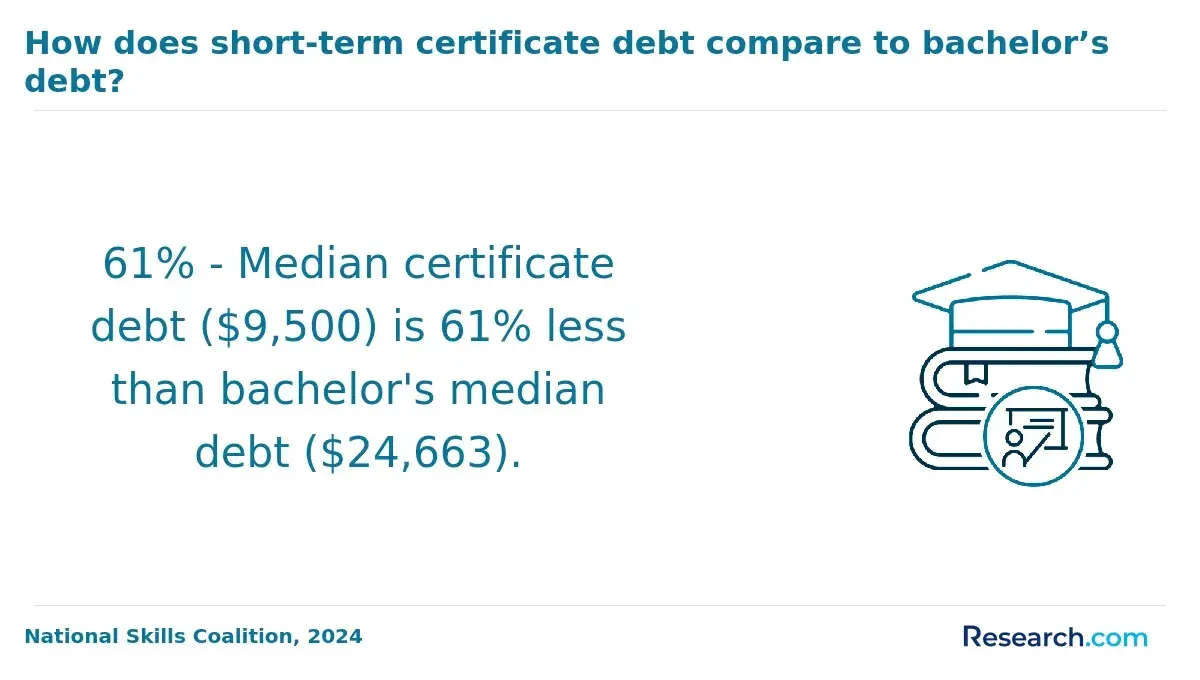
- Lower Cost Compared to Traditional Programs: Due to the potential for accelerated completion and generally lower administrative expenses, competency-based degrees often cost less than conventional master's programs.
- Financial Aid Availability: Aid options include federal student loans, employer tuition reimbursement, and scholarships aimed at graduate science students, reducing the financial burden for many enrollees.
- Total Cost Factors: Beyond tuition, students should factor in fees for required technology, textbooks, and consider the opportunity cost of dedicating time to study, which impacts the true expense of earning the degree.
When I asked a professional who transitioned careers after completing a competency-based online science master's degree about the cost, she recalled the challenge of budgeting beyond just tuition fees. "While the flat-rate tuition helped me control direct payments, I had to be mindful of purchasing specialized software and updated textbooks," she shared. She also emphasized how financial aid and employer support were crucial to making the program affordable. Reflecting on the overall experience, she noted that weighing all these elements upfront gave her confidence in navigating the investment, making it a worthwhile step toward her new career path.
Which Accrediting Bodies Recognize Competency-Based Science Master's Programs?
For students evaluating competency-based online science master's degrees, confirming proper accreditation is essential to ensure their degree is valued by employers and qualifies for federal aid. The following points highlight critical aspects of accreditation to consider.
- Regional Accreditation Significance: Prominent regional agencies like the Higher Learning Commission (HLC), Southern Association of Colleges and Schools Commission on Colleges (SACSCOC), and WASC Senior College and University Commission (WSCUC) assess overall institutional quality. Their approval is often a prerequisite for federal financial aid and employer acceptance.
- Discipline-Specific Accreditation: Certain science programs require specialized accreditation bodies that focus on curriculum relevance and faculty expertise in specific fields, such as ABET for engineering-related degrees. This ensures programs meet professional standards beyond general institutional criteria.
- Emphasis on Learning Outcomes and Assessment: Competency-based education programs are evaluated on their ability to clearly demonstrate student mastery through robust assessment strategies rather than just credit accumulation, reinforcing the validity of the credentials awarded.
- Verification via Official Databases: Prospective students should consult the U.S. Department of Education's Database of Accredited Postsecondary Institutions and Programs (DAPIP) to confirm the legitimacy and current accreditation status of any CBE program or institution.
- Avoiding Unrecognized Accreditors: Some entities claim accreditation without recognition from federal or reputable bodies. Students must steer clear of these to avoid degrees that lack widespread acceptance and carry financial and professional risks.
What Core Competencies and Curriculum Areas Are Covered in a Science CBE Master's Program?
Prospective students considering a competency-based online science master's degree benefit from knowing that such programs are designed around well-defined, measurable learning outcomes that meet industry standards and professional expectations. The curriculum is organized into competency units, assessments, and applied projects that simulate real-world challenges in science rather than relying on traditional coursework. Key domains typically featured in these programs include:
- Analytical Reasoning and Critical Thinking: Strong problem-solving skills and the ability to interpret complex data are emphasized. Students apply scientific methods to analyze research and make evidence-based decisions relevant to their disciplines.
- Domain-Specific Technical Skills: The curriculum covers advanced knowledge tailored to the student's chosen area, such as molecular biology, environmental modeling, or computational simulations, ensuring job readiness.
- Leadership and Collaboration: Competency frameworks often include skills for leading teams, managing projects, and communicating effectively across disciplines, preparing graduates for leadership roles.
- Ethical Practice and Professional Standards: Programs integrate training on ethics related to scientific research, data integrity, responsible conduct, and regulatory compliance.
- Applied Projects and Real-World Assessments: Instead of traditional exams, students complete project-based tasks reflecting real scientific problems, demonstrating practical competencies.
Reviewing the competency framework of individual science master's programs is essential to confirm alignment with career goals and industry requirements.
What Delivery Formats and Technology Platforms Are Used in Online Science CBE Programs?
Competency-based online science master's programs rely on a well-structured technology infrastructure to deliver content effectively and support the unique pacing model these degrees require. Understanding the specific components of these systems can help prospective students assess whether a program's digital environment will meet their needs. Key elements of technology tools for online science CBE programs include:
- Learning Management Systems (LMS): These programs commonly utilize platforms such as Canvas, Blackboard, or proprietary systems designed specifically for competency-based education. These LMS platforms organize course materials, assessments, and competency tracking to allow students to progress according to their individual readiness.
- Asynchronous Learning: Asynchronous delivery lets students engage with lectures, readings, and assignments on flexible schedules. This format supports learners balancing professional, personal, or familial commitments while pursuing their degrees.
- Synchronous Components: Many programs supplement asynchronous study with live sessions like virtual labs or real-time discussions. These synchronous elements encourage collaboration, help clarify difficult concepts, and provide direct instructor interaction.
- Accessibility and Mobile Compatibility: Quality CBE science programs ensure their platforms comply with accessibility standards and function smoothly on mobile devices. This adaptability allows students to learn anywhere without barriers.
- Technical Support Services: Timely technical assistance via help desks and troubleshooting resources is crucial for remote learners. Such support maintains uninterrupted access to program components and helps resolve platform issues efficiently.
Prospective students should request a platform demo or a free trial period to evaluate if the technology aligns with their learning style and device setup. Additionally, exploring online nursing doctoral programs can provide comparative insights into effective distance education models. Being familiar with online science competency-based learning platforms ahead of enrollment ensures a smoother academic experience.
How Are Students Assessed, and How Is Mastery Demonstrated in Science CBE Programs?
For prospective students exploring competency-based assessment methods in online science master's degrees, understanding how mastery is demonstrated is essential. Unlike traditional exams, science CBE programs assess skills through various practical and evidence-based approaches. Mastery evaluation typically involves the following key elements:
- Performance-Based Assessments: Students complete practical tasks such as lab simulations, research projects, or data analysis exercises designed to reflect real-world scientific challenges instead of timed exams.
- Faculty Evaluation and Rubrics: Competency assessors or experienced faculty use standardized rubrics aligned with professional science standards to objectively measure student mastery through submitted work.
- Capstone Projects and Portfolios: Many programs require integrated portfolios or capstone projects that provide comprehensive evidence of students' applied knowledge and competencies over time.
- Opportunity for Resubmission: Students who do not initially demonstrate mastery receive detailed feedback and can revise their work, emphasizing a growth-oriented, non-punitive approach to learning.
- Employer-Relevant Validation: Because assessment centers on demonstrable competencies, the credentials earned are often more impactful to employers than traditional letter grades, highlighting readiness for science careers.
This evidence-based model of demonstrating mastery in science competency-based education programs enhances practical learning outcomes and career alignment. Students interested in finding accredited institutions offering flexible pacing options may benefit from reviewing lists of accredited self paced online colleges, which often include reputable CBE science master's programs.
What Transfer Credit and Prior Learning Assessment Options Exist for Science CBE Programs?
For those pursuing a competency-based online science master's degree, prior learning assessment (PLA) offers a valuable opportunity to leverage existing expertise gained through work, certifications, or coursework. Understanding PLA options can help students accelerate their degree progress and lower overall costs. Key elements of PLA in science CBE programs include the following:
- Portfolio Evaluation: Students submit comprehensive documentation of their knowledge and relevant professional experience. Faculty assess these portfolios to confirm competency mastery, awarding credit without attending standard classes.
- Standardized Exams: Many programs accept exams like CLEP or DSST to verify prior scientific knowledge. Successfully passing these tests grants credits aligned with degree requirements.
- Challenge Exams: Institutions sometimes offer customized exams to assess mastery in specific subjects. Passing these challenges allows students to bypass corresponding courses.
- Transfer Credit Limits: Most science CBE programs cap the amount of transfer and PLA credits accepted, commonly between 30 and 50 percent of total degree credits, to maintain academic integrity.
- Time and Cost Savings: Using PLA credits can shorten the degree timeline significantly and reduce tuition by minimizing course loads.
Applicants should prepare detailed records of their science-related experience and certifications before applying and proactively ask about PLA policies to maximize potential credit awards during admissions.
What Career Outcomes and Professional Opportunities Does a Science CBE Master's Degree Unlock?
For prospective students pursuing a competency-based online science master's degree, understanding the career benefits of such credentials is crucial. Graduates gain practical skills highly valued by employers, setting them apart in competitive fields. Below are some core advantages and opportunities these degrees provide.
- Emphasis on Verified Competencies: Employers increasingly prioritize candidates who demonstrate tangible skills and problem-solving abilities over traditional academic pedigree, making CBE graduates particularly attractive for scientific roles.
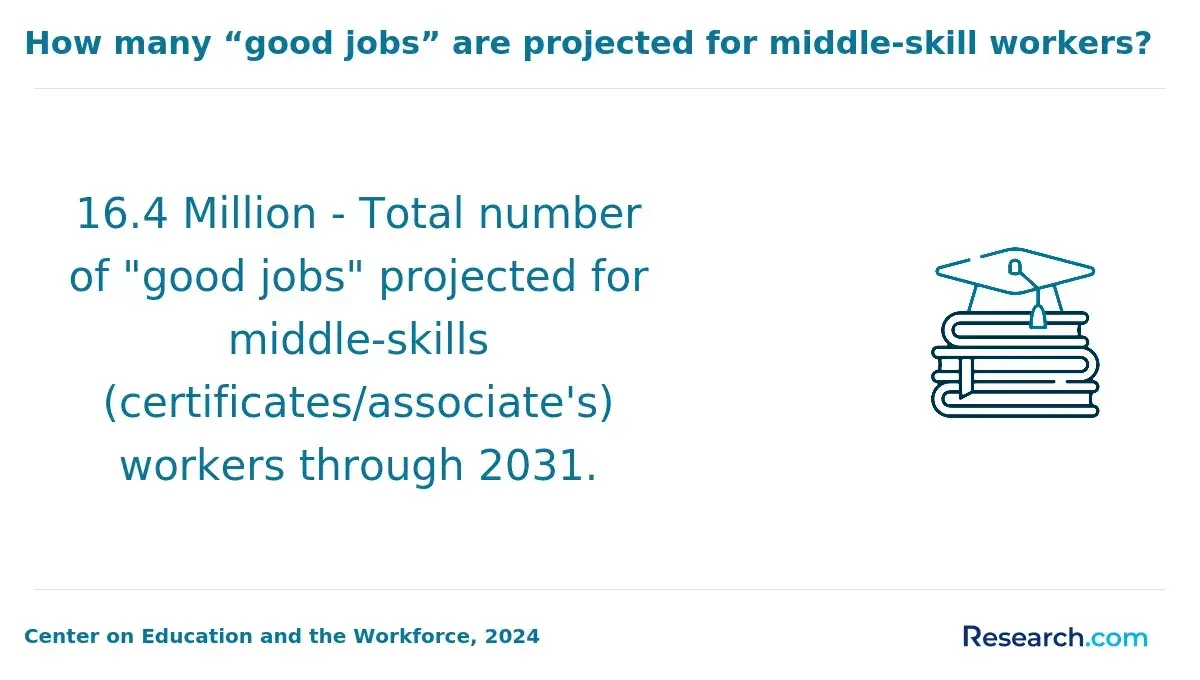
- Diverse Career Paths: Graduates often secure positions like research scientist, data analyst, laboratory manager, and environmental consultant, reflecting the range of industries actively seeking advanced science expertise.
- Competitive Income Levels: Median salaries for those holding science master's degrees typically range between $65,000 and $95,000 annually, influenced by specialization and industry demand, with room for advancement tied to demonstrated skills.
- Use of Competency Portfolios: Documented portfolios of assessed skills allow CBE grads to offer concrete evidence of their abilities during job searches and interviews, increasing their competitiveness.
- Professional Networking and Associations: Connecting with science-focused professional groups and alumni networks linked to CBE programs helps graduates access job leads, mentorship, and ongoing development opportunities.
What Graduates Say About Their Competency-Based Online Science Master's Degrees
- Jack: "I chose a competency-based online science master's degree because it allowed me to leverage my existing knowledge and accelerate through familiar subjects, which saved me so much time. The cost was remarkably affordable compared to traditional programs, making it easier to manage alongside my budget. Professionally, earning this degree opened doors to advanced research roles and gave me confidence to lead innovative projects."
- Kenneth: "Reflecting on my journey, the flexibility of the competency-based format was crucial since I balanced work and family responsibilities. The financial investment felt justified because I avoided unnecessary tuition for repetitive coursework, focusing only on new competencies. This degree enhanced my expertise and credibility in the field, boosting both my job performance and opportunities for promotion."
- Marianne: "The primary reason I pursued a competency-based online science master's degree was its focus on mastering practical skills rather than just completing credits. The program's cost-effectiveness was a significant factor, enabling me to advance my education without excessive debt. After graduating, I noticed a measurable impact in how I apply scientific principles at work, which has improved both my efficiency and innovation."
Other Things You Should Know About Science Degrees
Competency-based online Science master's programs typically provide a range of support services tailored to adult learners and flexible schedules. Students often have access to academic advising, tutoring, technical support, and career counseling. Many programs include mentorship or faculty coaching to help with personalized learning plans and competency assessments, ensuring students can progress effectively through self-paced coursework.
The main difference is that competency-based Science programs allow students to progress at their own pace by demonstrating mastery of core skills, whereas traditional programs follow a set schedule of credit hours and courses. This flexibility can lead to faster completion times for motivated learners but may require more self-discipline. Both approaches follow rigorous curricula, but competency-based models emphasize skill application and practical outcomes in the Science field.
Pros include flexible pacing, often lower costs due to accelerated timelines, and a focus on practical skills that can directly improve Science careers. The self-directed learning environment suits independent learners who need to balance study with professional or personal commitments. Cons may involve less structured interaction with peers and faculty and potential skepticism from some employers unfamiliar with the CBE model. Additionally, students who require more guidance or traditional classroom dynamics might find CBE programs challenging.
References
- Online Educational Delivery Models: A Descriptive View https://er.educause.edu/articles/2012/11/online-educational-delivery-models--a-descriptive-view
- Understanding Competency-Based Master's Degrees: A Path to Practical Expertise - Oreate AI Blog https://www.oreateai.com/blog/understanding-competencybased-masters-degrees-a-path-to-practical-expertise/f863b8f1f1ad6a0668e1d7543e6098b1
- Credit for Prior Learning - White Mountains Community College https://www.wmcc.edu/credit-for-prior-learning/
- Master's Degree Requirements https://cbe.seas.upenn.edu/graduate/masters/degree-requirements/
- Measuring Mastery: Best Practices for Assessment in CBE https://www.luminafoundation.org/resource/measuring-mastery/
- 10 Key Components of a Competency-Based Education Program https://www.openlms.net/blog/education/10-key-components-competency-based-education-program/
- How Long is an Online Master's Degree Program? OnlineEducation.com https://www.onlineeducation.com/faqs/how-long-to-earn-masters-degree
- How Long Does It Take To Study A Distance Learning Masters? https://www.postgrad.com/online-distance-learning/study-advice/how-long-does-it-take-to-study-a-distance-learning-masters/
- Demonstrating and Assessing Mastery, and Managing Mastery Learning Data https://www.gettingsmart.com/2019/09/11/demonstrating-and-assessing-mastery-and-managing-mastery-learning-data/
- 2025 Most Affordable Online Master's Programs https://www.onlineu.com/most-affordable-colleges/masters-degrees