
2027 Database Management Degree Programs for Career Changers

Co-Founder and Chief Data Scientist
Many working professionals face uncertainty when shifting careers without formal training in database management. This skills gap can delay job placement or limit advancement in the competitive tech workforce. However, 63% of adult learners pursuing database management degrees report higher employment rates within six months of graduation, highlighting the degree's practical value. With increasing demand for data handling expertise across industries, transitioning through a database management program offers a strategic pathway.
This article explores how database management degree programs specifically support career changers by providing targeted education, hands-on experience, and guidance to ensure a smooth and confident entry into the field.
Key Things to Know About Database Management Degree Programs for Career Changers
- Many database management degree programs offer flexible scheduling, including evening and weekend classes, enabling working adults to balance education with full-time employment effectively.
- Online and hybrid formats are common, allowing students to access coursework remotely while benefiting from interactive learning tools and occasional in-person sessions.
- Accelerated pacing and targeted support services, such as career counseling and tutoring, increase completion rates among career changers entering the database management workforce, projected to grow 8% through 2032.
What Database Management Programs Accept Career Changers?
Many database management degree programs are designed to accommodate career changers by offering flexible prerequisites and practical curricula that meet the needs of working adults. Recent data shows nearly 40% of graduate students in technology-related fields are adult learners, demonstrating a strong trend toward accommodating nontraditional students.
Programs commonly welcoming career changers include:
- Master's Degrees: These programs often allow flexible entry requirements, sometimes requiring only a general undergraduate degree. The curriculum emphasizes applied skills, enabling career changers to build relevant expertise efficiently.
- Post-Baccalaureate Certificate Programs: Offering condensed, skill-focused coursework, these certificates provide a solid foundation in database management without the time commitment of a full degree. They are particularly suited for career changers seeking targeted training.
- Hybrid Degree and Certificate Programs: These combine online and in-person learning, balancing flexibility with hands-on experience. Career changers benefit from practical exposure while managing other responsibilities.
- Bootcamp-Style Courses: Intensive and skill-driven, these programs require minimal prerequisites and focus on hands-on learning. They allow quick upskilling, ideal for professionals eager to enter database roles promptly.
Each program type supports career changers by valuing prior professional experience and emphasizing skill transferability. These features make database management degree programs for nontraditional students an efficient path for those looking to enter or advance in this field. For those exploring fast-track options, edd online programs offer examples of flexible graduate learning models worth considering.
What Database Management Specializations Are Best for Career Changers?
Selecting the right database management specialization is critical for career changers as it ensures new skills align with market demand and leverages previous experience. According to recent studies, professionals in data-related fields grow by 15% annually, significantly outpacing many other tech roles. Below are four top database management specializations that offer flexible learning paths for career changers.
- Data Analytics: Builds on analytical skills common in many industries, offering a smooth transition for professionals skilled in problem-solving and critical thinking. This specialization provides practical skills that align with data-driven decision-making across numerous fields.
- Database Administration: Focuses on managing and securing databases, making it ideal for individuals with organizational and IT support backgrounds who want to deepen their technical expertise. Strong attention to detail and process improvement skills transfer well here.
- Data Warehousing: Involves designing systems for efficient data storage and retrieval, attracting candidates familiar with business intelligence or logistics. This path emphasizes structuring data to support analytics and reporting, appealing to those with process and workflow experience.
- Cloud Database Management: Emphasizes managing databases in cloud environments, accessible to learners new to tech who seek high career mobility in an expanding field. This specialization offers adaptability and growth opportunities for professionals transitioning into technology.
Career changers should also explore cheapest online counseling degree options when considering educational investments. Choosing one of the top database management degree tracks focused on practical skills for professionals switching careers can help ensure a confident and efficient transition.
What Are the Admission Requirements for Career Changers Applying to a Database Management Program?
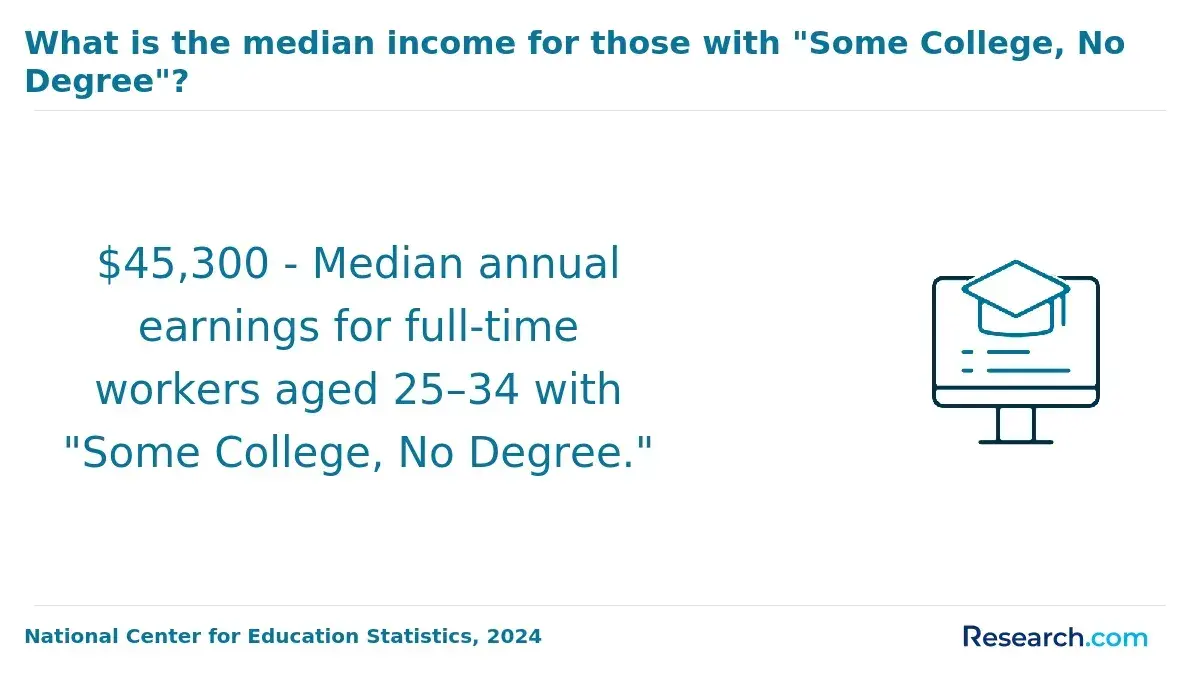
For career changers, clarity about admission requirements reduces uncertainty and helps balance work, family, and studies while pursuing new qualifications. Adults represent around 40% of undergraduate enrollment nationally, demonstrating the need for accessible pathways tailored to nontraditional students. Below are common admission criteria for career changers applying to a database management program, emphasizing flexibility and recognition of prior experience.
- High School or Equivalent: Most programs require a high school diploma or GED. This baseline ensures foundational academic readiness without excluding adult learners.
- Transcripts: Applicants typically submit transcripts from previous college coursework if applicable. These help assess transferable academic credits, easing the transition into the new field.
- Standardized Tests: Some programs may request SAT or ACT scores, though many waive this for applicants with relevant work experience or certifications, accommodating working professionals.
- Personal Statement: A concise explanation of career goals, motivation, and how the database management degree aligns with your ambitions is often requested. This supports admissions in understanding your unique background.
- Transferable Experience: Recognition of IT support, project management, or data analysis experience can provide alternative admission routes. Some programs offer credit for professional certifications or work experience to address prerequisites.
- Foundational Courses: For those needing to bridge knowledge gaps, programs often allow completion of key courses before full acceptance, supporting gradual learning progress.
Career changers exploring flexible admission requirements for nontraditional students in database management degrees can also benefit from reviewing options in related fields such as psychology degree online, which share adaptive policies.
What Is the Coursework for a Database Management Degree for Career Changers?
Career changers benefit greatly from knowing the structure of a database management degree program before enrolling, as it helps align their educational path with existing responsibilities and career goals. These programs often balance flexibility with rigorous, practical learning. Key coursework includes:
- Database Design: Covers organizing and structuring data through schema creation and rules that ensure data accuracy and consistency, helping learners develop a coherent framework for databases.
- Data Modeling: Focuses on visual and logical methods to represent complex data relationships, essential for planning efficient and scalable database architectures.
- Database Administration: Teaches hands-on management techniques, including performance optimization, security measures, and backup strategies critical to maintaining robust databases.
- Programming Skills: Emphasizes languages such as SQL and related scripting to enable practical data querying and manipulation skills vital in real-world database environments.
- Applied Projects and Collaboration: Integrates case studies, group assignments, and real-world scenarios to reinforce concepts and simulate work conditions, with many programs offering flexible schedules and tutoring support tailored for adult learners.
One professional who completed an online database management degree shared insights when asked about his experience transitioning careers: "Balancing my full-time job with coursework was challenging, especially during group projects across different time zones. The flexibility of the program was a lifeline, but managing deadlines required strict time management." He added, "The hands-on assignments felt like actual job tasks, which built my confidence. I was nervous at first about tackling technical concepts, but the support resources and interaction with instructors really helped." This combination of flexibility and practical application proved essential in his smooth career shift.
What Database Management Program Formats Are Available for Career Changers?
Career changers often need education options that adapt to busy lifestyles, with over 40% of postsecondary students classified as adult learners who benefit from flexible learning paths. Choosing the right program format can make it easier to balance work, family, and study commitments. Several formats cater to these needs, including:
- Online Programs: These are fully virtual and offer the greatest flexibility, letting students access lectures and materials anytime from any location. They suit professionals needing to fit study around demanding schedules.
- Part-Time Study: By reducing the course load each term, part-time programs allow learners to progress steadily while managing work and personal responsibilities without losing academic rigor.
- Evening and Weekend Classes: Scheduled outside of standard working hours, these provide opportunities for in-person engagement and networking while accommodating full-time job commitments.
- Hybrid Formats: Combining online instruction with face-to-face sessions, hybrid models deliver both convenience and direct interaction, ideal for those who want some on-campus experience with flexible timing.
What Skills Do Career Changers Gain in a Database Management Program?
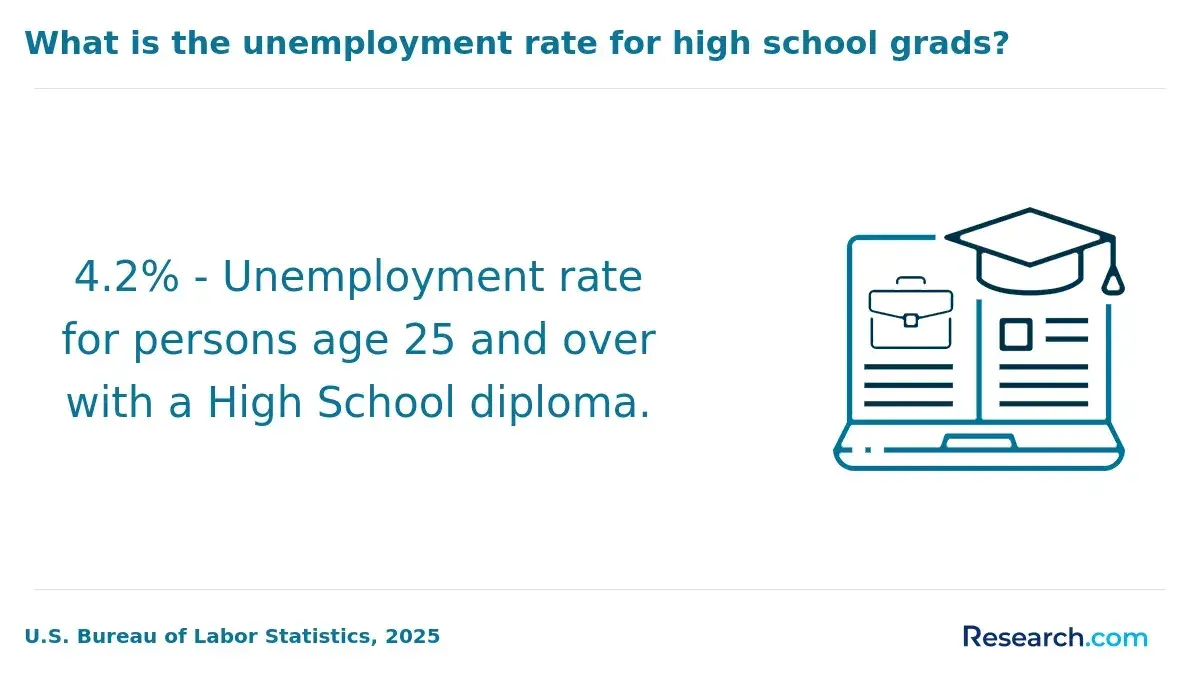
For career changers, acquiring new skills is essential to adapt successfully in rapidly shifting job markets. In fact, 54% of American adults have retrained to keep pace with workforce demands, underscoring the importance of versatile, technical abilities. The following outlines five core skills commonly developed in a database management program that support seamless career transitions.
- SQL Proficiency: Mastery of Structured Query Language enables learners to retrieve, manipulate, and analyze data, a fundamental capability in roles such as data analyst, database administrator, and business intelligence specialist.
- Data Modeling: Gaining expertise in organizing and structuring data helps create logical frameworks that improve system design, data consistency, and efficient information retrieval.
- Database Design and Development: Learning to build scalable, robust databases equips individuals to develop solutions that accommodate organizational growth and support diverse business operations.
- Problem-Solving with Data: This skill enhances the ability to identify, diagnose, and resolve issues related to data management, fostering adaptability and effective troubleshooting in professional environments.
- Understanding Data Security: Awareness of data protection principles helps safeguard sensitive information against cyber threats, ensuring compliance with privacy regulations and bolstering organizational trust.
When I spoke with a career changer who earned a database management degree, she emphasized how daunting it initially felt to start from scratch in a highly technical field. "At first, I struggled with processing the volume of new concepts, especially around data structures and security protocols," she shared. However, through hands-on projects and steady guidance, she developed confidence and practical skills that directly translated to her new role. She noted, "The problem-solving exercises were especially valuable; they forced me to think critically and apply what I learned immediately." This experience not only boosted her technical competence but also reinforced resilience and adaptability, key elements for sustaining a long-term career shift.
How Much Does a Database Management Degree Cost for Career Changers?
Career changers must carefully evaluate the full cost of earning a database management degree, especially as the average graduate student debt in the U.S. reaches approximately $66,000. Managing expenses alongside existing financial responsibilities requires a clear understanding of all potential costs involved. The following outlines the main cost components and considerations for working professionals pursuing affordable database management degree programs for working professionals.
- Tuition: Tuition varies widely based on program level and institution. Certificate and associate-level programs typically cost between $10,000 and $40,000, while bachelor's and master's degrees can range from $30,000 to $70,000 or more. Flexible payment options and employer tuition assistance may help reduce upfront expenses.
- Fees and Materials: Additional fees such as registration, labs, and mandatory materials can add several hundred to a few thousand dollars. These costs often cover technology access, software, or course-specific supplies required in database management coursework.
- Lost Income and Time: Career shifts may involve reduced work hours or temporary income loss. Many programs offer evening classes, online courses, or accelerated formats that accommodate working adults and help minimize indirect costs associated with education.
- Credit for Prior Learning: Recognizing professional experience or previous academic credits can shorten program length and lower tuition. This pathway is especially valuable for adult learners who already possess relevant skills.
- Scholarships and Grants: Financial aid targeted at adult learners or career changers can significantly improve affordability. Exploring scholarships aimed at nontraditional students can ease the financial burden of earning a database management degree.
For those seeking the cheapest online edd, similar cost-saving strategies apply, highlighting the importance of researching flexible and affordable educational options when planning a career change in technology fields.
How Does a Database Management Curriculum Support Career Transitions?
Curriculum design is especially important for career changers because it must balance foundational knowledge with practical skills that can be swiftly applied in new roles. This ensures that learners acquire confidence while minimizing time away from the workforce. Below are key features in a database management curriculum that facilitate career transitions:
- Applied Learning: Programs emphasize hands-on experience with current database tools and technologies, helping students bridge the gap between theory and practical application.
- Transferable Skills: Development of problem-solving, analytical thinking, and data organization skills equips learners with versatile abilities valuable beyond database management.
- Flexible Pacing: Options like part-time and online courses accommodate working adults juggling multiple responsibilities, making it easier to balance education with personal and professional life.
- Project-Based Coursework: Real-world scenarios guide students in building portfolios that showcase job readiness and practical proficiency to future employers.
- Interdisciplinary Modules: Integrating concepts from business, IT, and analytics prepares students for diverse roles in evolving job markets.
These curriculum strategies are integral to many database management degree programs for career changers, helping adult learners transition efficiently into new fields. For those interested in exploring flexible education options, researching online degrees can reveal suitable programs tailored to adult learners' needs.
What Careers Can Career Changers Pursue With a Database Management?
For professionals changing careers, knowing the potential job outcomes after earning a database management degree is essential for setting realistic goals and evaluating how existing skills apply. The U.S. Bureau of Labor Statistics forecasts a 9% increase in jobs for database administrators and similar roles through 2032, reflecting robust market demand. Below are several common career options available to those with database management training.
- Database Administrator: Overseeing database systems by ensuring security, optimizing performance, and maintaining data accuracy. Prior experience in organization and management enhances effectiveness in this role.
- Data Analyst: Analyzing datasets to provide insights that support strategic decisions. Those with strengths in analysis and communication can transition smoothly to this position.
- Business Intelligence Analyst: Crafting data-driven strategies to improve business outcomes. Skills in problem-solving and understanding operations help professionals adapt quickly.
- Data Architect: Designing and managing complex data frameworks that support organizational needs. This role suits individuals who excel at detailed planning and technical design.
- Database Developer: Developing and maintaining database applications. Backgrounds in programming or project coordination offer a strong foundation for success.
What Is the Average Salary After Earning a Database Management Degree as a Career Changer?
Salary expectations are a key consideration for professionals changing careers, as they influence financial planning and motivation throughout the transition. Recent data from the U.S. Bureau of Labor Statistics shows that those who reskill into database management roles can anticipate median annual earnings between $65,000 and $110,000. The following points highlight typical salary ranges and factors that affect compensation in this field.
- Entry-Level Database Administrators: Typically earn between $60,000 and $75,000 annually; prior experience in related fields can help boost starting pay.
- Mid-Level Analysts and Developers: Salaries generally range from $75,000 to $95,000, with earnings rising as technical skills deepen and project responsibilities grow.
- Senior Managers and Architects: These roles command $100,000 or more per year, reflecting advanced expertise and leadership duties.
- Industry Specialization: Working in sectors like finance or healthcare may increase salaries by 10-20%, due to the critical role of database systems in those areas.
- Location and Company Size: Geographic region and the scale of the employer significantly influence compensation levels within database management careers.
What Graduates Say About Their Database Management Degrees for Career Changers
- Pierce: "Deciding to shift careers wasn't easy, but enrolling in a database management degree program made all the difference. Considering the average cost of attendance was around $15,000, I viewed it as a worthwhile investment in my future. Now, I'm confidently working as a database analyst, and the program truly accelerated my transition."
- Beau: "I spent months weighing the financial commitment of a database management degree, which typically runs about $12,500, before taking the plunge. Reflecting on that choice, it was a pivotal step that equipped me with essential technical skills and real-world experience to successfully pivot my professional life. The program's practical approach helped me land a role in data administration faster than I expected."
- Jonathan: "As a professional looking to branch into database management, the decision to pursue formal education was both exciting and daunting. With the program cost averaging roughly $14,000, I made sure it aligned with my career goals. Completing the degree significantly expanded my expertise, and it opened doors I hadn't imagined possible in IT project management. I highly recommend it for career changers ready to invest in themselves."
Other Things You Should Know About Database Management Degrees
Previous work experience can sometimes shorten the duration required to complete a database management degree program. Many schools offer credit for relevant professional experience or prior learning through assessments or evaluations. This can help career changers transition more quickly while recognizing their existing skill sets.
The average duration to complete a database management degree program for career changers in 2026 is typically 2 to 3 years for a full-time master's program. Part-time programs may take longer, depending on the individual course load and other commitments.
References
- Explore Database Management Degree Programs https://www.computerscience.org/degrees/database-management/
- Best Database Management Programs in Arizona 2026 https://hakia.com/degrees/database-management/arizona/
- Equinix Career Transition Program | Build Your Future https://careers.equinix.com/equinix-career-transition-program
- Database Manager Skills in 2025 (Top + Most Underrated Skills) https://www.tealhq.com/skills/database-manager
- Data management: Leading roles and what you need to know https://www.cavendishprofessionals.com/data-management-leading-roles-and-what-you-need-to-know/
- Data Management Program | Miller-Motte College https://www.miller-motte.edu/programs/data-management/
- Database Administrator Career and Salary Profile https://online.fit.edu/degrees/undergraduate/cis/bachelor-science-computer-information-systems/database-administrator-career-and-salary-profile/
- Transitioning to a Database Career: A Guide for Beginners https://learnsql.com/blog/database-career/
- 3 Jobs that Transition into Data Analytics Careers | Course Report https://www.coursereport.com/blog/3-jobs-that-transition-into-data-analytics-careers-with-general-assembly
- How to Become a Database Manager: Career Path & Salary Guide | Paklogics https://paklogics.com/blog/how-to-be-a-database-manager-career-path-salary-guide/


