2027 Different Types of BFA (Bachelor of Fine Arts) Bachelor's Degrees: Specializations, Careers, and Salaries

Co-Founder and Chief Data Scientist
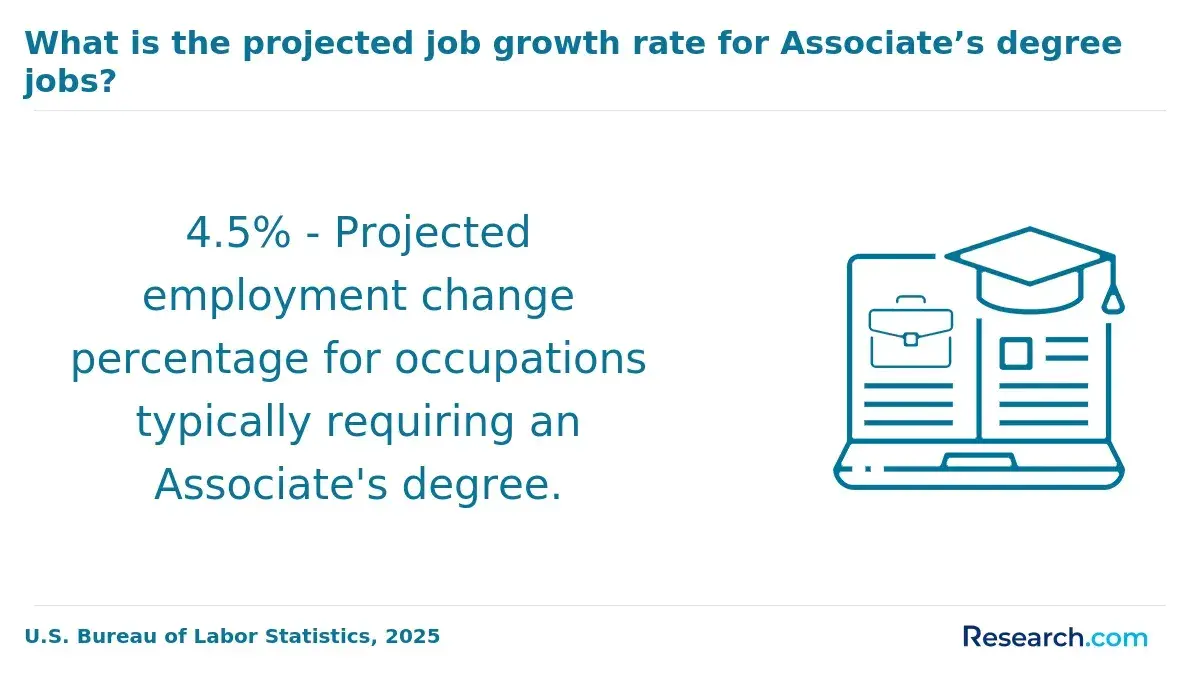
Choosing the right BFA (Bachelor of Fine Arts) specialization can feel overwhelming when faced with diverse options and unclear career outcomes. Many students struggle to align their artistic interests with viable job markets. Employment in creative fields is projected to grow 4% over the next decade, yet competition remains intense. Graduates often question which BFA path offers the best balance between personal passion and financial stability.
This article explores various BFA specializations, detailing corresponding career opportunities and average salaries. It aims to guide prospective students in making informed decisions that match their goals and market demands.
Key Things to Know About Different Types of BFA (Bachelor of Fine Arts) Bachelor's Degrees
- BFA degrees often specialize in areas like visual arts, theater, or graphic design, each offering tailored skills for specific creative industries.
- Typical careers include roles such as animator, set designer, or art director, reflecting the specialized training within each BFA path.
- Salary ranges vary widely; median earnings for BFA graduates often fall between $40,000 and $70,000 annually, depending on industry and experience.
What Are the Different Types of BFA (Bachelor of Fine Arts) Bachelor's Degrees?
Bfa (Bachelor of Fine Arts) bachelor's degrees are offered in multiple program formats, each tailored to different learning preferences and schedules. These variations differ in structure, pacing, and delivery methods, providing flexibility for students pursuing their specialized fine arts education. Currently, about 25% of bfa programs feature online or hybrid learning options, reflecting a significant shift towards accommodating diverse student needs.
Popular bfa specializations and their academic requirements vary, but program formats largely determine how students engage with their studies. The following are the primary types of bfa bachelor's degree programs available to students in the United States:
- Traditional Full-Time: Typically campus-based, these programs usually span four years of consistent study with regular classes and hands-on studio work, performances, or exhibitions integral to the curriculum.
- Accelerated: For students aiming to complete their degree faster, accelerated programs condense coursework through intensified schedules or year-round classes, allowing earlier entry into creative professions.
- Online: Fully digital delivery offers flexibility for students managing other responsibilities, though these programs often require careful planning to fulfill practical or studio components effectively.
- Hybrid: Combining online courses with in-person activities, hybrid formats strike a balance between convenience and essential hands-on experience in fine arts disciplines.
- Part-Time: Designed for working students or those with outside commitments, part-time programs extend the duration of study and often include evening or weekend classes.
Those exploring BFA degrees should also consider complementary programs; for example, applicants interested in graduate education might look at options such as BCBA master's programs online that offer further specialization. Choosing the right format supports both academic success and career goals in the arts.
What Specializations Are Available in a BFA (Bachelor of Fine Arts) Bachelor's Degree?
BFA (Bachelor of Fine Arts) bachelor's degree programs often provide a diverse range of specializations to help students focus on specific artistic disciplines. According to the National Center for Education Statistics, nearly 60% of fine arts bachelor's degrees awarded in the U.S. involve specialized study in areas such as visual arts, theater, or design.
These focused paths develop both technical skills and creative thinking essential for professional growth. For those exploring options, including how to apply for online bachelor of fine arts programs without a major, understanding available specializations is a key step.
Common specializations within bfa programs include:
- Visual Arts: This broad field covers mediums such as painting, drawing, sculpture, and photography. Students enhance their craft while studying art history and contemporary artistic practices.
- Theater and Performance: Emphasizing acting, directing, stage design, and production, this specialization blends practical skills with deep theoretical understanding of dramatic arts.
- Graphic Design: Focused on digital and print media, students learn visual communication, typography, and multimedia design through industry-standard software training.
- Animation and Digital Arts: Combining traditional art skills with technology, this area teaches motion graphics, 3D modeling, and storyboarding techniques.
- Photography: Emphasizing technical mastery of cameras, lighting, and editing, it also develops storytelling skills through visual imagery.
Each track typically balances studio work with coursework aimed at boosting conceptual development and professional preparation. Students without prior majors can explore online bfa admission requirements for non-majors to find suitable programs. For those interested in combining creative studies with practical business knowledge, researching options like an online business degree may provide valuable complementary skills.
2026 Update: Portfolio and Skill-Building Expectations for BFA Students
This 2026 update adds guidance on how BFA students can evaluate whether a program helps them build a competitive creative portfolio, not just complete studio coursework.
- Whether portfolio reviews are built into the curriculum before senior year
- Access to industry-standard tools, studios, labs, editing suites, or production spaces
- Opportunities to complete client-based, exhibition, performance, or collaborative projects
- Faculty feedback processes, including critiques, mentorship, and revision support
- Internship, residency, showcase, or capstone requirements tied to real creative work
- Support for digital portfolios, demo reels, artist statements, and professional presentation
Checking these factors can help students choose a BFA path that develops visible, career-ready work they can use for internships, auditions, freelance opportunities, graduate study, or first jobs.
What Entry-Level Jobs Can I Get With a BFA (Bachelor of Fine Arts) Bachelor's Degree?
A bachelor of fine arts (BFA) bachelor's degree opens doors to a wide range of entry-level roles across creative sectors. Data from the National Association of Colleges and Employers shows that around 72% of fine arts graduates find jobs within six months after completing their studies, illustrating solid career prospects. Here are some common positions graduates often step into.
- Graphic Designer: These professionals craft visual elements for advertising, websites, and print media. The role demands creativity, proficiency with design software, and the ability to collaborate effectively with marketing teams to maintain brand identity.
- Illustrator: Illustrators create original artwork for various media, including books and digital projects. This work enhances skills in both traditional and digital art techniques, emphasizing storytelling through visuals.
- Stage or Production Assistant: Those focusing on theater or performance art might assist with organizing props, coordinating costumes, and supporting technical setups. These jobs foster strong organizational abilities and a behind-the-scenes understanding of live show production.
- Assistant Photographer: Entry-level photographers often support lead photographers by handling equipment, arranging lighting, and post-processing images. This provides hands-on experience along with sharpening artistic vision and technical skills.
- Art Educator Assistant: Helping experienced teachers in schools or community centers, these positions develop instructional capabilities and deepen knowledge of art education practices.
When speaking with a professional holding a bfa degree, he shared insight into the uncertain path after graduation. "Finding the right entry-level job wasn't straightforward," he explained. "I had to adapt quickly, juggling freelance projects while seeking stable positions. The real challenge was learning how to market my skills and stay motivated amid rejections."
He emphasized that persistence and continuous skill-building were essential, noting, "Each small role taught me something new and ultimately led me to opportunities I hadn't anticipated." This perspective highlights the dynamic journey many BFA graduates face as they launch their careers.
What Industries Pay the Most for BFA (Bachelor of Fine Arts) Graduates?
Certain industries offer significantly higher salaries for BFA (Bachelor of Fine Arts) graduates, reflecting strong demand for their creative and technical skills. Salary trends in the US show that fields combining artistry with strategic and technological expertise tend to be the most rewarding financially. Below are key industries with the highest salaries for BFA graduates.
- Entertainment and Media: This sector covers film, television, theater, and video game production, where graduates work as animators, graphic designers, or art directors. It values creative storytelling and digital software skills, often resulting in higher median salaries compared to other arts-related fields.
- Advertising and Marketing: Graduates in this area focus on branding, multimedia design, and campaign development, utilizing creativity paired with strong communication. Positions like creative directors and user experience designers are common and command competitive pay due to the strategic impact of their work.
- Technology: UI/UX design, digital product creation, and visual content roles are increasingly filled by bfa graduates. An understanding of human-computer interaction combined with artistic insight is crucial, making the technology sector one offering rising compensation. For careers in interactive design, exploring video game design programs can also be beneficial.
What Is the Average Salary for BFA (Bachelor of Fine Arts) Bachelor's Degree Graduates?
The earning potential for bfa (Bachelor of Fine Arts) graduates fluctuates based on various elements like industry focus, professional experience, and specialization. Entry-level salaries for bfa holders in the United States usually range between $40,000 and $45,000 annually, offering a baseline figure for new graduates. Several important factors contribute to these variations.
- Industry Influence: Graduates employed in commercial or entertainment sectors often command higher salaries compared to those working in academic or non-profit environments.
- Location Factors: Metropolitan areas with robust creative markets tend to offer greater compensation due to increased demand for artistic professionals.
- Experience and Skill Growth: Advancing skills and accumulating relevant work history generally lead to more competitive pay and expanded opportunities.
- Employment Type: Pursuing freelance or contract roles can impact income consistency but sometimes results in higher overall earnings.
- Emerging Fields: Digital and multimedia arts are reshaping salary landscapes, presenting new prospects distinct from traditional fine arts paths.
When discussing the average salary, a professional with a BFA shared how her early years navigating the creative industry came with unpredictability. She emphasized the challenges of building a reliable income stream, especially when freelancing, describing the constant balancing act between passion projects and client work.
Despite these hurdles, she valued the flexibility and gradual growth in earnings as she expanded her portfolio and network, noting, "Income stability didn't happen overnight, but persistence and adapting to industry shifts greatly improved my career trajectory." This firsthand insight highlights the dynamic nature of salary development beyond initial figures.
How Do Salaries Compare Across BFA (Bachelor of Fine Arts) Specializations?
Earnings among BFA specializations differ considerably, reflecting the wide range of career paths within the creative arts. For instance, graphic designers tend to earn a median annual wage near $53,000, while fine artists, such as painters or sculptors, often have median pay closer to $49,000. Specializations linked to commercial art and digital design generally show higher salary ranges, highlighting disparities tied to the chosen focus area within a BFA program.
These salary variations stem from multiple factors, including the specific skills demanded by each specialization, market trends, and the nature of employment. Careers involving digital tools, technology, or collaboration within commercial settings often yield better compensation due to the technical expertise required and steady opportunities in industries like gaming, advertising, and user experience design. In contrast, traditional fine arts roles may offer less predictable income, especially when reliant on freelance work or art sales, which contributes to generally lower earnings in those fields.
Are Salaries Different for Online vs On-Campus BFA (Bachelor of Fine Arts) Graduates?
Online and on-campus BFA programs generally provide similar core skills and coursework, including art theory, studio practice, and creative technologies, ensuring graduates possess comparable technical abilities. Employers increasingly accept accredited online degrees as equivalent to traditional ones, especially when portfolios and work samples effectively showcase talent.
According to the National Association of Colleges and Employers (NACE), starting salaries for arts graduates from both online and on-campus programs differ by less than 5%, indicating strong parity in earning potential among graduates regardless of the study mode.
Salary differences between online and on-campus BFA graduates often hinge on factors like networking opportunities, practical experience, and industry demand. On-campus students typically have more access to in-person events, exhibitions, and mentorship, which can foster stronger professional connections.
Physical studio access and collaborative projects may also enhance hands-on skills for on-campus learners. However, graduates who invest in building a robust portfolio, seek internships, and actively engage with the art community can secure comparable career outcomes regardless of whether they studied online or in person.
Do Costs Vary Across BFA (Bachelor of Fine Arts) Bachelor's Degree Programs?
Tuition and fees for bfa (Bachelor of Fine Arts) programs can vary widely depending on a range of important factors. On average, annual tuition for public bfa programs typically falls between $7,000 and $15,000, while private institutions often exceed $30,000 per year. Several key elements influence these cost differences, including the following:
- Institution Type: Public colleges generally offer lower tuition rates for in-state students compared to private schools, which usually have higher fees regardless of residency status. This distinction can significantly affect overall expenses for a bfa degree.
- Program Format: On-campus bfa degrees often entail additional costs for studio use, specialized materials, and equipment fees, while online programs may reduce tuition but sometimes lack hands-on learning opportunities, impacting total costs and educational experiences.
- Program Length: Most BFA degrees require between 120 and 130 semester credits, but specializations with extra coursework or extended study periods can increase tuition and related expenses. Intensive programs including internships or exhibitions may also add to the total cost.
- Geographic Location: Schools located in urban areas may charge higher tuition and living costs compared to those in rural or smaller communities, influencing the overall financial commitment required.
- Specialized Programs: Certain bfa specializations, such as film production or animation, might involve extra fees for equipment and software licenses, contributing to cost variation among different fields.
Students researching bfa program tuition cost differences should also consider financial aid options for bfa degrees to help mitigate expenses. For those looking to further their education, exploring the masters of human resources can be a strategic pathway after completing a bfa degree.
What Financial Aid Options Are Available for BFA (Bachelor of Fine Arts) Students?
Students pursuing a BFA (Bachelor of Fine Arts) degree can access various financial aid resources to help manage tuition and related expenses. According to the National Center for Education Statistics, about 85% of undergraduate students in the United States receive some form of financial aid, which highlights the availability of support for arts students. These options can significantly ease the financial burden and make artistic education more attainable.
Several primary types of financial aid programs for bfa students include:
- Federal Grants: These need-based funds do not require repayment. The Pell Grant is a common example that helps eligible low-income students cover education costs without accumulating debt.
- Student Loans: Federal subsidized and unsubsidized loans offer funds that must be repaid with interest but often feature lower rates and flexible repayment terms compared to private loans, providing manageable ways to finance education.
- Scholarships: Scholarship opportunities for bachelor of fine arts degrees often reward merit or artistic talent. Many organizations, foundations, and arts councils specifically support fine arts students, helping to reduce or eliminate tuition expenses.
- Work-Study Programs: These allow students to gain professional experience through part-time employment, on or off campus, while earning money to support their education.
- State and Institutional Aid: Additional grants, scholarships, and financial support tailored to arts students may be available from state governments and colleges, which can be crucial in covering costs beyond tuition.
By combining these financial aid options, BFA students can develop a comprehensive financial plan that supports their studies and artistic careers without excessive debt. Students should also explore diverse educational pathways, including the quickest masters degree online, to continue advancing their skills efficiently.
What Factors Should I Consider When Selecting a BFA (Bachelor of Fine Arts) Degree?
Choosing an appropriate BFA degree calls for assessing a range of academic and personal factors. Studies reveal that about 67% of students prioritize programs offering diverse specialization tracks, emphasizing the importance of a tailored educational path. Below are key considerations to guide your selection process.
- Academic Interests: Identify your primary artistic passions, whether in visual arts, dance, theater, or related fields. Choosing a program aligned with your interests helps foster engagement and skill mastery.
- Specialization Options: Seek out BFA programs with varied concentrations to provide flexibility and the chance to develop expertise in your chosen medium or area of study.
- Program Format: Consider if you prefer hands-on, studio-based learning or more adaptable online or hybrid courses that balance practical work with schedule flexibility.
- Career Alignment: Evaluate how well programs prepare you for relevant industries through internships, portfolio development, and job placement support, ensuring your education supports employability.
- Long-Term Goals: Reflect on career ambitions beyond graduation, aiming for programs that enhance prospects in artistic careers, graduate studies, or interdisciplinary fields.
What Graduates Say About Different Types of BFA (Bachelor of Fine Arts) Bachelor's Degrees
- Moira: "Choosing a BFA with a specialization in graphic design was a decision driven by my passion for visual storytelling and digital art. The hands-on projects and portfolio development throughout the program truly prepared me to enter the competitive creative industry. After graduation, my BFA opened doors to freelance opportunities that quickly grew into a full-time career with a significant salary increase."
- Lila: "Reflecting on my time earning a BFA in theater, I realize how crucial it was in shaping my confidence and networking skills. The rigorous training in acting and production arts provided a strong foundation that made the transition to professional stages much smoother. Pursuing this degree not only fueled my artistic growth but also led to consistent career advancement and financial stability."
- Eva: "My decision to pursue a BFA in animation was motivated by a lifelong dream to work in film and gaming. The comprehensive curriculum combined with industry internships accelerated my skill development and enhanced my resume. Since graduating, the degree has significantly boosted my earning potential and positioned me well for continuing career growth in a dynamic field."
Other Things You Should Know About BFA (Bachelor of Fine Arts) Degrees
In 2027, BFA students can access numerous professional opportunities, such as internships, freelance projects, and part-time roles in their fields. Collaborating with industry professionals can provide valuable experience and networking, enhancing their career prospects post-graduation.
Yes, many bfa programs allow students to pursue double concentrations or minors in related arts disciplines. This flexibility helps students develop a broader skill set and increases their versatility in the job market. However, fulfilling multiple specializations may require additional coursework or extended study time.
Bfa programs generally require students to submit a portfolio both for admission and as a part of graduation requirements. Portfolios typically include samples of the student's best artistic work, reflecting their specialization and technical skills. Some schools may also ask for project proposals or artist statements to evaluate creativity and conceptual thinking.
Many bfa students gain practical experience through internships, exhibitions, and freelance projects during their studies. These opportunities help build professional networks and can improve future employment prospects. Some programs include cooperative education components that integrate paid work experience as part of the curriculum.
References
- Can a Bachelor of Fine Arts be a Good Career Option for You? https://www.mguindia.com/blogs/can-a-Bachelor-of-fine-arts-be-a-good-career-option-for-you
- How much does it cost to obtain a bachelors in fine arts? - Answers https://www.answers.com/education/How_much_does_it_cost_to_obtain_a_bachelors_in_fine_arts
- Bachelor of Fine Art BFA https://www.unirank.org/guides/university-programs-courses/bachelor-of-fine-art/
- Bachelors of Fine Arts (BFA) - Suitability and Eligibility - Edusanjal https://edusanjal.com/watch/bachelors-of-fine-arts-bfa-suitability-and-eligibility/
- What is the difference between a B.A. and a BFA? - RMCAD https://www.rmcad.edu/blog/what-is-the-difference-between-a-b-a-and-a-bfa/
- BA vs BFA Degree: What's the Difference? (How to Choose) https://www.allartschools.com/bachelor-art-fine-arts-compared/
- B.F.A. in Fine Arts Colleges in United States of America: Ranking, Course Fees, Eligibility, Scholarship, Scope https://studyabroad.careers360.com/usa/bfa-in-fine-arts-colleges-in-usa-fcspg