2027 Different Types of Legal Studies & Law Bachelor's Degrees: Specializations, Careers, and Salaries

Co-Founder and Chief Data Scientist
Imagine a student unsure whether to pursue criminal justice, corporate law, or environmental policy within legal studies & law. Choosing the wrong specialization can lead to limited job opportunities and stagnant salaries, with the Bureau of Labor Statistics projecting a 6% growth in legal occupations through 2032, underscoring rising demand for sector-specific expertise. Navigating these choices requires clear insight into each pathway's career prospects and financial outlook.
This article explores the distinct specializations available in legal studies & law bachelor's degrees, detailing related careers and salary expectations to help prospective students make informed, strategic educational decisions.
Key Things to Know About Different Types of Legal Studies & Law Bachelor's Degrees
- Common specializations include criminal justice, corporate law, and environmental law, each preparing students for distinct legal frameworks and industry demands.
- Graduates often pursue careers as paralegals, compliance officers, or legal analysts, with some advancing to law school for attorney roles.
- Entry-level salaries typically range from $45,000 to $60,000 annually, with mid-career professionals earning above $85,000 depending on specialization and location.
What Are the Different Types of Legal Studies & Law Bachelor's Degrees?
Legal studies & law bachelor's degrees are offered in a variety of program formats that differ in structure, pacing, and delivery method to meet diverse student needs. Approximately 40% of undergraduate law-related programs in the U.S. now provide online or hybrid options, reflecting increasing demand for flexible education paths. These program formats accommodate different schedules while ensuring a solid foundation in legal principles, preparing students for various career paths and specializations.
Below are common types of legal studies and law undergraduate programs:
- Traditional: This format features full-time, on-campus classes with a fixed academic calendar. It is ideal for students seeking a structured classroom environment and direct interaction with faculty and peers, typically spanning four years of in-person lectures and discussions.
- Accelerated: Designed for motivated students, accelerated programs condense coursework into shorter terms or increase the course load to enable faster degree completion. This option facilitates quicker entry into legal careers or related fields.
- Online: Online programs offer complete flexibility by delivering courses via the internet. These programs attract working adults or those balancing other commitments, often featuring recorded lectures and virtual discussions tailored to remote learners.
- Hybrid: Combining online and in-person instruction, hybrid programs provide face-to-face engagement alongside the convenience of online coursework. Students attend some campus sessions while completing the remainder remotely.
- Part-Time: Part-time programs cater to students unable to commit full-time due to work or personal responsibilities. Classes are typically offered during evenings or weekends, extending the overall timeline for graduation.
To explore advanced educational opportunities beyond undergraduate degrees, students can consider online doctorate degrees that offer various legal specializations and pathways. Selecting the right format and focus is essential for aligning academic pursuits with career goals and potential salary outcomes.
What Specializations Are Available in a Legal Studies & Law Bachelor's Degree?
Many legal studies & law bachelor's degree programs offer a range of specializations, allowing students to tailor their education toward specific interests and career goals. Recent surveys show that about 60% of these programs provide multiple specialization options, reflecting the increasing demand for focused expertise in various legal areas. Exploring these specializations can help students develop the skills needed for both graduate studies and professional work.
Prospective students should also consider admission criteria for online legal studies and law master's programs, as these often require foundational knowledge in specialized fields. Here are some common specializations offered within legal studies & law bachelor's programs:
- Criminal Law: This specialization focuses on the legal framework surrounding crimes, law enforcement, and the criminal justice system. It cultivates critical thinking and analytical skills related to statutes, case law, and courtroom procedures.
- Constitutional Law: Students study the principles of government, individual rights, and constitutional interpretation. This area builds a deep understanding of legal theory, public policy, and civil liberties.
- Corporate Law: Emphasizing business-related legal issues, this track covers corporate governance, contracts, mergers, and intellectual property. It prepares students for advisory roles in the corporate sector.
- Environmental Law: Addressing natural resource management and sustainability, this emerging specialization deals with statutes and regulations on pollution control and global environmental concerns.
- Family Law: Covering subjects such as marriage, divorce, child custody, and estate planning, this specialization strengthens interpersonal and negotiation skills while handling sensitive social issues.
Students without a prior legal background interested in requirements for enrolling in online law graduate degrees for non-majors can benefit from choosing a specialization that aligns with their career goals. For those exploring affordable degree options, resources like the cheapest online colleges can provide valuable guidance.

2026 Update: Employer-Ready Skills and Legal Tech Exposure
This 2026 update adds a practical lens on the skills, tools, and applied experiences that can make a legal studies or law bachelor’s degree more useful after graduation.
- Courses that build legal research, case briefing, statutory analysis, and professional legal writing skills.
- Exposure to legal technology tools used for document management, e-discovery, compliance tracking, or case organization.
- Opportunities to practice client communication, interviewing, negotiation, and ethical decision-making.
- Internships, clinics, simulations, or capstone projects connected to courts, law firms, nonprofits, agencies, or corporate legal teams.
- Curriculum coverage of growing areas such as privacy, cybersecurity, healthcare compliance, contracts, and regulatory work.
- Options to prepare for paralegal certification, law school applications, or graduate study if those fit your goals.
Checking these details helps students compare programs beyond titles and salaries, focusing on whether the degree builds skills they can actually use in legal and law-adjacent roles.
What Entry-Level Jobs Can I Get With a Legal Studies & Law Bachelor's Degree?
A bachelor's degree in legal studies & law opens the door to numerous entry-level roles across legal and related sectors. Nearly two-thirds of graduates secure positions pertinent to their degree within a year, highlighting consistent demand for these foundational skills. Below are some typical career options for recent graduates.
- Paralegal or Legal Assistant: Supporting lawyers by conducting research, preparing legal documents, and organizing case files, this role builds proficiency in legal procedures and enhances critical communication and management abilities.
- Compliance Analyst: Often found in finance or healthcare, these professionals ensure organizations adhere to laws and policies through risk evaluation and reporting, strengthening analytical skills and regulatory knowledge.
- Court Clerk: Handling court records, assisting judges with docket preparation, and offering courtroom support, this job provides hands-on experience with judicial processes and administrative precision.
- Legal Researcher or Policy Assistant: Frequently working for nonprofits, government agencies, or think tanks, these roles involve examining legal precedents and drafting policy reports, cultivating advanced research and writing talents.
- Law Office Administrator: Managing scheduling, billing, and client communications within legal firms, this position develops business management skills tied closely to legal office operations.
A professional with a legal studies & law bachelor's degree shared that entering the workforce was initially daunting due to the competitive nature of legal roles. "It wasn't just about having the degree," he explained, "but demonstrating adaptability and eagerness to learn through internships and volunteering." He emphasized the importance of patience during the job search, noting how each position, even if seemingly peripheral, contributed valuable insight into legal environments and helped refine his career goals over time.
What Industries Pay the Most for Legal Studies & Law Graduates?
Graduates with a legal studies & law bachelor's degree often find higher pay in industries that value specialized legal knowledge and complex regulatory expertise. Salary trends indicate that professionals in this field can earn 15-30% more than the national average when employed in top sectors. Below are some of the highest paying industries for legal studies and law graduates to consider.
- Corporate Sector: This industry offers strong compensation within corporate law and compliance teams. Graduates typically handle contract review, risk management, and regulatory adherence, emphasizing skills like negotiation, analytical thinking, and corporate governance understanding.
- Financial Services: Legal studies and law bachelor's degree holders working here focus on navigating securities law, financial crime prevention, and compliance with complex financial regulations. Attention to detail and ethical judgment are highly valued skills in this fast-paced sector.
- Government and Public Administration: Federal and legislative bodies employ graduates for roles involving policy development, legislative drafting, and regulatory oversight. Success depends on strong research capabilities, clear communication, and knowledge of administrative law.
For students exploring affordable pathways into law-related fields, exploring the cheapest criminal justice degree online options can be a smart first step toward gaining relevant experience and opening doors to these lucrative industries.
What Is the Average Salary for Legal Studies & Law Bachelor's Degree Graduates?
Salaries for graduates holding a bachelor's degree in legal studies & law fluctuate based on several essential factors, including industry, experience, and specialization. Research shows that early-career professionals in this field often earn between $50,000 and $60,000 annually in roles like legal support and compliance. The following points highlight key influences on salary potential.
- Industry Impact: Compensation varies greatly depending on the sector. Corporate legal departments and financial firms typically offer more competitive salaries than government agencies or nonprofits.
- Experience Level: Entry-level wages tend to increase substantially after a few years on the job, especially as individuals acquire expertise and take on greater responsibilities.
- Location: Earnings are often higher in metropolitan areas or regions with elevated living costs due to demand and market conditions.
- Employer Size: Larger companies and multinational corporations generally provide better pay packages compared to smaller organizations.
- Additional Credentials: Pursuing certifications or advanced education can enhance earning potential beyond the baseline bachelor's degree qualification.
When I spoke with a professional who graduated with a legal studies & law bachelor's degree, she described her early career as both challenging and rewarding. She recalled the learning curve during her first compliance role, where understanding complex regulations required dedication beyond what was taught in undergraduate courses. "It was a steep climb at first, but that pushed me to develop skills that later translated into better job offers," she explained. Balancing ongoing education with work commitments was a pivotal experience that helped her gradually increase her salary. She emphasized that staying adaptable and continuously building expertise made a significant difference in her financial growth over time.
How Do Salaries Compare Across Legal Studies & Law Specializations?
Salaries within legal studies & law vary significantly depending on the chosen specialization. For instance, those specializing in corporate law typically earn median annual wages about 25% to 30% higher than professionals focused on criminal defense or family law. This wide range reflects the earning potential tied closely to the specific sector and role within the field.
Several elements influence these earnings discrepancies, including the complexity of skills required and the demand within particular industries. Specializations that involve detailed knowledge of intricate legal matters, such as intellectual property or mergers and acquisitions, often receive higher compensation. Additionally, working environments matter; legal professionals in large private firms usually enjoy greater pay than those in government or nonprofit settings, largely due to the nature and stakes of the cases handled.
Are Salaries Different for Online vs On-Campus Legal Studies & Law Graduates?
Salaries for online and on-campus legal studies & law bachelor's degree graduates generally reflect comparable core skills and coursework, such as constitutional law, criminal justice, legal research, and critical thinking. Employers increasingly recognize online degrees from accredited institutions as legitimate, reducing bias against online graduates in hiring. A study revealed an average 5% higher starting salary for on-campus graduates, mainly due to enhanced networking and experiential learning rather than academic differences. Both formats produce graduates with similar knowledge bases, but employer perceptions can still vary slightly depending on the degree delivery method.
Several factors influence any salary disparities, including access to internships, practical legal experiences, and networking with professors, alumni, or legal professionals. On-campus students often benefit from direct exposure to these opportunities through moot courts and legal clinics, which bolster employability and salary prospects. In contrast, online students may need to proactively seek such experiences independently, presenting challenges. Additionally, geographic location and industry demand, such as employment in metropolitan areas or corporate law sectors, play significant roles in salary outcomes beyond education format alone.
Do Costs Vary Across Legal Studies & Law Bachelor's Degree Programs?
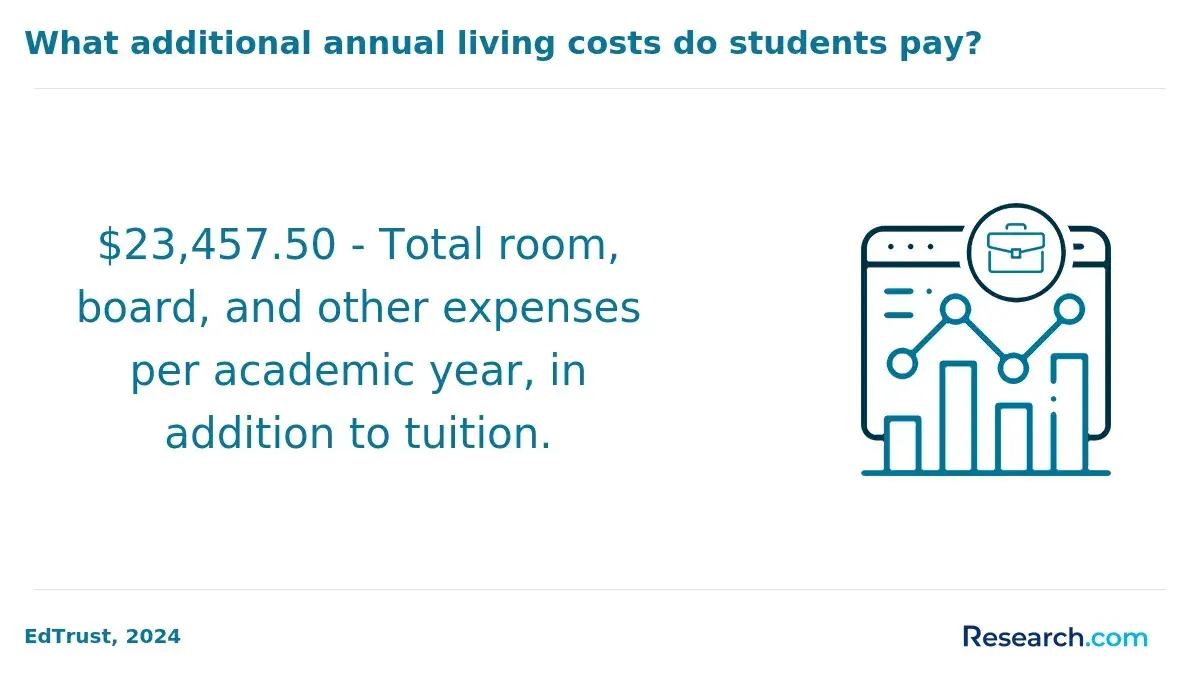
Tuition and fees for legal studies & law bachelor's degree programs vary widely, with average annual costs ranging from $10,000 to over $30,000 depending on the institution and program type. Several key factors influence these cost differences, shaping how much students might invest in their education. Consider the following aspects:
- Institution Type: Public universities often offer lower tuition for in-state students due to government support, whereas private schools typically charge higher rates that can exceed $30,000 annually.
- Program Format: Online legal studies & law programs may offer more affordable options compared to traditional on-campus programs because of reduced facility expenses. However, some online degrees still have fees comparable to campus courses, influenced by the school's reputation and resources.
- Program Length: Accelerated or shorter programs with fewer credits can lower total tuition costs, while extended programs with additional specializations or credit requirements may increase expenses.
- Geographic Location: Colleges located in urban or high cost-of-living areas often have higher tuition and fees compared to institutions in rural regions.
- Curricular Focus: Programs emphasizing experiential learning, internships, or specialized legal fields may involve unique fees related to materials or resources.
Prospective students should also explore financial aid options for law and legal studies undergraduate degrees to help manage costs effectively. For those interested in further education beyond a bachelor's, options such as an online masters in social work highlight alternative pathways within related fields.
What Financial Aid Options Are Available for Legal Studies & Law Students?
Students pursuing legal studies & law bachelor's degrees have access to various financial aid resources designed to help cover tuition and related expenses. According to the National Center for Education Statistics, over 85% of undergraduate students receive some form of financial aid, highlighting its crucial role in funding higher education. Here are some key types of financial assistance available:
- Federal Grants: These need-based grants, such as the Pell Grant, provide aid without requiring repayment. They are often targeted to low-income students and help cover tuition and fees effectively.
- Student Loans: Federal student loans offer lower interest rates and flexible repayment options compared to private loans. They can be a useful funding option, but students should carefully consider the amount borrowed to minimize long-term debt.
- Scholarships: Many scholarships are awarded based on academic merit, leadership skills, or specific criteria related to legal studies & law. Scholarships do not require repayment and can significantly reduce educational costs. Students researching scholarships should explore opportunities tailored specifically for legal studies & law bachelor's degree candidates.
- Work-Study Programs: These programs provide part-time work opportunities, often on campus, that help students earn money while gaining practical experience relevant to their chosen field.
- State and Institutional Aid: Additional grants and scholarships vary by location and institution, supplementing federal options to further ease financial burdens. Prospective students can also consider an associates degree online as a cost-effective stepping stone in legal education pathways.
What Factors Should I Consider When Selecting a Legal Studies & Law Degree?
Choosing the appropriate legal studies & law bachelor's degree requires weighing several academic and personal factors to ensure the program fits your goals. Studies reveal that 62% of students focus heavily on available specializations and career prospects when selecting their degree. Below are key considerations to guide your decision.
- Academic Interests: Pinpoint areas of law that genuinely captivate you, such as criminal justice or corporate law. This helps maintain motivation and fosters a deeper engagement with your studies.
- Specialization Availability: Look for degrees offering diverse concentrations, which can enhance your expertise in specific legal fields and increase employability.
- Program Format: Determine whether an online, in-person, or hybrid program suits your learning style and lifestyle, supporting your ability to succeed academically.
- Career Alignment: Ensure the curriculum aligns with your intended career path, whether aiming for roles in legal support, paralegal work, or preparation for law school.
- Long-Term Goals: Reflect on your future ambitions, such as careers in litigation or policy advocacy, to select a degree that strengthens your professional development and earning potential.
What Graduates Say About Different Types of Legal Studies & Law Bachelor's Degrees
- Orlando: "Choosing a legal studies & law bachelor's degree specialization was a deliberate step to align my passion for justice with a practical career path. This program gave me critical analytical skills and a deep understanding of legal frameworks that helped me secure a role at a respected law firm right after graduation. The knowledge I gained not only accelerated my career growth but also positively impacted my salary, making it a truly rewarding investment."
- Zion: "Reflecting on my time studying legal studies & law, I realize how pivotal the degree was in shaping my professional outlook. I initially chose the specialization to engage with social justice issues, and it provided a solid foundation to transition into policy advising. The degree opened doors to diverse career prospects and proved instrumental in increasing my earning potential over time."
- Wyatt: "My decision to pursue a legal studies & law bachelor's degree was fueled by a desire for a versatile career with substantial earning opportunities. The program's comprehensive curriculum helped me develop both legal expertise and practical skills, enabling me to jumpstart my career in corporate compliance. Over time, this specialization has significantly enhanced my salary and positioned me for steady career advancement."
Other Things You Should Know About Legal Studies & Law Degrees
Yes, most legal studies & law bachelor's degrees do not require prior legal experience or coursework. These programs are designed to start with foundational principles, making them accessible to students from various academic backgrounds. However, strong reading and writing skills are important for success.
Graduates with a bachelor's degree in legal studies & law may progress to roles such as paralegals, compliance officers, or legal analysts. Many choose to pursue graduate studies, including law school, which can lead to becoming licensed attorneys or judges. Experience combined with additional certifications can further enhance advancement prospects.
Yes, internships are crucial as they provide hands-on experience, enhance practical skills, and offer networking opportunities. In 2027, many legal firms and organizations value internship experience as it demonstrates a student's ability to apply academic knowledge in real-world settings.
References
- What Can You Do With a Legal Studies Degree? - Trinity Law School https://www.tiu.edu/law/questions/what-can-you-do-with-a-legal-studies-degree/
- Top 10 High-Paying Law Jobs for Fresh Graduates - https://lexmatter.org/blog/
- Choosing a Major if You're Heading for Law School - IvySelect https://ivyselect.com/blog/choosing-major-youre-heading-law-school/
- 2025 International Law and Legal Studies Tuition https://www.collegetuitioncompare.com/majors/22.0209/international-law-and-legal-studies/
- What You Can Do with an Online Legal Studies Degree as a Mid-Career Professional https://www.stevenson.edu/online/about-us/news/what-you-can-do-with-an-online-legal-studies-degree-as-a-mid-career-professional/
- What to Do With a Law Degree: 10 Exciting & High-Paying Career Options https://nbi-sems.com/blogs/news/what-to-do-with-a-law-degree-10-cool-jobs-for-law-grads
- Types of Law Degree Program | Latest News and Information About Online Degree Programs https://www.sheffieldstateuniversity.com/blog/types-of-law-degree-program/
- Factors to Consider When Selecting a Law School https://lawschool.uslegal.com/factors-to-consider-when-selecting-a-law-school/
- 5 Highest Paid Types of Lawyers | What Lawyers Make the Most Money? https://www.collegesoflaw.edu/blog/2024/02/19/lawyer-types-highest-paid-career-paths/
- Career options for B.A. in Legal Studies/Law - RedFlagDeals.com Forums https://forums.redflagdeals.com/career-options-b-legal-studies-law-917439/