2027 Different Types of Substance Abuse Counseling Bachelor's Degrees: Specializations, Careers, and Salaries

Co-Founder and Chief Data Scientist
Imagine a student passionate about helping individuals struggling with addiction but unsure which specialization in substance abuse counseling bachelor's degrees aligns best with their career goals. With 23% employment growth projected for substance abuse, behavioral disorder, and mental health counselors through 2031, choosing the right focus is crucial. Each specialization prepares graduates for different client needs and work environments, from clinical settings to community outreach. This article explores the various specializations within substance abuse counseling bachelor's degrees, associated career opportunities, and potential salaries to guide prospective students toward informed educational and professional decisions.
Key Things to Know About Different Types of Substance Abuse Counseling Bachelor's Degrees
- Substance abuse counseling bachelor's degrees often specialize in clinical practice, community outreach, or behavioral health, each preparing students for roles like therapists, case managers, or prevention specialists.
- Graduates commonly pursue careers in rehabilitation centers, healthcare facilities, or social service organizations, where they apply counseling skills to support recovery and mental health.
- Salary expectations vary by role and location but typically range from $35,000 to $55,000 annually, with growth projected at 22% through 2030 according to labor statistics.
What Are the Different Types of Substance Abuse Counseling Bachelor's Degrees?
Substance abuse counseling bachelor's degree programs are designed with various formats to suit different student needs, learning styles, and schedules. Data from the National Center for Education Statistics shows that over 30% of students in behavioral health fields choose online or hybrid programs, highlighting the shift toward flexible education options. These formats often influence how students engage with their studies and progress through their careers.
The program formats commonly available include the following:
- Traditional Programs: Typically campus-based, these programs have set class schedules and semester timelines. They provide valuable face-to-face interaction with instructors and peers, which can enhance learning and networking opportunities critical for some students exploring substance abuse counseling bachelor degree specializations.
- Accelerated Programs: These offer an expedited path to degree completion by condensing coursework into intensive sessions, sometimes year-round. Although demanding, they enable students to enter the workforce faster, appealing to those eager for early career advancement.
- Online Programs: Fully virtual, these programs give students maximum flexibility by providing remote access to lectures, assignments, and resources. They are especially popular among working adults and those with personal commitments that limit campus attendance.
- Hybrid Programs: Combining online coursework with occasional in-person sessions, hybrid models balance flexibility with some direct instructional time. This format can suit students seeking the advantages of both online and traditional learning environments.
- Part-Time Programs: Designed for students balancing work or family obligations, part-time offerings extend the duration of studies to prevent schedule overwhelm and allow steady progress through a substance abuse counseling bachelor degree.
Prospective students interested in these formats may also explore associated areas by investigating easy masters programs to get into, especially if considering graduate education after completing their bachelor's degree.
What Specializations Are Available in a Substance Abuse Counseling Bachelor's Degree?
Many substance abuse counseling bachelor's degree programs offer specializations that allow students to focus on specific areas within addiction, treatment, and prevention. Surveys show that over 60% of programs include distinct tracks to meet the rising demand for specialized expertise in the field. These specializations provide students with tailored skills and knowledge aligned with their career interests and goals, enhancing both their practical and theoretical understanding.
Students exploring admission requirements for online substance abuse counseling master's programs for non-majors will find that these specializations can also shape advanced study options. The following list highlights common concentration areas within substance abuse counseling undergraduate programs.
- Addiction and Behavioral Health Counseling: This track focuses on the psychological and biological bases of addiction while teaching therapeutic techniques suited to behavioral health challenges, preparing students for diverse clinical settings.
- Family and Community Services: Concentrating on family dynamics and community intervention, this specialization trains students to support individuals through prevention programs tailored to their social environments and systems.
- Mental Health and Substance Abuse: Addressing co-occurring disorders, this area equips students to understand and treat the complex relationship between mental health conditions and substance use simultaneously.
- Criminal Justice and Substance Abuse: This specialization combines knowledge of criminal behavior and correctional programs with counseling skills, emphasizing rehabilitation and treatment within the justice system.
- Prevention and Intervention Strategies: Focusing on designing programs to prevent substance abuse, this track also covers early intervention methods to curb substance use before it escalates.
Prospective students seeking online substance abuse counseling master's admissions criteria for non-majors should consider how these specialized tracks influence career pathways and study goals. Many programs also outline specific requirements for non-major students in online substance abuse counseling graduate programs, reflecting the need for relevant foundational knowledge and commitment.
For flexible degree options that fit various schedules and career goals, consider exploring online accelerated programs that offer related specializations and pathways to advance in this growing field.
2026 Update: Licensure and Fieldwork Requirements to Verify
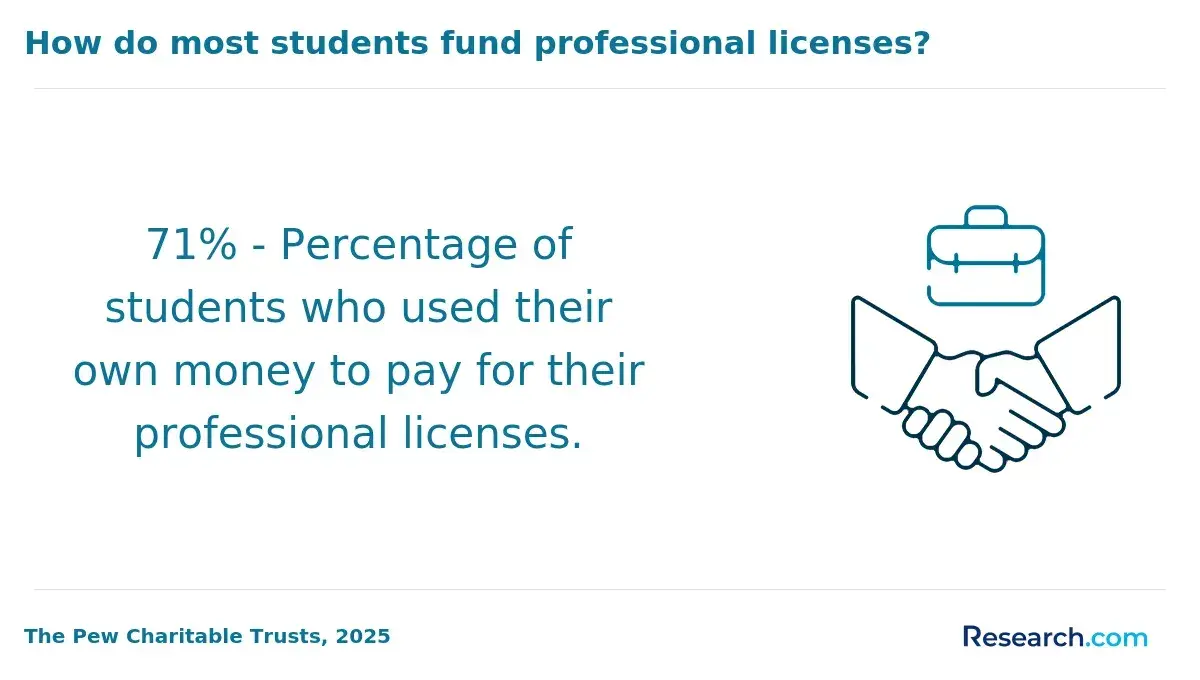
For this 2026 refresh, we added a practical checkpoint for students comparing substance abuse counseling bachelor’s programs: whether the degree supports real licensing, certification, and supervised practice requirements in the state where they plan to work.
- Check whether the curriculum aligns with your state’s substance abuse counselor credentialing board.
- Confirm how many supervised fieldwork or internship hours are built into the program.
- Ask whether placements include settings such as treatment centers, community agencies, or correctional programs.
- Review any background check, drug screening, or immunization requirements before placement.
- Find out if the program prepares students for entry-level certification exams or requires further graduate study.
- Ask how the degree applies if you later pursue licensure as a clinical counselor or social worker.
Understanding these requirements early helps students avoid choosing a program that looks appealing but does not match the credential or practice pathway they need after graduation.
What Entry-Level Jobs Can I Get With a Substance Abuse Counseling Bachelor's Degree?
A bachelor's degree in substance abuse counseling opens doors to several entry-level positions in the behavioral health sector. The U.S. Bureau of Labor Statistics indicates that employment in related counseling fields is expected to grow by 16% between 2021 and 2031, highlighting a rising need for qualified professionals. Below are examples of common entry points in this career path:
- Substance Abuse Counselor Assistant: Assists certified counselors by managing intake procedures, supporting treatment delivery, and keeping organized client documentation. This role enhances communication and case coordination skills essential to counseling work.
- Case Manager: Coordinates client access to social services, tracks progress, and facilitates connections with community resources. It strengthens organizational and advocacy skills necessary for client-centered care.
- Behavioral Health Technician: Provides hands-on support in clinical settings by helping clients with routine tasks and participating in therapeutic activities. This position develops observational abilities and interpersonal skills important for patient interaction.
- Prevention Specialist: Engages in educational outreach aimed at lowering substance abuse rates through programs and workshops. This job builds experience in public communication and community program management.
- Recovery Support Specialist: Offers peer guidance to individuals pursuing sobriety, assisting them with coping strategies and maintaining motivation. It improves mentoring competencies and emotional support techniques.
When asked about the entry-level job landscape, a professional with a degree in substance abuse counseling shared that the initial phase often requires balancing administrative duties with empathetic client interaction. He explained, "Early on, I spent a lot of time learning how to document cases accurately while trying to build trust with clients who were sometimes hesitant to open up." He noted that this blend of organizational and interpersonal challenges helped him develop patience and resilience, essential traits for long-term success in the field.
What Industries Pay the Most for Substance Abuse Counseling Graduates?
Higher salaries for graduates with a bachelor's degree in substance abuse counseling are often found in specific industries that value specialized expertise. Industry reports show that healthcare, government, and private sectors consistently pay above average, reflecting the advanced skills these roles require. Below are key industries where compensation tends to be most competitive for these graduates.
- Healthcare Sector: Employment in hospitals and addiction treatment centers involves clinical assessments, personalized treatment planning, and ongoing patient support. Essential skills include clinical expertise, effective communication, and crisis management, with earnings boosted by the demanding nature of these roles.
- Government Sector: Positions within correctional facilities, public health, or community programs focus on managing rehabilitation initiatives, delivering educational workshops, and coordinating with social services. Important competencies are legal knowledge, program oversight, and advocacy, contributing to strong salary prospects in this field.
- Private Sector: Corporate wellness programs and private practices offer roles centered on employee assistance, confidential counseling, and wellness coaching. Emphasis is placed on ethics, confidentiality, and organizational communication, making this sector attractive due to flexible work environments and potential for higher income.
Those researching the highest paying industries for substance abuse counseling graduates may find opportunities influenced by geographic location; the top states for substance abuse counseling salaries in the US often overlap with these sectors. For students deciding on the best path, exploring the easiest associate degree to get online can also be a strategic starting point toward advancing their careers.
What Is the Average Salary for Substance Abuse Counseling Bachelor's Degree Graduates?
Salary expectations for substance abuse counseling bachelor's degree holders fluctuate based on factors such as industry, geographic region, and level of expertise. Early-career counselors generally earn between $37,000 and $42,000 annually, according to data from the U.S. Bureau of Labor Statistics. Several key elements influence these earning potentials:
- Experience Level: Earnings tend to rise with practical experience, especially as counselors assume leadership roles or specialize within treatment programs.
- Employment Setting: Salaries are often higher in private practices and specialized clinics compared to government agencies or community organizations.
- Certification and Licensure: Holding professional certifications or state licensure can open doors to better-paid positions and career advancement.
- Regional Demand: Urban areas with increased need for counseling services typically offer more competitive salaries than rural locations.
- Advanced Education: Pursuing further training in mental health or related fields often leads to roles with increased financial rewards.
A professional with a bachelor's degree in substance abuse counseling shared her perspective on salary expectations. She described her initial job search as challenging, noting the modest starting pay but emphasizing the growth potential through gaining experience and additional credentials. "Balancing the day-to-day emotional demands of the job made me appreciate the importance of ongoing education and certification," she said. Her journey highlights how persistence and professional development directly impacted her earning trajectory, confirming that while entry-level salaries may feel limited, the field offers meaningful opportunities to increase income over time.
How Do Salaries Compare Across Substance Abuse Counseling Specializations?
Earnings in substance abuse counseling differ notably depending on the area of specialization. Professionals focusing on chemical dependency tend to have different salary ranges compared to those working with behavioral addictions such as gambling or eating disorders. According to 2023 data from the U.S. Bureau of Labor Statistics, counselors in this field earned a median annual wage of approximately $48,720, but specialization can cause salaries to fluctuate by 15-25% above or below that amount.
Several factors explain these variations, including the complexity of necessary skills, industry demand, and the nature of the counselor's responsibilities. Specializations that require advanced clinical expertise or certifications, like treating co-occurring mental health disorders, often command higher wages. Additionally, counselors employed in hospitals, correctional facilities, or private practices may see differences in pay based on organizational resources and client populations. Those involved in policy development or supervisory roles generally have higher earning potential compared to front-line patient counselors.
Are Salaries Different for Online vs On-Campus Substance Abuse Counseling Graduates?
Graduates of online and on-campus substance abuse counseling bachelor's degree programs generally acquire similar core skills and knowledge, covering areas such as psychology, addiction studies, and counseling techniques. Employers typically prioritize the degree and accreditation over the delivery method, focusing on whether candidates meet licensing and certification requirements. According to a survey by the National Association for Addiction Professionals, on-campus graduates reported a median annual salary approximately 5% higher than online counterparts, reflecting advantages tied to program format rather than academic content.
Differences in salary often arise from factors like networking opportunities and practical experience. On-campus programs frequently offer more direct access to internships and clinical placements through local partnerships, which can enhance job readiness and lead to higher-paying roles. Online students benefit from flexibility but must proactively seek supervised clinical hours and connections within their local communities. Ultimately, geographic location, state licensing rules, employer size, and demonstrated clinical competence play significant roles in salary outcomes for substance abuse counseling professionals.
Do Costs Vary Across Substance Abuse Counseling Bachelor's Degree Programs?
Tuition and fees for substance abuse counseling bachelor's degree programs can vary widely, with average annual costs for public institutions ranging from $5,000 to $15,000. These variations reflect different institutional, programmatic, and geographic factors that affect overall expenses. The following points highlight key reasons for these cost differences.
- Institution Type: Public colleges generally offer lower tuition rates for in-state students, while private institutions often maintain higher, more uniform fees for all enrollees. This distinction significantly impacts tuition fees for substance abuse counseling bachelor's degrees.
- Program Format: Online substance abuse counseling degrees frequently provide more flexibility and may reduce costs related to commuting and housing. Nonetheless, some online programs impose higher per-credit fees to support technology and instructional services, balancing out anticipated savings.
- Program Length and Credits: Accelerated degree paths or credits for prior learning can shorten program duration and reduce tuition costs. Conversely, programs that include extra specialization courses or extended practicum hours may increase the total price due to longer study periods.
- Geographic Location: On-campus program fees can vary based on the institution's location, with those in urban or high-cost areas generally charging more than rural or lower-cost regions.
- Accreditation and Reputation: Programs that meet rigorous accreditation standards and maintain strong reputations often charge premium tuition, reflecting quality faculty and greater resource availability.
Prospective students interested in flexible options might explore nationally recognized online degrees to find affordable alternatives. For example, those researching options may consider a project management degree online accredited programs that illustrate how online learning can combine cost effectiveness with quality education in related fields.
What Financial Aid Options Are Available for Substance Abuse Counseling Students?
Students pursuing a bachelor's degree in substance abuse counseling have access to a variety of financial aid programs to help manage tuition and related expenses. According to the National Center for Education Statistics, nearly 85% of undergraduate students receive some form of financial aid, illustrating the widespread support available. Below are key financial aid options frequently utilized by those in counseling programs.
- Federal Grants: Need-based awards like the Pell Grant are offered to qualifying students without requiring repayment, making them essential for substance abuse counseling financial aid programs.
- Federal Student Loans: Loans such as Direct Subsidized and Unsubsidized Loans provide fixed interest rates with flexible repayment options. These help cover remaining tuition but must be repaid after graduation or changes in enrollment.
- Scholarships: Numerous scholarships cater specifically to students in behavioral health fields, awarding merit-based or specialized funds. These grants often recognize academic excellence, community involvement, or specific demographic factors, providing crucial support for grants and scholarships for substance abuse counseling students.
- Work-Study Programs: Federally funded work-study opportunities allow students to gain practical experience by working part-time on campus or in community organizations, helping finance education while building relevant skills.
- State and Institutional Aid: Many states and universities offer additional grants and scholarships focused on counseling disciplines, supplementing federal and private aid sources.
Students exploring various specializations should also consider career paths and potential salary outcomes to make informed decisions. For more insights into related fields, reviewing resources on jobs with elementary education and environmental science degree can offer valuable comparison points.
What Factors Should I Consider When Selecting a Substance Abuse Counseling Degree?
Selecting the right substance abuse counseling bachelor's degree requires weighing several academic and personal priorities. According to recent data, more than 70% of students emphasize alignment with career goals and program focus when making their choice. Consider the following factors to make an informed decision.
- Academic Focus: Determine which areas of substance abuse counseling excite you most, whether it's clinical practice, prevention strategies, research, or community involvement. Choosing a program that fits your interests can boost engagement and success.
- Specialization Tracks: Many programs offer focused paths such as adolescent counseling, family therapy, or treatment for co-occurring disorders. Early selection sharpens your expertise and enhances job market appeal.
- Program Delivery: Evaluate if you prefer traditional campus-based learning, which offers direct mentorship and practical experiences, or online formats that provide scheduling flexibility for working students.
- Career Outcomes: Review typical job roles and salary expectations linked to each degree to ensure it aligns with your professional aspirations, whether as a counselor, case manager, or coordinator.
- Future Planning: Consider how the degree supports long-term objectives like certification or advanced studies, especially if you intend to pursue licensure or graduate programs.
What Graduates Say About Different Types of Substance Abuse Counseling Bachelor's Degrees
- Allan: "Choosing a substance abuse counseling bachelor's degree was a deliberate decision based on my passion for helping others overcome addiction and the diverse career paths it offers. The program gave me the practical skills and certification needed to quickly secure a position in a community health center. Notably, after graduation, I saw a significant increase in my salary, reflecting the demand and value of specialized knowledge in this field."
- Gunnar: "Reflecting on my education, the substance abuse counseling bachelor's degree was instrumental in shaping my understanding of addiction therapy and counseling techniques. It helped me transition from general psychology roles into focused counseling careers that truly match my interests. The degree also boosted my earning potential and opened doors for advancement in mental health organizations."
- Jaxon: "My enthusiasm for substance abuse counseling grew as I learned how to support individuals during their recovery journeys. This degree equipped me with hands-on experience, which accelerated my entry into professional roles within rehabilitation centers. I've noticed consistent career growth and increased salary offers, confirming that this specialization is both personally fulfilling and financially rewarding."
Other Things You Should Know About Substance Abuse Counseling Degrees
Strong communication, empathy, and problem-solving skills are vital for substance abuse counseling careers. Students should also focus on learning assessment techniques, treatment planning, and ethical decision-making. Developing cultural competence and knowledge of various treatment modalities is equally important for success in diverse counseling environments.
Internships or practicum experiences are typically integral to substance abuse counseling bachelor's programs in 2027. These hands-on opportunities allow students to apply their theoretical knowledge in real-world settings, gaining valuable experience that is crucial for future employment and skill development in the field.
References
- University of Central Arkansas | UCA https://uca.edu/healthsci/undergraduate/addiction-studies/
- Degrees for Substance Abuse Counselors | All Psychology Schools https://www.allpsychologyschools.com/degrees/substance-abuse-counseling/
- Best Online Bachelor's In Addiction & Recovery 2025 https://www.psychology.org/degrees/addictions-and-recovery/bachelors/
- Substance Abuse Counseling (B.A.) - University of St. Francis https://stfrancis.edu/substance-abuse-counseling/
- 6 Reasons to Become a Substance Abuse Counselor https://www.baypath.edu/academics/undergraduate-programs/undergraduate-online-programs/6-reasons-to-become-a-substance-abuse-counselor/
- College Catalog | Albany Technical College https://www.albanytech.edu/college-catalog/current/programs/addiction-substance-abuse
- Is an Addiction Counseling Degree Worth It? Real ROI by State https://www.addiction-counselors.com/blog/is-addiction-counseling-degree-worth-it-roi-analysis/
- How to Become a Substance Abuse Counselor | Hazelden Betty Ford https://www.hazeldenbettyford.org/graduate-school-addiction-studies/how-to-become-a-substance-abuse-counselor
- How to Become a Substance Abuse Counselor https://www.herzing.edu/become/substance-abuse-counselor
- Careers https://www.stcloudstate.edu/programs/addictions-counseling/careers.aspx