2027 Does a Nurse Midwifery Program Require In-Person Clinical Training?

Co-Founder and Chief Data Scientist
Prospective students often face uncertainty about whether a nurse midwifery program requires in-person clinical training-an issue complicated by strict accreditation standards mandating a minimum of 500 clinical hours for certification eligibility. Geographic location and work-life balance further challenge placement logistics, with some candidates traveling over 50 miles weekly to fulfill practical requirements. Clinical training is essential not only for hands-on competence but also for post-graduation licensure, directly impacting career trajectories-median salaries for certified nurse midwives exceed $115,000 annually in the United States. This article clarifies these factors, providing a detailed guide to navigating clinical training from enrollment through licensure compliance.
Key Things to Know About the Nurse Midwifery Programs That Require In-Person Clinical Training
- Accreditation mandates require nurse midwifery programs to include minimum in-person clinical hours-often over 500-to ensure hands-on competency and adherence to national certification standards.
- Placement logistics frequently demand students secure clinical sites independently, navigating background checks and scheduling challenges-this process can delay program progression without proactive planning.
- Geographic constraints limit site availability-rural or remote students may face extended travel or relocation to fulfill clinical requirements, impacting time and financial resources significantly.
What Is In-Person Clinical Training in the Context of a Nurse Midwifery Program, and Why Does It Matter for Prospective Students?
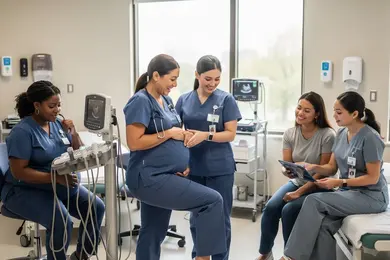
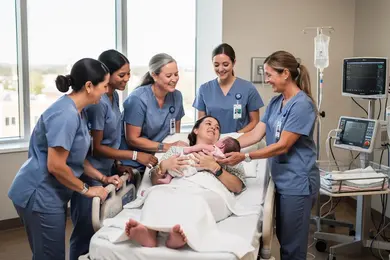
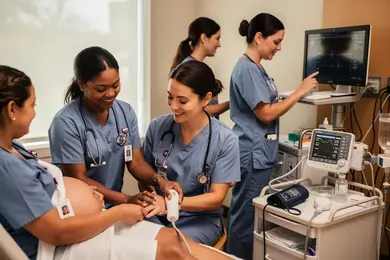
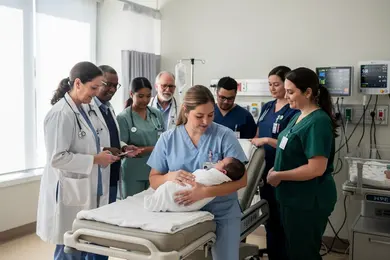
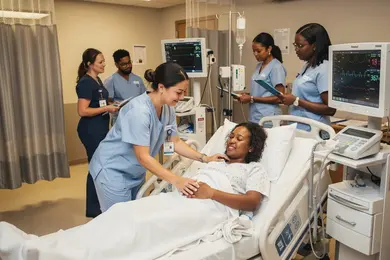
In-person clinical training within nurse midwifery programs refers to supervised, direct-practice hours completed in approved, real-world clinical, community, or institutional settings-such as hospitals and birthing centers-distinct from classroom instruction, simulation labs, or virtual practicums. This distinction matters because many prospective students conflate field-based requirements with coursework, yet the Accreditation Commission for Midwifery Education (ACME) and professional association standards clearly define in-person clinical training as a legally mandated and professionally necessary component of program completion. This requirement ensures students gain hands-on clinical experience in nurse midwifery education that cannot be fully replicated virtually.
The in-person clinical training requirement carries significant implications. It constrains scheduling flexibility, requires geographic proximity to approved clinical sites, and is rarely waived or replaced by virtual alternatives. These clinical hours are directly tied to eligibility for post-graduation licensing and certification boards in most states, making this training a vital factor to evaluate alongside tuition and curriculum. Prospective and current students must understand these demands early to avoid delays in graduation or licensure.
Key decision points to consider include:
- Accreditation: Defines approved clinical settings and minimum in-person clinical hour requirements.
- Hour Requirements: Typically several hundred supervised clinical clock hours that must be carefully documented and verified.
- Placement Logistics: How clinical sites are arranged-by the program, student, or both-including administrative tasks like background checks.
- Virtual Alternatives: Limited or nonexistent substitution options for hands-on clinical experience.
- Geographic Constraints: The necessity of access to approved clinical locations, potentially requiring relocation or long commutes.
- Impact on Licensure: Completion of clinical hours is mandatory for state board eligibility and certification exams.
- Student Circumstances: Considerations for working adults, caregivers, and students with complex personal situations needing flexibility.
For those interested in advanced practice pathways, evaluating programs that offer online DNP options can also be relevant. However, the in-person clinical training requirements for nurse midwifery programs remain a non-negotiable component that prospective students must plan around given its impact on both educational and professional outcomes.
Is In-Person Clinical Training Legally or Professionally Required to Earn a Nurse Midwifery Degree?
In-person clinical training is a legally mandated and professionally required element of nurse midwifery programs in the United States-driven by overlapping mandates from accreditation bodies and state licensing boards. The Accreditation Commission for Midwifery Education (ACME), the primary accreditor for nurse midwifery education, requires substantial hands-on clinical hours to ensure students develop supervised practical skills. This accreditation mandate guarantees program approval and credibility, making clinical training a foundational component.
State nurse midwifery licensing boards independently enforce clinical experience requirements that govern whether graduates qualify for licensure-an essential step for legal midwifery practice. These regulations almost always mandate in-person training with defined numbers of supervised clinical hours, often exceeding ACME's baseline standards. Additionally, individual programs may impose more stringent clinical hour expectations reflecting institutional priorities or clinical partnerships.
Programs failing to comply with these clinical training requirements risk losing accreditation-rendering their graduates ineligible for state licensure in most regulated nurse midwifery areas. This creates an effective non-negotiable requirement regardless of a student's work, family, or geographic circumstances. Even when some programs offer virtual or reduced clinical options, students seeking licensure or national certification must verify that their clinical hours meet the specific quantitative and qualitative criteria of their state licensing board, as accreditation and licensing standards do not always align.
To navigate these overlapping requirements, students should consult three essential sources that define the professional clinical training requirements for nurse midwifery licensure:
- Accreditation Standards: Review ACME's published clinical training standards for baseline educational mandates.
- State Licensing Board Regulations: Examine the nurse midwifery licensure rules in the state where licensure is intended, focusing on clinical hours and supervision.
- Program Student Handbook: Understand site selection, background check requirements, and clinical hour documentation as outlined by the nurse midwifery program.
Prospective and current students balancing work and family life, or those facing geographic constraints, must carefully assess these regulations upfront to ensure eligibility for licensure after graduation. Those interested in broader healthcare education might also consider a healthcare management certificate as a complementary credential.
How Many Hours of In-Person Clinical Training Does a Typical Nurse Midwifery Program Require?
Accreditation Minimum: Accredited nurse midwifery programs generally require about 500 to 600 hours of direct clinical training to meet foundational standards. This guideline ensures students gain essential supervised experience before completing their studies.
Median Requirements: Nationally, most programs demand 600 to 700 clinical hours. This typical range balances accreditation criteria with diverse patient exposure, preparing students for varied clinical scenarios.
Higher Intensity Programs: More rigorous or specialty-driven programs may require 800 to 1,000 hours, emphasizing extended clinical residencies and more autonomous practice, which contribute to advanced skill development and readiness.
Training Breakdown: Clinical hours are often divided into two stages-practicum and internship or residency.
- Practicum: Early-phase training focused on supervised observation and limited direct patient care-typically 200 to 300 hours.
- Internship/Residency: Later-stage clinical work with greater independence and higher patient volume, usually accounting for the remaining 300 to 700 hours.
Time Commitment: Completing 600 clinical hours over two semesters usually demands about 15 to 20 hours weekly on-site, in addition to coursework and documentation responsibilities. This significant time investment affects students balancing work, family, or location challenges, making realistic planning essential.
Professional Outcomes: Programs near the minimum clinical hour requirements may suit students with tight schedules, but higher-hour programs often yield graduates with stronger clinical skills and potentially better licensure exam performance. Such factors should be weighed alongside cost and reputation when selecting a program.
One professional who completed a nurse midwifery program reflected on the intensity of balancing clinical hours with personal obligations: "It was overwhelming at times-managing 20 hours weekly in clinics plus study and family life tested my limits. Securing a supportive clinical site took persistence, especially navigating background checks and documentation. Though challenging, those hours were invaluable. They built my confidence and helped me pass licensure on the first attempt." This firsthand insight highlights the real-world demands behind clock-hour requirements and the dedication needed to succeed.
Can Any Part of the Nurse Midwifery Clinical Training Requirement Be Completed Online or Virtually?
Accreditation bodies and state licensing boards typically mandate that most nurse midwifery clinical training occur in person due to the critical nature of hands-on skills-especially direct client assessment, physical procedures, and emergency care, which cannot be replaced by virtual formats. The COVID-19 pandemic caused temporary exceptions allowing telehealth encounters, virtual case discussions, and simulation activities to fulfill some clinical hours, but most of these emergency measures ended by mid-2022 as regulators reinstated stricter in-person requirements.
- Accreditation Policies: Simulation labs, usually conducted in controlled campus settings, may count toward limited clinical hours depending on the accrediting agency. These labs provide valuable risk-free learning environments but do not substitute authentic clinical placements involving real patients.
- State Licensing Boards: Requirements vary, but most boards insist that a majority of clinical hours be completed face-to-face. Telehealth supervision or documentation may be allowed to a limited degree, yet essential skills must be demonstrated onsite.
- Permanent Versus Temporary Flexibility: Some programs maintain permanent allowances for virtual case reviews or supervision; however, physical examination, labor management, and emergency interventions remain hands-on obligations.
- Virtual Training Components: Non-physical activities such as case conferences, charting, and patient follow-ups may qualify for online or telehealth delivery, supporting analytical and communication skill development without full onsite presence.
Prospective students evaluating nurse midwifery clinical training virtual options should verify with their chosen program and state board the exact proportion of clinical hours permitted virtually or through simulation under current standards-since allowances differ widely and may continue evolving post-pandemic. Failure to confirm these details risks enrolling in programs that do not meet licensure criteria due to insufficient in-person clinical experience. For those juggling complex schedules and locations, researching the best self paced online college options alongside local clinical placement policies offers a pathway to strategic planning and successful completion of clinical requirements.
Who Is Responsible for Arranging Clinical Placements in a Nurse Midwifery Program - the Student or the School?
Clinical placements in nurse midwifery programs generally follow two main frameworks-school-arranged or student-arranged. School-arranged placements rely on the program's formal partnerships with clinical sites, allowing the institution to assign students directly, which streamlines the process and reduces student stress. In contrast, student-arranged placements demand that students independently identify, evaluate, and secure clinical sites that meet program standards. This path requires starting the search months ahead to confirm supervisors possess proper credentials and are willing to offer the necessary supervision hours, as well as to secure approval from the program before clinical work begins. Such efforts are often shaped by the student's professional connections or their local healthcare market, making it time-intensive and potentially precarious.
- Affiliation Agreements: Prospective students should inquire whether the school holds formal agreements with clinical sites in their area.
- Local Placement Success: Understanding the percentage of students completing placements locally helps gauge program effectiveness.
- Support for Students: It's important to learn what assistance is available when students face difficulty securing placements.
- Geographic Reach: Evaluation of rural or underserved areas' coverage reveals how well the program serves diverse locales.
Students enrolled in programs with limited placement networks who must arrange their own sites confront higher chances of delays or unmet clinical requirements-which disproportionately impacts those in rural or smaller healthcare markets. Assessing these factors ahead of enrollment is crucial for avoiding unexpected barriers to completion and licensure.
Reflecting on this, a graduate who built her career after completing a nurse midwifery degree shared that her program required students to arrange their own placements. She described the process as "exhausting and overwhelming," noting she began searching six months in advance. "Securing a willing supervisor was a challenge-it meant lots of calls, emails, and sometimes traveling out of my area," she said. Despite the stress, she valued how the experience honed her organizational skills and professional networking. "It taught me resilience and the importance of proactive planning-skills that have served me well in practice."
How Do Accreditation Standards Shape the In-Person Clinical Training Requirements of Nurse Midwifery Programs?
Accreditation standards set essential requirements for in-person clinical training in nurse midwifery programs to ensure consistent, high-quality education that prepares students for competent practice. The Accreditation Commission for Midwifery Education (ACME) establishes key benchmarks covering both quantity and quality aspects of clinical experiences.
- Minimum Clock Hours: Programs must provide no fewer than 500 direct supervised clinical hours, though many exceed this threshold to deliver broader hands-on exposure.
- Supervisor Credentials: Preceptors overseeing clinical hours must be certified nurse midwives or advanced practice registered nurses-qualified professionals capable of guiding student learning effectively.
- Supervision Ratios: To ensure adequate mentorship and patient safety, each clinical supervisor generally manages no more than two to three students simultaneously.
- Setting and Population Diversity: Clinical placements must span multiple care environments-hospitals, birthing centers, community health settings-and expose students to varied patient groups, including prenatal, labor, postpartum, and newborn care, ensuring comprehensive preparation.
- Enforcement and Consequences: Accreditation compliance is compulsory; programs failing standards risk losing their status, barring graduates from national certification exams and licensure applications, which directly affects their ability to practice professionally.
- Regional vs. Programmatic Accreditation: While regional accreditation addresses institutional quality broadly, only programmatic accreditation-such as ACME for nurse midwifery-specifies clinical training requirements tied to licensure eligibility, meaning regional accreditation alone does not guarantee program compliance.
- Verifying Compliance: Prospective and current students should check ACME's public directory of accredited programs, review the latest self-study or site visit reports, and confirm the acceptance of the program's accreditation with their intended state licensing board to ensure clinical training meets licensure conditions.
What Types of Clinical Settings Are Accepted for Nurse Midwifery Clinical Training Hours?
Clinical training sites for nurse midwifery programs must meet strict standards set by accrediting bodies like the Accreditation Commission for Midwifery Education (ACME) and professional organizations such as the American College of Nurse-Midwives (ACNM). Accepted clinical settings encompass a broad spectrum to reflect the diversity of nurse midwifery practice, including:
- Healthcare Systems: Hospitals and clinics within integrated networks offering labor and delivery, prenatal, and postpartum care experiences.
- Community Mental Health Centers: Facilities supporting behavioral health knowledge important for comprehensive maternal care.
- Schools and Educational Institutions: School-based health centers prioritizing reproductive and adolescent health.
- Private Practices: Midwifery or OB-GYN offices providing continuity of direct patient care.
- Government Agencies and Public Health Facilities: Local health departments, maternal-child programs, or tribal health services.
- Nonprofit Organizations: Community-based reproductive and prenatal service providers meeting accreditation criteria.
- Other Relevant Settings: Birthing centers, family planning clinics, and home-visiting programs aligned with nurse midwifery competencies.
Approved sites must have credentialed supervision-typically certified nurse-midwives (CNMs) or equivalent-with capacity to support federally mandated clinical hours including patient care and documentation. The site's scope of practice must align with midwifery competencies outlined by accrediting bodies, and sites must comply with program policies concerning scheduling and background checks.
Programs that accept a wider variety of clinical site types increase students' chances of securing placements locally-especially in rural or underserved areas-while restrictive approval policies may hinder clinical access in smaller markets. Supervision quality and availability often vary by site type; hospitals frequently provide multiple credentialed supervisors, whereas nonprofit or community sites may have fewer, impacting mentorship and required supervision hours.
Students should develop a prioritized list of clinical settings informed by career goals and realistic geographic availability. Reviewing approved site lists, graduate placement data, and consulting the program's clinical coordinator helps identify common and accessible clinical environments, supporting successful completion of nurse midwifery clinical training hours.
How Does In-Person Clinical Training in a Nurse Midwifery Program Affect Students Who Work Full-Time?
Full-time working students in nurse midwifery programs face significant challenges balancing clinical hour requirements with employment-a conflict often underestimated until clinical placement coordination begins. Most approved clinical sites operate during regular business hours, limiting options for students who work evenings or weekends. Employer leave policies rarely accommodate the sustained weekly time commitment clinical rotations demand, creating a practical barrier for many. This reality impacts how students navigate balancing full-time employment with nurse midwifery clinical hour requirements across diverse geographic locations.
- Scheduling Conflicts: The majority of clinical placements occur on weekdays, making evening and weekend opportunities rare; inflexible employer leave policies further complicate participation.
- Program Accommodations: Some programs address these challenges by extending timelines to distribute clinical hours over more semesters, partnering with clinics offering nontraditional hours, collaborating with employers to place students in familiar settings, and providing formal leave-of-absence options during intensive clinical phases.
- Important Questions for Prospective Students: Prospective students should inquire about the percentage of full-time employed students, availability of evening or weekend clinical sites nearby, scheduling supports offered by the program, and options for timeline extensions to better align clinical training with existing work obligations.
Practitioner accounts from nurse midwifery graduates underline these points-many struggled to fulfill clinical hour requirements without sacrificing full-time jobs. Understanding these realities is crucial for self-assessment prior to enrollment or during placement navigation, including considerations such as site selection, background check compliance, and accurate clinical hour documentation. For those interested in related healthcare management fields, exploring the best online MHA programs can provide insight into balancing education with work.
Do Hybrid or Online Nurse Midwifery Programs Still Require In-Person Clinical Training?
Hybrid and online nurse midwifery programs do not waive the in-person clinical training requirements mandated by accreditation bodies and state licensing boards. Agencies like the Accreditation Commission for Midwifery Education (ACME) require students to demonstrate essential clinical competencies through supervised hands-on practice in real healthcare settings-competencies that cannot be fully developed via online coursework or virtual simulation alone. Therefore, online nurse midwifery programs serve only as a delivery method for didactic content, while clinical training remains fully in-person and locally arranged.
Students enrolled in online or hybrid nurse midwifery programs complete theoretical coursework remotely but must fulfill clinical hours at approved local sites. These sites are supervised by credentialed professionals who meet program and state licensing standards. This distributed clinical training model offers geographic flexibility, accommodating students balancing work, family, and location constraints. However, it also introduces challenges such as variability in clinical site quality and supervisor expertise.
- Accreditation and Licensing: Programs must meet strict supervised clinical hour requirements essential for licensure eligibility and program accreditation.
- Clinical Placement: Students must secure locally approved clinical sites, often requiring background checks and adherence to site-specific policies.
- Supervision: Clinical hours are supervised by credentialed midwives or healthcare providers satisfying program and state mandates.
- Coordination Support: Clinical placement offices assist students with site placement and monitor clinical hour documentation.
- Site Quality Risks: Differences in resources and supervision quality across regions can affect clinical learning experiences.
- Evaluation Questions for Students:
- Does the program have formal partnerships with clinical sites in your area?
- What processes ensure supervisor credentialing and compliance?
- How comprehensive is clinical coordination support for remote students?
- Are placement success rates documented beyond the institution's metropolitan area?
Prospective students should also consider their local healthcare market when evaluating hybrid nurse midwifery programs to ensure feasible placement options that meet requirements. For those interested in complementary health degrees, exploring the best online kinesiology degree programs can offer additional flexible learning pathways aligned with healthcare professions.
How Far in Advance Do Nurse Midwifery Students Typically Need to Secure Their Clinical Placement Sites?
Securing clinical placements for nurse midwifery students demands starting the process at least six months prior to the clinical semester due to the many overlapping preparation steps required.
- Site Identification: Early research is crucial to find clinical locations that comply with program and accreditation criteria to ensure openings are available.
- Application Submission: Detailed applications must be submitted promptly since slots fill quickly and delays can mean losing preferred sites.
- Interviews and Approvals: Sites often require interviews and vetting, adding additional lead time before acceptance.
- Supervisor Agreements: Formalizing supervision involves negotiating and signing agreements that sometimes need multiple revisions.
- Background Checks and Health Clearances: Mandatory screenings can take weeks and any concerns may further delay placement.
- Liability Insurance: Proof of professional liability coverage is required before clinical hours begin, necessitating early acquisition.
- Program Approval: The academic institution's formal approval of placements often entails extra documentation or amendments.
Delaying these preparations frequently results in filled site capacities, extended background check processing times, or drawn-out approval cycles. Such setbacks typically cause students to defer their clinical semester, prolong their program, and incur additional costs. Mapping backward from the clinical start date while allotting realistic timeframes for each step-site search, application, interview, clearance, and approvals-helps students manage these requirements proactively, avoiding last-minute complications and ensuring timely completion of clinical training obligations.
What Background Check, Health, and Liability Requirements Must Nurse Midwifery Students Meet Before Starting Clinical Training?
Background Checks: These screenings are mandatory to ensure the safety of clinical populations served by nurse midwifery students. Checks can span two to eight weeks and may include additional site-specific measures like drug testing or child abuse clearance.
Health Clearance and Immunizations: Students must verify immunizations such as MMR, varicella, and influenza to meet infection control policies of healthcare settings. This often requires obtaining medical records and completing any overdue vaccinations, impacting both timelines and costs.
Professional Liability Insurance: Necessary to protect students and clinical sites from malpractice claims during hands-on training, this insurance must be obtained through approved carriers eligible for students. Coverage details differ by program and clinical placement.
HIPAA Training: Completion of this training is essential before accessing patient records. It ensures legal compliance with privacy laws and understanding of confidentiality obligations.
Site-Specific Requirements: Clinical sites may require additional credentials beyond program standards. For example, hospitals often mandate flu shots, N95 respirator fit testing, or drug screenings, while school-based sites typically require fingerprinting or child abuse clearances. Early communication with placement sites is vital to confirm these demands.
Students should initiate this pre-clinical checklist during application or early in the semester to accommodate varying processing times and costs. Failure to complete these steps on schedule can delay clinical starting dates and impact licensure eligibility. Proactive planning is essential to navigating the complex interplay of institutional mandates, site policies, and regulatory requirements integral to nurse midwifery clinical training.
What Graduates Say About the Nurse Midwifery Programs That Require In-Person Clinical Training
- Raphael: "Completing the online nurse midwifery program was transformative-especially understanding the accreditation mandates that ensure our clinical hours meet rigorous standards. These requirements gave me confidence that my training was both comprehensive and nationally recognized. The process of securing a clinical placement required patience, but it was worth every effort for the hands-on experience gained."
- Russell: "Reflecting on my journey, the required clock hours of clinical training really stood out as a demanding yet vital component of the nurse midwifery program. I appreciated how the program structured these hours to balance flexibility with real-world exposure, ensuring I met licensure and certification criteria seamlessly. Navigating placement logistics was challenging at times, but I found that proactive communication with clinical sites alleviated much of the stress."
- Theo: "From a professional viewpoint, the geographic constraints of in-person clinical training initially felt limiting-requiring travel and adjusting to unfamiliar locations. However, this aspect broadened my clinical perspective and prepared me well for diverse practice environments. Ultimately, fulfilling these clinical requirements was crucial for my post-graduation licensure eligibility-making each mile traveled an investment in my future career."
Other Things You Should Know About Nurse Midwifery Degrees
Most accreditation bodies and certification boards require completion of specific in-person clinical hours to maintain program integrity and ensure competency. Alternatives or waivers are rarely granted except under extraordinary circumstances such as public health emergencies, and even then, virtual simulations may only partially fulfill clinical requirements. Students unable to complete in-person hours typically must delay program completion or repeat clinical components to qualify for certification.
Completion of in-person clinical training is essential for eligibility to sit for nurse midwifery licensure and certification exams. Accrediting organizations and certifying bodies, such as the American Midwifery Certification Board (AMCB), mandate a minimum number of direct patient care hours documented and verified during training. Failure to fulfill these requirements can result in ineligibility for national certification and state licensure, directly impacting a graduate's ability to practice professionally.
Prospective students should review how a program coordinates clinical placements-including the diversity and number of affiliated training sites-and assess whether these sites meet national accreditation standards. It is important to inquire about the support provided for background checks, scheduling flexibility, and the documentation process for clinical hours. Evaluating faculty involvement and site preceptors' qualifications can also indicate the quality of supervision and training students will receive.
References
- Certified Nurse-Midwife (CNM) https://nursinglicensemap.com/advanced-practice-nursing/certified-nurse-midwife-cnm/
- CNM Prerequisites: Complete Checklist & Timeline (2026) https://www.midwifeschooling.com/blog/cnm-program-prerequisites-complete-checklist/
- School of Nursing https://www.ohsu.edu/school-of-nursing/nurse-midwifery-program-classes-and-requirements
- NMBI - NMBI: Approving nursing programmes https://www.nmbi.ie/Education/Education-Bodies/Approvals-Nursing-Programmes/Practice-Placements
- How to Become a Nurse Midwife (Steps & Career Overview) https://www.allnursingschools.com/nurse-midwife/
- Accreditation Standards https://anmac.org.au/accreditation-standards
- One moment, please... https://www.nuffieldtrust.org.uk/sites/default/files/2024-12/Nuffield%20Trust%20-%20FNF%20-%20NMC%20practice%20learning%20review_WEB_update.pdf
- Securing Your Nursing Future: The Clinical Placement Guide https://nursa.com/blog/securing-clinical-placements-guide
- Become a Nurse While Working Full Time | University of Bridgeport https://www.bridgeport.edu/news/become-a-nurse-while-working-full-time/
- Nursing Background Check Requirements: What You Need to Know https://www.cisive.com/blog/nursing-background-check-requirements