2027 Entry-Level Jobs With a Cinematography Degree

Co-Founder and Chief Data Scientist
What jobs are available with a cinematography degree for recent graduates navigating a competitive job market? Although many enter the field aiming for directorial or lead cinematographer roles, entry-level positions often focus on foundational skills like camera operation, lighting assistance, and production coordination.
The U.S. Bureau of Labor Statistics projects about 14% growth in film and video editing jobs over the next decade, reflecting increasing demand for media content. Understanding these beginner roles is essential to launch a successful career. This article explores key entry-level jobs for cinematography graduates and what to expect when starting out in this dynamic industry.
Key Benefits of Entry-Level Jobs With a Cinematography Degree
- Entry-level jobs in cinematography provide hands-on experience with industry-standard equipment, enhancing practical skills crucial for career readiness.
- These roles open pathways to career advancement by building foundational expertise valued by employers within the competitive film industry.
- Graduates can expand their professional networks early, increasing job prospects and strengthening resumes through collaboration on diverse projects.
What Entry-Level Jobs Can You Get With a Cinematography Degree?
About 35% of film and video editors and camera operators start their careers in support roles, gaining crucial hands-on experience early on. Entry-level cinematography jobs in film production help graduates develop technical skills and industry knowledge vital for career advancement. Here are some common beginner-level positions that provide a strong foundation for cinematography graduate job opportunities.
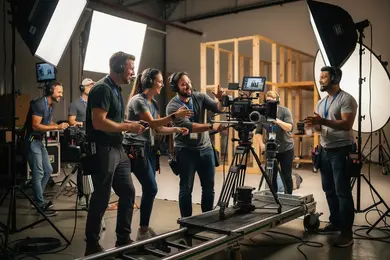
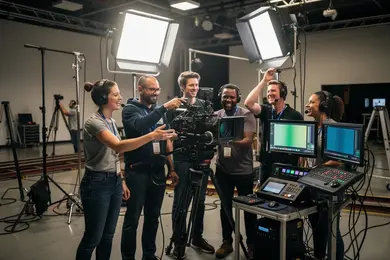
- Camera Assistant: This role involves supporting the camera operator by handling equipment, setting up shots, and managing lenses and focus. It builds a solid understanding of camera mechanics and on-set workflows, essential for moving into advanced camera positions.
- Production Assistant (PA): Focusing on equipment management, set coordination, and crew support during shoots, this job helps graduates establish industry connections and learn overall production logistics.
- Lighting Technician: Responsible for setting up and adjusting lighting to achieve the desired scene mood, this role deepens knowledge of lighting techniques critical to the art of cinematography.
- Data Wrangler / Digital Imaging Technician (DIT): Handling digital footage transfer and quality control, this job requires attention to detail and familiarity with digital formats, offering experience with evolving cinematography technologies.
For those looking to further their education while pursuing career opportunities, consider programs such as a master's in speech pathology online, which can open additional professional pathways.
Which Industries Hire the Most Cinematography Graduates?
Graduates with a cinematography degree find opportunities across diverse industries that require strong visual storytelling and technical skills in motion picture production. According to the U.S. Bureau of Labor Statistics, employment for camera operators and editors is projected to grow 9% between 2022 and 2032, highlighting steady demand. Various sectors provide entry-level positions where graduates can apply their knowledge in creative and technical roles. Here are some of the key industries hiring cinematography graduates.
- Film and Television Industry: This sector often recruits production assistants, camera assistants, and lighting technicians. It offers hands-on experience working with cameras and lighting to support creative storytelling in movies, TV shows, and series.
- Advertising and Marketing: Cinematographers in this industry create commercials, branded videos, and promotional content. Roles commonly include videographers and content creators who develop visually engaging narratives to attract consumers.
- Digital Media and Online Content: With the rise of streaming platforms and social media, this industry hires graduates for videography, editing, and post-production positions. Creating compelling content for diverse online audiences is a main focus here.
- Corporate and Event Videography: Businesses and event organizers require skilled professionals for conferences, training videos, and live events. Entry-level roles include camera operators and junior videographers capturing corporate communications and special occasions.
- News and Documentary Production: This fast-paced sector employs broadcast camera operators and field cinematographers to capture real-time news and factual stories amid dynamic environments.
A cinematography degree graduate shared insights on entering these fields: "Finding your first job can be daunting because each industry has its own pace and style. In film, you might spend long hours on set, while digital media requires quick turnaround times. What helped me was being adaptable and learning to work under pressure. Sometimes you're behind the camera in intense moments, other times editing late into the night. It's rewarding but demands patience and passion."
Which Entry-Level Cinematography Jobs Pay the Highest Salaries?
Salaries for entry-level positions in cinematography vary significantly based on the specific job and required expertise. Roles involving specialized technical skills and closer collaboration with the cinematographer generally offer higher starting pay. Below are some of the top-paying entry-level jobs in the field.
- Camera Assistant: Often known as the first assistant camera, this position involves maintaining and prepping camera gear, managing focus during shoots, and supporting the cinematographer. Typical salaries range from $40,000 to $55,000 annually, justified by the technical knowledge and hands-on demands of the role.
- Gaffer: Tasked with managing the set's lighting under the cinematographer's guidance, gaffers earn between $45,000 and $60,000 as starting pay. Their ability to blend creativity with technical lighting expertise drives this higher salary.
- Assistant Editor: Working alongside editors and cinematographers, assistant editors organize footage for post-production, with entry-level earnings around $40,000 to $50,000. The precision and technical skills required make this a financially rewarding position.
- Production Assistant: Though crucial for supporting daily operations, this role usually starts lower, within $25,000 to $35,000. It serves as a stepping stone toward more technical jobs but tends to offer less pay initially.
What Skills Do Employers Look for in Entry-Level Cinematography Graduates?
Employers hiring entry-level cinematography graduates focus on practical abilities alongside academic credentials. A 2023 survey reveals that 68% of employers prioritize hands-on experience with camera equipment and lighting as crucial for new professionals. This highlights the importance of essential technical skills for cinematography graduates. The following are key competencies sought by employers.
- Technical Proficiency: Mastery of camera operations, lighting techniques, and shot composition forms the backbone of entry-level roles. Familiarity with industry-standard gear and editing software ensures smooth workflow on set and aids collaboration with directors and other crew members.
- Creative Problem-Solving: Filming conditions often fluctuate, requiring quick adaptation. Graduates who can creatively adjust lighting and framing to address unforeseen challenges without sacrificing artistic quality stand out to employers.
- Communication and Collaboration: Success in cinematography depends heavily on teamwork. Effective communication with directors, grips, and editors is essential to translate visual ideas into finished products, ensuring shared creative goals are met efficiently.
- Attention to Detail: Minor tweaks in focus or exposure can dramatically alter the final shot. Employers look for graduates who demonstrate precision in these subtle adjustments to enhance overall production quality.
- Time Management: Adhering to tight shooting schedules without compromising results is vital. Employers value candidates who prioritize tasks well and maintain productivity under pressure.
Potential candidates benefit from reviewing related fields among the most profitable college majors, which can provide insights into career opportunities and skill development.
Do Employers Hire Cinematography Graduates With No Internships?
Employers generally favor candidates who have completed internships, viewing such experience as proof of practical skills and familiarity with production settings. A 2022 industry survey revealed that about 65% of recent cinematography graduates hired for entry-level positions had internship experience. However, internship history is just one part of the evaluation process, with employers often considering the overall strength of each applicant. This leads to varying opportunities depending on the candidate's background and the employer's preferences.
Graduates without internships can still secure positions by highlighting strong academic performance, transferable skills, and hands-on project work such as independent films or collaborative coursework. Employers assess portfolios and tangible evidence of creativity and technical ability, recognizing that experience outside formal internships can also demonstrate readiness. Hiring practices differ widely based on the company's size, production needs, and job specifics, but skills in essential areas like camera operation and lighting remain vital regardless of internship status.
What Certifications Help Entry-Level Cinematography Graduates Get Hired?
Certifications can add significant weight to a cinematography degree by demonstrating specialized skills that employers find essential. Research shows candidates holding relevant certifications have a 30% higher chance of landing job offers early in their careers. These credentials highlight practical expertise that sets graduates apart in a competitive employment landscape.
Several certifications stand out for new cinematography professionals seeking to validate their technical abilities and enhance their resumes:
- Adobe Certified Professional in Premiere Pro: Validates proficiency in industry-standard video editing software, assuring employers of the graduate's capability in handling post-production workflows critical to filmmaking and visual storytelling.
- DaVinci Resolve Certified User: Demonstrates skills in advanced color grading and editing techniques using one of the foremost platforms in professional video production, supporting roles requiring strong visual narrative proficiency.
- Certified Digital Imaging Technician (CDIT): This credential verifies knowledge of on-set digital imaging workflows, including data management and color science, which is pivotal for technical positions working closely with camera crews and post-production teams.
- ARRI Certified Training Program: Confirms hands-on expertise with high-end ARRI camera systems, a valuable asset that reassures employers about the candidate's familiarity with professional-grade equipment.
- Final Cut Pro Certification: Establishes the ability to efficiently use Apple's editing software, a common tool in many production houses, enhancing a graduate's versatility across multiple editing platforms.
A professional with a cinematography degree shared that navigating early career opportunities without certifications felt daunting due to stiff competition. She mentioned, "Getting certified was a game-changer; it gave me confidence and something tangible to prove my skills during interviews." She described how the process involved dedicated study and hands-on practice, which deepened her understanding beyond academic lessons. Reflecting on her journey, she noted that certifications not only opened doors but also helped her feel prepared to meet industry expectations, turning uncertainties into clear career steps.
How Can Students Prepare for Entry-Level Cinematography Jobs While in College?
Early preparation greatly enhances the employability of graduates with a cinematography degree. Studies show that 72% of employers prefer to hire candidates who already demonstrate hands-on work readiness, making practical experience essential before graduation. Students can adopt several effective strategies to build career readiness while still in college.
- Hands-On Projects: Collaborate with fellow students to create short films or video content. This real-world practice strengthens technical abilities and fosters creative problem-solving skills valued in entry-level roles.
- Technical Mastery: Gain proficiency with industry-standard equipment and software such as cameras, lighting, and editing tools like Adobe Premiere or DaVinci Resolve. Technical competence is a critical asset that employers look for in new hires.
- Campus Involvement: Actively participate in film clubs or media organizations on campus. These groups offer leadership opportunities and help expand professional networks within the film community.
- Professional Feedback: Seek critiques from professors and film industry professionals on academic work. Constructive feedback helps refine storytelling skills and artistic vision, which are crucial for cinematic success.
- Utilize Resources: Take advantage of campus career centers and workshops focused on resume writing, interviewing, and networking tailored to film industry careers. These resources enhance soft skills needed alongside technical training.
How Competitive Is the Entry-Level Job Market for Cinematography Graduates?
The entry-level job market for cinematography graduates in the United States is notably competitive, influenced by a high number of applicants vying for limited positions. Employment rates for graduates in film and video roles, including cinematography, tend to range between 60-70% within the first year after graduating. This statistic illustrates a moderate absorption rate but also highlights the challenges many face when seeking relevant work immediately. Understanding the factors behind this competitiveness sheds light on the hurdles new entrants must overcome.
The level of competition in entry-level cinematography job opportunities stems primarily from the volume of candidates attracted to creative visual storytelling careers. Employers often expect applicants to demonstrate practical skills, adaptability, and familiarity with current camera technology and on-set procedures, beyond just educational credentials. This raises standards for recent graduates, who must present strong portfolios or relevant experience to stand out.
Additionally, competitiveness varies by role, with high-profile film or television projects having stricter selection processes, while smaller local productions may provide more accessible opportunities but fewer openings overall. For those exploring related academic paths, programs like online accounting degree programs offer alternative career options in creative industries.
What Remote Entry-Level Jobs Can You Get With a Cinematography Degree?
Remote work opportunities have surged across creative industries, including remote entry-level cinematography jobs, with a 35% growth in arts and media remote roles since 2019, according to the U.S. Bureau of Labor Statistics. This trend allows recent graduates to gain experience without relocating, expanding access to flexible work environments early in their careers. The following roles highlight common remote-friendly paths for cinematography graduates starting out.
- Video Editor: Remote video editors assemble raw footage into the final product using editing software. They collaborate virtually with directors and producers on projects ranging from commercials to short films, gaining essential storytelling and technical skills.
- Digital Content Creator: These professionals develop and edit videos for social media and online platforms, creating content remotely while analyzing audience engagement to build a strong portfolio and creative voice.
- Pre-Production Assistant: Supporting online pre-production efforts like script breakdowns and scheduling, this role immerses graduates in project planning and logistics critical to cinematography workflows.
- Color Correction Assistant: Working remotely with color grading tools, assistants refine the visual tone of footage under expert guidance, cultivating an understanding of color's role in storytelling.
- Media Asset Manager: Responsible for organizing and managing digital files remotely, this role enhances technical competency in file management while supporting post-production processes.
These remote film production roles for cinematography graduates help build foundational industry experience while adapting to an evolving digital workplace. Students interested in combining creative arts and flexible education might explore programs like a hospitality degree online, which also offer remote learning advantages.
How Quickly Can Cinematography Graduates Get Promoted?
The pace at which cinematography graduates receive promotions is influenced by factors such as individual achievements, years of experience, and the employer's organizational setup. On average, early-career advancement for entry-level cinematography professionals tends to occur around three years into their careers. However, this timeframe can shift depending on project demands and company size. Those entering the field in the United States often see varying timelines influenced by these conditions.
Several elements affect how rapidly promotions happen, including the development of both technical and creative skills essential for handling complex shooting scenarios. Workplace performance is crucial, with consistency and teamwork playing significant roles in obtaining faster advancement. Additionally, graduates entrusted with more challenging roles often move up quicker compared to those in routine positions. Since promotion schedules vary widely among employers, graduates exploring an entry-level cinematography career advancement timeline should maintain realistic expectations.
For students interested in diverse educational paths leading to such roles, examining cheap online interdisciplinary studies degree options may also offer valuable alternatives.
What Graduates Say About Entry-Level Jobs With a Cinematography Degree
- Caiden: "Landing my first role in cinematography was a thrilling challenge, especially since I was keen on finding an onsite position to fully immerse myself on set. I focused on companies that valued hands-on experience over remote tasks, which really helped me build practical skills. This entry-level role has been a crucial stepping stone, accelerating my understanding of lighting and camera dynamics firsthand."
- Remington: "Reflecting on my job search, I prioritized positions offering hybrid work because balancing studio and remote editing suited my workflow best. Considering the company culture and growth opportunities were major factors when choosing my first cinematography role. Starting in an entry-level position allowed me to network effectively and understand industry workflows, which I believe is essential for long-term career progression."
- Adrian: "In applying for entry-level jobs in cinematography, I was very methodical, targeting roles that promised mentorship and creative input even at the start. Weighing the potential impact of the role on my career was critical-choosing a job that involved collaborating closely with directors early on paid off immensely. This experience reinforced how foundational these initial positions are for building a professional portfolio and gaining industry credibility."
Other Things You Should Know About Cinematography Degrees
Entry-level cinematography graduates should have hands-on knowledge of professional cameras, lighting setups, and sound recording equipment. Understanding how to operate DSLR or mirrorless cameras, follow focus systems, and basic grip gear is essential. Familiarity with post-production software like Adobe Premiere Pro or DaVinci Resolve further enhances their technical skill set.
Many entry-level cinematography roles start as freelance or contract-based positions rather than full-time employment. This allows graduates to build a diverse portfolio by working on various projects. However, some production companies and studios also offer full-time assistant or junior roles that provide more stability.
In 2027, entry-level positions for cinematography graduates may include roles like camera assistant, production assistant, or editing assistant. These positions often provide opportunities to gain hands-on experience with film equipment and production processes, essential for career advancement in the film industry.
References
- Filmmakers Academy Premium Education https://www.filmmakersacademy.com/blog-filmmaking-certificate/
- 5 Entry-Level Careers After Graduation from Film School | All Art Schools https://www.allartschools.com/filmmaking/top-film-school-grad-careers/
- What you can do now to prepare for work in film and TV https://blogs.reading.ac.uk/careers/what-you-can-do-now-to-prepare-for-work-in-film-and-tv/
- Filmmaker Certifications: Best Credentials to Advance Your Career | Teal https://www.tealhq.com/career-paths/filmmaker-certifications
- Our Job Board https://myfirstjobinfilm.com/US/jobs
- 5 Skills Every Filmmaker Needs – The Los Angeles Film School https://www.lafilm.edu/blog/5-skills-every-filmmaker-needs/
- Film 101: Roadmap to your first job in film—Chapter 1 | Friends In Film https://www.friendsinfilm.com/film101-ch1-startfromscratch/
- Importance of Filmmaking Certification Programs https://www.pearlacademy.com/blog/film/filmmaking-certificate-programs-benefits
- Film School Accreditation | ARRI Academy https://www.arri.com/en/learn-help/arri-academy/arri-certified-film-school-program
- Cinematography Jobs: Salaries, Skills & Career Paths https://european-creators-lab.com/en/development-lab.php