
2027 Environmental Engineering Degree Levels Explained: Bachelor's vs Master's vs Doctorate

Co-Founder and Chief Data Scientist
Choosing the right degree level in environmental engineering can be challenging when facing uncertain career outcomes. For instance, a bachelor's degree often leads to entry-level positions, but over 60% of environmental engineers report that advanced degrees improve job prospects and salary potential. Employers increasingly prefer candidates with specialized knowledge, especially in fields addressing climate change and sustainable infrastructure.
This article clarifies the distinctions between bachelor's, master's, and doctorate programs, helping prospective students and professionals align their educational choices with career goals and industry demands for effective long-term career planning.
Key Things to Know About Environmental Engineering Degree Levels
- Bachelor's degrees provide foundational knowledge, master's offer advanced specialization and research skills, while doctorates focus on original contributions and expertise in niche environmental engineering fields.
- Bachelor's graduates typically enter technical roles; master's holders access management and specialized positions; doctorate recipients often lead research teams or academic departments, reflecting increased leadership opportunities.
- Bachelor's programs usually take four years, master's an additional two, and doctorates three to six years, with costs rising accordingly, impacting time and financial commitments significantly.
How Are Environmental Engineering Degree Levels Structured Academically?
Choosing the right degree level in Environmental Engineering involves understanding how academic structures differ among bachelor's, master's, and doctoral programs. These differences affect curriculum design, skill development, and career readiness. Below are key aspects to highlight these distinctions clearly.
- Coursework Intensity: Bachelor's programs emphasize foundational science, mathematics, and engineering concepts with structured schedules. Master's degree coursework is more advanced and specialized, while doctoral studies focus almost entirely on research, requiring deep technical expertise.
- Research and Capstone: Undergraduate students typically complete guided projects or a capstone course. Master's candidates engage in independent research or theses, and doctoral students must produce original research that contributes new knowledge to the field.
- Academic Rigor: The academic challenge increases from moderate in bachelor's programs to rigorous in master's and peaks in doctoral studies, reflecting the growing expectation for analytical depth and technical mastery.
- Independent Study: Structured learning dominates at the bachelor's level, while autonomy grows in master's programs. Doctorate candidates largely operate independently, designing experiments and defending their work for careers in research, academia, or advanced industry roles.
In the United States, environmental engineering bachelor master's and doctoral program curriculum differences affect how students prepare for varied career goals. For those seeking flexible options, exploring a well-ranked ai degree online may also complement technical expertise in this field.
What Do You Learn in a Bachelor's Degree in Environmental Engineering?
A bachelor's degree in environmental engineering equips students with foundational knowledge essential for entry-level careers or advanced studies. This level of education builds key competencies in scientific principles and engineering methods. Below are the main components that comprise the bachelor's degree curriculum in environmental engineering, highlighting what students typically learn.
- Core Coursework: Students engage with subjects such as chemistry, biology, physics, and mathematics, alongside specialized topics like fluid mechanics, water and wastewater treatment, air pollution control, and environmental systems design. This curriculum ensures a deep understanding of how to apply engineering solutions to environmental challenges.
- General Education: Along with technical courses, students meet broad educational requirements that enhance critical thinking, communication, and teamwork skills. These components are vital to support holistic professional development.
- Practical Experience: Laboratory work, field studies, and internships provide hands-on learning opportunities. These real-world experiences help students connect theoretical knowledge to environmental problems and industry practices.
- Skill Development: The program fosters analytical reasoning, problem-solving, and effective collaboration, preparing graduates to adapt to diverse work environments and challenges.
- Career and Graduate Preparation: Graduates are prepared to enter fields like consulting, government, or manufacturing at entry-level positions. The degree also establishes a foundation for further education, including master's or doctoral studies, supporting long-term professional growth.
Those interested in pursuing accelerated study options might consider programs such as a social work degree fast track, which provide an alternative pathway depending on career direction.
What Specializations Are Available in a Environmental Engineering Master's Degree?
Specialization choices are a key consideration when selecting a master's program in environmental engineering, as they enable students to customize their education to match specific career ambitions and industry needs. These focused areas help students gain targeted expertise and prepare for particular roles within the environmental sector.
- Water Resources Engineering: Concentrates on hydrology, water quality, and treatment technologies. Coursework often includes water system design and management, preparing graduates for positions in utilities, water agencies, or resource management.
- Pollution Control: Covers methods for air, soil, and wastewater treatment, emphasizing regulatory compliance and environmental monitoring. This track suits careers in consulting, government regulation, and environmental remediation.
- Sustainable Design: Focuses on green infrastructure, renewable energy, and energy-efficient systems, blending engineering with sustainable urban planning. Graduates may advance in policy development, environmental consultancy, or sustainability advocacy.
- Environmental Health and Safety: Centers on toxicology, risk analysis, and workplace safety management. It supports roles in occupational health, industrial safety, and regulatory enforcement.
Advanced coursework often includes modeling, environmental chemistry, and project leadership, equipping students with the skills necessary to lead in engineering design, research, or policy-making within their chosen specializations.
Breakdown of Public Fully Online Title IV Institutions

What Types of Doctoral Degrees Exist in Environmental Engineering?
Choosing the right doctoral path in environmental engineering significantly influences career direction and specialization. In the United States, around 1,200 doctoral degrees in various engineering fields, including environmental engineering, are awarded annually, underscoring the program's rigor and appeal. The following outlines the main types of doctoral degrees available.
- Professional Doctorates: These programs, exemplified by degrees like the Doctor of Engineering, prioritize applying advanced engineering concepts to solve real-world problems. Coursework is combined with projects or dissertations that emphasize practical impacts, gearing graduates toward leadership roles in industry and government.
- Research-Focused Doctorates: The traditional Ph.D. centers on producing original research that advances the field's knowledge base. This pathway requires intensive study and experimentation or theoretical work, culminating in a dissertation. Graduates usually pursue careers in academia, research institutions, or specialized technical positions.
- Specialized or Interdisciplinary Tracks: These programs blend environmental engineering with areas such as public policy, environmental science, or sustainable development. They prepare students to address multifaceted challenges across sectors, opening doors to roles in consulting, policy-making, and academic research.
When asked about his experience, a graduate of an environmental engineering doctoral program highlighted how demanding the process was, describing it as a "test of persistence and adaptability." He noted that balancing complex research with external pressures required learning to manage time efficiently and seek interdisciplinary collaboration. "The journey challenged me emotionally and intellectually, but ultimately it expanded my view of what environmental engineering can achieve," he shared.
What Are the Admission Requirements for Each Environmental Engineering Degree Level?
Knowing the admission criteria for bachelor's, master's, and doctoral programs in environmental engineering helps prospective students evaluate which degree level matches their academic background and career goals. Each program level has distinct standards reflecting its depth and focus.
Bachelor's
- Academic Credentials: A high school diploma or equivalent is required, with a competitive GPA to be considered a strong applicant.
- Standardized Tests: Some programs ask for SAT or ACT scores, though requirements vary by institution.
- Prerequisite Courses: Coursework in math and science improves admission chances, highlighting preparedness for technical study.
Master's
- Undergraduate Degree: Candidates typically must hold a bachelor's in environmental engineering or a related STEM field.
- GPA Expectations: A solid undergraduate GPA is essential to demonstrate academic readiness for graduate-level work.
- Supporting Documents: Letters of recommendation and a statement of purpose are commonly required to assess motivation and fit.
- Standardized Exams: Some programs request GRE scores, though this is becoming less universal.
- Professional Experience: Relevant work experience can enhance an application but is not always mandatory.
Doctorate
- Academic Background: Applicants need a master's or high-achieving bachelor's degree, showcasing strong academic performance.
- Research Potential: Submission of a research proposal or writing samples is often required to demonstrate the ability to conduct independent research.
- References: Multiple strong letters of recommendation focus on research aptitude and scholarly promise.
- GRE Scores: Some doctoral programs require GRE results, depending on the school's policies.
How Long Does Each Environmental Engineering Degree Level Take to Complete?
Completion times for environmental engineering degrees vary by level, generally ranging from about four years for a bachelor's, to one to two years for a master's, and four to six years for a doctoral degree. Recognizing these typical durations and the factors that influence them is crucial for students mapping out their academic and career trajectories. The National Center for Education Statistics reports the average bachelor's degree completion time as 5.1 years, accounting for varied enrollment patterns. Several elements can alter these timelines, including:
- Enrollment Status: Full-time students often finish faster than part-time learners balancing work or family, who may extend their study period.
- Credit Transfers: Prior coursework or completed credits can reduce the time required by fulfilling program prerequisites ahead of time.
- Prior Experience: Relevant professional or academic experience can sometimes accelerate program progress through advanced standing or experiential learning credits.
- Program Format: Accelerated or online programs may shorten duration, while traditional formats might follow standard semester calendars.
- Course Availability: Limited class offerings or prerequisite chains can delay graduation if students cannot enroll in required courses promptly.
A recent graduate of an online master's environmental engineering program shared insights on her experience with degree duration. She explained that balancing her job and studies required careful scheduling, which slowed progress at times, but the flexibility of remote learning "made it manageable." She recalled moments when "research projects and internships demanded intense focus," extending her completion timeline slightly beyond the typical one- to two-year frame. Despite these challenges, she emphasized that the program's structure allowed her to "gain specialized skills while meeting professional obligations," a tradeoff she found worthwhile. Reflecting on her journey, she noted, "Understanding how long each stage might take helped me set realistic goals and stay motivated throughout my studies."
How Much Does Each Environmental Engineering Degree Level Cost?
Knowing the total cost of an environmental engineering degree at each level helps prospective students compare programs effectively and plan their finances. Several factors influence these costs, including tuition, fees, and enrollment status, as outlined below.
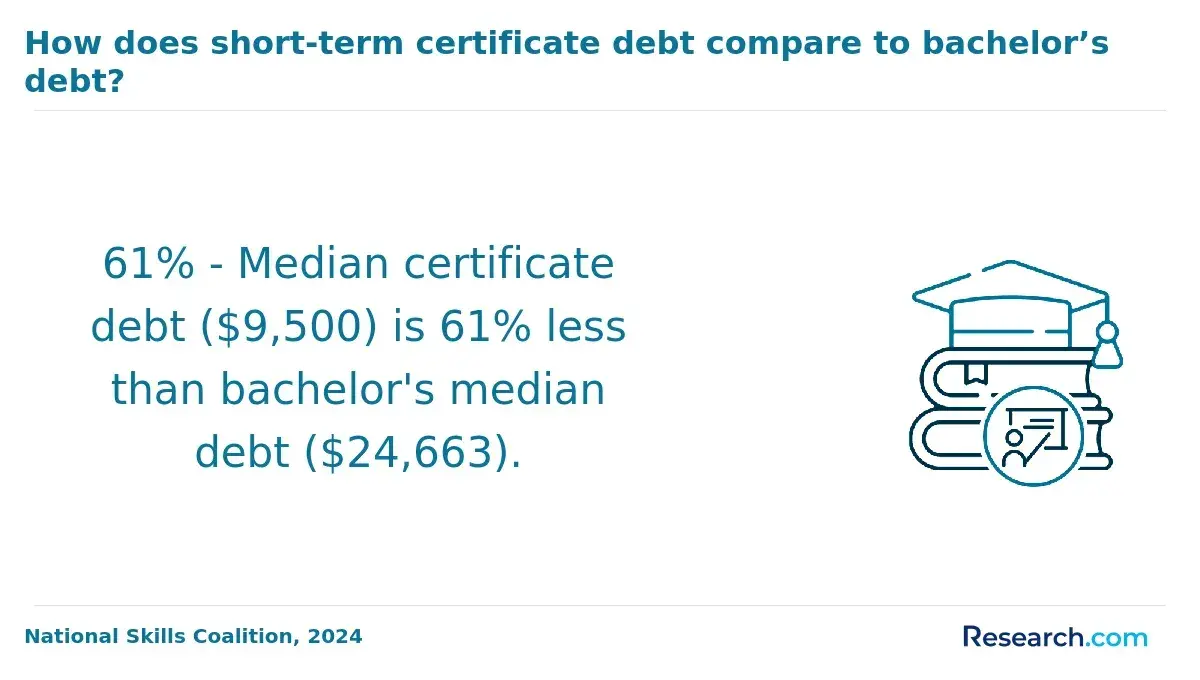
- Bachelor's Tuition: Tuition is typically charged per credit hour, with full-time students completing about 120-130 credits. This results in a significant overall tuition cost, but rates are generally lower than graduate programs.
- Master's Costs: Master's programs usually require between 30 and 45 credits at a higher tuition rate per credit, reflecting the advanced nature of the coursework and specialized training.
- Doctoral Expenses: Doctoral programs have variable costs including coursework, research, and dissertation phases. Some students may benefit from tuition waivers or stipends, which can reduce their out-of-pocket expenses.
- Mandatory Fees: Technology, laboratory, and activity fees are commonly added to tuition and vary by program level, which increases the total cost. Materials such as textbooks, software licenses, and specialized environmental testing supplies are extra expenses to consider.
- Enrollment Status: Full-time students pay more per semester but finish faster, while part-time enrollment spreads costs over a longer period and may incur additional per-course fees, affecting overall affordability.
Prospective students comparing bachelor's vs master's vs doctorate cost comparison in environmental engineering should also consider financial aid options and program length when evaluating total expenses. For those seeking budget-friendly alternatives in related fields, the cheapest psychology degree online offers insight into affordable degree options. Weighing all these elements supports informed decisions about which educational path aligns with career goals and financial realities.
What Financial Aid Options Are Available for Environmental Engineering Degrees?
Prospective students pursuing bachelor's, master's, or doctoral environmental engineering degrees can face significant financial challenges. Around 85% of full-time, first-time undergraduate students received some form of financial aid during the 2020-2021 academic year, with average grant aid exceeding $8,000 per student. The following list outlines key financial assistance options to consider when planning for these advanced degrees.
- Grants and Scholarships: These do not require repayment and are often awarded based on academic merit, financial need, or field of study. Many scholarships target STEM students, including those focused on environmental engineering, helping to reduce overall costs.
- Federal Loans: These low-interest loans provide flexible repayment options tailored to recent graduates' income levels, making them a common aid source for students in environmental engineering degree financial aid options.
- Private Loans: While available, they usually come with higher interest rates and less flexible repayment terms, so they should be considered carefully and typically as a last resort for funding.
- Work-Study Programs: These opportunities allow students to earn money through part-time jobs, ideally within their field of study, supporting both educational expenses and practical experience in environmental engineering.
- Employer Tuition Assistance: Many companies offer tuition reimbursement or assistance programs, especially for master's and doctoral candidates, as part of investing in employee professional development.
- Military Education Benefits: Eligible veterans and active-duty service members can access substantial financial support through military education programs when pursuing environmental engineering degrees.
Exploring financial assistance for environmental engineering students early in the decision process is critical, particularly for those comparing the different education levels to align with career goals. For those considering the cost-benefit balance of these programs, researching the easiest college majors with high pay may provide additional perspective on long-term financial outcomes.
What Careers Are Available at Each Environmental Engineering Degree Level?
Career opportunities in environmental engineering expand significantly with higher degree levels, offering more specialized and leadership roles. Understanding these professional options can help students plan their education and align their career paths with long-term goals in this evolving field.
Bachelor's Degree
- Environmental Technician: Graduates often start as environmental technicians, focusing on data collection and site assessments to support projects aimed at environmental protection.
- Junior Engineer: Entry-level engineers assist in designing and implementing environmental systems and processes under supervision in various settings like government agencies or consulting firms.
- Project Coordinator: These roles involve organizing project activities, facilitating communication among teams, and ensuring timely execution of environmental initiatives.
Master's Degree
- Environmental Consultant: Professionals provide expert advice on environmental regulations and sustainable practices, often leading complex projects that require advanced technical knowledge.
- Senior Engineer: With a master's degree, engineers assume greater responsibility for project management and design, contributing to strategic decision-making and regulatory compliance.
- Sustainability Specialist: These specialists develop and implement policies promoting environmental sustainability within organizations, leveraging advanced research skills.
Doctorate Degree
- University Professor: Doctorate holders typically engage in teaching and guiding future professionals while conducting original research in environmental practices.
- Principal Investigator: Leading cutting-edge research projects, they innovate solutions to environmental challenges on regional or global scales.
- Senior Policy Advisor: They influence environmental policies and regulations through expert analysis and high-level consultancy roles.
Choosing to pursue a bachelor's, master's, or doctorate in environmental engineering shapes the spectrum of professional opportunities available, each offering distinct pathways for growth. For those considering flexible educational options, exploring an associate degree can provide an initial stepping stone toward these career paths.
How Do Salaries Compare Among Bachelor's vs Master's vs Doctorate Environmental Engineering Graduates?
Salary outcomes play a significant role in choosing the appropriate environmental engineering degree, as they highlight differences in career prospects, specialization opportunities, and financial rewards. Below is a comparison of typical earnings across degree levels:
- Bachelor's Degree: Entry-level environmental engineers with a bachelor's generally earn from $60,000 to $75,000 annually. This range suits roles in consulting firms, government agencies, and industry, offering a solid starting point for professional growth.
- Master's Degree: Graduates holding a master's can expect higher salaries, typically between $75,000 and $95,000 per year. Their advanced expertise often qualifies them for project management positions and specialized technical assignments, contributing to greater compensation.
- Doctorate Degree: Individuals with doctorates frequently command salaries above $95,000, with some exceeding $110,000, especially in research, academia, or senior consultancy roles. Their deeper knowledge and leadership capabilities justify this premium in earnings.
While experience, geographic location, and industry sector also impact pay, these general figures help prospective students assess the financial benefits connected to each education level in environmental engineering.
What Graduates Say About Their Environmental Engineering Degree Level
- Elliot: "Choosing to study environmental engineering was one of the best decisions I ever made. Although the average cost was quite steep, around $30,000 per year including fees, I saw it as an investment in my future. Now, working on sustainable urban projects, I truly appreciate how this degree opened doors to impactful career opportunities."
- Mel: "Pursuing a master's in environmental engineering was a reflective journey for me. The tuition, typically about $20,000 annually, weighed on my mind, but I focused on the value of advanced knowledge. This degree has dramatically enhanced my professional credibility and allowed me to contribute more effectively to environmental policy development."
- Jayce: "During my doctorate in environmental engineering, I weighed the significant costs against the potential for innovation and leadership in the field. Though programs can reach upwards of $25,000 per year, completing my degree has been pivotal in my role as a research scientist, driving advancements in water purification technologies. The investment was certainly worthwhile. "
Other Things You Should Know About Environmental Engineering Degrees
Work experience is not universally required but can strengthen applications for both master's and doctoral programs in environmental engineering. Some graduate programs prefer or recommend applicants to have practical experience in the field, especially for professional or applied master's degrees. Doctoral programs often value relevant research or industry experience to ensure candidates are prepared for independent study.
Yes, graduate programs in environmental engineering, especially at the master's thesis and doctoral levels, emphasize research activities more heavily than bachelor's programs. Students engage in original research, advanced data analysis, and technical writing, often working closely with faculty advisors. This research focus prepares graduates for specialized roles in academia, industry, or government research positions.
References
- Environmental Engineering (Bachelor) https://www.uibk.ac.at/en/programmes/ba-environmental-engineering/
- Full time Doctorate Degrees in Environmental Engineering https://www.postgraduatesearch.com/pgs/search
- PhD Degree in Environmental Engineering - About Minimum Qualification, Universities, And Admission 2025-26 https://sikshadunia.com/course/environmental-engineering
- Postgraduate Research Courses in Environmental Engineering - 20 Courses https://www.postgrad.com/courses/environmental-engineering-2/all/any-attendance/research/
- Environmental Engineer - Salary, How to Become, Job Description & Best Schools https://www.onlinedegree.com/careers/engineering/environmental-engineer/
- Environmental Engineering - MEng - Course https://grad.ucalgary.ca/future-students/explore-programs/environmental-engineering-meng-course
- Environmental Engineering | The University of Western Australia https://www.uwa.edu.au/study/courses/environmental-engineering
- Environmental Engineering (M.S.) https://www.iit.edu/academics/programs/environmental-engineering-ms
- Bachelors Vs Masters: Key Differences, Time & Careers | PathWise https://pathwise.io/bachelors-vs-masters/
- Environmental Engineering https://www.tum.de/en/studies/degree-programs/detail/environmental-engineering-master-of-science-msc


