
2027 Forensic Nursing Degree Programs for Career Changers

Co-Founder and Chief Data Scientist
A registered nurse with years of clinical experience wants to pivot into forensic nursing to address the critical need for skilled professionals in legal and healthcare intersections. However, balancing education with work and personal commitments proves challenging. Nearly 60% of forensic nursing degree students in the U. S. are adult learners juggling multiple responsibilities, highlighting the demand for flexible programs. Understanding how to navigate these educational paths efficiently is crucial for career changers aiming to enter this specialized field. This article explores forensic nursing degree options tailored to adult learners, focusing on strategies and program features that support smooth career transitions.
Key Things to Know About Forensic Nursing Degree Programs for Career Changers
- Forensic nursing degree programs often offer flexible scheduling and online or hybrid formats, accommodating working adults balancing job and family commitments.
- Accelerated pacing options enable career changers to complete credentials faster, with some programs finishing in under 18 months.
- Employer partnerships and practical training provide relevant experience, enhancing job readiness in the growing forensic nursing workforce projected to expand 15% by 2030.
What Forensic Nursing Programs Accept Career Changers?
Many forensic nursing programs are designed to accommodate working adults and professionals seeking to change careers by offering flexible admission requirements and curricula that emphasize practical skills. This approach aligns with trends showing that about 40% of graduate students are career changers pursuing new opportunities. These forensic nursing degree programs for nontraditional students provide tailored prerequisites and curriculum paths that make the transition smoother.
- Accelerated Bachelor of Science in Nursing (ABSN): These programs recognize prior academic achievements and focus on experiential learning, allowing students without traditional nursing backgrounds to complete their degrees more quickly and gain relevant forensic nursing knowledge.
- Master's Degree in Forensic Nursing: Often intended for non-nurses with healthcare experience, these programs blend theory and hands-on practice, with flexible admission policies that support career changers from varied fields.
- Post-Master's Certificates: Designed for nurses who want to specialize further, these certificates usually offer part-time options and emphasize practical skills, fitting the schedules of working adults.
- Hybrid Forensic Nursing Programs: Combining online coursework with in-person clinical experiences, these programs provide adaptable scheduling to balance work and study while focusing on practical application.
Adult learners aiming to enter forensic nursing will find these program types helpful because they emphasize skill transfer and practical training. For professionals interested in flexible pathways, exploring RN to BSN programs can be an additional valuable step in their educational journey.
What Forensic Nursing Specializations Are Best for Career Changers?
Selecting the right forensic nursing specialization is essential for career changers, as it allows them to leverage existing skills and ease their transition into this specialized field. Industry data indicates that specialized forensic nurses experience a 15% higher employment growth compared to general nursing roles, highlighting strong demand for expertise. Here are four top forensic nursing specializations ideal for career changers.
- SANE (Sexual Assault Nurse Examiner): This specialization utilizes clinical skills and empathy, making it accessible to professionals with healthcare or counseling backgrounds. It provides career mobility by focusing on sensitive patient care in legal contexts.
- Forensic Psychiatric Nurse: Suited for those with mental health or social work experience, this role involves evaluating patients within the legal system. Transferable skills in communication and behavioral assessment make this specialization attractive for career changers.
- Death Investigator Nurse: This area appeals to individuals with pathology or emergency nursing backgrounds. It emphasizes analytical skills and attention to detail, which supports a smooth transition for those experienced in critical care environments.
- Child Forensic Nurse: Ideal for professionals coming from pediatrics or social services, this specialization centers on child abuse cases and protective care. It offers an opportunity to apply prior experience in advocacy and family support within the forensic nursing arena.
For professionals interested in further education options that facilitate a career transition, exploring easiest DNP programs can provide flexible pathways to advanced nursing degrees and certifications tailored to forensic nursing specializations. Choosing among the best forensic nursing career transition options helps adult learners move confidently into rewarding forensic nursing roles.
What Are the Admission Requirements for Career Changers Applying to a Forensic Nursing Program?
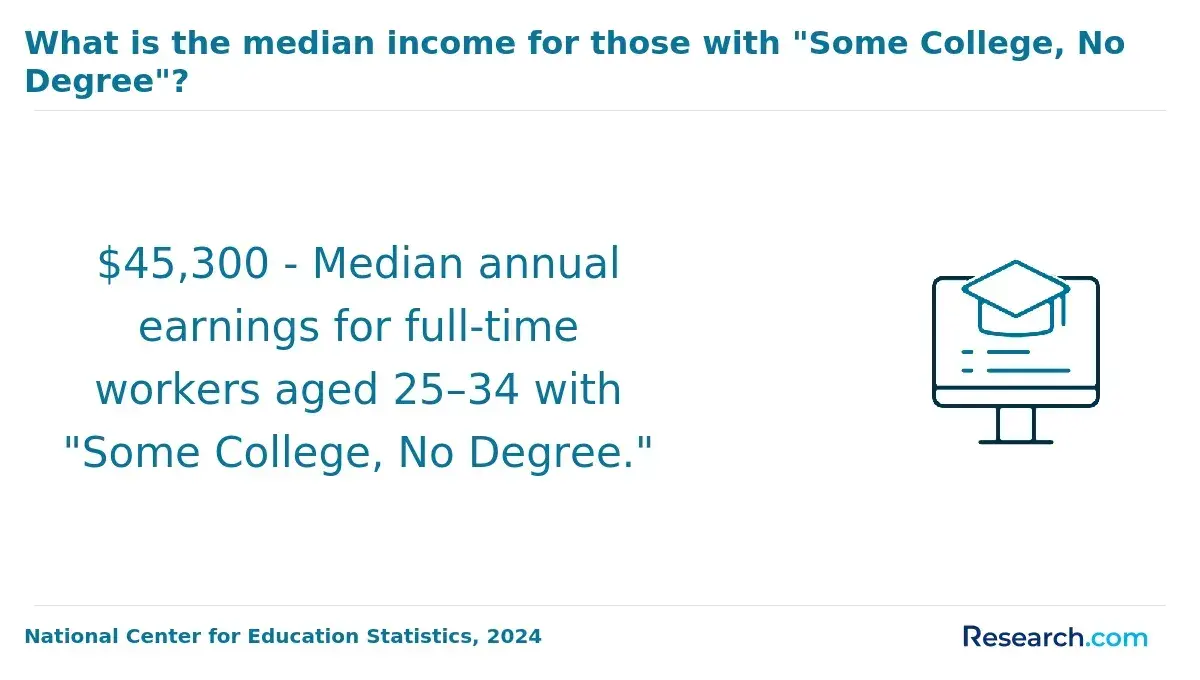
Career changers pursuing a forensic nursing degree often balance work and study, making flexibility in admission requirements crucial. Nearly 40% of U.S. college students are adults aged 25 or older, reflecting the rise of nontraditional admissions pathways designed to support working professionals. Below are common admission requirements for career changers applying to a forensic nursing program.
- Bachelor's Degree: Typically, applicants must hold a bachelor's degree or higher from an accredited institution, often in nursing or a related health field, but some programs will consider degrees from other disciplines with additional prerequisites.
- Licensure or Experience: Proof of licensure such as an RN license or relevant clinical experience is often required, highlighting transferable skills that can accelerate program progress.
- Prerequisite Courses: Completion of foundational courses like biology, anatomy, or chemistry may be necessary if your prior degree is unrelated to health sciences, ensuring readiness for advanced forensic nursing study.
- Application Materials: Submission of transcripts, letters of recommendation, and a statement of purpose is standard, allowing applicants to demonstrate commitment and clarify career goals.
- Work Experience: Many programs require or recommend healthcare-related work experience, which supports career changers by validating professional skills and facilitating credit waivers or accelerated pathways.
Programs often offer part-time, online, or hybrid formats to accommodate professionals transitioning fields. For those without traditional nursing backgrounds, bridge programs provide alternative qualification pathways to enter forensic nursing. Working professionals interested in exploring options can also review easiest nursing schools to get into for additional guidance. Understanding these admission requirements is key for career changers seeking a successful entry into forensic nursing with a plan that fits their existing commitments and leverages prior experience in health care.
What Is the Coursework for a Forensic Nursing Degree for Career Changers?
Career changers must carefully evaluate the coursework in a forensic nursing degree to ensure it fits their busy schedules and learning preferences. The curriculum is structured to provide real-world relevance while allowing students to balance education with existing responsibilities. Key areas of study typically include:
- Foundations Of Forensic Nursing: Introduces the intersection of nursing and the criminal justice system, emphasizing essential concepts that guide forensic nursing practice.
- Evidence Collection And Documentation: Teaches proper methods for preserving forensic evidence with strict adherence to legal protocols and chain of custody standards.
- Legal And Ethical Issues: Explores patient rights, regulatory compliance, and ethical challenges unique to forensic nursing roles.
- Clinical Forensic Nursing Practice: Focuses on applying clinical assessments and interventions to patients affected by trauma, abuse, or violence.
- Interdisciplinary Collaboration: Highlights coordination with law enforcement and legal professionals to comprehensively address forensic cases.
Most programs incorporate flexible online instruction, case studies, and hands-on simulations to accommodate diverse learning styles. Support from advisors and adjustable scheduling options ease challenges associated with career transitions.
A professional who completed an online forensic nursing degree shared his experience when asked about the coursework: "Managing coursework alongside a full-time job was tough at first, but the online modules allowed me to study whenever I had a moment. The case-based learning helped me connect theory to practice, which made the material feel more relevant. Sometimes balancing clinical labs with family time was stressful, but having flexible deadlines and advisor support made a big difference." His reflections underscore how the coursework design supports adults preparing to enter forensic nursing from other fields.
What Forensic Nursing Program Formats Are Available for Career Changers?
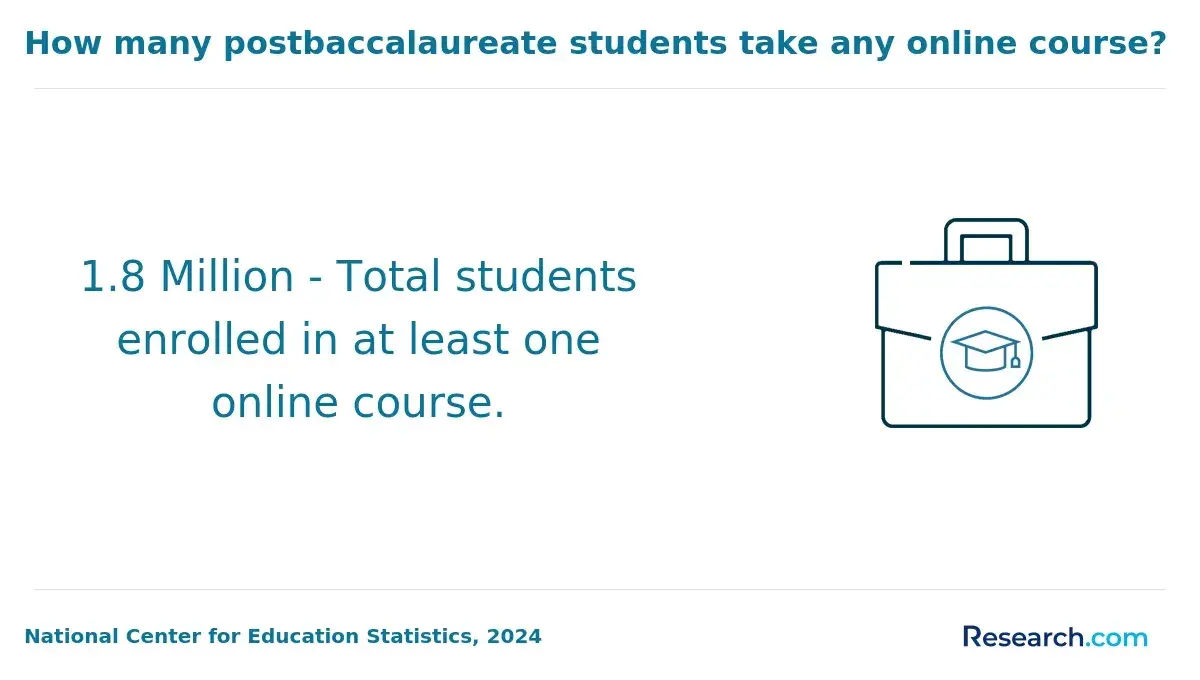
For career changers, knowing how program formats fit into busy lives is essential, especially since over 40% of undergraduate students in the U.S. are adult learners who often rely on flexible online or hybrid options. These formats make it realistic to pursue a forensic nursing degree without pausing professional or personal commitments. Common structures include:
- Fully Online Programs: These allow students to access lectures and assignments remotely, supporting self-paced progress. Ideal for professionals balancing work and family obligations, they maximize flexibility without geographic limits.
- Hybrid Programs: Blending online coursework with in-person clinical experiences, these formats combine convenience with essential hands-on training. The mix accommodates those needing face-to-face interaction while maintaining scheduling adaptability.
- Evening and Weekend Classes: Scheduled outside standard daytime hours, these courses suit working individuals who want traditional classroom engagement without interfering with weekday jobs. They provide direct instruction in a time frame compatible with employment.
- Part-Time Study: Extending the timeline for degree completion, part-time options help students manage their educational goals alongside existing career and life demands. This approach reduces pressure and supports sustained progress.
These diverse options prioritize accessibility and flexibility, helping career changers confidently transition into forensic nursing while maintaining life balance.
What Skills Do Career Changers Gain in a Forensic Nursing Program?
Skill development plays a crucial role in career changers' success, especially given that nearly 43% of U.S. workers aged 40 and above have shifted occupations at least once. Reskilling with versatile capabilities is essential for adapting to new professional environments and securing long-term job stability. The key competencies gained in forensic nursing programs effectively prepare students to navigate both healthcare and legal sectors. Key skills career changers gain include:
- Clinical Assessment: Students learn to evaluate trauma and forensic evidence with precision, applying medical expertise in environments where legal and healthcare concerns intersect. This knowledge opens doors to roles that extend beyond conventional nursing duties.
- Crime Scene Documentation: Training emphasizes meticulous evidence collection and reporting, fostering collaboration with law enforcement while enhancing career flexibility across investigative settings.
- Legal Knowledge: Familiarity with laws governing patient rights, evidence management, and courtroom procedures equips students to actively participate in multidisciplinary teams and court testimonies.
- Communication Skills: Developing empathetic interviewing methods and effective communication ensures better support for victims and improves information accuracy, vital for both care and investigation.
- Critical Thinking and Problem-Solving: Analyzing complex forensic cases cultivates decision-making capabilities that are vital for adapting quickly to the dynamic and often unpredictable environments encountered on the job.
Reflecting on her journey, a career changer who completed a forensic nursing degree shared that the shift from her previous profession was both challenging and rewarding. "Initially, balancing coursework with family commitments was overwhelming," she recalled, "but mastering the interdisciplinary skills gave me confidence I hadn't felt in years." She highlighted that learning to think critically under pressure and communicate effectively with diverse professionals helped her navigate unfamiliar situations. "It wasn't just about gaining knowledge; it was about transforming how I approach problems and connect with people." This experience underscores how forensic nursing training provides more than technical ability-it fosters resilience and adaptability essential for career changers stepping into a demanding new field.
How Much Does a Forensic Nursing Degree Cost for Career Changers?
Career changers pursuing a forensic nursing degree must carefully evaluate the total cost, as graduate education expenses nationwide average between $30,000 and $120,000 depending on program type and length. This financial insight is vital for working professionals seeking efficient and affordable education pathways. Below are the key cost components to consider when assessing forensic nursing degree tuition and fees for working professionals.
- Tuition Costs: Tuition is typically the largest expense, ranging from $500 to $1,500 per credit hour. With most programs requiring 30 to 40 credit hours, total tuition can reach $15,000 to $60,000 or more. Flexible options like part-time enrollment or accelerated programs can help working adults balance education with income.
- Additional Fees: Beyond tuition, fees for technology, campus services, and clinical placements usually add $1,000 to $5,000 to overall costs. These fees ensure access to essential learning resources and practical experience in forensic nursing.
- Textbooks and Supplies: Course materials and clinical supplies represent another necessary expense. Costs vary depending on program requirements but should be budgeted alongside tuition and fees for a realistic financial plan.
- Payment Options and Employer Support: Many professionals benefit from flexible payment plans, installment options, and employer tuition reimbursement programs. Employers often support degree costs when new skills directly enhance job performance, easing financial pressure during the career transition.
- Cost-Saving Programs: Accelerated courses and part-time study tracks allow students to continue earning while learning, reducing financial strain. Career changers can also explore cheap online FNP programs as potential affordable alternatives aligned with their goals.
Understanding these factors helps career changers make informed decisions about investing in a forensic nursing degree while balancing affordability, program quality, and scheduling flexibility.
How Does a Forensic Nursing Curriculum Support Career Transitions?
A forensic nursing curriculum is especially important for career changers because it effectively bridges previous professional experience with the unique demands of this specialized field. Adult learners benefit from a curriculum designed to facilitate smooth transitions through focused and practical teaching methods. The following features highlight how forensic nursing programs support career transitions.
- Applied Learning Modules: These simulate forensic casework and patient care environments, allowing students to directly apply nursing concepts in scenarios related to legal investigations. This hands-on approach ensures career changers develop practical skills relevant to their future roles.
- Transferable Skills Development: Programs emphasize core skills taught in forensic nursing programs such as analytical reasoning, legal documentation, and report writing. This empowers learners to leverage their existing knowledge while gaining expertise specific to forensic nursing.
- Flexible Pacing: Recognizing the challenges adult learners face, many curricula offer flexible course schedules or online options. This flexibility enables students to balance studies with ongoing professional and personal commitments effectively.
- Real-World Projects: Internships and project-based learning opportunities immerse students in authentic forensic settings. These experiences build confidence and competence by fostering a deeper understanding of the forensic nursing role.
- Interdisciplinary Training: Curriculum integrates nursing care with forensic science and legal principles. This combination prepares students to address complex cases that intersect healthcare and criminal justice sectors.
Career changers interested in advancing their education and exploring affordable advanced degrees might also consider programs like the cheapest DNP programs online as an option to further enhance their qualifications.
What Careers Can Career Changers Pursue With a Forensic Nursing?
Career changers pursuing a forensic nursing degree should consider potential job outcomes to align their skills with areas of strong demand. The U.S. Bureau of Labor Statistics forecasts a 15% increase in registered nurse positions and specialized nursing roles through 2032, highlighting promising employment prospects. Below are five common career paths that graduates often explore.
- Sexual Assault Nurse Examiner (SANE): Conducts forensic medical examinations and collects critical evidence while providing empathetic support to survivors. This role leverages clinical expertise and strong communication skills, making it ideal for those transitioning from traditional nursing.
- Forensic Nurse Death Investigator: Supports postmortem investigations by assisting in determining causes of suspicious deaths. Analytical abilities and attention to detail developed in nursing contribute to effective performance in this investigative capacity.
- Correctional Facility Nurse: Provides healthcare services within correctional settings, addressing trauma and forensic evaluations among incarcerated populations. Experience in diverse patient care environments helps in adapting to this challenging and impactful role.
- Legal Nurse Consultant: Reviews medical records and offers expert clinical insights to legal teams, bridging healthcare and law. Nurses with strong critical thinking and documentation skills find this career suitable for combining medical knowledge with legal processes.
- Crime Scene Nurse: Collaborates with law enforcement to gather and document evidence at crime scenes, applying a unique blend of medical and investigative skills. This position appeals to nurses interested in hands-on forensic work outside conventional clinical roles.
What Is the Average Salary After Earning a Forensic Nursing Degree as a Career Changer?
Salary expectations play a vital role for professionals shifting careers, as financial security and growth potential heavily influence their decisions. Research indicates that individuals who retrain in healthcare can experience a median salary boost of approximately 15% within five years. Below are key aspects reflecting earning potential after obtaining a forensic nursing degree.
- Entry-Level Salaries: Starting pay typically ranges from $60,000 to $75,000 annually, varying by region and employer type. Newcomers build foundational clinical and forensic skills while adjusting to the field's demands.
- Experienced Professionals: Those with several years in forensic nursing often make between $80,000 and $100,000 per year, benefiting from accumulated expertise and specialized abilities.
- Certification Impact: Additional credentials, such as forensic evidence collection or sexual assault examination certificates, can enhance yearly earnings by 5% to 15%, reflecting their recognized value.
- Work Environment: Salary levels are influenced by the setting-hospital roles, law enforcement collaborations, or clinic positions each come with distinct pay scales.
- Transferable Experience: Prior healthcare or criminal justice careers frequently lead to higher starting salaries, as relevant skills speed up professional advancement and compensation growth.
What Graduates Say About Their Forensic Nursing Degrees for Career Changers
- Tana: "Switching careers to forensic nursing felt daunting, especially with the average program cost hovering around $15,000. However, the investment was worth every penny because the curriculum was practical and tailored for career changers like me. Now, I'm confident and equipped to serve in this unique field, and I'm truly grateful for this new chapter."
- Georg: "After years in a different healthcare specialty, I decided to pursue a forensic nursing degree program despite the considerable tuition fees, which can range from $10,000 to $20,000 depending on the institution. Reflecting on the experience, it was an essential step to gaining credibility and specialized skills in forensic nursing, allowing me to transition smoothly and professionally into my new role."
- Callu: "I was initially hesitant about the financial commitment required to enter forensic nursing, with programs typically costing about $12,000. Nonetheless, completing the degree has been transformational for my career path. It provided not only education but also a renewed purpose, letting me connect my past clinical expertise with the forensic aspect effectively and respectfully."
Other Things You Should Know About Forensic Nursing Degrees
Yes, forensic nurses must hold a registered nurse (RN) license before practicing in the field. Some states also require additional certification, such as the Sexual Assault Nurse Examiner (SANE) credential, which involves specialized training and passing a certification exam. Maintaining licensure and certification typically requires continuing education related to forensic nursing.
The duration varies based on prior education and program format. For those with an RN license, bridge programs or master's degrees can take between 1 and 3 years. Individuals without an RN license usually spend additional time completing nursing prerequisites, extending the pathway by 2 to 4 years.
For a forensic nursing degree in 2027, career changers typically need a bachelor's degree in nursing (BSN) and an active registered nurse (RN) license. Prerequisite courses may include anatomy, physiology, and psychology. Specific requirements can vary by program, so it's advised to consult individual schools for detailed prerequisites.
References
- Forensic Nursing: A Comprehensive Guide - Madonna https://absn.madonna.edu/blog/forensic-nursing/
- How to Become a Forensic Nurse | IntelyCare https://www.intelycare.com/career-advice/how-to-become-a-forensic-nurse/
- Forensic Nursing FAQs https://aihcp.net/forensic-nursing-faqs/
- Education FAQs - International Association of Forensic Nurses https://www.forensicnurses.org/page/EducationFAQS/
- Online RN to MSN - Forensic Nursing | Aspen University https://www.aspen.edu/nursing/rn-msn-forensic-nursing/
- FNCB Answers to Frequently Asked Questions - Forensic Nursing Certification Board https://goforensicncb.org/frequently-asked-questions/
- Forensic Nurse Career Guide: How to Become a Forensic Nurse (2025 Guide) https://nurseslabs.com/forensic-nurse-career-guide/
- Forensic Nursing https://onlinelearning.csuohio.edu/programs/msn-forensic-nursing-online
- How much do Forensic Nurses Make in The USA? | Shiftmed Blog https://www.shiftmed.com/professionals/blog/how-much-do-forensic-nurses-make/
- How Much Do Forensic Nurses Make? https://nurse.org/education/forensic-nurse-salary/


