2026 Forensic Nursing Master's Programs With Practicum Placement Support

Co-Founder and Chief Data Scientist
Securing a practicum placement that aligns with a forensic nursing master's program's standards can define both educational outcomes and early career success. Programs vary widely in how they manage site matching, supervisor credentials, and contingency protocols-factors critical for gaining diverse, compliant clinical experience. According to the National Center for Education Statistics, adult enrollment in graduate health programs increased by over 12% between 2022 and 2024, underscoring a growing demand for accessible, flexible pathways that accommodate working professionals and distance learners.
Evaluating practicum infrastructure beyond surface-level admissions details empowers applicants to discern which programs offer actionable support, realistic site options, and rigorous oversight essential to long-term employability and credential integrity.
Key Things to Know About Forensic Nursing Master's Programs With Practicum Placement Support
- Practicum placements often use a matching process prioritizing site diversity, ensuring exposure beyond metropolitan forensic centers, which broadens clinical experience but may extend placement timelines and complicate scheduling.
- Supervisors typically hold advanced forensic nursing certifications, setting a high competency bar that aligns with employer expectations for graduates' readiness in complex legal-medical roles.
- Contingency planning for practicum disruptions, evident in programs post-2023, improves access but may add cost or time, reflecting wider trends of workforce demand volatility and adult learner scheduling constraints.
What Are Forensic Nursing Master's Programs With Practicum Placement Support?
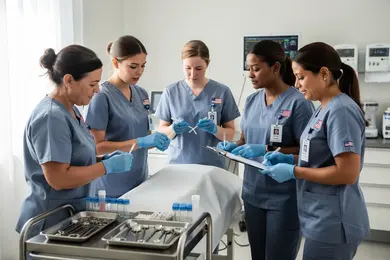
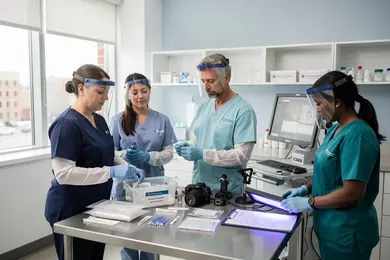
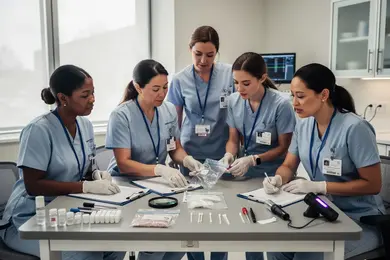
A master's-level practicum in forensic nursing functions as an essential, competency-driven bridge between academic knowledge and the nuanced realities of medico-legal practice. Unlike general internships or loosely structured field placements, these practicum experiences are formal, supervised engagements focused specifically on developing forensic nursing expertise, such as forensic evidence collection, trauma-informed victim advocacy, and interdisciplinary communication with legal authorities.
Programs offering dedicated practicum placement support stand apart by actively managing site coordination and supervision, rather than leaving students, especially those new to the field or in remote locations, to independently locate suitable placements-a task that can severely limit access and delay credentialing.
Key distinguishing features of programs that provide active practicum placement support include:
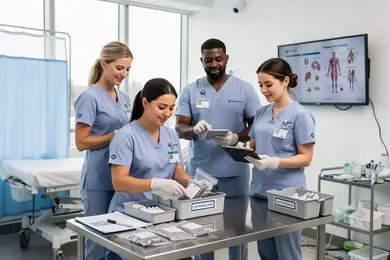
- Placement Coordination: Programs actively partner with forensic nursing sites and oversee the identification, approval, and scheduling of practicum locations, eliminating the need for students to independently secure placements.
- Site Selection Diversity: Supported programs maintain a network of diverse practicum sites, including hospitals, coroner offices, sexual assault response teams, and law enforcement agencies, ensuring exposure to a range of professional environments.
- Qualified Supervision: They guarantee supervision by credentialed forensic nurse specialists or multidisciplinary experts who meet accreditation standards and foster skill development specific to forensic nursing.
- Contingency Planning: Robust placement support involves backup options if primary sites become unavailable, a feature especially vital for students constrained by geography or lacking professional networks.
- Compliance and Accreditation: Placement arrangements align with forensic nursing accreditation criteria, ensuring students' practicum experiences are valid for licensure or certification requirements.
For prospective students evaluating forensic nursing master's programs with practicum placement, understanding these operational distinctions is key. Those without established contacts or who cannot relocate easily are disproportionately affected by programs that do not provide structured placement support, resulting in potential delays in graduation or compromised practicum quality.
This article will delve into these factors, offering a detailed framework to assess forensic nursing online or on-campus graduate programs with field placement support and their impact on training outcomes and career readiness.
Why Is Practicum Placement Support Critical in Forensic Nursing Master's Programs?
Practicum placement support determines whether forensic nursing master's students gain the critical clinical experience necessary to meet professional standards and employer expectations. Without structured assistance, students often face significant delays and compromised training quality that directly impact their licensure and job readiness.
Outcomes research and licensing board requirements consistently highlight that well-orchestrated practicum placements contribute to higher exam pass rates and smoother workforce entry. The International Association of Forensic Nurses and state nursing boards mandate supervised, documented clinical hours under qualified preceptors, making strong placement infrastructure essential rather than optional. Programs leaving site selection solely to students risk practical pitfalls that can detract from educational value and delay licensure.
- Placement Delays: Students tasked with independently finding practicums frequently encounter prolonged searches, resulting in training interruptions and potential financial burden.
- Mismatched Sites: Uncoordinated placements may lack forensic nursing focus, undermining the specialized skills necessary for certification and effective employment.
- Inadequate Supervision: Licensure standards require experienced clinical supervisors; placements without this jeopardize accreditation compliance and graduate competence.
- Credentialing Complications: Licensing bodies demand verifiable practicum hours within approved settings; poor documentation or unsuitable sites risk licensure delays or denials.
- Programmatic Partnerships: Active collaborations with clinical sites streamline student matching, ensure quality control, and provide contingency options that safeguard timely completion.
- Accreditation Compliance: Accredited programs, such as those adhering to Commission on Collegiate Nursing Education (CCNE) standards, implement robust practicum frameworks crucial for maintaining educational integrity and workforce readiness.

How Do Forensic Nursing Master's Programs Structure Their Practicum Components?
Determining how forensic nursing master's programs structure their practicum components is essential for evaluating the practical readiness they provide. The sequencing, credit requirements, and integration with coursework directly affect a student's ability to balance field experience with academic demands and personal obligations. For example, working professionals in rural areas may struggle with intensive block placements if local practicum placement support in forensic nursing master's programs is limited, making supervision accessibility and site diversity crucial factors.
- Timing: Practicum placements typically occur toward the end of the curriculum, once foundational courses establish clinical and forensic knowledge, ensuring that students engage in real-world scenarios with appropriate preparation and background.
- Credit Hours: These clinical components generally comprise 3 to 6 credit hours, reflecting varied commitment levels; programs with higher credit loads often demand 200 to 400 supervised hours, which may extend over multiple semesters to accommodate differing student schedules.
- Integration: Some programs align practica concurrently with classroom learning to foster immediate application of theory, while others adopt a sequential approach, positioning practicum after course completion; additional integration with capstone projects can deepen synthesis of forensic nursing master's practicum supervision and site diversity.
- Models: The main practicum formats include sequential placements across semesters suitable for gradual skill-building but lengthier programs, intensive block placements that concentrate experience within a limited timeframe but require full availability, and concurrent models demanding robust time management as students juggle both fieldwork and coursework.
- Flexibility and Supervision: Effective programs accommodate students facing geographic or occupational constraints by offering remote or local practicum options with qualified supervisors, a critical factor in ensuring experienced oversight and positive employment prospects post-graduation.
Those evaluating forensic nursing master's degrees should look beyond total practicum hours and probe how programs support students through practicum placement support in forensic nursing master's programs, including contingency planning for placement disruptions and the quality of supervisory relationships. Given the impact on employability and skill acquisition, assessing this infrastructure is vital. For questions about admissions prerequisites relevant to these pathways, see insights on whether do all nursing schools require the TEAS.
What Qualifications Do Students Need to Qualify for Forensic Nursing Practicum Placement Assistance?
Meeting practicum placement requirements in forensic nursing master's programs often proves more complex than fulfilling standard academic benchmarks. Practicum sites demand specific qualifications not only to comply with legal mandates but also to preserve their ability to provide meaningful clinical experiences under rigorous supervision. Failure to satisfy these prerequisites can delay or derail placement, directly impacting a student's timely progress and employability.
- GPA Thresholds: Minimum grade point averages, usually around 3.0, reflect the necessity to handle advanced forensic nursing content and maintain standards mandated by accrediting agencies and clinical partners.
- Prerequisite Coursework Completion: Students must complete essential nursing courses such as pathophysiology and pharmacology, sometimes including victimology or criminal justice, to ensure foundational knowledge before engaging in specialized forensic clinical work.
- Background Check Clearance: Stringent criminal background investigations and drug screenings are standard due to the vulnerable populations and sensitive forensic data involved.
- Immunization and Health Documentation: Proof of immunizations and health screenings protects all parties involved from infectious risks inherent in forensic exams and clinical environments.
- Professional Liability Insurance Enrollment: Securing liability insurance is often required to mitigate legal risk exposure for both students and practicum sites.
These criteria exist because clinical sites operate under strict legal and regulatory frameworks while managing teaching responsibilities. Students benefit from early preparation-auditing transcripts, scheduling immunizations, initiating background checks, and confirming insurance requirements ahead of program start dates-to avoid administrative bottlenecks. Requesting a detailed, written timeline for all eligibility milestones from programs can help students proactively align their preparations and avoid unexpected placement delays, especially vital for those in rural regions with less flexible practicum options.
One graduate recalled uncertainty during admissions as their transcripts showed a last-semester prerequisite in progress, complicating immediate placement eligibility. Without clear guidance, they hesitated on whether to complete enrollment promptly or delay until all criteria were fully documented. Eventually, a program's provision of a stepwise timeline clarified the required sequencing, allowing them to secure placement without forfeiting valuable clinical months. This experience underscored how transparency in qualification timelines can shape early decision-making and prevent costly delays.
Which Types of Practicum Sites Are Commonly Used in Forensic Nursing Master's Programs?
Practicum placements in forensic nursing master's programs substantially influence the clinical competencies and professional outlook students develop, with distinct site types shaping diverse skillsets and exposure to patient populations. Selecting placements aligned with career objectives is critical to leveraging these experiences effectively.
- Hospitals: Commonly situated in emergency and trauma units, hospital practicums immerse students in acute injury evaluation, forensic evidence gathering, and rapid multidisciplinary coordination. While these fast-paced environments hone crisis response and documentation expertise, they often offer limited involvement in sustained case management.
- Outpatient Clinics: These settings enable longitudinal engagement with survivors, emphasizing forensic interviewing, counseling, and follow-up care. Students encounter varied interpersonal violence cases, developing nuanced communication and therapeutic skills uncommon in inpatient contexts.
- Schools: Placements in educational settings focus on addressing forensic issues among youth, involving child abuse identification and interaction with educators and families. Navigating mandatory reporting and prevention education here equips students with essential community-based intervention capabilities.
- Community Agencies: Exposure to systemic factors influencing survivor wellbeing occurs in these placements, where collaboration with advocacy groups enhances cultural competency and resource linkage abilities relevant to broader social justice frameworks.
- Nonprofit Organizations: Students gain experience in program development, public education, and policy advocacy, sharpening skills in grant writing and large-scale prevention strategies that extend beyond direct clinical care.
- Government Offices: Law enforcement and forensic laboratory rotations provide insight into medico-legal procedures and formalized professional cultures, critical for roles requiring strict chain-of-custody and legal interface proficiency.
- Private Practices: Specialized forensic evaluations and expert testimony preparation highlight these sites, demanding precision in documentation and a deep understanding of civil forensic standards.
- Corporate or Workplace Environments: Placements here broaden perspectives on occupational health, workplace violence prevention, and compliance policies, contrasting clinical environments with a focus on risk mitigation and organizational protocols.
Prospective students should investigate the variety and frequency of practicum sites offered by programs and ascertain the degree of choice granted in placement selection. This clarity aids in ensuring that practicum experiences support intended professional trajectories and meet employer expectations for relevant, practical exposure within forensic nursing.

How Do Forensic Nursing Programs Match Students With Appropriate Practicum Placements?
Effective placement matching in forensic nursing master's programs is a decisive factor in how well students transition from theory to practice, especially for those balancing geographic constraints or specialized career goals. Programs often differ fundamentally in their practicum placement approaches, from fully managing placements through established partnerships to hybrid models where students select preferred sites from an approved directory before final faculty approval. These contrasting methods require students to weigh tradeoffs between guided placement security and the autonomy to pursue niche or local sites, affecting both access and relevance to future employers. Understanding these dynamics is critical when evaluating how forensic nursing programs support their graduates' workforce readiness and long-term employability.
- Geographic Proximity: Programs prioritize sites near students to minimize travel and time barriers, yet limited local options-particularly in rural areas-can force compromises on specialization or site quality.
- Student Interests: Matching placements to a student's forensic nursing specialization sharpens skill sets but narrows the pool of eligible practicum sites, necessitating concessions when ideal placements are unavailable.
- Site Availability: Placement capacity hinges on the number and turnover of active partnerships; competitive sites fill quickly, and insufficient availability can delay student progress.
- Supervision Capacity: Accredited preceptors with relevant forensic nursing credentials are essential, and shortages in qualified supervisors may diminish practicum depth, affecting graduate readiness.
- Accreditation Alignment: Sites must adhere to accrediting bodies' criteria to ensure practicum hours contribute toward certification, limiting options to vetted organizations and adding complexity to the matching process.
Prospective students should ask programs how soon placements are confirmed, policies when preferred sites are unavailable, and the degree of formal student input in placement decisions. Programs providing transparent practicum placement protocols and contingency plans better prepare students for forensic nursing roles, particularly for career changers and those in geographically constrained settings.
For those researching options related to allied health degrees, resources like the exercise science degree online listings can offer comparative insights. Evaluating the student practicum placement matching process in forensic nursing master's programs alongside the criteria for practicum site selection in forensic nursing graduate programs enables informed decisions grounded in practical outcomes rather than promotional overviews.
What Is the Role of Field Supervisors and Faculty Liaisons in Forensic Nursing Practicum Programs?
The effectiveness of practicum experiences in forensic nursing hinges critically on the distinct yet complementary functions of field supervisors and faculty liaisons. These roles embody the dual axis of applied mentorship and academic oversight, directly influencing a student's readiness for real-world forensic nursing demands. Supervisors anchor the practicum in clinical realities, while faculty liaisons safeguard educational integrity and procedural compliance.
- Field Supervisors: Typically licensed nurses with advanced forensic credentials and multiple years of hands-on experience, these professionals immerse students in daily forensic casework. Their expertise enables them to provide continuous feedback, enforce ethical standards, and model competency in complex scenarios-a decisive factor for employers assessing practical readiness.
- Faculty Liaisons: Operating from the educational institution, they ensure the practicum aligns with stipulated learning objectives by maintaining ongoing communication, performing site visits or virtual check-ins, and intervening when supervision falters. Their academic background and forensic nursing knowledge equip them to mediate conflicts, uphold accreditation requirements, and reinforce quality control.
- Supervision Qualifications: Programs generally require supervisors to hold at least two to three years of forensic nursing experience alongside recognized certifications, often including RN licensure. These criteria are imposed to secure a learning environment where professional standards and safety protocols are consistently met.
- Supervision Quality: The caliber of oversight directly affects skill acquisition and long-term employability. Poor supervision not only risks gaps in competency but can diminish program reputation and graduate outcomes.
- Student Inquiry: Prospective students should insist on clarity regarding the frequency and nature of liaison contact, site evaluation methods, and formal procedures for addressing supervisory or placement issues to anticipate support structures in diverse settings.
A graduate recalled applying amid rolling admissions and noted the anxiety caused by delayed practicum site assignments. Their prospective program emphasized faculty liaison responsiveness during this uncertainty, which proved crucial. The liaison's proactive communication-providing interim guidance while finalizing placements-helped the student remain engaged and confident despite initial scheduling setbacks. This experience highlighted the tangible impact of liaison involvement beyond site visits, particularly for students navigating geographic or institutional constraints.
How Do Forensic Nursing Programs Support Students Who Face Challenges Securing a Practicum Site?
Typical placement barriers and effective supports include:
- Geographic Scarcity: Access to approved practicum sites in underserved regions is limited. Leading programs address this by maintaining an up-to-date, vetted database of diverse placements, including rural and alternative clinical environments to expand options.
- Competitive Demand: Multiple programs compete for a fixed number of quality sites. Programs incorporating dedicated practicum coordinators improve student-site matching efficiency, which supports equitable placement and decreases dropout risks.
- Credential or Clearance Delays: Background checks or licensing delays frequently postpone start dates. Clear timelines and preparatory checklists, paired with frequent communication, lessen these administrative bottlenecks.
- Mid-placement Site Failures: Unexpected site closures or staffing shifts can disrupt practicum continuity. Advanced contingency protocols with readily available alternate sites reduce interruptions and maintain learning momentum.
- Personal Hardships: Financial, health, or transportation issues impact completion rates. Programs offering flexible options and open communication channels can accommodate individual circumstances without penalizing student progress.
For prospective students seeking forensic nursing practicum placement assistance, especially career changers or those in rural settings, scrutinizing a program's contingency planning and site network is crucial. Transparent, responsive support signifies programs better equipped to manage real-world placement challenges. Given the increasing demand across healthcare systems, such program features directly influence workforce readiness and long-term career stability. Candidates interested in accelerated pathways might explore online direct entry MSN programs as one element of their educational planning.
What Accreditation Standards Govern Practicum Requirements in Forensic Nursing Master's Programs?
Accreditation standards critically determine how forensic nursing master's practicum requirements translate into meaningful field experience, affecting not only program quality but also graduates' licensure and employability prospects. Choosing a program without verifying its compliance risks incomplete clinical training that licensing boards and employers may not recognize, hindering career progression. Programs that meet well-defined standards ensure supervision ratios, clinical hours, and site diversity that mirror real-world forensic nursing demands, supporting skill development in complex environments.
- Commission on Collegiate Nursing Education (CCNE): Sets national criteria mandating clear practicum objectives aligned with program outcomes. It requires rigorous evaluation of clinical sites and qualified, credentialed preceptors with typical supervisor-to-student ratios of 1:5. Programs must validate a minimum number of clinical hours, often near 200, to certify adequate experiential exposure.
- Accreditation Commission for Education in Nursing (ACEN): Focuses on continuous clinical quality improvement and mandates approved clinical agencies providing relevant forensic case exposure and interprofessional collaboration. Supervisor-to-student ratios range between 1:4 and 1:6 depending on site risk, with formal documentation of practicum learning plans and partnership agreements essential for accountability.
- National Association of Forensic Nurses (NAFN): While not an accreditor, NAFN issues recommended standards emphasizing practicum breadth, student readiness, and supervisor qualifications. Its guidelines advocate for placements offering exposure to diverse forensic cases and multidisciplinary teams, which transfer skills across jurisdictions and institutional settings.
- Regional Institutional Accreditors: Oversee broader institutional compliance including clinical education infrastructure. Their standards intersect with programmatic criteria by requiring consistent practicum support systems, comprehensive student tracking, and contingency planning to accommodate rural or remote site challenges.
Adherence to these accreditation standards ensures that practicum components are robust and standardized, which is crucial for graduates seeking licensure or advanced certifications. Many employers prefer candidates whose clinical experience comes from programs with documented, accreditation-compliant practicum conditions, as this signals validated competencies. Students in geographically constrained settings should especially prioritize programs demonstrating proactive site placement contingencies and structured practicum support aligned with the accreditation requirements for forensic nursing master's practicum.
Prospective students should obtain detailed practicum information from admissions teams-specifically on supervision ratios, minimum clinical hour expectations, and clinical site validation procedures. Confirming the program's current accreditation status in writing is essential to avoid gaps in clinical rigor or placement assistance. This due diligence supports informed decision-making aligned with professional and geographic realities. For a broader perspective on accreditation and program quality across advanced nursing and psychology degrees, also consider reviewing APA accredited online programs.
How Do Online and Hybrid Forensic Nursing Master's Programs Handle Practicum Placement Support?
Online and hybrid forensic nursing master's programs contend with a critical operational hurdle: coordinating practicum placements for students dispersed across multiple states, each governed by distinct regulatory frameworks and licensure requirements. The necessity for site-specific agreements and locally compliant supervision injects complexity into placement logistics, directly impacting a student's ability to fulfill practicum hours on schedule and, subsequently, their employability in jurisdictions with strict credential recognition. For example, a student living in a rural area of a state with limited forensic nursing sites may face delays or compromises in practicum quality if the program's placement infrastructure isn't robust.
To address these challenges, leading programs employ distinct models with varying degrees of scalability and student support:
- Nationally Networked Site Databases: Centralized repositories of approved clinical sites and supervisors facilitate broad placement options and administrative efficiency but may inadequately capture nuances of local site capacity or emerging practicum opportunities, limiting flexibility for students in underserved regions.
- State-Specific Placement Coordinators: Assigning coordinators who specialize in state regulations improves compliance and tailored support; however, it can increase administrative overhead and slow placement processes, especially where state-level variations are substantial.
- Partnerships with Multi-Site Organizations: Collaborations with multi-state healthcare or forensic systems provide streamlined, standardized supervision and reduce bureaucratic barriers, yet may restrict practicum diversity by confining students to certain organizational protocols.
- Student-Identified Site Approval Workflows: Empowering students to find practicum sites offers flexibility to those with local connections but risks inconsistent site quality and increased administrative burden in site validation.
Prospective students should investigate how many peers the program has placed successfully across their target states, availability of rural or underserved area support, and potential licensure-related barriers affecting degree portability. Employers increasingly value not just completion but demonstrated site diversity and supervisor credentialing-factors tied closely to practicum placement strategy. With starting forensic nursing salaries often exceeding $70,000 in many metropolitan areas, securing a well-supported practicum aligned with state regulations can materially influence early career trajectory.
What Graduates Say About Forensic Nursing Master's Programs With Practicum Placement Support
- Gian: "Balancing full-time work and family commitments, I chose a master's program with practicum placement support to save time and ensure relevant experience. While some employers in forensic nursing prioritized candidates' portfolios over licensure, the internship allowed me to build a tangible body of work that made my resume stand out. Ultimately, I secured a role as a clinical coordinator, though I've noticed salary growth is somewhat capped without additional certifications."
- Leonard: "Switching careers in my late 30s meant I had to be realistic about finances and time investment, so the practicum placement was a major deciding factor. I found that hands-on experience gave me an edge in interviews, despite stiff competition for forensic nursing positions that emphasized internships. Even though remote work options were limited, the program quickened my workforce entry, allowing me to pivot into a hospital-based forensic nurse role faster than I expected."
- Dina: "After graduation, I realized many forensic nursing employers valued practical experience and certifications alongside licensure, which informed my decision to prioritize a program offering practicum placements. The workload was intense, causing some initial doubts, but the real-world skills I gained made it easier to transition into a forensic nurse investigator role. That said, I'm aware advancement beyond this point may require further specialization, so I'm considering additional training to broaden my prospects."
Other Things You Should Know About Forensic Nursing Degrees
The practicum experience in forensic nursing is often a critical component for meeting state-specific licensing requirements and professional credentialing standards. Some states mandate a minimum number of supervised clinical hours that must be completed in specialized forensic settings, making the practicum placement choice essential. Students need to verify whether their practicum sites and supervisors align with both the educational accreditation and licensure boards to avoid delays in credential approval. Prioritizing programs that actively facilitate placements adhering to these criteria ensures smoother transitions into licensure and recognized certifications.
Most forensic nursing master's programs require between 200 and 400 clinical hours, but these figures can vary significantly depending on program design and state regulations. Prospective students should consider the workload implications, as higher contact hours demand careful balancing of work, study, and practicum time. Longer practicum requirements may provide greater exposure and improved competency but can delay graduation or increase cost. Evaluating programs on the basis of their hour requirements versus their career support can help students choose a realistic path aligned with their personal and professional commitments.
It's critical to understand how programs manage the practicum placement process-including whether they have strong partnerships with diverse forensic sites, the qualifications of onsite supervisors, and contingencies for placement disruptions. Students should inquire about site selection criteria, the frequency and structure of supervision, and whether the institution offers personalized matching rather than generic assignment. Programs with proactive placement support and contingency plans reduce the risk of delayed practicum completion, which is a practical priority often overlooked in program brochures but highly relevant to timely graduation and workforce entry.
Effective practicum placement support is a strategic career asset, not just an academic requirement. Students should prioritize programs that actively engage local employers and forensic agencies in placement design, facilitating stronger professional networks and potential job offers post-graduation. Practicums in high-demand or specialized sites can enhance expertise and employability in niche forensic nursing roles. Choosing programs with documented connections to employment pipelines can significantly increase the likelihood of smooth job transitions and competitive hiring situations in a field that values practical experience and demonstrated competence.
References
- The Best Online Forensic Nursing MSN Degree Programs https://www.edumed.org/online-schools/nursing-rn-programs/masters-msn/forensic-nursing/
- How Forensic Nursing Training Prepares You for Success https://aihcp.net/2024/08/22/how-forensic-nursing-training-prepares-you-for-success/
- Online Master’s in Forensic Nursing Programs (MSN-FN) https://www.forensicscolleges.com/online/masters-in-forensic-nursing
- Forensic Nursing: A Comprehensive Guide - Madonna https://absn.madonna.edu/blog/forensic-nursing/
- Online Forensic Nursing Graduate Certificate Programs https://www.graduatecertificate.org/programs/forensic-nursing/
- Master's in Nursing - Forensic Nursing | Aspen University https://www.aspen.edu/nursing/msn-forensic-nursing/
- Graduate and Enrolled Nurse Programs | Forensicare https://www.forensicare.vic.gov.au/careers/graduate-nurse-program/
- The Graduate Nursing Student’s Guide to Clinical Placements https://www.onlinefnpprograms.com/guides/guide-to-clinical-placements/
- What Do Faculty Liaisons Have to Offer? https://www.socialworker.com/feature-articles/field-placement/What_Do_Faculty_Liaisons_Have_to_Offer%3F/
- CCNE Accreditation https://www.aacnnursing.org/ccne-accreditation