2027 Fully Online vs Hybrid Global Security Degree Master's Programs: Which Is Better?

Co-Founder and Chief Data Scientist
Many prospective students struggle to choose between fully online and hybrid global security master's programs, especially when balancing work and family commitments. Approximately 62% of online learners report scheduling flexibility as their top priority, making program format a critical factor for success. However, hybrid programs offer in-person networking opportunities that can enhance employment prospects in this competitive field.
This article examines the distinct advantages and challenges of both delivery methods, providing actionable insights to help prospective students select the format that best aligns with their learning style, schedule demands, and career objectives.
Key Things to Know About Fully Online vs Hybrid Global Security Degree Master's Programs
- Fully online programs offer maximum learning flexibility, allowing students to access coursework anytime, fitting easily around complex professional and personal schedules.
- Hybrid programs require regular in-person sessions, providing direct engagement and networking opportunities, which can enhance practical skill development and peer collaboration.
- Students balancing demanding careers often prefer fully online formats, while those seeking a blend of face-to-face interaction and remote convenience benefit most from hybrid structures.
How Do Hybrid and Online Global Security Master's Programs Differ?
Fully online and hybrid global security master's programs differ primarily in how instruction, participation, and overall learning experiences are structured. Nearly 40% of graduate programs now offer hybrid formats, reflecting growing interest in flexible models that combine online and in-person learning. These differences play an important role when comparing online versus hybrid global security graduate programs.
- Learning Format: Fully online programs deliver all coursework virtually, allowing students to access lectures and materials anytime. Hybrid programs combine online classes with scheduled in-person sessions, offering opportunities for face-to-face interaction.
- Residency Expectations: Students in fully online programs rarely visit campus, whereas hybrid students must attend on-site sessions periodically, which can range from weekly meetings to intensive residencies.
- Scheduling Structure: Fully online formats typically offer asynchronous options for maximum flexibility. Hybrid programs usually follow more fixed schedules to accommodate campus visits and group activities.
- Participation Methods: Online students engage through discussion boards, video calls, and virtual group projects. Hybrid students benefit from both virtual tools and in-person collaboration, enhancing networking and immediate feedback.
- Campus Engagement: Hybrid programs foster stronger connections with faculty and peers through on-campus events and access to campus resources, while online students primarily rely on digital communication.
Those weighing their options may also explore quick degrees online that pay well to find programs aligning with their career goals.
Which Global Security Master's Program Format Is More Flexible?
Flexibility is one of the main factors students consider when choosing between fully online and hybrid global security master's programs. Nearly 40% of graduate students in the U.S. take at least one online course, reflecting a strong trend toward flexible learning environments. Below are five key factors that influence how flexibility differs between these program formats.
- Class Schedule: Fully online programs often offer asynchronous classes, allowing students to access coursework at any time. Hybrid formats generally have fixed in-person sessions, which can restrict students' scheduling freedom.
- Location Requirements: Students pursuing a fully online global security master's degree can participate from anywhere, providing greater convenience. In contrast, hybrid students must attend some on-campus classes, limiting location flexibility.
- Course Pacing: Online programs may offer self-paced or accelerated options that let students progress at their own speed. Hybrid programs usually follow a traditional semester timeline, which can be less adaptable for those balancing work or personal commitments.
- Attendance Expectations: Hybrid programs require periodic physical attendance, which can be challenging for students with demanding jobs or family duties. Online students avoid these constraints and often have more control over participation.
- Travel Commitments: Fully online students eliminate the need for commuting or travel, saving time and expenses. Hybrid program participants must plan for regular travel to campus, which impacts overall flexibility.
These differences collectively affect students' ability to juggle graduate studies with other responsibilities. Those seeking the most scheduling freedom may find a fully online global security master's degree better suits their lifestyle. Additionally, exploring related options like online certifications can complement graduate studies and enhance career prospects.
Which Global Security Master's Program Format Is Cheaper?
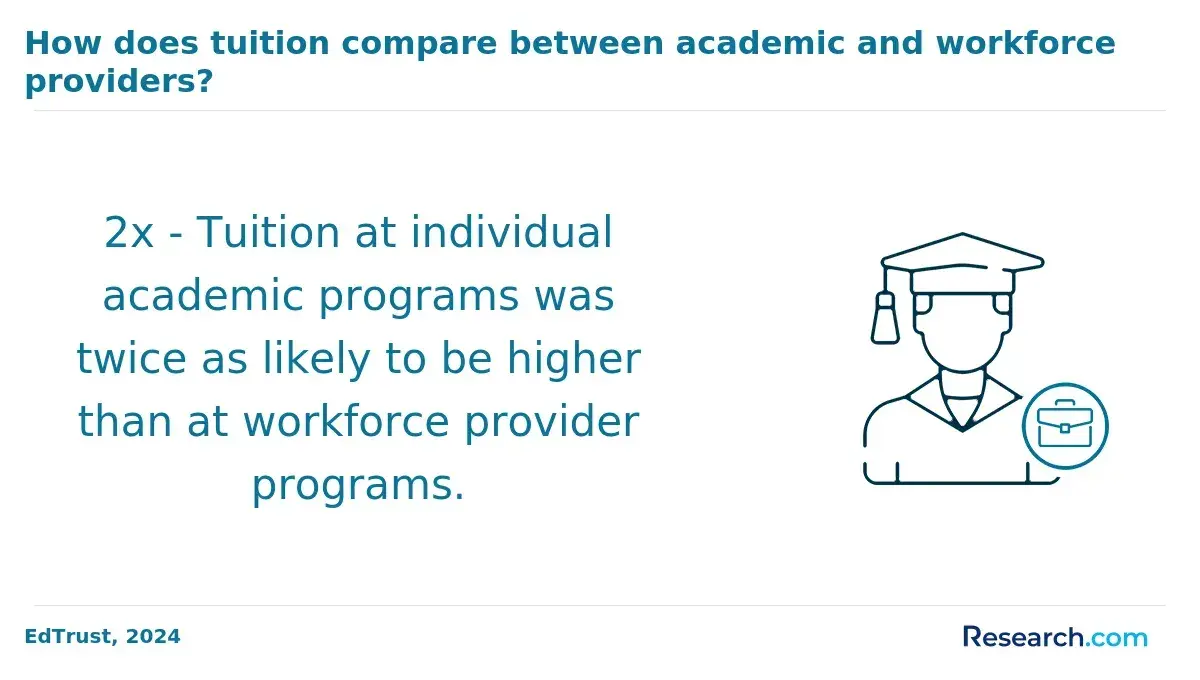
Cost plays a significant role for students weighing fully online versus hybrid global security master's programs. Data from the National Center for Education Statistics show that graduate tuition for online programs is typically 15-20% lower than on-campus options. Several factors contribute to which format might be more budget-friendly.
- Tuition Structure: Online programs commonly use a flat-rate or per-credit tuition system, often excluding additional campus fees, potentially lowering overall expenses.
- Campus-Related Fees: Hybrid programs usually charge students for access to facilities and campus services, fees generally absent in fully online courses.
- Commuting or Travel Expenses: Attending hybrid classes means added transportation costs or parking fees, while online learners avoid these financial burdens entirely.
- Housing Considerations: Hybrid students might need temporary or local housing for on-campus sessions, increasing costs compared to fully remote study.
- Technology and Platform Costs: Although both formats require reliable tech access, online students may face higher expenses for improved broadband or specialized software needed for remote learning.
When discussing which option proved more affordable, a graduate student who pursued an online global security master's shared some insights. He mentioned that while he saved money by eliminating commuting and housing costs, managing technology expenses occasionally proved challenging. "There were times I had to upgrade my internet speed or purchase specific software licenses, which wasn't expected at first," he explained. However, the flexibility of learning from home helped him balance work and study without extra travel costs. His experience highlighted that saving on tuition and travel often offsets additional tech investments, ultimately making the online route more economical for him.
Does Financial Aid Differ for Online vs Hybrid Global Security Master's Degrees?
Financial aid accessibility plays a significant role for students weighing fully online versus hybrid global security master's programs. Research shows up to 90% of institutions provide federal aid for online options, signaling widespread support for these programs. Below are five aspects where financial aid options for online global security master's programs may align or differ from hybrid formats.
- Eligibility Criteria: Both formats generally require students to satisfy academic and enrollment benchmarks. However, some aid programs stipulate a minimum amount of on-campus credits, potentially limiting fully online students.
- Types of Aid: Federal loans, grants, and work-study typically remain accessible to both online and hybrid students. Enrolling in person can sometimes simplify meeting status requirements for hybrid learners.
- Institutional Scholarships: Scholarships may be more abundant for hybrid students due to greater campus interaction and eligibility for department-specific awards, although some schools have broadened scholarships tailored to online learners.
- Federal and State Funding: Both online and hybrid students usually receive similar support from government programs, reflecting equal recognition of program legitimacy across formats.
- Employer Tuition Assistance: Employer programs often cover both formats, yet some require proof of in-person attendance or accredited status, occasionally favoring hybrid degrees.
For those exploring options, additional insights can be found in resources on online executive MBA programs, which similarly navigate these financial aid dynamics.
Are Admission Requirements Different for Hybrid vs Online Global Security Master's Programs?
Admissions standards play a significant role when comparing hybrid and fully online global security master's programs, influencing which applicants are considered a good fit for each format. The following key factors highlight where requirements often align or diverge.
- Academic Prerequisites: Most programs expect a bachelor's degree related to the field, though hybrid options may favor candidates with more rigorous academic records due to on-campus demands.
- Professional Experience: Hybrid programs commonly place greater emphasis on relevant work experience, as face-to-face components benefit those already familiar with security challenges.
- Letters of Recommendation: Both formats request recommendations, but hybrid tracks might specifically prefer endorsements from supervisors or industry professionals to validate practical readiness.
- Standardized Tests: Online programs often waive GRE or GMAT tests, whereas hybrid options may require them to maintain academic standards tied to in-person instruction.
- Application Deadlines: Hybrid programs tend to enforce stricter deadlines aligned with campus schedules, while online programs generally offer more flexible or rolling admissions to accommodate diverse applicants.
When speaking with a professional preparing to apply for a hybrid global security master's, she shared how navigating these admission criteria felt both challenging and reassuring. She noted, "The need to gather detailed recommendations from my supervisors pushed me to reflect deeply on my experiences, which ultimately strengthened my confidence." She also found managing the fixed deadlines demanding but appreciated how this structure helped her organize her application strategically. While some testing requirements seemed intimidating at first, she viewed them as a useful benchmark to confirm her preparedness for rigorous study. Overall, she felt the admissions process for the hybrid format allowed her to connect her professional background with her academic goals in ways that resonated more personally than she expected.
Is the Curriculum the Same in Online and Hybrid Global Security Master's Programs?
Recognizing both curriculum similarities and distinctions helps students decide between fully online and hybrid global security master's programs. Around 78% of universities delivering global security graduate degrees aim to keep the core curriculum consistent across formats, preserving academic standards. Nonetheless, the mode of delivery can lead to certain differences in how content is taught and experienced.
Below are five essential aspects outlining how the curriculum compares between fully online and hybrid options.
- Core Course Content: Both formats generally include essential subjects such as international security, cybersecurity, and risk analysis, maintaining a unified foundational knowledge base.
- Elective Options: Hybrid programs typically offer a wider array of electives, benefiting from access to on-campus faculty and resources, while online programs often focus on courses that suit digital delivery and remote learning.
- Project-Based Learning: Students in hybrid programs usually participate in more face-to-face group projects, whereas online learners engage through virtual collaboration platforms, which shape interaction differently.
- Capstone and Thesis Requirements: Both delivery methods require a culminating research project or thesis; however, the format of presentations and defenses may vary depending on in-person versus virtual settings.
- Experiential Components: Hybrid students might take advantage of in-person internships or practicums, offering hands-on experience that fully online students may access in adapted or remote forms.
How Are Exams Conducted in Fully Online vs Hybrid Global Security Master's Programs?
Exam formats are a key consideration for prospective students exploring fully online or hybrid global security master's programs. A recent survey indicates that 68% of online graduate programs utilize online proctoring tools to maintain exam integrity, underscoring the growing role of technology in assessments. Below are five important aspects that highlight how exams differ between fully online and hybrid global security programs.
- Online Proctoring: Fully online programs frequently employ webcam monitoring, AI-driven behavior analysis, and secure browsers to detect and prevent cheating during remote exams. These technologies enable continuous supervision without physical presence.
- In-Person Exams: Hybrid programs often require students to attend specific on-campus exams, combining traditional testing environments with digital elements for submissions and review.
- Timed Assessments: While both program types use timed exams, fully online formats tend to enforce stricter automated time constraints, leveraging software controls that minimize the opportunity for time extensions or interruptions.
- Open-Book vs Closed-Book: Many fully online exams favor open-book formats to accommodate the remote setting and reduce cheating risks, whereas hybrid programs may offer closed-book exams during their in-person sessions to uphold rigorous academic standards.
- Integrity Measures: Hybrid formats benefit from direct, in-person identity verification and proctoring, whereas fully online exams rely heavily on identity authentication protocols and exam lockdown software to secure the testing environment.
These differences shape the student experience and institutional control, allowing each format to balance flexibility, fairness, and academic rigor in global security graduate education.
Which Global Security Master's Program Format Offers Better Networking Opportunities?
Networking opportunities play a crucial role in deciding between fully online and hybrid global security master's programs. A 2023 survey by the Online Learning Consortium found that 62% of students in hybrid formats reported stronger professional connections, compared to 44% of those in fully online programs. Below are five key aspects where program format influences networking and career connections.
- Peer Interaction: Hybrid programs allow face-to-face meetings that foster deeper relationships. Fully online programs rely on video chats and forums, which can limit the spontaneity of peer networking.
- Faculty Engagement: In-person sessions in hybrid programs enable direct, real-time mentorship and guidance. Online students often experience asynchronous communication, making personalized faculty interaction more challenging.
- Alumni Access: Hybrid programs typically hold on-campus networking events and reunions, facilitating in-person contact with alumni. Fully online programs mostly connect students and alumni via virtual platforms, which may reduce the impact of networking spontaneity.
- Industry Events: Hybrid students benefit from workshops and guest speakers held in person, increasing exposure to professionals. Online learners attend these events virtually, which can limit informal interactions before and after.
- Collaborative Projects: In hybrid formats, teamwork often takes place face-to-face, enabling dynamic brainstorming and stronger bonds. Fully online students depend on digital collaboration tools that may hinder relationship building.
The choice between fully online and hybrid global security degree programs often depends on balancing flexibility with networking benefits. For prospective students prioritizing robust career connections, hybrid programs generally provide enhanced opportunities. Those interested in exploring related fields might also consider MLIS programs as an alternative path.
Are Job Placement Rates Different for Hybrid vs Online Global Security Programs?
Employment outcomes remain a crucial consideration for prospective students comparing hybrid and fully online global security master's programs. Research suggests that hybrid program graduates achieve a 12% higher job placement rate within six months of graduation than those in fully online programs. Several factors contribute to this difference, as outlined below.
- Industry Connections: Hybrid programs often offer in-person networking opportunities that connect students with local employers, increasing access to job leads and professional mentorship.
- Internship or Practicum Access: These programs typically facilitate easier placement in hands-on internships or practicums, experiences highly valued by employers when making hiring decisions.
- Alumni Networks: Graduates from hybrid programs may benefit from stronger regional alumni ties, which create more direct employment pathways within relevant security sectors.
- Career Services Support: Students in hybrid formats usually have more frequent and personalized access to career counseling and job search workshops offered on campus, enhancing their preparedness.
- Regional Employment Opportunities: Hybrid learners engage directly with local markets, aligning better with regional security demands compared to online students who might be geographically dispersed.
Each of these factors plays an important role in how graduates translate their education into meaningful job opportunities. For those researching options, understanding the impact of program format on career outcomes can inform better decisions. Prospective students should also explore resources such as PsyD programs USA for related program insights, especially when comparing hybrid global security degree job placement rates and other online versus hybrid global security program career outcomes.
Does Program Format Affect Salary After Earning a Global Security Master's?
Salary potential plays a significant role when deciding between fully online and hybrid global security master's programs. Graduates of hybrid programs tend to report starting salaries between $65,000 and $75,000, which is slightly higher than the $60,000 to $70,000 range for those who complete their degrees fully online. Several factors contribute to these differences in earning outcomes.
- Networking Opportunities: Hybrid formats encourage in-person interactions with peers and faculty, facilitating stronger professional relationships that can lead to better job offers and higher pay.
- Industry Connections: On-campus experiences often come with direct links to local security firms and agencies, improving access to internships and employment that boost salary prospects.
- Program Prestige: Hybrid programs are frequently offered by established institutions with robust reputations, which employers may reward with enhanced compensation.
- Experiential Learning: Hands-on activities such as simulations and internships within hybrid programs enhance practical skills and employability, positively influencing salary levels.
- Geographic Flexibility: Fully online formats allow students to enroll from anywhere, but this sometimes limits access to local networks and on-site opportunities, potentially affecting starting salaries compared to hybrid graduates.
What Graduates Say About Fully Online vs Hybrid Global Security Degree Master's Programs
- Jessica: "Choosing a fully online global security master's degree allowed me to balance work and study without relocating, which was crucial given my family commitments. The program was significantly more affordable compared to hybrid alternatives, reducing expenses related to commuting and housing. Since graduating, I've noticed a marked improvement in my strategic analysis skills that directly contributed to my promotion within the cyber defense sector."
- Hugh: "Reflecting on my hybrid global security program experience, the blend of in-person and online learning provided the best of both worlds - valuable face-to-face interactions combined with flexible scheduling. While the hybrid format was slightly more costly than a fully online degree, the networking opportunities were well worth the investment. Professionally, the hands-on workshops gave me confidence and tangible skills that elevated my consulting career."
- Anthony: "I chose an online global security master's degree to access a top-tier curriculum without interrupting my full-time job overseas. The lower cost helped me avoid student debt, and the asynchronous lessons fit perfectly with my time zone differences. This degree opened doors to international assignments, and the advanced knowledge I gained has been instrumental in leading complex risk assessments across multiple regions."
Other Things You Should Know About Global Security Degrees
Fully online global security programs in 2027 often incorporate virtual labs, simulations, and project-based learning to provide practical experiences. Many also partner with organizations for remote internships or capstone projects, allowing students to apply their knowledge in real-world settings, despite the online format.
Employer perceptions vary depending on industry and geographic region, but generally, hybrid global security degrees are seen as equally credible to fully online degrees when offered by accredited institutions. Hybrid programs' in-person elements may enhance networking opportunities and practical skills, which some employers appreciate. Nonetheless, the quality and reputation of the program remain the primary hiring factors.
Fully online students typically engage through discussion boards, video conferences, group projects, and virtual office hours. Many programs employ learning management systems that facilitate collaboration and timely communication. While online students may miss some in-person interaction, well-designed programs focus on creating active virtual communities to support learning and professional connections.
References
- Can International Students Attend Hybrid Courses in the US? https://www.csinow.edu/blog/can-international-students-attend-hybrid-courses-in-the-us/
- How an MS in Cybersecurity Fast-Tracks Your Path to High-Paying Security Roles https://www.euroamerican.eu/how-ms-in-cybersecurity-fast-tracks-career-path-to-high-paying-security-jobs
- What Are the Admission Requirements for the St. John’s University M.S. in Cybersecurity? https://www.stjohns.edu/news-media/johnnies-blog/what-are-admission-requirements-st-johns-university-ms-cybersecurity
- University of Glasgow - Postgraduate study - Taught degree programmes A‑Z https://www.gla.ac.uk/postgraduate/taught/globalsecurity/
- Find a Cybersecurity Master's Degree Program (2025) - Programs.com https://programs.com/programs/masters-in-cybersecurity/
- Cybersecurity Master's Degree https://www.sans.edu/cyber-security-programs/masters-degree/
- Most Affordable Online Master's In Security Degrees https://www.collegechoice.net/law/homeland-security/best-online-masters-degrees/
- Difference between Hybrid, Online & In-Class Degree Programmes | BSBI https://www.berlinsbi.com/blog/what-is-the-difference-between-hybrid-online-and-in-class-degree-programmes
- Hybrid Master Program | Cybersecurity 120 ECTS Degree https://www.digital4security.eu/hybrid-masters/
- Does Financial Need and Aid Differ for Online and On-Campus Students? https://wcet.wiche.edu/frontiers/2021/10/08/does-financial-aid-differ-for-online-on-campus-students/