
2027 Fully Online vs Hybrid Human Services Degree Master's Programs: Which Is Better?

Co-Founder and Chief Data Scientist
Many prospective students struggle to decide between fully online and hybrid human services degree master's programs, especially when balancing work, family, and practical training requirements. Fully online programs offer flexibility, yet 64% of online learners report challenges with networking opportunities compared to hybrid peers. Hybrid formats combine digital coursework with in-person sessions, allowing hands-on experiences but may pose scheduling conflicts.
This uncertainty complicates choosing the program that aligns best with career goals, learning styles, and personal obligations. This article examines the key differences between fully online and hybrid options and guides readers in selecting the most suitable human services master's degree pathway.
Key Things to Know About Fully Online vs Hybrid Human Services Degree Master's Programs
- Fully online programs offer maximum flexibility, allowing students to access coursework anytime, which benefits those balancing work and family without commuting constraints.
- Hybrid programs incorporate scheduled in-person sessions, fostering direct peer and instructor engagement that can enhance networking and practical skill development.
- Online formats support diverse schedules with asynchronous learning, while hybrid formats suit students seeking occasional on-campus collaboration alongside remote study.
How Do Hybrid and Online Human Services Master's Programs Differ?
Fully online and hybrid human services master's programs differ mainly in how instruction, participation, and the overall learning experience are structured. About 30% of graduate programs now offer hybrid formats, showing increased demand for flexible learning models that still include personal interaction. These differences impact how students engage with faculty, peers, and course materials. Below are five key distinctions between these program types:
- Learning Format: Fully online programs deliver all coursework virtually, allowing students to study from any location. Hybrid programs blend online learning with scheduled in-person sessions, offering a mix of digital and face-to-face instruction.
- Residency Expectations: Hybrid programs generally require some campus visits or residencies, typically once per term or year. Fully online options require no physical presence, providing maximum geographic flexibility.
- Scheduling Structure: Fully online programs often offer asynchronous classes, enabling students to access lectures and assignments anytime. Hybrid programs may include synchronous sessions, requiring attendance at live online or in-person classes at set times.
- Participation Methods: Students in fully online programs rely on discussion boards, emails, and video conferencing, while hybrid students benefit from in-person collaboration, enriching peer networking and group work experiences. This distinction highlights hybrid human services master's program benefits.
- Campus Engagement: Hybrid students can use campus resources and attend events during residencies, fostering a stronger sense of community. Fully online students engage remotely, which suits those balancing demanding schedules but limits spontaneous campus interaction.
For those seeking affordable options and convenience, exploring online SLP masters programs can provide insights into accessible graduate education models suitable for diverse needs.
Which Human Services Master's Program Format Is More Flexible?
Flexibility often plays a decisive role for students when choosing fully online versus hybrid human services master's programs. According to the National Center for Education Statistics, over 50% of graduate students in the U.S. enroll in at least one online course, demonstrating a significant shift toward flexible learning options. The following factors highlight how flexibility varies between these program formats.
- Class Schedule: Fully online programs typically offer asynchronous classes, allowing students to study at any time. This benefits those juggling jobs and family responsibilities, while hybrid programs usually adhere to fixed schedules.
- Location Requirements: Hybrid human services degree program scheduling options require some on-campus attendance, which can be difficult for students living far away or with limited transportation access. Fully online options remove this barrier entirely.
- Course Pacing: Online formats may allow self-paced learning, enabling students to progress at their own speed. In contrast, hybrid programs often follow more structured academic calendars.
- Attendance Expectations: In-person sessions required by hybrid degrees can clash with work commitments, whereas fully online programs generally avoid mandatory live attendance, making them more adaptable to varied schedules.
- Travel Commitments: The necessity to commute for hybrid classes reduces flexibility, while fully online programs eliminate travel, supporting students managing multiple responsibilities.
These differences mean that fully online human services master's programs often provide greater flexibility for students looking to balance graduate study with personal and professional demands. For those considering other flexible learning opportunities, exploring associates degrees online can also offer valuable pathways into the human services field.
Which Human Services Master's Program Format Is Cheaper?
For students weighing fully online versus hybrid human services master's programs, cost remains a significant factor. Data from the National Center for Education Statistics highlights that online graduate tuition often runs about 15-20% lower than on-campus or hybrid alternatives. Several specific expenses influence how affordable one format might be compared to the other.
- Tuition Structure: Online programs frequently offer subscription or flat-rate tuition models, which can reduce overall costs compared to hybrid programs that charge by credit hour and may add extra fees.
- Campus Fees: Students in hybrid programs typically pay campus-related fees such as facility or activity charges, which are generally waived for online learners.
- Commuting Costs: Traveling to and from campus adds transportation expenses for hybrid students, increasing the total financial burden.
- Housing Expenses: Attending in person can require paying for housing, meals, and related living costs, whereas online students often avoid these additional fees.
- Technology Fees: While some online programs impose fees for digital platforms or course materials, these are usually minor compared to savings on travel and housing.
I spoke with a graduate student who chose an online human services master's program and found the financial aspect crucial in his decision. He described juggling work and studies while appreciating that the flat tuition fees allowed for better budgeting. "Not worrying about daily commuting costs or unpredictable housing expenses made a big difference," he explained. Although coordinating with instructors and peers remotely posed its own challenges, he felt the cost savings outweighed the inconveniences, letting him focus more on coursework without the stress of extra expenses.
Does Financial Aid Differ for Online vs Hybrid Human Services Master's Degrees?
Financial aid availability is an important factor for prospective students comparing fully online and hybrid human services master's programs. Nearly 90% of online graduate students accessed federal student aid in 2022, highlighting broad support for both formats. Below are five key financial aid considerations when evaluating these programs.
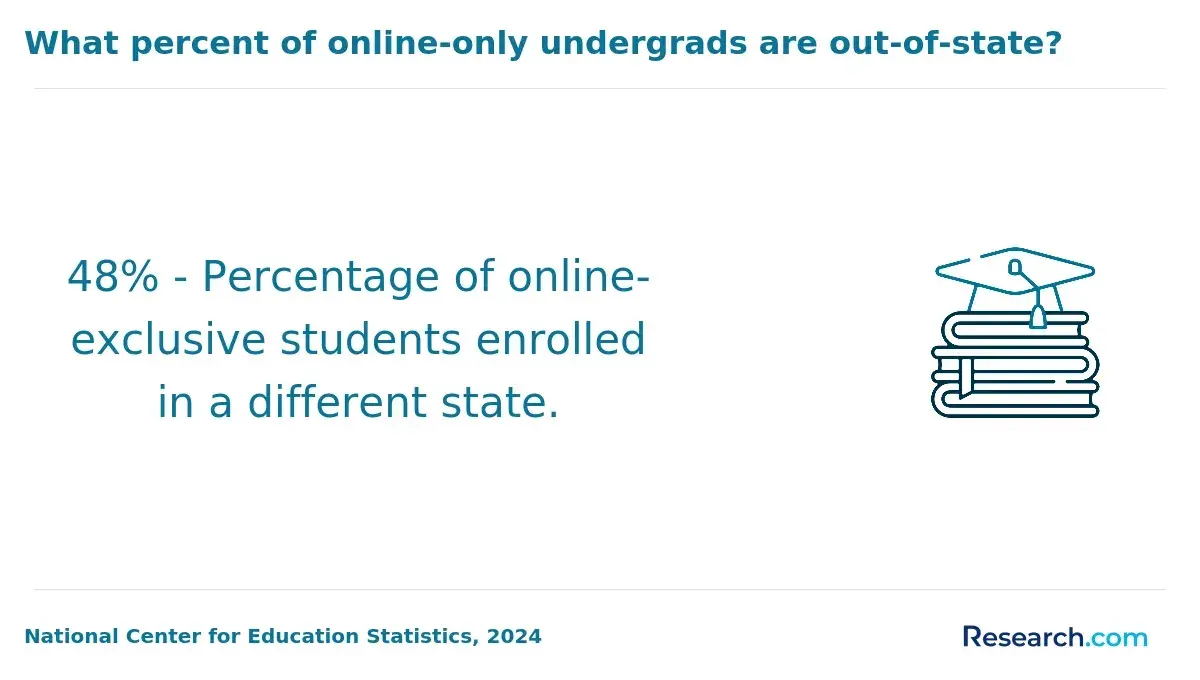
- Eligibility Criteria: Federal and state aid often requires enrollment at regionally accredited institutions. However, some states restrict aid to students physically residing within the state, which can limit hybrid students who must attend on-campus sessions and also impact fully online students studying out-of-state.
- Types of Aid: Both online and hybrid students are generally eligible for federal loans, grants, and work-study programs. Certain scholarships or grants, though, may prioritize on-campus participation, narrowing options for fully online learners.
- Institutional Scholarships: Colleges may offer scholarships specific to enrollment status or program format. Hybrid students attending some in-person classes might qualify for additional institutional aid compared to those enrolled fully online.
- Federal and State Funding: While federal aid is widely accessible to both groups, state-based funding can be more restrictive for fully online students, especially if they reside outside the state where the institution is located.
- Employer Tuition Assistance: Employer support typically focuses on program relevance and accreditation rather than format. Nonetheless, some employers may favor hybrid or in-person elements to enhance skill development, affecting eligibility for tuition assistance.
Students researching financial aid options for online human services master's programs should carefully assess these factors to find programs compatible with their funding needs and circumstances. For those interested in maximizing return on their education investment, exploring 4 year degrees that pay well can provide additional insight into career prospects.
Are Admission Requirements Different for Hybrid vs Online Human Services Master's Programs?
Admissions criteria play a crucial role when choosing between hybrid and fully online human services master's programs, as these standards influence eligibility and fit. While many requirements overlap, some subtle differences affect how applicants prepare. Below are five key admissions factors to keep in mind when comparing these learning formats:
- Academic Prerequisites: Both types typically require a bachelor's degree with a certain GPA, often in a related discipline. Hybrid programs may lean toward applicants with specific academic backgrounds due to the face-to-face learning elements.
- Professional Experience: Relevant work experience is valued in both formats, but hybrid programs might place more weight on it, since in-person cohorts benefit from students' practical insights.
- Letters of Recommendation: Required across the board, though hybrid programs often seek endorsements highlighting interpersonal skills that support onsite collaboration.
- Standardized Tests: GRE or similar tests are mostly optional or waived for both, but some hybrid programs may still request scores depending on institutional rules.
- Application Deadlines: Generally aligned for both formats; however, hybrid options sometimes enforce stricter deadlines to manage limited on-campus capacity.
When discussing admissions with a professional preparing to enter a hybrid human services master's program, she shared that navigating these nuances felt challenging initially. "I wasn't sure if my background aligned well enough, especially since the program emphasized in-person group work," she said. Yet, as she gathered specific recommendation letters and clarified experience expectations, the process became clearer and less stressful. She appreciated the opportunity to directly ask admissions staff questions, noting it helped her feel more confident. "The hybrid format requires a bit more upfront planning, but it feels rewarding knowing I'll engage deeply on campus," she reflected.
Is the Curriculum the Same in Online and Hybrid Human Services Master's Programs?
Students weighing fully online versus hybrid human services master's programs often consider how the curriculum compares across these formats. Studies indicate that over 80% of schools keep core courses consistent in both delivery methods, supporting equivalent academic standards. Below are five critical aspects highlighting the similarities and distinctions in curriculum design between online and hybrid options.
- Core Course Content: Both formats typically include essential subjects such as social policy, counseling methods, and ethics, providing students with a unified foundation of knowledge.
- Elective Options: Online programs often offer a wider array of electives accessible through digital platforms, while hybrid programs may feature electives that require periodic on-campus participation.
- Project-Based Learning: Hybrid students usually engage in face-to-face group projects and interactive workshops, contrasting with online learners who predominantly collaborate through virtual tools.
- Capstone or Thesis: Requirements for a culminating project or thesis tend to be comparable across both formats, with students tasked with producing comprehensive research or applied work.
- Experiential Components: Hybrid programs more frequently integrate in-person practicum or fieldwork experiences, while fully online options arrange for local placements or virtual alternatives to fulfill practical learning needs.
How Are Exams Conducted in Fully Online vs Hybrid Human Services Master's Programs?
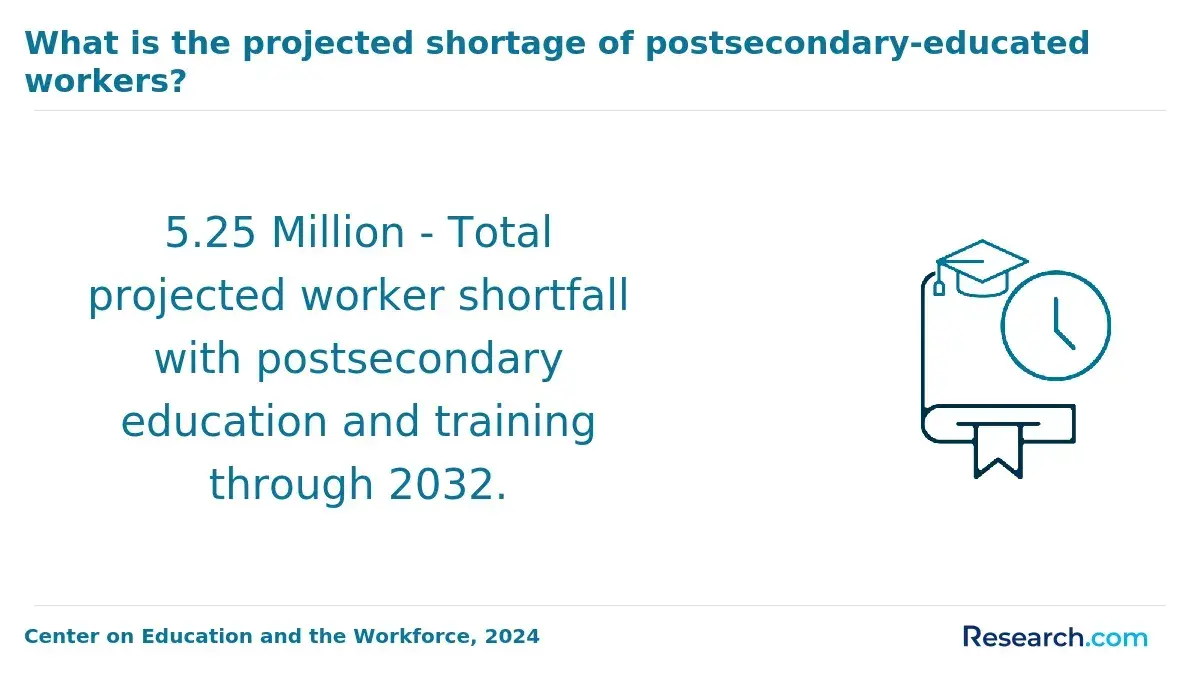
For students considering fully online human services master's programs, exam formats can substantially affect how they prepare, their scheduling options, and their overall experience. A recent survey from Online Learning Consortium found that 72% of fully online graduate programs use online proctoring to maintain exam integrity. The following points highlight key differences in exam administration between fully online and hybrid human services programs.
- Online Proctoring: Fully online programs often require exams to be monitored via webcam and screen-recording software. This helps prevent cheating by ensuring the test environment is secure.
- In-Person Exams: Hybrid programs typically include on-campus testing sessions. These exams offer the advantage of traditional, supervised settings for direct oversight.
- Timed Assessments: Time limits on fully online exams are generally strict, promoting fairness by standardizing the allotted duration for all students regardless of location.
- Open-Book vs Closed-Book: Online exams frequently allow open-book formats, focusing on applied knowledge, while hybrid exams may favor closed-book, controlled conditions to assess recall.
- Integrity Measures: Hybrid programs use a blend of approaches, such as plagiarism detection software for assignments and signed honor codes during in-person exams, to uphold academic honesty.
These differences reflect the unique delivery styles and priorities of each program type, giving prospective students important factors to consider in choosing between fully online and hybrid human services graduate education options.
Which Human Services Master's Program Format Offers Better Networking Opportunities?
Networking opportunities play a crucial role when selecting between fully online and hybrid human services master's programs. A survey by the National Association of Social Workers found that 67% of graduate students consider peer interaction and industry connections essential factors in their program choice. Below are five important aspects where networking experiences differ between fully online and hybrid formats.
- Peer Interaction: Hybrid programs typically offer richer peer interaction through in-person class meetings, fostering spontaneous conversations and stronger relationships. Fully online programs rely on discussion boards and virtual meetings, which may limit informal networking.
- Faculty Engagement: Faculty involvement tends to be stronger in hybrid settings where instructors meet students face-to-face, promoting mentorship. Online programs depend on virtual office hours, providing flexibility but less immediacy.
- Alumni Access: Both formats can provide access to alumni networks, but hybrid students often benefit more from in-person alumni events and mixers. Online students may have access primarily to virtual gatherings.
- Industry Events: Hybrid students usually find it easier to attend local or campus-based industry events, enhancing career connections. Online students might face challenges attending in-person events but can engage in virtual conferences.
- Collaborative Projects: Collaborative work in hybrid programs benefits from physical meetings, easing communication. Fully online students rely on digital tools, which can sometimes hinder interaction but develop valuable remote teamwork skills.
Those seeking the advantages of robust networking might consider hybrid human services degree program career connections more accessible through face-to-face experiences. However, if flexibility is a priority, a fully online option can still provide meaningful opportunities, especially when complemented by intentional virtual networking strategies. For prospective students aiming to find the right balance, researching MSW online programs offers insight into programs designed for accessibility and connection.
Are Job Placement Rates Different for Hybrid vs Online Human Services Programs?
Employment outcomes are an important concern for students comparing hybrid and fully online human services master's programs. Research shows that hybrid programs have a 10% higher job placement rate within six months of graduation compared to fully online formats, highlighting real differences in career outcomes. Several factors may explain why hybrid programs can lead to stronger employment results.
- Industry Connections: Hybrid programs often foster stronger relationships with local agencies through in-person networking events. These connections increase the chances of job referrals and relevant career opportunities post-graduation.
- Internship or Practicum Access: The on-site component of hybrid formats typically provides easier access to internships and practicum experiences. Gaining this real-world exposure is critical for improving employability in human services fields.
- Alumni Networks: Face-to-face interactions in hybrid programs encourage closer alumni relationships, which can provide mentorship and insider leads on job openings.
- Career Services Support: Students in hybrid programs often benefit from personalized career counseling, resume help, and on-campus job fairs, which enhance their readiness for the labor market.
- Regional Employment Opportunities: Hybrid formats tend to connect students more directly with local job markets, an advantage for those who plan to seek employment in nearby communities.
When considering a human services master's degree, it is important to weigh these employment factors alongside program flexibility. Fully online options offer convenience but may have different career outcome prospects than hybrid programs. Prospective students should also explore related opportunities, such as the best 2 year construction management degree online, to compare program formats and outcomes across fields.
Does Program Format Affect Salary After Earning a Human Services Master's?
Salary potential plays an important role for students choosing between fully online and hybrid human services master's programs. Graduates of hybrid programs often start with slightly higher salaries, averaging about $52,000 compared to $48,000 for those who complete their degrees fully online. Several factors contribute to these differences in earning potential.
- Networking Opportunities: Hybrid programs allow for greater face-to-face interaction, helping students develop professional networks that can lead to better job offers and higher salaries.
- Industry Connections: Local partnerships with employers are typically stronger in hybrid programs, offering students enhanced access to internships and job placements.
- Program Prestige: Some hybrid formats are affiliated with well-recognized institutions, which can boost a graduate's resume and improve salary outcomes.
- Experiential Learning: Hands-on practicums or fieldwork included in hybrid programs provide practical experience that employers value and may reward with higher pay.
- Geographic Flexibility: Fully online programs offer the ability to study from any location, beneficial for expanding job markets, but this can limit local networking opportunities that impact earning potential.
What Graduates Say About Fully Online vs Hybrid Human Services Degree Master's Programs
- Katrina: "Pursuing a fully online human services master's degree was essential for me due to my full-time work schedule and family commitments. The flexibility allowed me to balance professional responsibilities without compromising my education. Additionally, the lower tuition costs compared to hybrid programs made it a financially smart decision that still provided me with the skills I needed to advance in my career."
- Brandon: "I chose a hybrid human services master's program because I valued in-person interaction while still needing some online coursework for convenience. The combination was perfect for networking and gaining hands-on experience through local internships. Although the hybrid option was slightly more expensive, the career opportunities it opened up have justified every dollar spent."
- Adriel: "Reflecting on my time in a fully online human services master's program, I appreciate how it expanded my professional horizons without uprooting my life. The affordability and accessibility meant I could focus on enhancing my expertise while working in a demanding role. This degree has been a catalyst for promotion and increased responsibility at my organization."
Other Things You Should Know About Human Services Degrees
In 2027, fully online human services programs often offer more flexibility for working professionals compared to hybrid programs. They allow students to access coursework at their convenience, although they may lack the face-to-face networking opportunities that hybrid models can provide.
Fully online human services master's degrees from accredited institutions hold the same academic value and recognition as hybrid programs, provided both are accredited by recognized bodies. Employers and licensing boards typically assess the institution's accreditation status rather than the mode of delivery, ensuring online graduates receive equal credibility.
Both fully online and hybrid programs may offer practical experience, but hybrid programs typically provide more in-person opportunities for internships or fieldwork. Fully online programs often rely on virtual simulations or partnerships with local agencies to accommodate distance learners aiming for practical exposure.
Student engagement in fully online human services master's programs can vary depending on course design but generally relies on virtual discussions, group projects, and instructor interaction through digital platforms. Hybrid programs may facilitate more immediate in-person interaction, which some students find beneficial, but well-structured online programs also foster strong peer and faculty connections.
References
- MSW Programs by State: Campus vs Hybrid vs Online MSW Programs https://www.masterofsocialwork.com/states/
- Best Affordable Master's Degree In Social Work https://www.psychology.org/social-work/best-affordable-masters-programs/
- 2025 Most Popular Online Master's in Human Services https://www.onlineu.com/degrees/masters-human-services
- Hybrid vs. fully online: how different teaching models impact satisfaction https://www.amba-bga.com/insights/hybrid-vs-fully-online-how-different-teaching-models-impact-satisfaction
- The Current Role of Remote Human Services Internships: A Follow-Up Study | Published in Journal of Human Services https://journalhumanservices.org/article/91221-the-current-role-of-remote-human-services-internships-a-follow-up-study
- The Complete Guide to Hybrid MPH Programs https://masterspublichealth.com/hybrid-mph-programs/
- Online vs. On-Campus: Which Mode of Learning Is Best for You? https://www.onlinemastersdegrees.org/student-resources/which-mode-of-learning-is-best/
- Which Graduate School Format Is Right for You? https://www.collegexpress.com/articles-and-advice/grad-school/articles/choosing-graduate-program/campus-online-or-hybrid-which-grad-school-format-is-right-for-you/
- Learn How To Earn A Master's In Human Services Online https://www.learnhowtobecome.org/best-online-masters-in-human-services-degree-programs/
- Online Master's in Human Services: Reviewing Top Programs https://www.edumed.org/online-schools/human-services-degrees/masters/


