2027 Fully Online vs Hybrid Nurse Educator Degree Master's Programs: Which Is Better?

Co-Founder and Chief Data Scientist
Many prospective nurse educators face the dilemma of choosing between fully online and hybrid master's programs amid busy work schedules and geographic constraints. Fully online formats offer flexibility, yet some students worry about limited hands-on experiences. In contrast, hybrid programs combine online learning with in-person components but require regular campus visits.
According to recent data, 75% of graduate nursing students in online programs report improved work-life balance. This article explores the key differences between fully online and hybrid nurse educator degree master's programs, helping readers determine which format aligns best with their learning styles, schedules, and professional goals.
Key Things to Know About Fully Online vs Hybrid Nurse Educator Degree Master's Programs
- Fully online nurse educator programs offer maximum flexibility, allowing students to complete coursework anytime, ideal for working professionals with unpredictable schedules.
- Hybrid programs require periodic in-person attendance, fostering direct interaction and hands-on learning experiences that some students find essential.
- Students balancing full-time jobs often prefer online formats, while those seeking networking and practical engagement may benefit more from hybrid structures.
How Do Hybrid and Online Nurse Educator Master's Programs Differ?
Fully online and hybrid nurse educator master's programs primarily differ in how instruction, participation, and learning experiences are structured. About 35% of graduate nursing programs now offer hybrid formats, reflecting increasing demand for flexible yet interactive education.
These differences influence how students engage with coursework and balance their schedules. Key distinctions include:
- Learning Format: Fully online programs deliver all content through virtual classrooms, allowing asynchronous study, while hybrid programs blend online lectures with scheduled in-person sessions, requiring more synchronous engagement.
- Residency Expectations: Hybrid programs often mandate on-campus or clinical residencies, providing hands-on experiences; fully online students usually have no such face-to-face attendance requirements.
- Scheduling Structure: Online students enjoy greater flexibility in completing assignments at their own pace, whereas hybrid students must coordinate with fixed in-person meetings, affecting course pacing and availability.
- Participation Methods: Online learners use discussion boards, video conferences, and digital collaboration tools exclusively, but hybrid students enhance these interactions through direct, face-to-face group work and networking.
- Campus Engagement: Hybrid students benefit from on-site mentorship and professional networking opportunities that can be limited in fully online environments, influencing career development and community building.
Students comparing tuition costs and admission requirements for online versus hybrid nurse educator degrees should consider how these structural differences impact both flexibility and course delivery. Those seeking options applicable to broader healthcare education might also explore online PharmD programs for non-pharmacists to expand their credentials.
Which Nurse Educator Master's Program Format Is More Flexible?
Flexibility is a major consideration for students deciding between fully online and hybrid nurse educator master's programs. According to the National Center for Education Statistics, over 40% of graduate students take at least one online course, reflecting the rising demand for adaptable learning options.
Several key factors affect how flexible these program formats can be for students balancing professional and personal responsibilities. These five specific factors illustrate differences in flexibility between formats:
- Class Schedule: Fully online programs often offer asynchronous classes, allowing students to study on their own time. Hybrid courses typically require attendance during specific on-campus time blocks, limiting schedule flexibility.
- Location Requirements: Online programs eliminate the need to travel to campus, which benefits students who live far away or need a flexible setting. Hybrid programs require regular campus visits, reducing location flexibility.
- Course Pacing: Many fully online programs provide self-paced learning opportunities, granting students more control over their progress. Hybrid programs usually follow fixed semester schedules with less pacing flexibility.
- Attendance Expectations: Students in online nurse educator master's program flexibility generally face fewer mandatory live sessions. In contrast, hybrid students must attend in-person classes or labs that are scheduled at specific times.
- Travel Commitments: Hybrid programs often require commuting or occasional travel, which can challenge students managing work or family duties. Fully online formats minimize travel demands, enhancing overall convenience.
Fully online nurse educator master's programs typically provide greater flexibility by reducing rigid scheduling and location constraints. Hybrid options, though less flexible, offer valuable in-person engagement.
Prospective students seeking flexible hybrid nurse educator degree options should carefully weigh these factors based on their individual needs. For those considering the financial aspect alongside flexibility, understanding the medical coding certification cost can also support informed decision-making about graduate study investments.
Which Nurse Educator Master's Program Format Is Cheaper?
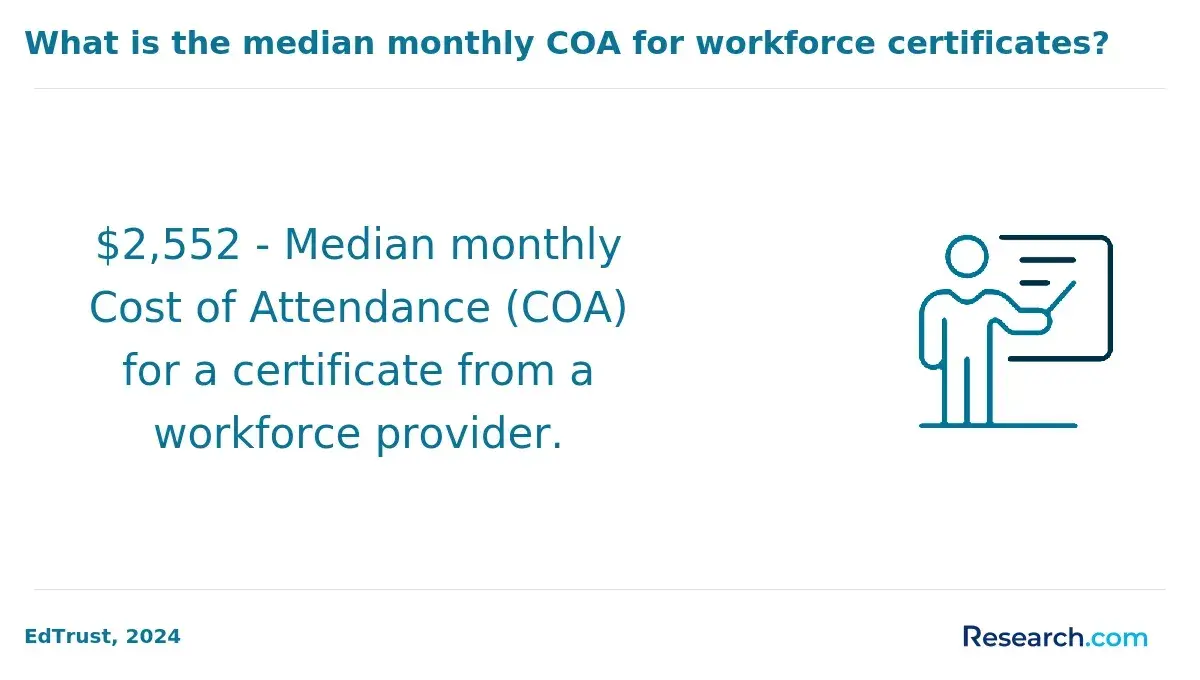
Cost often plays a significant role for students when choosing between fully online and hybrid nurse educator master's programs. Research suggests that online graduate tuition can be between 15% and 25% less expensive on average than traditional or hybrid formats.
Several factors contribute to the overall affordability of these program types. Key elements affecting total expenses include:
- Tuition Structure: Fully online programs typically offer flat-rate tuition for the entire semester or course load, whereas hybrid programs may charge by credit hour or apply varying rates depending on whether courses are in person or virtual.
- Campus-Related Fees: Students enrolled in hybrid formats often face extra charges for on-campus services such as facility usage or activity fees, which fully online learners usually avoid.
- Commuting or Travel Expenses: Attending classes in person requires transportation costs-gas, public transit, or parking-that can quickly add up, unlike online students who learn remotely without such expenses.
- Housing Considerations: Hybrid students living far from campus might incur temporary housing costs for attending on-site sessions, increasing their budget beyond just tuition and fees.
- Technology and Platform Costs: Both formats demand reliable devices and internet access; however, hybrid students may pay less in advanced platform fees since some learning occurs face-to-face rather than fully online.
When I asked a recent graduate student who completed an online nurse educator master's program about his experience, he emphasized the financial relief of not having to travel. He shared, "Not having to budget for gas or parking was a huge help. Still, I had to invest in a good laptop and find a quiet study space at home, which had its challenges."
He also noted the flexibility helped him avoid additional costs linked to time off work, making the online path more manageable personally and financially. Yet, he acknowledged that staying motivated remotely required discipline and strong time management to avoid feeling isolated.
Does Financial Aid Differ for Online vs Hybrid Nurse Educator Master's Degrees?
Financial aid availability is a significant factor for prospective students comparing fully online and hybrid nurse educator master's programs. Nearly 85% of graduate students benefit from some form of financial assistance, highlighting the importance of understanding how aid options might differ.
Here are key factors that can influence financial aid for these two formats:
- Eligibility Criteria: While both online and hybrid students generally qualify for federal aid, some state-funded programs limit eligibility to in-state residents enrolled in hybrid or on-campus formats.
- Types of Aid Available: Federal loans, grants, and work-study options are usually accessible regardless of format, but some institutional scholarships may be more commonly offered to hybrid students due to their campus involvement.
- Institutional Scholarships: Hybrid programs often provide scholarships linked to participation in campus activities, which fully online students might find less accessible.
- Federal and State Funding: Hybrid students might have an advantage if state grants require partial campus attendance, whereas online students mostly rely on federal assistance.
- Employer Tuition Assistance: Employer programs rarely differentiate by format but may require proof of enrollment, with some employers perceiving hybrid schedules as easier to verify.
Students exploring financial aid options for online nurse educator master's programs should review each program's policies carefully, as state rules and institutional priorities can substantially affect available funding. For related information on affordable nursing programs, consider resources like RN to BSN online.
Are Admission Requirements Different for Hybrid vs Online Nurse Educator Master's Programs?
Admission criteria play an important role when comparing hybrid and fully online nurse educator master's programs. Although many requirements overlap, small distinctions do exist that can influence a candidate's preparation and fit.
Below are five key areas to examine when assessing these two formats:
- Academic Prerequisites: Both formats generally require a Bachelor of Science in Nursing (BSN) and an active registered nurse (RN) license. Hybrid programs sometimes expect stronger academic records to support in-person components or clinical sessions.
- Professional Experience: Most programs mandate a minimum amount of nursing work experience, though hybrid programs may emphasize direct clinical experience more to ensure readiness for face-to-face learning.
- Letters of Recommendation: Both formats typically request two to three letters, often from professional supervisors or academic mentors, to verify applicants' qualifications and character. This requirement usually remains consistent regardless of program delivery.
- Standardized Tests: GRE scores may be required by some institutions, but many are waiving this for both hybrid and online applicants equally, reflecting a broader trend in graduate admissions.
- Application Deadlines and Processes: Hybrid programs can have fixed start dates aligned with on-campus schedules, potentially offering fewer admission cycles. Conversely, fully online programs often provide rolling admissions and more flexible timelines for submissions.
When I spoke with a professional planning to enroll in a hybrid nurse educator master's program, she shared how navigating the application felt more structured. "There was a clear timeline and a lot of emphasis on demonstrating clinical experience," she explained. Balancing work commitments with preparing detailed recommendations and transcripts was challenging but rewarding.
She appreciated the opportunity to ask questions directly during on-campus visits, which clarified expectations. This more regimented process contrasted with the flexibility she had experienced researching online program applications. Ultimately, her insights highlighted that hybrid admissions, while generally similar, can require additional attention to scheduling and clinical background to meet specific standards.
Is the Curriculum the Same in Online and Hybrid Nurse Educator Master's Programs?
Students weighing fully online versus hybrid nurse educator master's programs should note that most curricula remain largely consistent across both formats. In fact, a recent American Association of Colleges of Nursing survey found over 85% of programs keep core course content the same regardless of delivery method.
Below are key areas where similarities and differences commonly appear:
- Core Course Content: Essential topics like curriculum design, teaching methodologies, and assessment strategies are typically covered equally in both formats, ensuring a solid foundation for all students.
- Elective Offerings: Hybrid programs often provide more in-person elective choices, giving students chances for direct interaction with faculty and peers in smaller or specialized classes.
- Project-Based Learning: Fully online students frequently engage with virtual simulations and discussion boards to complete practical assignments, while hybrid learners may participate in hands-on projects during on-campus sessions.
- Capstone or Thesis Requirements: Both delivery styles require a culminating scholarly project; however, hybrid students might benefit from more face-to-face mentoring opportunities throughout this process.
- Experiential Components: Hybrid programs usually schedule on-site clinical or teaching practicums, whereas online formats arrange local placements or virtual experiences to fulfill hands-on learning obligations.
How Are Exams Conducted in Fully Online vs Hybrid Nurse Educator Master's Programs?
For prospective students considering fully online nurse educator master's programs, knowing how exams are administered plays a key role in choosing the right format. Surveys indicate that over 70% of fully online nursing master's programs use remote proctoring tools to maintain exam integrity despite students' physical distance.
The following points outline five essential differences in how exams are conducted between fully online and hybrid nurse educator programs:
- Online Proctoring: Fully online programs commonly use live or automated proctoring software that relies on webcams and screen monitoring to verify identity and detect suspicious behavior during exams.
- In-Person Exams: Hybrid programs generally require students to take exams on campus or at designated testing centers, ensuring direct supervision by faculty or proctors for secure testing conditions.
- Timed Assessments: Both program types implement timed exams; however, fully online formats often offer more flexible testing windows, whereas hybrid formats enforce stricter, scheduled time frames for in-person exams.
- Open-Book vs Closed-Book: Online exams tend to allow open-book testing because of supervision limitations, while hybrid programs typically favor closed-book exams when held onsite for better control of resources.
- Integrity Measures: Hybrid programs rely on face-to-face monitoring for exam security, while fully online programs use advanced software that tracks unusual behaviors and prevents multiple attempts to uphold academic honesty.
Students in fully online nurse educator programs should be comfortable navigating digital exam platforms and remote verification steps. Conversely, those in hybrid tracks need to plan for occasional travel to campus for supervised tests, which may affect scheduling flexibility and preparation strategies.
Which Nurse Educator Master's Program Format Offers Better Networking Opportunities?
Networking opportunities play a crucial role in deciding between fully online and hybrid nurse educator master's programs. A 2024 survey by the American Association of Colleges of Nursing shows that 75% of nurse educators believe professional connections improve significantly through in-person interactions.
Below are key aspects that influence networking quality and availability in each format:
- Peer Interaction: Hybrid programs often feature face-to-face classes that foster natural, spontaneous exchanges among students. Fully online programs depend primarily on discussion boards and scheduled video calls, which may limit informal networking but offer flexibility regardless of location.
- Faculty Engagement: In hybrid settings, faculty availability through in-person office hours and informal meetings usually results in stronger mentor relationships. Online formats might face challenges due to technology and scheduling, potentially reducing personal engagement.
- Alumni Access: Access to alumni networks varies more by institution than format. Hybrid graduates tend to benefit from local events and connections, whereas online students typically rely on virtual platforms for alumni networking.
- Industry Events: Students attending hybrid programs near campuses can participate more easily in conferences and seminars, enhancing networking through direct contact. Fully online students need to proactively engage in virtual events, which can sometimes lessen the quality of professional interaction.
- Collaborative Projects: Hybrid students often engage in face-to-face group work, strengthening teamwork and relationships. Online learners collaborate using virtual tools that enable connection but may lack the immediacy and personal touch found in hybrid settings.
For prospective students weighing fully online nurse educator programs vs hybrid networking benefits, the choice often depends on preferences for in-person interaction versus location flexibility. Graduate students exploring related fields might also consider a master of healthcare administration for diverse professional networking opportunities.
Are Job Placement Rates Different for Hybrid vs Online Nurse Educator Programs?
Employment outcomes are a crucial consideration for prospective students comparing hybrid and fully online nurse educator master's programs. Reports show that hybrid programs tend to have job placement rates around 85%, while fully online options average slightly lower at 78%, reflecting differences in how each format supports students' entry into the workforce.
Several key factors help explain these variations:
- Industry Connections: Hybrid programs often build stronger partnerships with local healthcare organizations, providing students with more direct referrals and job opportunities after graduation.
- Internship or Practicum Access: The in-person components of hybrid programs enable hands-on clinical experiences, which enhance employability compared to online students who may find it challenging to secure quality local placements.
- Alumni Networks: Hybrid cohorts foster closer-knit communities that can offer valuable mentoring and job leads, creating a support system that benefits graduates entering the job market.
- Career Services Support: Hybrid students typically have better access to on-campus career counseling and job fairs, which can be less accessible or effective for those in fully online programs.
- Regional Employment Opportunities: Studying near potential employers allows hybrid students to transition more quickly into local roles, whereas online students may face hurdles establishing regional connections.
Considering job placement rates for hybrid nurse educator programs alongside those in fully online formats can guide applicants toward programs that align with their career goals. Students interested in accelerated paths might also explore accelerated degree programs to further enhance their professional prospects.
Does Program Format Affect Salary After Earning a Nurse Educator Master's?
Salary potential plays a significant role when deciding between fully online and hybrid nurse educator master's programs. On average, graduates from hybrid programs tend to start with salaries near $75,000, slightly higher than the approximate $70,000 starting salary reported by those from fully online programs. Several factors beyond program format influence these variations in earnings.
Key contributors to salary differences include:
- Networking Opportunities: Hybrid formats provide more face-to-face engagement, allowing students to form stronger connections that can lead to higher-paying roles.
- Industry Connections: Programs with established relationships with local healthcare organizations offer direct hiring routes, often resulting in better compensation for hybrid program graduates.
- Program Prestige: Graduates from well-recognized institutions, frequently offering hybrid options, may command elevated starting salaries due to the school's reputation.
- Experiential Learning: In-person clinical or teaching practicums included in many hybrid programs enhance practical skills valued by employers, often justifying increased pay.
- Geographic Flexibility: Fully online programs attract students nationwide, which can allow graduates to pursue opportunities in higher-paying regions, although with potential challenges in local employer recognition.
What Graduates Say About Fully Online vs Hybrid Nurse Educator Degree Master's Programs
- Taylor: "Choosing a fully online nurse educator master's program was essential for me due to my demanding work schedule. The flexibility allowed me to balance night shifts and coursework without compromising my family time. Plus, the lower tuition compared to hybrid options made it financially feasible while still providing a comprehensive education that has opened doors to leadership roles in nursing academia."
- Kayla: "I opted for a hybrid nurse educator degree because I value in-person interaction but needed some flexibility. Although the cost was slightly higher than that of fully online programs, the blend of face-to-face classes and virtual learning enhanced my understanding and networking opportunities. This balanced approach significantly boosted my confidence and prepared me for a career shift into nursing education administration."
- Nell: "Pursuing a fully online nurse educator master's degree was a strategic decision to minimize expenses while maximizing convenience. Despite apprehensions about the virtual format, the program's rigor matched traditional settings, and I appreciated having access to diverse learners nationwide. This experience has been instrumental in advancing my teaching career and has allowed me to implement innovative online training modules at my hospital."
Other Things You Should Know About Nurse Educator Degrees
Fully online nurse educator programs use virtual simulations, case studies, and interactive media to develop clinical teaching skills. While they may lack in-person practice, many programs require local clinical practicums or partnerships with healthcare facilities to ensure hands-on experience. This approach allows students to gain real-world clinical teaching competence while benefiting from flexible online coursework.
In 2027, hybrid programs often provide more comprehensive student support services than their fully online counterparts, as they might include face-to-face interactions with faculty and peers. Both formats, however, typically offer digital resources like tutoring, academic advising, and technical support to facilitate student success.
Yes, time management is particularly crucial in fully online nurse educator programs because students must independently organize their study schedules without regular physical class meetings. Hybrid programs offer structured in-person sessions that provide fixed deadlines and direct instructor interaction, which can help some students stay on track. Effective self-discipline is necessary for success in fully online formats.
References
- Guide to Top Schools for Online Nursing Education MSN Programs https://www.edumed.org/online-schools/nursing-rn-programs/masters-msn/nursing-education/
- The Complete Guide to MSN Programs: Online, Campus, and Hybrid https://www.onlinefnpprograms.com/guides/guide-to-msn-programs/
- Benefits of Earning an Online Master's in Nursing Education https://blog.methodistcollege.edu/benefits-of-earning-an-online-masters-in-nursing-education
- Preparing for Licensure Exams: Strategies for Online Students https://onlinenursingdegrees.wilkes.edu/blog/strategies-for-online-nursing-students
- Best MSN Nurse Educator Programs | Online Options 2025 https://nurse.org/education/best-msn-nursing-education-programs/
- Homepage https://www.umhb.edu/online-degrees/online-programs/healthcare/msn/nurse-educator/help-fill-the-talent-gap
- Online Versus Traditional Nursing Education - Which Program Meets Your Needs? https://dailynurse.springerpub.com/minority-nurse/online-versus-traditional-nursing-education-which-program-meets-your-needs/
- Highest Paid Nursing Positions https://onlineprograms.sacredheart.edu/resources/article/highest-paying-career-paths-for-msn-graduates/
- Online & Hybrid Degree Programs | Global Learning Opportunities | ERES https://eres.com/blog/online-hybrid-degree-programs-global-learning-opportunities