
2027 Fully Online vs Hybrid Project Management Degree Master's Programs: Which Is Better?

Co-Founder and Chief Data Scientist
Choosing between fully online and hybrid project management degree master's programs can create challenges for working professionals balancing career growth and academic commitments. For example, a mid-level manager may struggle to decide if remote learning's flexibility outweighs potential networking opportunities from hybrid formats. Studies show that 58% of online graduate students cite flexible scheduling as their primary reason for enrollment, highlighting the demand for adaptable education. This article examines the distinctive features, benefits, and drawbacks of online versus hybrid formats to help prospective students select the program that aligns best with their learning style, time constraints, and career objectives.
Key Things to Know About Fully Online vs Hybrid Project Management Degree Master's Programs
- Fully online programs offer maximum learning flexibility, allowing students to access coursework anytime, ideal for those balancing unpredictable schedules or demanding jobs.
- Hybrid programs include scheduled in-person sessions, fostering direct interaction and networking opportunities that online formats typically lack.
- Students with consistent availability may benefit from hybrid formats' structure, while fully online options better support professionals needing asynchronous access to materials.
How Do Hybrid and Online Project Management Master's Programs Differ?
Fully online and hybrid Project Management master's programs differ primarily in how instruction, participation, and learning experiences are structured. About 30% of graduate programs now offer hybrid options, demonstrating a growing preference for flexible learning that blends virtual and face-to-face instruction. Below are key differences to consider when comparing hybrid versus online project management degree program options.
- Learning Format: Fully online programs deliver all coursework virtually, enabling students to study remotely from any location. Hybrid programs combine online content with scheduled in-person sessions such as workshops or seminars on campus, creating a blended learning environment.
- Residency Expectations: Online degrees generally require no campus visits, while hybrid programs include periodic residencies or weekend intensives that foster practical skill-building and direct engagement.
- Scheduling Flexibility: Online courses often offer asynchronous schedules, allowing students to complete work at their own pace. Conversely, hybrid programs typically have more fixed schedules due to in-person commitments, necessitating effective time management around campus visits.
- Participation Methods: Students in fully online programs interact through discussion boards, video calls, and digital collaboration tools. Hybrid students enjoy both virtual engagement and face-to-face networking opportunities, which can enhance professional relationships.
- Campus Engagement: Hybrid formats provide direct access to faculty, peers, and resources, strengthening mentorship and community connections, whereas online students rely mainly on remote support services.
Fully online project management master's programs offer flexibility and convenience by allowing students to complete coursework entirely over the internet, whereas hybrid programs combine online learning with periodic in-person sessions, providing a blend of virtual and face-to-face instruction. To explore options aligned with your interests, consider reviewing programs like an artificial intelligence degree online for broader insights into online graduate education pathways.
Which Project Management Master's Program Format Is More Flexible?
Flexibility is a key factor for students deciding between fully online and hybrid project management master's programs. Recent data from the National Center for Education Statistics shows that over 60% of graduate students have taken at least one online course, reflecting a strong preference for adaptable learning options. Below are five important factors that influence flexibility in these programs, helping students balance work, family, and graduate study effectively.
- Class Schedule: Fully online project management master's program flexibility is often rooted in asynchronous class schedules, allowing students to study at any time. Hybrid programs typically have set class times for on-campus sessions, which can limit flexibility for those with busy or unpredictable schedules.
- Location Requirements: Online programs usually remove geographical barriers, enabling students to learn from anywhere. Hybrid programs require attendance on campus for certain periods, which may pose challenges for students managing work or family commitments in different locations.
- Course Pacing: Online formats often allow self-directed pacing, letting students progress faster or slower depending on their availability. Hybrid formats tend to follow stricter timelines set by the institution, which can be more demanding for students who need flexibility.
- Attendance Expectations: Fully online programs generally have lenient attendance policies, since participation often involves online discussions or recorded lectures. Hybrid programs mandate in-person attendance during campus sessions, reducing flexibility for students with limited ability to travel.
- Travel Commitments: Travel is minimal or nonexistent for online students, making it easier to fit graduate study into a busy life. Hybrid students must plan for travel to campus, which can conflict with personal or professional responsibilities.
Students exploring degree options may also want to consider the easiest bachelor degree to get online if they are thinking about future educational pathways related to project management. Choosing between a fully online and hybrid project management degree schedule advantages depends on how much flexibility is needed to juggle multiple priorities effectively.
Which Project Management Master's Program Format Is Cheaper?
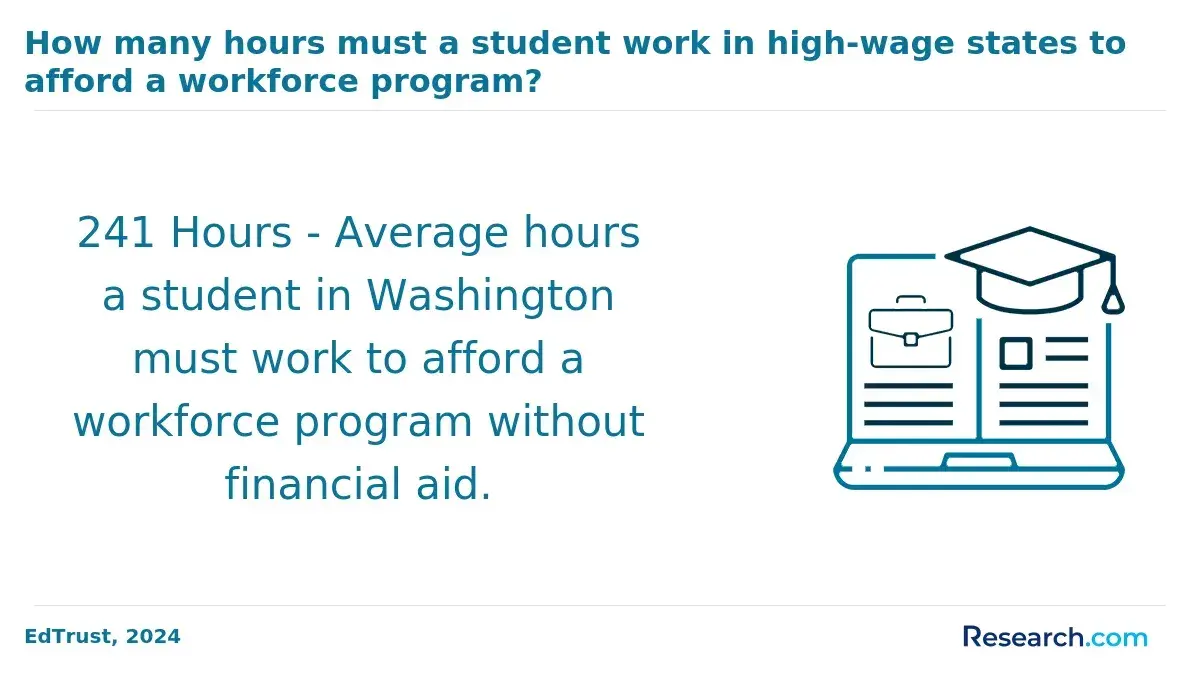
Cost plays a crucial role for students deciding between fully online and hybrid project management master's programs. Studies indicate that online graduate tuition can be 15-30% less expensive than hybrid or on-campus options. Several key cost factors contribute to which option may offer better affordability.
- Tuition Structure: Online programs generally bill per credit hour without adding campus-based fees, which can help lower total expenses compared to hybrid formats.
- Campus-Related Fees: Hybrid learners often face extra charges for facilities like labs, libraries, or student activities that support in-person attendance.
- Commuting or Travel Costs: Those attending hybrid programs usually spend more on daily or periodic transportation, which accumulates over the length of the degree.
- Housing Considerations: Participating in on-site sessions may require temporary relocation or additional housing costs, impacting the overall budget significantly.
- Technology and Platform Expenses: While online students need dependable internet and devices, many schools include virtual learning tools as part of the tuition, which can reduce separate technology costs.
When I spoke with a graduate student who completed an online project management master's degree, he shared that affordability was one of the biggest factors guiding his choice. He explained, "Choosing the online format helped me avoid daily commuting stress and saved me a lot in travel costs." He also mentioned some initial worries about staying disciplined but found the flexibility crucial for balancing work and study. "It wasn't just cheaper financially-it offered peace of mind in managing my time," he added, highlighting how cost savings extended beyond tuition. This perspective underscores why many prioritize fully online options when considering their investment in education.
Does Financial Aid Differ for Online vs Hybrid Project Management Master's Degrees?
Financial aid availability is an important factor for students comparing fully online and hybrid project management master's degrees. A recent study found that 62% of students in hybrid graduate programs receive financial aid, slightly higher than the 58% rate among fully online students. Below are five key financial aid aspects that may vary between these formats.
- Eligibility Criteria: Federal student aid eligibility generally remains the same for both online and hybrid formats if the program is properly accredited, ensuring broad access regardless of delivery mode.
- Types of Aid: Both online and hybrid students typically qualify for federal loans, grants, and work-study programs, making these foundational aid types widely accessible across program styles.
- Institutional Scholarships: The availability of scholarships can differ, as some universities earmark funds strictly for hybrid or on-campus learners, while others offer equal opportunities for fully online students.
- Federal and State Funding: While federal funding rules remain consistent, certain state grants and scholarships may require some in-person participation, often favoring hybrid program attendees.
- Employer Tuition Assistance: Many employers support tuition aid for both formats, though some prefer hybrid programs, valuing the networking and career benefits facilitated by in-person elements.
Prospective students exploring options like a masters in counseling program should similarly investigate financial aid policies tailored to the online or hybrid setup to maximize their funding potential.
Are Admission Requirements Different for Hybrid vs Online Project Management Master's Programs?
Admissions criteria significantly influence the choice between hybrid and fully online project management master's programs. While many requirements align across both formats, certain distinctions affect eligibility and application strategies. Below are five key factors to consider:
- Academic Prerequisites: Nearly all programs require a bachelor's degree from an accredited university, often favoring backgrounds in business, engineering, or related disciplines. The academic rigor expected at the undergraduate level remains relatively uniform regardless of format.
- Professional Experience: Hybrid programs often prioritize candidates with tangible project management or workplace experience due to their emphasis on in-person collaboration. Conversely, online options may accommodate applicants with a broader range of professional backgrounds.
- Letters of Recommendation: Both formats usually request recommendation letters, though hybrid programs sometimes seek endorsements that emphasize teamwork and leadership skills demonstrated in professional or academic settings.
- Standardized Tests: GRE or GMAT requirements depend more on the institution than format. Many online programs waive these exams, placing greater weight on academic records and work history.
- Application Deadlines: Hybrid programs tend to have fixed start dates aligned with on-campus terms, often necessitating earlier, structured application submissions. Online programs frequently offer rolling admissions, providing greater flexibility.
When I spoke with a professional preparing to enroll in a hybrid project management master's degree program, she shared how navigating the admissions process highlighted these subtle differences. She noted that gathering recommendation letters emphasizing leadership was more time-consuming than anticipated but felt these insights added valuable perspective to her application. She also mentioned balancing strict application deadlines with her job schedule was challenging, yet the in-person elements of the program made it worthwhile. Reflecting on her experience, she concluded that while requirements were mostly familiar, adapting to the hybrid format's nuances required careful planning and a proactive approach.
Is the Curriculum the Same in Online and Hybrid Project Management Master's Programs?
For students deciding between fully online and hybrid project management master's programs, recognizing how their curricula compare is essential. Studies show that about 85% of core material remains consistent across both formats, ensuring a similar educational foundation. Below are key distinctions and commonalities regarding academic content in these two delivery methods.
- Core Course Content: Both online and hybrid programs cover fundamental subjects such as risk analysis, scheduling, budgeting, and leadership, providing aligned knowledge essential for project management.
- Elective Options: Hybrid programs typically feature a wider variety of electives supported by on-campus facilities, while online programs offer flexible access to diverse digital electives suited for remote learners.
- Project-Based Learning: Fully online formats utilize virtual simulations and collaborative platforms, whereas hybrid programs encourage in-person group work that enhances direct interaction among peers.
- Capstone or Thesis: Both pathways require a culminating project or thesis to apply theoretical knowledge, but hybrid students often benefit from increased face-to-face faculty guidance and peer collaboration.
- Experiential Components: Hybrid tracks generally include hands-on workshops or internships held onsite, while online students may engage in virtual labs or remote internship opportunities to gain practical experience.
How Are Exams Conducted in Fully Online vs Hybrid Project Management Master's Programs?
For prospective students considering fully online master's programs in project management, exam formats play a crucial role in shaping their learning experience. A recent survey revealed that 68% of online graduate students believe exam integrity and delivery methods significantly impact their choice of program. Below are five key aspects that highlight how exams differ between fully online and hybrid project management programs.
- Online Proctoring: Fully online programs often utilize secure proctoring software that monitors students via webcam and screen capture to uphold academic honesty during exams.
- In-Person Exams: Hybrid programs generally require some in-person assessments, typically held on campus or at designated testing centers, combining direct supervision with online learning.
- Timed Assessments: Both formats enforce strict time limits; however, fully online options may allow flexible scheduling windows, while hybrid exams usually adhere to fixed schedules tied to on-campus sessions.
- Open-Book vs Closed-Book Formats: Online exams frequently permit open-book or open-note formats to accommodate remote environments, whereas hybrid programs often mandate closed-book tests during in-person exams.
- Integrity Measures: Hybrid programs benefit from physical observation and identity verification, while fully online programs rely on biometric authentication, plagiarism detection tools, and secure browsers to maintain exam security.
These distinctions show how fully online and hybrid project management programs balance flexibility and academic standards in their exam delivery methods, helping students select the format best aligned with their needs and goals.
Which Project Management Master's Program Format Offers Better Networking Opportunities?
Networking opportunities are an essential factor when choosing between fully online and hybrid project management master's programs. A 2022 survey by the Graduate Management Admission Council found that 60% of students identified peer networking as a major benefit of graduate education. Below are five key aspects that highlight the differences in networking advantages between the two formats.
- Peer Interaction: Hybrid programs provide more spontaneous and frequent interactions through in-person classes, fostering stronger personal connections. Fully online project management master's programs networking advantages are often limited to scheduled virtual meetings and online forums, which can reduce casual engagement.
- Faculty Engagement: Hybrid students typically benefit from higher faculty interaction via face-to-face meetings, promoting mentorship and informal discussions. Online students may have fewer chances for such exchanges, although advanced digital platforms are increasingly used to bridge this gap.
- Alumni Access: Both formats offer alumni networks, but hybrid programs often facilitate local events and chapters that enhance career connections. Online programs rely more on virtual alumni groups, which may not create as strong of a community feel.
- Industry Events: Hybrid programs integrate live industry events, providing direct exposure to professionals and networking opportunities. Fully online students may attend virtually but generally face challenges engaging as deeply in these events.
- Collaborative Projects: Working in-person on group assignments in hybrid programs can build teamwork skills and relationships more naturally. Online group work in fully online programs can be complicated by time zone differences and technology issues, affecting collaboration quality.
Those considering program costs alongside networking benefits may also research the mlis degree online cost as an example of how affordability can influence educational choices in related fields.
Are Job Placement Rates Different for Hybrid vs Online Project Management Programs?
Employment outcomes are a critical consideration for students comparing hybrid and fully online project management master's programs. According to a 2023 National Association of Colleges and Employers (NACE) report, hybrid graduates have a job placement rate of about 85% within six months, slightly higher than the roughly 80% rate for fully online graduates. Several factors contribute to these differences in career outcomes for online and hybrid project management master's degrees.
- Industry Connections: Hybrid programs facilitate in-person networking events that strengthen ties with local employers, which can boost job prospects by providing direct access to potential hiring managers.
- Internship or Practicum Access: On-site components often allow easier placement in internships or practicums, providing valuable hands-on experience that enhances employability.
- Alumni Networks: Hybrid students benefit from more active and engaged alumni communities within specific regions, increasing the likelihood of job referrals and mentorship opportunities.
- Career Services Support: Access to in-person career counseling and job fairs in hybrid programs offers tailored guidance that may surpass virtual-only services available in fully online formats.
- Regional Employment Opportunities: Hybrid students can tap into local job markets during campus visits, whereas online students have more geographically dispersed networking, which may affect targeted job placement.
While both formats provide rigorous project management skills, these factors often lead to higher placement rates for hybrid programs. However, individual success depends greatly on program quality and student engagement. Prospective students are encouraged to explore details about most popular online colleges to find programs that best align with their career goals.
Does Program Format Affect Salary After Earning a Project Management Master's?
Salary potential plays a significant role in deciding between fully online and hybrid project management master's programs, with hybrid graduates typically reporting higher starting pay. On average, those completing hybrid programs earn about $85,000 annually, compared to roughly $78,000 for fully online graduates. Several factors contribute to this salary gap.
- Networking Opportunities: Hybrid formats foster more in-person interactions with classmates, instructors, and industry professionals, which can create valuable connections leading to better job offers.
- Industry Connections: The inclusion of face-to-face events and internships in hybrid programs allows students to build relationships with employers directly, improving their chances of landing higher-paying roles.
- Program Prestige: Many hybrid programs are linked to well-known institutions, enhancing a graduate's credentials and attracting employers willing to offer higher salaries.
- Experiential Learning: Hands-on projects and real-world experiences are emphasized in hybrid formats, equipping students with practical skills that appeal to recruiters and correlate with increased compensation.
- Geographic Flexibility: Fully online programs offer the advantage of location independence, enabling access to diverse markets; however, this may reduce opportunities for higher-paying local positions tied to specific regions.
What Graduates Say About Fully Online vs Hybrid Project Management Degree Master's Programs
- Lawrence: "Choosing a fully online project management master's degree was essential for me due to my demanding work schedule. The affordability compared to traditional programs made it easier to justify the investment while balancing family commitments. Since graduating, I've seen clear advancement opportunities and greater confidence managing complex projects remotely."
- Charles: "Reflecting on my experience in a hybrid project management master's program, the blend of in-person and online classes offered the perfect balance for deep learning and practical networking. Although the hybrid format was slightly more expensive, the face-to-face interactions enriched my understanding and expanded my professional network. This mix truly accelerated my career growth in ways the purely online path couldn't have."
- Cameron: "I opted for a fully online project management master's degree primarily for its flexibility and cost savings. The program's structure allowed me to maintain my full-time job while acquiring new skills that immediately impacted my job performance. The credential has opened doors for leadership roles, proving the degree's worth far beyond the initial investment."
Other Things You Should Know About Project Management Degrees
Yes, fully online project management master's programs typically provide comprehensive preparation for certification exams such as the Project Management Professional (PMP)®. They offer targeted coursework, practice exams, and sometimes access to online study groups or webinars that align closely with certification requirements. This preparation is designed to mirror that of hybrid or traditional formats.
Employer perception varies by industry, but generally, fully online project management degrees from accredited programs are seen as credible and legitimate. Some employers value hybrid degrees slightly more due to the in-person interaction component, which can demonstrate teamwork and communication skills. Ultimately, relevant skills and certification often carry more weight than program format alone.
In 2027, fully online project management master’s programs offer the flexibility to study from anywhere, which is ideal for working professionals. Hybrid programs offer some flexibility but also require sporadic in-person attendance, which can enhance networking opportunities but may limit convenience for remote students.
Fully online programs typically offer extensive virtual support services such as academic advising, technical help, writing centers, and career counseling accessible through online platforms. Hybrid programs provide these services as well but also extend in-person options, enabling direct interaction with faculty and advisors. Both formats aim to support student success, though access methods differ.
References
- Most Affordable Master’s In Project Management | GradSchoolHub.com https://www.gradschoolhub.com/affordable/online/masters/project-management/
- What is the difference between traditional and hybrid project management training? https://m.umu.com/ask/q11122301573854489371
- Know the Difference Between In-Person, Online, Virtual & Hybrid Classes https://pima.edu/news/announcements/general-announcements/types-of-classes.html
- The Complete Guide to the New PMP Exam 2025 https://agileseekers.com/blog/complete-guide-to-pmp-exam-preparation
- Is a Master’s Degree in Project Management Really Worth It? | CSU Global https://csuglobal.edu/blog/is-a-masters-degree-in-project-management-worth-it
- FAQs: The Pros and Cons of Online Graduate School https://www.gograd.org/faq/
- MSc Project Management: Germany vs Global Key Comparisons | BSBI https://www.berlinsbi.com/blog/comparing-msc-project-management-programmes-germany-vs-global
- Hybrid Flexible Learning studies at VIZJA - VIZJA University in Warsaw https://vizja.pl/en/studia-hfl-w-vizja/
- Online vs. Hybrid vs. In-Person MBA: Which Format is Right for You? https://business.wfu.edu/mba/articles/which-mba-format-is-right-for-you/
- What is the difference between an online and hybrid degree program? https://www.topmanagementdegrees.com/difference-online-hybrid/


