
2027 Fully Online vs Hybrid Social Media Degree Master's Programs: Which Is Better?

Co-Founder and Chief Data Scientist
Choosing between fully online and hybrid social media degree master's programs often puzzles working professionals balancing career growth and academic advancement. For instance, 60% of online graduate students report challenges in networking compared to their hybrid counterparts who benefit from periodic in-person interaction.
This gap can impact job placement and skill application in digital marketing roles. Understanding these distinctions matters as the social media landscape demands both technical knowledge and relationship-building capabilities. This article explores the practical differences between fully online and hybrid formats, offering insight to help prospective students select a path aligned with their learning style, schedule flexibility, and professional objectives.
Key Things to Know About Fully Online vs Hybrid Social Media Degree Master's Programs
- Fully online social media master's programs offer maximum flexibility, allowing students to access coursework anytime, ideal for those balancing irregular work hours or remote locations.
- Hybrid programs combine online learning with scheduled in-person sessions, promoting direct faculty interaction and collaborative networking opportunities not found in fully online formats.
- Students with professional commitments needing structured, face-to-face engagement may benefit more from hybrid formats, while those prioritizing schedule independence often prefer fully online options.
How Do Hybrid and Online Social Media Master's Programs Differ?
Fully online and hybrid social media master's programs mainly differ in their instruction, participation, and overall learning experiences. Currently, about 40% of graduate programs offer hybrid formats, reflecting a shift toward flexible yet interactive education. These differences influence curriculum and assessments between hybrid and online social media degrees.
Below are five key distinctions that highlight how these formats impact student engagement and structure.
- Learning Format: Fully online programs deliver all coursework digitally, providing students access to lectures and materials anytime. Hybrid programs blend online instruction with scheduled in-person sessions, which require attendance on campus or at designated locations.
- Residency Expectations: Hybrid degrees often require occasional campus visits for orientations or workshops, whereas fully online programs allow students to complete their studies entirely remotely with no on-site presence needed.
- Scheduling Structure: Online programs typically offer asynchronous classes, giving students control over pacing. In contrast, hybrid formats include synchronous activities that encourage real-time interaction both virtually and face-to-face.
- Participation Methods: Fully online students primarily engage through discussion boards, video conferencing, and digital assignments. Hybrid students benefit from additional direct engagement during in-person sessions, which fosters richer collaboration and networking.
- Campus Engagement: Hybrid students can access campus resources and social events during residency periods, helping build community. Fully online students rely more on virtual platforms to connect with peers and professionals.
For those researching flexible graduate education, exploring MSW online programs can provide insights applicable to selecting social media master's formats that match career goals and learning preferences.
Which Social Media Master's Program Format Is More Flexible?
Flexibility is a major consideration for students comparing fully online and hybrid social media master's programs. A 2023 report from the National Center for Education Statistics found that nearly 40% of graduate students took at least one online course, highlighting the demand for adaptable learning options.
Several key factors shape the flexibility differences between these program types:
- Class Schedule: Fully online programs usually offer asynchronous classes, allowing students to study on their own time. Hybrid social media degree program scheduling advantages are more limited, as some sessions require attendance at set times.
- Location Requirements: Fully online programs have minimal location restrictions, enabling students to participate from anywhere. Hybrid models often demand travel to campus for in-person components, reducing location flexibility.
- Course Pacing: Online students frequently control their own progress, fostering a self-directed pace suited to busy professionals. Hybrid programs generally adhere to fixed pacing aligned with campus schedules.
- Attendance Expectations: Virtual attendance in fully online programs reduces the need to manage strict time commitments, benefiting those juggling work or family. Hybrid programs require more consistent in-person attendance, limiting flexibility.
- Travel Commitments: Fully online learning eliminates commuting challenges entirely. Hybrid programs involve travel to campus, which can impact time and budget, especially for those balancing multiple responsibilities.
Prospective students seeking maximum adaptability may explore options like one year MSW programs, which exemplify accelerated and flexible pathways to graduate education.
Which Social Media Master's Program Format Is Cheaper?
Cost plays a crucial role for students weighing fully online versus hybrid social media master's programs. Recent figures indicate that average tuition for online graduate programs can be 15-25% less expensive than hybrid or on-campus options.
Several specific factors contribute to this difference in overall expense, including:
- Tuition Structure: Online programs often offer reduced per-credit rates or flat fees, whereas hybrid programs may include surcharges for in-person components, increasing overall tuition costs.
- Campus-Related Fees: Students in hybrid formats frequently encounter additional charges tied to campus facility use or student services that fully online learners typically avoid.
- Commuting and Travel: Hybrid students must account for transportation expenses to and from campus, which can add significantly to their total cost compared to fully online students who study remotely.
- Housing Needs: Those attending hybrid classes might incur costs for temporary lodging near campus, a factor not usually applicable to students in online programs.
- Technology and Platforms: While fully online students may face fees for specialized software or high-speed internet, these costs are generally less burdensome than travel and housing expenses linked to hybrid attendance.
A graduate student who completed a social media master's fully online shared insights about the financial trade-offs. He recalled feeling relieved that eliminating daily commutes saved him unexpected time and money, though he had to invest in reliable tech gear upfront.
"Budgeting for a quality laptop and stable internet was a challenge at first," he explained, "but in the end, it was far less costly than the gas, parking, and occasional overnight stays I would have needed otherwise." He also appreciated the flexibility, which helped him avoid extra expenses tied to rigid schedules, illustrating how the online format can offer both economic and practical benefits beyond just tuition savings.
Does Financial Aid Differ for Online vs Hybrid Social Media Master's Degrees?
Financial aid availability plays a significant role for students comparing fully online and hybrid social media master's programs. According to a 2023 National Center for Education Statistics report, about 70% of online graduate students received some form of federal aid, a figure similar to hybrid learners.
Understanding how aid options align with program format is important when evaluating financial aid options for online social media master's programs.
Key factors influencing funding access include:
- Eligibility Criteria: Accreditation is essential for federal aid eligibility, but some state or institutional grants may restrict aid to hybrid students who attend in-person sessions.
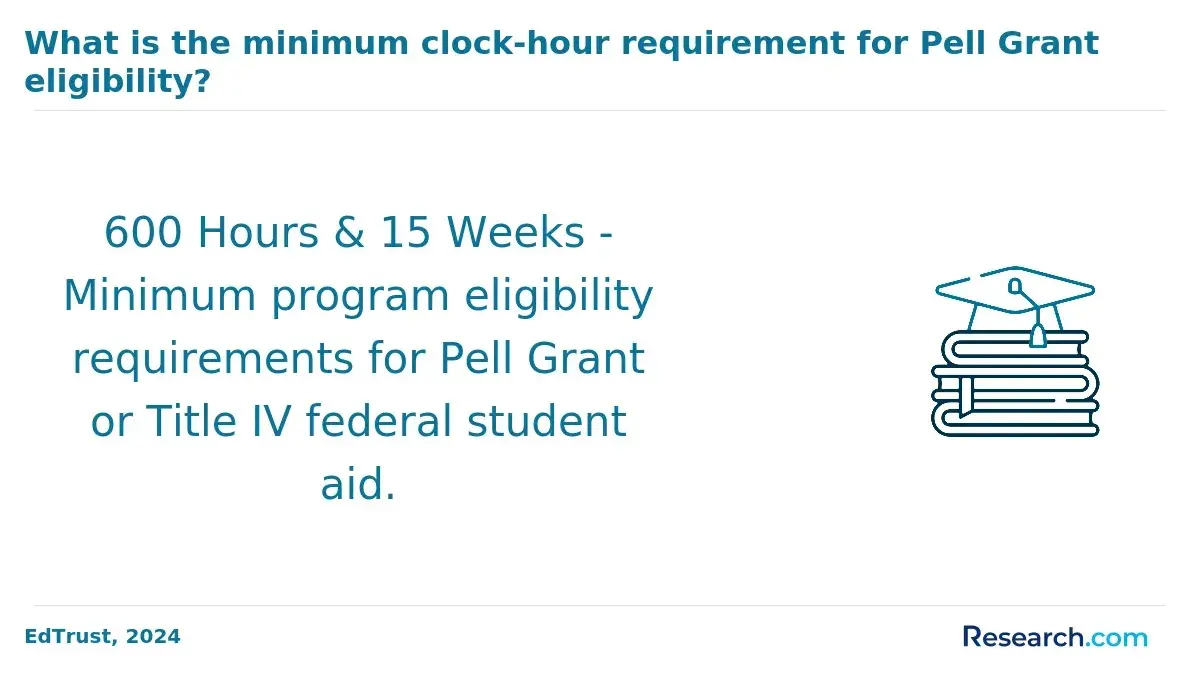
- Types of Aid: Federal loans, Pell Grants, and work-study programs generally support both formats, while specific scholarships might favor hybrid candidates due to campus engagement.
- Institutional Scholarships: Certain scholarships require residency or in-person participation, which benefits students in hybrid programs but excludes fully online learners.
- Federal or State Funding: State grants sometimes have residency conditions or program delivery restrictions that can limit full online students' access.
- Employer Tuition Assistance: Often program-neutral, employer policies vary and may influence students' choice based on scheduling flexibility.
Prospective students should carefully assess these nuances alongside a cost comparison of hybrid and fully online social media graduate degrees to make informed decisions. Exploring options like the cheapest online college can also provide valuable insights into affordable education pathways.
Are Admission Requirements Different for Hybrid vs Online Social Media Master's Programs?
Admissions standards play a crucial role in distinguishing hybrid from fully online social media master's programs. While many criteria overlap, subtle differences often influence a candidate's suitability and the program's accessibility.
Here are five important admissions aspects to consider:
- Academic Prerequisites: Both program types generally require a bachelor's degree, typically in communications or marketing. However, hybrid programs may expect higher academic achievement or specific courses given their in-person components.
- Professional Experience: Work history is often valued with some preference variations. Hybrid formats tend to favor applicants with more substantial professional backgrounds due to their emphasis on face-to-face collaboration.
- Letters of Recommendation: Recommendations are consistently requested across both formats as a way to evaluate applicants' character and capabilities.
- Standardized Tests: Hybrid programs sometimes maintain GRE or similar score requirements rooted in tradition, whereas fully online options often waive these to widen applicant pools.
- Application Deadlines: Deadlines tend to align within institutions but hybrid programs may impose earlier cutoffs to manage on-campus schedules and resources.
A professional planning to enroll in a hybrid social media master's shared that navigating admissions felt more demanding compared to purely online paths. She noted, "The need to balance academic records with relevant experience made the process more rigorous but clearer in expectations."
She appreciated how the hybrid program's criteria encouraged her to reflect on her career journey and readiness for more interactive learning. "It wasn't just about meeting a checklist," she explained, "but understanding the full scope of commitment needed."
This perspective highlights how admission nuances can shape a candidate's preparation and decision-making when choosing between hybrid and online formats.
Is the Curriculum the Same in Online and Hybrid Social Media Master's Programs?
For students deciding between fully online and hybrid social media master's programs, recognizing both shared and unique curriculum elements is crucial. Research indicates that nearly 85% of social media graduate programs maintain a common core curriculum regardless of delivery mode, focusing on key areas such as strategic planning, analytics, and digital communication.
Below are several important factors illustrating how curricula in these two formats may align or differ:
- Core Course Content: Both online and hybrid formats generally include foundational subjects like social media theory, digital marketing tactics, and data analysis to ensure students build essential expertise.
- Elective Variety: Hybrid programs often offer a broader selection of electives, benefiting from campus resources and faculty presence, while online programs may have a more limited range due to reliance on virtual instructors.
- Project-Based Learning: Hybrid students typically participate in more face-to-face group projects, fostering in-person collaboration, whereas online students engage in teamwork using digital platforms and remote communication tools.
- Capstone or Thesis: Both formats require a culminating capstone or thesis project, but hybrid learners may experience increased direct mentorship and in-person guidance during this phase.
- Experiential Components: Hybrid programs may include optional on-site internships or workshops, providing hands-on experience, while online students pursue remote practical opportunities tailored for distance learning.
How Are Exams Conducted in Fully Online vs Hybrid Social Media Master's Programs?
For prospective students considering fully online social media master's programs, knowing how exams are conducted is essential. A recent survey reported that 68% of online graduate programs use online proctoring to uphold academic integrity.
Below are five key differences in exam formats and delivery between fully online and hybrid social media programs.
- Online Proctoring vs In-Person Exams: Fully online programs usually implement remote proctoring software that monitors students through webcams and screen sharing. In contrast, hybrid programs often require some exams to be completed on campus under direct supervision.
- Timeliness and Scheduling: Online exams tend to have fixed time windows with strict limits to mimic in-person exams. Hybrid formats typically offer more flexible scheduling, especially for take-home or open-book components.
- Open-Book vs Closed-Book: Many online exams allow open-book formats to accommodate remote testing environments. Hybrid courses generally enforce closed-book policies during on-campus exams to better prevent cheating.
- Academic Integrity Measures: Software-driven behavior detection is key in fully online exams, whereas hybrid programs rely on physical ID checks and direct invigilation to maintain integrity.
- Student Experience and Technology: Online students must have reliable internet and compatible devices to complete exams smoothly. Hybrid students experience fewer technical demands during in-person assessments but must coordinate onsite attendance with online coursework.
Which Social Media Master's Program Format Offers Better Networking Opportunities?
Networking opportunities are a crucial factor when choosing between fully online and hybrid social media master's programs. A study by the National Education Association found that 72% of graduate students consider peer networking vital for both academic satisfaction and career growth.
Below are key aspects where the format influences networking and professional connections.
- Peer Interaction: Hybrid programs offer more organic peer engagement through in-person classes and campus events, facilitating stronger face-to-face relationships. Fully online formats depend on virtual platforms, which can extend geographic reach but may lack spontaneous interaction.
- Faculty Engagement: In hybrid formats, students benefit from immediate, personal access to instructors via in-person meetings and office hours. Online students connect through email or video calls, which offers convenience but sometimes less direct communication.
- Alumni Access: Both formats provide alumni networks, but hybrid programs often include alumni gatherings and mixers on campus, enhancing real-time professional connections. Online programs typically rely on virtual events to maintain alumni relations.
- Industry Events: Hybrid students generally have opportunities to attend local conferences and guest lectures, fostering meaningful, in-person connections. Fully online students may access virtual industry events but could miss informal networking moments common in physical settings.
- Collaborative Projects: Hybrid courses usually have face-to-face group work, which strengthens teamwork skills in person. Online projects depend on digital collaboration tools, preparing students for remote work environments in today's global job market.
These considerations play a significant role for prospective students deciding on a fully online social media master's networking benefits versus hybrid social media degree career connections. For those exploring the broader field, resources such as the masters in social work offer insights into similar online program dynamics.
Are Job Placement Rates Different for Hybrid vs Online Social Media Programs?
Employment outcomes are a crucial consideration for prospective students comparing hybrid and fully online social media master's programs. A 2022 survey by the National Association of Colleges and Employers (NACE) found that 68% of hybrid program graduates were employed within six months of graduation, compared to 62% of fully online graduates.
Several factors contribute to these differences in job placement rates. The following five key factors often influence career outcomes of online and hybrid social media graduate degrees:
- Industry Connections: Hybrid programs often enable stronger relationships with local businesses through in-person networking events, which can enhance job prospects by creating direct pathways to employment.
- Internship or Practicum Access: On-campus components typically provide easier access to internships or practica, giving students valuable hands-on experience that employers highly value when making hiring decisions.
- Alumni Networks: Hybrid programs tend to foster closer-knit alumni communities, offering more robust mentorship opportunities and job leads that can improve career outcomes of online and hybrid social media graduate degrees.
- Career Services Support: While available online, some career services are more personalized in hybrid settings, delivering targeted support and strategies that can increase job placement rates for hybrid vs online social media master's programs.
- Regional Employment Opportunities: Hybrid students may benefit from geographic proximity to industry hubs and local job markets, whereas online students' professional networks are often more dispersed and less accessible for immediate employment.
Choosing between program formats also depends on personal priorities. Students seeking flexibility might prefer fully online options, while those focused on maximizing direct connections and localized opportunities might opt for hybrid programs.
Prospective students can explore options beyond social media programs, such as construction management courses, to compare employment outcomes and cost-effectiveness.
Does Program Format Affect Salary After Earning a Social Media Master's?
Salary potential plays an important role for students deciding between fully online and hybrid social media master's programs. On average, hybrid program graduates earn about $65,000 starting salaries, slightly higher than the approximate $60,000 for those who graduate from fully online programs. Several factors contribute to these variations in earnings.
Key influences on salary differences include:
- Networking Opportunities: Hybrid programs provide more in-person interactions, allowing students to develop stronger professional relationships that can open doors to higher-paying positions.
- Industry Connections: These programs often include guest lectures and internships, enabling direct contact with professionals who can support job placement and career growth.
- Program Prestige: Affiliations with established universities in hybrid formats may enhance graduates' reputations among employers, boosting salary prospects.
- Experiential Learning: Hands-on projects and real-world tasks common in hybrid settings help students acquire practical skills valued by employers, which can command better compensation.
- Geographic Flexibility: Fully online options offer study from any location, beneficial for students in lower-cost areas, but may restrict access to lucrative job markets typically available through local networking.
What Graduates Say About Fully Online vs Hybrid Social Media Degree Master's Programs
- Claudia: "I chose the fully online social media master's program primarily for its flexibility, allowing me to balance work and study without having to relocate. The cost was significantly lower than hybrid options, which made it accessible for me financially. Since graduating, I've advanced to a managerial role where digital engagement strategies I learned have made a real impact."
- Ria: "Opting for a hybrid social media master's was ideal because it combined face-to-face networking with the convenience of online classes. Although the tuition was a bit higher than fully online programs, the personal connections I made were invaluable. Professionally, the degree elevated my profile and opened doors to collaborations I wouldn't have encountered otherwise."
- Leslie: "The fully online social media master's allowed me to keep my full-time job while gaining cutting-edge skills in digital marketing. The affordability compared to on-campus options also helped me avoid debt. Reflecting on my career growth, the knowledge I acquired has enabled me to lead more effective campaigns and earn client trust in a competitive marketplace."
Other Things You Should Know About Social Media Degrees
Yes, the learning experience in fully online and hybrid social media master's programs can differ significantly. Fully online programs often rely on asynchronous content, allowing students to study at their own pace, while hybrid programs combine online coursework with in-person sessions that foster direct interaction and hands-on activities. These differences can influence how students engage with material, collaborate with peers, and apply practical skills.
Generally, employers recognize both fully online and hybrid social media master's degrees as valid credentials, especially when the institution is accredited. However, hybrid programs may sometimes be perceived as offering stronger practical experience due to the in-person component, which can be beneficial for roles requiring teamwork and real-time collaboration. Still, job market acceptance increasingly favors the competency demonstrated rather than the delivery format.
Fully online programs typically require robust internet access and personal devices capable of video conferencing and running relevant software. Hybrid programs might have similar needs but can also offer on-campus resources, reducing personal technology dependency. In 2027, institutions are enhancing virtual tools for both formats to improve the learning experience.
References
- An Online or In-Person Masterâs Degree? 5 Things to Consider https://www.dbu.edu/blog/online-or-in-person-masters-degree-5-things-to-consider.html
- Social media role in addressing employability challenges of graduates: An expert opinion analysis http://www.scielo.org.za/scielo.php
- How Online Degree Exams Are Conducted: Assessment Methods & Proctoring https://www.vidyalive.com/blog/assessment-and-examination-methods/
- Is a Master Degree in Digital Marketing Worth the Investment? https://www.htlinternationalschool.com/2024/11/05/master-digital-marketing-worth-investment/
- What’s the Difference Between Online vs. On-Campus Digital Marketing Master’s Programs? | Digital Marketing Institute https://digitalmarketinginstitute.com/blog/whats-the-difference-between-online-vs-on-campus-digital-marketing-masters-programs
- Online vs. On-Campus: Which Mode of Learning Is Best for You? https://www.onlinemastersdegrees.org/student-resources/which-mode-of-learning-is-best/
- Hybrid class vs. online: Choosing the best for your student https://www.asuprepdigital.org/blog/hybrid-class-vs-online/
- Online Master’s in Social Media Marketing & Management Programs in 2025 https://www.mastersincommunications.org/online-social-media/
- What online master's programs reveal about the convergence of digital publishing and journalism https://www.stateofdigitalpublishing.com/digital-publishing/online-masters-journalism-digital-publishing/
- Master’s in Communication Programs by State: Campus vs Online vs Hybrid Programs https://www.mastersincommunications.com/states/


