2027 Health Communication Degree Master's Programs You Can Get Into Right Now (Eligibility-Based Matches)

Co-Founder and Chief Data Scientist
Many professionals with unrelated bachelor's degrees struggle to find flexible graduate options to enter the health communication field. For career changers balancing work or family, traditional programs pose time and location barriers. Online master's degrees in health communication offer a practical solution, with enrollment growing by 35% over the past five years among nontraditional students. This trend reflects increased demand for skilled communicators in public health and healthcare marketing amid evolving digital platforms. This article identifies current health communication master's programs open to applicants based on eligibility, helping readers navigate the best pathways for a successful career pivot.
Key Benefits of Eligibility-Based Health Communication Degree Master's Programs
- Eligibility-based health communication master's programs offer flexible scheduling and online options ideal for working professionals balancing career and education.
- Accelerated curricula emphasize practical skills, enabling students to complete degrees faster while gaining competencies aligned with industry demands.
- Many programs provide access to global alumni networks and collaborative projects, enhancing professional connections across diverse healthcare and communication sectors.
What Is the Minimum GPA Requirement for Health Communication Master's Programs?
Prospective students considering a health communication master's degree must assess their academic standing to align with program standards. Evaluating GPA requirements is a crucial step in identifying schools where they are eligible. Below are key points that clarify typical GPA benchmarks for admissions in health communication graduate programs GPA eligibility criteria.
- Varied GPA Thresholds: Most top-tier programs require a minimum GPA of 3.0, while some mid-tier and regional institutions accept GPAs as low as 2.75 when supported by strong recommendation letters or relevant work experience.
- Hard Minimum vs. Competitive Average: A hard minimum GPA is the absolute cutoff for eligibility, whereas the competitive average represents the typical GPA range of admitted students-candidates slightly below this average may still be considered under holistic admission policies.
- Holistic Review Processes: Many programs evaluate applications beyond GPA by considering personal statements, recommendation letters, and practical experience. This approach allows some applicants with lower GPAs to gain admission based on overall merit.
- Concrete Examples: The University of Southern California strictly enforces a 3.0 minimum GPA, while the University of Alabama at Birmingham admits students with a 2.75 GPA given strong supplementary credentials.
- Using GPA to Filter Programs: Applicants should use GPA data to narrow their school list according to eligibility before factoring in program format and focus. This ensures a balanced approach that prioritizes fit over ranking alone.
Recent data shows that approximately 40% of health communication master's programs now publish minimum GPA requirements, enhancing transparency in the admissions process. For those balancing academic requirements with professional commitments, exploring related options such as RN to BSN without clinicals programs may also be insightful.
Which Health Communication Master's Programs Accept Students Without Direct Field Experience?
Applicants to health communication master's programs come from diverse backgrounds including recent graduates, career changers, and professionals in adjacent fields, which explains why experience requirements vary widely across graduate programs. Some programs explicitly accept students without prior health communication experience by providing several supportive pathways to bridge this gap. The following points highlight key mechanisms used by programs that welcome candidates without direct field experience.
- Bridge or Foundational Courses: Certain schools offer or mandate bridge courses that build essential health communication skills for students coming from non-related disciplines. These courses help equalize academic preparation before students advance to core graduate coursework.
- Prerequisite Waivers and Flexibility: Admissions policies often allow waivers of strict prior coursework or experience when applicants demonstrate strong academic achievements or transferable professional skills, enabling motivated candidates from varied backgrounds to apply.
- Provisional or Conditional Admission: Some programs grant provisional admission contingent on successful completion of designated preparatory coursework during the initial semester. This pathway offers students a structured opportunity to prove their readiness despite lacking direct experience.
- Holistic Application Review: A comprehensive evaluation of the entire application-including research abilities, writing skills, public health knowledge, and digital communication-often substitutes for formal experience, encouraging a broader range of applicants.
- Explicit Admissions Statements: Several universities, such as George Washington University and the University of Florida, clearly state that prior professional or academic experience in health communication is not required, welcoming career changers and newcomers alike.
Applicants to graduate programs in health communication accepting non-experienced students are advised to emphasize relevant competencies, such as research skills, communication strengths, or community engagement, in their personal statements and recommendation letters. Demonstrating adaptability and eagerness to learn can effectively offset limited background in the field. According to recent data, nearly 40% of master's applicants in health communication switch from non-health related undergraduate majors, underlining the importance of admissions policies that accommodate diverse experiences.
For those exploring healthcare administration options alongside health communication, comprehensive and affordable online programs can complement their academic pathway. More information about these pathways is available at healthcare administration.
Are There Health Communication Master's Programs That Do Not Require the GRE or GMAT?
Graduate admissions have increasingly shifted toward flexible test requirements, especially in health communication master's programs, where schools respond to the pandemic's impact by waiving or relaxing GRE and GMAT policies. This movement aims to lower barriers for a broader range of applicants. Below are key approaches programs take regarding test scores:
- Permanent Waivers: Some programs no longer require GRE or GMAT scores at all, evaluating candidates through GPA, work experience, and other application elements instead.
- Optional Score Submission: Several schools allow applicants to decide if submitting GRE or GMAT scores strengthens their file, giving applicants with strong results a chance to showcase academic readiness.
- Conditional Waivers: Eligibility for a waiver may depend on meeting criteria such as a minimum undergraduate GPA or relevant professional background; otherwise, scores are still needed.
- Temporary Suspensions: In response to pandemic-related testing difficulties, certain institutions paused test requirements temporarily but may bring them back later, so applicants must confirm the current policy.
- Ongoing Verification: Since policies can change quickly, applicants should review each program's official admissions site and carefully weigh whether submitting scores voluntarily is beneficial or if other application materials offer a stronger narrative.
A professional who enrolled in a health communication master's program shared that choosing a school without a GRE requirement eased application stress significantly. "I didn't have to worry about finding testing centers during lockdowns or squeezing in prep time," he recalled. However, he added that submitting a strong undergraduate record and relevant work experience was crucial in compensating for the absence of test scores. "It felt like the program valued my practical background more, which fit my goals better," he said. This experience highlights how test-optional policies can create more accessible and personalized admissions pathways for diverse candidates.
Breakdown of Private Fully Online For-profit Schools

How Many Letters of Recommendation Do Health Communication Master's Programs Typically Require?
Letters of recommendation are a critical part of the application process for health communication master's programs, often influencing admissions decisions by providing insight into candidates' abilities and potential. Applicants should understand common practices regarding letter requirements to strengthen their submissions. Key considerations include:
- Typical Number of Letters: Generally, health communication graduate admission requires two to three letters of recommendation. Two letters are most common, but some programs request three to gain a more comprehensive picture of the applicant.
- Academic vs. Professional Recommenders: Academic references highlight scholarly skills and readiness for graduate study, whereas professional recommenders focus on relevant work experience and applied competencies. A combination of both types usually offers a balanced portrayal.
- What Admissions Committees Look For: Strong letters provide specific examples illustrating communication skills, analytical reasoning, leadership qualities, and ethical standards rather than generic praise. These details help demonstrate an applicant's fit for the program.
- Timing and Preparation: Requesting letters at least 4-6 weeks before deadlines and supplying recommenders with a current resume, statement of purpose, and program requirements increases the chance of tailored, thorough endorsements.
- Submission Guidelines: Some schools require letters to be uploaded via dedicated online portals with precise formatting or confidentiality rules. Following these instructions carefully is essential to avoid delays or rejection.
Prospective students seeking flexible options might also explore RN to BSN online cheap and fast programs as part of broader career planning.
What Are the Typical Application Deadlines for Health Communication Master's Programs?
For prospective health communication master's students, knowing the variety of application deadlines can significantly influence admission chances and funding opportunities. Accurately navigating these timelines helps applicants prioritize tasks and meet critical cutoffs. Key considerations include:
- Early Decision and Priority Deadlines: Typically falling between November and December for fall starts, these deadlines give applicants a competitive edge and often grant priority access to scholarships and financial aid.
- Regular Deadlines: Usually set from January through February, applications submitted during this window are reviewed fairly but may face stiffer competition for remaining spots and funding.
- Rolling Admissions: Some programs accept applications continuously without a fixed deadline. Applying sooner increases the likelihood of acceptance before available spots are taken, while delaying risks losing opportunities.
- Document versus Application Submission Deadlines: Many applicants confuse deadlines for recommendation letters, transcripts, or other materials with the actual application due date. Ensuring the core application is submitted on time is crucial to avoid disqualification.
- Creating a Deadline Tracker: Maintaining a personalized calendar with all critical dates-including submission deadlines, document requirements, and financial aid cutoffs-helps reduce stress and prevents missed opportunities.
Reflecting on her journey after completing an online health communication master's program, a professional shared how juggling multiple deadlines initially felt overwhelming. She recalled, "I underestimated how vital it was to keep a detailed schedule for every program's specific requirements." This proactive planning became her anchor, allowing her to submit all materials promptly and secure funding offers. Her experience highlights how strategic organization of deadlines can transform a complex process into a manageable step toward a rewarding career.
Which Health Communication Master's Programs Offer Part-Time or Online Enrollment Options?
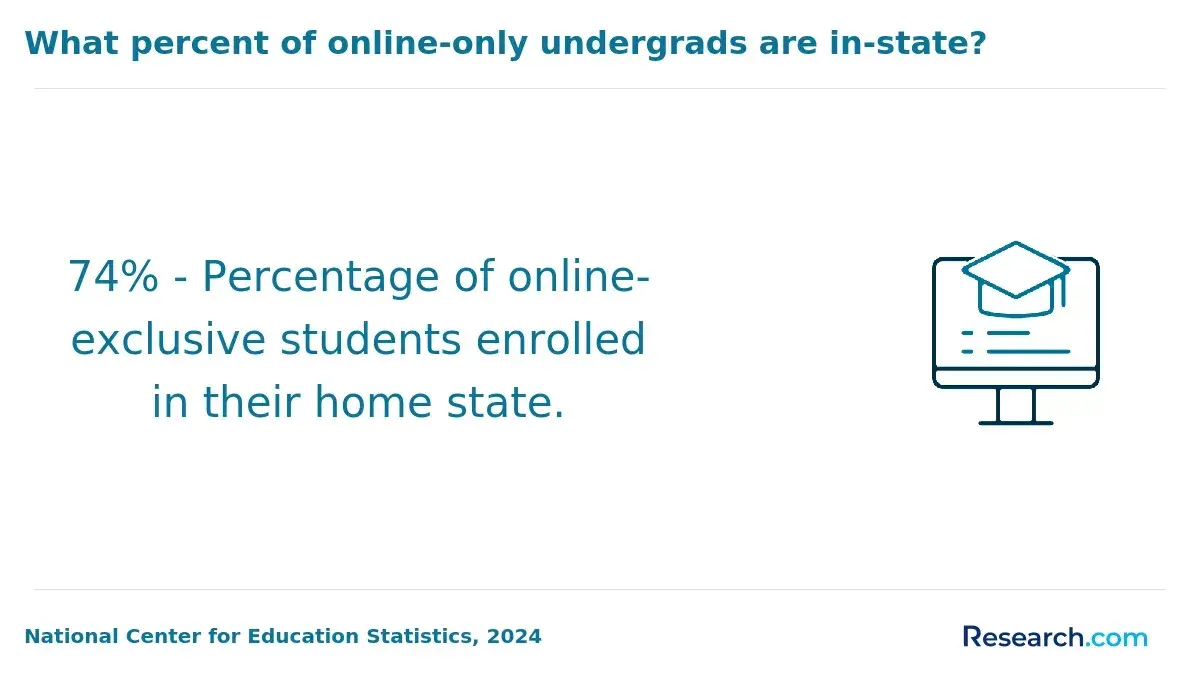
Flexible delivery options in health communication master's programs play a vital role for students managing careers, family, or distance barriers. Many institutions now provide multiple enrollment models without compromising academic standards. Below are key considerations to help identify which format aligns best with your needs.
- Program Formats and Accreditation: Leading schools like the University of North Carolina at Chapel Hill and Johns Hopkins University offer fully online or hybrid health communication master's programs identical in curriculum and accreditation to their campus-based degrees, ensuring equal professional recognition.
- Employer Attitudes: Research suggests that employers prioritize institutional reputation and relevant experience over the mode of study. Accredited online degrees, especially from established universities, carry comparable weight in hiring decisions.
- Scheduling and Pace: Part-time and online formats provide flexibility to extend program duration beyond the typical two years. Some programs allow asynchronous learning for greater convenience, while others require scheduled sessions that affect availability.
- Networking Options: On-site cohorts naturally enable face-to-face interaction and stronger networking. Online students can engage through virtual events and forums, but must often take extra initiative to cultivate professional connections.
- Cost and Residency: Online and evening/weekend programs can reduce expenses tied to relocation and daily commuting. Hybrid programs might still require occasional campus visits. Tuition rates sometimes vary by enrollment format, making early financial planning essential.
What Prerequisite Courses Are Required for Admission Into Health Communication Master's Programs?
Prospective health communication master's students often encounter specific undergraduate prerequisite coursework requirements that influence their eligibility and admission timeline. Recognizing these prerequisites-and knowing how to address any gaps-can help applicants create a realistic and targeted program list. Below are key considerations to help you navigate prerequisite expectations.
- Hard Prerequisites: Applicants must complete foundational courses such as research methods, statistics, and core health communication theory before enrolling. Failure to meet these requirements can delay admission until they are satisfied.
- Soft Prerequisites: Some programs offer flexibility by allowing students to take certain foundational courses concurrently during their first semester, easing the path for those with partial preparation.
- Remediation Options: If prerequisites are missing, consider enrolling in community college classes, accredited MOOCs, or certificate programs. These practical alternatives often offer accelerated timelines suitable for meeting application deadlines.
- Professional Experience Waivers: Relevant work experience or equivalent prior coursework may qualify you for prerequisite waivers. Directly consult graduate program advisors to explore this possibility and confirm eligibility.
- Verification and Research: Since requirements vary widely, always review each program's official admissions criteria early. Confirm prerequisites well before deadlines to ensure timely completion and application readiness.
What Financial Aid, Scholarships, or Assistantships Are Available for Health Communication Master's Students?
Funding a master's degree in health communication involves understanding several distinct financial aid categories that can help students reduce their education costs. Knowing the eligibility criteria, application requirements, and deadlines for each funding type is essential for prospective students as they explore scholarships and assistantships for health communication graduate students. Below are key financial aid options to consider:
- Institutional Scholarships: Merit-based awards offered directly by universities to attract strong candidates. These scholarships often align with admissions deadlines but may require separate applications, so reviewing each program's policies is vital.
- Departmental Fellowships: Competitive awards from communication or health communication departments awarded for academic excellence or research promise. Typically, these provide partial tuition relief and stipends and may have separate submission deadlines.
- Teaching Assistantships (TAs): Positions granting tuition remission and living stipends in exchange for teaching support. Often awarded based on academic performance and interest in teaching, TA applications have timelines that sometimes differ from admissions cycles.
- Research Assistantships (RAs): Roles that involve working on funded projects under faculty mentorship. RAs are merit- and skill-based with varying application windows linked to grant schedules, offering both financial aid and research experience.
- External Awards and Scholarships: Discipline-specific funds provided by organizations such as the National Communication Association, the Society for Health Communication, and the International Communication Association. These require membership or portfolios and have fixed annual deadlines.
Calculating the net cost of attendance by factoring tuition, fees, and living expenses minus awarded aid is critical when comparing programs. Evaluating financial aid packages beyond just the sticker price is as important as understanding admissions criteria. Recent data show over 60% of health communication master's students receive some form of financial assistance, emphasizing the importance of proactively applying for aid. For applicants also considering related fields, some nursing programs offer alternative requirements, such as a nursing school without TEAS test, which may be of interest depending on career goals and prior credentials.
How Do I Write a Strong Statement of Purpose for Health Communication Master's Programs?
For prospective students applying to Health Communication master's programs, crafting a compelling statement of purpose is essential. This document should clearly convey your intellectual focus, career goals, and unique suitability for the program. Below are key elements to include in an effective statement of purpose for health communication graduate applications.
- Compelling Opening: Start with a specific and engaging introduction that captures the motivation behind your interest in health communication. Avoid vague or broad statements; instead, highlight a particular experience or issue that ignited your passion.
- Clear Articulation of Research or Professional Focus: Define your areas of interest, such as digital media, public health campaigns, or policy communication, to demonstrate a well-focused intellectual identity.
- Evidence of Preparation: Provide concrete examples of relevant academic achievements, skills, or professional experiences that show readiness for graduate-level study.
- Program Fit Paragraph: Mention faculty members, labs, or resources specific to the program to illustrate that you have researched how the school aligns with your goals.
- Revision and Feedback Process: Remove generic praise and vague language by revising your statement through at least three drafts. Use an active, confident voice and seek input from peers, writing centers, or mentors to polish clarity and impact.
Admissions committees in the health communication field value intellectual focus, writing quality, self-awareness, and clear alignment with program strengths. Approaching your statement strategically rather than generically will increase your chance of acceptance.
When building your graduate school list, consider eligibility factors like GPA minimums, GRE waivers, and prerequisite coursework, alongside financial aid availability and program accreditation standards. For example, exploring options such as accredited medical billing and coding schools online can offer pathways to strengthen your profile and access financial support.
What Are the Career Outcomes for Graduates of Health Communication Master's Programs?
Prospective students evaluating health communication master's programs benefit greatly from accurate career outcome data. This information highlights how well programs prepare graduates for the job market and reveals common employment paths. Below are essential considerations to guide your research:
- Sources of Career Outcome Data: Look for first-destination surveys, LinkedIn alumni filters, and official graduate school reports to gather comprehensive information. Each source uses different methods, so comparing multiple datasets ensures a clearer overall picture.
- Key Outcome Metrics: Focus on the employment rate within six months of graduation, median starting salaries, typical job titles like health educator or communication specialist, and the sectors where graduates find work. These metrics provide tangible evidence of post-degree success.
- Program Variability Factors: Recognition of how outcomes shift based on factors such as program focus (e.g., digital health or policy communication), campus location, and whether the master's is coursework- or thesis-based is critical. These elements can impact both career opportunities and compensation.
- Data Quality Evaluation: Assess the rigor of reports by checking inclusion criteria, response rates, and timing of data collection. Detailed, transparent reports offer a more accurate representation of graduate employment status.
- Leveraging Alumni Connections: Engaging alumni through LinkedIn encourages candid conversations that supplement official data with real-world insights about career progress, job environments, and practical program benefits.
How Can You Use Eligibility-Based Matching Tools to Find the Right Health Communication Master's Program?
Eligibility-based matching tools provide a targeted approach to discovering health communication master's programs that genuinely fit your academic credentials and career goals. Unlike rankings that focus on prestige or popularity, these platforms analyze your GPA, test scores, relevant experience, and specific program criteria to offer a tailored list of schools where you have realistic admission chances.
Peterson's incorporates self-reported admissions data alongside standardized test ranges, guiding applicants through measurable thresholds. Niche merges user reviews with basic admission stats, giving a sense of campus culture but lacking detailed eligibility filters. GradCafe aggregates applicant-reported outcomes and discussions to reveal informal admission trends, while professional association directories highlight accredited programs and key requirements, though they usually lack interactive matching features.
Each tool has limitations: recent changes like GRE waivers, holistic reviews, and unique prerequisite courses often escape algorithmic detection. Therefore, always verify suggested programs by consulting their official admissions pages and latest published data.
Consider eligibility-based matching as an initial filter rather than a definitive solution. After creating your list, contact admissions offices directly to confirm up-to-date eligibility rules, test waiver policies, and specific requirements. This proactive step ensures you allocate application efforts efficiently, aligning your strengths with each program's expectations and building a practical, balanced list beyond simple rankings.
What Graduates Say About Eligibility-Based Health Communication Degree Master's Programs
- Romeo: "Choosing an eligibility-based health communication master's degree was a strategic decision for me, especially given my professional background and the need for flexibility. The moderate cost of the program made it accessible without compromising quality, which was important as I balanced work and study. Graduating has opened up new opportunities in public health advocacy and reshaped my long-term career goals significantly."
- Aidan: "Reflecting on my journey, the health communication master's degree truly bridged the gap between academic theory and real-world application. I appreciated the eligibility criteria that ensured a cohort of motivated professionals, which made classroom discussions richer. Although the investment was considerable, it was worthwhile because it directly influenced my ability to lead impactful health campaigns and fulfill my life ambition of making a difference in underserved communities."
- Luke: "Professionally, I sought out an eligibility-based health communication master's degree to gain credentials that aligned precisely with my career path in healthcare consulting. The transparent fees and structured program made budgeting straightforward, which I found reassuring. Ultimately, completing this degree enhanced my credibility and accelerated my career progression, cementing my commitment to advancing effective communication strategies in healthcare systems."
Other Things You Should Know About Health Communication Degrees
Acceptance rates for health communication master's programs at leading universities can be quite competitive, often ranging from 10% to 30%. Top schools typically look for strong academic records, relevant experience, and well-crafted personal statements. Applicants should research each program's recent admissions data to realistically assess their chances and identify schools where their profile matches or exceeds average admitted student credentials.
Yes, some universities offer accelerated or combined bachelor's-to-master's degree options in health communication. These pathways allow students to complete both degrees in a shortened time frame, often around five years instead of the typical six or more. Prospective applicants should confirm eligibility requirements, such as minimum GPA thresholds and program-specific prerequisites, as these pathways demand early planning and strong academic standing.
Eligibility requirements typically include a bachelor's degree from an accredited institution, a minimum GPA (usually around 3.0), letters of recommendation, a statement of purpose, and sometimes GRE scores. Some programs may require work experience or a background in a related field.
References
- Health Communication https://www.fastweb.com/directory/scholarships-for-health-communication-majors
- Best Tips for Writing a Great Statement of Purpose (With Real Examples!) - Study in Sweden https://studyinsweden.se/blogs/2025/10/31/best-tips-for-writing-a-great-statement-of-purpose-with-real-examples/
- 8 Key Things to Look for While Reading Clinical Trial Listings to Find a Matching Trial - TrialX https://trialx.com/8-key-things-to-look-for-while-reading-clinical-trial-listings-to-find-a-matching-trial/
- 2025 Online Master’s in Communication Programs No GRE Required https://www.mastersincommunications.com/faqs/online-masters-in-communication-gre-requirements
- What Are Some Prerequisites To A Master’s In Communication Program? - GradSchoolHub.com https://www.gradschoolhub.com/faqs/what-are-some-prerequisites-to-a-masters-in-communication-program/
- 25 Public Health Scholarships and Tips to Apply https://www.publichealthdegrees.org/resources/scholarships/
- 5 Ways to Find Clinical Trials That Match Your Health Goals - Cullman Clinical Trials https://cullmanclinicaltrials.com/find-clinical-trials-match-health-goals/
- No GRE Online MS in Healthcare Informatics (MSHI) Degree Programs https://www.mhaonline.com/faq/no-gre-online-ms-healthcare-informatics-programs
- 30+ Healthcare Scholarships for Online Master's Students https://www.onlinemastersdegrees.org/student-resources/healthcare/
- MPH Scholarships: A Guide for Public Health Students https://masterspublichealth.com/mph-scholarships/