2027 Health Education Internship Requirements: Hours, Placements, and Supervision

Co-Founder and Chief Data Scientist
Preparing to enter a health education internship often challenges students to balance academic demands with real-world experience. Nearly 70% of health education degree programs require between 100 and 300 internship hours to ensure competency in community settings or clinical environments.
Students must navigate placement processes that align with their career goals while meeting program requirements. Additionally, supervision by certified professionals is crucial for skill development and ethical practice. This article details essential internship hours, placement strategies, and supervision criteria commonly found in health education programs, helping students effectively meet their academic and professional preparation benchmarks.
Key Things to Know About Health Education Internship Requirements
- Internship hours typically range from 120 to 240, requiring careful scheduling to balance academic responsibilities and practical experience within a semester or summer term.
- Site availability and placement procedures often depend on partnerships with community organizations, affecting student options and timelines for completing required hours.
- Supervision involves qualified professionals who provide ongoing feedback and assess student competencies, directly influencing skill development and internship success.
Do All Health Education Degrees Require an Internship?
Internships are often integrated into health education curricula to provide practical experience that complements classroom learning. Nearly 70% of accredited programs include a field experience or internship to enhance students' readiness for professional roles.
Various factors influence whether an internship is a compulsory part of completing a health education degree.
- Program Type: Bachelor's, master's, and doctoral degrees have differing expectations regarding internships. Graduate programs more frequently make supervised fieldwork a mandatory component to meet advanced learning objectives.
- Accreditation Expectations: Accreditation bodies like the National Commission for Health Education Credentialing (NCHEC) or the Council on Education for Public Health (CEPH) often require internships or practicum experiences to ensure comprehensive real-world training before graduation.
- Specialization Tracks: Concentrations within health education, such as community health or workplace wellness, may have custom internship requirements aligned with the specific skills and knowledge needed in those areas.
- Alternative Learning Options: Some programs offer flexibility by accepting research projects, service learning, or capstone experiences instead of traditional internships, depending on institutional guidelines and student career goals.
Prospective students seeking clear expectations about mandatory internship hours for health education programs should always check specific degree outlines and consider how experiential requirements fit within their plan. For those exploring rapid pathways into health fields, programs like the medical assistant accelerated program may offer different structures regarding hands-on training components.
What Requirements Must Be Met Before Starting a Health Education Internship?
Internship programs set prerequisites to ensure students are well-prepared for their practical roles, contributing to better performance and professional readiness. For instance, data from the Society for Public Health Education (SOPHE) suggests students maintaining a minimum GPA of 2.5 or higher tend to excel during internships.
Below are common eligibility criteria students must satisfy before beginning a health education internship.
- Completed Coursework: Students are generally required to finish core courses related to health education topics such as epidemiology, behavioral science, and program planning. This foundation enables interns to apply relevant knowledge during their fieldwork.
- Minimum GPA: Most programs require a GPA between 2.5 and 3.0 on a 4.0 scale to demonstrate academic competence and readiness for the internship's challenges.
- Application Approval: Prospective interns typically submit applications including recommendation letters and a statement of purpose. This process may involve interviews to assess motivation and fit with the internship objectives.
- Background Checks: To ensure safety and confidentiality, internships in clinical or community settings often require passing background screenings and providing immunization records.
How Many Internship Hours Are Required for Health Education Degrees?
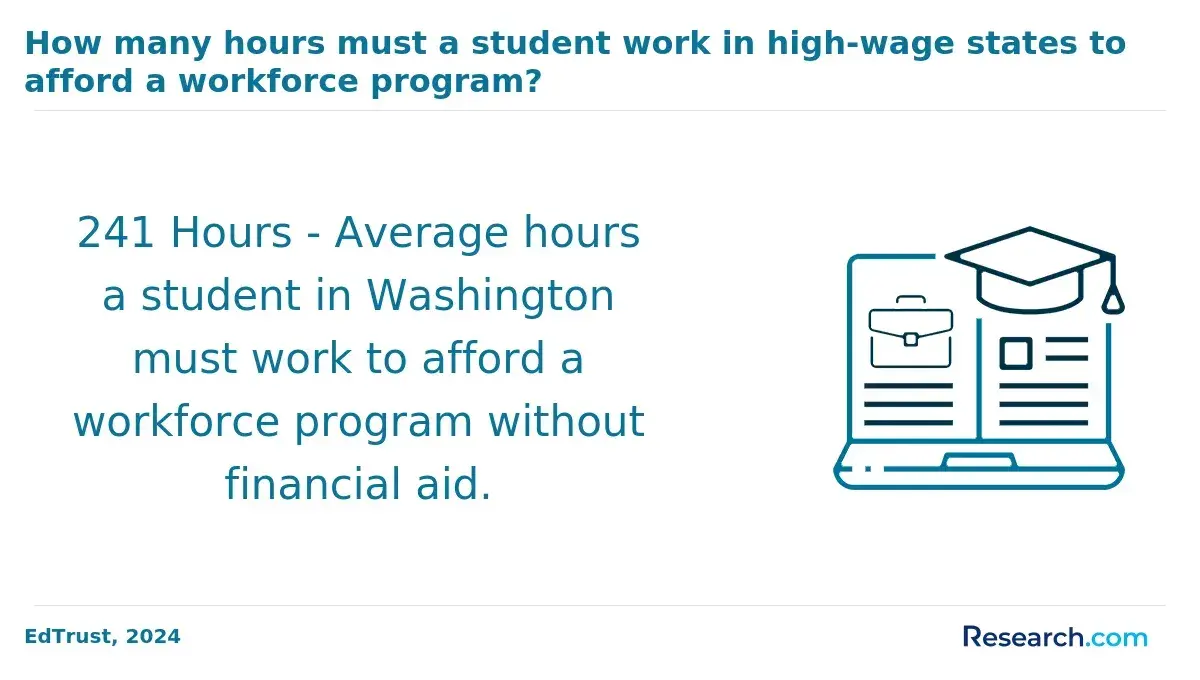
Internship hours are a fundamental component of health education degrees, designed to provide practical experience that complements classroom learning. Students commonly complete between 100 and 400 internship hours, with credit conversions typically ranging from 45 to 60 hours per semester credit.
These requirements reflect variations in programs and institutional policies. Key factors shaping these hours include:
- Academic Credit Conversion: One semester credit hour usually corresponds to 45 to 60 internship hours, so requirements for 3 to 6 credits translate into 135 to 360 hours of fieldwork, depending on the program's structure.
- Degree Level: Bachelor's, master's, and doctoral programs each have distinct expectations; for example, bachelor's degrees may require around 200 hours, whereas master's programs often demand 300 or more to meet professional standards.
- Accreditation Standards: Organizations like the Council on Education for Public Health set minimum practical hour standards to maintain consistent quality and rigor across accredited health education programs.
- Enrollment Status: Full-time students typically complete more hours within a shorter time frame, whereas part-time students may spread internship hours over a longer period, affecting total requirements per term.
- Institutional Guidelines: Individual schools and state regulations impact hour thresholds and how credit hours are awarded, contributing to variability among programs.
When discussing how many internship hours are required for health education degrees, a recent graduate shared his experience: "Balancing around 250 hours while managing coursework felt intense, especially since my school required detailed documentation of each activity.
Finding a placement that aligned with my goals was challenging but rewarding. The practical exposure really deepened my understanding beyond textbooks." His story highlights the importance of early planning and adaptability in meeting internship expectations.
Where Do Health Education Students Complete Internships?
Internship placements in health education are essential for developing practical skills across diverse settings, offering students a comprehensive learning experience. Nearly 40% of health education internship placement sites are within community-based organizations, reflecting the field's broad engagement with various populations and environments.
Below are common settings where such internships typically occur.
- Corporate Wellness: Interns often work in private companies' wellness and occupational health programs, supporting employee health initiatives and safety training tailored to workplace environments.
- Government Agencies: Local and federal public health departments provide placements focused on community health promotion, policy implementation, and population-based health strategies.
- Nonprofit Organizations: These internships emphasize health advocacy and outreach, targeting underserved communities to improve access and education through program coordination and resource management.
- Academic and Research Institutions: Students gain experience conducting health behavior studies, data collection, and evaluation of public health interventions, supporting evidence-based practice and policy.
Exposure to such varied internship settings prepares students for multiple career trajectories in health education. Those interested in advancing their competencies further may explore specialized paths like the MSN to DNP program, combining clinical expertise with health education leadership.
How Are Internship Placements Assigned in Health Education Programs?
Internship placement processes in health education programs are designed to balance student preferences with organizational needs, aiming to optimize learning and professional development. Studies show that nearly 70% of students secure internships through structured institutional arrangements, underscoring the importance of formal placement mechanisms.
The following are common methods used to assign internship opportunities within these programs.
- Faculty-Guided Matching: Academic advisors and internship coordinators collaborate to review student goals and skills, then recommend suitable placements. This personalized approach helps align student interests with site availability and program objectives.
- Student-Driven Applications: Some programs empower students to proactively seek and apply for internships, often requiring approval from faculty to ensure relevance. This fosters autonomy and encourages students to target positions aligned with their career aspirations.
- Centralized Placement Systems: Institutions may operate centralized platforms where internship openings are posted, allowing students to browse and select positions based on criteria such as location or focus areas. Administrators then confirm assignments to balance opportunities fairly.
- Partnership-Based Assignments: Programs frequently maintain agreements with community organizations or public health agencies, offering pre-approved sites. Students are assigned to these partners according to program capacity and educational fit.
When asked about her experience, a health education degree student shared how the placement process felt both exciting and daunting. "I didn't realize how competitive it would be," she reflected. "Even with guidance, I had to actively communicate my preferences and remain flexible when sites filled quickly."
She appreciated how her advisor's insights helped navigate options, ensuring her placement connected with her passion for community health. This hands-on collaboration left her feeling more confident entering the professional environment.
Are Virtual or Remote Internships Available?
Remote work has gained considerable traction, influencing the structure of internships in many fields, including health education. Recent figures show that nearly 60% of internships now include virtual or hybrid components, reflecting this evolving trend.
This shift is shaping how students fulfill practical training requirements. As a result, health education programs increasingly offer flexible options that accommodate online and hybrid internship formats.
Virtual or remote internships typically combine digital tools like video calls, shared documents, and project management software to support collaboration and supervision. These formats provide students with the flexibility to balance their internship hours alongside other responsibilities while also accessing a broader range of employers, regardless of location.
However, the option for remote participation depends heavily on the specific health education program and the requirements of the internship site. Some placements, especially those requiring hands-on clinical or community work, may still require in-person attendance to meet necessary standards.
Are Part-Time Internships Allowed for Working Students?
Many students enrolled in health education programs work while attending school, making part-time internships a valuable option. According to a National Center for Education Statistics report, about 39% of undergraduates hold jobs during their studies. To accommodate these students, several health education programs offer flexible internship arrangements that balance work and academic demands.
Key features of these part-time internships typically include:
- Scheduling Flexibility: Internship hours can often be adjusted to fit students' availability, including evenings, weekends, or spreading hours over a longer period, allowing for manageable time commitments.
- Employer Accommodations: Internship sites frequently collaborate with program coordinators to develop work schedules that align with students' job hours and personal responsibilities.
- Academic Workload Balance: Part-time internships are structured to complement rather than overwhelm students' coursework, helping prevent burnout and encouraging steady educational progress.
- Program-Specific Restrictions: While some programs require minimum weekly or total hour completions, they generally permit these hours to be fulfilled at a reduced pace through part-time formats.
These flexible options help students gain essential practical experience in health education without compromising their external commitments. It is advisable for prospective interns to discuss part-time possibilities early with program advisors to ensure the internship meets academic criteria and personal needs.
What Supervision Is Required During a Health Education Internship?
Supervision plays a vital role in health education internship supervision requirements by supporting student learning and fostering professional accountability. Studies show interns with consistent supervision report 30% greater confidence in their abilities and a clearer sense of workplace expectations.
The following key supervision elements highlight how oversight structures enhance these internships.
- Faculty Oversight: Faculty advisors ensure the internship aligns with academic goals and professional standards. They typically schedule regular check-ins to discuss progress, review learning objectives, and address challenges that arise, helping integrate theoretical knowledge with practical skills.
- Workplace Mentors: Onsite mentors provide daily guidance, modeling effective communication and professional behavior. Their role involves coaching interns through tasks and offering practical insights, making sure students develop competencies in real-world settings.
- Progress Monitoring: Both faculty and workplace supervisors track intern performance using tools like reflective journals and supervisor reports. These records document growth and help identify strengths and areas for improvement during the internship.
- Performance Feedback: Regular feedback sessions focus on constructive critique alongside recognition of achievements. This feedback fosters skill mastery and ethical practice, essential for preparing competent health educators who meet industry standards.
Effective supervision practices for health education internships are designed to create a balanced and supportive environment. Prospective students often have questions about placement and hours, but understanding these supervision standards is equally important.
For those considering career options connected to health education, it can be useful to explore related fields and earnings, such as how much does a medical coder make.
How Are Health Education Internships Evaluated?
Evaluating internships in health education programs is essential to ensure students meet both academic and practical standards. Comprehensive assessments provide evidence of students' competency, with studies showing that well-structured evaluation methods can improve post-internship employment rates by up to 30%.
Below are common approaches used to assess health education internship success.
- Supervisor Reviews: Field supervisors assess interns' skills, professionalism, and ability to apply theoretical knowledge in real-world settings. These reviews combine rating scales and detailed feedback to highlight strengths and areas for growth.
- Reflective Assignments: Students submit journals or essays that analyze their experiences and understanding of public health topics. This encourages critical thinking and self-assessment, which are vital for ongoing professional development during internships.
- Performance Benchmarks: Academic programs establish clear expectations related to core internship tasks such as program planning, community outreach, and data collection. Successfully meeting these benchmarks signifies acquisition of essential skills.
- Faculty Assessments: Professors evaluate work products and internship reports to confirm that academic standards align with fieldwork performance, supporting a balanced view of student progress.
These evaluation methods collectively provide a robust framework to measure how health education internship performance is assessed. For students exploring their educational options, it's helpful to research programs carefully-for example, some medical assistant programs that accept financial aid incorporate comparable experiential learning assessments to ensure comprehensive student evaluation.
What Challenges Do Health Education Students Face During Internships?
Internships offer invaluable hands-on experience for health education students but can also present significant challenges. Research shows that managing academic workload alongside internship responsibilities is a major source of stress for students.
Here are several common difficulties faced during internship placements.
- Balancing Internship Hours and Academic Workload: Coordinating required internship hours with coursework demands often leads to time management issues. Students must carefully schedule to avoid burnout while meeting both academic and field expectations.
- Adapting to Professional Expectations: Transitioning from a classroom environment to real-world settings requires flexibility and professionalism. Students may struggle to adjust to workplace culture and standards during their placements.
- Transportation and Financial Constraints: Traveling to diverse internship sites can pose logistical and financial challenges, especially when sites are distant from campus or home. These barriers sometimes limit internship options or add pressure to students' budgets.
- Managing Professional Responsibilities: Taking on client interactions, data collection, or program coordination for the first time can be intimidating. Developing confidence and proficiency in these roles is an ongoing challenge for many students.
- Supervision Challenges: Navigating supervision dynamics may require patience and communication skills, especially when mentor availability or guidance styles vary significantly.
To supplement practical experience, students often explore additional educational paths such as ADN to FNP programs, enhancing their career prospects beyond internships.
What Graduates Say About Health Education Internship Requirements
- Raphael: "My internship experience in the health education program was truly eye-opening. Logging the required hours through community health centers gave me a hands-on understanding of public health challenges. The variety of supervised placements helped me develop practical skills that have been invaluable in my career as a wellness coordinator."
- Russell: "Looking back, the structured supervision during my health education internship was one of the most beneficial aspects. It created a supportive environment where I could reflect on my practice and learn from experienced mentors. These experiences cemented my passion for health advocacy and prepared me well for professional roles."
- Theo: "The internship portion of my health education degree was demanding but incredibly rewarding. The hours required pushed me to manage my time efficiently, while placements at diverse healthcare settings broadened my perspective. This real-world exposure significantly influenced my work in health policy planning today."
Other Things You Should Know About Health Education Degrees
Yes, many health education internships offer placements in non-clinical settings such as schools, community centers, government agencies, and nonprofit organizations. These environments provide opportunities to develop skills in program planning, outreach, and community engagement. Students gain exposure to real-world health promotion activities outside of traditional healthcare sites.
Maintaining documentation is generally required in health education internships. Students often keep logs or journals recording activities, hours completed, and reflections on learning outcomes. This documentation supports supervision, aids in evaluating progress, and may be used for accreditation or certification purposes after graduation.
Yes, completing an accredited health education internship can be a prerequisite for eligibility to take national certification exams such as the Certified Health Education Specialist (CHES) exam. Internship experiences demonstrate practical competency and help meet the experiential requirements set by certifying bodies. Accurate internship records are important to verify qualifying hours for certification applications.
References
- Medical Internships Abroad | Real Medical Work Experience https://www.projects-abroad.co.uk/intern-abroad/medicine-and-healthcare/
- Guide to Health Education Careers | NCHEC https://www.nchec.org/guide-to-health-education-careers
- | NRR | Dove Medical Press https://www.dovepress.com/internship-challenges-encountered-by-nursing-students-a-qualitative-st-peer-reviewed-fulltext-article-NRR
- Public Health Internships | Programs For Students & Grads https://www.internhq.com/fields/public-health/
- How to Become a Health Educator https://www.publichealthdegrees.org/careers/health-educator/
- Remote Healthcare Internships | Virtual Internships https://www.virtualinternships.com/interns/career-fields/healthcare-pharmaceutical-internships/
- Public health internships: benefits & what to expect https://joinhandshake.com/blog/students/about-public-health-internships
- ASHM Virtual Internship Program https://ashm.org.au/about/virtual-internship/
- Top Medical Internship Opportunities Abroad in 2025 & 2026 https://www.volunteerhq.org/blog/medical-internship-opportunities-abroad/
- remote Public health research internships with Miora - Miora https://miora.org/home-2/