2027 Health Informatics Degree Master's Programs with GRE Waivers: Who Qualifies & How to Apply

Co-Founder and Chief Data Scientist
Many prospective students face barriers when applying to master's programs in health informatics due to mandatory GRE scores. Approximately 60% of health informatics graduate programs previously required GRE submission, deterring qualified candidates lacking strong test results or sufficient preparation time. Meanwhile, the demand for health informatics professionals is projected to grow by 11% through 2031, intensifying competition in admissions. This article examines which programs waive the GRE requirement and outlines the criteria applicants must meet to qualify. It provides clear guidance on how to navigate these waivers, compare programs, and strengthen applications without GRE scores to increase admission success.
Key Things to Know About Qualifying for Health Informatics Degree Master's Programs with GRE Waivers
- Applicants with prior graduate degrees or relevant professional experience often qualify for GRE waivers, reflecting institutional recognition of demonstrated academic or career competencies.
- Application procedures typically require submitting a waiver request form alongside transcripts and resumes, with supporting documents evidencing qualifications for exemption review.
- Institutional policies vary, with demographic factors like international status or workforce reentry influencing decisions to promote diversity and accessibility in program enrollment.
What Are GRE Waivers, and Why Do Health Informatics Master's Programs Offer Them?
GRE waiver availability matters greatly to applicants aiming for health informatics master's programs, as it can reduce barriers related to testing costs and preparation time. Many wonder how to qualify for GRE waivers in health informatics graduate programs and what drives institutions to grant these exemptions. Recent data shows that over 60% of such master's programs have waived or made the GRE optional, reflecting broader trends in admissions criteria. The following points outline the main context behind this shift:
- Historical Role of GRE in Graduate Admissions: The GRE has long served as a standardized measure to compare applicants from diverse academic backgrounds, providing a uniform benchmark for evaluating readiness in master's programs.
- COVID-19 Policy Shifts: The pandemic disrupted access to standardized testing, forcing programs to reconsider strict GRE requirements and adapt to new realities in health informatics admissions procedures.
- Equity Concerns: Standardized tests like the GRE often disproportionately disadvantage underrepresented groups. Recognizing this, many programs now prioritize equity by eliminating or reducing test mandates.
- Validity Research: Studies from organizations such as ETS show that GRE scores offer limited prediction of success in specialized fields, encouraging health informatics programs to focus more on holistic evaluations of candidates.
Applicants seeking GRE waivers should carefully review eligibility criteria in specific programs. Additionally, those interested in flexible healthcare education options may explore 12-month online DNP programs as another model of expedited graduate training.
What Is the Minimum GPA Requirement for Health Informatics Master's Programs with GRE Waivers?
Knowing the minimum GPA requirements helps applicants assess their eligibility for health informatics master's programs that offer GRE waivers. Nearly 40% of these programs adjust policies to fairly evaluate international candidates. The following highlights summarize key aspects related to GPA as a substitute for GRE scores in health informatics graduate programs GPA criteria with GRE waiver:
- Minimum GPA Range: Most institutions set a cutoff between 3.0 and 3.5 on a 4.0 scale. This threshold signals sufficient academic readiness without requiring GRE scores.
- Institutional Variation: Selectivity and reputation affect GPA standards. More competitive programs may demand higher GPAs or additional qualifications.
- Concentration Differences: Specific health informatics specializations can influence GPA expectations, with technical or data-heavy tracks sometimes requiring stronger academic records.
- International Transcripts: Applicants with credentials on non-4.0 scales must often submit credential evaluations. Some programs show leniency, while others enforce strict equivalents.
- Admission Verification: Confirming exact GPA policies on each program's official admissions page is essential, as requirements differ and impact waiver eligibility.
Applicants considering costs related to their educational journey may also explore options like medical coding certification cost to inform their financial planning.
Which Types of Health Informatics Master's Programs Most Commonly Grant GRE Waivers?
Prospective students aiming for health informatics master's programs with GRE waivers need to understand how program format influences testing requirements. With about 60% of these programs now embracing holistic admissions, knowing which options commonly waive the GRE is essential. Below are key insights and strategies to navigate this landscape effectively.
- Program Format Impacts GRE Policies: Professional and online health informatics programs frequently waive the GRE, focusing instead on practical skills and accommodating diverse applicants such as working professionals and career changers.
- Thesis-Based Programs Maintain Stricter Standards: These research-intensive tracks often require GRE scores, reflecting their traditional emphasis on academic rigor.
- Hybrid Programs Vary Widely: Some follow professional formats and offer waivers, while others retain GRE requirements, making it crucial to review individual institutional policies.
- Permanent vs. Temporary Waivers: Many programs permanently removed GRE requirements, but some only offered waivers during the COVID-19 testing disruptions. Several have since reinstated the GRE or made waivers conditional on experience or GPA.
- Verify Waiver Status with Programs Directly: Policies can shift often, so contacting admissions offices or consulting official websites is the most reliable way to confirm current GRE requirements.
A graduate of a health informatics master's program shared that applying without a GRE score initially felt uncertain. "I worried how my application would be received," he recalled. However, the program's emphasis on work experience and personal statements eased the process. "The GRE waiver allowed me to highlight my strengths without a standardized test overshadowing my potential," he reflected. His experience underscores the value of targeting programs aligned with one's background and the importance of verifying waiver details early to build a compelling application package.
How Does Professional Work Experience Factor Into Health Informatics GRE Waiver Eligibility?
Candidates exploring health informatics master's programs that offer GRE waivers should carefully consider how documented professional experience can impact their eligibility. Many schools require a minimum of two to five years of relevant full-time work history as a strong basis for GRE exemption. Key factors to understand when building a waiver application include:
- Relevant Work Experience: This usually comprises roles in healthcare IT, data analytics in clinical settings, clinical informatics, health information management, and research projects related to informatics. Extended internships beyond basic exposure and leadership in healthcare technology initiatives also qualify as relevant experience.
- Presentation of Experience: Applicants must clearly describe their responsibilities, technologies used, and measurable outcomes. Demonstrating alignment with health informatics concepts is essential, ensuring experiences reflect practical knowledge that can offset standardized tests.
- Verification Methods: Programs often require detailed résumés, letters from employers or supervisors verifying job roles, and sometimes LinkedIn profiles that highlight job scope and duration. The more precise the project descriptions and achievements, the better the assessment of readiness and capability.
- Options for Career Changers and Recent Graduates: Those with limited experience can emphasize transferable skills from related fields, participate in informatics volunteering, earn relevant certifications, or undertake substantial internships to strengthen their waiver request. A clearly demonstrated commitment to health informatics boosts waiver prospects.
Understanding how professional work experience for health informatics GRE waiver consideration shapes admissions can save applicants time and effort. Prospective students should research programs carefully, comparing criteria and requirements. For those interested in combining cost-effective education with such flexibility, exploring the cheapest online FNP programs can reveal additional pathways and support options while navigating admissions processes.
What Academic Credentials Beyond GPA Qualify Applicants for Health Informatics GRE Waivers?
Exploring qualifications that may exempt applicants from submitting GRE scores can broaden your options for master's programs in health informatics. Beyond GPA, schools often consider a range of academic achievements and credentials as indicators of readiness for graduate study. Understanding these factors helps applicants identify strong components to highlight in their applications.
Here is a rundown of commonly accepted academic credentials that can support GRE waiver requests:
- Prior Graduate Degrees: Completing a master's or doctoral degree, particularly in related fields such as public health or computer science, demonstrates advanced academic capability and often eliminates the need for standardized test scores.
- Academic Honors and Awards: Recognition through Latin honors (cum laude, magna cum laude) or departmental distinctions reflects sustained excellence, signaling preparedness for rigorous graduate coursework.
- Professional Certifications: Credentials like those offered by the Healthcare Information and Management Systems Society (HIMSS) or Certified Professional in Health Informatics (CPHI) show practical expertise and commitment to the field.
- Published Research: Contributions to peer-reviewed journals or conferences indicate scholarly engagement and a deep understanding of health informatics topics, strengthening the waiver case.
- Undergraduate Major Alignment: Holding a bachelor's degree in health informatics or a closely related discipline (e.g., health sciences, IT) bolsters applications by confirming foundational knowledge; however, flexibility exists if accompanied by relevant experience.
A graduate I spoke with recalled feeling reassured when their prior research publications and a solid professional certificate eased the waiver process. They noted, "Submitting my application without GRE scores was less daunting because my academic and practical credentials spoke for themselves." This experience reduced stress and allowed more focus on crafting compelling essays and gathering strong recommendations, making the overall journey smoother and more manageable.
How Do Online Health Informatics Master's Programs Handle GRE Waiver Policies Differently From On-Campus Programs?
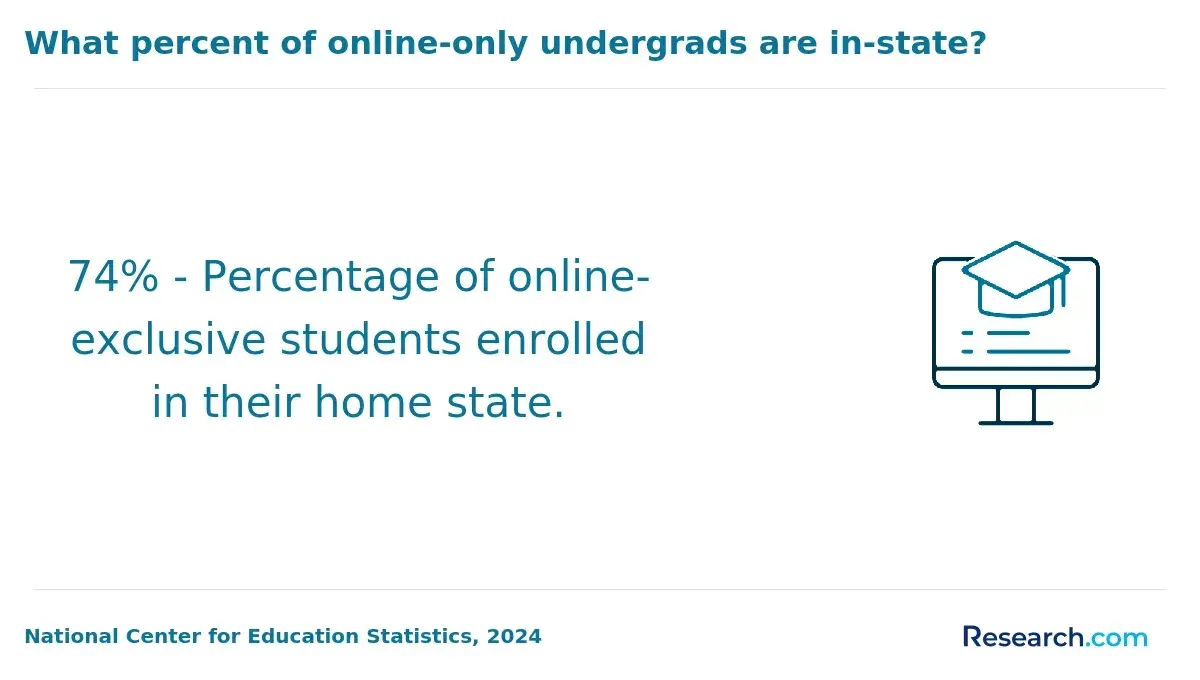
Regional and specialized accreditations set strict academic standards that online health informatics master's programs must uphold, even when offering GRE waivers. These accreditations ensure that programs maintain educational quality and student competency despite more flexible testing policies. A more lenient GRE waiver approach does not imply inferior programs; prospective students should evaluate factors like faculty qualifications, graduation statistics, licensure pass rates, and employer endorsements to judge program rigor. Notably, online graduate enrollment rose by over 10% between 2018 and 2021, reflecting growing confidence in online degrees. Consider these key points when comparing online and on-campus programs:
- Market-Driven Flexibility: Online programs often adjust GRE requirements to attract working professionals, career changers, and international students who face time or testing constraints, broadening access without compromising academic expectations.
- Structural Differences: The remote delivery model influences admissions policies; online programs prioritize relevant experience and certifications over standardized test scores, aligning admissions criteria with nontraditional learner profiles.
- Accreditation Enforcement: Both regional and programmatic accreditations mandate evidence of curriculum quality and student outcomes, limiting how and when GRE waivers can be granted to preserve academic standards.
- Evaluating Academic Quality: Prospective students should examine faculty credentials, graduation and licensure pass rates, and partnerships with employers to assess how well a program prepares graduates without relying solely on GRE scores.
- Diversity of Applicants: GRE waivers enable programs to serve a wider demographic, including international and nontraditional students, thus fostering inclusive learning environments without lowering admission quality.
What Does the GRE Waiver Application Process Look Like for Health Informatics Programs?
Securing a GRE waiver can streamline the application process for health informatics master's programs, which increasingly favor holistic admissions strategies. Nearly 40% of health-related graduate programs now offer GRE waivers, reflecting this change. Here is a concise guide outlining the typical waiver procedures applicants encounter.
- Automatic Waivers: Some programs grant GRE waivers to all applicants automatically, focusing instead on professional experience or academic records. This approach eliminates the need for any additional documentation or requests.
- Criteria-Based Waivers: Other programs waive the GRE if applicants meet specific criteria such as holding a relevant graduate degree, significant work experience, or a minimum GPA. These waivers do not require a separate application or petition, making eligibility verification part of the initial admission review.
- Formal Petition Waivers: Programs requiring a formal waiver petition usually ask applicants to submit this alongside or prior to their application. A strong petition typically includes a concise statement of purpose addendum explaining why the GRE is unnecessary, a résumé emphasizing relevant academic or professional achievements in health informatics, letters of recommendation supporting qualifications, and documentation of prior coursework or certifications. Tailoring these materials to highlight skills in data analytics, clinical knowledge, or healthcare IT expertise is essential for success.
- Timing and Communication: To ensure a smooth process, prospective students should initiate waiver inquiries at least 4-6 weeks before application deadlines. Early contact with admissions offices clarifies requirements and allows ample time to prepare a thorough petition if needed, demonstrating proactive engagement.
Applicants interested in how to apply for gre waiver in health informatics graduate admissions should carefully evaluate individual program policies, as these vary considerably. Strategic preparation can enhance competitiveness even without submitting GRE scores. For those looking to broaden their options, exploring opportunities among online nursing doctoral programs may also be beneficial in complementary health fields.
How Should Applicants Write a GRE Waiver Request Letter for Health Informatics Master's Programs?
Writing a persuasive GRE waiver request letter is essential for applicants aiming to join health informatics master's programs that offer GRE exemptions. Approximately 40% of graduate health informatics programs have adopted GRE waivers, making a focused letter a key component in qualifying for accelerated admission. This letter should present a targeted argument that aligns your qualifications with the program's published waiver criteria. Below are important points to guide your writing.
- Clear Program Identification: Begin with an opening paragraph that explicitly states the name of the program and your request for a GRE waiver. This direct introduction sets the context and shows that you understand the specific application requirements.
- Alignment with Waiver Criteria: In the main body, methodically reference the waiver standards such as academic achievements, professional experience in health informatics, or possession of advanced degrees. Use precise, evidence-based examples like your GPA, certifications, or relevant job roles to demonstrate eligibility.
- Concise and Focused Content: Keep the letter under one page to maintain clarity and impact. Avoid generic personal statements or vague expressions of enthusiasm without concrete supporting details. This brevity signals professionalism and respect for the reviewer's time.
- Professional Tone and Specificity: Maintain a formal tone throughout and tailor your argument specifically to health informatics graduate applications. Be sure to affirm your preparedness for graduate-level coursework and your commitment to succeed without submitting GRE scores.
- Common Mistakes to Avoid: Submitting a generic personal statement instead of a focused waiver request letter dilutes your case. Using unsubstantiated claims of passion or potential weakens credibility. Writing overly lengthy letters can reduce clarity and make your letter less effective.
Following these guidelines can enhance your application's competitiveness while pursuing accelerated pathways in health informatics master's programs. For students exploring rapid completion options, understanding the nuances of admission requirements is just one step toward finishing a degree efficiently. To explore fast coursework and completion models, consider reviewing fast degree programs that align with your goals.
Which Specific Health Informatics Master's Programs Are Known for GRE-Optional or GRE-Free Policies?
Applicants targeting master's programs in health informatics often seek institutions offering GRE waivers to simplify their application process. Identifying programs with GRE-optional or GRE-free policies helps reduce barriers, especially for those with strong academic records or relevant experience but less standardized test exposure. Below are common categories of programs where GRE waivers are more frequently granted.
- Public Research Universities with Equity-Focused Admissions: These universities adopt GRE-optional policies to support diversity and inclusion goals. They usually emphasize a holistic review, valuing undergraduate GPA, professional experience, and personal statements more than GRE scores.
- Historically Black Colleges and Universities (HBCUs): Many HBCUs offering graduate health-related degrees have embraced GRE waivers to increase access for underrepresented groups. Their admissions prioritize community engagement and demonstrated readiness through alternative materials beyond standardized tests.
- Professional School Tracks in Health Informatics: Programs housed within schools of public health or medicine frequently waive the GRE for candidates with relevant work history or advanced degrees, focusing on practical expertise and career development as primary success indicators.
- Institutions with Broad Test-Optional Policies: Some universities apply test-optional or test-free admissions policies across all graduate programs, including health informatics. This trend often aligns with nationwide shifts toward accessibility and recent challenges posed by the pandemic.
- Use of Specialized Graduate Program Databases: Prospective students can utilize resources like the Council of Graduate Schools database to filter health informatics programs by GRE requirements. Verifying current policies directly through program websites or admissions offices remains essential, as requirements can change frequently.
How Do Letters of Recommendation Compensate for the Absence of GRE Scores in Health Informatics Applications?
This section offers guidance on leveraging letters of recommendation to strengthen applications for master's programs in Health Informatics when GRE scores are waived. Effective letters serve as vital endorsements that validate academic and professional promise in lieu of standardized testing.
- Critical Role of Letters: Without GRE scores, letters become primary sources of external validation, emphasizing an applicant's capabilities and potential within Health Informatics.
- Recommender Expertise: Strong letters come from individuals well-acquainted with the applicant's discipline-specific skills and intellectual rigor, ideally from respected roles within or connected to Health Informatics, ensuring credible assessment.
- Number and Type of Letters: Most programs request two to three letters. Recent graduates benefit from a blend of academic and professional references, while mid-career applicants should prioritize endorsements from supervisors or colleagues highlighting relevant industry experience.
- Contextualizing the Waiver: Applicants should clearly explain the GRE waiver situation to recommenders, guiding them to emphasize technical aptitude and analytical strengths aligned with program expectations.
- Strategic Selection and Preparation: Choosing recommenders familiar with the candidate's work and preparing them with detailed context helps produce targeted, detailed letters that effectively address the absence of GRE scores.
What Is the Step-by-Step Application Checklist for Health Informatics Master's Programs with GRE Waivers?
Start by identifying master's programs in health informatics that specifically offer GRE waivers, focusing on those where your academic background, professional experience, or earned degrees meet eligibility requirements. Since policies differ widely, consult each program's admissions resources or speak with admissions staff to understand their unique waiver criteria and whether a formal petition is needed.
Collect official transcripts early to prove your academic qualifications, which often support waiver approval. Simultaneously, secure recommendation letters from individuals acquainted with your expertise in relevant fields. Draft a purpose statement that articulates both your academic and professional goals and explains your rationale for applying without GRE scores, reinforcing your suitability.
If required, submit a well-prepared waiver petition that includes all pertinent documentation to bolster your request. Ensure your complete application-including waiver materials-is submitted well before deadlines. After applying, stay in contact with admissions offices to verify receipt and resolve any follow-up questions. Keeping a detailed record of all communications is vital, as policies may change and direct correspondence helps prevent misunderstandings.
Clear, methodical planning enhances your chance for success when applying to health informatics master's programs offering GRE waivers.
To navigate this process effectively, consider the following checklist:
- Program Identification: Locate health informatics graduate programs explicitly stating GRE waiver options to focus your efforts on eligible schools.
- Waiver Eligibility Verification: Investigate each program's specific criteria-such as prior degrees, work experience, or academic achievements-to confirm if you qualify for a waiver before applying.
- Official Transcript Preparation: Obtain and submit transcripts promptly, as these documents often validate your readiness and support waiver approval.
- Recommendation Letters: Request endorsements from professionals familiar with your skills, emphasizing relevant experience to strengthen your application.
- Statement of Purpose: Craft a clear narrative outlining your goals and justification for applying without GRE results, demonstrating preparedness.
- Waiver Petition Completion: If needed, fill out waiver requests thoroughly with all necessary evidence, increasing the likelihood of approval.
- Early Application Submission: Submit applications well before deadlines, ensuring all materials, including waiver documentation, are included to avoid delays.
- Admissions Follow-Up: Maintain contact with admissions offices to confirm application status and promptly address any additional inquiries.
- Documented Communication: Keep detailed records of all correspondence with programs to track changing policies and clarify requirements.
As institutional policies evolve, maintaining proactive and documented communication with each health informatics program's admissions office remains the most critical strategy throughout your application journey.
What Graduates Say About Getting Accepted in Health Informatics Degree Master's Programs with GRE Waivers
- Armando: "Writing the GRE waiver letter for my Health informatics master's application was initially daunting, but it gave me a chance to clearly express my passion and readiness for the program. I appreciated how detailed the process was in guiding me through my qualifications without the standard test scores. This experience taught me a lot about advocating for myself in academic settings and made me confident going forward."
- Damien: "My journey to qualify for the Health informatics master's program with a GRE waiver involved carefully following step-by-step instructions provided by the admissions team, which made the whole endeavor straightforward. It was enlightening to see how programs increasingly value diverse experiences over standardized testing. Reflecting on this, I feel proud that I could reach this milestone through perseverance and informed decision-making."
- Aiden: "Relying on official academic catalogs, accrediting agencies, and federal education resources was crucial in understanding how to navigate the requirements for my Health informatics degree with a GRE waiver. This professional approach allowed me to grasp the program standards and ensure my application met every criterion. Ultimately, it reinforced my respect for structured educational frameworks and their role in maintaining quality."
Other Things You Should Know About Health Informatics Degrees
Focusing solely on GRE waivers may lead applicants to overlook critical factors like program accreditation, curriculum quality, faculty expertise, and career support services. Some programs waive the GRE to attract more applicants but might lack rigorous training or strong industry connections. Additionally, programs without robust reputations could limit job prospects after graduation. Prospective students should balance GRE waiver benefits with thorough research into program outcomes and reputation.
International applicants should carefully check each program's policy, as GRE waiver eligibility can differ for non-U.S. students. Some programs offer waivers based on prior degrees completed in English-speaking countries or relevant professional experience. Others may require GRE scores regardless of background. Additionally, international applicants often need to meet English proficiency requirements separately. It is essential to contact admissions offices early to clarify waiver eligibility and ensure all application components meet program standards.
References
- No GRE Online MS in Healthcare Informatics (MSHI) Degree Programs https://www.mhaonline.com/faq/no-gre-online-ms-healthcare-informatics-programs
- Master of Health Informatics (MHI) Admissions | St. Catherine University https://www.stkate.edu/admission-and-aid/gc/health-informatics-mhi-application-instructions
- Study Masters in Health Informatics in USA https://www.aeccglobal.com/study-in-usa/courses/masters-in-health-informatics
- International Applicants - Health Informatics and Analytics https://hia.charlotte.edu/admissions/international-applicants/
- Applied Health Informatics (AHI) Master’s Program https://www.fordham.edu/school-of-professional-and-continuing-studies/academics/graduate-programs/master-of-science-in-applied-health-informatics/
- Masters in Health Informatics in USA – 2025 Rankings https://www.successcribe.com/masters-in-health-informatics-in-usa/
- How to write successful GMAT waiver request letters - MBA & Beyond https://www.mbaandbeyond.com/blog/successful-gmat-waiver-request-letters
- Explore Online Master of Health Informatics MHI Degree Programs https://teach.com/online-ed/healthcare-degrees/online-masters-health-informatics/
- Health Care Informatics - Online M.S. & Certificate https://lipscomb.edu/academics/programs/health-care-informatics-online-ms-certificate
- Healthcare Informatics Master's Degree Program | University of the Potomac https://potomac.edu/degrees/graduate/healthcare-informatics/