2027 Highest-Paying Jobs with a Management Information Systems Master's Degree

Co-Founder and Chief Data Scientist
Professionals with a master's degree in management information systems often face the challenge of aligning their advanced technical skills with leadership roles offering substantial financial rewards. Despite strong demand in technology-driven sectors, many struggle to identify high-paying positions that utilize both their strategic and technical expertise. According to the U. S. Bureau of Labor Statistics, employment in computer and information systems management is projected to grow 15% from 2021 to 2031, highlighting expanding opportunities. This article explores the highest-paying careers available to management information systems graduates, providing clarity on pathways to maximize earnings and career advancement in this dynamic field.
Key Benefits of the Highest-Paying Jobs with a Management Information Systems Master's Degree
- Earning potential increases sharply post-graduation, with median salaries growing over 20% within the first two years due to advanced technical and leadership skills.
- Graduates often fast-track to executive-level roles like CIO or IT Director, benefiting from industry demands for strategic MIS expertise in digital transformation.
- High demand in sectors like finance and healthcare ensures career resilience, with 15% job growth projected by 2030 supporting long-term financial stability.
What Are the Highest-Paying Jobs With a Management Information Systems Master's Degree?
Obtaining a master's degree in management information systems opens doors to senior-level, well-paid roles, with many positions earning salaries well above the national median. According to the U.S. Bureau of Labor Statistics, top-tier jobs in this field often exceed six figures. This advanced degree equips professionals to fill specialized leadership roles that blend technical expertise with strategic oversight. Here are five of the highest-paying jobs with a management information systems master's degree in the United States.
- Chief Information Officer (CIO): Oversees all IT strategies and infrastructure, aligning technology with business goals. This executive role demands strong leadership, governance, and the ability to manage large teams and multimillion-dollar budgets, driving organizational success.
- IT Director: Manages IT departments to ensure smooth operations and effective technology service delivery. IT directors balance technical oversight with strategic planning, leading teams through complex system implementations.
- Data Analytics Manager: Analyzes extensive data sets to inform high-level decision-making. They require advanced technical skills and the ability to translate data insights into actionable strategies communicated to senior leadership.
- Enterprise Architect: Designs and integrates scalable IT systems that meet business needs. This role combines deep technical knowledge with strategic planning, ensuring effective technology frameworks support growth.
- Information Systems Manager: Leads project development and manages technical teams to maintain critical systems. Their strategic role in operational technology makes them highly valuable in driving performance.
For mid-career professionals seeking top management information systems careers with master's degree salaries, these roles represent lucrative opportunities. To explore further, consider examining programs recognized among the best AI masters programs online that can complement your MIS expertise and boost career prospects.
Which Industries Offer the Highest Salaries for Management Information Systems Master's Graduates?
Salary potential for management information systems master's graduates varies widely depending on industry factors such as market demand, operational complexity, and the scale of revenues. According to the U.S. Bureau of Labor Statistics, sectors like technology and finance typically offer compensation well above the national average for MIS professionals. These industries emphasize data integration, cybersecurity, and decision-support systems, driving higher pay levels. Below are some of the top-paying sectors for management information systems master's degree holders.
- Information Technology: High demand for managing complex IT infrastructures and driving innovation results in premium salaries. Companies prioritize advanced data analytics and cybersecurity, rewarding skilled MIS graduates accordingly.
- Financial Services: This industry's large transaction volumes, regulatory compliance, and risk management needs create sizeable demand for sophisticated MIS expertise. Such critical operational dependencies often translate to lucrative salary packages.
- Healthcare: Accelerating digitization and electronic health record management increase the value placed on MIS graduates here. Expertise in data governance and patient care systems supports compensation rises in this sector.
- Consulting: Exposure to diverse industries and project-based engagements provides expanded opportunities and attractive pay. Consulting firms rely on MIS professionals to implement cross-sector technology solutions efficiently.
Mid-career professionals looking to enhance their qualifications while minimizing time investment may explore a 6 month degree course as a strategic option. Positioning oneself in one of these highest-paying industries for management information systems master's graduates often leads to a substantial return on investment, making specialization and industry focus crucial considerations.
What Is the Starting Salary with a Management Information Systems Master's Degree?
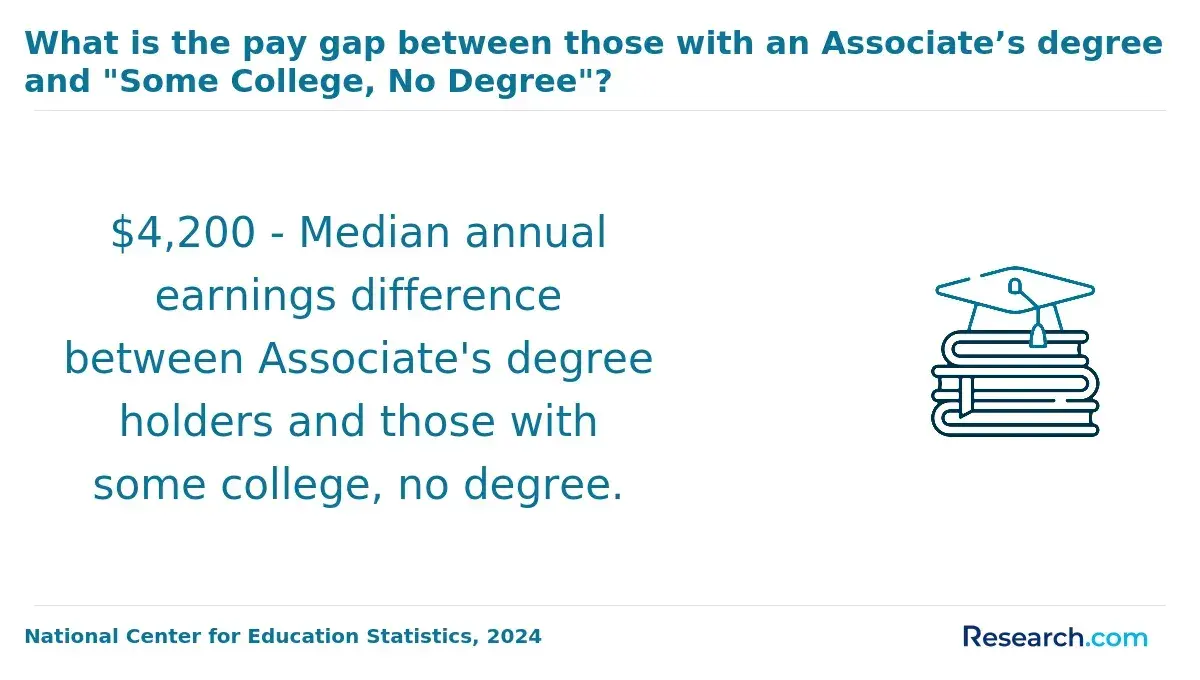
Starting salaries for graduates with a Management Information Systems master's degree can vary significantly based on the role, experience level, and current market demand, with entry-level positions often beginning near $70,000 annually. These variations reflect several critical factors that influence initial compensation in this field.
- Role Specialization: Different positions such as business analyst, systems analyst, or IT project manager come with distinct responsibilities, impacting starting salaries. Graduates targeting roles with technical depth or leadership potential typically receive higher offers.
- Prior Experience: Relevant internships or professional experience bolster a candidate's bargaining power, often resulting in better compensation packages. Early-career professionals benefit from showcasing measurable contributions in prior work.
- Technical Proficiency: Skills in cutting-edge technologies, programming, and data analysis increase a candidate's value. Developing expertise in high-demand tools or software can markedly improve salary negotiations.
- Industry Demand: Sectors emphasizing digital transformation and data management generally extend more competitive entry-level salaries. Aligning job searches with these high-demand industries enhances earning potential.
- Networking and Internships: Building professional connections and completing impactful internships often translate into stronger starting salary offers by demonstrating practical skills and industry relevance.
For those evaluating the average entry-level salary with a management information systems master's degree in the United States, focusing on relevant experience and technical skill development is essential. Exploring opportunities tied to in-demand skills can maximize early-career earnings while considering an online engineering degree might also complement career growth in related technical fields.
Which States Pay the Highest Salaries for Management Information Systems Master's Degree Holders?
Compensation for Management Information Systems master's degree graduates differs notably across states due to variations in living costs, demand for specialized expertise, and the concentration of key industries. Some regions provide wage premiums reaching up to 20% above the national average for professionals holding master's degrees in this field. These gaps reflect how localized economic factors shape earning potential. Below are five states recognized for offering lucrative salaries to those with Management Information Systems master's qualifications:
- California: With Silicon Valley as its tech epicenter, California offers abundant opportunities driven by fierce competition among technology firms. The intense demand for skilled professionals combined with a high cost of living results in attractive compensation packages.
- New York: The state's robust financial sector and presence of major corporate headquarters fuel strong demand for Management Information Systems expertise. This financial hub commands premium wages reflecting its economic influence.
- Massachusetts: Home to leading biotechnology and IT companies, Massachusetts benefits from a vibrant innovation ecosystem that values advanced technical skills, supporting higher salary scales in this discipline.
- Virginia: Proximity to federal agencies and numerous government contractors creates consistent demand for systems management specialists. This environment fosters competitive salaries linked to public-sector projects and security requirements.
- Washington: The state combines major technology firms with a comparatively high cost of living, driving salaries upward for experienced MIS graduates navigating its dynamic markets.
When discussing which states offer the best salaries for graduates holding a master's in Management Information Systems, a recent graduate shared his perspective. He recalled that choosing where to build his career involved balancing enticing salary offers against the realities of living expenses and workplace culture. "It wasn't just about the numbers," he said. "I had to consider how competitive the job market was and whether the roles matched my long-term goals." He also highlighted the challenge of navigating relocation logistics and uncertainty about which regions would truly reward his skillset. Ultimately, his decision reflected a mix of practical concerns and professional ambition, underscoring that highest pay alone is not the sole factor in choosing where to work.
Which Management Information Systems Master's Specializations Lead to the Highest Salaries?
Specializations within a master's degree in Management Information Systems can significantly affect earning potential, driven by the market demand for targeted skills and expertise. For example, professionals in cybersecurity see salary increases roughly 15% above other concentrations due to escalating security threats. Below are some of the top-paying specializations in this field.
- Cybersecurity: Rising cyber risks make expertise in this area critical for protecting organizational data, which has led to a strong wage premium for graduates skilled in safeguarding information systems.
- Data Analytics and Business Intelligence: As organizations rely more heavily on big data, specialists who transform complex datasets into strategic insights are highly sought after and well compensated.
- Enterprise Resource Planning (ERP) Systems: Managing integrated business processes through ERP platforms requires specialized technical abilities, earning professionals in this niche elevated salaries due to the role's complexity and impact.
- IT Strategy and Governance: Aligning technology initiatives with overall business objectives involves strategic oversight that commands higher pay rates because it influences organizational success at a high level.
These specializations command higher remuneration because they tackle essential challenges, blend technical aptitude with strategic value, and represent skills with limited availability worldwide.
What Skills Can Increase the Salary of a Management Information Systems Master's Degree Graduate?
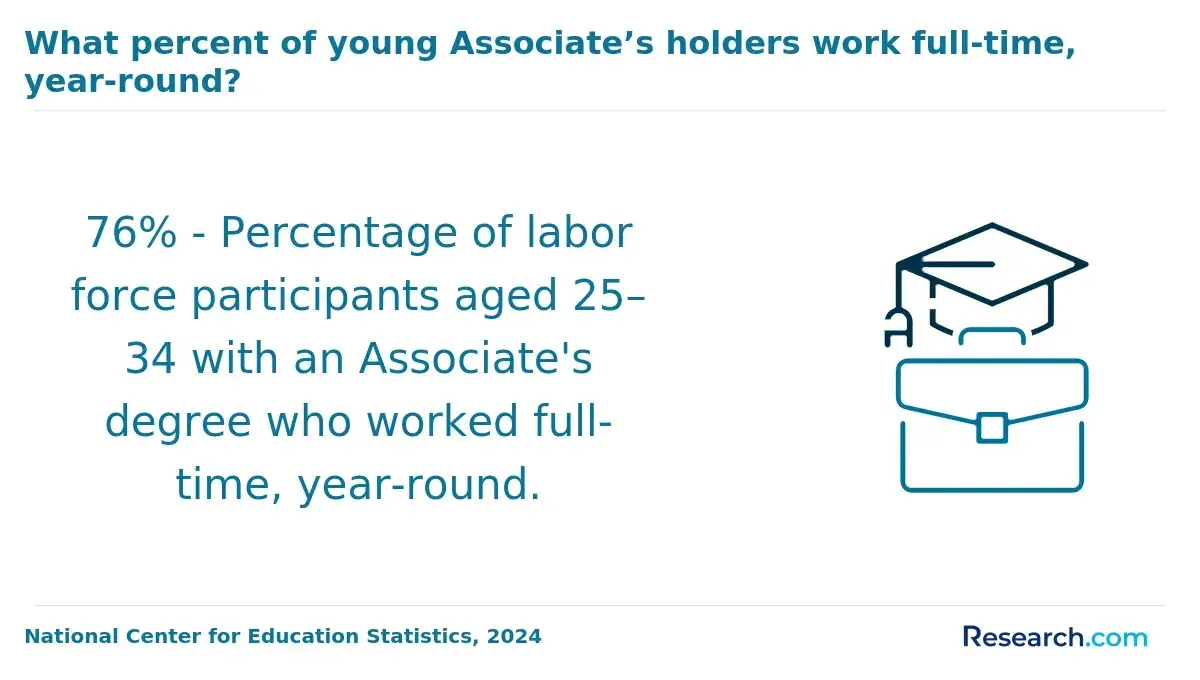
While earning a master's degree in management information systems can boost earning potential, the actual salary gains often depend on specialized technical and leadership abilities. Studies suggest that candidates with in-demand skills may command wage premiums up to 20%, reflecting employers' preference for expertise that drives business innovation. Below are five valuable skills that notably enhance compensation prospects for these graduates.
- Data Analytics and Visualization: Mastery in interpreting complex data sets enables decision-makers to craft effective strategies. This skill supports roles centered on data-driven leadership, making graduates indispensable in shaping business outcomes with actionable insights.
- Cybersecurity Expertise: Protecting sensitive information and organizational infrastructure is critical in today's digital environment. Professionals with this skill are sought after for high-stakes positions responsible for mitigating risks and ensuring compliance, which command higher salaries.
- Project Management: The ability to coordinate and deliver elaborate IT projects on time and within budget is highly valued. This skill is pivotal for managerial and executive roles, enhancing candidates' appeal for leadership positions that demand operational excellence.
- Enterprise Architecture Knowledge: Understanding how to align IT systems with overarching business goals is essential for strategic planning. Graduates with this expertise often occupy senior roles tasked with optimizing technological frameworks to support growth and innovation.
- Advanced Programming and Automation: Skills in developing automated solutions improve efficiency and reduce costs. Employers reward this capability by placing graduates in roles that spearhead digital transformation and operational enhancements.
When I spoke with a working professional currently enrolled in a management information systems master's program, she emphasized how balancing coursework with a full-time job challenged her time management but deepened her appreciation for the skills' real-world impact. "Learning to integrate project management methodologies with technical skills has made me more confident in leading initiatives at my company," she shared. Her reflections highlight how acquiring these competencies feels less like academic exercises and more like preparation for tangible leadership opportunities that can elevate career growth and earnings.
Is There a Salary Difference Between Online and On-Campus Management Information Systems Master's Graduates?
Prospective master's students often wonder if earning a management information systems master's degree online versus on campus impacts their salary outcomes. Research indicates that master's degree holders generally enjoy about a 20% wage premium compared to those with bachelor's degrees, but differences tied specifically to online versus on-campus formats are less clear. Exploring this nuance reveals insights into various influencing factors.
Studies show no consistent, measurable salary gap based solely on whether graduates attended online or in-person programs. Instead, compensation is shaped more by the reputation and accreditation of the institution, relevant work experience, and technical certifications. Additionally, campus-based students might have easier access to networking opportunities, which can influence job prospects and salaries. Employer familiarity with the institution also plays a role, though many companies' skepticism toward online degrees has significantly decreased as accredited, reputable online programs have become widespread.
Hiring trends increasingly prioritize demonstrated skills and practical expertise over the delivery mode of a degree. Online graduates who actively participate in internships, projects, or professional communities tend to achieve salaries comparable to on-campus counterparts. Ultimately, a management information systems master's degree-whether earned online or on campus-delivers value when combined with real-world experience and industry connections.
Are Management Information Systems Master's Graduates More Competitive for Executive Positions?
Many professionals pursue a management information systems master's degree to strengthen their qualifications for senior leadership opportunities, recognizing the value it adds beyond technical expertise. This advanced degree supports career advancement by fostering skills essential for executive roles. Five key factors contribute significantly to the executive job competitiveness of management information systems master's graduates:
- Leadership Preparation: Coursework and practical projects target managing diverse teams and technology-driven initiatives, equipping graduates to lead effectively in complex environments.
- Strategic Decision-Making: Graduates develop the ability to analyze data critically and align IT initiatives with overarching business objectives, enhancing their influence in high-level decision-making processes.
- Organizational Impact: Deep understanding of leveraging technology to stimulate innovation and optimize operations enables these graduates to contribute meaningfully at the executive tier.
- Professional Credibility: The advanced degree signals commitment and expertise to employers, elevating graduates' status as qualified candidates for senior roles that require both business insight and technical understanding.
- Promotion Potential: Graduates demonstrate a unique blend of business acumen and technical knowledge, bridging the gap between IT functions and broader corporate goals, which primes them for upward mobility within organizations.
These elements together empower management information systems master's graduates to compete effectively and excel in securing executive positions. For mid-career professionals aiming to maximize their return on investment, obtaining this degree is an effective strategy to open new pathways to leadership. Additionally, exploring options such as an online degree psychology program might complement leadership skills by enhancing understanding of human behavior, further boosting qualifications for senior executive roles.
Integrating expertise from a management information systems master's degree with strategic leadership capabilities distinctly improves prospects within senior leadership opportunities for MIS master's graduates, highlighting the significant influence this degree has on executive job competitiveness.
What Is the ROI of a Management Information Systems Master's Degree?
Return on investment (ROI) is a key consideration for prospective management information systems master's students balancing tuition costs against long-term career benefits. Research indicates that graduates with a master's degree in this field can earn up to 23% more over their lifetime compared to those holding only a bachelor's degree, demonstrating a notable financial advantage. Several important factors influence the return on investment of management information systems master's degrees in the US, including the following:
- Tuition Costs: Lower tuition fees help reduce upfront financial burdens, improving short-term ROI. Conversely, higher tuition may delay the breakeven point, even when paired with higher potential earnings.
- Salary Growth: Graduates often see accelerated salary increases after earning a master's degree, compounding financial gains and enhancing lifetime earning potential.
- Opportunity Cost: Time invested in a graduate program can mean lost wages or slowed career momentum. Programs with shorter durations or flexible part-time options help minimize these costs.
- Career Mobility: A master's degree opens opportunities for managerial roles and specialized positions, significantly increasing earning power and job stability.
- Networking Value: Graduate programs provide access to alumni and professional networks that can facilitate lucrative job offers and collaborative ventures.
For students evaluating their options, selecting programs from the best online colleges can further impact the return on investment by offering quality education with flexible delivery methods. Understanding these factors helps mid-career professionals maximize the highest paying management information systems master's degree ROI within today's dynamic job market.
What Is the Job Outlook for Management Information Systems Master's Degree Holders?
For those considering a master's degree in management information systems, evaluating the long-term job outlook is vital to ensure career resilience and growth. The U.S. Bureau of Labor Statistics projects a 15% increase in employment for computer and information systems managers from 2021 to 2031, significantly outpacing the average growth across occupations. Several important factors contribute to this positive outlook:
- Technological Evolution: Rapid advancements in technology demand continuous learning in areas like data management, cybersecurity, and enterprise solutions, ensuring graduates remain competitive.
- Skill Combination: Employers value the blend of technical expertise and leadership skills that master's degree holders bring, enhancing their role as intermediaries between business strategy and IT functions.
- Leadership Pipeline: Organizations often promote management information systems graduates to mid and senior-level positions due to their project management and team leadership capabilities.
- Economic Stability: Because companies depend heavily on IT infrastructure, they tend to protect or increase funding for these roles even during economic downturns, fostering job security.
What Graduates Say About the Highest-Paying Jobs with a Management Information Systems Master's Degree
- Conrad: "Choosing to pursue a management information systems master's degree was one of the best decisions I've made for my career. Despite the upfront cost, the return on investment became clear as I moved into higher-paying roles in IT management and business analytics. The program equipped me with both technical and strategic skills, which opened doors I hadn't anticipated before starting the degree."
- Walker: "Reflecting on my journey through a management information systems master's, the financial aspect was definitely a consideration, but I saw it as an investment rather than an expense. The knowledge I gained helped me secure positions in enterprise architecture and systems consulting that significantly boosted my salary. The blend of technology and management in this degree set me apart from the competition."
- Joseph: "From a professional standpoint, the management information systems master's degree gave me a competitive edge in landing roles with excellent compensation packages. I appreciated how the curriculum balanced practical experience with theory, which translated into immediate career growth and increased earning potential. The cost was manageable, especially when compared to the financial gains achieved shortly after graduation."
Other Things You Should Know About Management Information Systems Degrees
In 2027, some of the highest-paying jobs with a Management Information Systems master's degree include IT Manager, Information Systems Director, Chief Information Officer (CIO), and Senior Project Manager in the IT sector. These roles typically focus on leveraging technology to improve business processes, and salaries range from $100,000 to over $200,000 annually.
In 2027, certifications such as Certified Information Systems Security Professional (CISSP), Project Management Professional (PMP), and Certified Data Professional (CDP) can significantly complement a Master’s in Management Information Systems, enhancing expertise and increasing earning potential in high-demand areas like cybersecurity and project management.
References
- How does the salary for management information systems degree holders compare to other IT degrees? https://m.umu.com/ask/a11122301573853149812
- 5 Reasons why an MS in Information Systems can be your best career move https://www.cmich.edu/blog/all-things-higher-ed/5-reasons-why-an-ms-in-information-systems-could-be-your-best-career-move
- Masters in Information Systems (MIS) in USA: Best Universities & Job Prospects https://www.vidysea.com/blogs/masters-in-information-systems-mis-in-usa-best-universities-and-job-prospects
- Job opportunities and average starting salaries after MIS degrees - MBA Crystal Ball https://www.mbacrystalball.com/blog/2018/08/10/mis-salaries-job-opportunities/
- Professions for Management Information Systems - Friends University https://www.friends.edu/graduate/management-information-systems/professions-management-information-systems/
- Master's Degree in Information Systems | Open Medscience https://openmedscience.com/the-benefits-of-pursuing-a-masters-degree-in-information-systems/
- How An Online Masters In Management Information Systems Can Advance Your Career - ReviewNPrep https://reviewnprep.com/blog/how-an-online-masters-in-management-information-systems-can-advance-your-career/
- Online MIS Degrees | Accounting.com https://www.accounting.com/degrees/information-systems/masters/
- Ranking of the Best Masters, MS & MBA 2025 https://www.best-masters.com/master-information-systems-management-ranking/north-america.html
- Online MBA in Information Systems: Career Outlook and Salary Information | OnlineMBA.com https://www.onlinemba.com/mba-careers/information-systems/