
2027 Highest-Paying Jobs with a Physical Education Master's Degree

Co-Founder and Chief Data Scientist
Professionals with a master's degree in physical education often face challenges identifying career paths that offer both growth and competitive salaries. Despite the degree's versatility, many graduates struggle to leverage their advanced training into high-paying roles beyond traditional school settings. According to the U.S. Bureau of Labor Statistics, employment for health and fitness professionals, including those with physical education credentials, is projected to grow 17% through 2032, highlighting increasing opportunities.
This article explores the highest-paying jobs available to master's graduates in physical education, guiding readers toward maximizing their earnings and career potential in this evolving field.
Key Benefits of the Highest-Paying Jobs with a Physical Education Master's Degree
- Graduates with a master's in physical education often command salaries 15-20% above bachelor's holders, maximizing immediate earning potential in educational and fitness sectors.
- Advanced credentials accelerate career progression into leadership roles such as athletic directors or wellness coordinators, accessing executive-level compensation sooner.
- High demand for specialized expertise in physical education supports sustained job security and financial stability amid evolving health and sports industries.
What are the highest-paying jobs with a physical education master's degree?
Earning a master's degree in physical education opens doors to senior-level positions with significantly higher earning potential. According to the U.S. Bureau of Labor Statistics, professionals holding this advanced degree often experience wage increases of 15% or more compared to those with just a bachelor's degree.
This credential enables graduates to pursue specialized roles that blend technical expertise with leadership responsibilities. Below are five of the highest-paying jobs associated with a physical education master's degree in the United States.
- Athletic Director: Oversees sports programs at educational institutions or clubs, handling budgets, staff, and regulatory compliance. This role demands strategic planning and leadership skills, which justify its competitive salary.
- Exercise Physiologist: Designs and implements exercise programs for rehabilitation or performance enhancement, often working with athletes or patients. The combination of scientific knowledge and hands-on expertise contributes to its high pay.
- Sports Psychologist: Applies psychological principles to support athletes' mental health and optimize performance. This specialized role requires advanced clinical skills, making it one of the more lucrative career paths for physical education master's degree graduates.
- Physical Education Professor: Educates future professionals and conducts research in universities. Senior academic roles require a master's degree and involve curriculum development and research, which increase earning potential.
- Corporate Wellness Director: Leads the development and management of health programs within corporate environments to enhance employee well-being and productivity. This leadership position has a strategic impact on organizational health costs, boosting salary prospects.
For professionals seeking to maximize their career growth, exploring accredited master's programs such as the affordable online MSW programs can provide valuable flexible education options aligned with advancing these top career paths.
Which industries offer the highest salaries for physical education master's graduates?
Salary potential for physical education master's graduates often varies by industry, driven by market demand, revenue scale, and operational complexity. Industry data shows that sectors related to health and wellness offer average salaries up to 20% above the national median for similar degrees. These factors create distinct opportunities across various sectors with higher salary potential.
Industries offering the highest paying opportunities for physical education master's graduates include:
- Sports Management: This industry commands premium salaries due to the large-scale event coordination, marketing, and revenue generation involved. Qualified professionals in sports management benefit from the operational complexity and competitive environment, making their expertise highly valuable.
- Healthcare Services: Healthcare integrates physical education graduates to enhance patient rehabilitation and overall wellness. This linkage to measurable health outcomes drives demand and justifies higher compensation in organizations focused on improving long-term health.
- Corporate Wellness: Companies invest in corporate wellness programs to boost employee productivity and reduce healthcare costs. Specialists who can optimize workforce health in these programs are rewarded with competitive salaries reflecting their direct impact on organizational success.
- Higher Education and Research Institutions: These sectors offer strong compensation for physical education graduates due to their involvement with substantial budgets and the emphasis on academic and scientific expertise. Professionals here contribute to advancing knowledge and training future experts in the field.
For mid-career professionals considering graduate education, understanding the top salary sectors for physical education master's degree holders is crucial. Exploring options such as accelerated social work programs can also complement a physical education background for broader career prospects.
What is the starting salary with a physical education master's degree?
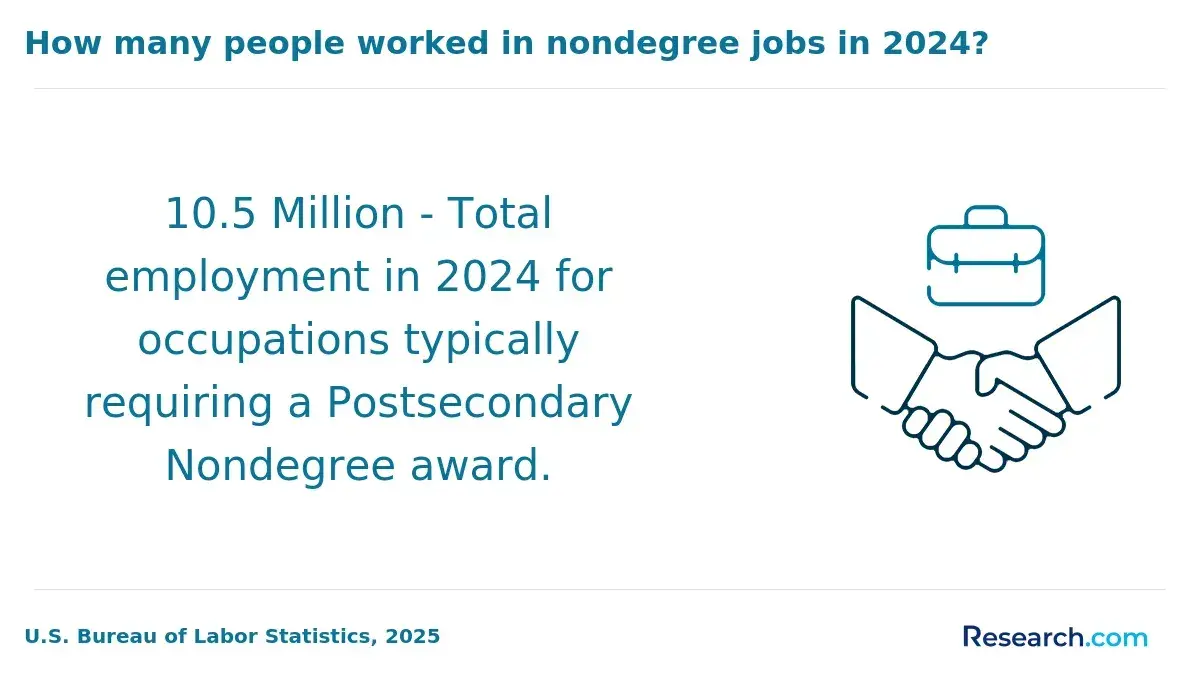
Starting salaries for graduates with a physical education master's degree differ significantly based on job role, experience, and market demand. The average entry-level pay generally ranges from $40,000 to $50,000 annually, reflecting these variables. Several factors contribute to the variation in starting compensation for these graduates.
- Job Role: Different positions like physical education teachers, coaches, or fitness instructors come with distinct salary scales depending on duties and required certifications. Early-career professionals should target roles matching their qualifications to maximize initial pay.
- Experience Level: Practical experience gained through internships, teaching assistantships, or related work during graduate studies can positively impact offers. Employers often favor candidates who demonstrate hands-on skills, enhancing starting salary prospects.
- Certifications and Licenses: Holding additional credentials such as coaching certificates or specialized fitness licenses significantly influences entry-level pay. Graduates are encouraged to acquire relevant certifications to stand out in a competitive market.
- Market Demand: Areas or institutions with heightened need for physical education expertise may present more lucrative starting salaries. Staying informed about demand trends helps graduates tailor their job search effectively.
- Negotiation Skills: Communicating qualifications persuasively during offers can lead to better compensation packages. Confidence and clear articulation of value are crucial in securing stronger starting salaries.
For those weighing career options, focusing on these key factors enhances their understanding of starting salary for physical education master's degree graduates. Combining experience and credentials positions new professionals for competitive offers. Pursuing an online engineering degree may also be a strategic path for diversification in career planning.
Which states pay the highest salaries for physical education master's degree holders?
Compensation for physical education master's degree holders varies widely across states due to differences in cost of living, demand for specialized expertise, and regional concentrations of relevant industries. Research shows salary disparities can reach up to 25% between states, highlighting how economic conditions influence earning potential. Below are states that stand out for offering higher remuneration to professionals with these advanced credentials.
- California: With expansive school systems and an emphasis on wellness initiatives, California's demand for physical education experts remains high. The state's elevated cost of living is reflected in salary levels that support these specialized roles.
- New York: Competitive employment markets and a focus on specialized physical education programs contribute to strong salary packages. Employers often prioritize advanced skill sets to meet diverse urban education needs.
- Massachusetts: The robust education sector combined with significant investment in health and fitness education drives higher wages. This state attracts professionals seeking well-funded schools and health-promoting initiatives.
- Texas: Growing public school enrollment and increased funding translate into more openings and competitive pay. The expanding population ensures sustained demand for qualified physical education instructors.
- Washington: A hub for health innovation and active lifestyle culture, Washington supports higher compensation. The presence of health-related industries fuels salary premiums for those with master's level expertise.
When speaking with a graduate of a physical education master's program about these salary trends, he shared how weighing relocation options was challenging. "It wasn't just about the paycheck," he noted, "but also considering lifestyle and support networks." Navigating differing state certification requirements and cost-of-living adjustments added complexity to his decision process. Reflecting on his journey, he emphasized that while higher salaries are appealing, they must align with personal and professional goals to ensure long-term satisfaction.
Which physical education master's specializations lead to the highest salaries?
Specialized skills in a physical education master's degree can lead to notably higher earnings, with experts in certain fields earning as much as 20% more than those with general degrees. This wage premium reflects the demand for targeted expertise that addresses complex health, athletic, and wellness challenges. Below are some of the top-paying specializations within physical education.
- Kinesiology and Exercise Science: Professionals in this area are valued for their in-depth knowledge of human biomechanics and rehabilitation, making them indispensable in sports training and therapeutic environments. Their expertise in optimizing physical function drives higher compensation.
- Sports Management: Graduates often secure leadership positions managing athletic programs and organizations, where strategic planning and business skills are crucial. This blend of athletic insight and managerial acumen results in enhanced salary opportunities.
- Sports Medicine: Specialists focus on injury prevention, diagnostics, and treatment, playing a critical role in both healthcare settings and competitive sports. The specialized medical knowledge they possess commands top-tier pay.
- Adapted Physical Activity: Working with individuals with disabilities, these experts provide customized physical activity programs that require advanced training and a nuanced understanding of inclusive practices, which justifies increased remuneration.
- Health Promotion and Wellness: These specialists design and implement programs that improve overall wellness in organizations, contributing to cost savings and better health outcomes. Their ability to influence organizational health policy supports higher salary ranges.
What skills can increase the salary of a physical education master's degree graduate?
While earning a physical education master's degree can enhance earning potential, it is often the possession of specialized technical and leadership skills that truly elevates salary levels. Employers recognize the value of such expertise, with some offering up to a 15% wage increase for professionals who bring advanced competencies to the table. The following skills are particularly influential in securing higher-paying roles.
- Program Development and Evaluation: Demonstrating the ability to design and assess effective physical education initiatives signals strategic insight. This skill enables professionals to lead impactful programs, often resulting in leadership opportunities with improved compensation.
- Data Analysis and Research Methods: Proficiency in analyzing performance metrics and applying research supports evidence-driven decisions. Employers prize this capability for optimizing program outcomes and driving continuous improvement.
- Leadership and Team Management: Managing diverse teams and projects equips graduates to take on roles with greater responsibility. Strong leadership skills are key for advancing into senior positions that command higher pay.
- Technological Proficiency: Familiarity with fitness tracking tools, virtual platforms, and adaptive technology enhances service delivery efficiency. Mastery of these tools can differentiate candidates in competitive job markets.
- Communication and Coaching Skills: Effective instruction combined with motivational ability boosts participant engagement and program success. This interpersonal expertise often translates into better performance-based compensation, especially in roles with direct client interaction.
A working professional enrolled in a physical education master's degree program shared how developing these skills has reshaped her career outlook. She described initially feeling overwhelmed by the diversity of competencies required but noted that embracing challenges in areas like data interpretation and leadership was transformative.
"Learning to connect the theoretical research with real-world applications helped me grow confidence," she said. She also emphasized the satisfaction in seeing how improved communication techniques motivated her team and clients alike. For her, these experiences reinforced that cultivating a broad skill set-not just completing coursework-was critical to unlocking greater salary opportunities.
Is there a salary difference between online and on-campus physical education master's graduates?
Prospective master's students often wonder if completing a physical education master's program online rather than on campus impacts their salary outcomes. Data shows that, on average, those with master's degrees earn about 20% more than bachelor's degree holders. This raises the question: does the mode of study influence earnings within this field?
In reality, measurable salary differences between online and on-campus physical education graduates are minimal or nonexistent. Employer acceptance of accredited online programs has increased significantly, diminishing prior biases toward virtual education. Instead, institutional reputation and networking opportunities, which can now be fostered through both online platforms and professional associations, tend to play larger roles in shaping compensation. Graduates' work experience also greatly influences salary, often outweighing the format in which their degree was earned.
Hiring trends reflect a broad shift toward valuing diverse educational backgrounds as remote work grows more common. While subtle distinctions may persist based on school prestige or alumni connections, these factors do not create significant salary gaps between online and in-person physical education master's degree holders. Overall, earning potential depends more on a combination of experience, reputation, and professional networking than solely on whether the degree was completed online or on campus.
Are physical education master's graduates more competitive for executive positions?
Many professionals pursue a physical education master's degree to strengthen their qualifications for senior leadership roles where advanced decision-making and organizational influence are crucial. This degree often enhances executive job competitiveness by developing key attributes that prepare graduates for high-level responsibilities. Several important factors contribute to this advantage:
- Leadership Preparation: Coursework and practical experiences build skills essential for leading diverse teams and managing complex projects efficiently, positioning graduates as strong candidates for senior roles.
- Strategic Capability: Graduates learn to analyze organizational needs and design long-term strategies that align with institutional goals, enhancing their ability to contribute meaningfully to an organization's direction.
- Decision-Making Authority: Exposure to policies, ethics, and governance equips graduates with the confidence and competence to make impactful decisions at executive levels, elevating their leadership stature.
- Organizational Impact: Mastery in program development and stakeholder engagement enables graduates to drive significant improvements within institutions, making their contributions highly valued.
- Professional Credibility: Earning a master's degree signals a commitment to expertise and professionalism, which increases recognition among peers and strengthens candidacy for promotion to senior-level positions for physical education graduates.
For those looking to further enhance their executive competitiveness beyond a physical education master's degree, pursuing a doctorate in leadership can offer additional strategic and leadership development opportunities. These academic credentials build a robust foundation for achieving long-term career goals in leadership and organizational advancement.
What is the ROI of a physical education master's degree?
Return on investment (ROI) is a key consideration for prospective physical education master's students evaluating tuition costs against long-term career benefits. Research indicates that master's degree holders across various fields typically earn about 20% more over their lifetime compared to those with only a bachelor's degree, demonstrating a significant earning premium. Several factors influence the overall ROI for physical education master's graduates.
- Tuition Costs: The total expense of the degree plays a direct role in ROI, with programs that offer affordable tuition enabling graduates to achieve financial payback more rapidly. Evaluating tuition fees against future salary potential is essential.
- Salary Growth: Individuals with a master's often experience faster salary increases and promotion opportunities due to advanced qualifications, improving long-term earning potential and contributing positively to return on investment for physical education master's graduates.
- Opportunity Cost: Full-time study may delay income and practical work experience temporarily, which can slightly diminish short-term financial benefits, but this is typically offset by higher earnings later in one's career.
- Career Mobility: Holding a master's degree opens doors to specialized roles or leadership positions within education and sports sectors. These roles generally provide higher salaries and improved job stability, aligning with highest-paying jobs with a physical education master's degree in the US.
- Networking Value: Graduate programs offer valuable connections with professionals and mentors, providing access to career advancement opportunities and resources not typically available through undergraduate studies.
Mid-career professionals should weigh these factors carefully to determine if investing in a master's degree matches their financial and professional goals. For those comparing expenses, it may be useful to consider other degree options, such as the cheapest cybersecurity degree, to ensure an optimal return on investment.
What is the job outlook for physical education master's degree holders?
For those pursuing a master's degree in physical education, analyzing the job outlook is critical for understanding potential career longevity and growth. The U.S. Bureau of Labor Statistics forecasts a 15% increase in employment for fitness trainers and instructors-including physical education professionals-between 2021 and 2031, indicating strong demand ahead. Several important factors shape these positive employment prospects.
- Long-Term Demand Trends: There is an expanding focus on preventive health and wellness, which fuels ongoing need for qualified educators and trainers who promote active lifestyles.
- Evolving Skill Needs: Advanced degrees provide specialized knowledge in sports science, rehabilitation, and education methods, broadening job opportunities and adaptability in a competitive market.
- Technological Change: The rise of fitness technology and data analytics demands professionals who can leverage new tools to enhance physical performance and program effectiveness.
- Leadership Pipelines: Master's holders are often preferred for supervisory, coaching, and administrative roles, opening pathways for advancement and influence within organizations.
- Economic Resilience: Careers centered around health and wellness tend to remain stable even amid economic fluctuations, offering a reliable employment environment.
What Graduates Say About the Highest-Paying Jobs with a Physical Education Master's Degree
- Elaine: "Choosing to pursue a physical education master's degree was a pivotal decision for me, especially knowing that the investment would directly affect my career earning potential. Although the cost was considerable, the specialized knowledge and leadership skills I gained made it worthwhile. Today, my advanced degree has opened doors to high-paying roles in sports management, proving that the initial expense paid off handsomely."
- Natalie: "Reflecting on my journey through a physical education master's program, I realized how crucial it was to weigh both the financial commitment and the long-term benefits. The degree itself was affordable compared to other graduate programs, which made it accessible without overwhelming debt. The financial impact on my career has been profound; higher salaries and diverse job opportunities in fitness and wellness leadership have been gratifying results."
- Noelle: "Professionally, obtaining my physical education master's degree was a strategic move to boost my credentials and marketability in the athletic training field. The cost was a challenge at first, but the impressive salary increases in educational leadership roles have justified every dollar spent. I now confidently recommend this path for those aiming to reach the highest-paying positions within the discipline."
Other Things You Should Know About Physical Education Degrees
Yes, a physical education master's degree can open doors to careers beyond classroom teaching. Graduates often pursue roles in sports coaching, athletic training, wellness coordination, and physical therapy assistance. These positions leverage expertise in kinesiology, health promotion, and fitness program development.
Professional certifications, such as Certified Strength and Conditioning Specialist (CSCS) or Certified Athletic Trainer (ATC), significantly enhance job prospects for physical education master's graduates. Certification validates specialized skills and increases credibility, often leading to higher salaries and more advanced positions in athletic and clinical settings.
In 2027, the top-paying jobs for those with a master's in physical education include athletic directors, kinesiology specialists, and exercise physiologists working in corporate wellness programs. These roles offer competitive salaries due to their specialized skill sets in sports and health sciences.
References
- M.S. in Kinesiology and Physical Education | KNPE | Northern Illinois University https://www.cedu.niu.edu/knpe/academic-programs/kinesiology-and-physical-education.shtml
- Benefits of Earning a Master of Education Degree https://www.mountunion.edu/academics/graduate-degrees/med-program/benefits-of-earning-an-med
- Recreation and Fitness Studies Teachers, Postsecondary | My Future https://myfuture.com/occupations-industries/occupations/recreation-and-fitness-studies-teachers-postsecondary/
- CareersPro https://careerspro.co.uk/career/physical-education-teacher/
- Career Paths after B.P.Ed (Bachelor of Physical Education) https://www.lpu.in/blog/career-paths-after-b-p-ed-bachelor-of-physical-education/
- What are the Career Opportunities for a BA (Hons) Physical Education Graduate? https://blog.portobelloinstitute.com/what-are-the-career-opportunities-for-a-ba-hons-physical-education-graduate
- Wychowanie fizyczne studia - Studia sportowe - WSKFiT https://en.wskfit.pl/wychowanie-fizyczne-studia-licencjackie/
- Is Grad School Worth It? A Comprehensive Return on Investment Analysis - FREOPP https://freopp.org/whitepapers/is-grad-school-worth-it-a-comprehensive-return-on-investment-analysis/
- Career Information https://ahn.mnsu.edu/academic-programs/applied-health-science/health-and-physical-education-bs/career-information/
- 5 Careers with a Master's in Physical Education https://www.sports-management-degrees.com/lists/careers-with-a-masters-in-physical-education/


