2027 Highest-Paying Jobs You Can Get With a Machine Learning Degree

Co-Founder and Chief Data Scientist
Choosing a career in machine learning raises critical questions about financial return-especially when weighing the wage premium a graduate degree commands over alternative credentials. High salaries often accompany professional licensure and certification, yet their true impact varies by industry and region. For example, machine learning professionals with a master's degree report median salaries up to 25% higher than those with only a bachelor's, but this advantage depends heavily on location and employer type. This article explores the highest-paying jobs accessible with a machine learning degree-analyzing credential value, licensure effects, and ROI-to guide informed decisions aligned with career and financial goals.
Key Things to Know About the Highest-Paying Jobs You Can Get With a Machine Learning Degree
- Graduate credentials in machine learning typically yield a wage premium of 15-25%-advanced degrees deliver higher starting salaries and enhanced promotion prospects compared to bachelor's holders.
- Professional certifications-such as TensorFlow Developer or Certified ML Engineer-can boost salaries by up to 10%, signaling specialized expertise to employers across industries.
- Compared to coding bootcamps or self-study, a machine learning degree offers a stronger return on investment-median salaries exceed $110,000, reflecting employer preference for formal education amid growing demand.
What Exactly Does a Machine Learning Degree Qualify You to Do in Today's Job Market?
A machine learning degree prepares graduates for specialized roles that focus on creating algorithms enabling computers to learn from data. According to the U.S. Bureau of Labor Statistics (BLS), these roles often fall under broader occupations such as computer and information research scientists, data scientists, and software developers-positions demanding deep analytical abilities and advanced technical skills. This credential distinguishes candidates in a competitive marketplace for highest paying machine learning jobs today.
Employers value machine learning degree holders for their comprehensive training, which surpasses what is typically gained through self-teaching or bootcamp experiences. Core competencies include:
- Technical Expertise: Proficiency in programming languages like Python or R, familiarity with frameworks such as TensorFlow, and skills in model development and deployment.
- Analytical Skills: The ability to analyze complex data, develop predictive models, and rigorously validate results.
- Interpersonal Skills: Communicating technical insights effectively to business stakeholders and collaborating in interdisciplinary teams.
It is important to clarify that a machine learning degree does not grant licensure like some healthcare or engineering credentials. Instead, it serves as a gating credential-employers prioritize proven expertise over formal certification, though supplementary industry certifications can enhance job prospects. Common misconceptions include assuming graduates automatically qualify for roles like data engineers or IT security specialists, which require distinct skills and, sometimes, additional certification or training.
The degree significantly influences earning potential and career opportunities. Advanced degrees such as master's and doctoral programs tend to correspond with top salary brackets and leadership roles. For those weighing educational investments, understanding these distinctions aligns well with pursuing career opportunities tied to a machine learning degree career opportunities through credentials that yield measurable wage premiums.
For individuals exploring options, also consider programs offering the cheapest online MSW to compare educational costs in related fields.
Which Machine Learning Jobs Command the Highest Salaries Right Now?
Machine learning degree holders occupy some of the highest-paying roles in the technology and data science sectors-positions defined by strong compensation across experience levels. Data scientists earn median annual wages near $100,000-reaching about $140,000 at the 75th percentile and exceeding $180,000 in the top decile. Advanced degrees provide a notable salary premium, especially for those specializing in deep learning and natural language processing.
- Machine Learning Engineer: Median salaries typically hover around $112,000, with top earners making well over $190,000 annually. Expertise in production-level systems and algorithm design is highly valued in technology, finance, and healthcare sectors.
- Computer and Information Research Scientist: Focused on innovative machine learning algorithms, this role commands a median pay of approximately $125,000, with top salaries surpassing $190,000. Doctoral degrees significantly boost earning potential in these research-intensive positions.
- Software Developer (Specialized in ML): These professionals see median wages near $105,000, with the 75th percentile approaching $140,000. Geographic and employer factors strongly affect pay, with technology hubs offering superior compensation.
Competition exists from related credentials such as statistics or computer science degrees in roles like data analysts and business intelligence specialists. However, a machine learning degree typically creates a measurable salary edge-especially when combined with professional certification or graduate study. Geographic markets like Silicon Valley, Seattle, and New York City offer some of the best-paying opportunities.
- Degree Level Impact: Graduate credentials-Master's or PhD-correlate with significantly higher salaries, particularly in research-intensive or leadership roles.
- Industry Specializations: Finance, technology, and healthcare sectors offer the strongest salaries, driven by their reliance on cutting-edge machine learning applications.
- Geographic Markets: Urban tech ecosystems provide the highest compensation packages.
- Employer Type: Large tech firms, financial institutions, and research organizations present the best salary opportunities for machine learning professionals.
Given the varied salary potential across roles, industry sectors, and degree levels, prospective students assessing the highest paying machine learning jobs in the United States should carefully weigh factors like degree investment and certification benefits. For those considering alternatives, comparing these outcomes with credentials such as a library science degree or related fields can clarify the financial merits of a machine learning degree. This broader perspective enables career changers, veterans, and mid-career professionals to make financially confident decisions aligned with their income goals and risk tolerance.
How Does Degree Level-Bachelor's vs. Master's vs. Doctoral-Affect Machine Learning Earning Potential?
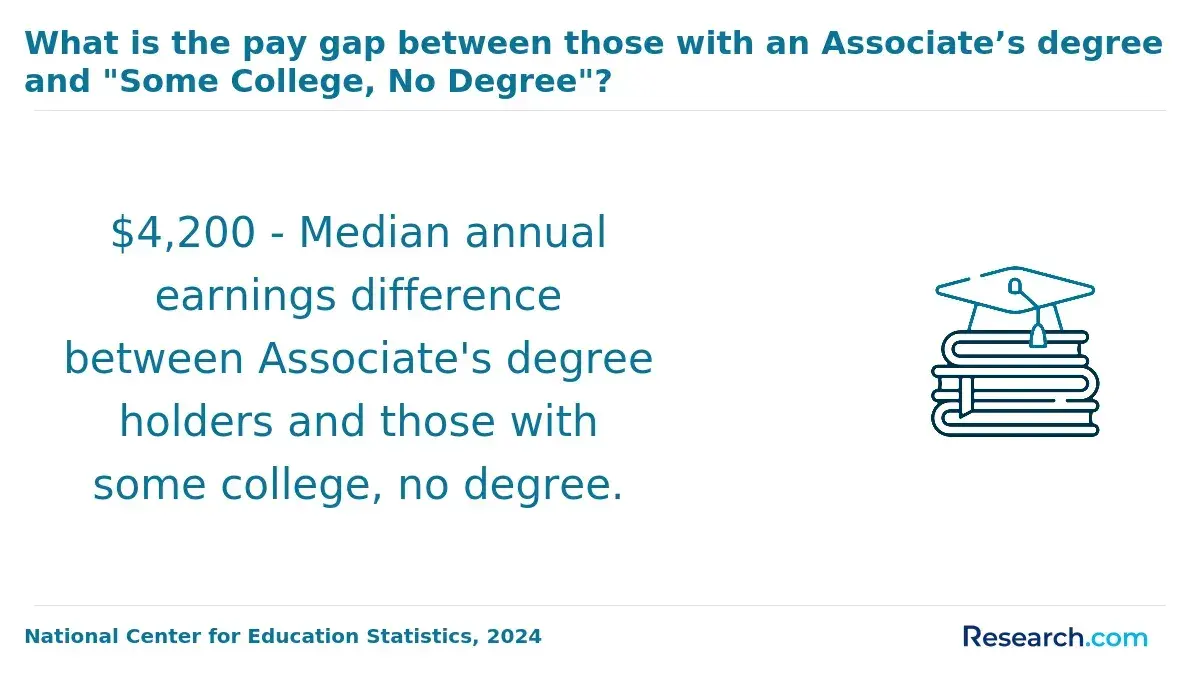
The wage gap between machine learning degree levels is notable, with bachelor's holders generally earning less than those with graduate credentials. On average, professionals holding a master's degree receive a 15% to 25% salary increase over bachelor's graduates. Doctoral degree holders-especially in research-intensive or specialized roles-can command 30% to 50% more, reflecting the premium placed on original innovation and deep expertise.
- Salary Differential: Master's and doctoral degrees boost earnings significantly-doctoral-level roles often align with research scientist positions and AI research leadership where cutting-edge projects demand advanced scholarly credentials.
- Advanced Degree Roles: Senior machine learning engineers, specialized data scientists, and product managers typically require a master's degree, balancing depth of knowledge with practical experience. These advanced roles command higher pay but usually don't require a doctorate.
- Bachelor's Degree Utility: Many foundational machine learning jobs-especially those emphasizing software development or data engineering-are accessible to bachelor's graduates. Strong coding skills and relevant experience can offset lack of graduate education in these sectors.
- Certification and Licensure: Although machine learning rarely involves formal licensure, professional certifications coupled with graduate degrees can elevate salary prospects.
- Time-to-Payoff Considerations: Graduate degrees demand tuition and time investments, plus lost earnings during study. Candidates should weigh these costs against the income increases, noting that master's programs often yield quicker returns than longer doctoral trajectories.
- Credentialing Pathways: Those with STEM bachelor's degrees frequently find master's programs the most efficient path to higher pay and credentialing. Career changers lacking technical backgrounds may prefer combined master's or bootcamp programs to expedite entry into well-paying roles.
A professional who completed a machine learning degree shared that the decision to pursue graduate study involved balancing financial strain and career ambitions. "The coursework was intense, and managing part-time work while studying meant long days," he recalled. "But seeing tangible raises after finishing the master's proved the sacrifice worthwhile. It was challenging but opening the door to senior roles made it a clear investment in my future." His experience highlights how degree level-while demanding-can pay dividends when planned carefully.
Which Industries and Employers Pay Machine Learning Graduates the Most?
- Technology: The private technology sector remains the highest-paying employer for machine learning graduates-particularly in software, cloud services, and AI startups. Firms here offer annual salaries exceeding $120,000 driven by rapid innovation, substantial revenues, and fierce competition for scarce talent.
- Finance: Banks, hedge funds, and investment firms provide competitive pay often rivaling or surpassing tech industry wages. They utilize machine learning for trading algorithms, fraud detection, and risk modeling, typically rewarding professionals with lucrative bonuses alongside base salaries.
- Healthcare: Employers in healthcare and pharmaceuticals offer solid compensation slightly below tech but bolstered by government and private research funding. Advanced credentials and expertise in areas like bioinformatics enhance salary prospects in this sector.
- Government and Defense: While generally offering lower pay than private firms, these agencies provide strong job stability, benefits, and meaningful projects-especially appealing to those with security clearances who value impact over maximum income.
- Nonprofit and Academia: These employers tend to offer modest pay but compensate with research funding opportunities and a platform for scholarly development, attracting those focused on long-term careers in research or policy.
Consulting and Freelance: Independent machine learning professionals can command high hourly rates based on their reputations and industry expertise; however, this route entails income variability and dependence on client networks.
Differences in industry, employer type, and credentials create wide-paying disparities-even among machine learning graduates with similar degrees and job titles. Building industry-specific skills, certifications, and professional networks-key strategies for targeting the highest-paying employers-can significantly enhance compensation outcomes.
Higher degrees like master's or PhDs generally unlock better-paying roles, but practical experience and certifications matter just as much in this competitive landscape. Prospective students evaluating a machine learning degree should weigh these factors carefully against alternatives to ensure a solid return on investment aligned with their career goals.
For insights into cost-effective credential paths, consider reviewing options like those found in criminal justice degree price studies for broader context on affordability and earnings potential.
What Geographic Markets Offer the Best-Paying Machine Learning Jobs?
Geographic location significantly influences earnings and opportunities for machine learning professionals across the United States. However, nominal salaries alone can be misleading-adjusting for local living costs reveals where incomes truly stretch further. Several metropolitan areas lead in median wages and concentrations of prominent employers in this field:
- San Francisco Bay Area: This region hosts a dense network of tech giants and startups, delivering some of the nation's highest nominal salaries. Despite steep living expenses, adjusted wages generally surpass national averages due to intense demand for specialized expertise.
- Seattle: Known for its cloud computing and AI sectors, Seattle offers competitive pay paired with a moderately high, but manageable, cost of living, resulting in attractive real income levels.
- New York City Metro: A diverse employment mix-financial services, healthcare, and tech-supports high nominal salaries. The elevated cost of living tempers effective earnings but urban advantages remain strong.
- Boston Area: Esteemed for its academic institutions and biotech firms, Boston provides a notable wage premium especially for advanced degree holders. Its living costs are high but career prospects and research prominence compensate.
- Austin and Denver: Emerging as affordable tech hubs, these cities balance moderate salaries against lower expenses, enhancing purchasing power relative to coastal counterparts.
The rise of remote work reshapes traditional geographic salary patterns. Many machine learning roles-such as software engineering, data science, and algorithm development-can be performed remotely without sacrificing pay. Roles involving specialized hardware, high-touch client engagement, or compliance demands still require physical presence. Thus, professionals face a choice between relocating for richer career ecosystems with higher expenses or leveraging remote options in more affordable areas, prioritizing lifestyle and flexibility.
One professional who built her career after completing a machine learning degree shared how she navigated these decisions. She described weighing job offers from Seattle and Austin-each with trade-offs between salary, cost of living, and work culture. Ultimately, embracing a hybrid role allowed her to benefit from a supportive tech community while maintaining lower living expenses through partial remote work. She emphasized that understanding both nominal and adjusted compensation was crucial for making financially sound choices aligned with her long-term goals.

How Do Professional Certifications and Licenses Boost Machine Learning Salaries?
Professional certifications and licenses significantly enhance earnings for machine learning specialists by demonstrating advanced expertise valued by employers. These credentials typically correspond to wage increases ranging from 10% to 30%, based on surveys from organizations such as GARP, ISACA, and CompTIA.
- Certified Machine Learning Professional (CMLP): Administered by the Global Association for Artificial Intelligence, this credential requires a bachelor's degree plus 3,000 hours of related experience. The exam covers data modeling, deployment, and AI ethics. Renewal occurs every three years through continuing education. Fees range from $600 to $800. Holders report an average salary uplift of approximately 18%.
- Google Professional Machine Learning Engineer: Geared toward professionals experienced with ML model design on Google Cloud, the exam focuses on problem framing, data pipelines, and optimization. It costs $200 and is valid for two years. Salary increases near 15% have been documented.
- Certified Data Scientist (CDS): Offered by the Data Science Council of America, this requires prerequisite coursework and passing a multi-section exam in big data, machine learning, and visualization. Renewal every three years involves re-exam or continuing education. Exam fees are about $550. Certified individuals can see 20% to 25% higher pay.
- Professional Engineer (PE) License in AI/Machine Learning: Available in some jurisdictions for engineers with degrees and experience, this licensure tests technical skill and ethics. It often delivers salary premiums above 30%, especially in regulated sectors like aerospace and healthcare. Maintenance requires ongoing professional development.
It is crucial to verify that chosen certifications carry accreditation from reputable bodies such as ANSI or NCCA. Candidates should also investigate which credentials employers prefer or mandate in their desired industries to maximize the career and compensation benefits of their investment.
What Is the Salary Trajectory for Machine Learning Professionals Over a Full Career?
The salary progression for machine learning professionals typically advances through distinct career stages influenced by experience, specialization, and leadership roles. Entry-level specialists-generally within the first five years-earn base salaries ranging from $75,000 to $95,000 according to Bureau of Labor Statistics data, shaped by industry and location. By the mid-career mark, commonly between five and ten years, compensation rises significantly as technical skills deepen and responsibilities grow to include project or small team management, with salaries often moving into the $110,000 to $140,000 range.
- Management Transition: Moving into management or leadership roles marks a key salary inflection point, with machine learning managers and directors earning $150,000 to $200,000 due to oversight of teams, budgets, and strategy.
- Advanced Credentials: Graduate degrees-such as Master's or PhD programs-and professional certifications provide a meaningful wage premium, signaling expertise valued in consulting and research-focused positions.
- Specialization and Reputation: Developing expertise in cutting-edge areas like autonomous vehicle algorithms or healthcare AI-and building industry recognition through published research or patents-often commands top-tier salaries.
- Business Development and Leadership: Combining technical mastery with business skills, such as leading product strategy or client engagements, can elevate compensation to exceed $250,000 in peak career phases.
Career-long earnings data from professional association surveys and the Georgetown Center on Education and the Workforce indicate that peak salaries typically occur after 15 or more years, provided workers continuously upskill and pursue leadership or specialized roles. Establishing benchmarks at five, ten, and fifteen years offers prospective machine learning degree holders clear guidance for aligning education and career choices with income goals and return on investment.
Which Machine Learning Specializations and Concentrations Lead to the Highest-Paying Roles?
Specializations within machine learning strongly influence salary potential by focusing candidates on high-demand and technically complex roles. Fields like natural language processing (NLP), computer vision, and reinforcement learning offer some of the highest compensation due to their cutting-edge applications and limited talent pools. For instance, NLP specialists developing advanced conversational agents or speech recognition systems are particularly valued in sectors such as healthcare and finance-industries marked by rapid growth and stringent regulatory demands-which drives premium pay. This context illustrates the highest-paying machine learning career concentrations in the US, where precision and compliance elevate employer willingness to reward expertise.
Computer vision experts-handling critical tasks like image and video analysis-support innovation in autonomous vehicles, security, and manufacturing automation. The combination of technical depth and interdisciplinary knowledge required here earns notable wage premiums. Reinforcement learning professionals, working on complex decision-making for robotics and gaming AI, further boost earning outlooks owing to the scarcity of advanced, specialized skillsets.
Students early in their academic planning should weigh labor market demand, industry growth forecasts, and employer preferences for specializations rather than relying on general interest alone. Although popular concentrations offer broad opportunities, those aligned with scarcity and significant business impact tend to yield higher salaries. Alumni outcome data from accredited programs confirm these trends.
Current students pursuing general machine learning degrees can leverage targeted internships, online certifications, and certificate stacking to pivot into lucrative niches without committing to additional degrees. Employers prioritize demonstrable skills and hands-on experience; practical credentials bridge gaps and open doors to premium roles. Exploring options such as an AACSB accredited online MBA combined with technical certification can enhance ROI.
- Demand: Specializations like NLP and computer vision reflect strong hiring trends and above-average wages.
- Complexity: Roles involving regulatory compliance or advanced algorithms command premium salaries.
- ROI: Graduates from online top-tier programs show favorable salary outcomes versus tuition invested.
- Strategy: Certification stacking and targeted internships accelerate entry into high-paying roles without extra degrees.
How Does the Machine Learning Job Market's Growth Outlook Affect Long-Term Earning Stability?
The job market for machine learning professionals is expected to grow substantially over the next decade, according to projections from the U.S. Bureau of Labor Statistics. Key roles such as data scientists and computer and information research scientists consistently show growth rates well above the national average, underscoring strong demand and relative job stability. This trend is influenced by technological transformation and wider integration of AI-driven solutions across industries including healthcare and finance, making the skill set gained through a machine learning degree particularly valuable. Understanding machine learning job market growth trends is essential for evaluating long-term career prospects.
Factors influencing long-term earning stability include low automation risk-since many machine learning jobs require complex problem-solving skills difficult to automate-demographic shifts such as an aging workforce, and legislative changes encouraging advanced analytics. However, challenges remain in some sectors, including outsourcing risk for routine data processing roles, credential inflation requiring higher educational qualifications, and potential budget contractions in startups or smaller firms.
- Strong Growth: Data scientists and machine learning engineers experience robust employment growth combined with low automation risk, supporting stable income over time.
- Risk Factors: Jobs centered on data labeling or routine algorithm tuning face outsourcing and automation pressures, which may reduce job security.
- Credential Importance: Advanced degrees and specialized certifications significantly boost earning potential and competitiveness.
- Market Volatility: High-paying consulting or contract roles offer premium wages but tend to be cyclical with limited openings.
To maintain competitiveness, professionals should cultivate diverse skills in emergent AI models and sector-specific knowledge, protecting against automation and outsourcing risks. This positioning helps ensure that earnings potential remains strong despite market fluctuations. For those considering related fields, exploring options such as a physics degree may offer complementary or alternative career pathways within STEM fields that share overlapping analytical demands.
Overall, discerning the differences between high-paying, stable positions and roles that command premium wages due to elevated risk or cyclical demand enables prospective students and career changers to make financially informed decisions about investing in a machine learning degree-aligning career goals with income stability and growth potential.
What Leadership and Management Roles Are Available to High-Earning Machine Learning Graduates?
- Leadership Roles: Positions like machine learning manager, data science director, chief data officer, and VP of artificial intelligence stand as the highest career achievements for those with machine learning expertise. These roles operate at senior organizational tiers-frequently reporting to C-suite executives-and hold accountability for strategic planning, budget management, and coordinating diverse teams.
- Salary Premium: Bureau of Labor Statistics data highlights that machine learning professionals in leadership earn significantly more than senior engineers, with median salaries 30-50% higher. This pay gap reflects the expanded scope of responsibilities, including overseeing projects, aligning initiatives with business goals, and managing personnel.
- Career Pathways: Transitioning into leadership generally demands 5 to 10 years of direct industry experience and proven management capabilities. Common routes involve moving from machine learning engineer or research scientist roles to team lead, then to management. Advanced degrees-master's or PhD in machine learning or related fields-provide foundational knowledge, while MBAs or specialized management certifications enhance strategic skills.
- Professional Development: Continuous advancement through certifications, leadership training, and staying abreast of technological trends is critical. Successful leaders pair technical expertise with strengths in communication, resource allocation, and business strategy.
Strategic Decisions: Prospective leaders benefit from timing graduate degrees after establishing technical credibility to maximize impact. Investing early in management skills and advanced education positions candidates to access the highest-paying executive opportunities.
Which Emerging Machine Learning Career Paths Are Positioned to Become Tomorrow's Highest-Paying Jobs?
Emerging roles in machine learning are shaped by rapid advances, regulatory changes, and shifting market requirements-creating new opportunities for high-paying careers over the next decade. Degree programs are evolving by integrating specialized subjects such as ethical AI, cybersecurity, and hardware-aware design to equip graduates for these niche areas.
- AI Ethics Specialists: Demand is growing for experts who can address bias, accountability, and privacy in algorithms. Universities incorporate relevant coursework on fairness and legal compliance to train students for these roles.
- Edge Computing Engineers: The rise of IoT drives need for machine learning optimized for low-latency, power-efficient edge devices. Curricula now include embedded systems and hardware optimization training.
- ML Security Analysts: Protecting AI models from adversarial threats is a priority in sectors like healthcare and finance. Specialized cybersecurity training via micro-credentials and boot camps prepares professionals for this challenge.
- Industrial AI Specialists: As smart manufacturing expands, expertise in predictive maintenance and automation is sought after. Programs emphasize blending domain knowledge with simulation methods.
- Curriculum Adaptation: Many institutions offer electives, project-based work, and industry collaboration to keep pace with emerging roles. Prospective students should consider supplementary learning through niche-platform boot camps and cloud ML micro-certifications to broaden skills.
- Risk and Reward: Targeting emerging ML careers can yield high early-mover salary advantages but involves uncertainty-some roles may evolve slower or fragment. Evaluating market durability and cross-industry relevance is crucial to balancing opportunity and risk.
Monitoring labor market analytics from platforms like Lightcast and Burning Glass alongside professional groups is essential for tracking job trends, salary shifts, and ensuring informed career decisions in this dynamic field.
What Graduates Say About the Highest-Paying Jobs You Can Get With a Machine Learning Degree
- Theo: "Completing my machine learning degree was a game-changer-employers clearly value the wage premium that comes with graduate credentials in this field. I noticed that having a certification on top of the degree significantly boosted my salary offers, especially in tech-heavy regions like Silicon Valley. This experience convinced me that investing in a formal degree far outweighs self-taught alternatives when aiming for top-tier positions."
- Aries: "Looking back at my journey, the professional licensure and certifications I acquired alongside my machine learning degree noticeably increased my earning power and opened doors to higher-paying roles in finance and healthcare industries. Geographic location also played a crucial role; jobs in urban tech hubs provided better compensation than those in smaller markets. This nuanced understanding makes me appreciate how industry type and location shape career outcomes in ways that go beyond just the degree."
- Anthony: "From a practical standpoint, the return on investment for a machine learning degree exceeded my expectations-especially when compared to coding bootcamps or online courses alone. The degree's reputation in industries like automotive and aerospace combined with strategic certification choices created a clear path to lucrative positions. It's fascinating how a degree's value and salary potential change dramatically depending on both sector and credentials, a lesson I carry into my own professional decisions."
Other Things You Should Know About Machine Learning Degrees
In 2027, the highest-paying jobs for machine learning graduates include Machine Learning Engineer, Data Scientist, AI Research Scientist, and Computer Vision Engineer. These roles typically command high salaries due to the specialized skills required and their critical impact on technology advancement.
Entrepreneurship and self-employment open additional income streams for machine learning graduates-such as consulting, developing proprietary algorithms, or launching AI-driven startups. These paths can significantly exceed typical salaries if graduates successfully capitalize on emerging market needs. However, they also involve higher risk and require business acumen beyond technical expertise to maximize earning potential.
The type of employer substantially affects compensation for machine learning professionals. Private sector companies-especially in technology and finance-usually offer the highest salaries and more aggressive bonuses. Public sector jobs and nonprofits tend to provide lower base pay but may include benefits like job stability, pensions, or flexible work arrangements. Selecting an employer type should align with both financial goals and personal values.
Internships and practicums are crucial for boosting starting salaries in machine learning careers. Hands-on experience demonstrates practical skills that employers highly value-reducing the need for training and accelerating productivity. Graduates with relevant early work experience often receive higher initial offers and more rapid career advancement compared to those who enter the field without direct exposure to real-world machine learning projects.
References
- Top 10 Highest Paying AI Jobs | Best AI Career Opportunities https://k21academy.com/ai-ml/top-10-highest-paying-jobs-ai/
- How Do Certifications Influence Salary Increases? https://certiprof.com/blogs/news/how-do-certifications-influence-salary-increases
- Machine Learning Careers: Understanding Salaries And Skill Paths https://seaturtleindex.com/machine-learning-careers-understanding-salaries-and-skill-paths
- AI & Deep Learning Career Path: Roles, Salary & Growth Opportunities https://www.icertglobal.com/blog/deep-learning-career-path-roles-salary-and-growth
- ML and automation certifications that can boost your career - Spiceworks https://www.spiceworks.com/it-careers/ml-and-automation-certifications-that-can-boost-your-career/
- 5 Machine Learning Career Paths (In-demand and High Paying) https://codegnan.com/machine-learning-career-path/
- These 3 charts show how AI is affecting wages, job quality and hiring decisions https://www.weforum.org/stories/2026/02/ai-improving-wages-job-quality/
- Top 12 Highest-Paying AI Jobs in 2026 (SEO Edition) - Swiss School of Business and Management Geneva https://www.ssbm.ch/top-12-highest-paying-ai-jobs-in-2026-seo-edition/
- Career Paths in Machine Learning: From Entry-Level Roles to Leadership and Beyond https://machinelearningjobs.co.uk/career-advice/career-paths-in-machine-learning-from-entry-level-roles-to-leadership-and-beyond
- Top College Degrees for Securing the Highest-Paying AI Jobs in 2026 https://www.investopedia.com/top-college-degrees-for-securing-the-highest-paying-ai-jobs-in-2026-11946777