2027 How Many Credits Can You Transfer into a Health Informatics Degree Master's Program?

Co-Founder and Chief Data Scientist
Many prospective students face uncertainty when determining how many credits they can transfer into a health informatics degree master's program. For career changers, this often means evaluating previous coursework from unrelated fields to avoid redundant classes. Research shows that approximately 42% of students in health informatics master's programs attempt to transfer credits from earlier graduate or professional studies, highlighting the importance of understanding transfer policies. This article explores key factors influencing credit transfer eligibility, addresses financial aid considerations, and offers strategies for maximizing accepted credits to help applicants plan their education efficiently and reduce time to degree completion.
Key Benefits of Knowing How Many Credits You Can Transfer into a Health Informatics Degree Master's Program
- Transfer eligibility hinges on course relevance, as only prior credits closely related to health informatics often qualify, ensuring foundational knowledge alignment with the master's curriculum.
- Grade thresholds typically require a minimum of B or higher on transferable credits, reflecting academic rigor and maintaining program standards.
- Credits earned within the past 5 to 7 years and at the graduate level increase likelihood of acceptance, emphasizing current expertise and advanced coursework.
What Is Graduate Credit Transfer, and How Does It Apply to a Health Informatics Master's Program?
For prospective students pursuing a health informatics master's degree, knowing how many credits you can transfer is crucial for efficient academic planning. Graduate credit transfer plays a key role in reducing time and financial commitments by allowing previously earned graduate coursework to count toward your current program. Below is an outline of the main factors involved in this process.
Key considerations include:
- Definition and Purpose: Graduate credit transfer enables the application of relevant courses completed at one accredited institution to another graduate program. This process is more stringent than undergraduate credit transfer, requiring that prior coursework closely aligns with the advanced standards of health informatics degrees.
- Evaluation Process: Schools assess course content, academic level, and grades to determine equivalency. In the case of health informatics, this involves scrutinizing coursework in areas like data management, healthcare systems, or informatics tools to ensure they satisfy specific curriculum needs.
- Common Scenarios: Credit transfer typically arises when students switch universities, resume studies after a break, or complete a related graduate certificate, all situations that may involve transferable credits in health informatics graduate degrees.
- Policy Variability: Transfer policies vary widely by institution, with typical limits between 6 and 12 transferable credits, eligibility time frames, and minimum grade requirements. It's important to research each school's guidelines to approach credit transfer with realistic expectations.
- Trend Insight: Nearly 40% of graduate students in STEM and healthcare fields pursue credit transfers to streamline degree completion, highlighting a growing trend toward flexible graduate education pathways.
This foundational knowledge aids in navigating the graduate credit transfer process effectively. For those exploring interdisciplinary options, programs such as online pharmacy programs offer transferable coursework relevant to health informatics, expanding academic and career flexibility.
How Many Credits Are Typically Allowed to Transfer into a Health Informatics Master's Program?
Prospective students aiming for a health informatics master's degree should be aware of typical transfer credit limits as they plan their studies. These limits can influence program duration, tuition fees, and course sequencing. Below are several key points to consider regarding credit transfers.
- Standard Credit Transfer Limits: Accredited institutions generally permit between 6 to 12 semester credit hours to transfer into a health informatics master's program. This ensures that a substantial portion of the degree is completed at the awarding school, preserving academic standards.
- Variation by Institution and Program: Transfer credit caps can differ widely; for example, the University of Texas Health Science Center allows up to 9 semester credits, while Johns Hopkins University may accept up to 12, subject to course equivalency. Shorter or more intensive programs might have more restrictive policies.
- Semester Hours vs. Quarter Hours: Many schools use semester credit hours, but some operate on quarter systems, where 1 semester hour equals 1.5 quarter hours. Students from quarter-based institutions should convert credits carefully to avoid overestimating transferable credits.
- Course Relevance and Grade Requirements: Accepted transfer credits are usually from graduate-level courses closely aligned with health informatics, with minimum grade thresholds often set at a B or higher to maintain rigor.
- Trend Toward Flexibility: An increasing number of programs are adopting flexible transfer credit policies to accommodate diverse backgrounds, including career changers and international students, thus enabling faster degree completion.
Students transferring credits should also consider how these limits affect financial aid and appeals processes. For those exploring program options, resources on high acceptance rate nursing programs may offer insights into accessible pathways within healthcare education.
What Types of Courses Are Eligible for Transfer Credit in a Health Informatics Master's Program?
For students aiming to transition into a health informatics master's program, understanding which courses qualify for transfer credit is essential to streamline their education path. Transfer eligibility hinges largely on how closely previous coursework aligns with the master's curriculum. Key factors include course content, academic level, and the program's specific requirements, as outlined below:
- Graduate-Level Courses: Transfer credit is commonly granted for graduate courses completed at accredited institutions if they parallel the subject matter and academic intensity of health informatics courses within the program.
- Certificate Program Coursework: Relevant courses from recognized graduate certificate programs-such as healthcare management or data analytics-may be accepted, provided they meet the academic standards and relate directly to the health informatics curriculum.
- Advanced Undergraduate Courses: Some combined or accelerated degree programs permit the transfer of upper-level undergraduate courses in health informatics, but these usually require prior approval and must demonstrate comparable rigor and credit value.
- Core Versus Elective Credits: Educational institutions often distinguish between core required courses and electives for transfer purposes. Core courses typically demand strict equivalency in learning outcomes, while electives may have more flexible acceptance policies but rarely substitute critical requirements.
- Exclusion of Non-Credit Offerings: Professional development workshops, continuing education units, and other non-credit training seldom qualify for transfer since they generally lack the academic depth expected in graduate programs.
Reflecting on these nuances, a professional who pursued an online master's in health informatics shared that navigating the transfer credit approval process was quite challenging. He recalled feeling uncertain early on, needing to provide detailed course syllabi and learning objectives to advisors. "It wasn't just about having taken a course-I had to demonstrate it matched the program's criteria exactly," he explained. The experience underscored how critical clear documentation and persistence are when seeking to leverage past coursework toward a new career goal in health informatics.
What GPA or Grade Requirements Must Transfer Credits Meet for a Health Informatics Master's Program?
Transfer credit evaluations for health informatics master's degree students rely heavily on maintaining specific grade standards to ensure academic quality. These requirements help programs assess whether previously earned coursework aligns with graduate-level expectations. The following points clarify key aspects of these grade thresholds.
- Minimum Grade Requirements: Most institutions accept transfer credits only if the grades meet a minimum threshold, typically a B (3.0 on a 4.0 scale) or above, to uphold the academic rigor essential for health informatics graduate programs.
- Core Versus Elective Course Grades: Core courses often have stricter grade standards than electives, reflecting their importance in building foundational knowledge and skills necessary for success in the field.
- Exclusion of Pass/Fail and S/U Grades: Credits assigned pass/fail or satisfactory/unsatisfactory marks are commonly excluded from consideration, as letter grades provide clearer indicators of academic achievement.
- International Grade Conversion: Students with international transcripts should expect universities to convert foreign grades using standardized tables or evaluations, aligning disparate grading systems with U.S. norms to maintain consistent transfer criteria.
- Recent Trends: With over 40% of graduate students transferring credits, clear GPA requirements have become increasingly important for navigating program admissions and transfer success.
Students planning to transfer credits should carefully verify grade requirements as part of their strategy. Those interested in learning about related pathways might also explore online fnp programs that offer flexible graduate study options.
How Recent Must Transfer Credits Be to Qualify for a Health Informatics Master's Program?
Prospective students aiming for a master's degree in health informatics should note that transfer credits often face strict recency requirements. Many graduate programs set limits to ensure transferred coursework reflects up-to-date knowledge relevant to this fast-changing field. Below are important factors to consider regarding these policies.
- Standard Time Frames: Typically, programs accept transfer credits completed within the last five to ten years. Older credits risk being deemed obsolete because of continuous advancements in technology and healthcare systems.
- Field Evolution: Health informatics is deeply intertwined with evolving data standards, software, and health policies, prompting schools to prioritize recent academic work that matches current industry practices.
- Exceptions Through Testing: Some institutions allow students to bypass time restrictions by passing competency exams or qualifying for currency waivers, validating their proficiency despite older coursework.
- Verification Is Crucial: Early confirmation of each program's transfer policies can prevent wasted effort, as failing to meet time limits can disqualify strong applications.
- Strategic Course Planning: Awareness of these rules helps students plan prerequisite and refresher courses, optimizing credit acceptance and reducing redundant study.
A recent survey found that more than 70% of graduate programs in health-related fields enforce a five-year currency rule on transfer credits, emphasizing the importance of contemporary education in this discipline.
One professional, reflecting on her health informatics master's journey, shared that navigating time-limit policies proved challenging yet manageable. She recounted how an initial assumption that all previous courses would transfer had to be adjusted after discovering the age restrictions. "I had to retake some subjects, which felt frustrating at first," she said, "but the process pushed me to engage with the latest tools and concepts." By working closely with advisors and utilizing competency exams, she successfully validated older credits. Her experience highlights the value of flexibility and proactive communication in mastering the transfer credit process.
Do Accreditation Standards Affect How Many Credits Can Transfer into a Health Informatics Master's Program?
For students pursuing a health informatics master's degree, recognizing how accreditation influences credit transfer decisions is crucial for planning their academic path. The type of accreditation held by the institution where credits were earned significantly affects transfer eligibility. Below are important aspects of accreditation that impact transferability:
- Regional Accreditation Preference: Credits from regionally accredited institutions are widely accepted because these accreditations adhere to rigorous academic standards recognized nationally. Most health informatics programs prioritize these credits, viewing them as more credible and consistent with degree requirements.
- Role of Professional Accreditation: Specialized accrediting agencies such as AACSB, ABET, CACREP, ACEN, and the ABA impose stricter transfer policies to preserve curriculum quality within health informatics programs. Their oversight ensures transferred courses align closely with program objectives, maintaining academic integrity.
- Credits from Non-Accredited Institutions: Courses completed at institutions lacking recognized accreditation are generally not eligible for transfer. This policy protects students from investing in coursework that may not meet necessary academic standards.
- Final Decision by Receiving Institutions: Regardless of an institution's accreditation status, the school accepting the transfer evaluates all credits on a case-by-case basis. They assess course content, grades, and accreditation credentials before approving transfer credits.
- Safeguarding Program Integrity: Both regional and professional accreditors emphasize maintaining consistent educational quality by overseeing transfer policies, ensuring that health informatics graduates meet accepted standards valued by employers and the academic community.
What Is the Application and Approval Process for Transferring Credits into a Health Informatics Master's Program?
Transferring credits into a health informatics master's program requires a formal application and review process to confirm academic equivalency. Students start by requesting official transcripts from previously attended institutions to verify completed coursework.
Next, they must complete a transfer credit petition or equivalency form provided by the receiving program. This form acts as the official request and outlines the courses for which credit transfer is sought. Submitting detailed course documentation-such as syllabi, reading lists, and learning objectives-is crucial. These materials allow faculty or program directors to evaluate whether previous coursework aligns with the health informatics curriculum.
Some programs mandate an advising meeting before reviewing transfer petitions. This session helps clarify eligibility and ensures students are prepared with the necessary documentation. Review timelines can vary considerably, ranging from several weeks to a full semester, depending on institutional policies and workload.
It is important to remember that approval of transfer credits is never guaranteed. Each course must meet strict standards, and incomplete or insufficient documentation often results in denial. Prospective students should develop a contingency plan, which might include enrolling in required courses if credits are not accepted, and understanding the potential impact on financial aid eligibility and overall graduation timelines.
Following this structured process improves the chance of a successful credit transfer and a clearer academic path in a health informatics master's program. This guidance is especially valuable for recent graduates, career changers, and international applicants with diverse academic backgrounds navigating transfer requirements.
Can Credits from a Previous Master's Program Transfer into a Health Informatics Master's Program?
Students who have completed part of a different master's program often find a favorable scenario when transferring credits into a health informatics master's degree. This is because prior coursework is clearly graduate-level and comes from an accredited institution, which supports a smooth evaluation process. Below are essential considerations for those assessing the transferability of graduate credit into a health informatics program.
- Graduate-Level Coursework Recognition: Credits earned during a previous master's degree are generally accepted more readily, as they meet recognized academic standards and reduce uncertainty about the course level.
- Subject Matter Relevance: Even well-regarded graduate courses may not transfer if their topics do not relate directly to health informatics or its core competencies, underscoring the importance of curriculum alignment when accepting graduate coursework transfer in health informatics programs.
- Good Academic Standing: Students who exited their prior master's program in good academic standing usually encounter fewer obstacles in the transfer evaluation, reflecting their solid academic performance.
- Impact of Academic Dismissal: A history of academic dismissal complicates credit transfer eligibility, often requiring additional documentation, appeals, or remedial work to re-establish enrollment eligibility.
- Institutional Policies and Evaluation Process: Each program applies its own policies, evaluating transcripts, grades, and course syllabi to determine suitable transfer credits and how they fit degree requirements.
International and career-changing students should also consider financial and time implications of transferring credits. For those interested in quicker entry options into healthcare-related fields, options like the lpn fast track program may offer additional pathways. Carefully planning transfer credit eligibility helps manage tuition costs and expedite progression toward a health informatics master's degree.
Are Online or Hybrid Course Credits Transferable into a Health Informatics Master's Program?
Prospective health informatics master's degree students frequently inquire about the transferability of credits earned through online or hybrid courses. This issue is particularly relevant for students exploring online course credit transfer policies for health informatics master's programs. Below are important considerations to help navigate this evolving area.
Most universities now treat online credits from regionally accredited institutions equivalently to in-person credits, but nuances remain. Key points include:
- Regional Accreditation Matters: Credits earned through regionally accredited online programs are generally accepted on par with in-person credits, reflecting a shift accelerated by the pandemic's impact on education delivery.
- Program-Specific Restrictions: Health informatics programs with clinical, laboratory, or licensure requirements may evaluate online credits more rigorously due to the hands-on training involved.
- Rapid Policy Changes: Transfer acceptance policies continue to evolve quickly, so students must verify current institutional rules regarding acceptance of online or hybrid credits before applying.
- Transcript Consistency: Ensuring that online courses appear identically to in-person versions on the sending institution's transcript can prevent unnecessary doubts during transfer evaluation.
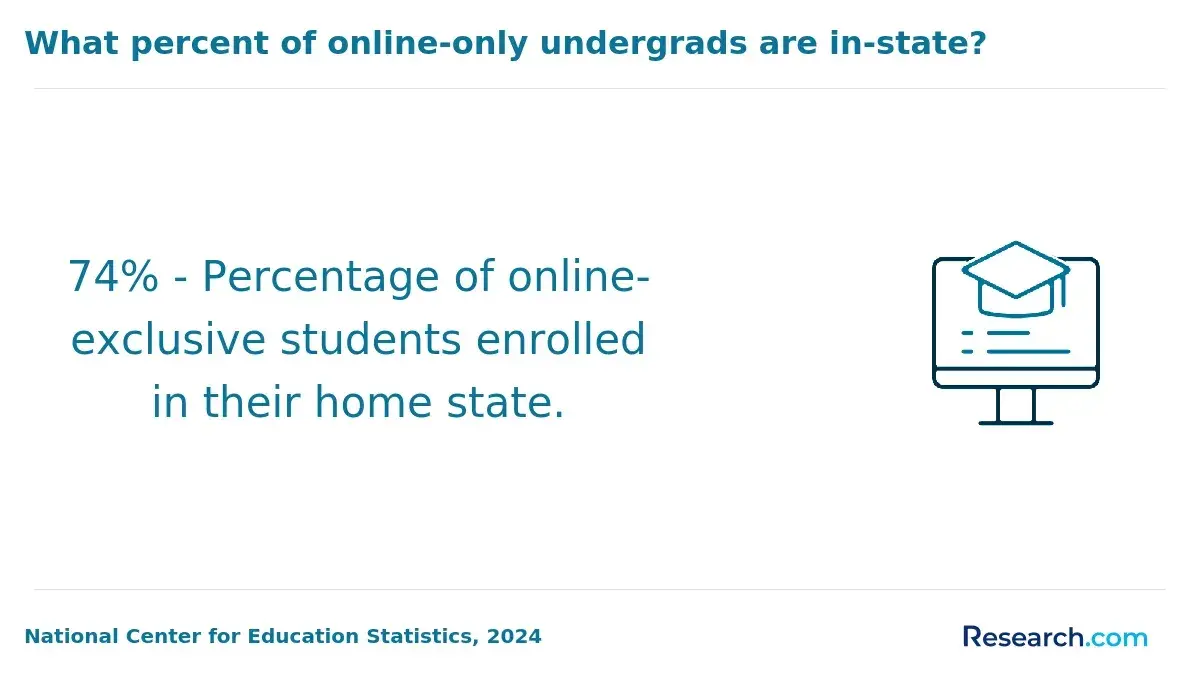
- Trends in Online Education: More than 75% of postsecondary institutions offered online courses to undergraduates in 2023, signaling widespread normalization of this format, which influences credit acceptance standards.
When planning your academic path, also consider the financial aid implications. For example, students may wish to explore medical billing and coding online schools that accept financial aid to better understand funding options as you navigate transfer and enrollment decisions.
How Do Transfer Credits Affect Tuition, Financial Aid, and Scholarships in a Health Informatics Master's Program?
For prospective health informatics master's students, transfer credits can greatly influence both the academic timeline and financial commitments. Recognizing the implications helps in planning effectively. Consider these critical points when evaluating transfer credits:
- Reduction in Required Credits: Transfer credits accepted by your program decrease the total course requirements, allowing you to complete your degree faster and potentially lowering tuition expenses significantly.
- Impact on Financial Aid: Financial support such as federal loans and institutional grants often depends on your enrollment status. A reduced course load from transfer credits might alter aid eligibility, so it's vital to understand these changes before proceeding.
- Minimum Enrollment for Scholarships and Assistantships: Many merit-based awards and assistantships require maintaining a certain number of credits. Using transfer credits to lighten your schedule may risk the continuation of these benefits.
- Coordination with Advisors and Financial Aid: Consulting both your academic advisor and financial aid office together before finalizing transfer credits ensures you grasp all academic and financial consequences, preventing unexpected issues.
Can Graduate Certificate Credits Be Applied Toward a Health Informatics Master's Program?
For prospective master's degree students in health informatics, knowing how graduate certificate credits may apply toward their degree is crucial for academic and financial planning. Many institutions now offer structured pathways that allow credits earned in a graduate certificate program to count toward a master's degree. The following points highlight important considerations regarding these pathways:
- Stackable Credentials and Articulation Agreements: Institutions increasingly design certificate programs to seamlessly ladder into master's degrees, formalized through articulation agreements. This approach ensures coursework aligns with graduate standards and credit requirements.
- Program-Specific Certificates: Graduate certificates closely related to health informatics, especially those from the same or affiliated schools, are more frequently accepted for transfer. Certificates from unrelated disciplines or external providers rarely transfer due to curriculum differences.
- Limited Case-by-Case Transfers: Individual credit evaluations outside established agreements are uncommon and may lead to delays or denials, making reliance on formal pathways advisable.
- Importance of Early Inquiry: Students should confirm transfer policies and the availability of certificate-to-master's pathways before starting a certificate program to avoid surprises and aid in funding strategies.
What Graduates Say About Transferring Credits Into Their Health Informatics Master's Program
- Clive: "Transferring my previous graduate credits into the health informatics master's degree program was surprisingly seamless and saved me a lot of time. I appreciated how clearly the program outlined the requirements for transfer, making the process transparent and manageable. Completing the degree with those transferred credits not only accelerated my path but also gave me the confidence to take on leadership roles in healthcare technology."
- Dana: "Reflecting on my journey, the strict requirements for transferring credits into the health informatics master's program made me double-check every detail, but it was worth it. The program's structure ensured I maintained academic rigor while benefiting from my prior work, which made the final certification a true achievement. This balance has profoundly impacted my career, allowing me to contribute more strategically in health data analysis positions."
- Cheryl: "What truly stood out to me was how the health informatics master's degree leveraged transferred credits to tailor the coursework to my existing expertise. This flexibility made the experience more engaging and less repetitive, motivating me to excel. After graduating, I noticed immediate career advancements, highlighting how pivotal the degree-and the transfer process-were to my professional growth."
Other Things You Should Know About Health Informatics Degrees
The program director or faculty advisor typically reviews transfer credit requests to ensure that courses meet the academic standards and relevancy required by the health informatics program. They evaluate course content, credit hours, and grades to confirm equivalency. Their approval is crucial as it authorizes which credits can be applied toward degree requirements.
In 2027, differences in transfer credit policies for Health Informatics master's programs can exist between public and private institutions. Public universities often have more standardized policies due to state regulations, while private institutions may offer more flexibility. It is crucial to consult specific program guidelines at each institution to understand their distinct transfer credit policies.
References
- Certificate Programs - Master of Applied Health Informatics (M.Sc.) https://master-applied-health-informatics.com/certificate-programs/
- Joint Master's Programme in Health Informatics https://education.ki.se/bachelors-masters-studies/programmes-and-courses/joint-masters-programme-in-health-informatics
- Health Informatics & Management Graduate Certificate | Zuckerberg College of Health Sciences | Graduate Programs & Policies | Academic Catalog https://www.uml.edu/catalog/graduate/health-sciences/public-health/graduate-certificate.aspx
- Foundations of Health Informatics Certificate | Graduate School https://www.mtu.edu/gradschool/programs/certificates/foundations-health-informatics/
- Frequently Asked Questions - Health Informatics and Analytics https://hia.charlotte.edu/overview/frequently-asked-questions/
- Admission Requirements https://www.downstate.edu/education-training/school-of-health-professions/programs/health-informatics/master-of-science/requirements.html
- Graduate Certificate in Health Informatics https://www.kumc.edu/school-of-health-professions/academics/departments/health-information-management/academics/health-informatics/health-informatics-certificate.html
- Accredited Online MHI / MSHI Degree Programs https://www.medicaltechnologyschools.com/health-informatics/online-mhi-degree
- Health Informatics, MS (Executive) https://www.nec.edu/programs/health-informatics-ms-executive
- Applied Health Informatics Program Tuition, Financial Aid, Visa & Housing Information https://healthprofessions.stonybrookmedicine.edu/programs/ahi/financial