
2027 How to Compare Analytics Degree Programs Effectively

Co-Founder and Chief Data Scientist
Choosing the right analytics degree program can overwhelm students facing a rapidly evolving job market. Many programs differ in curriculum focus, from data science techniques to business intelligence applications, which heavily impacts career readiness. In the U.S., demand for analytics professionals is projected to grow 28% through 2031, emphasizing the need for relevant skills aligned with employer needs.
Without clear comparison criteria, students risk investing time and money in programs that might not support their career goals. This article examines key factors such as curriculum, faculty expertise, industry connections, cost, and flexibility to help readers evaluate analytics degree programs effectively.
Key Benefits of Comparing Analytics Degree Programs Effectively
- Check for program accreditation and faculty expertise to ensure the degree's credibility and recognition in the analytics industry and job market.
- Analyze curriculum focus and specialization options to match your career goals, such as data science, business analytics, or machine learning.
- Evaluate total cost against expected return on investment, considering employment rates and average salaries for analytics graduates, which often exceed $70,000 annually.
What types of accreditation should an analytics degree program have?
Accreditation plays a vital role when comparing analytics degree programs by signaling quality, credibility, and long-term value. Studies show that approximately 70% of employers prefer candidates who graduated from accredited institutions, highlighting accreditation's influence on job opportunities. Below are key accreditation types to consider for regional and national accreditation for analytics degrees.
- Regional Accreditation: This is the most widely recognized institutional accreditation in the U.S., covering entire colleges or universities. It confirms academic quality standards, impacts credit transferability, and determines eligibility for federal financial aid.
- Programmatic Accreditation: Focused on analytics or closely related fields, this evaluates the quality of specific programs rather than whole institutions. While less common, accreditation from recognized bodies in data science or computing enhances the program's credibility and faculty expertise.
- Professional Certifications: Some analytics degrees integrate certifications aligned with industry standards, improving employer trust and ensuring practical preparedness.
For career changers and working professionals, selecting an accredited program is essential to ensure curriculum relevance and avoid less rigorous options. Accreditation supports informed decisions that align with professional goals and training needs. Prospective students may also explore options like an SLP online masters program for related flexible pathways in their education journey.
What specializations are offered in analytics degree programs?
Specializations in analytics degree programs allow prospective students to compare options based on career alignment and academic focus. With employment in data-related fields projected to grow 31% from 2020 to 2030 according to the U.S. Bureau of Labor Statistics, choosing the right concentration is crucial for career advancement. Below are key specializations commonly offered within these programs.
- Data Science: Focuses on programming, machine learning, and advanced statistical techniques to extract insights from complex data sets. Students develop skills in coding languages and predictive algorithms, preparing them for roles in tech, research, and innovation.
- Business Analytics: Emphasizes decision-making, data visualization, and predictive modeling for business problem-solving. This specialization equips students to enhance organizational strategy and operations through data-driven insights.
- Healthcare Analytics: Applies data methods to improve patient outcomes, healthcare operations, and policymaking. Graduates often work on optimizing clinical processes and supporting evidence-based healthcare decisions.
- Marketing Analytics: Concentrates on consumer data analysis, campaign effectiveness, and market trend predictions. Mastery of this specialization helps drive targeted marketing strategies and business growth.
- Financial Analytics: Centers on risk assessment, financial modeling, and investment strategies using data analysis. This area prepares students for roles in banking, investment firms, and risk management sectors.
Students seeking the top analytics concentration options for career advancement must also consider program affordability and flexibility. Those balancing budget concerns might explore the cheapest online counseling degree listings, as some overlap in data-related skills can provide versatile career paths while optimizing education costs.
How can you compare courses across analytics degree programs?
Comparing courses across analytics degree programs is vital for prospective students to assess program rigor, skill development, and how well the curriculum aligns with their career goals. Research indicates that programs with comprehensive curricula report up to a 20% higher course completion rate, reflecting better student engagement and mastery. To compare courses effectively, consider the following practical strategies:
- Reviewing Course Syllabi: Examine syllabi to understand covered topics, teaching methods, and workload. This reveals academic rigor and depth of content.
- Examining Prerequisites and Corequisites: Identify required foundational courses to gauge program structure and emphasis on essential skills.
- Evaluating Skill Focus: Look for courses emphasizing technical proficiency, statistical analysis, or real-world problem-solving, which helps align studies with career aspirations and is a key factor when learning how to compare analytics degree program courses effectively.
- Checking Course Outcomes and Assessments: Assess projects and exams to understand practical application and learning evaluation methods.
- Investigating Faculty Expertise: Review instructor credentials and research areas to ensure quality and relevance of instruction.
Using these criteria to evaluate analytics degree program curriculum enables students to make well-informed decisions based on academic content and workload, rather than brand recognition or external factors alone. For students balancing diverse interests or considering interdisciplinary paths, resources like the library degree can offer valuable insights into alternative educational choices.
What scheduling options are available in analytics degree programs?
Flexibility in scheduling is a key consideration for students weighing Analytics degree programs, especially for those balancing work, family, or other commitments. The variety of options available can significantly affect how easily students manage their studies alongside daily responsibilities. Below are common scheduling formats offered to accommodate diverse needs:
- Full-Time On-Campus: Traditional full-time programs require students to attend courses during regular daytime hours, ideal for those who can dedicate consistent, focused time on campus. This option offers direct access to faculty and campus resources but may be less flexible for working professionals.
- Part-Time and Evening Classes: Many programs provide part-time enrollment and evening sessions, allowing students to spread coursework over a longer period. This approach suits individuals who need to balance study with jobs or family obligations by offering classes outside standard business hours.
- Online Learning: Fully online courses enable students to access lectures and materials on their own schedules, promoting self-paced study. This format benefits those living remotely or requiring maximum flexibility to integrate learning with personal and professional life.
- Hybrid Models: Combining online coursework with occasional in-person meetings, hybrid programs strike a balance between flexibility and structured interaction. This setup helps maintain engagement without the need for daily campus attendance.
- Accelerated and Extended Tracks: Some programs offer faster completion options for motivated students, while others spread courses over a longer duration to reduce workload stress. These varied paces accommodate different learning speeds and life circumstances.
What are the pros and cons of online vs campus-based analytics degrees?
Choosing the delivery format for an analytics degree significantly influences a student's academic experience and professional prospects. Recent data shows that about 35% of U.S. postsecondary students take at least one online course, highlighting growing acceptance of flexible education options. Below is a detailed comparison of online and campus-based analytics programs.
Online Programs
- Flexibility: Students can access coursework anytime and anywhere, making it easier to balance jobs, family, and study commitments without location constraints.
- Networking Limitations: Less face-to-face interaction reduces spontaneous connections and mentorship opportunities, potentially limiting professional networking.
- Self-Paced Learning: Many online courses offer asynchronous content, allowing students to progress at their own pace, which may suit diverse learning styles.
Campus Programs
- Structured Environment: Fixed schedules and in-person classes provide real-time engagement with faculty and peers, enhancing collaboration and immediate feedback.
- Enhanced Networking: Physical presence on campus supports participation in events, clubs, and internships, fostering stronger professional relationships.
- Geographic Restrictions: Commuting or relocation requirements may challenge students balancing other responsibilities or living far from campus.
When I spoke with a graduate who earned an online analytics degree, he reflected on the difficult choice between formats. "I carefully weighed my full-time job and family needs against the chance to network on campus," he said.
The flexibility of online learning was critical for him, yet he missed some of the direct mentorship and social aspects. "It wasn't easy juggling deadlines without the classroom structure, but being able to study late at night after work made all the difference," he shared. His experience underscores how personal priorities shape the decision between online and campus-based programs.
How do GPA requirements vary among analytics degree programs?
GPA requirements are a crucial aspect for prospective students when comparing analytics degree programs, as they indicate program rigor and admissions competitiveness. Below are key points to consider about how these requirements differ across various programs.
- Variability in Standards: GPA expectations can range widely, with some programs setting firm minimums typically between 2.5 and 3.5 on a 4.0 scale. These variations often reflect how selective a program is and the academic preparedness it demands from applicants.
- Flexibility in Admissions: Certain programs adopt a more adaptable stance on GPA, especially those designed for career changers or professionals seeking practical skills. This flexibility allows candidates with lower GPAs to still qualify if other aspects of their application are strong.
- Holistic Evaluation: Many analytics programs review candidates beyond GPA by considering elements such as standardized test scores, relevant work experience, letters of recommendation, and personal essays. This comprehensive approach helps balance academic metrics with real-world qualifications.
- Policy Diversity: The way GPA is assessed can vary significantly, affecting how applicants should strategize their program choices. Understanding each program's specific GPA requirements and assessment methods aids students in identifying suitable options and improving their chances of acceptance.
How can you compare tuition across analytics degree programs?
Comparing tuition is vital for prospective students weighing the costs and benefits of analytics degree programs. With graduate student debt averaging over $66,000 in 2020 according to the National Center for Education Statistics, understanding total expenses beyond sticker price is essential. Here are key factors to consider when evaluating tuition:
- Total Program Cost: This includes tuition, mandatory fees, and other required expenses across the entire length of the program, giving a comprehensive view of financial commitment.
- Cost Per Credit: Useful for those attending part-time or transferring, it helps compare programs with differing credit requirements or flexible pacing.
- Mandatory Fees: Technology, lab, or resource fees can significantly increase costs and should be included in any comparison to avoid surprises.
- Financial Aid: Scholarships, grants, and assistantships vary widely and can greatly decrease the actual amount paid, making some programs more affordable than they initially appear.
- Employer Tuition Benefits: Working professionals may reduce expenses through company-sponsored tuition assistance, which can be a decisive factor in program affordability.
- Long-Term Value: Beyond cost, consider employment outcomes and salary prospects to evaluate return on investment in the context of career advancement.
I recently spoke with a graduate who completed an analytics degree and faced the challenge of comparing programs with vastly different cost structures. She explained, "It wasn't just about the price tag. I had to factor in fees that weren't obvious upfront and investigate if my employer's tuition reimbursement applied.
After crunching the numbers, I realized that a program with a higher sticker price was actually more affordable because of generous assistantships and solid career placement." She emphasized that patience and thorough research helped her choose wisely, turning what felt overwhelming into a manageable, informed decision.
Does an analytics degree meet licensure requirements?
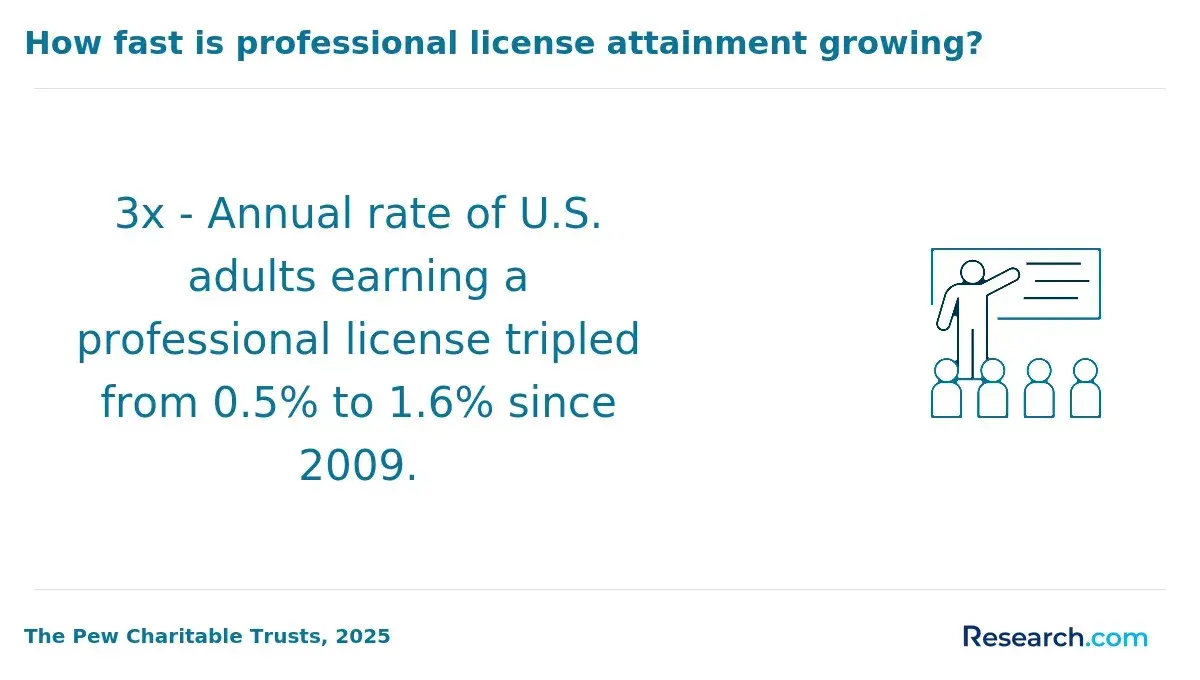
Aligning an analytics degree with licensure requirements is essential for students entering regulated fields or shifting careers, as it affects eligibility for professional certification. Nearly 29% of jobs in the U.S. mandate some form of licensure or credentialing. The following factors help compare programs based on their support for licensure pathways:
- Curriculum Alignment: Ensure the program's coursework covers core competencies and technical skills recognized by relevant licensing authorities to meet professional standards.
- Accreditation Standards: Select degrees accredited by bodies acknowledged by the U.S. Department of Education or industry groups, which bolsters the degree's credibility and acceptance for licensure.
- State-Specific Requirements: Since licensure criteria vary by state, verify that the program meets regional educational prerequisites for taking certification or licensure exams.
- Supervised Experience: Some certifications require documented internships or mentorship under licensed professionals; confirm whether the program integrates these practical training opportunities.
- Exam Eligibility: Confirm that graduating from the program qualifies students to sit for necessary professional exams, a final step toward earning licenses.
Careful examination of these elements enables prospective students to choose analytics degrees that effectively support their licensure and career advancement goals.
Which analytics programs have the best career placement rates?
Career placement rates serve as a crucial indicator of how well analytics degree programs prepare students for the competitive job market. Nearly 85% of graduates with specialized data-related degrees secure employment within six months, highlighting the increasing demand for analytics skills. Several factors help prospective students evaluate which analytics degree programs offer the best career placement rates.
- Employer Partnerships: Strong collaborations with industry leaders can provide students direct access to internships and job opportunities. These partnerships often translate to practical experience and valuable networking essential for entering the workforce.
- Internship Pipelines: Programs with established internship channels facilitate smoother transitions from study to full-time employment. Internships offer hands-on learning and frequently lead to job offers, which enhance graduate employment rates.
- Alumni Outcomes: Tracking alumni who advance into significant analytics roles or obtain positions at respected organizations reveals a program's real-world impact. This insight helps identify top analytics programs with highest graduate employment rates.
- Program Support Services: Comprehensive career services like mentoring, resume workshops, and interview preparation improve job readiness. These resources are essential for helping students successfully navigate the hiring process.
Students researching analytics degrees should request transparent career placement reports and carefully assess how each program aligns with their goals and schedules.
Exploring these aspects ensures enrollment in a program that not only fits educational needs but also maximizes career success. For those prioritizing financial outcomes, reviewing degrees that make the most money can further guide their choice of study.
How do salaries compare across analytics degree program graduates?
Post-graduation salary outcomes are a crucial metric for comparing analytics degree programs because they highlight the economic value and career potential these programs provide. Graduates of analytics degree programs in the United States typically see average earnings between $60,000 and $120,000 depending on experience and role. Below is a summary of key factors affecting salary differences among analytics degree holders.
- Entry-Level Salaries: New graduates often start with salaries ranging from $60,000 to $80,000 annually, providing a strong foundation for those entering the analytics workforce.
- Mid-Career Increases: With several years of experience, analytics professionals can expect to earn between $90,000 and $120,000, reflecting career growth and expanded responsibilities.
- Role Variation: Average earnings differ by job type; data scientists average about $95,000, while roles in business intelligence or data engineering earn slightly less, typically between $85,000 and $90,000.
- Industry Impact: Salaries tend to be higher in technology and finance sectors, which generally offer more competitive pay than healthcare or government positions.
- Geographic Location: Major metropolitan areas like San Francisco, New York, and Seattle often provide salary premiums above the national average due to higher demand and living costs.
When evaluating programs, consider factors like program cost and financial aid options; some students also explore cheap online colleges to balance expenses with earning potential. Overall, understanding average earnings of analytics degree holders by program type can give prospective students clearer insights into career prospects.
What Graduates Say About Comparing Analytics Degree Programs Effectively
- Ryan: "Before enrolling in the analytics degree program, I was weighing options that ranged from expensive technical bootcamps to self-study. The average cost of attendance for the degree was far more affordable than I expected, making it my top choice. Completing the program significantly boosted my confidence and equipped me with practical skills that landed me a role in data-driven decision making-something I hadn't seen before."
- Kent: "I spent a lot of time reflecting on which path to pursue in the competitive field of analytics; cost was a critical factor since I didn't want to accumulate excessive debt. This degree's cost aligned well with my budget and offered strong career prospects. Graduating gave me a clearer professional direction and opened doors to opportunities in larger firms where data interpretation is key. "
- Hudson: "Initially, I was hesitant about committing to an analytics program due to the financial investment compared to free online resources. However, the structured curriculum and reasonable fees made it a compelling option. Finishing the program accelerated my career growth, allowing me to transition into senior roles that demand advanced analytical expertise. "
Other Things You Should Know About Analytics Degrees
Program reputation is important in analytics because it often reflects the quality of education and networking opportunities. Prospective students should look into faculty credentials, alumni success, and industry partnerships. Reputable programs typically have strong connections with employers in analytics-related fields.
Yes, internships provide practical experience and improve job prospects after graduation. When comparing programs, consider whether they have established internship partnerships with companies in data analytics, business intelligence, or related industries. Programs that help facilitate internships often give students a competitive edge in the job market.
In 2027, career services are crucial for evaluating analytics degree programs. They offer job placement rates, networking opportunities, and industry connections. Comparing these aspects helps determine which program can effectively support post-graduation employment opportunities and career advancement in the competitive analytics field.
References
- Data Analytics Courses vs. Degrees: Best Path in 2023 https://www.fctraining.co.uk/data-analytics-courses-vs-degree-programs
- Average GPA for top graduate schools - MBA Crystal Ball https://www.mbacrystalball.com/masters-degree/average-gpa-graduate-schools/
- How to Compare University Majors and Choose the Right Path https://blog.myls.ai/how-to-compare-university-majors-and-choose-the-right-path/
- Frequently Asked Questions https://www.certifiedanalytics.org/frequently-asked-questions
- A Guide to Choosing Your Data Analyst Degree Pathway | LIS https://www.lis.ac.uk/stories/data-analyst-degree
- Analytics Degree Accreditation: What to Look For - AnalyticsDegrees.org https://www.analyticsdegrees.org/faq/analytics-degree-accreditation/
- Comparison of Data Analytics Training Formats https://www.nobledesktop.com/learn/data-analytics/training-format-comparison
- Choosing Between a Data Analytics Degree and Certification: Pros & Cons https://rbeiset.com/data-analytics-degree-vs-certification/
- Online vs On-Campus Degrees: Honest Comparison for Tech Students 2026 https://hakia.com/resources/online-vs-oncampus/


