2027 How to Pay for an Entertainment Business Master's Degree with Financial Aid

Co-Founder and Chief Data Scientist
Financing an entertainment business master's degree is often the deciding factor between enrolling, delaying, or choosing a different path. Tuition costs can exceed $30,000 annually, and students also need to account for fees, living expenses, technology, travel, internships, and lost work hours. In a field projected to grow 8% over the next decade, the degree can be useful for people aiming for management, production, marketing, distribution, talent, live events, music, digital media, or executive-track roles—but only if the cost fits a realistic career and repayment plan.
This guide explains how to evaluate and combine financial aid options for an entertainment business master's program. You will learn how FAFSA works for graduate students, which federal loans are available, how scholarships and fellowships differ, when assistantships make sense, how employer tuition reimbursement can reduce costs, and how repayment and forgiveness programs may affect your long-term finances.
Key Benefits of Knowing How to Pay for a Entertainment Business Master's Degree with Financial Aid
- Utilizing all available financial aid options helps students invest strategically in their professional future, maximizing resources such as federal aid, assistantships, and scholarships relevant to Entertainment Business programs.
- Understanding and applying for diverse funding sources reduces financial strain, improving access to career-enhancing opportunities without accumulating excessive debt.
- Developing a comprehensive financial plan, including loan forgiveness and tax benefits, makes an Entertainment Business master's degree financially attainable and supports long-term economic stability.
What Is a Entertainment Business Master's Degree, and Why Does Funding It Matter?
An entertainment business master's degree is a graduate business program focused on the commercial side of media, entertainment, and creative industries. It usually combines core business topics with industry-specific training in production finance, rights management, content distribution, entertainment marketing, audience analytics, contracts, leadership, and project strategy.
Funding matters because the degree is not only an academic commitment; it is a financial decision that can shape your early career choices after graduation. Tuition costs vary widely, often ranging from $20,000 to $60,000 annually, depending on the institution and location. When living costs, fees, software, travel, and networking expenses are included, the total cost can rise quickly.
- Program focus: Students typically study business strategy, media economics, production workflows, marketing, finance, law, and distribution. Many programs include internships, practicums, or capstone projects tied to film, television, music, gaming, streaming, live events, or digital media.
- Time commitment: Programs commonly take one to two years of full-time study. Part-time and online formats may help working professionals continue earning income, but they can also lengthen the time before graduation.
- Admissions expectations: Most programs require a bachelor's degree. Some prefer applicants with professional experience, creative portfolios, business coursework, or evidence of leadership in media or entertainment settings.
- Return-on-investment risk: Entertainment careers can be competitive and unevenly paid, especially early on. Borrowing heavily without a clear career plan can limit flexibility after graduation.
- Funding strategy: The strongest plan usually combines multiple sources: institutional aid, scholarships, assistantships, employer support, savings, and federal loans only as needed.
Graduate tuition and fees have increased nearly 25% over the past decade, which makes early planning essential. Before committing, compare each program's total cost of attendance, scholarship availability, internship access, location advantages, alumni outcomes, and flexibility for working students. Students comparing affordability models across fields may also review how other graduate programs structure costs, such as affordable online master's programs, but entertainment business applicants should focus on funding tied to business, media, and creative-industry pathways.
What Types of Financial Aid Are Available for Entertainment Business Master's Students?
Entertainment business master's students can use many of the same aid categories available to other graduate students, but the best funding plan often includes both general graduate aid and industry-specific awards. The goal is to reduce the amount you need to borrow before accepting federal or private loans.
- Grants: Grants are funds that generally do not require repayment. At the graduate level, they may come from institutions, states, foundations, or private organizations. They are often need-based, mission-based, or tied to a specific population or field.
- Scholarships: Scholarships may be awarded for academic strength, leadership, creative achievement, professional goals, financial need, or commitment to diversity in media and entertainment. Some are offered by universities; others come from industry groups or foundations.
- Fellowships: Fellowships are competitive awards that may include tuition support, stipends, research expectations, professional development, or project-based work. They can be especially valuable because they may reduce both tuition and living-cost pressure.
- Assistantships: Graduate assistantships usually involve teaching, research, administrative, or program support work. In return, students may receive tuition waivers, stipends, or both.
- Federal loans: Graduate students commonly use Direct Unsubsidized Loans and, when necessary, Graduate PLUS Loans. Federal loans usually offer more borrower protections than private loans, including income-driven repayment options.
- Private loans: Private loans may fill gaps, but they usually lack the repayment protections and forgiveness options attached to federal student loans. They should be compared carefully and used cautiously.
- Work-study or part-time employment: Some students use campus employment, freelance work, internships, or part-time industry roles to reduce borrowing. The trade-off is time: work can support affordability but may affect academic performance if the workload is too heavy.
- Employer tuition assistance: Working professionals may be able to use tuition reimbursement or tuition assistance through their employer, especially if the degree supports a current role in media, marketing, communications, production, business development, or management.
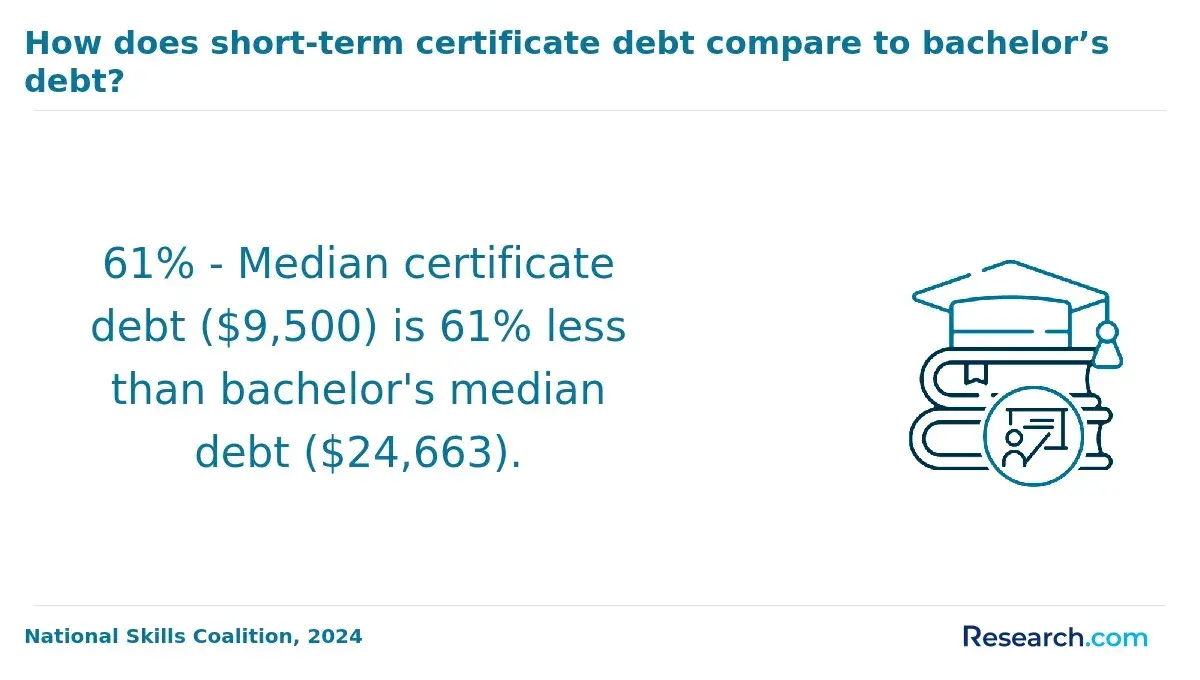
Students should build a funding stack rather than rely on one source. Start with aid that does not need repayment, then consider assistantships and employer support, and only then calculate the federal loan amount needed. If you are also comparing shorter, lower-cost credentials, resources on career-focused online certificate programs can help you weigh whether a full master's degree is necessary for your goals. Students seeking a broader business foundation before specializing in entertainment may also compare an online business administration degree with entertainment-focused graduate options.
How Does the FAFSA Process Work for Entertainment Business Graduate Students?
The FAFSA is the main application used to determine eligibility for federal student aid. For entertainment business graduate students, completing it is important even if you do not expect grant aid, because it is typically required for federal graduate loans and may also be used by schools when reviewing need-based institutional aid.
- Graduate students are treated as independent: Graduate applicants generally report their own income and assets rather than parental information. This can simplify the form, but it does not guarantee high levels of need-based aid.
- The FAFSA opens on a set schedule: The FAFSA form becomes available starting October 1 each year. Students should submit it early because schools and states may have their own deadlines, and some campus-based funds can be limited.
- Federal aid is different at the graduate level: Federal grants like Pell Grants are generally unavailable to graduate students. FAFSA access for graduate students mainly supports federal student loans and possible work-study eligibility.
- Documents matter: Applicants should have a Social Security number, current tax returns, income records, and other financial information ready. The IRS Data Retrieval Tool can help transfer tax information accurately.
- School selection affects processing: List every program you are seriously considering so each school can receive your FAFSA information and prepare a financial aid offer if you are admitted.
- Review each aid offer carefully: A graduate aid package may include loans that look like aid but still require repayment with interest. Separate gift aid from borrowed funds before comparing programs.
Recent data from the National Center for Education Statistics shows that more than 70% of graduate students rely on federal loans. That makes FAFSA timing and accuracy important. A late or incomplete FAFSA can delay loan processing, reduce access to limited institutional funds, or make it harder to plan housing, tuition payments, and enrollment deposits.
One graduate described being surprised by how independent status changed the application: "I didn't realize how being classified as independent would simplify some parts but also limit the aid options." The same student noted that school-specific deadlines created the most stress: "Submitting early wasn't just recommended, it was necessary to secure any work-study funding." The lesson is simple: complete the FAFSA early, track every school deadline, and confirm with each financial aid office that your file is complete.
What Federal Loans Are Available for Financing a Entertainment Business Master's Degree?
Federal loans are often the primary borrowing option for entertainment business master's students because they offer fixed terms and federal repayment protections. They should still be used carefully. A loan that makes enrollment possible can become a long-term burden if expected earnings, living costs, or career timelines are unrealistic.
- Direct Unsubsidized Loans: These loans are available without regard to financial need and accrue interest from the time they are disbursed. Graduate students may borrow up to $20,500 per academic year. Repayment begins six months after graduation or after dropping below half-time status.
- Graduate PLUS Loans: These loans can help cover remaining costs up to the full cost of attendance minus other aid. They require a credit check and usually carry higher interest rates than Direct Unsubsidized Loans. They can be useful for closing a gap, but they increase total repayment obligations.
- No graduate subsidized loan option: Graduate students do not have the same subsidized loan access available to some undergraduates. Interest accrues while you are enrolled, which can raise the total amount owed.
- Disbursement timing: Schools generally disburse federal loans near the start of each term after confirming enrollment. Students who need funds for rent, relocation, or supplies should ask the financial aid office when refunds are issued.
- Borrow only what you need: Do not automatically accept the maximum loan amount. Build a budget for tuition, fees, rent, food, transportation, insurance, technology, and required program expenses, then subtract scholarships, assistantships, employer aid, savings, and income.
A practical borrowing plan starts with the full program cost, not just the first semester bill. Compare the total debt you would carry at graduation against likely career paths in entertainment business, including entry-level roles, contract work, and location-based cost differences. If you are comparing executive or working-professional formats, reviewing affordability approaches in an online EMBA program can provide useful context, but loan decisions should be based on the actual entertainment business program you plan to attend.
What Scholarships and Fellowships Exist Specifically for Entertainment Business Master's Students?
Scholarships and fellowships can reduce the cost of an entertainment business master's degree without adding repayment obligations. The challenge is that many awards are competitive, deadline-driven, and less visible than federal loans. Students who begin searching only after admission may miss major opportunities.
- University scholarships: Entertainment business programs may offer awards based on academic record, professional experience, leadership, creative work, financial need, or alignment with the program's mission.
- Departmental fellowships: Some fellowships are administered by the graduate school, business school, communications school, or entertainment program rather than the central financial aid office. These may include tuition support, stipends, research work, or project responsibilities.
- Industry-specific awards: Professional organizations, like the Producers Guild of America and Women in Film, frequently offer scholarships tailored to entertainment business students or emerging industry professionals.
- Foundation awards: Specialized foundations such as the National Association for Multi-Ethnicity in Communications provide fellowships and scholarships aimed at underrepresented groups and students pursuing media-related careers.
- Portfolio and essay requirements: Applications may ask for personal statements, resumes, recommendation letters, creative samples, project proposals, or evidence of industry engagement.
- Early deadlines: Scholarship and fellowship deadlines often arrive before general enrollment deadlines. Create a calendar before submitting graduate applications so you can request recommendations and prepare materials on time.
The most effective scholarship strategy is targeted rather than broad. Prioritize awards that match your background, intended career, professional affiliations, geographic location, or entertainment sector. A generic essay is less persuasive than a focused application explaining why your goals fit the award's purpose.
One entertainment business graduate explained that the process felt overwhelming at first: "I found that many opportunities required detailed applications and letters of recommendation months before starting the program." She later credited industry associations with helping her identify awards she would not have found through a basic search: "Connecting with industry associations helped me uncover awards I wouldn't have known about otherwise, which made a real difference."
How Can Graduate Assistantships Help Pay for a Entertainment Business Master's Degree?
Graduate assistantships can be one of the strongest funding options for entertainment business master's students because they may combine tuition support, stipends, experience, and faculty connections. They are also competitive and require a time commitment, so students should evaluate both the financial value and the workload.
- Teaching assistantships: Students may help faculty with grading, course preparation, discussion sections, student support, or introductory business and media classes.
- Research assistantships: These roles may involve market research, media industry analysis, audience studies, production economics, case studies, or faculty-led projects.
- Administrative assistantships: Students may support program operations, events, admissions activities, alumni relations, internship coordination, or departmental communications.
- Financial benefit: Assistantships frequently include a stipend and may provide partial or full tuition waivers. The exact value varies by school and appointment.
- Time commitment: Positions usually require 10 to 20 hours of work weekly. Students should ask how hours are scheduled, whether peak workload periods overlap with exams or capstones, and whether remote work is allowed.
- Application process: Assistantships are often awarded by departments rather than the central financial aid office. Contact the program director, graduate coordinator, or department administrator before enrollment to ask about openings, deadlines, and selection criteria.
- Career value: Assistantships can strengthen resumes by adding research, teaching, event, operations, or industry-facing experience. They may also lead to stronger references.
A 2023 Council of Graduate Schools survey found that about 45% of graduate students in business-related majors secured assistantships. Availability can still vary by institution and program size. Ask whether assistantships are guaranteed, renewable, or awarded year by year, and whether the award affects eligibility for other scholarships or employment.
Are There Employer Tuition Reimbursement Options for Entertainment Business Master's Programs?
Employer tuition reimbursement can significantly reduce the net cost of an entertainment business master's program for working professionals. It is especially relevant for employees in media companies, streaming platforms, agencies, production firms, music businesses, marketing departments, sports organizations, event companies, nonprofits, and corporate communications teams.
- IRS Section 127 tax benefit: Employers may offer up to $5,250 per year in tax-free tuition assistance under IRS Section 127. Because this amount is excluded from taxable income, it can be more valuable than the same amount paid as wages.
- Eligibility rules: Employers may require full-time status, a minimum tenure, manager approval, a specific grade threshold, or enrollment in an accredited program that relates to your job.
- Reimbursement timing: Some employers pay the school directly, while others reimburse employees after course completion. If reimbursement comes later, you may need a short-term plan for tuition deadlines.
- Service commitments: Tuition assistance may require you to remain employed for a set period after receiving funds. Leaving early could trigger repayment, so read the policy carefully before accepting support.
- Written proposal: If your employer does not have a clear policy, prepare a proposal explaining how the degree will improve your work in areas such as budgeting, rights management, audience growth, partnership development, content strategy, production operations, or leadership.
- Negotiation opportunity: Tuition support may be negotiable during hiring, promotion, or retention discussions, particularly if the degree addresses a business need.
Recent surveys indicate that around 70% of employers now provide some form of tuition assistance. Students should not assume the benefit is automatic, however. Confirm annual limits, covered expenses, approved schools, tax treatment, grade requirements, and repayment clauses before enrolling.
What State-Based Financial Aid Opportunities Exist for Entertainment Business Graduate Students?
State-based aid can help entertainment business graduate students reduce costs, especially when the program is located in a state with a strong film, television, music, gaming, digital media, or arts economy. These programs are usually more limited than federal loans, but they can be valuable when combined with institutional and external aid.
- Residency requirements: Most state programs require applicants to be legal residents of the state. Some also require attendance at an accredited in-state institution.
- Graduate grants and scholarships: States may offer need-based or merit-based funding for graduate students, including awards connected to business, media, arts, communications, or workforce development.
- Loan repayment assistance: Certain states provide loan repayment support for graduates who work in high-need fields or targeted sectors. Eligibility varies and should be verified before counting on forgiveness or repayment aid.
- Tuition equity initiatives: Some states extend in-state tuition benefits or financial aid eligibility to undocumented students and DACA recipients, depending on state policy and institutional rules.
- Workforce development incentives: Some states align funding with economic goals, including support for digital media production, film management, creative entrepreneurship, and regional entertainment ecosystems.
- Application timing: State aid pools may be limited and competitive. Students should check deadlines early through the state higher education agency and the school's financial aid office.
Over 30 states have recently expanded programs targeting graduate education funding to balance workforce demands and economic goals. Because rules vary widely, contact both the state agency and each prospective university to ask whether graduate entertainment business students qualify. Students comparing affordability across graduate fields can also review examples such as affordable online MFT programs to understand how state and institutional support may differ by discipline.
How Do Institutional Grants and University Fellowships Factor Into Entertainment Business Funding?
Institutional grants and university fellowships are school-controlled awards that can materially change the real cost of an entertainment business master's degree. Unlike federal loans, they generally do not require repayment, which makes them important when comparing offers from different programs.
- Merit-based awards: Schools may use grants or fellowships to recruit applicants with strong academic records, relevant professional experience, leadership potential, creative accomplishments, or strong career fit.
- Need-based awards: Some institutions use FAFSA information or separate financial forms to determine need-based graduate grants. These awards may be limited, so early application can matter.
- Departmental funding: Funding may come from the entertainment business program, business school, communications school, graduate school, or donor-supported funds. Do not rely only on the central financial aid office; ask the department directly.
- Fellowship obligations: Some fellowships are pure awards, while others require research, service, event support, mentoring, or participation in special projects.
- Renewal terms: Ask whether an award applies for one term, one academic year, or the full program. Confirm GPA requirements, enrollment minimums, and whether the award changes if you switch to part-time study.
- Negotiation and comparison: If you receive competing offers, it may be appropriate to ask whether a school can review your aid package. Be professional, specific, and prepared to share documentation.
When comparing institutions, calculate net cost rather than published tuition. A higher-priced program with a strong fellowship may cost less than a lower-priced program with no aid. Applicants researching how graduate schools structure accelerated or specialized degree funding may find related context in shorter online MFT program options, but entertainment business students should prioritize awards tied to their own program, school, and career market.
What Role Do Professional Associations Play in Funding a Entertainment Business Master's Degree?
Professional associations can help entertainment business master's students in two ways: they may provide direct funding, and they can connect students to mentors, conferences, job leads, and specialized industry information. These benefits can be especially useful in entertainment, where relationships and demonstrated engagement often matter.
- Scholarships and grants: Associations may offer awards for students pursuing careers in film, television, music, live entertainment, media management, communications, production, or related business fields.
- Travel and conference support: Some organizations fund student travel for conferences, showcases, research presentations, competitions, or professional development events.
- Membership-based eligibility: Funding may require student membership. Before joining, confirm whether membership gives access to scholarships, mentorship, job boards, or networking events that match your goals.
- Mentorship programs: Some associations pair students with established professionals. Even when a mentorship does not include direct funding, it can improve internship and job search outcomes.
- Targeted applications: Association awards usually favor applicants who understand the organization's mission. Tailor each essay to the association's priorities rather than submitting a generic scholarship statement.
- Professional credibility: Active association involvement can demonstrate commitment to the field, especially for applicants transitioning from another industry.
Start with associations connected to your intended sector, such as production, music, film, television, streaming, media law, marketing, talent management, or entertainment finance. Track deadlines, membership fees, award amounts, and required materials. A small association award may not cover tuition by itself, but several targeted awards can reduce borrowing and expand your professional network.
How Can Income-Driven Repayment and Loan Forgiveness Programs Apply to Entertainment Business Graduates?
Income-driven repayment and loan forgiveness programs can help entertainment business graduates manage federal student loan debt after graduation. They are not a substitute for careful borrowing, but they can provide flexibility for graduates whose income starts modestly, varies by project, or changes with freelance and contract work.
- Income-driven repayment plans: Programs like SAVE, IBR, PAYE, and ICR base monthly federal loan payments on income and household size. This can help graduates manage payments during lower-earning periods.
- Public Service Loan Forgiveness: PSLF may forgive remaining federal loan balances after 120 qualifying payments over 10 years while working full time for eligible employers, such as government agencies, nonprofits, or academic institutions.
- Entertainment-related qualifying employers: Some graduates working in public media, nonprofit arts organizations, educational institutions, museums, cultural agencies, or government arts programs may be able to pursue PSLF if all program requirements are met.
- Private loans are excluded: Private student loans do not qualify for federal income-driven repayment or federal loan forgiveness programs. This is one reason to exhaust federal options before considering private borrowing.
- Career path matters: Graduates entering private studios, agencies, platforms, production companies, or entertainment firms may not qualify for PSLF, even if the work feels public-facing or creative. Employer eligibility is the key factor.
- Documentation is essential: Borrowers pursuing forgiveness should keep records of employment, payments, loan type, repayment plan, and certification forms.
Before borrowing, model repayment under different income scenarios. Entertainment business careers can include salaried roles, contract projects, freelance income, and periods between productions. Graduates should use official Federal Student Aid resources and, when needed, a qualified financial advisor to compare repayment paths, consolidation decisions, and forgiveness eligibility.
What Graduates Say About Paying for a Entertainment Business Master's Degree with Financial Aid
- Chase: "Choosing to pursue a master's in entertainment business was a strategic decision to blend my passion for media with essential industry skills. Despite the significant tuition investment, the program's focus on practical experience and networking made every dollar worth it. Since graduating, I've secured roles that allow me to influence major projects, a direct result of the industry connections I made while studying."
- Liam: "Looking back, enrolling in an entertainment business master's program was a turning point in my career path. The cost was admittedly high, but the curriculum's depth and the hands-on approach prepared me for leadership roles I never thought possible. The degree opened doors to executive positions where strategic decision-making and creative insight are highly valued."
- Aaron: "From my perspective, the entertainment business master's degree was more than just earning a credential-it was an investment in my future. The program's affordability compared to other graduate degrees was a pleasant surprise, especially given the comprehensive knowledge and skills I gained. This education has elevated my understanding of the industry's complexities and accelerated my advancement in a competitive market."
Other Things You Should Know About Entertainment Business Degrees
Students and their families may qualify for education-related tax benefits when paying for a entertainment business master's degree. The Lifetime Learning Credit allows eligible taxpayers to reduce their federal income tax by a percentage of qualified tuition and related expenses. Additionally, student loan interest payments may be tax-deductible up to an annual limit, which helps reduce the overall cost. It is important to consult IRS guidelines or a tax professional to ensure eligibility and maximize these benefits.
Crowdfunding and peer-to-peer lending platforms offer alternative ways to raise money for a entertainment business master's degree. Students can create campaigns to share their educational goals and solicit donations from networks of friends, family, and even strangers interested in supporting their ambitions. Peer-to-peer loans may provide flexible terms and competitive interest rates compared to traditional loans. These methods can supplement traditional financial aid but require strong communication skills and careful repayment planning.
Crowdfunding platforms like GoFundMe or Kickstarter, and peer-to-peer lending sites such as LendingClub, enable students to raise money from a community of supporters or obtain loans from individual investors. These options offer alternative funding to either partially or fully cover tuition costs for an entertainment business master's degree.
Part-time enrollment or attending online entertainment business programs can impact the types and amounts of financial aid available. Federal student aid generally requires at least half-time enrollment to qualify. Some institutional scholarships or assistantships may only be available to full-time students or on-campus attendees. However, many online and part-time students can still access federal loans and certain grants if they meet eligibility criteria, making it essential to verify aid policies directly with the school's financial aid office.
References
- Employer Tuition Reimbursement: What MBAs Should Know https://www.bschools.org/blog/mba-tuition-reimbursement
- Loan Forgiveness Program https://som.yale.edu/programs/mam/affording-your-mam/loan-forgiveness-program
- Can I Get a Student Loan for an MBA | Higher Education Servicing Corporation — HESC Loans https://www.hescloans.com/blog/can-i-get-a-student-loan-for-an-mba
- Overview - Digital Entertainment Business Master in Management of Creative and Cultural Industries - Amsterdam/Milan https://businessschool.luiss.it/digital-entertainment-business/
- Sony Music Group Opens Applications for 2025-2026 Global Scholars Program - Sony Music https://www.sonymusic.com/sonymusic/2025-2026-global-scholars-program-applications/
- Guide to FAFSA for Graduate Students | SoFi https://www.sofi.com/learn/content/fafsa-for-grad-school/
- Top 10 Scholarships and Fellowships for Future Business Majors https://riseglobaleducation.com/blogs/top-scholarships-and-fellowships-for-future-business-majors
- Financial Aid for International Master’s Students https://www.mpowerfinancing.com/financial-empowerment/financial-aid-for-international-students-masters
- How to Use FAFSA for Grad School in 2026? https://bold.org/blog/fafsa-for-graduate-school/
- Entertainment Business Master's Degree https://www.fullsail.edu/degrees/entertainment-business-master