2027 Is a Child Psychology Master's Degree Worth It? ROI, Salary & Career Impact

Co-Founder and Chief Data Scientist
Prospective students often face uncertainty about the tangible benefits of a child psychology master's degree. While demand for mental health professionals is projected to grow 13% through 2031, median salaries for child psychologists vary widely, with early-career wages around $50,000. Rising tuition costs and potential student debt add financial considerations to the decision.
This article examines salary trends, return on investment (ROI), admission competitiveness, and employer perceptions relevant to child psychology graduates. It offers a clear framework to evaluate whether the degree aligns with individual goals, financial situations, and long-term career prospects, helping readers make an informed enrollment choice.
Key Things to Know About the Value of Child Psychology Master's Degree
- Admission typically requires a bachelor's in psychology or related fields, with programs lasting 1-2 years combining coursework, practicum, and research, emphasizing flexibility and reputation for optimal ROI.
- Graduates can expect entry-level salaries around $50,000-$60,000, with licensure enhancing opportunities in clinical, educational, and social work settings.
- Long-term earnings grow with experience and specialization, making program cost and networking crucial factors in evaluating career advancement potential.
How Much Does a Child Psychology Master's Degree Cost?
Prospective students evaluating a child psychology master's degree should consider the full financial commitment alongside growing career opportunities. The U.S. Bureau of Labor Statistics projects about 8% salary growth through 2030 in this field, making understanding tuition and additional expenses critical for budgeting.
Below is a detailed overview of typical costs connected to child psychology graduate programs.
- Public In-State Tuition: Public universities offer the most affordable tuition for residents, with annual costs ranging from $8,000 to $15,000. Total expenses depend on whether the program lasts one or two years full-time.
- Public Out-of-State Tuition: Non-resident students usually pay higher tuition, often between $15,000 and $30,000 annually, nearly doubling in-state rates and significantly impacting the cost of attendance.
- Private University Tuition: Private schools charge more, typically between $20,000 and $40,000 per year, regardless of residency. Prestigious programs might exceed this range due to enhanced resources and faculty expertise.
- Online Program Tuition: Tuition for online child psychology programs varies widely but generally falls between $15,000 and $25,000 for the entire degree. While online formats can lower living costs, technology fees from $300 to $1,000 annually may apply. More about online degrees is available online degrees.
- Ancillary Costs: Students should budget $1,000 to $2,000 for textbooks and materials. Housing and living expenses fluctuate by location but typically average around $10,000 per year for those studying on campus.
- Program Length and Format: Most child psychology master's programs take one to two years to complete. Part-time study may lengthen the total duration and increase final costs. Some online programs may require on-site components, affecting overall expenses.
What Financial Aid and Scholarships Are Available for Child Psychology Master's Students?
Graduate education in child psychology can be expensive, making financial aid vital for many students pursuing a master's degree in this field. In 2023, nearly 84% of graduate students received some form of financial assistance according to the National Center for Education Statistics.
Below are key financial aid categories relevant to scholarships for graduate students in child psychology.
- Federal Graduate Loans: Direct Unsubsidized and Grad PLUS loans are the main federal options. Unlike subsidized loans, unsubsidized loans accrue interest during study, which can be paid as incurred or capitalized after graduation.
- Institutional Grants and Fellowships: Many universities award need-based or merit grants that require no repayment. Eligibility depends on academic performance or financial need and is a crucial financial aid option for child psychology master's programs.
- External Scholarships: Organizations like the American Psychological Association offer discipline-specific scholarships. Applicants typically need transcripts, recommendation letters, and personal statements to qualify.
- State and Local Aid: Some states provide scholarships or funding for residents attending in-state psychology graduate programs, often with GPA or service conditions attached.
- Competitive Application Tips: Successful applicants emphasize research experience, clear career objectives in child psychology, and strong faculty endorsements. Additionally, exploring online courses with certificates can complement graduate studies and enhance scholarship competitiveness.
What Is the Average Salary for Child Psychology Master's Degree Holders?
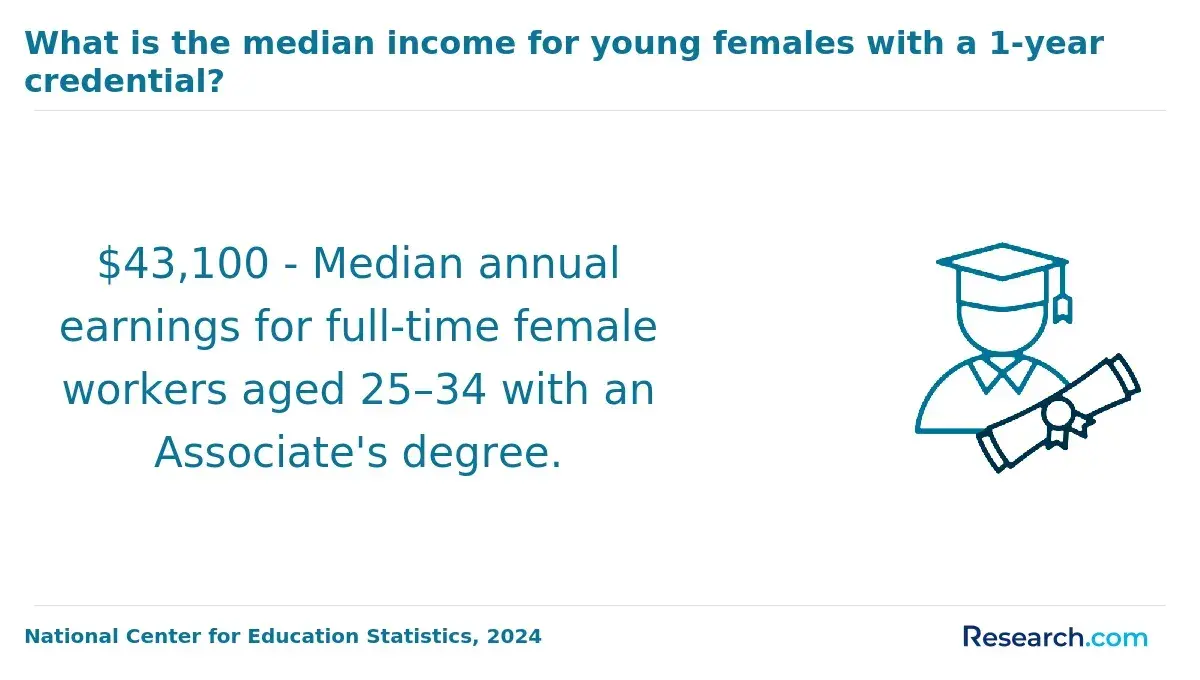
Prospective students considering a master's degree in child psychology should assess how advanced qualifications affect earning potential and career growth. Salary data reveals distinct variations by experience, education level, employment sector, and location.
The following points highlight essential factors influencing compensation for those holding a child psychology master's degree.
- Salary by Experience Level: Early-career professionals typically earn between $50,000 and $60,000 annually, while mid-level practitioners see increases up to $80,000. Senior practitioners or managers can expect salaries of $85,000 or more, reflecting accrued expertise and leadership roles.
- Wage Differences Compared to Bachelor's Graduates: On average, individuals with only a bachelor's degree in related psychology areas earn 15% to 25% less. The master's credential often opens doors to specialized clinical positions and higher-salaried roles unavailable to bachelor's holders.
- Influence of Sector: Private sector jobs and hospital positions generally provide higher pay. Public institutions and nonprofit organizations may offer lower salaries but can include benefits such as loan forgiveness and greater job stability.
- Geographic Variation: Salaries tend to be 10% to 20% higher in urban regions with higher living costs, particularly in the Northeast and West Coast. Rural or lower-cost areas often offer lower wages but may provide quicker employment opportunities.
A graduate I spoke with shared that finishing the master's program was both demanding and rewarding. Balancing coursework with practical internships required perseverance, but it significantly improved the types of roles she qualified for and her confidence in clinical settings.
Her experience underscored that beyond salary figures, the degree enhanced her professional abilities and long-term career prospects.
How Does a Child Psychology Master's Degree Impact Long-Term Career Advancement?
Career advancement opportunities following a child psychology master's degree extend well beyond an initial salary increase, influencing long-term professional growth and leadership potential. For prospective students evaluating the value of this credential, understanding its impact on promotion rates, access to senior roles, and industry reputation is essential.
The degree also plays a key role in building credibility and expanding professional networks, all crucial elements for sustained success. The following factors illustrate how this qualification shapes career trajectories:
- Promotion Opportunities: Those with a child psychology master's degree often see higher promotion rates than peers holding only bachelor's degrees. The specialized skills and knowledge gained provide a competitive advantage for supervisory and specialist roles in clinical, educational, and social service settings.
- Eligibility for Leadership Roles: This degree is frequently a requirement or preference for managerial positions in mental health organizations, schools, and nonprofit agencies, signaling readiness to oversee programs or multidisciplinary teams focused on child development and wellbeing.
- Enhanced Professional Credibility: Earning a master's degree establishes graduates as qualified experts, increasing trust among employers, colleagues, and clients, which can positively influence hiring and collaboration.
- Access to Specialized Networks: Graduate programs expand professional connections through faculty contacts, internships, and peer relationships, often leading to job opportunities, mentorship, and collaborative projects vital for career advancement.
- Industry-Specific Importance: In healthcare and educational sectors, this degree is often essential for upward mobility, while in private practice or social services it may be advantageous but not strictly mandatory. Awareness of these industry standards helps guide career planning effectively.
- Foundation for Continuing Education: Many graduates pursue doctoral degrees or certifications to specialize further and qualify for senior roles such as licensed psychologists or clinical supervisors. The master's degree lays the foundation for these advanced credentials, amplifying long-term impact on professional growth.
For those considering educational pathways, exploring accelerated programs online can also offer flexible options aligned with career objectives in child psychology.
What Is the Return on Investment (ROI) of a Child Psychology Master's Degree?
This section outlines key factors to consider when evaluating the financial and career returns of a child psychology master's degree, helping prospective students form realistic expectations about their investment and future earnings.
Important aspects include:
- Total Program Cost: This covers tuition, fees, materials, and associated expenses. Costs vary widely by institution type and enrollment status, setting the baseline for measuring investment.
- Lifetime Salary Premium: Graduates usually earn higher wages than bachelor's holders, often ranging between $50,000 and $70,000 annually depending on job role and location. This premium helps offset the initial cost of the degree.
- Payback Period: The time required to recover educational expenses through increased income typically falls between 3 to 5 years for graduates from affordable programs who secure relevant employment. Higher tuition or slower career advancement can extend this period beyond 7 years.
- Opportunity Cost: Income lost while studying full-time can significantly impact the true ROI. Factoring this in alongside tuition is crucial, and many find online ROI calculators useful for personalized assessments.
- Institution and Career Path Variation: Graduates from cost-effective public universities with strong clinical placements tend to see quicker returns. Alternatively, those pursuing research or academia might experience lower starting salaries but stronger long-term growth potential.
A graduate I spoke with shared that balancing coursework with part-time work was challenging but necessary to minimize debt. They emphasized that selecting a program with robust clinical opportunities helped secure a relevant job shortly after graduation, which positively influenced their return timeline.
Although initial earnings were modest, the experience gave them confidence and opened doors for advancement, underscoring that ROI is not only financial but also tied to career development and personal fulfillment.
What Are the Admission Requirements for a Child Psychology Master's Program?
Admission for child psychology master's programs typically involves several key criteria indicating academic readiness and dedication to the field. Below is an overview of the primary components applicants should focus on to strengthen their applications:
- Undergraduate GPA Benchmarks: Applicants usually need at least a 3.0 GPA on a 4.0 scale, with competitive programs preferring 3.5 or higher. Strong academic performance in psychology or related disciplines signals preparedness for the rigors of graduate study.
- Standardized Test Requirements: Many programs require the GRE general test, although some have waived it recently. The GRE Psychology subject test can enhance an application but is less commonly required, while the GMAT is generally irrelevant for psychology.
- Prerequisite Coursework: Foundational courses like developmental psychology, research methods, and statistics are often mandatory. Some schools expect additional classes such as abnormal psychology and biological bases of behavior to ensure sufficient background knowledge.
- Statement of Purpose: This essay allows candidates to express their motivation, career goals, and alignment with the program's focus. Effectively connecting past experiences and future objectives, especially specific interest in child psychology, can set applicants apart.
- Letters of Recommendation: Two to three letters from academic or professional references are customary. Strong endorsements from faculty or supervisors familiar with the applicant's abilities greatly enhance admission chances.
- Relevant Work or Research Experience: Practical exposure through internships, volunteer roles, or research related to child development distinguishes candidates by showing proactive engagement in the field.
- Variability Between Institutions: Top-tier programs often emphasize academic excellence and research experience, while others may weigh professional background and personal statements more heavily. Understanding these distinctions helps tailor applications effectively.
What Is the Minimum GPA Requirement for a Child Psychology Master's Program?
Admission standards for child psychology master's programs typically hinge on the minimum GPA requirement for child psychology master's program candidates, which varies significantly by institution ranking and selectivity. Generally, programs expect a minimum undergraduate GPA of around 3.0 on a 4.0 scale, but more competitive programs, especially those at higher-ranked universities, often set this bar higher at 3.5 or above.
Nevertheless, having a lower GPA doesn't automatically exclude an applicant. Many programs offer flexibility by considering other strengths such as work experience, standardized test scores, or personal statements. Below are key factors that outline how GPA thresholds operate and alternative pathways available for applicants with less-than-ideal academic records.
- Minimum GPA Thresholds: Most child psychology graduate schools require an average GPA needed for admission near 3.0, which ensures candidates have a solid academic foundation. More selective programs may demand GPAs closer to 3.5 to reflect their competitive enrollment standards.
- Compensating Factors: Applicants with GPAs below the preferred threshold can often offset this with relevant work or research experience, strong GRE scores, or compelling personal statements that demonstrate motivation and preparedness for graduate studies.
- Conditional Admission and Probation: Some institutions provide conditional admission or probationary enrollment options, allowing borderline candidates to prove their academic capabilities through initial coursework before full acceptance is granted.
- Application Strategies: Prospective students with less-than-ideal GPAs should actively pursue practical experience, volunteer roles, or research projects, and cultivate strong recommendations. These strategies can significantly enhance their applications and demonstrate potential beyond GPA alone.
For applicants evaluating program options, it's also important to consider financial factors and career outcomes. Resources listing the cheapest accredited online doctoral programs can help identify cost-effective educational paths that align with professional goals and personal finances.
Is an Online Child Psychology Master's Degree as Valuable as an In-Person Degree?
For those considering a master's degree in child psychology, understanding how employer attitudes towards online programs have transformed is essential. The pandemic accelerated acceptance of remote learning, shifting how degrees earned online are viewed alongside traditional campus-based ones.
Below are key insights on how online and in-person degrees compare in reputation, experience, and suitability.
- Employer Acceptance Has Increased Post-Pandemic: The surge in online learning made during COVID-19 reduced previous skepticism. Employers now more frequently regard accredited online programs as legitimate, particularly when offered by institutions with rigorous standards.
- Accreditation Is the Decisive Factor: Whether a degree is earned online or on campus, regional or professional accreditation weighs most heavily in employers' assessment of program quality and credibility within child psychology careers.
- Program Rigor Is Often Equivalent: Many online offerings match the academic demands, faculty expertise, and coursework of in-person degrees. Prospective students should confirm curriculum consistency and faculty qualifications rather than focusing solely on delivery format.
- Networking Opportunities Vary: Face-to-face programs facilitate spontaneous interactions and mentorship networks that can be valuable professionally. Online students must often be proactive, using virtual events or local practicum placements to build connections.
- Career Support Services Are Improving: Online learners increasingly access career counseling, internships, and job placement assistance comparable to on-campus resources. Still, some in-person programs excel in local employer engagement benefiting those targeting specific regional markets.
- Ideal Situations for Online Learning: Students balancing work, family, or geography often find online degrees offer needed flexibility without sacrificing quality. International learners especially benefit from avoiding relocation and travel expenses.
- When In-Person Study Has an Advantage: Those aiming for immersive clinical training, specialized research, or hands-on internships often gain more in physical settings. These experiences provide important practical skills and networking opportunities in child psychology.
What Jobs Can You Get With a Child Psychology Master's Degree?
For individuals pursuing a master's degree in child psychology, recognizing the variety of career opportunities and industry demands is essential to aligning education with professional goals. Certain positions mandate the degree for entry, while others value the specialization as a way to enhance earnings or responsibilities.
Emerging roles, especially in behavioral and developmental fields, offer additional pathways bolstered by certifications or evolving healthcare needs. The following outlines key roles linked to a child psychology master's and their typical employment contexts.
- Licensed Child Psychologist: This profession generally requires a master's degree paired with state licensure and sufficient supervised clinical hours. Professionals in this role work primarily in healthcare facilities, private practices, or schools, earning between $65,000 and $100,000 depending on experience and location.
- School Psychologist: Often a master's degree is the foundational qualification, complemented by state certification and expertise in educational and behavioral assessments. These specialists typically serve in public or private educational institutions with an average salary range of $70,000 to $90,000.
- Behavioral Therapist: While not always requiring licensure, this expanding sector, especially in autism spectrum disorder interventions, favors those with credentials like BCBA certifications. Salaries usually range from $50,000 to $80,000, reflecting both certification and experience.
- Child Welfare Specialist: Offering opportunities mostly within government and nonprofit organizations, this role benefits from a master's degree for career growth but does not demand licensure. Familiarity with legal and social work principles is important, with compensation typically between $45,000 and $75,000.
- Research Analyst in Developmental Psychology: Focused on research design and data analysis in academic or private sectors, this position values a master's degree alongside skills in statistics or data science. Salaries can range from $60,000 to $85,000.
- Child Life Specialist: Although certification from the Child Life Council is essential, a child psychology master's provides a solid basis for supporting hospitalized children's psychological well-being. Earnings usually fall between $45,000 and $65,000.
How Do Employers and Industries Value a Child Psychology Master's Degree?
Employers across various sectors have distinct views on the value of a child psychology master's degree, affecting hiring and promotion prospects. Knowing how different industries prioritize this credential enables prospective students to better align their career approaches and expectations.
This understanding is especially relevant when considering the current industry demand for child psychology master's graduates and long-term career impact.
- Large Corporations: These employers generally view a child psychology master's degree positively, particularly in health services, education, and human resources departments. However, leadership roles may require additional qualifications such as business or management credentials.
- Government Agencies: A master's in child psychology is often recognized as a qualifying credential for practitioner roles in mental health and social services. Doctoral degrees are typically preferred for research or policy positions, reflecting the specialized demands of government work.
- Startups: While startups in health tech or educational technology value the degree's specialized knowledge, they tend to prioritize adaptability and hands-on skills. Combining this degree with entrepreneurial or technical expertise can make candidates stand out in competitive startup environments.
- Nonprofits: Nonprofit organizations show a strong preference for master's-level qualifications in clinical and community programs. Doctorates are usually reserved for specialized or high-level leadership roles within these sectors.
- Disciplinary Variation: Child psychology master's degrees serve as terminal degrees for many clinical and counseling jobs, but fields like academic research or senior administration often require doctoral or complementary business degrees for advancement.
- Communicating Degree Value: Emphasizing practical skills, specialized knowledge, and client-centered experience is crucial. Tailoring application narratives to highlight evidence-based practice or policy competence improves the degree's perceived value across sectors.
Prospective students evaluating program costs and career outcomes may also consider related fields-such as pursuing a data science master online-to compare financial returns and job market flexibility.
Is a Child Psychology Master's Degree Worth It?
Recognizing how various employers value a master's in child psychology is crucial for students evaluating its career benefits. The degree's impact differs across organizations and professional disciplines, influencing job prospects and advancement potential.
- Employer Type Variation: Large corporations and government bodies typically regard a child psychology master's as an important credential for clinical and counseling roles, often requiring additional licensing. In contrast, startups and nonprofits emphasize hands-on experience and specific skills but still consider the degree advantageous, especially for client interaction and program oversight positions.
- Disciplinary Preferences: In clinical or school counseling settings, a master's degree serves as the primary professional qualification. Conversely, fields focused on research or leadership frequently prefer candidates with doctorates or MBAs, which can limit the master's degree's direct influence on career growth in those areas.
- Employer Sentiment Data: Surveys indicate moderate to strong employer appreciation for candidates holding a master's in child psychology, particularly when complemented by certifications or relevant internship experience. Continuous skill enhancement remains essential to distinguish applicants in competitive markets.
- Communicating Degree Value: Effectively demonstrating applied skills, clinical practicum hours, and research contributions on resumes and during interviews can significantly improve hiring outcomes. Clear articulation of how the degree benefits organizational goals or client services is especially impactful across diverse employer types.
What Graduates Say About Their Child Psychology Master's Degree
- Danielle: "Applying for admission to the child psychology master's program was both challenging and rewarding. I found that relying heavily on official academic catalogs made it easier to understand the prerequisites and structure of the program. Navigating the job market post-graduation was smoother than expected, especially after gaining insights from federal education resources on career pathways."
- Jeanette: "My experience with the child psychology master's program was deeply reflective. I often turned to accrediting agencies to ensure the program I chose upheld high educational standards, which gave me confidence in my degree's value. Securing a position in child services required persistence, but understanding the industries hiring graduates helped me tailor my applications successfully."
- Michelle: "Entering the child psychology master's program, I was enthusiastic but needed guidance on the academic requirements. Using official academic catalogs clarified the curriculum and helped me plan effectively. Post-degree, the comprehensive information from federal education resources proved vital in exploring various job opportunities available for graduates in this field."
Other Things You Should Know About Child Psychology Degrees
In 2027, a Child Psychology master's degree typically offers more comprehensive training and research experience compared to certifications, enhancing prospects in clinical or research roles. However, certifications may offer quicker, cost-effective specialization, useful for established professionals seeking supplemental expertise.
In 2027, challenges of pursuing a Child Psychology master's degree include rising tuition costs, potential student debt, and competitive job markets. Additionally, balancing academics with personal commitments can be difficult, and staying updated with evolving research and practices in psychology is crucial for success.
References
- Home https://www.husson.edu/online/blog/2025/10/types-of-child-psychology-careers
- Best Online Master’s In Psychology Programs For 2025 https://www.psychology.org/degrees/masters/
- Master’s In Child Psychology: Everything You Need To Know Before You Enroll https://www.nasdaq.com/articles/masters-in-child-psychology:-everything-you-need-to-know-before-you-enroll
- Child Development MSc https://www.ucl.ac.uk/prospective-students/graduate/taught-degrees/child-development-msc
- Why Are Online Psychology Degree Programs So Popular? | TCSPP https://www.thechicagoschool.edu/insight/career-development/online-psychology-degree-programs-popular/
- Study programme https://studyinpoland.pl/en/programme
- What Can You Do With a Master's in Psychology? https://gsep.pepperdine.edu/blog/posts/what-can-you-do-with-a-masters-in-psychology.htm
- M.S.Ed. Child Psychology https://www.duq.edu/academics/colleges-and-schools/education/programs-and-degrees/graduate-programs/child-psych/index.php