2027 Is a Health Information Management Master's Degree Worth It? ROI, Salary & Career Impact

Co-Founder and Chief Data Scientist
Many prospective students struggle to determine if investing in a health information management master's degree will yield significant returns. With the U.S. Bureau of Labor Statistics projecting a 13% growth in health information jobs from 2024 to 2034, much faster than the average for all occupations, interest in advanced qualifications is rising.
However, the average annual salary increase post-degree remains nuanced, often influenced by prior experience and employer type. This article examines salary trends, ROI calculations, and employer perceptions to provide a thorough analysis. It guides readers to assess if the degree matches their financial goals, career aspirations, and personal circumstances effectively.
Key Things to Know About the Value of Health Information Management Master's Degree
- Admission typically requires a bachelor's degree and relevant experience; programs often balance core courses with practical projects, offering flexible formats suitable for working professionals.
- Graduates report median salaries around $70,000 to $90,000, with variations depending on region, experience, and certifications enhancing earning potential.
- Long-term growth in health information management careers is strong due to increasing healthcare data needs, making ROI favorable when comparing program cost, flexibility, and institutional reputation.
How Much Does a Health Information Management Master's Degree Cost?
Estimating the total cost of a health information management master's degree is essential for students to plan their finances effectively. The field's demand is projected to grow by 8% through 2031, reflecting strong career prospects that can justify the investment in education.
Below is a detailed cost breakdown that includes tuition variations and additional expenses for benchmarking program options:
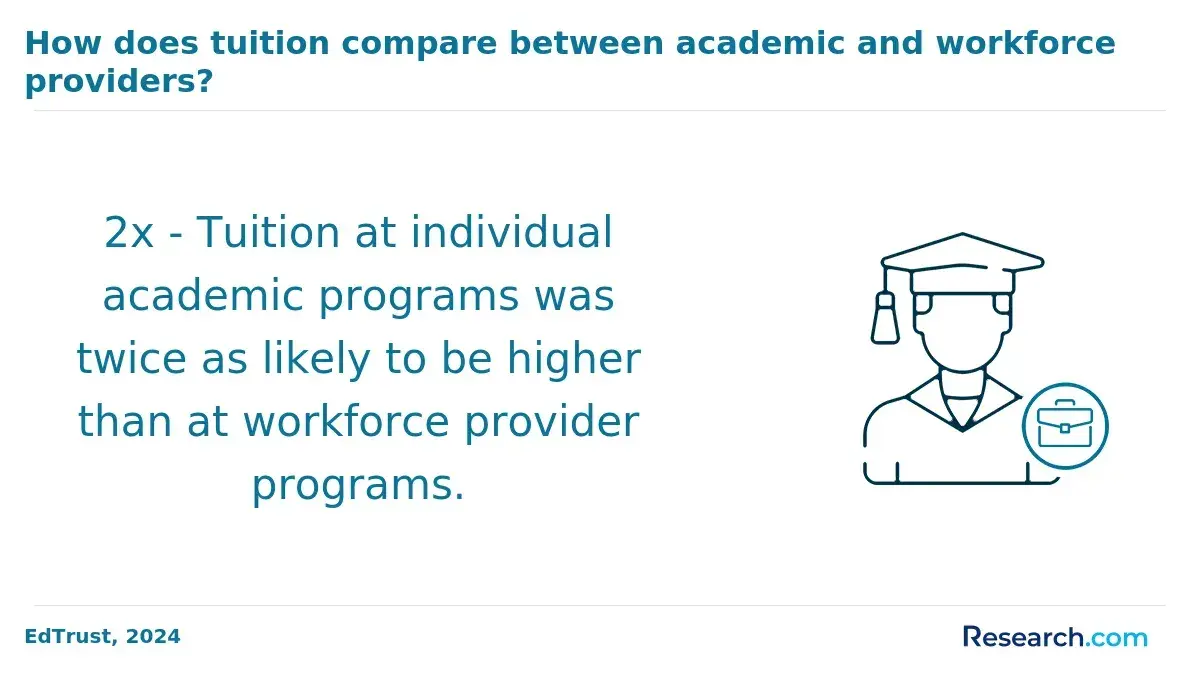
- Tuition for Public Universities: In-state tuition for health information management master's programs typically ranges from $15,000 to $30,000 for the entire degree, while out-of-state students may pay $25,000 to $50,000. Costs vary considerably by state and program duration, impacting the average tuition for health information management master's programs.
- Tuition for Private Universities: Private institutions usually charge higher fees, often between $30,000 and $70,000 total. These programs may offer more specialized coursework or smaller class sizes, but the increased tuition may require careful financial planning, especially if scholarships or aid are limited.
- Online Program Costs: Online degrees in health information management provide flexible pricing, generally ranging from $20,000 to $45,000. While they can reduce expenses like housing, students should still budget for technology fees and course materials associated with remote learning.
- Ancillary Costs: Students should anticipate spending $1,000 to $3,000 annually on textbooks and materials, plus $500 to $2,000 for technology and administrative fees. On-campus living expenses vary widely but generally add $10,000 to $20,000 per year to the overall cost.
- Program Length and Format Influence: Most health information management master's programs take 1.5 to 2 years to complete. Accelerated programs may increase per-credit costs but reduce living expenses, while part-time study lowers immediate costs but extends the total investment period.
For those interested in further advancing their career after a master's, exploring the shortest post master's DNP program may offer an efficient pathway. Careful consideration of the full cost, from tuition to living expenses, will help prospective students determine whether the health information management master's degree aligns with their financial capacity and career trajectory.
What Financial Aid and Scholarships Are Available for Health Information Management Master's Students?
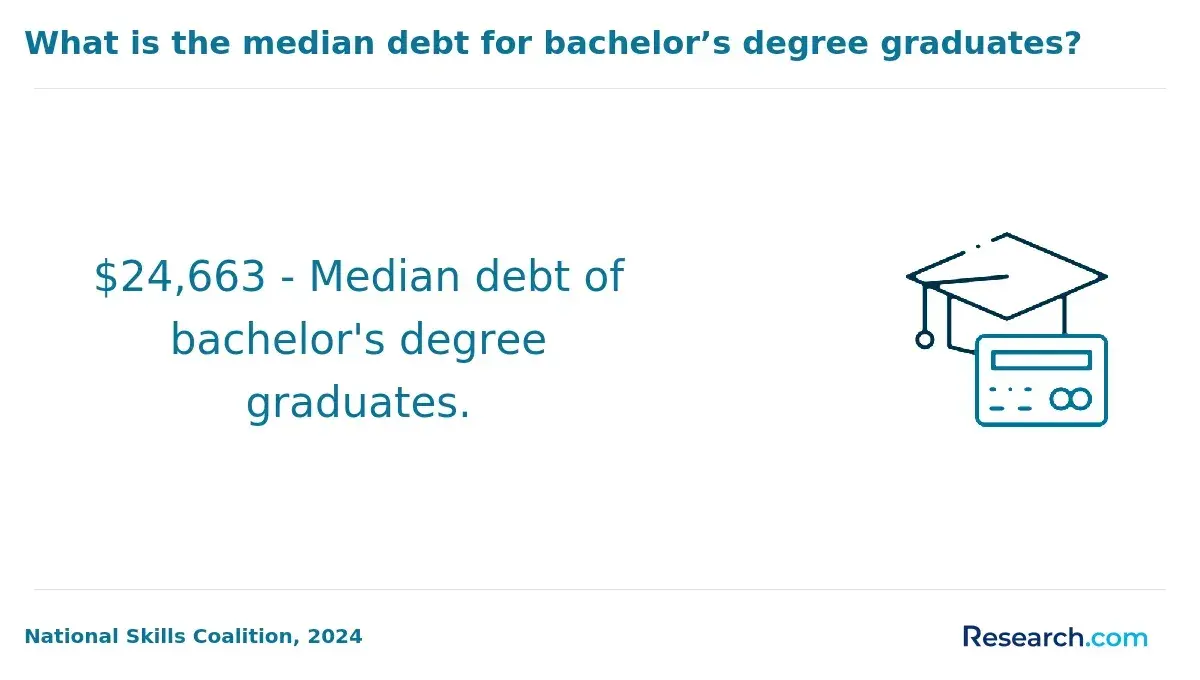
Financing a master's degree in Health Information Management is a major consideration for prospective students, especially as tuition costs continue to rise. Approximately 56% of graduate students rely on loans to support their education, underscoring the need to explore financial aid options for health information management master's students.
Below is a concise overview of key financial aid and scholarship opportunities to consider:
- Federal Graduate Loans: Graduate students can apply for subsidized and unsubsidized loans through the federal Direct Loan program. Subsidized loans have interest paid by the government during enrollment, while unsubsidized loans accrue interest immediately. Repayment typically begins six months after graduation or dropping below half-time enrollment.
- Institutional Grants and Scholarships: Many universities offer need-based or merit-based grants specifically for health information management graduate programs. Eligibility often depends on academic achievement or financial need and requires timely application and documentation.
- External Scholarships: Organizations such as the American Health Information Management Association (AHIMA) provide scholarships based on demonstrated commitment to the field. Applicants usually submit essays, transcripts, and recommendation letters to compete.
- Employer Tuition Assistance: Some healthcare employers offer tuition reimbursement programs to support continuing education, often contingent on maintaining employment. This can significantly reduce out-of-pocket expenses for working professionals.
- Scholarship Search Resources: Students should use healthcare and graduate education-focused scholarship databases to find relevant awards. Building a strong application involves highlighting academic performance, leadership roles, and clear career goals in health information management.
Those evaluating graduate education options should also consider related fields, such as a health care administration degree, for broader career pathways and financial aid opportunities.
What Is the Average Salary for Health Information Management Master's Degree Holders?
For prospective students evaluating a master's degree in health information management, salary expectations play a crucial role in assessing educational value. Earnings vary significantly depending on career stage, sector, and location.
Below are key salary trends and influencing factors for master's degree holders in this field:
- Salary by Experience Level: Those entering the workforce with a master's degree in health information management typically earn between $65,000 and $75,000 annually. Mid-level professionals can expect salaries ranging from $85,000 to $100,000, while seasoned experts frequently surpass $110,000 per year, according to Glassdoor and LinkedIn Salary data.
- Wage Premium over Bachelor's Degree: Research by the Bureau of Labor Statistics shows master's degree holders generally receive 15-25% higher pay compared to bachelor's degree holders in health information management. This premium tends to grow with experience, reflecting increased responsibility and advanced skills.
- Sector and Geographic Influence: Compensation tends to be higher in private healthcare organizations, which may also offer bonuses not common in nonprofit or public sectors. Salaries are typically more generous in metropolitan regions like California, Texas, and the Northeast, where healthcare demand and living costs are greater.
A graduate I spoke with described completing the health information management master's program as both challenging and transformative. Balancing coursework with a full-time job required persistence, but the knowledge gained opened doors to leadership positions.
"The decision to pursue this degree was tough," they shared, "but it was worth it for the career advancement and confidence it provided." Their experience highlights how a master's degree can be a strategic investment in professional growth beyond just salary figures.
How Does a Health Information Management Master's Degree Impact Long-Term Career Advancement?
For prospective students evaluating how a health information management master's degree shapes long-term career advancement, it is important to look beyond initial salary boosts. This degree not only influences promotion timelines but also enhances leadership potential and professional credibility.
Below are key factors illustrating how this advanced credential supports career growth in healthcare settings:
- Promotion Rates: Graduates with a master's degree in health information management typically move up faster than those with only undergraduate qualifications. Employers recognize the specialized expertise and dedication shown by master's holders, which often translates into earlier eligibility for senior roles.
- Leadership Roles: Many healthcare leadership and executive positions require or prefer candidates with graduate-level education. The degree prepares graduates for complex decision-making and strategic planning, making them strong candidates for managerial positions.
- Professional Credibility: Holding a master's degree boosts credibility among colleagues and supervisors, increasing influence in interdisciplinary teams and fostering opportunities to lead projects that improve patient care and data management.
- Expanded Networks: Graduate programs provide access to alumni groups and industry connections, offering mentorship and job referral opportunities crucial for sustained career advancement.
- Employer Preferences: In fields like hospital administration and healthcare consulting, a master's degree is often essential or highly valued during hiring. However, smaller organizations or entry-level roles may view it as advantageous but not mandatory.
- Continuing Education Foundation: The master's degree also serves as a stepping stone for doctoral studies or certifications such as RHIA or CHDA, which can further enhance career trajectory and salary potential.
Students seeking affordable options while planning their career growth may also explore the cheapest FNP programs as part of a broader educational investment.
What Is the Return on Investment (ROI) of a Health Information Management Master's Degree?
This section offers a clear view of the potential career and financial benefits associated with earning a health information management master's degree. It helps students estimate whether the investment will yield valuable returns over time.
Here are key points to keep in mind when evaluating the ROI of this graduate degree:
- Total Program Cost: This includes all expenses such as tuition, books, fees, and living costs. Depending on the school and program length, total costs usually range from $20,000 to more than $60,000.
- Lifetime Salary Premium: Those with a master's in health information management typically earn 20-40% more than bachelor's holders in similar fields, reflecting a substantial increase in earning potential.
- Payback Period: Usually, it takes between 3 and 7 years to recover the program costs through higher earnings, varying by job type and location.
- Best-Case Scenario: Graduates who secure leadership roles or specialized technical positions in major healthcare organizations often realize the quickest payback and may enjoy salary boosts above $20,000 annually.
- Worst-Case Scenario: Those employed in smaller organizations or lower-paying regions might face slower salary growth and extended payback periods exceeding 7 years.
- Opportunity Cost: Time spent in study means loss of full-time income, an important factor to include alongside loan interest and market conditions when calculating true ROI using online tools.
A graduate shared that while balancing coursework and a part-time job was challenging, the master's degree opened doors to managerial roles that had previously been out of reach. He noted, "The financial strain during the program was real, but knowing that my new salary would justify the effort made it easier to stay motivated." Reflecting on his journey, he emphasized that understanding the long-term benefits helped him manage short-term sacrifices with a focus on career growth.
What Are the Admission Requirements for a Health Information Management Master's Program?
Admission standards for a health information management master's degree differ among universities, involving academic achievements, required coursework, and personal statements. Applicants must focus on several essential elements to create a strong application.
Key criteria to consider include the following:
- Undergraduate GPA: A minimum GPA of around 3.0 on a 4.0 scale is typically expected. More selective institutions often demand higher GPAs, reflecting the competitive nature of their applicant pools.
- Standardized Tests: GRE or GMAT scores are sometimes mandatory, though some programs have eliminated this requirement recently. When required, competitive scores can improve application strength but are not universally necessary.
- Prerequisite Coursework: Foundational studies in biology, statistics, and information technology are common prerequisites. Candidates missing these courses may have to fulfill them before or during their graduate studies.
- Statement of Purpose: This essay plays a pivotal role in illustrating an applicant's motivation, career aspirations, and suitability for the program. A clear, focused statement helps admissions committees understand the candidate's goals and knowledge of the field.
- Letters of Recommendation: Most programs require two to three letters, preferably from academic or professional references who can validate the applicant's skills and potential contributions.
- Relevant Experience: Practical experience through work or research in healthcare or data management enhances an application. Such experience demonstrates commitment and practical understanding of industry challenges.
- Competitive Differentiators: Strong candidates combine solid academic records with relevant experience and articulate objectives. Involvement in internships, certifications, or volunteer roles related to health information systems also helps applications stand out.
What Is the Minimum GPA Requirement for a Health Information Management Master's Program?
Admissions standards for health information management master's programs vary widely, with most universities setting minimum undergraduate GPA requirements that generally range from about 3.0 to 3.5. More selective and higher-ranked programs tend to expect GPAs closer to the upper end of this range as evidence of academic readiness. However, the average GPA needed to enter health information management master's degree programs is not always a definitive cutoff.
Many schools adopt a holistic review process where a candidate's professional background, personal statement quality, and GRE scores substantially influence admission decisions. Applicants with less-than-ideal GPAs can explore conditional admission or probationary enrollment options, which allow them to demonstrate academic competence through initial coursework.
For those concerned about borderline GPAs, the following key points offer insight and practical strategies for strengthening applications.
- Typical GPA Thresholds: Most programs enforce a minimum GPA around 3.0, while top-tier schools may require closer to 3.5. These thresholds help balance access with maintaining academic standards in health information management education.
- Work Experience Compensation: Relevant healthcare or information management work experience can play a critical role in offsetting a lower GPA by showing real-world skills and dedication.
- Supplementary Materials: A compelling personal statement and strong GRE scores highlight a candidate's potential beyond academic performance and help admissions committees assess overall suitability.
- Conditional Admission Options: Some institutions offer provisional acceptance or probationary enrollment for candidates with borderline GPAs, providing a trial period to prove their academic ability via early coursework.
- Applicant Strategies: To enhance acceptance chances, applicants should seek strong recommendation letters, accumulate relevant experience, and prepare thoroughly for standardized tests.
For prospective students exploring flexible academic pathways, it is worth noting specialized programs, such as a nursing program that doesn't require TEAS, which exemplify alternative admissions models in healthcare education.
Is an Online Health Information Management Master's Degree as Valuable as an In-Person Degree?
For prospective students evaluating a master's degree in health information management, knowing how employers view online versus traditional programs is vital. This perception influences not only hiring decisions but also career growth opportunities.
The following points highlight key considerations about program quality, networking, and the circumstances favoring each format:
- Employer Acceptance Increased Post-Pandemic: The widespread adoption of remote learning during COVID-19 has shifted employer attitudes, making online degrees more widely accepted. The surge in online enrollments between 2019 and 2021 has reduced previous stigma, enhancing credibility for online credentials in the job market.
- Accreditation Remains the Primary Quality Indicator: Employers focus mainly on whether a program holds recognized accreditation, like CAHIIM, regardless of whether it's online or in-person. Accreditation ensures that the curriculum meets industry standards and signals program rigor.
- Comparable Academic Rigor and Curriculum: Accredited online programs generally follow the same course content and standards as on-campus options. Many incorporate live sessions and interactive tools to replicate classroom engagement and ensure comprehensive learning.
- Differences in Networking Opportunities: In-person students benefit from spontaneous interactions, campus events, and face-to-face connections with peers and faculty, which can ease relationship-building. However, strong online programs often provide virtual networking events and mentorship, though these require students to engage proactively.
- Career Support Services Are Generally Accessible to Both: Both formats typically offer job placement resources and internship coordination. Yet, some find that physical access to campus career centers may offer more personalized advice and local employer links.
- When Online Programs Are Advantageous: Students balancing work, family, or living far from campuses gain flexibility from online study. Additionally, international learners or those seeking affordable options often find online pathways more practical.
- When In-Person Study Offers Benefits: Those pursuing hands-on experience, direct access to healthcare facilities, or immersive campus life might prefer traditional formats. This approach can provide richer practical training and stronger professional connections.
What Jobs Can You Get With a Health Information Management Master's Degree?
For those considering advanced education in health information management, knowing which career paths most value a master's degree can influence both academic and professional decisions. Certain positions explicitly require this credential, while others benefit considerably from the advanced knowledge and skills it imparts.
Here is a detailed look at roles across healthcare and related sectors where a master's degree plays a critical role:
- Health Information Manager / Director: This role involves managing medical records and health data systems within healthcare organizations. A master's degree is often required or strongly preferred for director-level roles, which typically offer salaries between $100,000 and $120,000.
- Clinical Informatics Specialist: Specialists in this field blend healthcare expertise with IT to enhance patient care through data analytics and system improvements. Having a master's degree significantly boosts prospects, especially in institutions implementing electronic health records and AI-driven tools.
- Compliance Officer for Healthcare Facilities: Responsible for ensuring adherence to healthcare regulations, compliance officers frequently rely on a master's credential to stand out. Experience and professional certifications enhance earning potential, with salaries often surpassing $90,000.
- Health Data Scientist: This emerging role focuses on interpreting complex healthcare data to support clinical and policy decisions. While not always a formal requirement, a master's degree accelerates entry and competitiveness in this data-intensive field.
- Chief Privacy Officer (CPO): Charged with safeguarding patient privacy, CPOs benefit from a master's degree combined with certifications like CPHIMS or CHPS. Extensive experience remains vital, with compensation frequently exceeding $130,000 annually.
- Healthcare Consultant: Consultants provide strategic advice on health information systems, compliance, and technology. A master's degree is valued alongside practical healthcare experience, with incomes varying widely, often ranging from $80,000 to $150,000.
- Informatics Nurse Specialist: This position merges nursing proficiency with health information management, requiring advanced degrees and licensure. Salaries reflect the specialized intersection of clinical and informatics skills.
How Do Employers and Industries Value a Health Information Management Master's Degree?
Different employers place varying levels of importance on a health information management master's degree, influencing how graduates are valued in the workforce. Recognizing these employer perceptions helps candidates tailor their applications and prepare effectively for their career paths, especially amid evolving industry demand for health information management master's graduates.
- Large Corporations Emphasize Specialized Expertise: Major healthcare organizations and insurance firms often seek candidates with this degree due to their advanced skills in regulatory compliance, data analytics, and health informatics. This credential signals readiness for leadership roles that manage complex information systems.
- Government Agencies Value Accreditation and Compliance Knowledge: Public organizations, including health departments and regulatory bodies, regard the degree as critical evidence of mastery in healthcare policies and data governance essential for public health management.
- Startups Prioritize Practical Skill Sets: While emerging health tech companies may focus more on hands-on experience, many recognize the master's degree as proof of strong analytical and project management capabilities vital for innovation-driven environments.
- Nonprofits Focus on Mission Alignment and Data Stewardship: These organizations appreciate the degree for combining management expertise with ethical data handling, supporting effective operations in resource-limited settings.
- Disciplinary Variation Influences Credential Hierarchy: In health information management, the master's degree is often the terminal professional credential, unlike fields where a doctorate or MBA may be preferred for executive leadership roles. Understanding this helps set realistic career expectations.
- Communicating Value in Applications and Interviews: Candidates should highlight how the degree prepares them for regulatory compliance, data security, and healthcare analytics, emphasizing leadership and problem-solving skills aligned with employer priorities.
Prospective students exploring accelerated options may consider a fast-track program to enter the workforce sooner and maximize their return on investment while aligning with sector needs.
Is a Health Information Management Master's Degree Worth It?
For students considering a master's degree in health information management, understanding how diverse employers value this credential is essential for aligning educational investments with career aspirations. Different sectors weigh the degree's importance based on their operational focus and leadership needs.
- Employer Type Variability: Large corporations and government agencies often regard the master's degree as evidence of specialized knowledge, especially for advancing into management or strategic roles. Conversely, startups may prioritize hands-on experience and professional certifications above formal graduate education. Nonprofits typically value the degree when it supports compliance with regulations or enhances grant eligibility.
- Industry Survey Insights: Surveys indicate that about 65% of healthcare employers prefer candidates holding a master's in health information management for mid- to senior-level positions, mainly in data governance and health policy. Still, certain sectors place greater emphasis on certifications as opposed to academic degrees.
- Disciplinary Differences: Within health information management, the master's degree is often recognized as the highest professional qualification. However, related fields like healthcare administration tend to favor an MBA, while academic or research-oriented careers usually require doctoral-level education.
- Communicating Degree Value: Prospective candidates should clearly articulate how their advanced education enhances capabilities in data accuracy, regulatory adherence, and strategic initiatives. Demonstrating outcomes through specific projects or leadership in compliance activities makes the credential's practical benefits more tangible to employers.
What Graduates Say About Their Health Information Management Master's Degree
- Deborah: "Applying for admission to the Health information management master's program was initially overwhelming, but carefully studying the official academic catalogs helped me understand all the prerequisites clearly. The program's accreditation gave me confidence that my degree would hold value in the professional world. Today, navigating the job market feels more manageable because I know the industries actively seeking graduates like me."
- Katherine: "Reflecting on my journey through the Health information management master's program, I realize how essential it was to rely on accrediting agencies and federal education resources. They provided a roadmap for meeting degree requirements efficiently. Plus, exploring the diverse job opportunities across healthcare technology and data analytics opened new paths I hadn't considered before."
- Natalie: "When I started the Health information management master's degree, I was focused on gaining practical skills, so consulting official resources and academic catalogs was key in ensuring I was on track. The clear standards from accrediting bodies reassured me that the curriculum was top-notch. Now, stepping into the workforce, I appreciate how the program prepared me to confidently approach employers in various sectors needing skilled professionals."
Other Things You Should Know About Health Information Management Degrees
In 2027, the ROI of a Health Information Management master’s degree can be affected by challenges such as technological advancements, which require constant learning and adaptation, and industry saturation, potentially leading to fewer job opportunities. However, graduates often benefit from specialized skills, making them valuable assets in emerging health sectors.
Challenges include balancing coursework with full-time work, especially for those in healthcare jobs already. The financial investment can be significant, and ROI depends on landing roles that leverage the advanced degree. Another risk is the evolving nature of health IT and regulations, requiring continuous learning beyond the degree to stay current. Students should carefully assess their career goals and the demand in their geographic area before enrolling.
The typical duration for a health information management master's degree is about two years for full-time students. Part-time and online options may extend this to three or more years depending on course load. Some accelerated programs can be completed in 12 to 18 months, but they require a more intensive schedule. Program length varies by institution and student flexibility.
References
- Health Information Technology Degree Benefits https://www.usfhealthonline.com/resources/career/health-information-management-degree/
- Health Information Management, Master's | Coppin State University https://www.coppin.edu/academics/health-information-management-masters
- Health Informatics (MS) Program Tuition and Costs | Pitt SHRS https://www.shrs.pitt.edu/academics/him/hims/cost/
- What are the Pros and Cons to a Traditional v. Online Master's Degree in Healthcare Management? - Healthcare Management Degree Guide https://www.healthcare-management-degree.net/faq/what-are-the-pros-and-cons-to-a-traditional-v-online-masters-degree-in-healthcare-management/
- 10 Best Career Paths for Health Information Management https://potomac.edu/best-careers-health-information-management/
- Health Science Degrees Online with Financial Aid https://www.edumed.org/online-schools/health-informatics-degrees/financial-aid/
- 11 Health Informatics Careers for Master’s Graduates to Consider https://www.nec.edu/news/health-informatics-careers
- What Can I Do with a Health Information Management Degree? https://www.herzing.edu/degree/health-information-management
- What Can I Do With a Health Information Management Degree? https://an.edu/what-can-i-do-with-a-health-information-management-degree/