2027 Is a Political Psychology Master's Degree Worth It? ROI, Salary & Career Impact

Co-Founder and Chief Data Scientist
Deciding whether to pursue a political psychology master's degree can be challenging given rising tuition costs and uncertain career outcomes. Recent data show that graduates earn a median annual salary of approximately $58,000, with employment growth projected at 5% over the next decade. However, the average student debt load for master's graduates in this field can exceed $40,000, raising concerns about return on investment (ROI). This article analyzes salary trends, admission requirements, and job market demand specific to political psychology. It offers a detailed framework to help prospective students weigh financial and professional benefits against costs, aiding in a strategic enrollment decision.
Key Things to Know About the Value of Political Psychology Master's Degree
- Admission typically requires a bachelor's degree and foundational coursework; programs often blend research methods with applied political and psychological theory over 1-2 years, focusing on flexible formats for diverse students.
- Graduates' median salaries range from $55,000 to $75,000, influenced by sector and location, with higher earnings possible in policy analysis, consulting, or academic research roles.
- Long-term growth depends on experience and advanced roles, making it essential to weigh program cost, reputation, and flexibility against projected ROI and career goals.
How Much Does a Political Psychology Master's Degree Cost?
For prospective students assessing the financial commitment of a political psychology master's degree, understanding typical tuition and associated costs is crucial. Demand for social science professionals is expected to drive a salary growth of about 5% over the next decade, influencing long-term return on investment for graduates. Below is a detailed breakdown of average tuition fees and related expenses to help benchmark options.
- Public Universities (In-State): Tuition for full-time political psychology master's students at public institutions generally ranges from $8,000 to $15,000 annually, making it the most affordable option for residents. Additional fees for technology and student services may apply.
- Public Universities (Out-of-State): Out-of-state tuition is higher, typically between $15,000 and $30,000 per year, increasing overall costs, though some states have reciprocal agreements that can reduce these fees.
- Private Universities: Private colleges usually charge $25,000 to $50,000 annually for political psychology graduate programs. On top of tuition, students should budget $1,000 to $2,000 yearly for textbooks and technology fees.
- Online Programs: Online political psychology master's degrees vary widely in cost, ranging from $10,000 to $35,000 for the full program. While tuition may be lower, expenses related to technology and limited campus resources are considerations.
- Housing and Living Expenses: Students can expect housing costs around $12,000 to $18,000 per year, depending on location. Living expenses like food and transportation add an estimated $8,000 to $12,000 annually.
- Program Length and Format: Most programs last two years, but accelerated options can shorten this to one year, influencing total cost. Part-time and online formats offer flexibility but may extend duration, increasing living expenses.
When evaluating the cost of a political psychology master's degree in the US, it's important to consider how tuition fees compare among public, private, and online programs alongside ancillary costs. Comprehensive financial planning includes these variables plus expected salary outcomes. For students interested in comparing similar interdisciplinary degrees, resources like the best online masters in ai offer additional perspectives on affordability and return on education in related fields.
What Financial Aid and Scholarships Are Available for Political Psychology Master's Students?
Graduate education costs continue to rise, with the average debt for a master's degree exceeding $66,000, making financial aid options essential for political psychology master's students. Knowing how to secure funding through scholarships and grants for political psychology graduate students reduces financial stress and improves access to quality programs. Below are key sources and strategies to consider.
- Federal Loans: Graduate students can apply for subsidized and unsubsidized federal loans. Subsidized loans do not accrue interest during enrollment, while unsubsidized loans start accruing immediately. Repayment usually begins six months after graduation or dropping below half-time status.
- Institutional Grants: Many universities offer need-based or merit-based grants targeted at political psychology or related social sciences programs. These grants do not require repayment and are typically available through financial aid offices or academic departments.
- External Scholarships: Organizations like the American Psychological Association or the Society for Political Methodology provide scholarships that reward academic excellence and research commitment in political psychology.
- Discipline-Specific Searches: Prospective students should utilize scholarship databases such as Fastweb or the College Board's Scholarship Search, using keywords related to political psychology, social sciences, or behavioral studies to locate relevant funding.
- Application Competitiveness: Competitive applications often include a strong GPA, solid letters of recommendation, and a clear research focus in political psychology, improving chances to receive institutional grants and external scholarships.
For those considering various paths, exploring easy online degrees might also complement political psychology studies or provide alternative funding options.
What Is the Average Salary for Political Psychology Master's Degree Holders?
Prospective students considering a political psychology master's degree often weigh potential earnings alongside career goals. Salary levels vary based on experience, sector, and location, affecting the overall value of this advanced qualification. The following points summarize recent findings from credible labor and salary data sources.
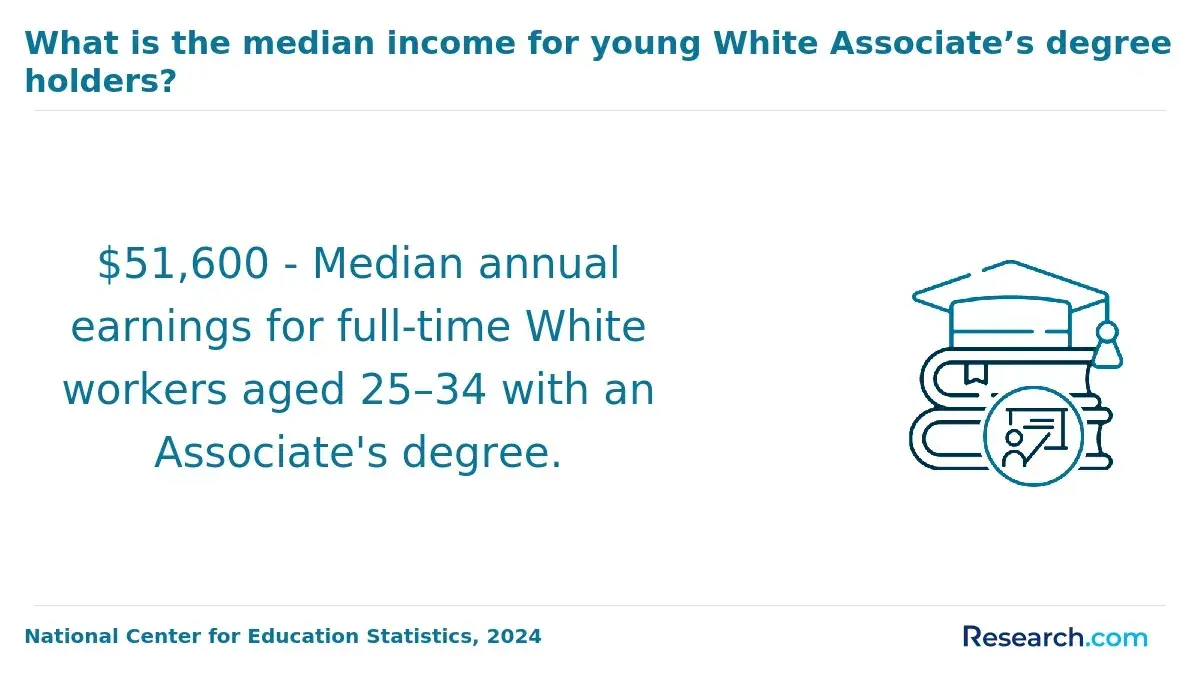
- Salary by Experience Level: Entry-level graduates typically earn between $55,000 and $70,000 annually, with mid-career professionals moving into the $75,000 to $90,000 range. Seasoned experts can expect salaries from $95,000 up to $120,000 or more, reflecting their accumulated knowledge and leadership roles.
- Wage Advantage Over Bachelor's Degree Holders: Individuals holding only a bachelor's degree in related fields generally earn 15% to 25% less than those with a master's, demonstrating the financial benefit of graduate education.
- Sector-Based Salary Differences: The private sector, especially consulting and research organizations, usually offers higher compensation. In contrast, public and nonprofit positions generally provide lower salaries but may include benefits like job security and mission-focused work.
- Regional Pay Variations: Earnings are typically highest in metropolitan hubs such as Washington D.C., New York, and San Francisco, where demand for political psychology expertise is strong in policy and advocacy roles.
A graduate of a political psychology master's degree program shared that navigating the job market post-graduation was challenging but rewarding. They emphasized that the degree opened doors to specialized roles requiring nuanced understanding of political behavior, something their bachelor's did not fully prepare them for. Although balancing coursework with work was demanding, the deeper insights gained helped accelerate career advancement and salary growth in ways they hadn't anticipated initially.
How Does a Political Psychology Master's Degree Impact Long-Term Career Advancement?
For those considering a political psychology master's degree, evaluating how the credential influences long-term career growth opportunities in the United States is crucial. Beyond the initial salary bump, this degree shapes promotion rates, leadership prospects, and access to senior roles, making it a significant factor in professional advancement. Key elements contributing to this development include:
- Promotion Rates: Graduates with a political psychology master's typically experience faster promotions than peers without advanced degrees. Their specialized skills in analysis and strategy make them preferred candidates for upward mobility within organizations.
- Leadership Opportunities: The interdisciplinary training equips graduates with critical thinking and communication skills essential for leadership. Many find roles in government, policy analysis, or nonprofit sectors where such expertise is highly valued.
- Professional Credibility: Holding this degree enhances one's reputation among colleagues and supervisors, increasing influence in decision-making processes. It reflects a serious commitment to understanding political behavior, which employers often recognize.
- Expanded Networks: Graduate programs foster relationships with faculty, alumni, and industry professionals, which are vital for accessing exclusive job openings and collaborative projects. Strong networks accelerate career growth and leadership chances.
- Industry-Specific Value: The degree is essential for fields such as intelligence analysis, political consulting, and academic research, while being advantageous but not mandatory in areas like corporate communications and public relations.
- Further Education and Certifications: Many graduates enhance their credentials by pursuing doctoral studies or professional certifications. This advanced preparation broadens opportunities, especially for leadership within academia or specialized policy roles.
The political psychology master's credential also aligns with trends seen among the most lucrative college degrees, reflecting strong return on investment and career trajectory. Considering these factors helps prospective students weigh the program's benefits relative to their goals and financial capacity.
What Is the Return on Investment (ROI) of a Political Psychology Master's Degree?
Prospective students aiming for a political psychology master's degree can gain valuable insight into the career and financial outcomes by evaluating the return on investment (ROI). This evaluation balances the costs incurred against potential lifelong earnings to determine if the degree is worthwhile.
The main factors to consider regarding ROI include:
- Total Program Cost: This encompasses tuition, fees, textbooks, and living expenses, which differ significantly between public and private institutions. Lower overall costs tend to enhance ROI, but additional costs like relocation should also be considered.
- Lifetime Salary Premium: Graduates often earn 10-30% more than those with only a bachelor's degree, though the premium varies based on occupation and geographic location.
- Payback Period: It generally takes three to seven years to recover the degree's cost through increased earnings, with quicker recoupment possible in fields like policy analysis or consulting.
- Opportunity Cost: Income forgone during full-time study impacts ROI substantially. Prospective students should include this lost earning potential and the time value of money in their calculations.
- Best-Case vs. Worst-Case Scenarios: Graduates from affordable programs entering well-paid roles in government or research may see strong returns. Conversely, those facing expensive tuition and limited job opportunities might experience minimal or negative ROI.
- Use of ROI Calculators: Online tools enable personalized assessments by considering tuition, scholarships, part-time options, and salary projections to refine ROI estimates.
One graduate shared that choosing political psychology was daunting financially but ultimately rewarding. "I constantly worried about tuition and lost income while studying full-time, but having clear salary expectations helped me stay focused." They found online ROI calculators particularly helpful for planning finances. The graduate emphasized that, although the payback wasn't immediate, the degree opened doors in policy research roles that felt otherwise out of reach, making the initial sacrifice worthwhile.
What Are the Admission Requirements for a Political Psychology Master's Program?
Admission into master's programs in political psychology involves a combination of academic records, test results, and personal qualifications. Applicants should carefully consider how each element contributes to building a compelling profile. The following key points outline typical expectations and strategies for standing out in the selection process.
- Undergraduate GPA Benchmarks: A minimum GPA of about 3.0 on a 4.0 scale is commonly required, while more competitive programs often seek GPAs of 3.5 or higher. This benchmark reflects the applicant's readiness for rigorous graduate study.
- Standardized Test Requirements: Some programs ask for GRE scores, particularly emphasizing the verbal and analytical writing sections; however, many have made these optional. The GMAT is seldom relevant for political psychology admissions. Scores above 155 on the verbal GRE section can give applicants an edge.
- Prerequisite Coursework: Foundational courses in psychology, political science, or social sciences are expected, including research methods, statistics, and introductory theory. These ensure incoming students have the necessary academic background.
- Statement of Purpose: This essay is crucial for conveying the applicant's objectives, motivation, and fit with the program. Clear articulation of how political psychology aligns with career goals and research interests enhances admission chances.
- Letters of Recommendation: Typically, 2-3 strong endorsements from academic or professional contacts familiar with the candidate's skills are required. These references should highlight intellectual ability and potential for graduate success.
- Relevant Work or Research Experience: Experience in research settings, internships, or policy-related roles can demonstrate practical skills and commitment to the field, strengthening the application.
- Variations by Program Selectivity: Top-tier schools often have stricter requirements and expect evidence of research aptitude, while less selective programs might place greater value on professional experience and a broader academic background.
What Is the Minimum GPA Requirement for a Political Psychology Master's Program?
The minimum GPA requirement for a political psychology master's program can vary significantly depending on the ranking and selectivity of the institution. Most programs expect a minimum undergraduate GPA between 3.0 and 3.5 on a 4.0 scale. While top-tier universities often set higher benchmarks to reflect their competitiveness, less selective programs may admit candidates with slightly lower GPAs.
Importantly, a low undergraduate GPA does not automatically exclude applicants, especially if other parts of the application demonstrate strong potential. Applicants can sometimes offset a weaker GPA with relevant professional experience, a compelling personal statement, or a strong GRE score.
Moreover, some schools offer conditional admission or probationary enrollment to borderline candidates, giving them a chance to showcase their academic readiness during the early stages of the program. For those with suboptimal GPAs looking to improve their chances of acceptance, a variety of strategies exist. Below are key considerations for applicants navigating GPA requirements in political psychology master's programs:
- Typical GPA Ranges: Most programs require a minimum GPA between 3.0 and 3.5, with more competitive schools demanding higher scores reflecting program selectivity. These thresholds aim to ensure candidates have a foundational academic ability to succeed.
- Alternative Qualifications: Strong work experience, personal statements, and GRE scores can effectively compensate for lower GPAs by demonstrating readiness, motivation, and relevant skills that go beyond grades.
- Conditional Admission Options: Some institutions allow admission on probationary terms, requiring students to maintain good academic standing early in the program to continue enrollment, providing a practical route for those near the cutoff.
- Improvement Strategies: Applicants can enhance their profiles by retaking relevant courses, gaining research or professional experience related to political psychology, and carefully refining application materials to highlight their strengths.
- Program Flexibility: Policies differ widely between programs, so direct communication with admissions offices is critical. Prospective students should inquire about options to address borderline academic records.
Applicants wanting to better understand how a political psychology master's degree fits their goals should also consider exploring pathways such as an online PhD leadership program. This can provide additional context on financial and professional returns when comparing graduate education options.
Is an Online Political Psychology Master's Degree as Valuable as an In-Person Degree?
For those considering a master's degree in political psychology, knowing how employers and the academic world view online versus in-person programs is essential for making an informed choice. Since the COVID-19 pandemic, the acceptance of remote learning has shifted dramatically, affecting how credentials are valued across industries. The following points highlight key aspects that influence this perception and what they mean for your decision.
- Employer Acceptance Has Grown Substantially: Pandemic-driven remote education normalized online degrees, reducing previous employer doubts. A recent survey indicates that over three-quarters of employers now regard accredited online political psychology master's programs as equally credible compared to traditional campus degrees.
- Accreditation Remains the Key Quality Indicator: Employers prioritize proper accreditation above all else. Online programs that meet these standards maintain comparable academic rigor and legitimacy, ensuring the credential is respected in the job market regardless of delivery method.
- Networking Differs in Format: Face-to-face interactions, campus events, and direct faculty contact typically enhance networking in residential settings. However, many online programs have developed virtual networking tools, including forums and mentorship opportunities, to foster connections despite the distance.
- Career Support Services Vary: On-campus students may benefit from direct access to career offices and counseling, while online learners often receive tailored digital resources such as remote workshops and specialized alumni networks designed to support flexible schedules.
- Online Degrees Offer Flexibility for Specific Needs: Working professionals, international students, and those balancing personal commitments often find online formats more accommodating without compromising educational standards, making them a practical option under these conditions.
- In-Person Programs Can Provide an Advantage for Hands-On Experience: For those focused on intensive research, internships, or policy fieldwork, in-person attendance frequently grants better access to experiential learning and closer faculty mentorship essential to these pursuits.
What Jobs Can You Get With a Political Psychology Master's Degree?
For prospective master's students in political psychology, knowing which career paths value or require this advanced degree is essential for aligning education with job market realities. Different roles and industries offer varying returns on investment, shaped by demand, experience, and specialized skills. Below is an analysis of prominent job titles, highlighting those mandating the degree and others where it serves as a competitive asset.
- Political Analyst: Often employed by governmental bodies, research organizations, or consultancies, political analysts interpret political data and public behavior patterns. A master's degree is typically required, with additional expertise in data analytics and policy evaluation enhancing salary prospects, usually ranging from $65,000 to $110,000 annually.
- Policy Advisor: These professionals guide public policy development in government or nonprofit sectors. While a master's is preferred rather than strictly required, those with the degree tend to command higher pay, with salaries exceeding $90,000 and senior-level roles potentially earning upward of $130,000.
- Behavioral Scientist: Specializing in voter behavior and social dynamics, behavioral scientists apply psychological frameworks primarily within private industry. Holding a master's degree boosts hiring appeal, with compensation spanning $70,000 to $120,000 based on sector and experience.
- Social Science Researcher: Mostly situated in academic or institutional research settings, these roles demand strong investigative skills and often require at least a master's qualification. Earnings typically fall between $60,000 and $100,000, with grant-writing capabilities helping to increase income.
- Human Factors Specialist: An emerging area where political psychology intersects with technology and user experience, particularly in defense and cybersecurity. Master's-level training is highly valued, resulting in average salaries of $80,000 to $120,000 in this niche.
- Consultant in Political Campaigns: Consultants leverage political psychology insights to optimize campaign messaging and voter targeting. Although earnings vary widely, top consultants with a master's degree can earn $100,000 or more, especially during election periods.
How Do Employers and Industries Value a Political Psychology Master's Degree?
Employer perceptions of political psychology master's degree value significantly shape career pathways for graduates. Recognizing how various sectors view the degree helps prospective students align their education with industry demand for political psychology master's graduates and maximize professional opportunities.
- Large Corporations: These employers value interdisciplinary skills like data analysis and strategic thinking linked to political psychology. While the degree is respected, many corporations prefer candidates with MBAs or PhDs for senior roles, seeing the political psychology master's mostly as a complementary credential.
- Government Agencies: Considered a relevant terminal degree by many public policy and research bodies, the master's is often sufficient for entry and mid-level positions, especially those focused on social behavior, public opinion, or security.
- Startups and Tech Firms: Startups may prioritize practical skills and experience over formal degrees. Applicants with political psychology master's are advised to highlight applied projects or internships demonstrating real-world analytical capabilities.
- Nonprofits and Advocacy Groups: These employers frequently regard the degree as preferred for roles involving population research and program impact, particularly when paired with communication and community engagement skills.
- Disciplinary Variation: In academia and advanced research, doctorates remain preferred, while in applied policy and consulting, the master's degree serves as the practical terminal credential, supporting direct workforce readiness.
- Communicating Degree Value: Candidates should emphasize insights into human behavior and decision-making, tailoring applications to link academic theory to measurable outcomes. Using data-driven examples enhances how employers perceive the degree's benefits.
For those evaluating program options, especially considering cost and career fit, exploring the best online mft programs can provide comparative insights into credential value and duration.
Is a Political Psychology Master's Degree Worth It?
For those considering a master's degree in political psychology, understanding how various employers value this credential can shape career planning and job search strategies. Different sectors prioritize skills and qualifications differently, affecting the degree's impact on hiring and advancement opportunities.
- Employer Variation in Value: Large corporations typically favor candidates with substantial hands-on experience, seeing the political psychology master's as advantageous though not always a necessity. Government organizations often regard this degree as important for analytical and policy-related roles, frequently requiring advanced degrees for career progression.
- Startups and Nonprofits: These sectors prioritize flexibility and relevant experience over formal education. While holding a master's can boost credibility, startups especially value entrepreneurial skills and innovative problem-solving abilities.
- Disciplinary Differences: In applied social sciences, a political psychology master's often serves as the terminal professional qualification. However, academia and research-driven careers usually favor doctorate degrees, whereas business leadership roles may look for an MBA.
- Communicating Degree Value: Applicants should emphasize their interdisciplinary training, research expertise, and practical experience applying political psychology concepts. Framing the degree's relevance to addressing complex, real-world problems enhances its appeal to employers.
- Industry Survey Data: Current studies reveal a moderate to strong appreciation from employers in policy-focused fields for specialized master's credentials, especially when combined with internships or certifications that demonstrate applied skills.
What Graduates Say About Their Political Psychology Master's Degree
- Aries: "Applying for admission to the political psychology master's program was both exciting and demanding. I found that carefully reviewing official academic catalogs helped me set clear expectations for the coursework ahead. Navigating the job landscape post-graduation highlighted how versatile this degree is, opening doors in both government agencies and private research firms."
- Massimo: "Reflecting on my journey through the political psychology program, I realize the crucial role that accrediting agencies played in assuring the quality of my education. Job opportunities in think tanks and policy analysis required me to leverage the knowledge I gained, but also to be proactive in networking. When I first applied, I underestimated how important it was to understand the degree requirements fully, so I made extensive use of federal education resources to avoid pitfalls."
- Glenn: "The process of applying to the political psychology master's program felt like a gateway to a world I was eager to explore, yet challenging. I relied heavily on official academic catalogs to stay on track with course selections and mandatory credits. Post-graduation, I encountered a competitive job market, but that challenge pushed me to discover roles in media consultancy and nonprofit advocacy that value the critical thinking skills this program nurtured."
Other Things You Should Know About Political Psychology Degrees
The top political psychology master's programs in the United States are often offered by universities with strong departments in psychology, political science, or interdisciplinary social sciences. Schools such as Georgetown University, George Washington University, and the University of Michigan are noted for their robust offerings in political psychology. These programs combine rigorous research training with practical applications in areas like public opinion, political behavior, and conflict resolution, providing students with a well-rounded education suitable for academic or applied careers.
One of the main challenges in pursuing a political psychology master's degree is its interdisciplinary nature, which requires proficiency in both social science theory and quantitative research methods. Students may find the balance demanding if their background lacks either component. Additionally, career paths may be diverse but not always clearly defined, which can pose a risk for graduates uncertain about their professional direction. Financial investment and the opportunity cost of time spent in study are also important considerations.
In 2027, a Political Psychology Master's degree offers in-depth knowledge, fostering critical thinking and analysis skills unavailable from certifications. Though typically costlier and more time-consuming, the degree often leads to greater career advancement opportunities, especially for roles in research or academia.
References
- Region Selector - AUBG https://www.aubg.edu/aubg-today/what-to-do-with-a-major-in-psychology-job-outlook-and-career-pathways/
- Return on Investment https://psych.csuci.edu/students/graduateschoolguide/return-on-investment.htm
- 16 master Scholarships in political science https://www.applykite.com/search/scholarships/master/all/political-science
- MA Political Psychology - Political Psychology Degree | University of Essex https://www.essex.ac.uk/courses/pg01517/1/ma-political-psychology
- Political Science Master's Degree Program (MA) | Graduate Admissions - Apply Here - Concordia University https://www.concordia.ca/academics/graduate/political-science-ma.html
- 4 Political Psychology jobs - Academic Positions https://academicpositions.co.uk/jobs/field/political-psychology
- What are Career Options With a Political Psychology Degree? https://www.psychologyschoolguide.net/guides/career-options-with-a-degree-in-political-psychology/
- Scholarships and financial aid for students - SWPS University https://english.swps.pl/programs/apply-for-scholarships/scholarships-financial-aid
- University of Warsaw https://study.gov.pl/university-warsaw-11
- Tuition Fee and Financial Aid https://politicalscience.ceu.edu/financial-aid