2027 Is an Early Childhood Education Master's Degree Worth It? ROI, Salary & Career Impact

Co-Founder and Chief Data Scientist
Many prospective students struggle to assess whether a master's degree in early childhood education offers a viable return on investment. The field's median annual wage stands at approximately $50,000, with advanced degrees typically yielding salary increases of 10-15%. However, rising tuition costs and variation in program quality complicate the decision. Furthermore, workforce data reveal a 5% projected employment growth through 2032, highlighting demand but also competition.
This article analyzes salary trends, program expenses, and career outcomes connected to early childhood education master's degrees. Readers will gain evidence-based insights to evaluate financial benefits, career impact, and alignment with personal goals effectively.
Key Things to Know About the Value of Early Childhood Education Master's Degree
- Admission typically requires a bachelor's in education or a related field; programs range from 1 to 3 years with options for part-time or online study to accommodate diverse schedules.
- Graduates can expect median salaries around $50,000-$60,000, with growth prospects in administrative or specialized instructional roles boosting earning potential.
- Comparing cost, program flexibility, and reputation is crucial for ROI; advanced credentials often lead to higher salaries and leadership roles within early childhood education settings.
How Much Does a Early Childhood Education Master's Degree Cost?
Prospective students considering an early childhood education master's degree need to carefully evaluate the financial commitment alongside expected career benefits. The Bureau of Labor Statistics projects a steady demand growth of about 2% annually for education specialists, making thorough financial planning essential.
Below is a detailed breakdown of average graduate program expenses in early childhood education to help gauge typical costs:
- Public University In-State Tuition: Tuition generally ranges from $8,000 to $15,000 per year. For a typical two-year program, total tuition costs fall between $16,000 and $30,000, with additional fees such as technology and laboratory expenses adding $500 to $1,000 annually.
- Public University Out-of-State Tuition: Out-of-state students usually pay between $15,000 and $30,000 per year. This leads to total tuition costs between $30,000 and $60,000. Students should also consider out-of-state fees and residency requirements when budgeting.
- Private University Tuition: Private institutions typically charge $20,000 to $40,000 annually, with total program costs ranging from $40,000 to $80,000. Additional expenses include textbooks, which can total between $1,000 and $2,000, plus technology fees.
- Online Program Costs: Online master's programs in early childhood education often cost between $10,000 and $35,000 for the entire degree. These options tend to reduce living and housing expenses but may require an investment in reliable technology and stable internet access.
- Living Expenses: Housing, meals, and transportation costs vary widely by location, often adding $12,000 to $20,000 annually. Urban areas typically have higher costs compared to rural settings.
- Program Length and Format Impact: Most programs last two years full-time, but accelerated or part-time schedules can affect total costs. Online formats can reduce commuting and housing expenses, though technology fees might be higher. For prospective students also exploring post-master's pathways, investigating options like online PhD programs may offer further career advancement.
What Financial Aid and Scholarships Are Available for Early Childhood Education Master's Students?
Securing financial aid is a key step for those exploring financial aid options for early childhood education master's programs, where up to 85% of graduate students receive support to offset costs. Knowing the distinctions among available funding types and how to build strong scholarship applications can improve access to valuable resources.
Below is a concise overview of major aid categories tailored to early childhood education graduate students:
- Federal Loans for Early Childhood Education: Graduate students may qualify for subsidized and unsubsidized federal loans, with subsidized loans offering a grace period with no interest accrual during enrollment. Repayment typically begins six months after graduation or if enrollment falls below half-time status.
- Institutional Grants and Fellowships: Many universities provide grants or fellowships based on merit or financial need, often requiring proof of academic excellence or research engagement. These awards do not require repayment and support students' academic pursuits in early childhood education.
- External Scholarships for Early Childhood Education: Organizations such as the National Association for the Education of Young Children (NAEYC) offer discipline-specific scholarships. Eligibility usually demands enrollment in accredited programs and dedication to the field, with deadlines varying yearly.
- State Aid Programs: Certain states implement scholarships or loan forgiveness targeting educators who serve in high-need or underserved communities, aiming to boost retention in early childhood education settings.
- Building Competitive Scholarship Applications: Applicants improve their chances by submitting strong personal statements, recommendation letters, and evidence of relevant experience. Researching deadlines and tailoring each application is essential.
For students considering related fields, resources such as a social work accelerated program may offer alternative pathways. Thoughtful planning around scholarships and grants for early childhood education graduate students enhances financial feasibility and academic success.
What Is the Average Salary for Early Childhood Education Master's Degree Holders?
For those considering a master's degree in early childhood education, understanding salary expectations is vital for assessing the potential return on investment. The following points outline key earning patterns based on experience, qualifications, and employment context.
- Salary Progression by Experience: Early childhood educators with a master's often start with annual salaries ranging from $45,000 to $55,000. Mid-level professionals typically earn between $60,000 and $75,000, while seasoned educators and administrators may exceed $80,000 to $90,000 per year.
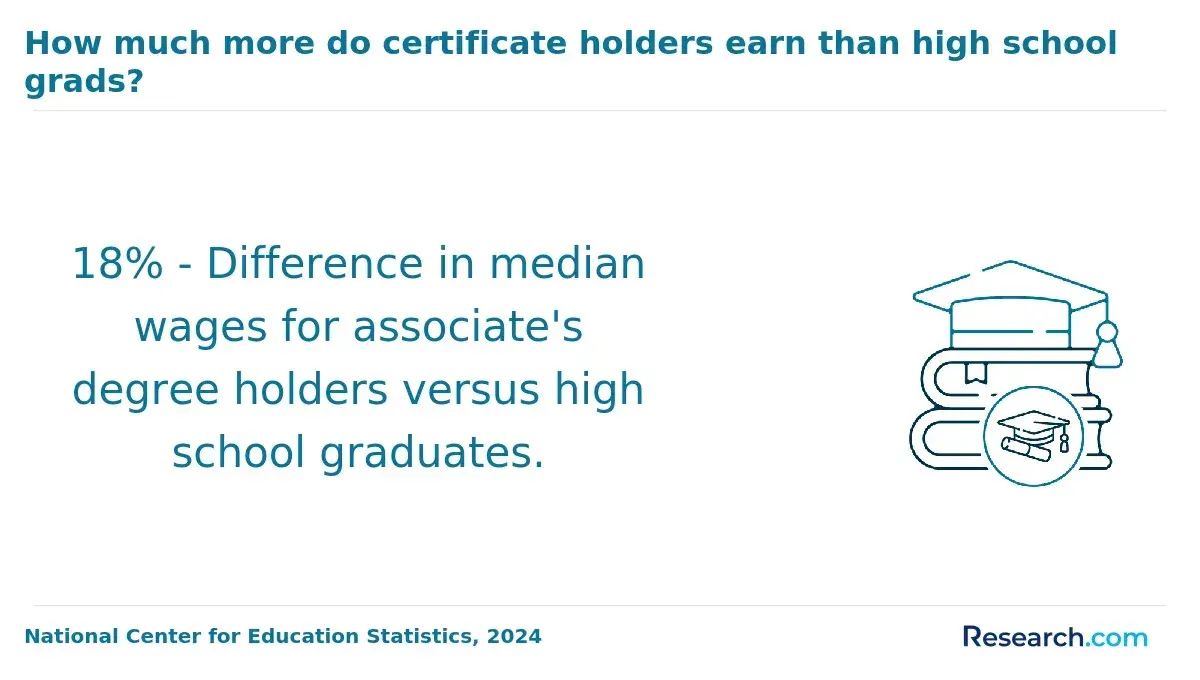
- Wage Premium Compared to Bachelor's Holders: Master's degree holders generally command 15-25% higher pay than those holding only a bachelor's degree, reflecting the value of advanced credentials for leadership and specialized roles.
- Impact of Sector on Earnings: Public school districts and government roles usually offer higher salaries and more consistent growth than private childcare centers or nonprofit organizations, which tend to pay less.
- Regional Salary Differences: Urban areas and states with higher living costs, such as California and New York, provide more competitive compensation, while rural or lower-cost regions offer comparatively modest wages.
One graduate of an early childhood education master's program shared that balancing coursework with work and family was challenging but ultimately rewarding. They noted that earning the degree opened doors to leadership positions that were previously unattainable and led to a noticeable salary increase. Although the program demanded significant time and financial commitment, the practical skills and recognition gained helped advance their career in ways that a bachelor's alone had not.
How Does a Early Childhood Education Master's Degree Impact Long-Term Career Advancement?
For those considering an early childhood education master's degree, understanding how it influences long-term career growth is vital. Beyond the initial salary increase, this credential can significantly enhance promotion potential and open pathways to leadership roles.
Below are several key factors that demonstrate the degree's impact on career trajectories over time:
- Promotion Rates: Earning a master's degree often correlates with faster promotions. Employers view advanced education as proof of expertise and dedication, making graduates more competitive for management or specialized roles in early childhood education settings, which supports long-term career growth with early childhood education master's.
- Leadership Opportunities: Graduates frequently access leadership roles such as program directors, curriculum coordinators, or administrative positions. These roles require skills developed in master's programs, including educational theory and organizational management.
- Professional Credibility: A master's degree enhances credibility among colleagues and stakeholders, resulting in greater influence within institutions and the education community. This credibility also aids in advocacy and grant acquisition efforts.
- Expanded Networks: Graduate programs provide connections with peers, faculty, and industry leaders, creating a valuable support system and potential job leads or collaborations beyond graduation.
- Employer Preferences: Public institutions and large nonprofits often require a master's for career advancement, while some private or smaller programs consider it advantageous but not mandatory.
- Industry Variation: In school districts and government agencies, a master's is often essential for senior roles, whereas daycare centers or private preschools may view it as beneficial but not critical.
- Continuing Education Pathways: Many graduates pursue doctoral studies or professional certifications after their master's to specialize further or qualify for top leadership roles, building on this foundational knowledge. For those evaluating affordability and program options, exploring online business degree programs accredited can provide insight into accessible educational paths.
What Is the Return on Investment (ROI) of a Early Childhood Education Master's Degree?
This section offers insight into the financial and career outcomes that early childhood education master's degree graduates might anticipate. It highlights factors influencing the return on investment (ROI) and provides a framework for assessing whether the degree meets one's professional and economic goals.
Consider the following key points when evaluating ROI:
- Total Program Cost: This includes tuition, fees, and learning materials. Costs differ notably between public and private schools, with public options generally being more affordable, affecting the initial financial burden.
- Lifetime Salary Premium: Obtaining a master's degree often results in higher earnings compared to a bachelor's, though salary gains vary widely depending on job role and location. Preschool and childcare directors earn median salaries ranging from about $40,000 to $70,000.
- Best-Case ROI Scenario: Graduates who advance to leadership or specialty roles may recover their educational expenses within 5 to 7 years, benefiting from increased income and greater long-term financial rewards.
- Worst-Case ROI Scenario: Those who continue in standard teaching roles or work in less funded regions might experience slower payback periods extending beyond 10 years, with smaller salary improvements limiting ROI.
- Payback Period: Typically ranges from 6 to 8 years, representing how long it takes for elevated earnings to offset the degree cost, but this depends on local factors and career progression.
- Opportunity Cost: Foregone income during full-time study should be included, as it can delay realizing positive returns on the investment in the degree.
- Use of Online Calculators: Personalized ROI estimation tools that factor in costs, salary growth, and opportunity cost are recommended for more accurate projections.
I spoke with a graduate who described the experience as both challenging and rewarding. While balancing coursework with part-time work was tough, having access to flexible online classes eased the process significantly. The graduate noted, "It wasn't just about paying tuition; I had to consider the income I wasn't earning while studying."
Despite slower initial salary growth, the expanded career options eventually translated into a better financial position and renewed confidence in professional capabilities. This personal journey underscored how careful planning and realistic expectations are crucial for evaluating the true ROI of this degree path.
What Are the Admission Requirements for a Early Childhood Education Master's Program?
Admission standards for early childhood education master's programs differ by school but tend to share several core elements. Applicants should be aware of typical expectations that can influence their competitiveness. The following list highlights essential admission components and strategies for stronger candidacies:
- Undergraduate GPA Benchmarks: Most programs set a minimum GPA around 3.0 on a 4.0 scale to indicate academic preparedness. Highly selective universities often require higher GPAs, commonly 3.5 or above, reflecting their rigorous admissions.
- Standardized Test Requirements: While some institutions still request GRE scores, many have eliminated this requirement for recent applicants. The GMAT is seldom necessary for early childhood education degrees, but applicants should verify each program's policy.
- Prerequisite Coursework: Foundational classes in areas like child development, psychology, or education are usually prerequisites. Completing these ensures readiness for graduate-level study and supports academic success.
- Statement of Purpose: Crafting a clear, persuasive essay outlining goals and passion for early childhood education is key. This statement helps admissions committees understand the applicant's motivation and fit with the program.
- Letters of Recommendation: Strong endorsements from professors or supervisors provide valuable insight into the applicant's capabilities and potential contributions to the field.
- Relevant Work or Research Experience: Hands-on experience with children-through teaching or caregiving-or research engagements significantly enhance applications by demonstrating practical skills and commitment.
- Competitive Differentiators: To stand out, applicants may showcase volunteer work, leadership roles within educational settings, or unique life experiences. Tailoring each application to the program's mission strengthens an applicant's profile.
What Is the Minimum GPA Requirement for a Early Childhood Education Master's Program?
The minimum GPA requirement for an early childhood education master's program often varies by the institution's ranking and selectivity. Programs at more prestigious universities generally expect a minimum undergraduate GPA of 3.0 on a 4.0 scale, reflecting their competitive admissions standards. However, some less selective schools may accept GPAs as low as 2.7 or 2.8. For applicants with a lower GPA, strong professional experience, high GRE scores, and a compelling personal statement can help offset academic shortcomings.
Additionally, several programs offer conditional admission or probationary enrollment, providing borderline candidates with an opportunity to demonstrate their capabilities during the initial semester. For those aiming to strengthen their applications despite suboptimal grades, practical strategies can make a meaningful difference.
Below is a summary of key considerations regarding early childhood education graduate program GPA standards and admissions approaches:
- Standard GPA Thresholds: Most programs expect at least a 3.0 GPA, but these requirements differ based on institutional prestige and admissions competitiveness.
- Impact of Program Selectivity: Highly ranked universities enforce stricter GPA standards, whereas programs with lower selectivity may allow more flexibility in admissions.
- Compensating for Low GPA: Relevant work experience, a strong personal statement, and solid GRE scores can significantly improve an applicant's chances despite a weaker GPA.
- Conditional Admission Options: Some universities provide conditional acceptance or probationary enrollment, giving applicants with borderline GPAs a chance to prove academic readiness during early coursework.
- Strategies for Applicants: Developing skills through certifications, gaining hands-on field experience, and securing strong recommendations can greatly enhance the application.
Those exploring affordable EdD programs online often consider these GPA factors to better prepare their applications and align academic goals with realistic admission possibilities.
Is an Online Early Childhood Education Master's Degree as Valuable as an In-Person Degree?
For prospective students weighing early childhood education master's degree options, understanding how employers view online versus in-person programs is vital. The shift toward remote learning has reshaped employer attitudes, but important differences remain in experience and support.
The following points highlight key factors influencing this choice:
- Employer Acceptance Has Increased: The pandemic accelerated remote education acceptance, leading many employers to recognize accredited online degrees as equally credible to traditional ones from respected institutions.
- Accreditation Is Paramount: Hiring decisions focus more on program accreditation than delivery method. Degrees from regionally or nationally accredited institutions hold greater value regardless of format.
- Comparable Academic Rigor: Well-established online master's programs maintain rigorous curricula similar to in-person counterparts, with aligned coursework and faculty expertise, though quality can differ by provider.
- Networking Experiences Vary: Residency programs enable richer, spontaneous in-person networking and mentoring, whereas online options offer virtual interactions that may feel less natural and limit relationship-building.
- Career Support Services: Both program types typically provide job placement help and career resources, but effectiveness depends on institutional investment in virtual or campus-based support and alumni connections.
- Optimal For Those Needing Flexibility: Online study best suits students juggling work, family, or remote locations, offering accessible, flexible education without compromising quality; international students may especially benefit.
- Advantages of On-Campus Attendance: In-person programs offer immersive campus life, hands-on practicums, and face-to-face community engagement, often fostering stronger local professional networks and experiential learning.
What Jobs Can You Get With a Early Childhood Education Master's Degree?
Prospective students with a master's degree in early childhood education often consider the range of career paths and employer expectations tied to this credential. Knowing which positions mandate the degree and which ones benefit from it helps clarify professional opportunities.
The following list outlines prominent roles and sectors where this advanced qualification proves valuable or essential:
- Director of Early Childhood Programs: A master's degree is typically required to lead preschools, childcare facilities, or nonprofit educational organizations. These directors oversee daily operations and staff, earning median salaries above $80,000 as demand for high-quality early learning services expands.
- Curriculum Specialist or Instructional Coordinator: These professionals usually need a master's degree to design and implement educational curricula in public schools or government bodies. Median wages hover around $67,000, with particularly strong growth in regions prioritizing early childhood standards.
- Early Intervention Specialist: Working with children experiencing developmental delays, this role often requires additional certifications alongside the master's degree. Compensation varies between $50,000 and $70,000, influenced by location and employer type.
- Higher Education Faculty: Teaching future educators at colleges or universities calls for at least a master's degree, though many hold doctorates. Salaries start near $60,000 and tend to increase with experience, scholarly contributions, and tenure.
- Childcare Center Owner or Consultant: While not always a strict requirement, having a master's degree offers a competitive edge for entrepreneurs launching or advising childcare programs. Income in this sector depends on the program's scale and success, with opportunities for significant growth.
- Policy Analyst or Advocate: Advanced degrees open pathways to influential roles in government, nonprofits, and research organizations focused on early childhood policy. These specialists often earn over $70,000, reflecting their expert knowledge and impact on funding and legislation.
How Do Employers and Industries Value a Early Childhood Education Master's Degree?
Employers' perceptions of an early childhood education master's degree vary notably across sectors, affecting hiring and promotion prospects. Recognizing these differences is essential for prospective students assessing the credential's value and fit for their career path. Insights into industry demand for early childhood education master's credential guide applicants in framing their qualifications to align with employer expectations.
- Large Corporations: Large corporations in education-related fields generally respect the degree as a strong foundation for specialized roles like curriculum design or program evaluation. However, leadership positions often favor candidates with broader administrative expertise, such as an MBA.
- Government Agencies: Public sector employers place high value on the degree, frequently requiring or preferring it for advanced teaching, program management, and policy roles. Surveys show some government agencies offer salary premiums for advanced degrees in early childhood education.
- Startups: Early childhood education startups tend to prioritize practical skills and innovation, but a master's degree can distinguish candidates for leadership or specialist positions by evidencing advanced training and research ability.
- Nonprofits: Nonprofit organizations widely regard the master's as the terminal credential for program leadership and grant management. Studies indicate nonprofits value its emphasis on evidence-based practices and community engagement.
- Disciplinary Variation: In early childhood education, the master's degree often serves as the terminal professional degree, unlike other fields where doctorates or MBAs are standard for senior roles. Awareness of this distinction helps in setting realistic career goals.
- Communicating Degree Value: Applicants should actively demonstrate how master's training improves program outcomes, leadership skills, and policy insight during interviews and applications. Highlighting research capabilities, hands-on experience, and dedication to child development enhances employer confidence in the credential.
Prospective students seeking comprehensive information on advanced educational credentials can explore resources such as online PsyD programs. These insights complement knowledge about the early childhood education master's degree and its professional utility.
Is a Early Childhood Education Master's Degree Worth It?
For those considering a master's degree in early childhood education, understanding how various employers perceive this credential is key to aligning career goals with market expectations. Different sectors weigh the degree's value distinctly in hiring and promotion decisions, which affects job prospects.
- Employer Type Differences: Large corporations often seek candidates with advanced degrees and professional experience, viewing a master's as a significant asset for leadership tracks. Government agencies commonly require or highly favor a master's for specialized roles related to early childhood policy or program administration. Startups tend to prioritize hands-on skills and practical knowledge but may still see the degree as a competitive advantage rather than a mandatory qualification.
- Nonprofit Sector Views: Organizations within the nonprofit education space place strong emphasis on a master's degree, associating it with in-depth expertise and dedication. Surveys reveal that nonprofits frequently prefer applicants holding this credential, especially for managing educational programs and initiatives.
- Disciplinary Context: Unlike fields where terminal degrees often include doctorates or MBAs, early childhood education typically regards the master's as the highest professional qualification. This distinction underscores its importance for educators and administrators aiming for career growth in education-centric environments.
- Effectively Demonstrating Degree Value: Applicants should articulate how their master's studies have enhanced leadership skills, practical application, and knowledge of child development trends. Highlighting concrete achievements or project outcomes during graduate work can help illustrate the tangible benefits of the degree beyond the credential alone.
What Graduates Say About Their Early Childhood Education Master's Degree
- Monica: "Applying for admission to the early childhood education master's program was a surprisingly straightforward process thanks to the clear guidelines provided by the official academic catalogs. These resources helped me understand the degree requirements thoroughly, allowing me to map out my academic plan confidently. Navigating the job market after graduation revealed a variety of rewarding opportunities, especially in community-based educational settings. I feel well-prepared and optimistic about the career path ahead."
- Stephan: "Reflecting on my journey, the most valuable aspect has been how the accrediting agencies maintain rigorous standards that shaped my learning experience. They ensured the program's credibility, which became a crucial talking point when I entered the competitive early childhood education job landscape. Relying heavily on federal education resources during my studies gave me a practical edge when it came to meeting graduate requirements and understanding policy implications in education."
- Bridget: "The moment I decided to pursue a master's in early childhood education, I was impressed by how accessible and detailed the admission procedures were, as outlined by various institutional catalogs. This clarity reduced the stress of applying and set a firm foundation for my academic journey. Post-graduation, I discovered that employers value candidates familiar with federal education standards, which reinforced my decision to study official resources diligently. My outlook on continuing professional growth in this field is both pragmatic and hopeful."
Other Things You Should Know About Early Childhood Education Degrees
In 2027, an early childhood education master's degree can enhance career growth by opening up leadership roles and increasing potential earnings. The degree is often necessary for positions like curriculum developers or program directors, ensuring that professionals stay competitive in evolving educational landscapes.
A master's degree in early childhood education provides a deeper theoretical foundation, research skills, and leadership training compared to professional certifications. Certifications, such as CDA (Child Development Associate), focus on practical skills and often have shorter timeframes and lower costs. While certifications enhance specific competencies, a master's degree generally opens more advanced career opportunities and higher salary potential.
In 2027, one major challenge is balancing the rising tuition costs with potential salary gains. Additionally, changing educational policies and a competitive job market may affect employment opportunities. Consider these factors when evaluating the degree's true value in terms of career impact and return on investment.
References
- Master of Education (MEd) in Early Childhood Education at UBC https://earlychildhood.educ.ubc.ca/programs/graduate/med/
- Financial Aid: Child Development Degree | Erikson Institute https://www.erikson.edu/admissions/financial-aid-tuition/
- Master's in Early Childhood Education Job Outlook | CUNE https://www.cune.edu/news/masters-early-childhood-education-jobs
- Questions & Answers: Master's in Early Childhood Education Online https://online.ewu.edu/degrees/education/med/early-childhood-education/questions-answers-masters-in-early-childhood-education-online/
- Building the ROI/Business Case for Early Childhood Development: A Practical Guide - Childhood Education International https://ceinternational1892.org/article/building-the-roi-business-case-for-early-childhood-development/
- Is Early Childhood Education a Fading Career Path? https://www.athenacareers.edu/is-early-childhood-education-a-dying-career/
- What Can You Do With an Early Childhood Education Degree? https://www.gmercyu.edu/academics/learn/what-can-you-do-with-an-early-childhood-education-degree
- Why to Consider a Career in Early Childhood Education https://straighterline.com/blog/why-you-should-consider-a-career-in-early-childhood-education
- A Wide World of Opportunity in Early Childhood Education - Mainspring Early Care Alliance https://www.mainspringalliance.org/es/articles/a-wide-world-of-opportunity-in-early-childhood-education
- Early Childhood Education, M.A.E. https://nmu.edu/program-links/grad-programs/education