
2027 Is Demand for Geography Degree Graduates Growing or Declining?

Co-Founder and Chief Data Scientist
Many students hesitate to choose a geography degree due to uncertainty about job availability after graduation. As urban development and environmental management grow increasingly complex, demand for skilled geography graduates is pivotal. In fact, employment in geography-related fields is projected to increase by 10% from 2022 to 2032, according to the U. S. Bureau of Labor Statistics. This article explores current labor market trends, emerging roles, and sector growth to clarify whether pursuing a geography degree aligns with future career opportunities. It aims to help prospective students make informed decisions about their education and professional paths.
Key Things to Know About the Demand for Geography Degree Graduates
- Employment for geography degree graduates is growing moderately, with rising demand in urban planning, environmental consultancy, and GIS technology fields.
- Jobs for geographers are projected to increase by 5% from 2022 to 2032, faster than the average for all occupations.
- Specializing in GIS or environmental geography enhances career prospects as industries prioritize data analysis and sustainable development initiatives.
What Factors Are Driving Demand for Geography Degree Professionals?
Prospective students can better evaluate the long-term value and stability of a geography degree by recognizing key factors driving workforce demand. These elements reveal why expertise in this field remains essential and attractive to employers across diverse sectors.
- Industry Growth: Expanding sectors like urban planning, environmental management, and geographic information systems rely on graduates skilled in spatial data analysis to support sustainable development. This steady expansion fuels consistent hiring needs.
- Technological Advancements: Innovations in remote sensing, GIS software, and data analytics have transformed geographic information use. Employers increasingly seek graduates proficient in these technologies to optimize decision-making.
- Regulatory and Policy Changes: Growing environmental protection laws and land use policies raise demand for professionals who understand spatial data within legal frameworks. Geography graduates familiar with these regulations are vital for compliance and policy development.
- Demographic Shifts: Trends such as urban population growth and migration patterns necessitate skilled planning and resource management. Geography experts help organizations respond effectively to these societal changes.
- Evolving Employer Skills: Interdisciplinary problem-solving, data visualization, and communication abilities are increasingly important. Graduates demonstrating these competencies enhance their marketability across industries.
Choosing accredited geography degree programs ensures students gain relevant knowledge aligned with industry expectations. The increasing importance of accreditation for geography degrees also reassures employers of graduate quality. For those exploring related fields or complementary certifications, options like BCBA online programs offer additional pathways.
Which Geography Occupations Are Seeing the Highest Growth Rates?
Growth rates provide key insights into job stability and potential salary increases, making them essential for students evaluating geography career paths. The U.S. Bureau of Labor Statistics projects an 8% employment growth in the broader scientific and technical services sector over the next decade, indicating promising opportunities ahead. Below are some of the highest growth geography occupations by region and sector demand.
- Cartographers and Photogrammetrists: Expected to grow around 8%, these professionals benefit from advances in geographic information systems (GIS) technology and increased reliance on spatial data for urban planning and environmental management. A bachelor's degree in geography or a related field with GIS specialization is typically required.
- Environmental Scientists and Specialists: Also projected to grow about 8%, this role is driven by heightened regulatory attention on pollution control and natural resource conservation. Employers often seek candidates with a bachelor's degree in geography or environmental science combined with strong analytical skills.
- Urban and Regional Planners: With growth close to 7%, planners support expanding infrastructure and housing needs fueled by urbanization. Most positions require at least a bachelor's degree in geography, urban planning, or related disciplines.
- Surveyors: Growth near 6% is backed by infrastructure investments and land development projects. Surveyors usually hold a bachelor's degree in geography or surveying and possess technical expertise in measurement and mapping tools.
Students seeking to align their education with evolving job markets can explore specialized programs such as CACREP accredited programs that often complement geography degrees. Understanding geography degree job growth in the United States supports informed decisions about career paths offering both stability and advancement potential.
Which Industries Hire the Most Geography Degree Graduates?
Knowing which industries hire the most geography degree graduates helps students evaluate career potential and job security. Several key sectors consistently seek professionals with skills in spatial analysis and environmental knowledge.
- Environmental and Natural Resources: This sector hires geography graduates as environmental consultants, conservation analysts, and GIS specialists. Their expertise supports sustainable resource management and environmental assessments, driven by increasing climate change awareness and environmental protection efforts.
- Government Agencies: Local, state, and federal governments employ geography graduates in urban planning, transportation logistics, and emergency management. The ability to analyze land use and plan infrastructure is crucial for disaster preparedness and efficient public services.
- Technology Sector: Companies focusing on GIS software, location-based services, and geospatial data analysis value geography graduates for mapping, spatial database management, and geospatial intelligence roles. Growing reliance on geospatial technology across industries fuels demand.
- Real Estate and Market Research: These industries utilize geography graduates to interpret demographic and spatial data. This aids in property development and identifying optimal business locations, helping organizations make strategic, data-informed decisions.
Breakdown of Private Fully Online Nonprofit Schools

How Do Geography Job Opportunities Vary by State or Region?
Job prospects for geography degree holders differ widely across the United States, with location playing a crucial role in shaping career opportunities. Various regional factors come into play, influencing demand and specialization within the field.
- High-Demand States: California, Texas, and New York lead in offering abundant jobs due to their sizeable urban populations and diverse economic sectors. These states feature numerous companies and agencies that rely heavily on geographic expertise, especially in GIS and environmental consulting.
- Regional Industry Focus: The Midwest region primarily concentrates on agriculture and land management careers, while the Northeast emphasizes urban development and transportation planning. Aligning professional skills with these local industries can enhance job prospects.
- Urban vs. Rural Opportunities: Urban centers provide more geography-related roles often accompanied by higher salaries but also greater competition. In contrast, rural areas may have fewer openings but typically offer positions related to natural resources or regional planning, catering to niche interests.
- Cost of Living Impact: Regions with higher job demand often come with increased living expenses, which can affect overall job attractiveness and compensation balance for graduates considering relocation.
- Remote Work Trends: The growth of remote and hybrid work models is expanding opportunities beyond traditional geographic hotspots, allowing some geography professionals greater flexibility in where they live and work without sacrificing career development.
How Does Degree Level Affect Employability in Geography Fields?
The level of education-whether an associate, bachelor's, master's, or doctorate degree-affects job prospects, career advancement, and competitiveness in geography fields. Different degree levels offer varying access to roles and influence employability in distinct ways.
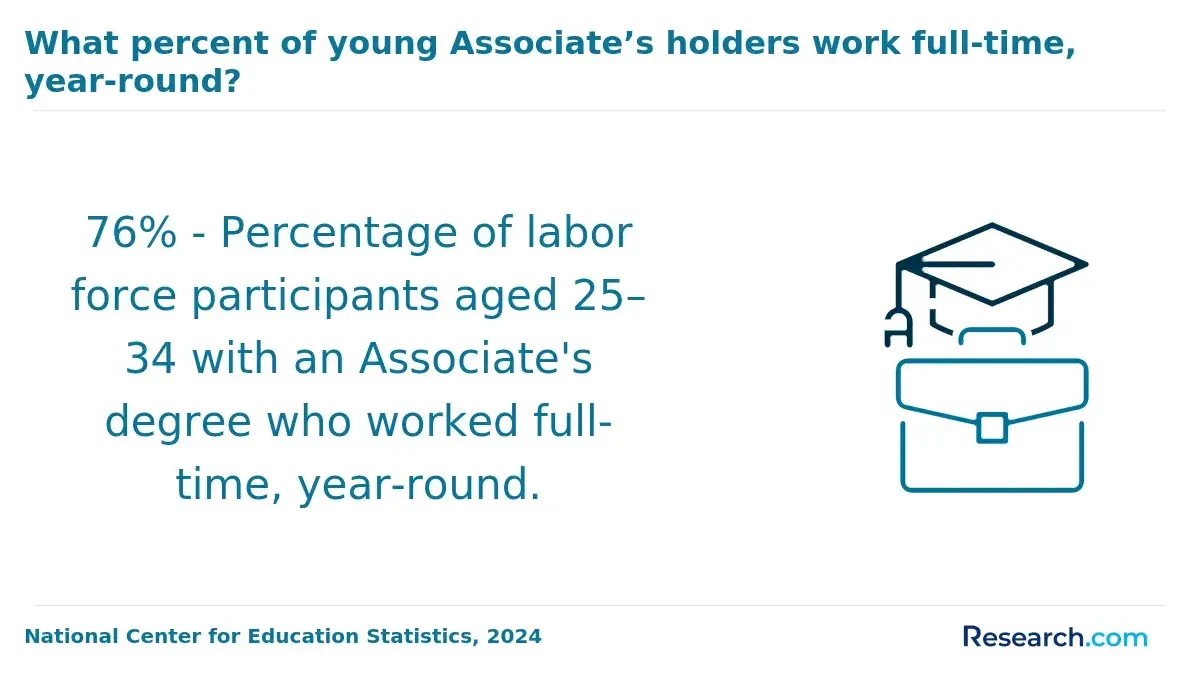
- Associate Degree: This qualification offers entry into basic roles such as GIS technician or field survey assistant but faces stiff competition and limited upward mobility. It typically serves as a foundation for those aiming to continue their education.
- Bachelor's Degree: Considered the standard credential for many geography-related careers, including urban planner, GIS analyst, and environmental consultant roles. It provides solid employability and the potential for moderate career growth in these professions, reflecting the degree level impact on geography graduate employability.
- Master's Degree: Provides access to specialized positions such as senior GIS specialist, geospatial data scientist, or academic researcher. This advanced geography degree significantly enhances job market opportunities, increasing eligibility for leadership and research-focused roles.
- Doctorate Degree: Required for academic teaching, high-level research, and policy development, this degree offers the strongest competitiveness. It is suited for those targeting executive or scholarly pathways in geography with extensive expertise and influence.
For professionals seeking diverse advanced opportunities, exploring options like an online masters in marriage and family therapy demonstrates how specialized degrees can support career shifts or broader professional goals.
What Skills Are Employers Seeking in Geography Graduates?
Knowing which abilities employers value most is vital for geography graduates aiming to stand out in an ever-evolving job market. These competencies help graduates apply their knowledge effectively across different industries. The key skills employers look for include:
- Geospatial Technology Proficiency: Expertise in GIS and remote sensing is crucial for turning spatial data into actionable insights. This capability supports projects such as urban development, natural resource management, and environmental monitoring.
- Data Analysis Abilities: Handling and interpreting large datasets enables professionals to detect trends that inform decisions in sectors like public health, transportation, and emergency management.
- Critical Thinking: The capacity to evaluate multifaceted geographic challenges and devise evidence-based solutions is highly prized, especially when balancing diverse stakeholder needs and environmental considerations.
- Effective Communication: Conveying complex findings clearly to non-technical audiences and working within multidisciplinary teams ensures projects transition smoothly from concept to implementation.
- Practical Fieldwork Experience: Skills in data collection and onsite validation enhance the accuracy and applicability of geographic analyses, essential for environmental assessments and planning initiatives.
When asked about employer expectations, a graduate of a geography degree program shared, "During my first internship, I quickly realized that beyond technical skills, adaptability and problem-solving under time constraints were essential. There were moments when data didn't align with our models, which was frustrating, but the team relied on my ability to think creatively and adjust the approach." He added that the experience taught him how critical persistence and teamwork are, equally alongside mastering tools and theories. This real-world challenge illuminated how employers seek graduates who can merge practical know-how with innovative thinking in unpredictable environments."
How Does Job Demand Affect Geography Graduate Salaries?
Fluctuations in job demand significantly influence starting salaries, wage growth, and long-term earning potential for geography graduates. For example, the median annual wage for cartographers and photogrammetrists, common careers for geography majors, was about $68,380, reflecting consistent demand in these fields. Below are key ways demand shapes salary outcomes for graduates.
- Starting Salaries: When demand for geography-related skills rises, employers compete for candidates, driving initial salary offers higher. This competitive environment favors graduates entering the job market during periods of strong demand.
- Wage Growth: In sectors with increasing demand, salary growth tends to accelerate as employers seek to retain skilled workers. Conversely, slow market expansion can limit salary raises over time.
- Job Security: Expanding industries related to geography offer more stable and long-term employment prospects, reducing the risk of layoffs and providing a stronger foundation for career progression.
- Labor Market Balance: A tight labor market with limited graduates compels employers to offer attractive compensation, while oversupply of geography graduates amidst few openings can suppress wages and slow advancement.
How Is AI Changing Demand for Geography Professionals?
Artificial intelligence is rapidly reshaping workforce demands within geography-related fields, with employment in geospatial technology expected to increase by 15% through 2031. This transformation affects job roles, required skills, and industry priorities, highlighting new opportunities for graduates.
- Automation of Routine Tasks: AI tools streamline time-intensive processes such as data gathering, spatial computations, and map production. This automation reduces repetitive work, enabling geography professionals to concentrate on strategic analysis and decision-making.
- Emergence of Specialized Roles: The integration of AI has created positions that combine geographic expertise with data science, including roles like geospatial data analysts, AI trainers, and GIS developers. These positions offer career stability as organizations seek specialists to develop and manage AI-driven geographic solutions.
- Evolving Skill Requirements: Geography professionals are increasingly expected to master AI software, coding languages, and machine learning techniques alongside traditional geographic knowledge. This shift underscores the need for continuous learning and interdisciplinary education to remain competitive.
- Changing Industry Hiring Patterns: Sectors such as urban planning, environmental management, and transportation are investing in AI-enhanced geographic technologies. These trends drive demand for professionals who blend technical AI skills with geographic insights, fostering long-term employment growth.
When I spoke with a graduate of a Geography degree program about how AI is influencing demand, she described the transition as both challenging and exciting. "Learning to integrate AI tools with my geographic training wasn't easy at first-I had to adapt quickly and often troubleshoot unexpected issues," she explained. However, she also emphasized how these skills opened doors to roles she hadn't previously considered, offering her a sense of empowerment and confidence in her career prospects. "It's encouraging to see how AI can amplify the impact of geographic work rather than replace it," she reflected, noting that adaptability is key in this evolving job market.
Is Geography Considered a Stable Long-Term Career?
Long-term career stability is important for students and professionals considering geography degree paths because it helps shape education decisions and future career planning. Several key factors influence the stable long-term career prospects for geography graduates, providing a clearer picture of job market stability for geography degree holders.
- Employment Trends: There is steady demand for geography graduates, particularly in urban planning, environmental management, and GIS (Geographic Information Systems). These sectors are expected to expand as sustainability and data-driven initiatives gain priority in both government and private industries.
- Industry Reliance: Various industries such as disaster response, transportation, and real estate consistently require geography expertise. This broad reliance helps geography graduates maintain job market stability by applying their skills across diverse fields, reducing vulnerability to economic fluctuations.
- Technological Adaptability: Geography professionals who embrace innovations in mapping software, remote sensing, and spatial data analysis remain relevant in a rapidly evolving technological landscape. Being able to reskill and adopt new tools is a major advantage in sustaining a long-term career.
- Advancement Opportunities: Pursuing further education, certifications, and specialization enhances career pathways in leadership and research roles. This continuous professional growth supports enhanced job security and increasing earning potential, reflected in studies of the highest paying degrees.
Is a Geography Degree Worth It Given the Current Job Demand?
The demand for geography degree graduates in the United States shows steady, moderate growth, particularly in sectors such as urban planning, environmental management, GIS, and spatial data analysis. Employment opportunities are tied to increasing needs for expertise in areas like climate change, natural resource management, and urban infrastructure development. While geography is not among the fastest-growing fields, labor market trends indicate a consistent requirement for professionals who can interpret and apply spatial data. This relatively stable job demand highlights the practical value of a geography degree in addressing contemporary societal challenges.
Job prospects for geography graduates vary significantly based on degree level and skill alignment with industry needs. Bachelor's degree holders typically access entry-level roles in government agencies, nonprofits, or private firms, while advanced degrees often lead to stronger opportunities in research, policy analysis, and teaching. Proficiency in GIS software, remote sensing, and data science enhances employability, especially in environmental consulting and urban planning. Prospective students should carefully consider their skills and goals, and exploring online colleges with financial aid may provide accessible pathways to develop relevant qualifications and advance in this field.
What Graduates Say About the Demand for Their Geography Degree
- Conrad: "Pursuing a geography degree was a transformative choice for me, offering a unique perspective on environmental and societal interactions. The investment truly paid off as it equipped me with critical analytical skills that directly boosted my career growth in urban planning. I'm grateful for how this degree opened doors to diverse, impactful job opportunities. "
- Walker: "Reflecting on my decision to study geography, I realize it was more than an academic pursuit; it was a gateway to understanding complex spatial data that's invaluable in today's job market. The return on investment became clear when I transitioned into environmental consulting, where my background made a significant difference. This degree has become the cornerstone of my professional identity. "
- Joseph: "Choosing a geography degree was driven by a professional desire to address real-world challenges through data and mapping. The ROI exceeded my expectations by providing a strong foundation in geographic information systems, which are highly sought after in my field. This education has deeply influenced my approach as a consultant focused on sustainable development. "
Other Things You Should Know About Geography Degrees
The demand for geography degree graduates in 2027 is influenced by factors such as technological advancements, environmental policy changes, and urban planning needs. As remote sensing and GIS technologies evolve, skilled geography professionals are required. Additionally, increased focus on climate change and sustainable development drives demand in relevant sectors.
In 2027, industries such as urban planning, environmental consulting, and geographic information systems (GIS) are key drivers of demand for geography graduates. The growth in sustainability initiatives and advanced data mapping technologies has made these fields appealing career options for new graduates.
Job stability in geography careers can vary depending on the sector and location. Public sector roles related to planning and environmental management tend to offer steady employment. However, jobs in private consulting or technology fields may be more sensitive to economic fluctuations. Ongoing skills development, particularly in emerging GIS technologies, helps maintain long-term employability.
References
- Geography of Jobs in the United States https://www.geographyrealm.com/geography-of-jobs-in-the-united-states/
- Careers & Employability https://www.southampton.ac.uk/geography/undergraduate/careers.page
- What Can You Do With A Geography Degree? https://www.immerse.education/career-exploration/geography/careers-in-geography/
- Geographical careers - Geography South West https://www.geographysouthwest.co.uk/secondary/16-plus-articles/geographical-careers/
- Artificial intelligence in geography - Geographical Association https://geography.org.uk/blogs/artificial-intelligence-in-geography/
- Geography graduate attributes https://sheffield.ac.uk/geography-planning/careers/geography/graduate-attributes
- Jobs & Careers - AAG https://www.aag.org/jobs-careers/
- Making geography a career-defining subject… before it's too late - The GA Blog https://ga-blog.org/2025/11/26/making-geography-a-career-defining-subject-before-its-too-late/
- The changing geography of jobs | Institute for Fiscal Studies https://ifs.org.uk/publications/changing-geography-jobs
- Top Job Opportunities for Geography Graduates in 2025 | Dukes Plus https://dukesplus.com/guides/best-universities-geography-uk/job-opportunities-geography/


