
2027 Is Demand for Physical Therapy Assistant Degree Graduates Growing or Declining?

Co-Founder and Chief Data Scientist
Graduates with a physical therapy assistant degree often face uncertainty about job stability and career growth, especially amid changing healthcare demands. The U. S. Bureau of Labor Statistics projects a 27% employment growth for physical therapy assistants between 2021 and 2031, much faster than the average for all occupations. This rapid demand increase reflects an aging population and higher rates of chronic conditions requiring rehabilitative care. Understanding these trends is crucial for prospective students evaluating the value of this degree. This article analyzes the current demand landscape and employment outlook to help readers make informed decisions about pursuing a physical therapy assistant degree.
Key Things to Know About the Demand for Physical Therapy Assistant Degree Graduates
- Employment for physical therapy assistant graduates is expanding, with a 23% growth rate projected through 2032, much faster than the average for all occupations.
- Increased demand in outpatient care centers and aging populations drive sustained job availability for physical therapy assistants.
- Specializing in pediatric or orthopedic care enhances long-term career prospects amid evolving healthcare and rehabilitation technologies.
What Factors Are Driving Demand for Physical Therapy Assistant Degree Professionals?
Evaluating the long-term value and stability of pursuing a physical therapy assistant degree requires insight into the main forces shaping labor demand. Several key drivers influence the employment outlook for graduates in this field.
- Industry Growth: As healthcare expands, particularly with the aging U.S. population, the need for rehabilitative services rises. Physical therapy assistants play a vital role in supporting physical therapists, creating increased job opportunities.
- Demographic Shifts: The rapid growth of older adults prone to chronic conditions directly boosts demand for physical therapy services. This trend leads to higher hiring rates for assistants who deliver essential patient care and support mobility improvement.
- Regulatory Changes: Expanded insurance coverage for rehabilitation therapies and a focus on outpatient care have improved access to physical therapy. Healthcare facilities respond by employing more physical therapy assistants to manage growing patient volumes.
- Employer Skill Requirements: Modern workplaces seek assistants proficient in new rehabilitation technologies and electronic health record systems. Those with updated skills through accredited physical therapy assistant degree program accreditation standards are more competitive in the job market.
Attending accredited physical therapy assistant programs in the US provides essential training aligned with these evolving demands. Prospective students should also consider related educational paths such as the PharmD degree as part of a broader healthcare career strategy.
Which Physical Therapy Assistant Occupations Are Seeing the Highest Growth Rates?
Growth rates serve as a critical indicator for students evaluating physical therapy assistant career paths, as they reflect job availability and industry sustainability. Employment in healthcare is expected to rise by 13% from 2022 to 2032, signaling robust demand across various roles. This outlook leads us to explore which physical therapy assistant occupations are seeing the highest growth rates in the United States.
- Outpatient Rehabilitation Aides: Expected to grow by approximately 30% over the next decade, these assistants support outpatient care environments. Drivers include an aging population requiring ongoing therapy and advances in non-invasive treatment methods. Most positions require an associate degree and relevant certification.
- Geriatric and Pediatric Therapy Assistants: Specialists in these fields are in demand due to demographic shifts and increased focus on tailored therapies. They often work in clinics or home health settings, necessitating both formal education and state licensure.
- Home Health Physical Therapy Assistants: These professionals deliver care in patients' homes, responding to the rising trend toward home-based medical services. Growth here is influenced by patient preference and healthcare policies promoting home care.
- Sports Medicine Assistants: Employment growth is driven by increasing awareness of physical fitness and injury prevention. These assistants typically work alongside sports medicine professionals in rehabilitation centers or athletic facilities.
- Neurological Rehabilitation Assistants: Focused on patients recovering from strokes or spinal cord injuries, this role is expanding due to advances in neurological therapies and heightened survival rates.
Students interested in fast-tracking their healthcare careers might consider exploring accelerated medical assistant programs as an alternative pathway. The strong growth in these physical therapy assistant occupations across different industries and regions highlights promising opportunities for prospective professionals.
Which Industries Hire the Most Physical Therapy Assistant Degree Graduates?
Knowing which industries employ the largest number of physical therapy assistant graduates can help students evaluate where to focus their career search and understand potential job stability. Several sectors consistently seek professionals with these skills, reflecting evolving healthcare needs.
- Healthcare Facilities: Hospitals and outpatient clinics commonly hire physical therapy assistants to aid in patient recovery from injuries, surgeries, or chronic health conditions. These settings require strong clinical skills, which are central to physical therapy assistant training.
- Skilled Nursing and Residential Care: Long-term care centers and nursing homes depend on physical therapy assistants to support elderly or disabled residents with mobility and daily activities. This sector's growth is tied to increased longevity and the demand for ongoing supportive care.
- Home Healthcare: Providing rehabilitation services in patients' homes, physical therapy assistants address the needs of those with limited mobility or complex health issues, delivering personalized care within a comfortable environment.
- Specialty Rehabilitation Centers: Facilities focused on orthopedic, neurological, or pediatric rehabilitation employ physical therapy assistants to help deliver targeted therapies under licensed professionals' oversight, reflecting the specialized nature of modern rehabilitation services.
Rising chronic diseases, an aging population, and advances in personalized treatment techniques drive strong demand across these industries. Physical therapy assistant education emphasizes practical skills and patient interaction, equipping graduates to thrive in these hands-on healthcare roles.
How Do Physical Therapy Assistant Job Opportunities Vary by State or Region?
Location plays a crucial role in shaping job prospects for physical therapy assistant degree holders due to varying healthcare demands and infrastructure. Several geographic factors contribute to differences in employment opportunities across states and regions.
- High-Demand States: States with growing elderly populations like Florida and Arizona tend to offer more openings because of increased healthcare needs tied to aging. Additionally, large states such as California and Texas attract substantial healthcare investments, boosting job availability and career advancement.
- Industry Hubs: Urban centers with concentrated healthcare facilities-examples include New York City and Chicago-provide numerous job options for physical therapy assistants but also higher competition due to the dense workforce.
- Urban vs. Rural Areas: Rural locations often have fewer positions, yet may afford less competition and closer professional relationships within communities, potentially offering a different work environment and local impact.
- Cost-of-Living Impact: States like Ohio and Kentucky balance moderate demand with lower living expenses, making them attractive to new graduates looking for manageable costs alongside reasonable job prospects.
- Remote and Hybrid Roles: While most physical therapy assistant positions require on-site presence, some regions are beginning to see emerging telehealth and administrative roles, reflecting evolving work trends in the healthcare field.
How Does Degree Level Affect Employability in Physical Therapy Assistant Fields?
The level of education, such as bachelor's, master's, or doctorate degrees, plays a crucial role in shaping job opportunities, career development, and professional competitiveness in physical therapy assistant fields. Different degree levels affect employability and role availability distinctly, making it important to compare how each credential impacts career prospects.
- Associate Degree: This is the most prevalent qualification for entry-level physical therapy assistant positions, focusing on clinical support skills. While it meets basic employment requirements, it may limit advancement and specialization options.
- Bachelor's Degree: Provides a broader healthcare education that enhances employability, particularly in competitive job markets. Graduates often qualify for leadership or administrative roles, reflecting a positive impact on physical therapy assistant degree employability factors.
- Master's Degree: Although less common at the assistant level, this degree offers advanced clinical training, enabling access to specialized therapy roles and supervisory responsibilities, which can lead to faster career growth.
- Doctorate: Primarily designed for physical therapists rather than assistants, this level offers extensive expertise and improved job stability, particularly within interdisciplinary teams. It significantly enhances professional competitiveness and long-term career flexibility.
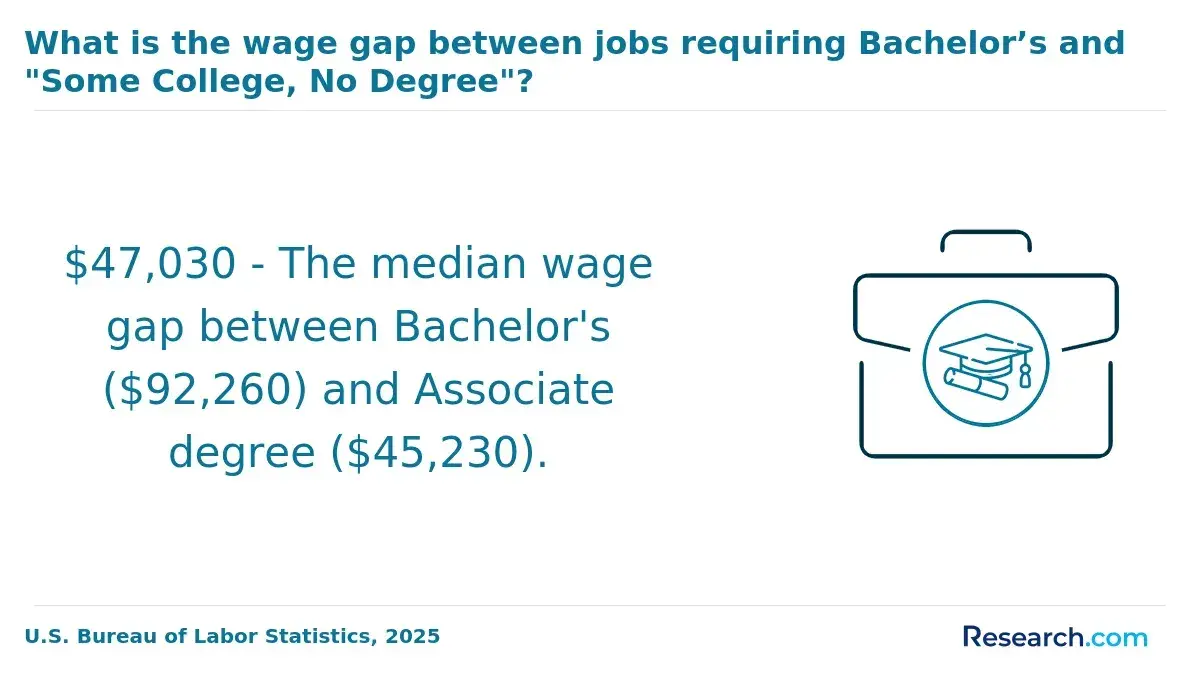
Employment rates also reflect these educational differences, with 72% of physical therapy assistant graduates holding a bachelor's or higher degree securing jobs within six months compared to 58% with an associate degree. For those exploring further education options, pursuing a healthcare administration online degree may complement clinical skills and expand career opportunities.

What Skills Are Employers Seeking in Physical Therapy Assistant Graduates?
Recognizing the skills employers value is vital for physical therapy assistant graduates aiming to stand out and succeed in a demanding healthcare environment. These competencies shape not only patient outcomes but also the assistant's ability to function effectively within clinical teams. The following skills are among those most sought after by employers.
- Clinical Expertise: A solid grasp of human anatomy, physiology, and therapeutic procedures allows assistants to carry out treatment plans accurately and adjust techniques as patient conditions evolve.
- Effective Communication: The ability to convey instructions clearly and empathetically ensures patients feel supported and informed, while fostering smooth collaboration with medical staff.
- Empathy and Compassion: Exhibiting genuine concern for patients' experiences promotes trust and encourages adherence to therapy regimens, which can improve recovery rates.
- Analytical Thinking: Assessing patient feedback critically helps assistants identify when to modify interventions, enhancing both safety and effectiveness.
- Physical Endurance: Providing hands-on assistance often requires stamina for sustained physical activity, making endurance a practical necessity in daily tasks.
- Technical Aptitude: Proficiency with electronic health records and rehabilitation equipment supports accurate documentation and optimized patient care delivery.
When I spoke with a recent graduate of a physical therapy assistant program, he described how transitioning from academic learning to clinical environments tested his adaptability. "Employers aren't just looking for textbook knowledge; they want someone who can think on their feet and connect with patients," he shared. The emotional aspect, he explained, was challenging but rewarding-"there were moments when patients' progress depended on how well I listened and responded. It taught me that skills beyond technical training matter just as much in real-world settings." His experience highlighted that success comes from blending professional skills with emotional intelligence and resilience.
How Does Job Demand Affect Physical Therapy Assistant Graduate Salaries?
Fluctuations in job demand significantly affect starting salaries, wage growth, and long-term earning potential for physical therapy assistant graduates. For example, the U.S. Bureau of Labor Statistics reports that the median annual wage for physical therapist assistants was $62,920 in 2022, reflecting ongoing salary growth tied to steady healthcare demand. These market shifts influence several key aspects of compensation and career advancement.
- Starting Salaries: When demand for physical therapy assistants is high, employers offer more competitive starting wages to attract qualified graduates. Conversely, an oversupply of candidates can suppress entry-level pay due to increased competition.
- Wage Growth: Strong, sustained demand often results in regular merit increases and bonuses as employers seek to retain experienced staff. Declining demand can slow or freeze wage growth, limiting long-term earning potential.
- Advanced Opportunities: Higher demand typically leads to more opportunities for specialization or advanced roles, which offer increased pay. When demand softens, these positions may become less available or offer reduced compensation.
- Supply and Demand Dynamics: The fundamental economic principle of supply and demand drives salary trends. A shortage of qualified physical therapy assistants pushes wages upward, while a surplus causes wage stagnation or decline.
These factors combined shape the earning landscape for physical therapy assistant graduates as they enter and progress through the workforce.
How Is AI Changing Demand for Physical Therapy Assistant Professionals?
Artificial intelligence is transforming workforce demands within physical therapy assistant roles, with nearly 40% of healthcare organizations adopting AI tools that influence allied health services. This shift drives significant changes in job responsibilities and skill requirements. Below are key ways AI is shaping demand for these professionals:
- Automation of Routine Tasks: AI streamlines administrative duties such as scheduling, documentation, and patient monitoring. This automation frees physical therapy assistants to concentrate on complex patient care, enhancing job focus and efficiency.
- New Specialized Roles: The rise of AI introduces opportunities to work with advanced diagnostic devices or telehealth systems. Assistants with skills in data analysis and remote patient management are increasingly sought after in rehabilitation settings.
- Updated Skill Requirements: Employers now prioritize candidates who blend clinical expertise with digital literacy. Ongoing education in technology integration and clinical decision support systems is becoming essential for career advancement.
- Multidisciplinary Team Dynamics: AI fosters improved communication and collaborative treatment planning, highlighting the need for adaptability and tech-savviness. This trend supports steady demand and long-term career stability in a changing healthcare environment.
When I asked a graduate of a Physical Therapy Assistant degree program about her experience, she reflected on how AI integration influenced her daily work. She described initial apprehension about mastering new tools but soon recognized how technology enhanced her ability to provide tailored care. "Learning to operate AI-assisted equipment was challenging at first, but it made me feel more confident in delivering precise treatments," she shared. She also noted that teamwork improved with digital platforms linking therapists across locations. Her journey underscores the evolving nature of the profession-balancing traditional skills with innovative technology-offering reassurance about future job prospects despite rapid changes.
Is Physical Therapy Assistant Considered a Stable Long-Term Career?
Long-term career stability is a key concern for students and professionals weighing the benefits of becoming a physical therapy assistant. Securing a career with steady employment impacts education decisions, financial planning, and confidence in long-term job prospects. Several factors drive the stable outlook for this role.
- Strong Employment Trends: Growth in the aging population and rising chronic health issues like arthritis increase demand for rehabilitative care, contributing to robust long-term job prospects for physical therapy assistants in diverse settings beyond hospitals, such as outpatient clinics and home health care.
- Industry Reliance: Healthcare providers depend heavily on physical therapy assistants to support licensed physical therapists, ensuring efficient patient care. This indispensability enhances job security as organizations prioritize cost-effective staffing amid workforce shortages.
- Adaptability to Change: While technological advances influence therapy methods, the hands-on nature of a physical therapy assistant's work limits automation risks. Staying current with evolving treatment techniques supports a stable role despite economic and technological shifts.
- Career Advancement Opportunities: Physical therapy assistants have pathways for additional certifications or transitions into related healthcare fields, offering flexibility and resilience in a changing labor market. For those considering continuing education, exploring the cheapest online health science degree options can be a strategic step.
Is a Physical Therapy Assistant Degree Worth It Given the Current Job Demand?
The physical therapy assistant degree continues to meet strong labor market demand in the United States, driven primarily by an aging population and increased emphasis on rehabilitative care. Employment projections by the U.S. Bureau of Labor Statistics indicate that job growth for physical therapy assistants will outpace the average for all occupations over the next decade. Rising cases of chronic illnesses and injuries that require physical therapy support sustain demand in various healthcare settings, including outpatient clinics, hospitals, and long-term care facilities. This steady hiring activity highlights the positive physical therapy assistant degree job outlook in the United States.
Career outcomes for physical therapy assistant graduates depend on more than just overall job openings. The degree's value is influenced by how well graduates' skills align with healthcare industry needs, with targeted training in patient care and therapeutic techniques enhancing employability. Institutional reputation, geographic location, and individual professionalism also shape long-term career prospects for physical therapy assistant graduates. For those considering further education, exploring options such as the cheapest RN to BSN programs may provide pathways to advance their healthcare careers beyond physical therapy assistant roles.
What Graduates Say About the Demand for Their Physical Therapy Assistant Degree
- Dan: "Choosing to pursue a physical therapy assistant degree was one of the best decisions I've made. The hands-on experience and focused curriculum gave me the confidence to begin my career quickly, and the return on investment has been tremendous given the steady job demand. I'm grateful every day for the practical skills this degree provided me. "
- Emett: "Looking back, obtaining my physical therapy assistant degree was more than just earning a credential; it was a commitment to a fulfilling career in healthcare. The career opportunities opened up for me have exceeded my expectations, and the financial benefits have justified the time and effort invested. This degree truly transformed my professional path. "
- Dylan: "The decision to become a physical therapy assistant reshaped my professional life. Not only did the degree provide specialized knowledge and clinical skills, but it also enhanced the quality of care I can offer patients. I appreciate how this education balanced theoretical learning with real-world application, making the transition to work seamless. "
Other Things You Should Know About Physical Therapy Assistant Degrees
Physical therapy assistant graduates must pass the National Physical Therapy Exam (NPTE) for assistants to become licensed. Most states also require candidates to meet continuing education standards to maintain their license and keep up with evolving practices in patient care.
Prospective students should be aware that physical therapy assistant programs require completion of prerequisite courses in areas such as anatomy and physiology. Programs also combine classroom instruction with hands-on clinical experience to prepare students for licensure and professional practice.
The demand for physical therapy assistant degree graduates in 2027 is influenced by an aging population, increasing prevalence of chronic conditions, and evolving healthcare needs, which boost the need for rehabilitation services. Economic factors and healthcare policy changes also impact job prospects for graduates.
References
- AI in Physical Therapy: The Future of Operations and Patient Care - Net Health https://www.nethealth.com/blog/ai-in-physical-therapy-future-operations-patient-care/
- How AI in Physical Therapy is Transforming Rehabilitation in 2025? - Shadhin Lab LLC | Cloud Based AI Automation Partner https://shadhinlab.com/ai-in-physical-therapy/
- AI Documentation in Physical Therapy: The Future of Clinical Notes https://coraphysicaltherapy.com/blog/the-future-of-documentation-in-physical-therapy-how-ai-is-transforming-clinical-notes/
- Healthcare Occupations - Physical Therapist Assistants | MHC https://www.mhc.org/physical-therapist-assistants
- Top five highest paying states for physical therapy assistants - MedCadre https://medcadre.com/top-five-highest-paying-states-for-physical-therapy-assistants/
- Occupational Outlook for Physical Therapist Assistant | SABER College https://sabercollege.edu/occupational-outlook-physical-therapist-assistant/
- 8 Reasons Why Being a Physical Therapist Assistant Is Worth the Switch https://www.rasmussen.edu/degrees/health-sciences/blog/career-change-to-physical-therapist-assistance/
- 12 Non-Clinical Physical Therapy Jobs for 2025 - The Non-Clinical PT https://thenonclinicalpt.com/non-clinical-jobs-physical-therapists/
- Verifying that you are not a robot... https://pioneer-healthcare.com/blog/exploring-the-high-demand-for-physical-therapist-assistant-jobs/
- Are Physical Therapist Assistants Being Phased Out? - CBD College https://www.cbd.edu/blog/physical-therapist-assistant/are-physical-therapist-assistants-being-phased-out/


