2027 Legal Studies Degree Programs You Can Start Without Meeting All Requirements

Co-Founder and Chief Data Scientist
Many prospective students aiming for a legal studies degree face barriers such as insufficient GPA, incomplete prerequisites, or gaps in professional experience. These challenges often delay or derail their plans to enter the field. Yet, numerous programs offer conditional admission policies, bridge courses, and alternative credential reviews-pathways allowing learners to start their studies before fully meeting all standard requirements. For example, graduates with a legal studies bachelor's degree typically see median annual salaries near $60,000, varying by region and industry.
This article explores these flexible admissions routes, institutional supports, and performance expectations to help readers navigate early enrollment effectively.
Key Things to Know About Legal Studies Degree Programs You Can Start Without Meeting All Requirements
- Conditional admission policies allow students-especially those with lower GPAs or incomplete transcripts-to enroll by meeting specific early performance benchmarks within their first semester.
- Bridge and foundational courses offer targeted preparation-letting transfer or returning students strengthen prerequisites while earning credits applicable to their legal studies degree.
- Many institutions review alternative credentials such as professional experience or nontraditional coursework-supporting early enrollment and reducing barriers for adult learners and career changers.
What Is the Minimum GPA Requirement for a Legal Studies Degree Program?
The minimum GPA requirement for admission to legal studies degree programs varies significantly across institutions. Highly selective schools typically require a minimum GPA between 3.0 to 3.5, reflecting their competitive admissions and emphasis on academic excellence. Moderately competitive programs often accept a GPA in the range of 2.5 to 3.0, balancing quality with accessibility. Open-admission institutions may have minimum GPAs as low as 2.0 or sometimes no formal GPA cutoff, prioritizing broader access for diverse learners. This tiered system highlights how each school weighs academic performance differently, making it important to research specific institutional expectations rather than relying on fixed thresholds.
Evaluations go beyond raw GPA numbers. Admissions committees consider grade trends-noting improvement over time-and the rigor of completed courses, such as advanced or college-level classes. Furthermore, some schools utilize grade replacement policies, allowing recent stronger grades to override earlier weaker ones when calculating GPA. These nuances mean applicants struggling with conditional GPA requirements for admission to legal studies programs should not self-disqualify prematurely.
- Advising: Contact admissions counselors early to review your academic history and explore potential pathways to enrollment.
- Holistic Review: Request a comprehensive evaluation that includes work experience, professional skills, and personal circumstances alongside academic records.
- Conditional Admission: Inquire about provisional acceptance options, often contingent on successfully completing foundational or bridge courses and maintaining designated performance benchmarks.
Students facing GPA challenges should also examine online speech pathology programs masters and other interdisciplinary options that sometimes offer more flexible admission criteria. Next, we explore schools with explicit support policies for students carrying academic deficiencies-such as bridge programs and alternative credential reviews-that provide legitimate routes to enroll in legal studies degree programs despite initial hurdles.
Which Legal Studies Programs Accept Applicants on Academic Probation or With Academic Deficiencies?
Several legal studies degree programs accept students on academic probation or with academic deficiencies through structured conditional admission tracks designed to provide clear performance benchmarks and support systems. These programs generally require a minimum GPA-ranging between 2.0 and 2.5-during an initial probationary period of limited credit hours, alongside close academic advising and progress monitoring. Such flexible pathways can help high school graduates who fell short of a specific GPA threshold, community college transfer students still completing prerequisites, adult learners returning after professional gaps, and career changers with incomplete transcripts to commence their legal studies.
- University of Central Florida - Regional Accreditation: Accepts students with GPA deficiencies via a probationary term requiring at least a 2.5 GPA in the first 12 credit hours. Advisor oversight includes mandatory meetings every six weeks to assess academic progress and discuss available support.
- Southern New Hampshire University - Regional Accreditation: Offers provisional admission with a 9-credit hour limit in the first semester. Students must maintain a minimum 2.0 GPA and participate in regular check-ins with academic counselors to develop personalized success plans.
- Liberty University - Regional Accreditation: Allows conditional admission for undergraduates with prior academic probation by permitting 6-9 credit hours during the probationary period, requiring a 2.25 GPA and monthly meetings with academic advisors to track progress and discuss strategies.
- Colorado State University Global - Regional Accreditation: Supports conditional admits via bridge and foundational legal studies courses, setting a 2.0 GPA requirement in up to 12 credit hours. Advisor oversight involves bi-monthly academic coaching sessions and progress reporting.
- Thomas Edison State University - Regional Accreditation: Caters to adult learners and career changers with incomplete transcripts, requiring a 2.0 GPA over 9-12 credit hours and participation in an academic skills workshop. Regular term consultations with advisors help review academic and professional goals.
Since academic probation and conditional admission policies can vary widely and change frequently, especially between undergraduate and graduate legal studies programs, prospective students should always verify current requirements directly with institutional admissions offices. Importantly, applying with a checkered academic history is not an automatic barrier-crafting a strong personal statement that explains your circumstances and securing robust professional references remain essential complementary strategies.
Students interested in exploring flexible pathways to graduate education might also consider various online MLIS programs that provide alternative access options and tailored support frameworks.
How Do Conditional Admission and Provisional Enrollment Work for Legal Studies Degree Seekers?
Conditional admission and provisional enrollment serve different functions in legal studies programs-though institutions often use these terms inconsistently. Conditional admission requires students to meet specific academic or prerequisite conditions, such as maintaining a minimum GPA in initial courses, completing foundational classes within one or two semesters, or submitting outstanding test scores. Failure to satisfy these criteria may lead to probation, dismissal, or extended review periods. Conversely, provisional enrollment usually grants temporary, unclassified status to students who are missing essential paperwork-like final transcripts-allowing early class attendance while administrative requirements are finalized within a short timeframe.
Key points to consider include:
- Conditions: Academic benchmarks and course completions for conditional admission; pending documentation deadlines for provisional enrollment.
- Review Process: Progress assessments by admissions officials after one or two semesters.
- Consequences: Success results in full admission; failure could mean probation or enrollment denial.
- Support Systems: Advising, tutoring, or bridge courses to aid student progress.
- Questions to Ask: Clarify triggers, review timelines, and decision-makers involved.
A legal studies graduate recalls navigating conditional admission after transferring from community college with incomplete prerequisites. "It wasn't easy balancing foundational courses and meeting GPA requirements," he shared, "but regular check-ins with advisors kept me on track. The clear expectations motivated me-knowing that success meant full standing gave purpose to every class. Even when I worried about setbacks, support was there, and transitioning to regular enrollment felt like a real achievement."
What Alternative Admission Pathways Are Available for Legal Studies Programs When Prerequisites Are Not Met?
Students who fall short of formal prerequisites for legal studies degree programs can still explore a variety of alternative admission pathways-each designed to accommodate unique backgrounds and experiences. These flexible options enable applicants to show readiness beyond traditional academic records, often through qualitative and experiential evidence.
- Portfolio Review: Programs that emphasize practical legal skills or paralegal training frequently accept portfolios showcasing relevant work.
- Programs Most Likely to Recognize It: Undergraduate and certificate programs focused on applied legal skills.
- Required Documentation: Collections of written legal analyses, research papers, professional writing samples, or project summaries.
- Institutional Infrastructure: Faculty committees or admissions personnel trained to assess portfolios alongside conventional criteria.
- Demonstrated Professional Experience: Relevant work history-especially in legal support or related fields-may substitute for some coursework requirements.
- Programs Most Likely to Recognize It: Flexible online or adult learner-oriented legal studies programs valuing experiential learning.
- Required Documentation: Detailed resumes, employer letters verifying responsibilities, and reflective essays linking experience to academic aims.
- Institutional Infrastructure: Systems for verifying job equivalency, often involving advisors or faculty evaluators.
- Prior Learning Assessment Credit: Many accredited institutions award academic credit for military training or professional certifications related to law.
- Programs Most Likely to Recognize It: State universities or community colleges with formal prior learning assessment (PLA) policies.
- Required Documentation: Official transcripts, certifications, and sometimes challenge exams or mastery portfolios.
- Institutional Infrastructure: PLA offices and credential evaluators applying standardized articulation procedures.
- Placement Testing as a Substitute for Prerequisite Coursework: Some programs accept placement exam results to demonstrate competency instead of prior classes.
- Programs Most Likely to Recognize It: Community colleges and hybrid legal studies programs with flexible admissions.
- Required Documentation: Test scores showing proficiency in foundational subjects like writing or basic law concepts.
- Institutional Infrastructure: Testing centers and coordinators qualified to administer and score placement exams.
Those seeking alternative admission pathways for legal studies degree programs should initiate direct contact with program directors or department chairs. Many colleges offer conditional acceptance options for legal studies programs without prerequisites through informal processes not readily visible online. Success often depends on proactive communication and demonstrating sincere commitment early in the admissions journey. For students weighing various options, reviewing alternatives alongside familiar pathways-such as online MSW programs no GRE required-can provide helpful insight into flexible program entry and academic planning.
Which Legal Studies Programs Allow Students to Begin While Completing Remaining Prerequisites Concurrently?
Concurrent or co-requisite enrollment in legal studies programs allows students to start core degree courses while still completing prerequisite requirements side by side. This differs from conditional admission, which grants entry based on meeting later criteria but usually doesn't permit simultaneous core coursework. Programs offering concurrent enrollment often support students with varied academic backgrounds-such as those who didn't meet GPA cutoffs, transfer students finishing foundational classes, or adults resuming education. For example, a student might take an introductory legal research class alongside prerequisite statistics or writing courses, enabling steady progress without delay.
Balancing core and prerequisite classes increases academic demands considerably. Students must manage diverse subjects requiring distinct learning techniques, which calls for careful time management-especially when juggling jobs or family duties. Before choosing this path, prospective students should:
- Review: Check the program's course catalog for policies on co-requisite enrollment.
- Consult: Talk with academic advisors to clarify eligibility, requirements, and options.
- Request: Obtain a degree audit showing outstanding prerequisites and possible concurrent courses to plan effectively.
- Academic Workload: Expect heavier study commitments and multiple deadlines across varied courses.
- Performance Benchmarks: Some programs require maintaining minimum grades in all concurrent classes to continue progressing.
- Time Management Strategies: Utilizing detailed weekly schedules and prioritizing tasks improves balance between coursework, employment, and personal obligations.
- Support Systems: Seeking tutoring, study groups, and academic workshops can bolster success in this dual enrollment setting.
- Flexibility: Part-time options or carefully choosing class schedules can help mitigate overload.
A professional who built her career after graduating from a legal studies degree reflected, "Starting with concurrent enrollment was intimidating-I had to learn how to juggle new legal concepts while finishing prerequisite courses in math and writing. The advisors were essential for mapping out a viable plan, and the tutoring sessions made a big difference. Though the workload felt heavy at times, I never lost momentum and gained confidence managing multiple responsibilities. It truly set the foundation for my success."
How Do Community College Partnerships Help Students Enter Legal Studies Programs Without Full Qualifications?
Community colleges offer essential options for students who don't meet full admission criteria to start legal studies coursework early-often enabling a smooth progression toward a bachelor's or graduate Legal Studies degree.
- 2+2 Articulation Agreements: Formal partnerships guarantee that completed lower-division courses at a community college fulfill university requirements, ensuring transfer credits are preserved and easing admission despite initial gaps in qualifications.
- Dual-Enrollment Arrangements: These programs allow students to take community college and university classes concurrently-accelerating preparedness and demonstrating aptitude in core legal studies topics before official university admission.
- Community College Pathway Programs: Designed for conditionally admitted or non-traditional learners, these pathways concentrate on completing prerequisites, restoring GPA, and building foundational skills such as legal research, writing, and critical thinking.
- Valued Coursework: Admissions committees prioritize applicants who have completed transferable general education and introductory legal courses while maintaining or improving academic performance, especially in analytical and reasoning skills.
- Locating Articulation Agreements: Prospective students should check transfer or admissions office resources online or consult academic advisors to identify if their community college has formal agreements with target Legal Studies programs.
- Transfer Without Formal Agreements: Even without official partnerships, students may transfer by aligning community college credits with university requirements and working closely with transfer counselors.
- Flexible Admission Criteria: Transfer applicants often benefit from more lenient evaluation standards-placing greater emphasis on college-level achievements than on high school records or standardized tests.
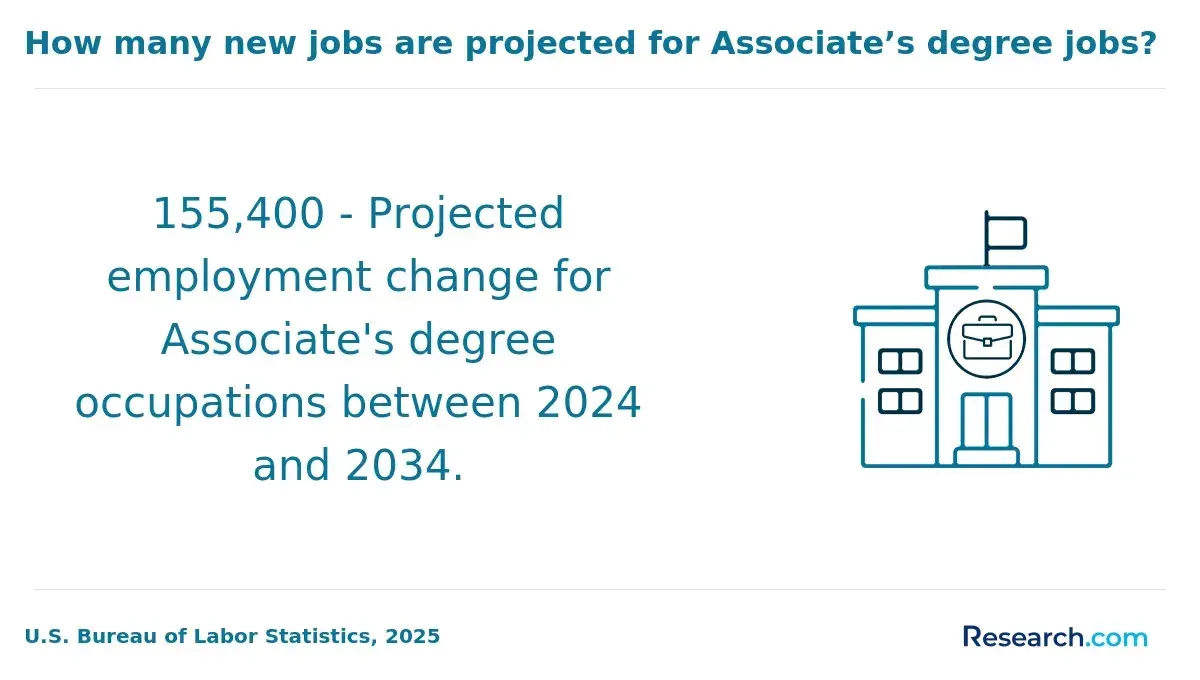
In 2023, nearly 60% of first-year Legal Studies students in the U.S. began at community colleges-underscoring the significance of these alternative pathways to the field.
Law School Total Applicants and Admission Rate

What Role Do Personal Statements and Letters of Recommendation Play in Gaining Legal Studies Program Access Without Meeting All Requirements?
Applicants aiming for entry into legal studies programs despite falling short on traditional metrics like GPA or prerequisite courses must leverage personal statements and letters of recommendation as powerful advocacy tools. These documents offer a platform to highlight qualities and experiences that numerical indicators cannot fully capture.
A compelling personal statement for conditionally admitted students should include:
- Candid Reflection: Honestly addressing academic challenges with an emphasis on future improvement and resilience.
- Relevant Experience: Demonstrating how previous work, volunteer, or educational roles have prepared the applicant for the academic and professional rigors of legal studies.
- Program Fit: Clearly explaining why the chosen legal studies program aligns with the applicant's goals, learning style, and career aspirations.
Letters of recommendation carry the most influence when they come from supervisors or mentors who have direct insight into the applicant's intellectual abilities and professional accomplishments. Admissions committees prioritize these detailed attestations over generic character references, especially when academic records are incomplete.
Ideal recommenders include employers in law-related fields, instructors acquainted with the applicant's academic potential, or community leaders familiar with relevant skills and dedication.
Remember: The personal statement is the primary vehicle through which conditionally admitted applicants control their narrative-making clarity, authenticity, and focus essential to gain admission despite gaps in formal qualifications.
Which Legal Studies Programs Offer Bridge or Foundational Courses That Replace Unmet Admission Requirements?
Non-Credit Boot Camps: These accelerated courses target students lacking foundational knowledge in key legal studies topics or academic skills. Typically offered by community colleges and university continuing education programs, boot camps provide focused instruction without academic credit. Completion is noted by a certificate of participation but not on official transcripts. Students must enroll in full degree programs after meeting admission standards, which may extend overall time to graduation. Costs range widely-from a few hundred to over a thousand dollars-reflecting their intensive nature. These options are especially helpful for high school graduates or community college transfer students who need foundational courses to support early enrollment in legal studies bridge programs for unmet admission requirements.
Post-Baccalaureate Preparatory Sequences: Aimed at learners holding undergraduate degrees but missing prerequisite coursework, these credit-bearing sequences are common at four-year universities with legal studies departments. Coursework appears formally on transcripts and often enables conditional admission into degree programs upon successful completion. The sequences typically extend time to degree by up to one academic year and carry standard undergraduate tuition rates, representing a significant investment. Adult learners re-entering education after career gaps may find these sequences a recognized pathway that balances rigor with formal credentialing.
Certificate-Level Prerequisite Bundles: These structured programs combine foundational courses into cohesive bundles designed to fulfill admission requirements. Offered by universities and specialized legal training schools, certificates appear on transcripts and may grant direct progression privileges into degree programs. Flexible pacing options-such as evening or part-time classes-help accommodate working students, though this can lengthen timelines. Pricing is generally moderate, with certificate bundles costing less than separate courses purchased individually, making them attractive for career changers whose transcripts are incomplete or who need tailored foundational courses in legal studies for early enrollment.
Self-Paced Online Remediation Modules: Popular among adult learners and career changers, these modules focus on individualized skill development using technology-driven study plans. Offered by accredited institutions and verified third-party providers, they often include assessments but typically do not offer official credit. Instead, they may trigger conditional admission based on demonstrated competency. Progress is recorded institutionally but less commonly on transcripts. These flexible options vary in cost-from free to several hundred dollars-suiting learners who require adaptable schedules but must demonstrate self-motivation to complete successfully.
Bridge programs are frequently absent from standard admissions literature. Prospective students should proactively request detailed information on foundational and bridge offerings when contacting admissions offices to discover tailored entry routes aligned with their unique academic histories and timelines. For those interested in combining legal knowledge with entrepreneurial skills, exploring an MBA for entrepreneurs could be a relevant next step in their academic journey.
How Does Work Experience or Professional Background Substitute for Academic Requirements in Legal Studies Programs?
Work experience and professional background can sometimes substitute for unmet academic requirements in legal studies degree programs-particularly those with holistic admission processes evaluating the whole candidate beyond grades alone. Admissions committees often value directly relevant experience as evidence of a student's readiness, motivation, and ability to succeed in rigorous coursework. This is especially true for applicants with strong work experience as a substitute for academic qualifications in legal studies programs or those navigating professional background credit policies in legal studies degree admission.
- Relevant Experience: Legal-related roles such as paralegal positions, compliance jobs, law enforcement, or industry certifications in legal or regulatory fields are highly regarded.
- Leadership Roles: Management, team supervision, or coordination of legal projects highlight transferable skills.
- Professional Contributions: Published articles, conference presentations, or involvement in professional organizations can enhance applications.
- Community Service: Volunteer work with legal aid, advocacy groups, or related organizations may also demonstrate practical engagement.
- Application Documentation: Applicants should craft a professional resume tailored to academic reviewers that emphasizes accomplishments, responsibilities, and relevance to legal studies. Detailed letters of recommendation from supervisors or colleagues attesting to professional competence are essential.
- Committee Requests: Programs may require employment verification, certification copies, or performance evaluations to support claims of professional readiness.
- Caution: Because policies vary widely, prospective students must confirm whether a program formally considers work experience before investing significant preparation time.
Applicants exploring conditional admission or alternative credential reviews should also consider foundational course options and institutional support systems designed to facilitate success while completing prerequisites. Those interested in related fields might explore options for an online human services degree, which may offer additional flexible pathways for adult learners or career changers.
What Financial Aid and Scholarship Options Are Available to Conditionally Admitted Legal Studies Students?
Federal Aid: Students conditionally admitted to legal studies programs can still apply for federal aid through FAFSA by enrolling at least half-time. Maintaining satisfactory academic progress during this period is vital to keep eligibility for grants and loans, so monitoring grade and credit requirements closely is essential.
Institutional Scholarships: Many colleges offer scholarships targeting non-traditional students-such as adult learners, career changers, or those re-entering education after breaks. These awards often focus on work experience, personal circumstances, or potential rather than on past academic achievements alone.
Private Scholarships: Foundations and organizations may provide scholarships designed for students with interrupted or non-linear academic histories. These often reward persistence and dedication, helping applicants who have faced course withdrawals, gaps, or other academic challenges.
Enrollment Requirements: To maintain financial support, conditionally admitted students generally must take at least half the normal course load. This ensures steady progress toward degree completion and continued qualification for aid programs.
Academic Benchmarks: Financial aid offices typically establish performance standards-such as minimum GPA levels or successful completion of bridge courses-to continue funding during conditional enrollment.
Coordinated Advising: Before starting a conditional legal studies program, it is strongly recommended to speak with both the financial aid office and academic advisors. This coordination clarifies how aid interacts with enrollment and academic expectations, helping avoid unexpected reductions or repayments of aid.
How Do Online Legal Studies Programs Compare to Campus-Based Programs in Admission Flexibility?
Online legal studies programs-often run by large public universities or for-profit institutions-tend to have more lenient admission policies than traditional campus-based programs. They frequently accept students who haven't met all prerequisite coursework or GPA requirements, sometimes offering conditional admission based on future academic progress. Conversely, campus programs typically enforce stricter entry standards and require full completion of prerequisites before enrollment.
Many online programs allow waivers for some prerequisites, substituting relevant work experience or providing foundational courses after admission. Conditional enrollment agreements usually outline specific academic milestones students must achieve during a probationary period to remain in the program. Campus-based offerings rarely provide such flexibility, emphasizing upfront eligibility compliance.
Students admitted conditionally into online legal studies need to carefully review available support services, which can differ widely. Academic advising may be less immediate or less personalized online. Tutoring and writing centers often operate virtually with limited hours. Disability accommodations depend on institutional policies and might be less effective remotely. Mental health resources may have reduced accessibility compared to on-campus options.
Flexible admission policies do not mean lower academic quality. Most online legal studies degrees meet the same regional accreditation standards as campus programs and award equivalent credentials. Prospective students should verify accreditation status and review graduation and job placement rates before relying solely on ease of admission as a deciding factor.
What Graduates Say About Legal Studies Degree Programs You Can Start Without Meeting All Requirements
- Roman: "Starting the online legal studies degree without meeting all prerequisites was initially daunting-but it turned out to be a blessing in disguise. The program's clear academic obligations kept me focused, ensuring I understood exactly what benchmarks I had to hit each term to stay on track. Knowing the timeline expectations upfront motivated me to push harder and manage my time wisely throughout the journey."
- Alice: "Reflecting on my experience, the conditional admission into the legal studies program was both challenging and rewarding. The most valuable insight I gained was how the performance benchmarks were designed to not only assess my progress but also to support my growth as a student. The flexible timeline allowed me to balance personal commitments while meeting the academic requirements-making my success feel truly earned."
- Luke: "Professionally, I appreciate that the legal studies program accepts students before they meet all qualifications-this opened doors I hadn't imagined possible. Maintaining good standing meant meeting precise performance benchmarks and understanding that falling behind wasn't an option. The academic obligations and structured timeline kept me accountable and prepared me well for future career demands."
Other Things You Should Know About Legal Studies Degrees
Accreditation for legal studies degree programs typically comes from regional accrediting bodies recognized by the U.S. Department of Education. These regional agencies set quality standards but allow institutions some autonomy regarding admission policies, including flexible or conditional entry. Additionally, professional organizations such as the American Bar Association influence curriculum standards, although many legal studies programs are not ABA-accredited and can adopt more lenient admission criteria to accommodate diverse applicants. Understanding which accrediting body oversees a program is crucial because it affects transferability and recognition of credits earned during conditional enrollment.
Students seeking early admission should compile evidence of academic readiness beyond just GPA-this can include strong letters of recommendation, relevant work experience, or completion of foundational courses in related fields. Demonstrating motivation through personal statements and standardized test scores may also strengthen an application. Some programs offer provisional acceptance supported by a contract to complete targeted bridge courses designed to fill any prerequisite gaps before full enrollment.
Programs often provide robust support systems such as academic advising tailored to conditional admits, tutoring services focused on fundamental law-related skills, and mentorship from faculty or upperclassmen. Workshops on time management, research techniques, and writing specifically for legal contexts help students adapt to program demands. These services ensure that students meet progress benchmarks and maintain good academic standing during their initial semesters.
References
- Work experience in the law https://www.lawcabs.ac.uk/work-experience-law
- Flexible J.D. Programs https://www.brooklaw.edu/admissions/apply/flexible-jd/
- Law School "Gap Years," Work Experience, & Admissions Str... https://www.spiveyconsulting.com/blog-post/to-gap-year-or-not-to-gap-year-that-is-the-question
- 12 Law Scholarships available in Malaysia https://www.hotcoursesabroad.com/study/international-scholarships/malaysia/qn/law/114/qid/j/scholarship.html
- Law School Scholarship Databank https://www.accesslex.org/databank
- Financial Aid for Further Education https://www.finco.my/financial-aid-for-further-education-2/
- How Online Law Programs Improve Flexibility for Legal Careers - https://lexmatter.org/blog/
- 6 Law School Requirements You Need to Get Accepted https://bemoacademicconsulting.com/blog/law-school-requirements
- How Law School Admissions Officers Evaluate Applications | Solomon Admissions Consulting https://www.solomonadmissions.com/post/how-law-school-admissions-officers-evaluate-applications/
- View of Bridging the Gap: Law Students as Agents of Public Legal Education and Community Empowerment https://www.northumbriajournals.co.uk/index.php/ijcle/article/view/1692/1905