
2027 Materials Science & Engineering Degree Careers That Do Not Require Graduate School

Co-Founder and Chief Data Scientist
A recent graduate with a materials science & engineering degree soon realizes that while some entry-level roles in industries like manufacturing or quality assurance welcome candidates with a bachelor's degree, others-such as advanced research or specialized product development-often mandate graduate education. Approximately 40% of materials science & engineering graduates pursue further schooling to meet employer expectations in competitive sectors.
Understanding which career paths provide strong opportunities without graduate school is crucial. This article examines these options to help graduates navigate careers that emphasize practical skills and immediate employability.
Key Things to Know About the Materials Science & Engineering Careers That Do Not Require Graduate School
- Bachelor's degrees in materials science & engineering enable direct workforce entry, with 70% of graduates securing employment in relevant industries without graduate credentials.
- Employers prioritize practical skills, internships, and certifications over advanced degrees for entry-level roles, shaping accessible hiring pathways in manufacturing, quality control, and product development.
- Hands-on experience and relevant industry training often outweigh academic prestige, fostering long-term career growth while bypassing graduate school requirements for many positions.
What Career Paths Can You Pursue with a Materials Science & Engineering Degree Without Graduate School?
Approximately 65% of materials science & engineering graduates begin their careers directly after earning a bachelor's degree, highlighting the degree's versatility and the strong demand for entry-level professionals. Opportunities vary based on role type and industry needs, but many positions welcome candidates without advanced degrees.
Some accessible career options for degree holders without graduate school include the following roles:
- Materials Engineer: This role commonly hires bachelor's degree holders to assist in developing and testing new materials. The broad applicability of materials science principles allows many graduates to fill entry-level engineer positions, contributing to product innovation and improvement.
- Quality Control Analyst: Graduates can support manufacturing by ensuring products meet quality standards through routine testing and inspections. These positions typically emphasize practical knowledge attainable with a bachelor's degree.
- Sales Engineer: Leveraging their technical background, graduates help customers understand and select materials, often receiving specialized sales training. This career path combines communication skills with materials expertise, making it suitable for bachelor's-level candidates.
- Process Engineer: Bachelor's degree holders help optimize manufacturing workflows and material processing, applying fundamental principles to improve efficiency. Entry-level roles in this area frequently welcome graduates without the need for graduate studies.
- Research Technician: Supporting research and production labs, these technicians assist with materials testing and experimentation. Practical skills from undergraduate studies prepare graduates for these hands-on positions without requiring advanced degrees.
Materials science and engineering entry-level jobs without graduate school are a solid foundation for practical industry experience. For those considering further education at any point, exploring cheap online MBA programs can complement technical knowledge with business skills and potentially expand future career prospects.
What Are the Highest-Paying Jobs for Materials Science & Engineering Degree Graduates Without a Graduate Degree?
Many of the highest-paying careers for materials science & engineering graduates are accessible without pursuing graduate school. Employers often seek candidates with a bachelor's degree who possess technical skills combined with practical problem-solving abilities. According to the U.S. Bureau of Labor Statistics, materials engineers without advanced degrees earn median annual wages around $95,000, reflecting strong demand for these professionals.
Several well-paying roles highlight opportunities where a bachelor's degree is sufficient:
- Materials Engineer: These engineers research and develop materials critical to manufacturing, impacting product innovation and performance. Working in sectors like aerospace and electronics, they benefit from high demand and the strategic value they add to businesses, supporting competitive compensation.
- Quality Control Engineer: Ensuring products and processes meet strict safety and quality standards, these engineers help prevent costly defects and failures. Their role in maintaining reliability and compliance makes their skills highly valued within manufacturing and design teams.
- Manufacturing Engineer: Focused on optimizing production efficiency, these professionals analyze and improve systems to reduce costs. Because their work directly affects profitability and operational success, they command higher salaries.
- Sales Engineer: Combining technical expertise with strong interpersonal skills, sales engineers assist companies in selling complex materials or products. Their ability to bridge technical knowledge with client needs often leads to substantial commissions and bonuses alongside base pay.
What Skills Do You Gain from a Materials Science & Engineering Degree That Employers Value?
Materials science & engineering degree programs equip students with a versatile skill set that employers highly value, particularly for positions that do not require advanced degrees. Recent data show that 89% of employers prioritize transferable skills like problem-solving and communication when hiring bachelor's degree holders for entry-level roles. These skills prepare graduates to contribute effectively across various industries.
Graduates develop a range of practical and interpersonal abilities, including:
- Analytical Problem-Solving: Applying scientific methods to identify and overcome challenges related to materials, graduates gain experience crucial in roles like quality assurance and product development where practical troubleshooting is essential.
- Technical Communication: The ability to clearly document research and collaborate with diverse teams enables graduates to translate complex concepts into accessible information, fostering smoother project progress and teamwork.
- Data Analysis: Proficiency in interpreting experimental results and using statistical tools equips graduates for tasks involving optimization, research assistance, and quality control.
- Project Management and Teamwork: Hands-on projects and collaborative assignments cultivate time management and coordination skills, essential for meeting deadlines within fast-paced industrial settings.
- Adaptability and Lifelong Learning: Keeping pace with evolving materials technology prepares graduates to embrace ongoing change, making them valuable hires who can contribute to innovation without additional formal training.
What Entry-Level Jobs Can Materials Science & Engineering Graduates Get with No Experience?
Many materials science & engineering graduates can quickly secure entry-level positions that do not require prior professional experience. Employers frequently create structured pathways to help recent graduates transition smoothly into the workforce. Around 65% of materials science & engineering bachelor's degree holders find jobs within six months, reflecting favorable entry-level hiring trends.
Below are some common entry-level roles open to those new to the field:
- Quality Control Technician: These roles are widely available and focus on verifying that materials meet quality standards. Companies often recruit recent graduates to perform routine testing and inspections under supervision, making this a practical starting point.
- Laboratory Assistant: Entry-level laboratory assistants support engineers by preparing samples and assisting with simple experiments. This helps new graduates develop foundational skills useful across multiple industries.
- Process Engineer Trainee: Trainee positions in manufacturing allow fresh graduates to learn production techniques and material optimization. These roles are designed to develop early career expertise in practical engineering tasks.
- Materials Technician: Working closely with experienced staff, materials technicians monitor material properties during fabrication and testing. This role often involves mentorship, making it accessible for candidates without prior experience.
Entry-level materials science & engineering jobs for new graduates are common in sectors like automotive and aerospace, where hands-on skills grow quickly. Candidates who have completed internships or co-op programs may have an advantage, but employers typically value strong foundational knowledge and the willingness to learn. Resources such as associates degree online programs can also help recent graduates enhance relevant skills and improve their employment prospects.
What Certifications and Short Courses Can Boost Materials Science & Engineering Careers Without Graduate School?
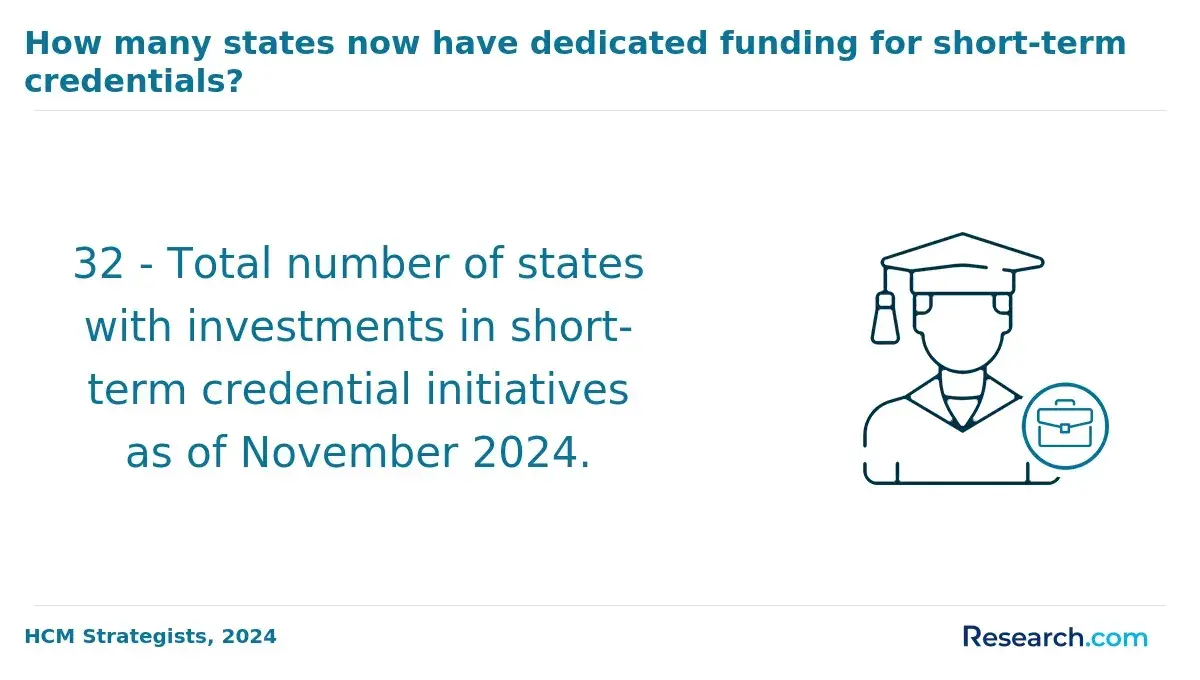
Certifications and short courses offer materials science & engineering graduates practical options to boost their employability without pursuing graduate education. These credentials help demonstrate relevant, up-to-date skills that enhance job readiness and career growth opportunities. Recent data show that more than 60% of employers in engineering fields prioritize candidates with specialized certifications or short-term training.
The following credentials are particularly valuable for materials science & engineering graduates looking to strengthen their profiles:
- Certified Materials Professional: This certification confirms competence in material selection, processing, and testing, highlighting a graduate's technical expertise and commitment to professional development.
- Nondestructive Testing Certification: Focused on inspection methods that reveal material defects without causing damage, this credential can expand access to roles in quality assurance and safety.
- Six Sigma Green Belt: Training in Six Sigma equips professionals with process improvement and quality management skills, essential for optimizing manufacturing and materials workflows.
- Corrosion Technician Certification: This validates knowledge of corrosion mechanisms and prevention, which is critical in ensuring the longevity of materials in demanding environments.
- Additive Manufacturing Courses: Short courses on 3D printing technologies introduce emerging fabrication techniques, broadening expertise beyond traditional materials science principles.
Which Industries Hire Materials Science & Engineering Graduates Without Graduate Degrees?
Career options for materials science & engineering graduates without graduate degrees vary widely across industries. Some sectors emphasize advanced education, but many maintain strong demand for bachelor's-level engineers due to workforce size and operational complexity. For example, about 60% of these graduates secure positions in manufacturing and industrial fields within their first year, often without additional schooling.
Industries that commonly welcome bachelor's degree holders include:
- Manufacturing and Industrial Production: Large-scale production and quality control in automotive, aerospace, and electronics fields create steady demand for entry-level engineers with practical skills, often bypassing graduate requirements.
- Metallurgy and Materials Processing: This area requires hands-on engineers to improve processes and characterize materials, making bachelor's graduates valuable contributors without necessitating further education.
- Energy and Utilities: Companies in renewable and traditional energy sectors need materials engineers to monitor durability and optimize infrastructure performance, providing stable roles accessible to those with undergraduate degrees.
- Consumer Electronics and Technology: Fast-paced development of devices demands versatile engineers to support materials selection and testing, making this field open to bachelor's-level candidates.
- Construction and Building Materials: Growth in sustainable building projects drives hiring for graduates who assist in material testing and R&D, supporting large-scale infrastructure needs without requiring graduate study.
What Freelance, Remote, and Non-Traditional Careers Are Available for Materials Science & Engineering Graduates?
Non-traditional career structures offer materials science & engineering graduates a broader range of pathways by reducing dependence on conventional workplace settings. Digital platforms and independent contracting enable easier entry and greater flexibility, allowing graduates to bypass some traditional barriers linked to physical location or employer-based hiring processes. These trends foster accessible and adaptable career options without the need for graduate school.
About 22% of engineering and related technical bachelor's degree holders now engage in some form of location-independent work, highlighting the shift toward remote and freelance roles.
The following list describes common freelance, remote, and non-traditional career opportunities available to materials science & engineering graduates, emphasizing how these roles provide flexible and independent entry points:
- Distributed Work Systems: Teams operate across multiple locations using digital collaboration tools, enabling graduates to contribute remotely to product development, quality control, or research projects without geographic constraints.
- Digital-First Labor Markets: Online freelancing platforms connect professionals with global projects involving consulting, simulations, and technical analysis, allowing beginners to build experience and a portfolio entirely online.
- Project-Based Independent Work: Short-term contracts on specialized assignments such as materials testing or failure analysis offer hands-on experience and schedule flexibility, supporting gradual skill development.
- Remote Technical Writing and Documentation: Creating scientific content, manuals, and reports on materials science topics fits well with remote work and helps novices deepen their subject matter knowledge through research and communication.
- Virtual Training and Tutoring: Online instruction in foundational materials science principles or related software tools provides supplemental income and reinforces mastery in an increasingly digital education environment.
How Can You Build a Career Without Graduate School Using a Materials Science & Engineering Degree?
Materials science & engineering graduates can successfully start building careers without graduate school by entering the workforce directly after earning their bachelor's degrees. Many find entry-level materials science and engineering jobs for bachelor's degree graduates that provide valuable practical experience and exposure to diverse workplace environments.
Approximately 70% of these graduates secure employment within a year of graduation, demonstrating strong early career momentum fueled by accessible roles and the opportunity to advance through hands-on learning. This stage often forms a solid foundation for developing technical skills and industry knowledge that supports future growth.
Long-term career development in materials science & engineering typically involves advancing within organizations, taking on broader responsibilities, and expanding the scope of roles over time without the necessity of additional formal education. Graduates often progress through experience, moving into leadership, research support, or specialized technical positions as their expertise deepens.
This pathway varies across industries and job functions but consistently highlights the value of practical engagement and adaptability. For students interested in related fields, exploring construction management courses can also offer complementary skills and career options.
What Are the Pros and Cons of Skipping Graduate School for Materials Science & Engineering Careers?
Skipping graduate school is a common pathway for materials science & engineering bachelor careers without graduate school, often enabling earlier entry into the workforce. This choice can offer practical advantages in gaining work experience but may also influence long-term career development and progression depending on the sector and role. Approximately 60% of technical R&D job postings prefer or require a master's degree, highlighting both the challenge and opportunity in this field.
Here are some pros and cons of bypassing graduate education in materials science & engineering:
- Early Workforce Entry: Graduates can start earning and gaining hands-on experience sooner without the delay of graduate studies, which can be financially beneficial and provide real-world skills immediately.
- Opportunity Costs: Skipping graduate school avoids tuition and related expenses, reducing debt and opportunity costs. However, this may come at the expense of accessing some specialized or advanced roles.
- Long-Term Progression Limits: Many prestigious employers-such as large institutional labs or specialized research organizations-require a master's degree for career advancement, especially in technical R&D roles. This can restrict upward mobility without graduate credentials.
- Career Flexibility: Practical experience can open doors in industries like manufacturing and quality control, where valued skills sometimes outweigh formal education. This flexibility allows exploring different sectors and roles.
- Competitive Landscape: In highly technical sectors such as aerospace materials and nanotechnology, a graduate degree often serves as a differentiator in competitive job markets, but motivated bachelor's degree holders still find meaningful opportunities.
For those exploring viable alternatives, certain high paying certificate jobs also complement a bachelor's degree and can enhance career prospects without committing to graduate school.
What Are the Real-World Career Outcomes and Job Market Trends for Materials Science & Engineering Graduates?
Graduates with a bachelor's degree in Materials Science & Engineering experience varied job market outcomes, with employment trends showing steady demand for these skills. Labor market participation remains strong, with many finding roles that match their technical training without pursuing graduate degrees.
Entry into this workforce often reflects a balance between accessible positions and competitive hiring environments, where approximately 75% of graduates secure employment in related fields within a year. These patterns indicate promising placement rates across sectors, supporting varied career opportunities for bachelor's holders in materials science & engineering bachelor's degree employment trends.
Outcomes for materials science & engineering bachelor's graduates differ substantially depending on industry demand and role complexity. Fields like aerospace or semiconductor manufacturing offer fewer openings but typically provide higher pay due to specialized expertise needs. Conversely, broader sectors such as general manufacturing present more openings yet often yield moderate wages.
Understanding these distinctions is crucial, as the job market is shaped by economic cycles and technological advances, creating fluctuations in opportunity and salary. For those exploring their educational pathways, resources akin to MLIS programs exemplify how focused study options can align with employment trends.
What Graduates Say About Materials Science & Engineering Careers Even Without Pursuing Graduate School
- Axton: "Graduating with a materials science & engineering degree opened doors to a variety of practical roles right away. I found that the problem-solving skills and hands-on laboratory experience made my transition into manufacturing seamless. The degree truly prepared me for the realities of the workforce, and I entered my career feeling confident and well-equipped."
- Jaime: "Reflecting on my journey, my materials science & engineering degree was essential for landing my first job without the need for graduate studies. It provided a strong technical foundation and an understanding of material properties that employers value highly. I often describe my education as a bridge between theory and application, which helped me stand out in the early stages of my career."
- Roman: "As a materials science & engineering graduate entering the workforce directly, I quickly realized how versatile my skills were across industries. The degree gave me a broad perspective and the ability to adapt to various challenges, which was especially useful in quality control and product development roles. This practical focus allowed me to thrive without pursuing further academic credentials."
Other Things You Should Know About Materials Science & Engineering Degrees
Yes, many manufacturing firms, quality assurance companies, and materials testing labs often seek materials science & engineering graduates with a bachelor's degree. These employers prioritize practical engineering skills and hands-on experience over advanced degrees. Smaller companies and startups may also prefer candidates who can take on versatile roles without requiring additional academic qualifications.
Materials science & engineering graduates without graduate school benefit from targeted professional development such as technical workshops, on-the-job training, and industry-standard software certifications. Staying current with new materials technology, manufacturing processes, and quality control methods enhances employability. Employers often appreciate continuous learning demonstrated through specialized courses and relevant skill-building.
Yes, materials science & engineering graduates can progress into leadership and management positions with sufficient work experience and demonstrated skills. Many companies promote talented engineers to supervisory roles based on performance and project management abilities rather than educational credentials. Earning industry certifications and developing communication and organizational skills further support advancement into these roles.
References
- 10 Highest Paying Material Science Jobs to Consider 2026 https://www.scijournal.org/articles/highest-paying-material-science-jobs
- Career Paths in Materials Science: From Entry-Level Research to Leadership and Beyond https://materialssciencejobs.co.uk/career-advice/career-paths-in-materials-science-from-entry-level-research-to-leadership-and-beyond
- Skills for material engineers | Cademix Institute of Technology https://www.cademix.org/skills-for-material-engineers-and-industrial-requirements/
- Professional and Career Topics https://collaborate.asce.org/professionaltopics/discussion/experience-vs-grad-school-is-a-masters-degree-worth-it
- Remote Jobs https://nodesk.co/remote-jobs/
- Is Materials Science and Engineering (MSE) Worth It? Jobs after College? https://talk.collegeconfidential.com/t/is-materials-science-and-engineering-mse-worth-it-jobs-after-college/1422785


