2027 Military-Friendly Online Instructional Design & Education Technology Master's Degree Programs: Benefits, Accreditation & Career Outcomes

Co-Founder and Chief Data Scientist
Active-duty service members and veterans often face scheduling challenges and frequent relocations that complicate pursuing advanced degrees. Many seek flexible online instructional design & education technology master's programs tailored to military lifestyles. However, finding programs that recognize military training and accommodate deployment cycles remains difficult.
According to the National Center for Education Statistics, 45% of military-affiliated students prefer fully online master's degrees for this reason. This article explores how truly military-friendly programs meet accreditation standards, utilize credit transfers, and offer essential support, guiding readers to make informed decisions aligned with their career and educational goals.
Key Things to Know About Military-Friendly Online Instructional Design & Education Technology Master's Degree Programs
- Military-friendly programs offer flexible scheduling and asynchronous coursework, accommodating deployments and relocations common to service members and veterans, balancing duty and education.
- Ensuring regional accreditation and specialized program approval verifies quality and eligibility for federal GI Bill® benefits and military tuition assistance, which significantly reduce financial barriers.
- Credit transfer policies recognize military training and experience, while strong alumni networks and career services enhance employment prospects in education technology and instructional design fields.
What Makes an Online Instructional Design & Education Technology Master's Degree Program Truly Military-Friendly?
A truly military-friendly online instructional design & education technology master's degree program is defined by its genuine accommodation of the unique challenges faced by active-duty service members, veterans, and military-affiliated students. Unlike programs that merely market themselves as veteran-friendly, authentic military-focused programs incorporate asynchronous coursework, deployment deferral policies, and dedicated military advisors.
Compliance with the Department of Defense Memorandum of Understanding (DoD MOU) sets a baseline standard for schools accepting military tuition assistance. This includes clear refund policies and strict prohibitions on aggressive recruiting practices, safeguarding military students' financial rights.
Features such as no residency requirements, rolling admissions, and per-credit tuition pricing accommodate the frequent permanent change of station (PCS) moves or deployments typical in military careers. These structures allow students to progress without interruption, manage their course loads flexibly, and start programs at multiple points during the year.
Accredited education technology degree programs for veterans also recognize military training for credit, further reducing time to degree completion. Strong student support infrastructures and faculty experienced in military education needs enhance learning outcomes and career readiness.
- DoD MOU Compliance: Ensures institutions adhere to regulations on tuition assistance, refunds, and fair recruitment, protecting service members from exploitation.
- Flexible Scheduling: Offers asynchronous courses and no residency requirements, enabling continuous education despite deployments or PCS orders.
- Military-Specific Advisors: Provide personalized support by understanding GI Bill funding, Tuition Assistance, and military-specific scholarships.
- Rolling Admissions: Allow enrollment at multiple times annually, accommodating unpredictable military service timelines.
- Per-Credit Tuition Pricing: Helps manage education costs based on varying course loads aligned with military commitments.
To explore additional applicable options beyond instructional design, reviewing online MBA programs affordable can also benefit military students seeking flexible higher education pathways aligned with their career goals.
What Type of Accreditation Should an Online Instructional Design & Education Technology Master's Program Hold?
Institutional accreditation evaluates an entire university or college, ensuring it meets broad quality standards recognized by federal and military agencies. This level of accreditation is crucial for military-affiliated students seeking educational benefits through the Department of Defense (DoD) and Veterans Affairs (VA), as programs must be offered by institutions accredited by agencies acknowledged by the U.S. Department of Education (ED) or the Council for Higher Education Accreditation (CHEA).
Programmatic or specialized accreditation focuses specifically on the instructional design & education technology master's program itself, assessing the curriculum quality, faculty expertise, and alignment with industry standards. This accreditation signals that the program meets current expectations for preparing students for careers in instructional design and related fields.
Military-friendly accredited instructional design and education technology master's degrees typically come from institutions that hold both institutional and programmatic accreditation. Prospective students need to verify accreditation status through the ED's Database of Accredited Postsecondary Institutions and Programs (DAPIP) or CHEA's database before enrolling.
Education-focused agencies like the Council for the Accreditation of Educator Preparation (CAEP) often provide specialized accreditation relevant to instructional design & education technology programs. Candidates aiming for military-friendly accredited degrees should also consider admission standards, faculty qualifications, curriculum depth, credit transfer policies for military experience, and robust student support services.
- Institutional Accreditation: Confirms the whole university meets quality standards necessary for federal recognition and military education benefits eligibility.
- Programmatic Accreditation: Validates the instructional design & education technology master's curriculum and prepares students for professional readiness.
- Military and Federal Compliance: DoD and VA require enrollment in programs accredited by agencies recognized by ED or CHEA to ensure education benefits applicability.
- Verification Tools: Always check accreditation status via the ED's DAPIP or CHEA's database before enrolling to confirm program legitimacy and funding eligibility.
- Specialized Accrediting Bodies: Seek programs endorsed by education and technology-focused agencies like CAEP that reflect industry standards.
For service members seeking financially accessible options, exploring cheapest doctoral programs in similar areas can offer insights into cost-efficient pathways beyond master's degrees.
How Does the Post-9/11 GI Bill Cover Tuition for an Online Instructional Design & Education Technology Master's Program?
The Post-9/11 GI Bill (Chapter 33) offers tiered benefits based on active-duty service after September 10, 2001, with full support granted to those who served 36 months or more. Since the implementation of the Forever GI Bill, veterans and service members whose service ended on or after January 1, 2013, have lifetime access to these benefits without expiration.
Support under the Post-9/11 GI Bill for online instructional design & education technology master's degrees includes three primary elements. First, tuition and fees are paid directly to the educational institution, capped at in-state public rates or the full cost for private or foreign schools.
Second, a monthly housing allowance is provided, calculated either from the Department of Defense's Basic Allowance for Housing (BAH) at the school's location or a national average. Third, an annual stipend of up to $1,000 helps cover books and necessary supplies, which is vital for graduate coursework.
The Yellow Ribbon Program can bridge tuition gaps when a school's costs exceed GI Bill limits. Participating universities share additional tuition expenses with the VA, making out-of-state or private online programs more affordable. Students should use the VA's GI Bill Comparison Tool to confirm if their chosen school offers Yellow Ribbon benefits and to maximize financial aid.
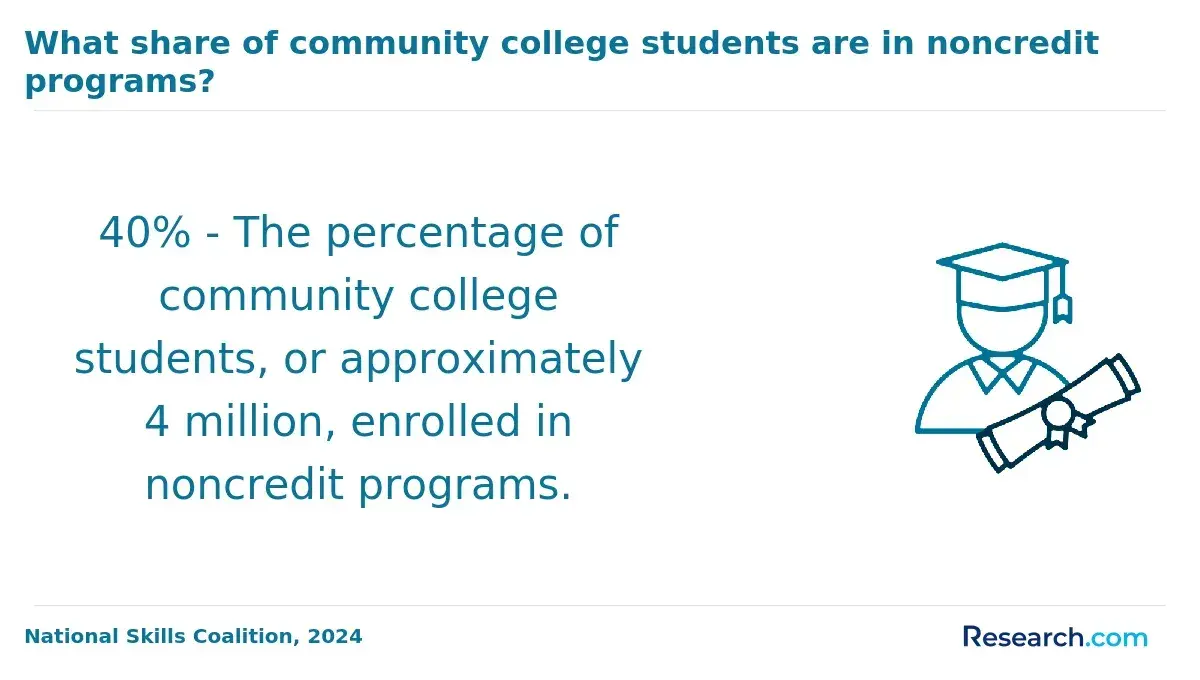
Recent data shows that over 40% of graduate students are enrolled in distance education courses, highlighting a growing trend among military learners seeking flexible educational pathways tailored to their demanding schedules.
- Eligibility Thresholds: Full GI Bill benefits require at least 36 months of active service post-9/11; shorter terms receive proportionate benefits.
- Tuition & Fees Coverage: Paid directly to the institution, with caps depending on in-state rates for public schools or actual costs for private institutions, including online programs.
- Housing Allowance: Calculated using BAH rates based on campus location or a national average for fully online learners, supporting living expenses.
- Books & Supplies Stipend: Up to $1,000 annually aids purchases of textbooks and essential materials.
- Yellow Ribbon Program: Supplements tuition costs beyond GI Bill caps; verify eligibility through the VA's GI Bill Comparison Tool.
A military professional who pursued an online instructional design & education technology master's degree shared that navigating the financial aid landscape was initially overwhelming. "I wasn't sure how much the GI Bill would cover since my program was fully online and a private institution," he explained.
He emphasized that confirming Yellow Ribbon participation early eased concerns about unexpected expenses. "The housing allowance, calculated using the national rate, was a crucial support since I was studying remotely while stationed away from campus."
He added that the books stipend helped offset the cost of digital resources, which often aren't discounted for veterans. Overall, the comprehensive coverage made it possible to focus on studies without constant financial stress, reinforcing the value of verifying each component of Post-9/11 GI Bill support before enrolling.
Can Active-Duty Service Members Use Military Tuition Assistance for an Instructional Design & Education Technology Master's Degree?
Active-duty service members from all branches can utilize the military tuition assistance (TA) program to fund a master's degree in instructional design & education technology. It covers up to 100% of tuition for courses priced at $250 or below per semester credit hour ($166 per quarter credit). Annual and degree-level limits apply.
For instance, the Army caps TA funding at 39 semester hours of graduate credit or until the master's degree is completed, whichever comes first. Because each branch updates its TA policies yearly, service members should confirm specific caps through their Education Center to ensure eligibility. Beginning the TA approval process before enrollment is critical.
If tuition exceeds the TA threshold, the Department of Veterans Affairs manages Tuition Assistance Top-Up (TATU), which fills the financial gap. Eligibility for TATU requires concurrent qualification for the Montgomery GI Bill-Active Duty (MGIB-AD) or Post-9/11 GI Bill benefits.
Recent data show growing enrollment in online instructional design & education technology graduate programs among military students, reflecting a shift toward flexible education options that fit military schedules. Military students seeking affordable paths may also consider resources like the cheapest counseling degree online as part of their planning.
- Tuition Assistance Coverage: TA pays full tuition up to $250 per semester credit hour, subject to annual and degree-level limits, reducing financial barriers for instructional design & education technology master's students.
- Army TA Cap: Specific to the Army, TA funding covers up to 39 semester hours or until degree completion, emphasizing careful course scheduling.
- Tuition Assistance Top-Up: TATU helps when tuition surpasses TA limits, requiring eligibility for MGIB-AD or Post-9/11 GI Bill to qualify.
- Policy Updates: Each military branch annually revises TA policies, so verifying current rules with the Education Center is essential.
- Increasing Online Enrollment: Military-affiliated learners increasingly choose online master's programs in instructional design & education technology for flexibility that fits active-duty demands.
How Can Military Experience and Training Count as Credit Toward an Instructional Design & Education Technology Master's Degree?
The American Council on Education (ACE) Military Guide serves as the chief resource for converting military training and occupational tasks into recommended college credits. Updated daily, this guide evaluates courses from every branch of the U.S. military, offering academic evaluators a consistent framework to appraise prior military learning within civilian graduate programs.
The Joint Services Transcript (JST), utilized by the Army, Marine Corps, Navy, and Coast Guard, officially records all ACE-reviewed coursework and military occupations. When applying to graduate studies, students submit the JST to demonstrate their prior learning, enabling admissions and registrar offices to consider potential credit transfer toward degree requirements.
It's essential to recognize that ACE's credit suggestions are advisory-not mandatory. Each institution independently determines whether, and how, those credits are awarded in specific programs such as instructional design & education technology. Prospective students should speak directly with graduate admissions counselors to verify which military experiences are eligible for credit before enrolling.
One professional who completed an online instructional design & education technology master's degree shared that navigating credit transfer was initially daunting. She recalled feeling uncertain about how her military background would translate academically, but by proactively engaging with her school's admissions and providing comprehensive military transcripts, she successfully received credit for several prior learning experiences.
This not only shortened her time to degree completion but also alleviated financial burden. Reflecting on the process, she emphasized how critical clear communication and early planning were-"it made all the difference," she said-and encouraged others to leverage military-earned skills when pursuing advanced education.
What Are the Typical Admission Requirements for a Military-Friendly Online Instructional Design & Education Technology Master's Program?
Applicants to military-friendly online instructional design & education technology master's programs typically need a bachelor's degree from an accredited school, accompanied by official transcripts to verify academic history. Submission of a statement of purpose or personal essay is common, outlining candidates' motivations and objectives.
Professional references also contribute insight into an applicant's skills and character. While some programs still request GRE or GMAT test scores, many waive these requirements.
Military programs often consider leadership qualities and practical experience demonstrated through service records, performance evaluations, and Joint Services Transcripts (JST). Minimum GPA thresholds usually hover around a 3.0. However, provisions exist for veterans with lower GPAs but strong professional achievements or leadership backgrounds.
Connecting directly with graduate admissions offices is highly recommended to clarify policies specific to military students. This includes verifying possible conditional admission options and assessing how military documentation might fulfill or enhance standard application requirements. Recent data shows a 15% increase in enrollment in fully online graduate programs between 2020 and 2023.
- Bachelor's Degree Required: An accredited undergraduate degree and official transcripts are usually mandatory for graduate admissions.
- Test Score Waivers: Many military-focused programs waive GRE/GMAT requirements to honor operational experience.
- Military Experience Valued: Leadership records and JST transcripts often supplement or replace traditional academic metrics.
- GPA Flexibility: Minimum GPAs are commonly 3.0, with some schools offering provisional admission or waivers for veterans with strong service records.
- Direct Admissions Contact: Prospective students should inquire about military-specific pathways and conditional admissions options.
How Is the Curriculum Structured in a Military-Friendly Online Instructional Design & Education Technology Master's Program?
Master's programs in instructional design & education technology generally require 30 to 36 credit hours, combining foundational core courses with electives tailored to student interests and career goals. Core coursework focuses on learning theories, technology integration, and curriculum development, while electives may explore multimedia design, evaluation methods, or leadership in educational technology.
Most programs include a capstone project, thesis, or professional practicum to integrate theory with real-world application. To meet the demands of military learners, these programs often use eight-week accelerated modules featuring asynchronous lectures and optional live sessions across multiple time zones. This flexible structure accommodates active-duty service members' unpredictable schedules, deployments, and varied geographic locations.
Several programs offer concentration tracks aligned with military roles such as e-learning development or training management, providing service members with specialized skills that support both in-service advancement and civilian career transitions. Reviewing sample syllabi available on program websites helps prospective students evaluate academic rigor and relevance.
It is also advisable to consult admissions advisors about curriculum endorsements from professional associations, ensuring alignment with industry standards. According to the National Center for Education Statistics, enrollment in distance education programs increased by over 45% in 2025, highlighting the growing availability and acceptance of flexible learning formats.
- Credit Hour Requirements: Typically 30-36 credit hours, balancing essential core courses with electives tailored to students' goals and interests.
- Flexible Scheduling: Eight-week accelerated sessions with asynchronous content and optional live classes accommodate the unique demands of military life.
- Applied Capstone: Most programs require a capstone, thesis, or practicum that demonstrates mastery through practical application.
- Specialized Concentrations: Tracks aligned with military or defense careers enhance professional relevance and post-service opportunities.
- Quality Verification: Reviewing course descriptions and consulting admissions regarding professional endorsements helps ensure curricular rigor and applicability.
How Flexible Are the Enrollment and Scheduling Options for Military Students in an Instructional Design & Education Technology Master's Program?
Enrollment flexibility is essential for military students pursuing an Instructional Design & Education Technology master's degree, given the unpredictable demands of deployments, mission requirements, and time-zone differences. Programs offering asynchronous coursework and self-paced modules provide crucial accessibility, allowing students to engage with content without fixed class meeting times.
Nearly 70% of military-connected learners now prefer fully online or hybrid models, emphasizing such flexibility. Robust policies shield military students from academic and financial hardship. Deployment deferral allows students to pause studies without penalty and re-enroll within a specified timeframe. Military withdrawal provisions help minimize transcript impact by acknowledging active duty obligations.
Additionally, prorated tuition refunds adhering to Department of Defense memorandum of understanding (DoD MOU) standards protect students financially when service commitments interrupt coursework. Per-credit-hour tuition pricing benefits part-time military students who often take limited courses due to operational duties, offering cost savings compared to flat-rate semester fees.
Military-affiliated students should thoroughly review their program's military student policies, verifying that deployment deferral and re-enrollment rights are clearly spelled out in the official catalog. Consulting academic advisors about credit validity when pausing enrollment for six months or more is also advisable. These aspects are integral to flexible enrollment options for military students in instructional design & education technology master's programs.
Active-duty service members will find programs with online scheduling accommodations particularly suitable to their needs, ensuring education aligns with unpredictable work demands.
- Asynchronous Coursework: Enables study at any time to accommodate deployments and varying time zones without missing essential content.
- Deployment Deferral Policies: Permit enrollment pauses with guaranteed re-entry, preventing academic or financial penalties during active duty.
- Military Withdrawal Provisions: Recognize service-related withdrawals to minimize negative transcript effects.
- Per-Credit Tuition Pricing: Offers financial and scheduling flexibility for part-time enrollment tailored to military commitments.
- Policy Verification: Encourages confirmation of deployment protections and credit retention policies with official school documentation and advisors.
For military students exploring funding options, federal and military-specific financial benefits can be combined with enrollment in programs recognized for affordability and military friendliness. Information on affordable master's degree online offerings is available, helping students balance cost with program quality.
What Financial Aid Options Beyond GI Bill Are Available for an Instructional Design & Education Technology Master's Degree?
Military-affiliated students pursuing a master's degree in Instructional Design & Education Technology have several federal financial aid options beyond the GI Bill. Direct Unsubsidized Stafford and Graduate PLUS Loans are available through the FAFSA (Free Application for Federal Student Aid), and military students are eligible to apply even when utilizing GI Bill benefits.
In addition to federal loans, many institutions offer scholarships specifically targeted at graduate students, including those with military backgrounds. Veteran-centric fellowships and grants from organizations such as the American Legion, Veterans of Foreign Wars (VFW), and various branch-specific education foundations provide important supplemental support.
The Tuition Assistance Top-Up (TATU) program bridges the difference between military Tuition Assistance (TA) payments and your actual tuition bill, maximizing all military and federal benefits. The Yellow Ribbon Program is another key resource, covering tuition expenses that exceed GI Bill limits, particularly at private or out-of-state institutions. Stacking multiple benefits where allowed can substantially ease financial burdens.
Working closely with your school's military student services office is recommended to identify additional program-specific aid. Recent data indicate that over 40% of graduate students in online programs relied on federal aid in 2023, signaling growing accessibility for military learners pursuing degrees such as Instructional Design & Education Technology.
- Federal Loans Available: Direct Unsubsidized Stafford and Graduate PLUS Loans supplement GI Bill benefits, offering flexible repayment options and eligibility through FAFSA.
- Veteran Scholarships & Grants: Organizations like the VFW and American Legion provide scholarships and fellowships aimed at military graduate students in instructional design and education technology.
- Tuition Assistance Top-Up: This program covers the gap between military Tuition Assistance and actual tuition costs, helping maximize military funding.
- Yellow Ribbon Program: Offers financial support for private or out-of-state tuition exceeding GI Bill limits and can often be combined with other aid.
- School Military Services: Advisors assist in identifying unique institutional aid and funding programs tailored to military-affiliated students in instructional design & education technology.
For more insights on funding options and program choices, consider exploring resources like online PsyD programs, which provide examples of military-friendly online graduate education pathways.
What Student Support Services Should a Military-Friendly Instructional Design & Education Technology Master's Program Provide?
Military-friendly graduate programs in instructional design & education technology provide specialized support tailored to service members and veterans. These include dedicated military and veteran student services offices staffed with advisors knowledgeable about military benefits and unique academic challenges. Active-duty students benefit from priority registration, while on-campus access to VA Certifying Officials helps ensure smooth handling of G.I. Bill processes.
For online learners, continuous technical support, remote access to library resources, virtual writing centers, and career counseling are essential to success without needing to visit campus. Peer support through virtual veteran organizations and mentorship programs connects new students with alumni who comprehend military life and academic demands. Faculty with military experience or training in military cultural competency adds a valuable perspective and assistance.
Prospective students should inquire about the responsiveness of academic advising, availability of a dedicated military liaison, and policies for managing academic disruptions caused by deployments or military duties. Recent data from the National Center for Education Statistics indicates that approximately 70% of veteran graduate students prefer hybrid or fully online formats that offer adaptable support suited to their lifestyle.
- Dedicated Military Support: Military-specific advisors and offices guide students through benefits and academic complexities with personalized assistance.
- Remote Resource Access: Around-the-clock tech support and digital academic services ensure robust support for distance learners.
- Peer and Faculty Engagement: Veteran organizations, mentorship, and culturally aware faculty help create a supportive academic community.
- Responsive Academic Advising: Timely support, assigned military contacts, and accommodations for service-related interruptions are critical for student success.
How Do Online Instructional Design & Education Technology Master's Programs Accommodate Deployments or Permanent Changes of Station?
Deployment deferral lets military students temporarily pause coursework during active deployment without damaging their academic record or financial aid standing. Typically, students receive incomplete grades and extended deadlines, enabling flexibility around unpredictable schedules.
Military withdrawal, conversely, is a formal exit from the program and triggers tuition refund protections per the Department of Defense memorandum of understanding (DoD MOU), which ensures unearned tuition is reimbursed on a pro-rated basis through at least 60% of the enrollment period. Withdrawal often requires students to re-enroll, but many programs waive new application requirements to ease the transition.
Top instructional design & education technology programs support military learners by offering asynchronous coursework that can be completed before or after deployments. These programs also confirm the validity of credit hours despite enrollment pauses and ensure VA Certifying Officials are well-versed in re-enrollment certification procedures. With online education enrollments increasing by over 25% in 2025, such military-focused accommodations are increasingly essential.
- Deferral vs Withdrawal: Deferrals temporarily suspend coursework without harming academic standing; withdrawals formally exit with tuition return protections under the DoD MOU.
- Flexible Coursework: Asynchronous classes allow students to manage assignments around deployment schedules.
- Financial Safeguards: The DoD MOU requires refunds on unearned tuition through 60% of enrollment, protecting against financial loss during withdrawal.
- Re-Enrollment Support: Many programs guarantee readmission without requiring a new application after military leave.
- Institutional Verification: Students should obtain written military activation policies, confirm credit retention, and verify VA certification procedures before enrolling.
What Graduates Say About Their Military-Friendly Online Instructional Design & Education Technology Master's Degree Program
- Zelda: "I chose this military-friendly online instructional design & education technology master's degree program because it offered the flexibility I needed while serving full-time. The dedicated student support team made navigating coursework and deadlines incredibly manageable, which kept me motivated throughout. Thanks to this program, I was able to transition smoothly into a corporate training role that I genuinely enjoy."
- Claudia: "Reflecting on my experience, the military-friendly nature of the instructional design & education technology program was exactly what I sought to balance service commitments and graduate studies. The mentorship and career services were standout resources that helped me tailor my learning to real-world applications. Earning this degree has significantly boosted my confidence and opened doors to leadership positions in education technology."
- Armin: "The reputation of this military-friendly online instructional design & education technology program drew me in, but it was the comprehensive student support that kept me engaged. I appreciated the prompt feedback and accessible faculty, which created a collaborative learning environment despite the online format. This degree has been instrumental in advancing my career as an instructional designer for government training initiatives."
Other Things You Should Know About Instructional Design & Education Technology Degrees
Veterans holding an online instructional design & education technology master's degree can expect access to roles such as instructional designers, e-learning developers, and educational technologists. Salary trajectories vary by employer and location but generally range from $60,000 to $100,000 annually, with potential growth as experience increases. Military-affiliated graduates often leverage their leadership and organizational skills to secure positions in government agencies, corporate training departments, and educational institutions.
Licensure requirements are not typically mandatory for instructional design & education technology careers; however, many veterans pursue certifications such as Certified Professional in Learning and Performance (CPLP) or Association for Talent Development (ATD) credentials. Continuing education often supports skill updates, and some military-friendly programs offer credit for prior experience or training, reducing time requirements. Veterans should verify state or employer-specific certification policies as they vary across industries and roles.
Employers and schools often view online instructional design & education technology degrees positively due to their flexibility and strong skill set. For military students, the value can be enhanced by the discipline and commitment they bring. However, perceptions can vary depending on the reputation of the institution and the specific program's accreditation.
References
- M.Ed. in Instructional Design and Educational Technology | ACE https://ace.edu/degree-programs/masters-degrees/masters-education/master-of-education-in-instructional-design-and-educational-technology/
- Master of Education in Instructional Design & Technology https://www.fairmontstate.edu/academics/programs/master-instructional-design-technology.aspx
- Instructional Design and Technology | Master’s | BGSU Online https://www.bgsu.edu/academics/online/instructional-design-and-technology-masters.html
- Early Childhood Education Degree (BA) https://www.uagc.edu/online-degrees/masters/instructional-design-technology-v2
- Using Your VA Benefits for Your Education https://www.snu.edu/degrees/using-your-va-benefits-for-your-education
- Chea https://www.chea.org
- Instructional Design Certificate or Masters Degree - Experiencing Elearning https://christytuckerlearning.com/instructional-design-certificate-or-masters-degree/
- VA GI Bill® Education Benefits https://www.gia.edu/gem-education-va-gi-bill-education-benefits
- Master https://eheinstitute.com/master/master-in-instructional-design-for-online-education