2027 Online BA in Psychology - General Psychology for Psychology of Career Decision Making: Which Courses Should You Look For?
Audited and Verified:
Our Editorial and Data Verification Process
Research.com uses government datasets, official education statistics and primary institutional information to support its career and degree guides. Our review process checks factual accuracy, occupational definitions, source dates and the requirements associated with the credentials discussed.
How This Article Was Fact-Checked
Our editorial team verifies salary estimates, employment projections, education requirements and program information against original data providers and official organizations. Salary figures are checked against the relevant occupational definitions and reporting periods. Information about licensure, accreditation and required in-person training is reviewed separately.
Fact-checked and verified on:

Co-Founder and Chief Data Scientist
An online psychology BA can teach you why people choose, postpone, or change careers - but only if its courses go beyond general advice about finding a job. For students interested in career decision-making, the strongest curriculum connects motivation, development, social influences, and research methods with opportunities to study real decisions ethically. This guide identifies the courses worth prioritizing, explains what to verify in an online program, and shows where a bachelor's degree helps - and where a different qualification or practical experience may be more direct.
Key Things You Should Know
- Prioritize research methods and statistics alongside developmental, social, personality, and cognitive psychology; career decision-making draws on all of them.
- Look for an approved project, research role, or relevant elective that lets you examine career choices without treating an interest inventory as a clinical assessment.
- A typical bachelor's degree requires about 120 semester credits, but the credits remaining, course sequence, and supervised opportunities matter more than an advertised completion time.
What Is an Online BA in General Psychology for Career Decision-Making?
It is a broad undergraduate psychology degree used to study how people form occupational interests, weigh options, respond to barriers, and make choices over time. "Career decision-making" usually describes a topic within courses or projects, not a separately awarded qualification. Check the catalog before assuming a program offers a formal concentration.
A general BA can suit someone considering research support, student services, workforce programs, or later graduate study while keeping other interests open. If the goal is specifically substance-use services, compare the general curriculum with online colleges for addiction-focused psychology study; a narrower program may offer more relevant electives, but its title alone establishes neither counseling eligibility nor better preparation for studying career choices.
Is an Online Psychology Bachelor's Degree Accredited and Recognized?
Check the institution's accreditation with the recognized accreditor and confirm that the online BA is an authorized degree offered by that institution. Accreditation supports academic recognition and may matter for credit transfer and federal aid eligibility, but another school or employer still makes its own decisions. An online general psychology BA does not need APA accreditation; APA's program accreditation does not cover general undergraduate psychology degrees.
Recognition for a later occupation is a separate question. For example, a course on addiction or career counseling does not establish eligibility for a counseling credential. Students comparing a broad BA with a specialized route can use comparing degrees in addiction counseling as a starting point, then check the applicable state board's education and supervised-experience rules.
Which Courses Should You Look For in General Psychology Programs?
Start with courses that explain decisions, then add courses that let you test explanations. The table separates foundational subjects from especially useful electives; availability and course titles vary by school.
| Course or subject | Value for studying career decisions | What to check in the syllabus |
| Statistics and research methods | Evaluate surveys, compare groups, and distinguish an association from a cause. | Practice with data, study design, uncertainty, and ethical research. |
| Developmental psychology | Examine how education, work, caregiving, and changing priorities shape choices across adulthood. | Lifespan coverage rather than childhood alone. |
| Social and personality psychology | Study identity, expectations, belonging, and individual differences without reducing choices to personality labels. | Attention to culture, opportunity, and environmental constraints. |
| Cognitive psychology and motivation | Understand judgment under uncertainty, goals, perceived ability, and decision biases. | Applications beyond memorizing theories. |
| Industrial-organizational, vocational, or counseling psychology elective | Connect psychological concepts to work, interests, and career development. | Whether the course is offered online and when you can take it. |
If time is limited, take statistics before research methods when required, then use an advanced elective or capstone to ask a focused question - for example, how students evaluate career information. Seek faculty guidance before collecting responses: consent, privacy, and institutional review or project approval may apply. An interest questionnaire is not automatically a validated measure, and studying one does not qualify you to administer restricted assessments professionally.
Students compressing their schedule should compare prerequisites and actual term offerings, not just the number of courses listed. Guidance on accelerated psychology curriculum planning can help frame that sequencing decision.
Both formats can teach the same psychological concepts. The meaningful difference for this topic is access to discussion, research supervision, career-services staff, and people or settings relevant to an approved project. An asynchronous lecture may fit a work schedule, while a research team, group assignment, or internship may still require fixed meetings or local attendance.
Ask how online students find faculty mentors, obtain project feedback, and participate in career-related research. If your eventual goal is professional counseling, do not assume a flexible undergraduate format predicts the demands of a graduate program; reviewing accelerated clinical counseling program formats illustrates why live sessions and fieldwork must be checked separately.
Schools commonly request prior transcripts and an application; requirements for first-year and transfer applicants differ. Some admit students to the university before they can declare the psychology major. Ask whether statistics or other courses must be completed before upper-level methods and whether any prerequisites have minimum-grade rules.
For a returning student, the decisive document is a written degree audit showing which accepted credits satisfy general education, major, prerequisite, and residency requirements. An accepted course may count only as an elective. Before relying on a completion estimate, request an evaluation of prior study, including applying associate-level credits to psychology study, and confirm remaining course availability with an academic advisor.
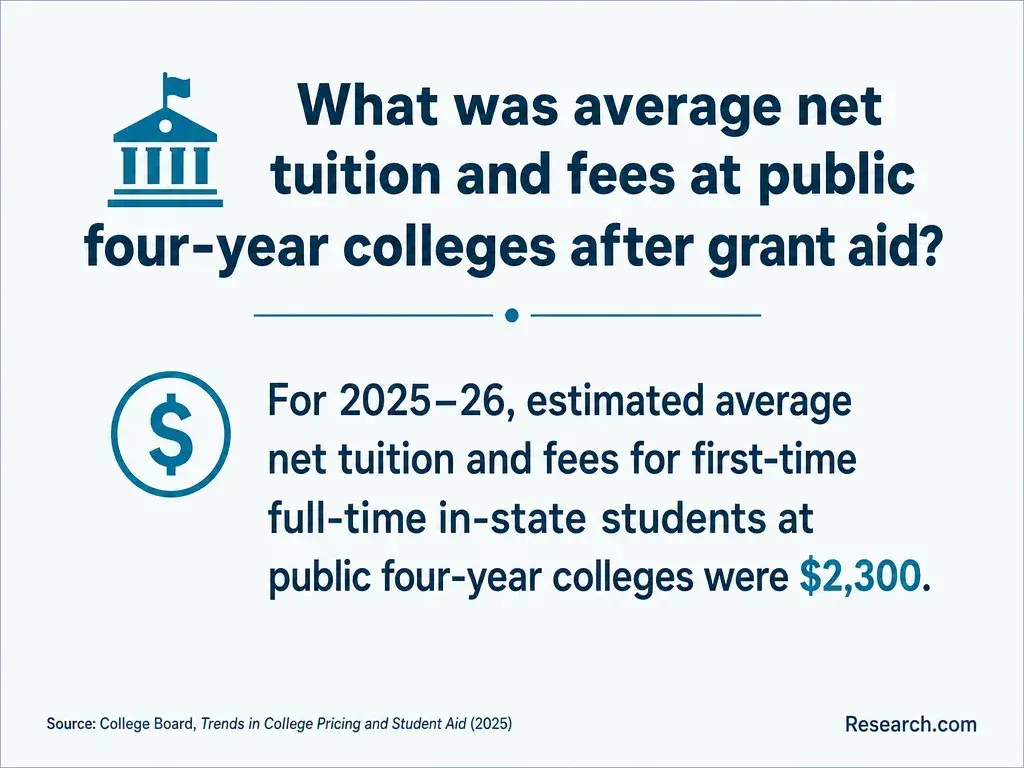
A conventional full-time bachelor's plan is often built around approximately 120 semester credits over four academic years. Your timeline instead depends on accepted credits that apply to the degree, enrollment pace, prerequisites, and when required courses run. Calculate cost from remaining credits at the applicable tuition rate, then add mandatory fees, books, software, and any project or placement expenses. Do not treat a published per-credit price as a total-degree quote.
Accelerated formats may shorten the calendar without reducing the work. If comparing a general BA with faster online forensic psychology degree completion, check whether the faster schedule still leaves room for the methods courses and mentoring your career-decision project needs.
Potential nonclinical settings include college career offices, workforce-development organizations, human services, recruiting, and research teams. Depending on the employer and your experience, work may involve coordinating appointments, explaining resources, supporting job-search workshops, recruiting participants, or organizing survey data. The degree can provide useful knowledge; hiring also depends on communication, data skills, relevant experience, and the specific job description.
A supervised project or part-time role can provide stronger evidence of readiness than an elective alone. If you are considering justice-system career services or forensic research instead, accelerated forensic psychology graduate completion routes are a distinct further-study option - not a requirement for ordinary career-services work and not a route that automatically grants forensic-practitioner authority.
There is no meaningful single salary or growth rate for "general psychology BA graduates." A career-services coordinator, research assistant, and human-services worker have different duties and labor markets. Compare current Bureau of Labor Statistics occupation data with local postings for the actual job title and duties you want, noting that an occupation-wide median is not an entry-level offer or an outcome attributable to this degree.
For return on investment, compare the remaining cost of a BA with the qualifications in target-job postings. If your target is specifically substance-use support, lower-tuition bachelor's pathways in substance use counseling offer a different cost comparison; verify credential requirements before assuming a cheaper degree qualifies you for a regulated role.
A general psychology BA does not authorize psychotherapy, diagnosis, independent psychological assessment, or use of a protected clinical title. Licensed psychologist pathways generally require doctoral professional education and additional jurisdiction-specific steps. Licensed professional counselor and clinical social worker pathways typically involve qualifying graduate degrees, supervised practice, and examinations; their requirements are not interchangeable with those of a general psychology BA or MS.
If your intended work is providing counseling rather than researching career decisions or coordinating services, investigate the relevant state license first. Accelerated master's study in clinical mental health counseling is a different educational pathway; confirm a particular program's licensing alignment, placement arrangements, and state rules before applying. Requirements for other credentials, including career-counseling certifications, depend on the issuing organization.
How Can You Choose a Reputable Online Psychology Bachelor's Program?
Shortlist programs by the opportunity to learn and use research methods, not by a promised career outcome. Request the current catalog, a sample degree plan, and answers to these checks before committing:
- Confirm institutional accreditation, the exact BA requirements, and which career-relevant electives run online regularly.
- Ask whether online students can complete an approved research project or obtain faculty supervision in a topic related to career decisions.
- Get a written transfer evaluation and an itemized estimate based on your remaining courses, fees, and expected pace.
- Check live-session, campus-visit, project-approval, and leave policies against your work and other obligations.
Compare the full financial commitment with a targeted course or supervised experience if you already hold a bachelor's degree and only need a specific skill. When considering a specialized alternative, resources on funding an online bachelor's in substance abuse counseling can prompt useful aid questions, but verify your own eligibility and the school's current charges.
Other Things You Should Know About Psychology
Possibly, if your instructor approves its use and you explain what it measures and what it cannot establish. Check permissions and avoid presenting quiz results as diagnoses or definitive career recommendations.
Not necessarily. You do need to understand your methods and interpret results responsibly. Spreadsheet or statistics-software skills can help, while programming may become useful for larger datasets.
Not without appropriate employer permission and a privacy review. A methods description or approved, nonconfidential summary may demonstrate your work without exposing individual responses.
Consider access to education, finances, discrimination, caregiving, and local opportunities alongside interests and motivation. Describe patterns cautiously rather than assuming one explanation fits every person.
- Students & Recent Graduates | U.S. Office of Personnel Management https://www.opm.gov/policy-data-oversight/hiring-information/students-recent-graduates/
- Online Bachelor's Degree in Psychology | Purdue Global https://www.purdueglobal.edu/degree-programs/psychology/bachelor-degree-psychology-online/
- Online Bachelor of Arts in Psychology | UML GPS https://gps.uml.edu/degrees/undergrad/online-bachelors-psychology-degree.cfm
- Practicum vs. Internship in Counseling Programs | New England College https://www.nec.edu/news/practicum-vs-internship-counseling-programs
- Bachelor of Arts in Psychology - Texas State's online programs https://online.txst.edu/degrees/undergraduate/ba-psychology/
- Psychology careers guide | apa.org https://www.apa.org/education-career/guide/careers
- What Do You Learn During a Psychology Degree Program? | Florida National University (FNU) https://www.fnu.edu/what-do-you-learn-during-a-psychology-degree-program/
- Different Types of Psychology Degrees and Jobs | snhu.edu https://www.snhu.edu/about-us/newsroom/social-sciences/what-jobs-can-you-get-with-a-psychology-degree
- Psychology (PSYC) | University of Texas at Arlington University Catalog https://catalog.uta.edu/coursedescriptions/psyc/
- Online Bachelor's in Psychology | University of Kansas https://online.ku.edu/undergraduate-programs/online-bachelors-psychology