2027 Online BA in Psychology - General Psychology vs. a BA in Cognitive Science: Compare Curriculum, Cost, and Career Fit
Audited and Verified:
Our Editorial and Data Verification Process
Research.com uses government datasets, official education statistics and primary institutional information to support its career and degree guides. Our review process checks factual accuracy, occupational definitions, source dates and the requirements associated with the credentials discussed.
How This Article Was Fact-Checked
Our editorial team verifies salary estimates, employment projections, education requirements and program information against original data providers and official organizations. Salary figures are checked against the relevant occupational definitions and reporting periods. Information about licensure, accreditation and required in-person training is reviewed separately.
Fact-checked and verified on:

Co-Founder and Chief Data Scientist
An online BA in General Psychology and a bachelor's degree in cognitive science both study human behavior, but they prepare students to ask different questions and develop different skills. That distinction matters if you are choosing courses around a job goal, planning graduate study, or trying to finish a degree without losing transfer credits.
This comparison explains what each major typically covers, how to assess cost and online requirements, and which evidence to request from schools before deciding.
Key Things You Should Know
- Choose general psychology for broad preparation across behavior, development, social psychology, and research; choose cognitive science when your goal calls for deeper study of cognition alongside computing, linguistics, or neuroscience.
- Neither bachelor's degree qualifies you to practice as a licensed psychologist. Career fit depends heavily on methods skills, projects, experience, and any later credentials.
- Compare the remaining credits that satisfy your degree requirements, not advertised tuition alone: transfer decisions, course sequencing, and online attendance rules can change both cost and completion time.
What is the difference between a BA in General Psychology and Cognitive Science?
A BA in General Psychology surveys psychology as a discipline: how people develop, learn, relate to others, and behave across settings. Students typically learn to evaluate psychological research and can use electives to explore a particular interest. "General" describes breadth, not the absence of scientific training.
A bachelor's in cognitive science centers on how minds and intelligent systems represent, process, and use information. It is often interdisciplinary, combining cognitive psychology with fields such as computer science, linguistics, philosophy, and neuroscience. Schools may award a BA or BS, and the balance among those fields varies substantially.
Start with the work you hope to do. General psychology is usually the more direct foundation for broad behavioral-science study or human-services interests. Cognitive science may fit better if you want to investigate language, decision-making, human-technology interaction, or computational models.
If your intended focus is specifically substance use and recovery rather than cognition, compare both with addiction psychology undergraduate degree selection; subject-matter study still does not confer a counseling credential.
How do General Psychology and Cognitive Science curricula compare?
The distinction is clearest in the required courses, not the degree title. This table shows common emphases; an individual catalog and degree audit must establish what a particular student will actually take.
| Comparison point | General Psychology BA | Cognitive Science bachelor's |
| Core questions | Behavior and mental processes across psychological subfields | Cognition and information processing across several disciplines |
| Methods | Psychological statistics, research design, and interpretation | Research methods that may also include programming or computational modeling |
| Typical breadth | Developmental, social, biological, personality, and cognitive psychology | Cognitive psychology, linguistics, neuroscience, philosophy, and computing |
| Potential constraint | Technical depth may require carefully chosen electives | Psychology breadth or professional-school prerequisites may require extra courses |
For either major, inspect which methods courses require prerequisites and whether advanced electives run online often enough to fit your schedule. If your interest is behavior in legal settings, evaluate that coursework separately through a forensic psychology program review before enrollment; a course label alone says little about research training or professional authority.
Which degree offers better career opportunities and salary potential?
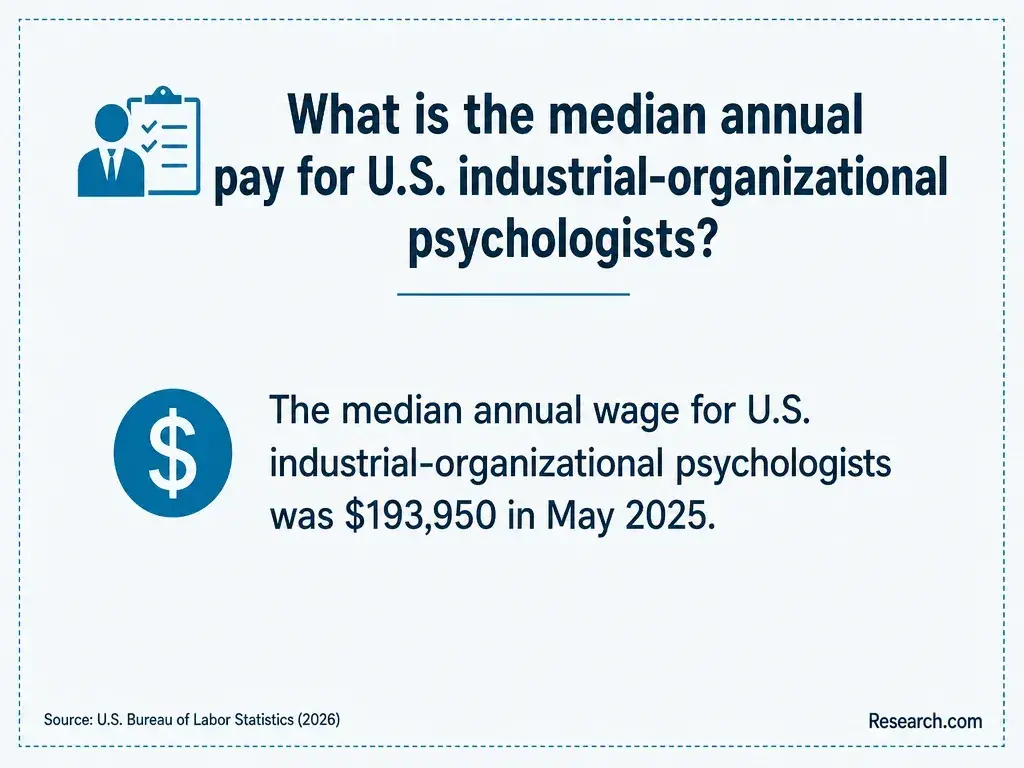
Neither major has a reliable salary advantage on its own. Employers hire for defined roles and demonstrated skills, not for the presumed earnings of everyone holding a degree with a particular name. The US Bureau of Labor Statistics reports wages and employment projections by occupation, rather than separate outcomes for general psychology and cognitive science graduates. Compare its occupational data only after identifying a realistic target job and its entry requirements.
General psychology can support applications for nonclinical research support, human-services coordination, outreach, or organizational roles when paired with relevant experience. Cognitive science may be useful for research support, user research, or technology-adjacent work, but those employers may also expect a portfolio, programming, study-design skills, or prior work experience. Neither degree makes a graduate a licensed clinician.
For a community-service goal, review actual duties and local credential rules through recovery services employment pathways rather than assuming an academic concentration establishes job eligibility.
For a practical comparison, collect local postings for one or two target roles. Separate required credentials from preferred majors, then identify the courses, supervised projects, internships, and work samples that would address the gaps. An existing background in computing, education, or service delivery could change which degree adds more value.
A general psychology major commonly includes introductory psychology, statistics, research methods, and courses in areas such as cognition, development, social behavior, biological psychology, and personality. Some programs add a senior seminar or capstone; others offer internships or research participation as options rather than requirements. Check the catalog instead of assuming a course is offered every term.
Electives are where this broad degree becomes more targeted. A student interested in research might prioritize experimental design and an approved faculty project.
Someone considering later counseling training should examine the intended graduate program's prerequisites, not assume that an undergraduate abnormal psychology course satisfies them. Clinical counseling master's course sequencing is a separate planning issue from selecting BA electives: professional training requirements belong to the qualifying graduate program.
Cognitive science students study topics such as attention, memory, perception, language, reasoning, and decision-making. Depending on the school, required work may extend to neuroscience, logic, statistics, programming, or models of intelligent behavior. An online program's technical depth deserves close inspection: a catalog may include computing courses without making them accessible at the times or pace you need.
Look for a sequence that lets you apply methods, not merely read about them - for example, a supervised research project, a reproducible analysis, or an appropriately approved study of user behavior.
If you plan to pursue graduate psychology afterward, compare its prerequisite list with your cognitive science transcript. Missing psychology breadth may require additional coursework, while low-cost master's degrees in psychology should be evaluated on research fit and total cost, not price alone. A master's is not automatically necessary for every research-support or technology-adjacent job.
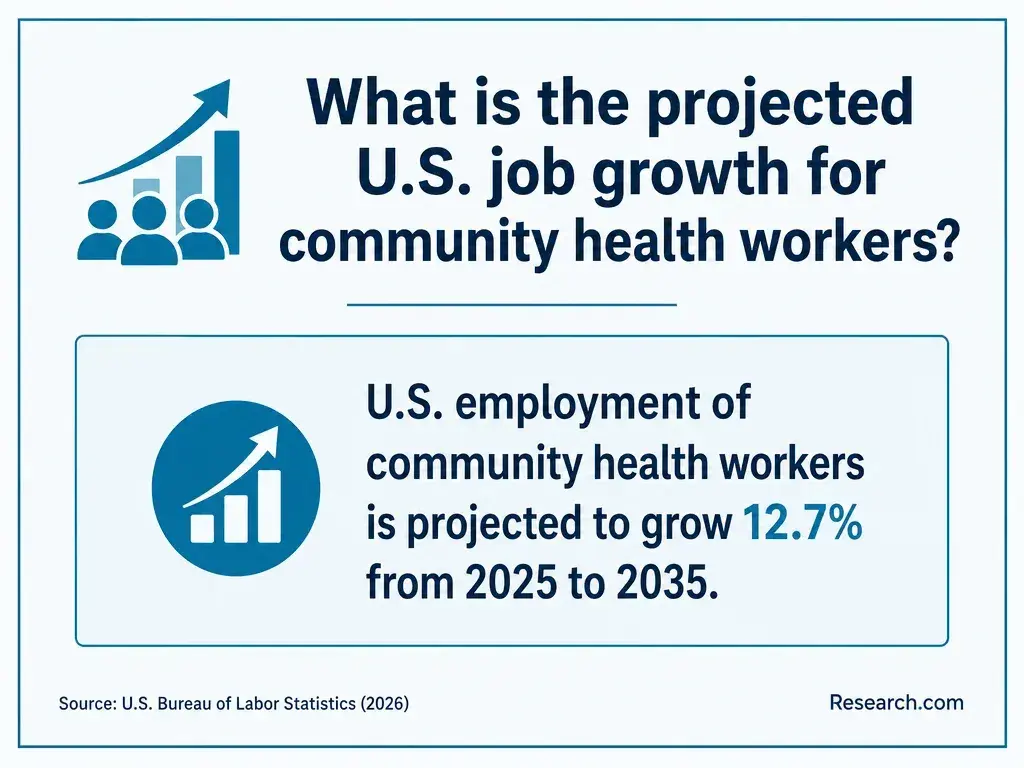
There is no dependable single price for an online psychology BA - or a cognitive science degree. Tuition may be charged by credit, course, or term; mandatory fees, books, software, and travel for any required activities may add to it. A transfer student's relevant figure is the cost of remaining requirements, not the advertised price of a full degree.
Request a written degree audit and a term-by-term estimate from each school. Compare tuition and mandatory fees for the courses you still need, then account for likely course availability, financial aid, employer assistance if offered, and any reduction in paid work.
A guide to planning a budget for an online psychology degree can help frame the comparison, but the institution must confirm its charges and aid eligibility for your enrollment plan. Do not treat an estimated transfer-credit award as a saving until the credits have been applied to specific requirements.
Completion time depends on accepted credits, credits that actually satisfy the major, enrollment pace, prerequisites, and how often required courses are offered. Cognitive science can take longer than expected if programming or mathematics courses form a sequence; psychology can also have a statistics-to-methods-to-capstone sequence. Neither degree title establishes a faster route.
Ask each school for a proposed course sequence based on an official transfer evaluation. If you need a shorter calendar, compare accelerated BA and BS psychology pathways against the weekly workload and your ability to attend any live meetings. "Online" and "accelerated" do not necessarily mean self-paced.
Requirements vary by institution and by applicant status. First-year applicants commonly submit prior school records; transfer applicants provide college transcripts for admission and credit review. A school may also set separate conditions for entering a particular major or taking upper-level courses. Cognitive science programs may have mathematics or computing prerequisites that a general psychology BA does not.
Before applying, ask whether admission to the university also admits you to the major, which prerequisites can be completed after enrollment, and how prior statistics or research-methods courses will be evaluated. Financial aid is a separate determination. If an addiction-focused alternative is under consideration, comparing grants for undergraduate addiction counseling study can inform funding questions, but neither a degree focus nor admission guarantees a grant.
No. A general psychology BA and a cognitive science bachelor's degree are undergraduate academic qualifications, not licenses to diagnose, provide psychotherapy, conduct independent clinical assessments, or use a protected psychologist title. Requirements for psychologists and other licensed mental-health professionals differ by occupation and jurisdiction and involve further qualifying education and, as applicable, supervised experience and examinations.
If your goal is counseling, compare programs designed around that profession's state requirements rather than assuming either bachelor's major is a qualifying clinical pathway. Researching affordable accredited mental health counseling study options is useful only after confirming the program's recognition, placement requirements, and eligibility in the state where you intend to practice.
How can you choose an accredited online program that fits your goals?
Confirm the institution's recognized accreditation and the exact degree and delivery format it offers. Institutional accreditation is relevant to academic quality and aid eligibility, but it does not prove that a BA is professionally accredited or leads to licensure; APA accreditation, for example, should not be assumed to cover general undergraduate psychology majors.
Then request the current catalog, a requirement-level transfer audit, an online course schedule, and details of any research, capstone, or in-person obligations. Compare those documents against your target job or next degree. Ask who supervises projects, whether required courses are available at your planned pace, and what happens if a course is canceled.
If forensic graduate study is a possible next step, use one-year graduate forensic psychology program planning to test that longer-term goal - not as evidence that either bachelor's degree provides forensic-practice credentials.
Other Things You Should Know About Psychology
Often, but the school decides which completed courses apply to the new major. Request an updated degree audit before switching so you can see any added prerequisites or delayed graduation date.
No. Cognitive science may include neuroscience, but it also draws on other fields. Compare required laboratory science and biology courses if neuroscience is your main interest.
Not always. Some programs teach programming from the beginning; others expect preparation for advanced courses. Check prerequisites and available introductory courses before applying.
Possibly, but opportunities vary. Ask about remote faculty supervision, approved project types, data access, meeting schedules, and whether a campus visit is required.
- Fast Facts: Tuition costs of colleges and universities (76) | ed.gov https://nces.ed.gov/fastfacts/display.asp
- Graduate Education | Department of Psychological Sciences | UC Template 2014 https://psychology.uconn.edu/graduate/
- Admission requirements for a master's in psychology | Capella University https://www.capella.edu/blog/psychology/requirements-for-masters-in-psychology/
- Preparing for Graduate School - Psychology | Academic Affairs https://uwm.edu/psychology/students/undergraduate/engagement-learning-opportunities/preparing-for-graduate-school/
- Tuition & cost of attendance | UC Admissions https://admission.universityofcalifornia.edu/tuition-financial-aid/tuition-cost-of-attendance/
- How Do Transfer Credits Work When You Go Back to School? | Whitworth Online https://online.whitworth.edu/news-articles/how-do-transfer-credits-work-when-you-go-back-to-school/
- Summer Undergraduate Research Program | mssm.edu https://icahn.mssm.edu/education/non-degree/surp4us
- Cognitive Science - College Catalog - The University of Chicago http://collegecatalog.uchicago.edu/thecollege/cognitivescience/
- What's the Difference Between a B.A. & B.S. in Psychology? | The Chicago School https://www.thechicagoschool.edu/insight/career-development/difference-between-ba-and-bs-in-psychology/
- FAQs | Cognitive Sciences | Rice University https://cogsci.rice.edu/faqs