2027 Online Christian Counseling Doctorate Programs with Strong Student Support: Advising, Writing Help, and Career Services
Audited and Verified:
Our Editorial and Data Verification Process
Research.com uses government datasets, official education statistics and primary institutional information to support its career and degree guides. Our review process checks factual accuracy, occupational definitions, source dates and the requirements associated with the credentials discussed.
How This Article Was Fact-Checked
Our editorial team verifies salary estimates, employment projections, education requirements and program information against original data providers and official organizations. Salary figures are checked against the relevant occupational definitions and reporting periods. Information about licensure, accreditation and required in-person training is reviewed separately.
Fact-checked and verified on:

Co-Founder and Chief Data Scientist
Choosing an online Christian counseling doctorate is not just about curriculum or tuition; it is about whether you will be supported through advanced coursework, research, writing, ministry integration, and career planning. NCES reported in 2024 that more than half of U. S. postbaccalaureate students took at least one distance education course, making online graduate support a mainstream concern. This guide helps prospective doctoral students compare advising, dissertation help, faculty access, writing support, and career services so they can choose a program that fits their academic goals, faith commitments, and professional plans.
Key Things You Should Know
- Strong online Christian counseling doctorate programs provide support that is proactive, doctoral-level, and available to fully online students, not just general campus services listed on a website.
- Advising quality varies widely: look for dedicated doctoral advisors, clear dissertation milestones, documented response-time expectations, and virtual appointments that fit working adults.
- Career support matters because outcomes differ by path; BLS reported a May 2024 median annual wage of $59,190 for substance abuse, behavioral disorder, and mental health counselors, while doctoral graduates may also pursue teaching, supervision, ministry leadership, consulting, or research roles.
What Student Support Services Should Strong Online Christian Counseling Doctorate Programs Provide?
A strong online Christian counseling doctorate should support both the academic side of doctoral study and the personal realities of being a distance learner. "Student support" should mean more than a help desk or a one-time orientation; it should include advising, faculty mentoring, writing help, dissertation guidance, library access, technology support, career coaching, and spiritual or wellness resources appropriate to the institution's mission.
Christian counseling doctorate programs may lead to different outcomes. Some are designed for licensed counselors seeking research, supervision, or teaching roles; others focus on pastoral counseling, ministry leadership, chaplaincy, or faith-based helping professions. Students who are still comparing master's-level preparation may also want to review online masters programs for counseling before committing to a doctorate.
The table below shows the main support areas to compare and what "strong" support looks like for online doctoral students.
| Support area | Basic support | Stronger support for online doctoral students | Why it matters |
| Academic advising | General advising by email | Dedicated doctoral advisor with scheduled degree-plan reviews | Helps students sequence courses, avoid delays, and understand milestones |
| Dissertation or project mentoring | Committee assigned late in the program | Early research planning, chair matching, proposal checkpoints, and committee guidance | Reduces confusion during the most independent stage of the doctorate |
| Writing support | Self-service APA guides | Doctoral writing consultations, dissertation editing guidance, citation support, and feedback on structure | Supports scholarly writing, literature reviews, and research presentation |
| Career services | Job board access | Doctoral career coaching, CV review, interview preparation, teaching portfolio help, and networking | Aligns the doctorate with counseling, ministry, teaching, supervision, or consulting goals |
| Faculty access | Office hours listed in syllabus | Virtual office hours, predictable response times, research mentoring, and course-specific support | Online students need reliable faculty contact, especially in research-intensive courses |
| Technology and accessibility | Basic learning platform support | 24/7 or extended-hour tech help, accessibility services, captioning, and remote proctoring support | Prevents technical or access issues from becoming academic barriers |
When comparing programs, ask whether support is built into the doctoral pathway or simply available if the student knows how to request it. High-touch programs often cost more, but they may be a better fit for students who need structured deadlines, frequent feedback, or dissertation guidance.
How Does Academic Advising Work in Online Christian Counseling Doctorate Programs?
Academic advising in an online Christian counseling doctorate should help students understand program requirements, select courses, meet residency or internship expectations if required, prepare for comprehensive exams, and stay on track for the dissertation or doctoral project. The best advising models combine administrative guidance with faculty mentoring, because doctoral students need both policy clarity and discipline-specific direction.
Students entering from counseling, psychology, ministry, social work, or theology backgrounds may need different advising. Those moving quickly from a master's pathway, including students considering accelerated mental health counseling programs online, should ask how the doctoral program evaluates readiness for advanced research, theory, supervision, and writing expectations.
Before enrolling, compare advising models carefully because similar language can describe very different service levels.
| Advising model | What it usually means | Best fit | Risk to check |
| Dedicated doctoral advisor | One advisor follows the student through most of the program | Students who want continuity and proactive planning | Ask what happens if the advisor changes roles or leaves |
| Central advising team | Students contact a shared advising office | Students who need quick answers to registration or policy questions | May provide less individualized doctoral planning |
| Faculty advisor | A professor advises on academic direction and research fit | Students focused on scholarship, teaching, or dissertation alignment | Availability may vary by faculty workload |
| Self-service advising | Students follow degree audits and online planning tools | Highly independent students with prior graduate success | Greater risk of missed milestones or unclear expectations |
Advising is strongest when it is proactive. A good program should not wait until a student is struggling to explain course sequencing, candidacy requirements, dissertation timelines, or academic policies.
Use these questions when speaking with admissions or a program director:
- Will I have a named doctoral advisor, a rotating advising team, or both?
- How often are online doctoral students expected to meet with an advisor?
- Are advising appointments available during evenings or weekends for working adults?
- What is the typical response-time expectation for advising emails?
- Does advising include dissertation planning before coursework is finished?
- Who helps if I fall behind, need a leave of absence, or fail a milestone exam?
A red flag is vague language such as "students have access to advising" without details on who advises, how often they meet, and whether advisors understand doctoral counseling requirements.
What Dissertation Mentoring and Committee Support Should Online Christian Counseling Doctoral Students Expect?
Dissertation and doctoral project support is one of the biggest differences between an adequate online doctorate and a well-supported one. In Christian counseling programs, students may complete empirical research, applied ministry research, program evaluation, a clinical supervision project, or a dissertation that integrates counseling theory and theological reflection. The required format depends on the degree type, accreditation, and institutional mission.
Strong dissertation support starts before the dissertation phase. Students should receive early help narrowing a topic, identifying a research problem, choosing a methodology, understanding ethical review, and matching with faculty whose expertise fits the project.
The most useful dissertation support often follows a staged process. These checkpoints help students see whether the program has a clear structure rather than leaving each student to figure it out alone.
- Research orientation that explains acceptable topics, methods, and faith-integration expectations.
- Early faculty conversations about research interests, populations, counseling settings, or ministry contexts.
- Clear transition from coursework to candidacy, including exams or portfolio requirements if applicable.
- Transparent process for selecting or being assigned a dissertation chair and committee members.
- Proposal development support, including literature review, research questions, methodology, and ethical review preparation.
- Regular chair meetings during data collection, analysis, writing, revision, and final defense preparation.
Committee support should also be clearly defined. Ask whether committee members provide substantive feedback, how disagreements are handled, and whether online students defend virtually. A program may advertise dissertation mentoring, but students need to know whether mentoring means monthly meetings, occasional comments on drafts, or only formal feedback at proposal and defense stages.
Common red flags include delayed committee assignment, no written dissertation handbook, unclear IRB timelines, limited faculty expertise in counseling research, and no examples of recent dissertation topics. These do not automatically mean the program is weak, but they should prompt careful follow-up.
Doctoral writing is different from graduate coursework writing. Students must synthesize research, use scholarly evidence, apply theory, follow APA or program-specific style rules, and write with enough precision to support a dissertation, applied project, or publishable paper. In online Christian counseling doctorate programs, writing support is especially important for students returning to school after years in practice or ministry.
Writing centers vary widely. Some provide general grammar help, while stronger doctoral support focuses on argument structure, literature review organization, research alignment, citation practices, academic voice, and revision planning.
When evaluating writing help, look for services that match doctoral-level needs rather than only undergraduate tutoring.
- One-on-one writing consultations for doctoral students, preferably by appointment and available online.
- Support for APA style, theological sources, counseling literature, citation management, and academic integrity.
- Dissertation-specific help with literature reviews, problem statements, conceptual frameworks, and chapter organization.
- Workshops on scholarly writing, avoiding plagiarism, paraphrasing research, and preparing manuscripts or conference proposals.
- Feedback that improves clarity and structure without crossing into inappropriate editing or authorship.
- Resources for multilingual writers, returning adult learners, and students who have not written research papers recently.
Students should also distinguish between writing support and dissertation approval. A writing center can help improve clarity and organization, but the dissertation chair and committee decide whether the scholarly argument, methodology, and evidence meet program standards.
A practical way to test support quality is to ask for a sample writing-center workflow. For example, can students submit drafts asynchronously? Are live appointments available? Is there a limit on pages reviewed? Are dissertation chapters eligible for review? The answers will show whether support is genuinely useful during the hardest writing stages.
Research support is essential because doctoral students must move beyond opinion, experience, or ministry reflection into disciplined inquiry. Even faith-integrated programs should expect students to use credible counseling literature, ethical research practices, and appropriate methodology.
Online students should have remote access to research databases, e-books, interlibrary loan, librarian consultations, citation tools, and research-methods guidance. Programs with quantitative or mixed-methods dissertations should also explain how students receive help with statistics or research software.
The table below summarizes research-support features that are especially important for online doctoral students.
| Research support feature | What to verify | Why it matters |
| Online library access | Remote access to counseling, psychology, theology, education, and social science databases | Dissertations require current peer-reviewed sources, not only textbooks or ministry books |
| Research librarian appointments | Virtual consultations with librarians familiar with graduate research | Helps students build search strategies and avoid weak literature reviews |
| Statistics support | Tutoring, workshops, faculty guidance, or approved software resources | Students using quantitative methods need help choosing and interpreting analyses |
| Qualitative research support | Guidance on interviews, coding, trustworthiness, and ethical handling of participant data | Many counseling and ministry projects use qualitative or applied methods |
| IRB guidance | Clear training and review process for human-subjects research | Counseling research often involves sensitive populations and ethical considerations |
| Citation management | Training in tools such as citation managers and reference workflows | Reduces errors in long literature reviews and dissertation chapters |
AI tools are also changing doctoral research and writing. A strong program should have a clear academic integrity policy explaining whether students may use AI for brainstorming, editing, coding assistance, or literature organization. The policy should also clarify what must be disclosed and what uses are prohibited.
Be cautious if a program expects advanced research but provides no statistics help, no research librarian access, or no clear IRB process for online students. That gap can become a major obstacle during dissertation work.
Career services for doctoral students should go beyond entry-level resume help. Online Christian counseling doctorate students may be preparing for faculty roles, clinical supervision, ministry leadership, chaplaincy administration, nonprofit leadership, consulting, writing, research, or advanced counseling-related practice depending on licensure and degree type.
Career planning should start before the dissertation, because the student's research topic, practicum choices, teaching opportunities, and professional networking can all affect future options. Students comparing counseling specialties earlier in the pathway may also find it useful to review the best online MFT programs to understand how master's-level licensure preparation differs from doctoral specialization.
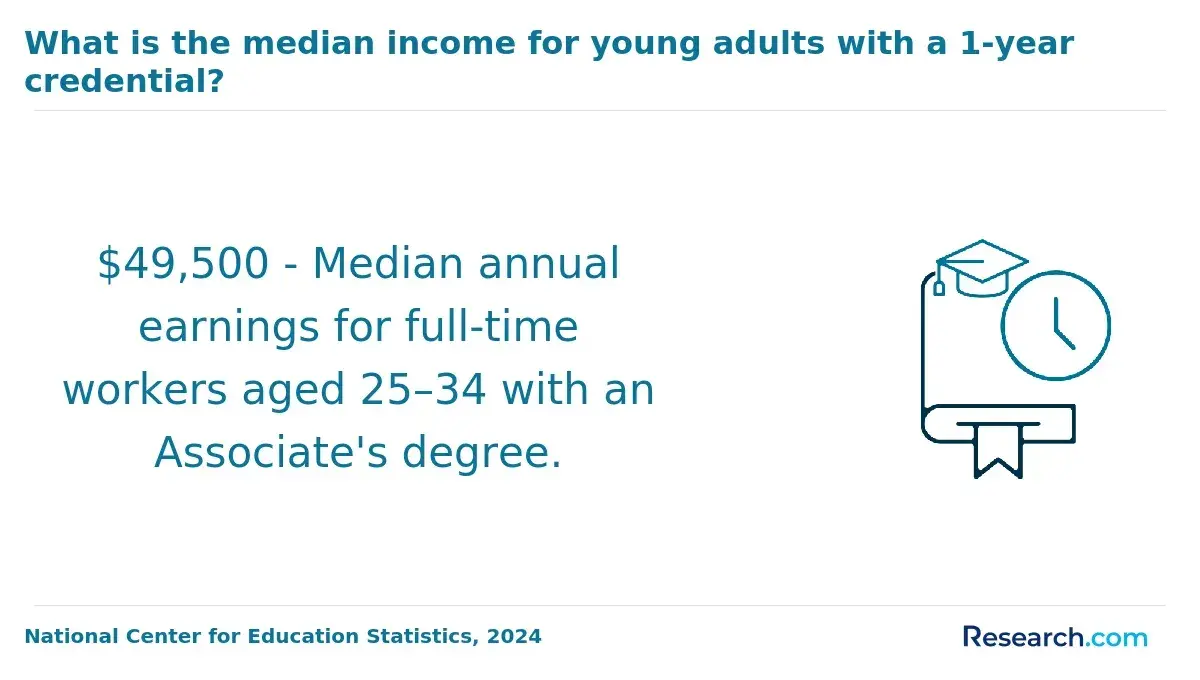
BLS reported a May 2024 median annual wage of $59,190 for substance abuse, behavioral disorder, and mental health counselors. That figure is useful context, but it does not represent every doctoral outcome; wages can differ by license, employer, location, faculty status, ministry setting, and whether the role requires a doctorate.
Strong doctoral career services should include support tailored to advanced professional goals.
- CV and resume reviews for academic, clinical, ministry, nonprofit, and consulting roles.
- Mock interviews for faculty searches, leadership positions, supervision roles, or faith-based organizations.
- Teaching portfolio support for students who want adjunct, full-time faculty, or training roles.
- Guidance on licensure boundaries, supervision credentials, and state-specific counseling requirements.
- Networking with alumni, faculty, professional associations, churches, clinics, schools, or nonprofit partners.
- Support for conference proposals, publications, professional presentations, and thought leadership.
Ask whether career services are designed for doctoral students or whether they primarily serve undergraduates. A job board alone is rarely enough for someone pursuing a doctorate in Christian counseling.
Faculty and staff accessibility can determine whether an online student feels guided or isolated. In doctoral study, unanswered questions can delay research approvals, course progress, dissertation revisions, and registration decisions. Strong programs set clear expectations for communication rather than relying on informal availability.
Accessibility should be measured in practical terms: response times, appointment options, office hours, staff coverage, time-zone flexibility, and escalation paths when an issue is urgent. Online students should not have to wait until a campus residency to receive meaningful guidance.
Use the following indicators to judge whether a program is likely to be responsive:
- Faculty syllabi include office hours, preferred contact methods, and expected response windows.
- Advisors offer virtual appointments and not only email exchanges.
- Dissertation chairs explain meeting frequency before students commit to a topic.
- Support offices publish service hours and online-student procedures.
- The program provides a clear escalation process for unresolved advising, faculty, technology, or accessibility issues.
- Students can reach key offices during at least some nontraditional hours if the program markets itself to working adults.
A useful admissions question is: "If I send a dissertation, advising, or tech-support question on a weekday, when should I expect a response?" Strong programs can answer with a policy or norm. Weaker programs may rely on vague assurances such as "faculty are supportive" without explaining what that means in practice.
Peer support matters because doctoral work can be isolating, especially online. Christian counseling students often balance coursework with clinical practice, ministry responsibilities, family obligations, and spiritual formation. Cohort and mentoring structures can help students stay engaged, share resources, and develop professional identity.
Programs may use either a cohort model, where students move through courses together, or a more flexible model, where students start and progress at different times. Neither is automatically better; the right fit depends on the student's need for flexibility versus structured community.
The table below compares common community models in online doctoral programs.
| Support model | Strengths | Possible drawbacks | Best fit |
| Cohort model | Built-in peer relationships, predictable sequence, shared milestones | Less flexibility if a student needs to pause or slow down | Students who want structure and community |
| Flexible pacing | More control over course load and timing | Students may need to work harder to build peer connections | Working adults with variable schedules |
| Faculty mentoring groups | Research-focused discussion and professional identity development | Quality depends on faculty availability and group consistency | Students pursuing research, teaching, or supervision |
| Residency or intensive sessions | Deep relationship building, skills practice, and dissertation planning | Travel, time away from work, and added costs may be significant | Students who benefit from periodic face-to-face interaction |
| Online peer communities | Convenient discussion, prayer support, resource sharing, and accountability | Can become inactive without facilitation | Students who want informal connection between courses |
Mentoring may also include spiritual formation, pastoral identity, clinical supervision themes, or ethical decision-making from a Christian worldview. Ask whether mentoring is formal, optional, peer-led, faculty-led, or embedded in courses.
A red flag is a program that emphasizes community in marketing materials but cannot describe actual cohort meetings, peer groups, mentoring sessions, alumni engagement, or residency outcomes.
Technology, accessibility, and wellness support are not secondary features in an online doctorate. They affect whether students can participate consistently, submit assignments, attend synchronous sessions, access materials, and manage the stress of doctoral study.
Strong programs provide a clear online orientation that introduces the learning management system, video tools, library access, academic policies, accessibility procedures, and support contacts. Students should know where to go before a problem occurs.
Evaluate technology and wellness support in three areas:
- Technology access: Look for extended-hour or 24/7 technical support, clear device and software requirements, help with video conferencing, and backup procedures for outages or platform problems.
- Accessibility services: Confirm that online students can request accommodations, captioning, accessible documents, assistive technology support, and testing adjustments where applicable.
- Wellness and pastoral support: Ask whether counseling, chaplaincy, spiritual care, student success coaching, or crisis resources are available remotely and whether there are boundaries between academic advising and personal counseling.
Students should also ask how synchronous requirements are handled. If live sessions, residencies, proctored exams, or group presentations are required, the program should explain time zones, attendance policies, recording availability, and accommodation procedures.
Common mistakes include assuming online means fully asynchronous, assuming accessibility support is automatic, or waiting until a crisis to learn how wellness resources work. Before enrolling, request the online student handbook and review the policies that affect participation.
How Can You Compare Online Christian Counseling Doctorate Programs Based on Student Support Quality?
The best way to compare online Christian counseling doctorate programs is to look beyond advertised services and evaluate how support works in practice. A lower-tuition program may be a good choice for independent students, while a higher-support program may be worth considering for students who need structured advising, intensive writing help, or frequent dissertation mentoring.
Cost should be compared with support quality, time to completion, and student fit. Federal Student Aid currently lists the annual Direct Unsubsidized Loan limit for graduate or professional students at $20,500, with Grad PLUS loans potentially covering remaining eligible cost of attendance. That makes it important to compare total cost carefully, not just per-credit tuition. Students prioritizing affordability can also compare options for the cheapest online PhD in counseling while still checking whether advising and dissertation support are strong enough.
Use this comparison framework before applying or enrolling:
- Clarify your goal: licensed counseling advancement, counselor education, supervision, ministry leadership, pastoral counseling, teaching, consulting, or research.
- Verify accreditation and state relevance, especially if the program is connected to professional counseling licensure, supervision credentials, or faculty roles.
- Ask for the doctoral handbook, dissertation handbook, sample course sequence, residency requirements, and online support policies.
- Compare advising models by named advisor access, meeting frequency, response-time expectations, and escalation procedures.
- Evaluate writing and dissertation support by asking whether doctoral chapters, proposals, and literature reviews are eligible for feedback.
- Review faculty profiles for research interests, counseling expertise, theology integration, supervision background, and recent dissertation supervision.
- Test online access by asking whether library, tech support, career services, accessibility services, and wellness resources are available remotely.
- Speak with current students or alumni about responsiveness, dissertation support, workload, community, and hidden costs.
The table below can help you identify strong, moderate, and weak support signals during program research.
| Category | Strong signal | Moderate signal | Red flag |
| Advising | Named doctoral advisor, scheduled check-ins, written milestone plan | Advising available on request | No clear advisor assignment or response policy |
| Dissertation support | Early topic development, chair matching, dissertation handbook, regular meetings | Committee assigned after coursework | Unclear committee process or limited faculty research fit |
| Writing help | Doctoral writing consultations and dissertation chapter support | General writing center access | Only static writing guides or no doctoral writing help |
| Career services | Doctoral CV, teaching portfolio, networking, and leadership coaching | Resume review and job board | Career services not available to online doctoral students |
| Faculty access | Virtual office hours, clear response expectations, research mentoring | Email access with variable response | Faculty availability not defined |
| Online student services | Remote library, accessibility, tech, wellness, and orientation support | Some services online, others campus-based | Support appears designed mainly for on-campus students |
Your final choice should reflect both academic fit and support fit. If you are highly independent, comfortable with research, and already have a strong professional network, a lower-cost program with moderate support may work. If you need accountability, writing coaching, frequent mentoring, or career repositioning, stronger support can be a decisive factor.
Other Things You Should Know About Christian Counseling
Not always. Many counseling licenses are based primarily on a qualifying master's degree, supervised experience, exams, and state board rules. A doctorate may support teaching, supervision, research, ministry leadership, or advanced practice, but students should verify licensure requirements with their state board before enrolling.
A PhD usually emphasizes research and scholarship, an EdD often focuses on leadership or applied educational practice, and a DMin typically centers on ministry practice. Program titles vary, so compare curriculum, dissertation requirements, accreditation, faculty expertise, and intended outcomes instead of relying on the degree abbreviation alone.
Many online doctoral students work while enrolled, but feasibility depends on course load, synchronous meetings, residency requirements, dissertation expectations, and personal responsibilities. Ask schools for weekly workload estimates and whether part-time enrollment is allowed.
Faith integration is important if you want counseling, ministry, leadership, or research training grounded in a Christian worldview. Review syllabi, faculty backgrounds, ethics courses, theology requirements, and dissertation expectations to see whether faith integration is substantive rather than only mission-language branding.
- The New Metrics That Matter for Career Services in 2025 https://writesea.com/blog/the-new-metrics-that-matter-for-career-services-in-2025/
- Doctor of Christian Psychology and Counseling Online https://cornerstonechristianuniversity.com/programs/christian-psychology-and-counseling/doctor-of-christian-psychology-and-counseling/
- Christian Counseling Resources For Counselors | BetterHelp https://www.betterhelp.com/advice/counseling/christian-counseling-resources-mental-health-tools-for-biblical-counselors/
- College student satisfaction and academic advising: What do the national data tell us? https://www.ruffalonl.com/college-student-satisfaction-and-academic-advising-what-do-the-national-data-tell-us/
- How Career Pathways Software Helps Students Navigate Their Academic Journey https://moderncampus.com/blog/how-career-pathways-software-helps-students-navigate-their-academic-journey.html
- Service Center https://cutsedu.org/doctor-of-philosophy-in-christian-counseling-ph-d-c-c/
- Doctor of Philosophy in Clinical Christian Counseling - CrossPointe Theological Seminary https://crosspointe.education/doctor-of-philosophy-in-clinical-christian-counseling/
- Best Online Psychology Degrees: Differences Between Christian and Secular Schools - Grace Christian University https://gracechristian.edu/blog/best-online-psychology-degrees-differences-between-christian-and-secular-schools/
- Becoming a Biblical Counselor: A Skeptic’s Journey https://www.ccef.org/becoming-biblical-counselor-skeptics-journey/
- Christian Employment Resource Career Counseling: Faith-Based Guidance for Your Career https://christianjobnet.com/christian-employment-resource-career-counseling/